

Evaluating Medical Tourism in Ecuador: Your Complete Care Decision Guide
A 45-year-old from Toronto is researching a Gastric Bypass to manage progressive metabolic health issues. They are carefully balancing the significantly lower surgical costs in Quito against the reality of a mandatory two-week recovery stay away from their family.
A mother from Texas is planning a Tummy Tuck and Breast Augmentation in a private Guayaquil clinic. She is currently trying to coordinate childcare at home while securing the necessary medical flight clearance for her return journey.
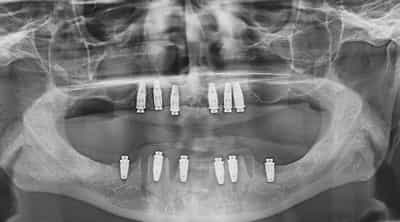
A retired teacher in London is calculating if the substantial savings on full-mouth Dental Implants in Cuenca justify the complex logistics. They must weigh the initial affordability against the physical requirement of multiple transatlantic flights for follow-up adjustments.
All three people are dealing with the same broad topic, but their actual journeys, decisions, and experiences differ significantly.
How do you evaluate if an international medical destination truly aligns with your specific health needs, financial realities, and personal limitations?
Setting Your Baseline Before Booking a Flight
Deciding to travel for medical care rarely begins with a sudden desire for a vacation. It usually starts with a barrier.
Maybe you have reached a plateau in your weight loss journey, and local Gastric Sleeve options remain entirely out of your budget. The waitlists in your home country might stretch for years, leaving you feeling entirely stuck in your current physical state.
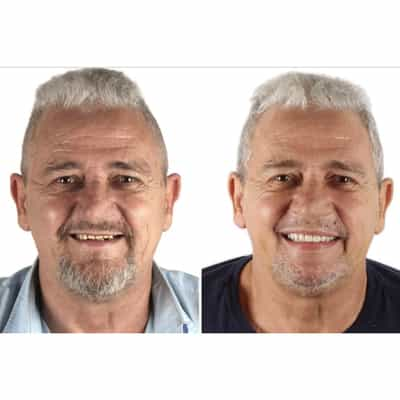
Perhaps your dental health has deteriorated significantly, and the local cost estimates for Dental Veneers or Implants are staggering. You are looking for a way to restore your confidence and function without draining your retirement savings.
Maybe you are seeking extensive body contouring after significant weight loss, but local surgical fees present impossible financial hurdles. You need specialized aesthetic intervention, but the numbers simply do not align with your income.
Perhaps a trusted colleague recently returned from Ecuador with successful results, making you wonder if this alternative path could work for you. Their positive experience has opened your eyes to options outside your local healthcare system.
Maybe you are simply exhausted by a local medical environment that feels inaccessible, rushed, or financially punishing. You are searching for a system where you are treated as an individual rather than a time slot.
Which sounds most like you?
"I need high-level surgical care, but I simply cannot afford the local quotes I have been given."
This reader is prioritizing cost versus long-term value. They must ensure that lower upfront medical prices do not obscure hidden travel, accommodation, or delayed recovery expenses.
"I want my procedure handled privately, quickly, and entirely away from my daily stresses."
This reader is prioritizing speed and convenience over local proximity. They need to carefully evaluate destination support systems and postoperative care before committing to a flight.
"I need complex dental restoration, but I cannot take months off work to finish it."
This reader is prioritizing timeline compression versus sequential biological healing. They must verify if expedited dental implant protocols genuinely align with their body's natural healing capacity.
"I am willing to travel for surgery, but I need absolute proof that the doctors are officially certified."
This reader is prioritizing independent verification over slick marketing claims. They are looking for official government registry data rather than glossy clinic brochures.
This is why choosing medical tourism in Ecuador should begin with your situation, not a generic ranking, slogan, or price comparison.
One Destination. Several Different Real-World Paths.
Ecuadorian medical tourism is not a single, standardized product. It is a highly variable ecosystem of clinics, hospitals, and independent specialists.
Current Ecuadorian health regulations require all active medical facilities to hold operational permits from ACESS (Agencia de Aseguramiento de la Calidad de los Servicios de Salud). In practice, this means facilities undergo basic inspections for hygiene, emergency protocols, and physical infrastructure. However, clinical capability, specialized technology, and after-hours support can differ substantially between a small dental clinic and a major bariatric hospital.
Official guidance notes that medical specialists must have their degrees legally registered with SENESCYT, the national governing body for higher education. This is a crucial planning consideration, not an absolute guarantee of your specific surgical outcome. The safety nets available at a hospital equipped for a complex Gastric Bypass are entirely different from those at a standalone clinic offering aesthetic body contouring.
Capability, quality, timing, and logistical support vary wildly depending on the exact provider and city you choose. A seamless experience in Cuenca does not automatically guarantee the same workflow in Guayaquil.
Here is what those differences can feel like in real life.
Complex Bariatrics: When Restructuring Your Health Requires Distance
A patient arrives in Quito for a Gastric Bypass, immediately noticing the effects of high altitude while settling into their hospital room. They are beginning a strict liquid diet while miles away from the comforts of their own kitchen. The surgical team is highly efficient, but the physical environment feels distinctly unfamiliar.
This option attracts individuals who need to solve urgent metabolic health issues at a fraction of US or Canadian costs. It provides access to transformative weight loss surgery that might otherwise be entirely out of reach. The appeal lies in the comprehensive, intensive care provided during the initial hospital stay.
However, the realities of bariatric surgery abroad include strict dietary transitions without local emotional support. You must also manage potential respiratory adjustments to high-altitude cities like Quito. Postoperative nausea is common, and managing it during a long international flight home requires significant physical resilience.
Before you decide, ask:
- How does the specific altitude of the destination city impact early postoperative respiratory recovery?
- Who exactly is responsible for emergency admission if complications arise after the bariatric clinic closes?
- What are the exact communication protocols between the Ecuadorian bariatric team and your local primary care doctor?
- How long must you remain in the country before commercial flight clearance is legally and medically granted?
- What specific medical documentation will you receive in English for your local medical records?
- Are intravenous hydration therapies included in the cost if you struggle to keep liquids down post-surgery?
Attractive pricing can make the decision easier. It cannot replace the necessity for robust aftercare.
Extensive Dentistry: When Precision Outweighs Local Proximity
A patient sits in a modern, brightly lit dental chair in Cuenca, preparing for the first stage of full-mouth Dental Implants. Outside, the city is historic and calm, providing a peaceful backdrop to a highly clinical procedure. They have blocked out two weeks for this initial trip, knowing they must return months later.
This route attracts readers who desperately need to restore their bite function and confidence but face impossible local fee structures. It solves the immediate financial barrier to comprehensive dental restoration. It also provides an opportunity to receive care from prosthodontists who frequently handle complex, full-arch cases.
The less obvious reality involves the strict biological timelines required for proper bone integration. Phased healing often demands multiple international flights, significantly increasing the total time and travel investment. Temporary crowns can break while you are back home, leaving you without immediate access to your primary treating dentist.
What matters here isn’t the clinic’s interior design.
- Does the proposed treatment timeline allow enough months for proper bone integration before final Dental Veneers or crowns are placed?
- Who pays for the extra flights and accommodation if a preliminary procedure requires an extended healing period?
- Are the specific implant hardware brands used in Ecuador readily serviceable by dentists in your home country?
- What happens operationally and financially if an implant fails to integrate once you have returned home?
- How are minor bite adjustments managed when your treating prosthodontist is thousands of miles away?
- Is the dental laboratory fabricating your prosthetics located on-site to handle immediate revisions?
The best option is not always the fastest. Healing biology rarely respects travel itineraries.
Body Contouring: When Aesthetics Meet the Realities of Healing
A patient rests in a specialized recovery house in Guayaquil following a combined Tummy Tuck and Breast Augmentation. They are wearing tight compression garments, managing surgical drains, and relying heavily on nursing staff to change positions in bed. The tropical climate outside contrasts sharply with the clinical, air-conditioned reality of their recovery room.
This option solves the desire for transformative physical results combined with dedicated, affordable postoperative care. It allows patients to undergo multiple aesthetic procedures simultaneously while recovering away from the demands of work and family. The promise is a complete reset, returning home only after the most difficult healing days have passed.
The trade-offs include navigating severe postoperative discomfort in a foreign environment without your usual support system. Independent recovery houses vary wildly in medical capability, and complications like hematomas require immediate hospital access. The return flight is often exhausting, requiring careful navigation of luggage, security lines, and prolonged sitting.
Before you decide, ask:
- Who is legally responsible for your medical care inside an independent, third-party recovery house?
- How close is the recovery accommodation to the actual surgical hospital in case of sudden bleeding or infection?
- Are the nursing staff at the recovery house medically certified to handle surgical drains and administer intravenous antibiotics?
- What is the specific timeline for safely lifting your own luggage on the international return flight?
- How are follow-up concerns and incision healing evaluated visually once you are back in your home country?
- What are the exact protocols if you require a blood transfusion during or immediately after the procedure?
Convenience during recovery can change the calculation. It should not end the research.
The Person Beside You Has a Role Too
There is often another person missing from guides like this. We rarely discuss the companion who navigates the foreign pharmacy, manages the luggage, and carefully tracks the medication schedules.
Their real-world responsibilities are relentless, practical, and absolutely crucial to a safe medical journey. They coordinate airport transfers and communicate with drivers while the patient is sedated or in deep pain. They provide emotional reassurance during the inevitable post-surgery mood drops.
They are the ones managing physical documents, attempting to translate basic needs, and noticing subtle physical changes in the patient. They must adjust rapidly when plans change unexpectedly, such as a delayed hospital discharge. They are forced to make complex logistical decisions during highly stressful moments.
A responsible decision process must help companions understand exactly what they are stepping into. They need to know precisely who to call and how to escalate concerns if the patient develops a fever at 2 AM. They must understand expected costs, required timelines, and the physical layout of the destination city.
Most importantly, companions need support for their own wellbeing, establishing boundaries to maintain their physical and mental endurance. A medical journey heavily taxes the caregiver, and they cannot pour from an empty cup. Better decisions consider everyone affected, not only the person making the financial purchase.
Shared medical journeys require profound shared preparation.
Evaluating Safety Beyond the Marketing Brochure
It is completely natural for patients to ask, "Is healthcare in Ecuador safe?"
However, a simple yes or no answer completely fails to capture the real complexity of international medical decisions. Safety is not a blanket attribute applied evenly across an entire country or healthcare system. It is a specific, measurable set of protocols maintained by individual professionals within specific, regulated facilities.
Instead of asking if the country is safe, you must ask practical research questions that evaluate specific risks:
- What local regulatory body actively inspects and oversees this specific clinic?
- Does the surgeon hold recognized, verifiable specialist credentials in their exact field of practice?
- How does this facility handle unexpected critical care transfers if an emergency exceeds their clinical capability?
- What is the exact postoperative infection rate for this specific doctor over the last twelve months?
- What legal recourse or insurance coverage exists if severe medical negligence occurs during the procedure?
A first-time traveler seeking Dental Veneers might focus primarily on clinic aesthetics and timeline efficiency. A high-risk patient seeking a Gastric Bypass must focus entirely on ICU availability and emergency cardiology support.
Verifying the Reality Behind the Claims
A medical tourism website might boldly state:
"We offer world-class, internationally certified surgical care with guaranteed outcomes."
This claim requires immediate, ruthless verification. Who exactly certifies this care, and where can you independently check their active, current status?
In Ecuador, you must verify that the facility holds a current, valid operating permit from ACESS. You should also utilize the SENESCYT database to confirm that your specific doctor’s specialist degree is legally registered with the government. Trust comes from identifiable responsibility, independent evidence, and strict accountability, not from glossy social media campaigns.
Before You Commit, Try the 4-Point Return Test
Marketing materials routinely highlight the sunny arrival and the beautiful results, but they often fail to show what happens afterward. Before you pay a deposit, you must evaluate the entire lifecycle of the procedure. Apply the 4-Point Return Test to reveal hidden risks and missing logistical information.
- The Communication Check: If you experience severe abdominal pain two weeks after returning home, exactly whose phone rings, and do they speak your language fluently?
- The Complication Fund: Do you have access to an emergency financial reserve to cover unexpected local hospitalization or expensive medical evacuation flights?
- The Local Handoff: Has a local doctor in your home country explicitly agreed in writing to take over your routine postoperative monitoring?
- The Revision Protocol: If your Dental Implants fail to integrate or your Breast Augmentation requires revision, who legally pays for the corrective surgery and the associated return travel?
That is the Medical Tourism Return test.
Show the Topic Through Different Reader Eyes
"I am balancing a tight budget with urgent, life-altering bariatric needs."
Research direction: Look for ACESS-certified bariatric centers in major cities offering inclusive Gastric Sleeve packages with highly transparent pricing structures.
Key factor: Investigate exactly what specific medical complications and extended hospital days are excluded from the initial package cost.
Warning: Do not choose a facility simply because they offer the lowest upfront price without deeply checking their emergency ICU transfer capabilities.
"I am terrified of surgical complications occurring far from my local hospital."
Research direction: Focus exclusively on full-scale, highly regulated hospitals rather than smaller, standalone cosmetic clinics.
Key factor: Verify the physical presence of an active, fully staffed Intensive Care Unit (ICU) located on the exact same floor as the operating rooms.
Warning: Avoid independent recovery houses that lack direct, formal, legally binding affiliations with emergency medical centers.
"I am traveling specifically for comprehensive, full-mouth dental restoration."
Research direction: Target specialized prosthodontic centers in Cuenca or Quito that exclusively utilize globally recognized, easily serviceable implant brands.
Key factor: Confirm the exact biological timeline required between the initial extraction/post placement and the final fitting of the crowns.
Warning: Never let a clinic rush your jaw bone healing simply to fit neatly into a pre-booked two-week vacation schedule.
"I am trying to coordinate major cosmetic surgery alongside a coastal getaway."
Research direction: Evaluate standalone aesthetic clinics in Guayaquil that specialize specifically in Tummy Tucks and Breast Augmentations with dedicated nursing care.
Key factor: Clarify the strict medical guidelines regarding sun exposure, ocean swimming, and physical exertion following major body contouring.
Warning: Do not confuse a serious, physically demanding surgical recovery period with a traditional, relaxing beach holiday.
Same medical destination. Four completely different research journeys.
The True Cost of Traveling for Health
Eventually, almost everybody asks. They want to know the exact dollar amount they will save by bypassing their local healthcare system.
It is a completely reasonable headline question, but focusing exclusively on the initial surgical quote is a dangerous miscalculation. A low upfront price tag does not automatically equal a low-cost experience. You must shift your evaluation from the first number you see on a website to the full, comprehensive journey impact.
What will the whole journey cost?
- Initial procedure price: The baseline medical quote for your Gastric Bypass, Tummy Tuck, or Dental Implants.
- Preparation requirements: Out-of-pocket costs for pre-operative lab work, cardiac clearances, and local medical consultations before flying.
- Travel and logistics: Peak-season flights, ground transfers, and extended hotel or recovery house stays for both you and your companion.
- Hidden medical fees: Mandatory compression garments, specialized pain medications, surgical bras, or required long-term nutritional supplements.
- Companion expenses: Food, transportation, and potential lost wages for the person dedicating their time to act as your caregiver.
- Unexpected delays: Extra accommodation costs if flight clearance is medically delayed due to slow healing or minor postoperative infections.
- Follow-up requirements: The cost of local medical checkups, blood panels, or dental bite adjustments once you return home.
- Opportunity costs: Lost wages for you during the extended travel, surgery, and at-home recovery period.
The cheapest procedure abroad may not create the cheapest total experience.
The Unfiltered Reality of Healing Abroad
Translating a medical decision into a lived experience requires looking past the beautifully curated clinic photos. Recovery is rarely glamorous, regardless of the destination.
It is waiting in a brightly lit clinic lobby, mentally translating Spanish medical consent forms while feeling intensely anxious.
It is the distinct, unrelenting pressure of surgical compression garments digging into your skin during a humid taxi ride across Guayaquil.
It is managing a strict schedule of unfamiliar antibiotics while your exhausted companion tries to order plain, unseasoned broth from room service.
It is navigating uneven cobblestone streets carefully, instinctively protecting your healing abdomen or highly sensitive dental work from sudden jolts.
It is experiencing small moments of profound progress, like finally managing to walk unassisted down a hospital corridor after a Gastric Sleeve.
It is making late-night WhatsApp calls to clinic staff, seeking desperate reassurance about a slightly swollen incision that looks unfamiliar.
That is still medical care and recovery. Just a very different kind.
The Questions People Realize Too Late
"I wish I’d asked exactly how far the recovery house was from the actual emergency room during rush hour traffic."
"I wish I’d known that my local dentist would legally refuse to adjust an implant brand they didn't recognize or carry parts for."
"I wish we’d planned for the intense emotional toll the high altitude in Quito would take on my early postoperative breathing."
"I wish I’d checked if my strong post-op pain medications were legally allowed through US customs on the way home."
"I wish I’d asked exactly who would be answering the clinic's emergency messaging line at three in the morning."
"I wish I’d known that lifting my carry-on suitcase into the overhead bin could severely jeopardize my Tummy Tuck sutures."
"Our comprehensive medical tourism packages take care of everything so you can just relax and heal."
Marketing claims promise seamless comfort, but real-world recovery is inherently complex, painful, and unpredictable. Practical, situation-specific questions provide far better guidance than comforting, generalized promotional messages.
Evaluating Your Personal Readiness
Medical Tourism in Ecuador may be worth investigating when:
- You have thoroughly researched the specific surgical risks of your chosen procedure independent of clinic marketing.
- You can independently verify the surgeon's academic credentials and clinic standing through official Ecuadorian registries.
- You have a dedicated, capable, and emotionally resilient companion willing to manage complex travel logistics.
- Your financial budget can comfortably absorb unexpected delays, extra hotel nights, or additional recovery days.
- You have successfully secured a local primary care doctor willing to manage your routine, long-term aftercare.
Who Should Think Especially Carefully?
Traveling for medical care—or any comparable major health decision—may make less sense when:
- You have severe underlying cardiovascular, renal, or respiratory conditions that require highly specialized monitoring.
- You are attempting to forcefully compress a multi-stage dental procedure into a single, aggressively short trip.
- You lack any financial safety net to cover severe medical emergencies or extended, unplanned hospital stays.
- You are traveling entirely alone for a major, physically incapacitating surgery like a Gastric Bypass or Tummy Tuck.
- You are expecting a completely painless, resort-style vacation rather than a serious, demanding medical recovery.
- You cannot take adequate, flexible time off work to accommodate potential flight delays or extended healing requirements.
"I’m not comfortable proceeding."
A responsible decision guide must make it easier for you to recognize when pausing, delaying, or entirely stopping the process is the absolute right choice.
What brings you here?
You need immediate, affordable weight loss intervention to prevent further disease progression.
Verify ACESS-certified bariatric centers and request complete, detailed lists of preoperative diagnostic requirements.
Your local dentist quoted an impossibly high price for comprehensive veneers.
Research prosthodontic specialists in major Ecuadorian cities, asking specifically about their preferred material brands and lab locations.
You are looking for comprehensive post-pregnancy body contouring.
Evaluate plastic surgery clinics, focusing heavily on their dedicated postoperative nursing capabilities and formal recovery house protocols.
You are a companion trying to proactively prepare for the upcoming trip.
Request direct contact with the clinic's patient coordinator to clearly map out emergency protocols and local pharmacy access.
You are simply exploring alternative healthcare options and feeling overwhelmed by the data.
Pause the clinic search entirely and first define your non-negotiable medical requirements, absolute budget limits, and strict travel constraints.
That is not simply a product comparison. It is a decision environment.
The Reality Behind the Decision
Maybe you are sitting at your kitchen table, staring at bariatric surgery quotes and wondering if the long flight is truly worth the financial savings.
Maybe a family is quietly discussing who can afford to take two weeks away from work to act as a dedicated caregiver in a foreign, unfamiliar city.
Perhaps you are holding a mirror, visualizing the potential results of cosmetic surgery, but hesitating heavily over the physical realities of flying home with surgical drains.
Someone else reading this might be deciding to wait entirely, realizing they need to build a larger financial buffer before committing to international medical travel.
Medical care abroad should never be reduced to simplistic promises of saving money, skipping lines, or getting instant physical results.
It involves deep individual circumstances, rigid practical limitations, mandatory verification, and an unwavering awareness of long-term consequences. The initial choice of a clinic is just the beginning of a much longer, ongoing commitment to your personal health.
The best destination is not the one with the most aggressive marketing or the lowest introductory price.
It is the one where:
the right clinical standards,
the right verified medical professional,
the right supportive environment,
and a realistic path to safe, long-term healing
can come together for your particular situation.
"What is the next informed step that realistically fits my situation?"
Your Way to Hope
Navigating major healthcare options often feels incredibly overwhelming, especially when looking across international borders. PlacidWay understands that you are not just looking for a discounted procedure; you are looking for a reliable, safe path forward.
Maybe it is finding the right, verified specialist for a complex dental restoration. Maybe it isn't the right time for surgery at all, and you simply need more objective information to feel secure in your planning.
We believe that better healthcare begins with highly personal choices, profound family involvement, and carefully verified medical options. Medical travel is one potential route, requiring deep preparation, highly realistic expectations, and profound trust in the professionals you ultimately choose.
Not only finding affordable care. But securing peace of mind for the entire journey.
Are you ready to explore the medical options that make sense for your specific health goals and personal limitations?
References
- ACESS Facility Certification Guidelines – Agencia de Aseguramiento de la Calidad de los Servicios de Salud y Medicina Prepagada
- Medical Degree Registry Database – SENESCYT Ecuador
- Traveler's Health Information for Ecuador – Centers for Disease Control and Prevention (CDC)
- Guidelines for Traveling After Cosmetic Surgery – American Society of Plastic Surgeons
- Medical Tourism Guidelines for Bariatric Patients – American Society for Metabolic and Bariatric Surgery
Disclaimer: This article is for informational and planning purposes only and does not constitute individual medical or legal advice. Regulations, pricing, and clinical standards vary widely. Always consult with a qualified local healthcare provider and independently verify foreign clinic accreditations before making health or travel decisions.























Share this listing