

Evaluating Medical Tourism in Nigeria: A Patient's Guide to Treatment Options
A couple arriving from London sits in a Lagos clinic reception, carefully reviewing their folder of fertility records. They chose a Nigerian facility for IVF to remain close to family support during an emotionally draining process. The familiar culture provides deep comfort, yet the logistics of an extended stay in a bustling city require meticulous planning.
A businessman living in Accra boards a short flight to Abuja for complex dental implants. He requires specialized oral surgery that is currently unavailable locally without enduring a multi-month waiting list. His primary concern is timing his follow-up visits and bone-healing assessments with a demanding corporate schedule.
A woman in Atlanta coordinates directly with a post-operative care facility in Lagos ahead of a scheduled plastic surgery procedure. She was drawn to a specific surgeon's specialized aesthetic techniques and a fully integrated recovery package. Her focus is balancing the appeal of specialized body contouring with the physical realities of long-haul travel during early recovery.
All three people are navigating medical tourism in Nigeria, but their actual journeys, decisions, and experiences differ significantly.
How do you accurately evaluate whether a specific Nigerian clinic, regulatory standard, and care plan genuinely aligns with your personal medical needs and logistical constraints?
Navigating the Reasons Behind Your Healthcare Journey
Evaluating cross-border healthcare begins with understanding your own baseline. Motivations vary deeply depending on your current location, health status, and available resources.
Maybe you are a member of the diaspora seeking advanced fertility treatments in a cultural setting that feels emotionally supportive.
Perhaps you need general surgery and wish to leverage the rapidly expanding premium private medical infrastructure in major Nigerian hubs.
Maybe you are researching plastic surgery options where specialized aesthetic techniques are combined with dedicated, monitored recovery houses.
Perhaps the extreme wait times for dental implants in North America or the UK have prompted you to look at modern, specialized centers in West Africa.
Maybe you live in a neighboring African country and urgently need access to specialized diagnostic or surgical equipment currently unavailable at home.
Which sounds most like you?
"I want my family nearby during the emotional highs and lows of my IVF cycles."
This reader is prioritizing a supportive cultural and family environment over geographic convenience. They are balancing the comfort of home against the stress of navigating a busy metropolis like Lagos.
"I need specialized aesthetic results from a surgeon who deeply understands my body type."
This reader is prioritizing personalization and specific surgical expertise over localized standardization. They are focusing on aesthetic goals while managing the risks of long-distance recovery.
"I am looking for high-quality dental restoration without waiting two years for a local appointment."
This reader prioritizes speed, access, and regional capability over immediate convenience. Their main challenge will be coordinating multiple border crossings for phased dental treatments.
"I want to undergo general surgery where my post-op recovery is fully managed before I fly back to Canada."
This reader is prioritizing comprehensive journey support and safety over the lowest upfront price. They require a facility that takes ownership of their care from the operating table to the airport departure lounge.
This is why choosing medical tourism in Nigeria should begin with your situation, not a generic ranking, slogan, or price comparison.
One Destination. Several Different Real-World Paths.
Medical tourism in Nigeria is not a single, unified experience with standardized outcomes. It is a collection of genuinely different pathways, clinical environments, and operational models. Current healthcare data shows a sharp distinction between public hospital infrastructure and premium private medical facilities.
Official guidance from bodies like the Medical and Dental Council of Nigeria (MDCN) notes that individual specialist credentials must be verified independently. Private clinics operate with distinct models, ranging from boutique plastic surgery centers to large, multi-specialty fertility and general surgery hospitals. Capability, quality, timing, and support can differ substantially between these specific providers.
Furthermore, local infrastructure variables—such as reliable backup power generation and traffic logistics—play a massive role in the safety and comfort of your care. This is a planning consideration, not a guarantee.
Here is what those differences can feel like in real life.
Private Fertility Hubs: When Emotional and Cultural Support Drive the Decision
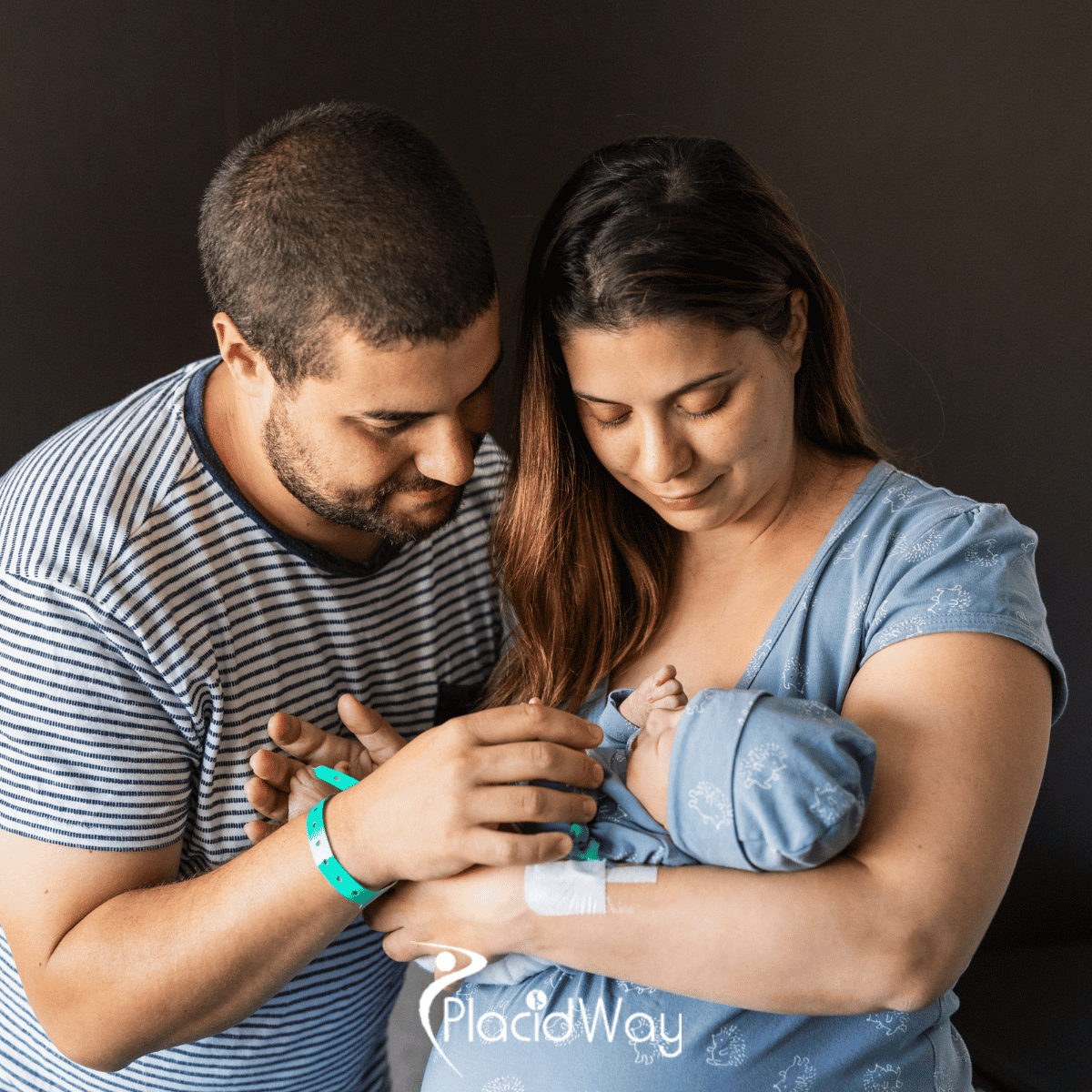
A couple looking into IVF realizes they need more than just medical intervention; they require a supportive environment. Major private fertility centers in cities like Lagos and Abuja offer advanced reproductive technology alongside culturally nuanced care. This route frequently attracts diaspora patients who want their family close by during the highly stressful weeks of hormone stimulation and embryo transfer.
The primary problem this solves is the isolation many patients feel when undergoing fertility treatments in foreign healthcare systems. It creates an expectation of personalized, empathetic care within a familiar cultural context. However, the trade-off involves navigating the city's complex logistics and managing the stress of temporary relocation.
What matters here isn’t the clinic’s social media aesthetic.
Before you decide, ask:
- Are the embryology labs certified by recognized regional or international regulatory bodies?
- Who exactly manages after-hours complications if I experience severe ovarian hyperstimulation syndrome (OHSS)?
- How will I manage reliable transport between my family’s home and the clinic during early morning appointments?
- Does the facility possess uninterrupted, medical-grade backup power for their incubators?
- What is the specific protocol if my cycle needs to be canceled or delayed while I am in the country?
Cultural familiarity can make the emotional experience easier. It cannot replace verified clinical capability.
Boutique Aesthetic Centers: When Specialized Recovery is the Priority
A patient from the UK looks at cosmetic surgery packages that include the operation alongside a mandatory two-week stay in a dedicated recovery house. This option solves the immediate problem of post-operative vulnerability in an unfamiliar city. It appeals to patients seeking specialized body contouring who also require supervised assistance with drains, garments, and mobility.
This route creates an expectation of seamless care from the operating theater directly to the airport departure lounge. The hidden realities, however, include varying standards of nursing staff at these independent recovery houses. Situations where a patient develops a post-operative infection require immediate readmission to a primary hospital, not just recovery house monitoring.
Before you decide, ask:
- What specific medical qualifications do the nurses at the recovery house actively hold?
- How far is the recovery house from the main hospital if an emergency surgical revision is required?
- Who is financially and legally responsible if my flight clearance is delayed due to slow healing?
- Does the primary surgeon visit the recovery house, or am I expected to travel back to the clinic?
- Are emergency transfer protocols formally established in writing?
An attractive recovery package can make the journey feel more manageable. It should not end your safety research.
Specialized Dental Clinics: When Regional Accessibility Matters Most
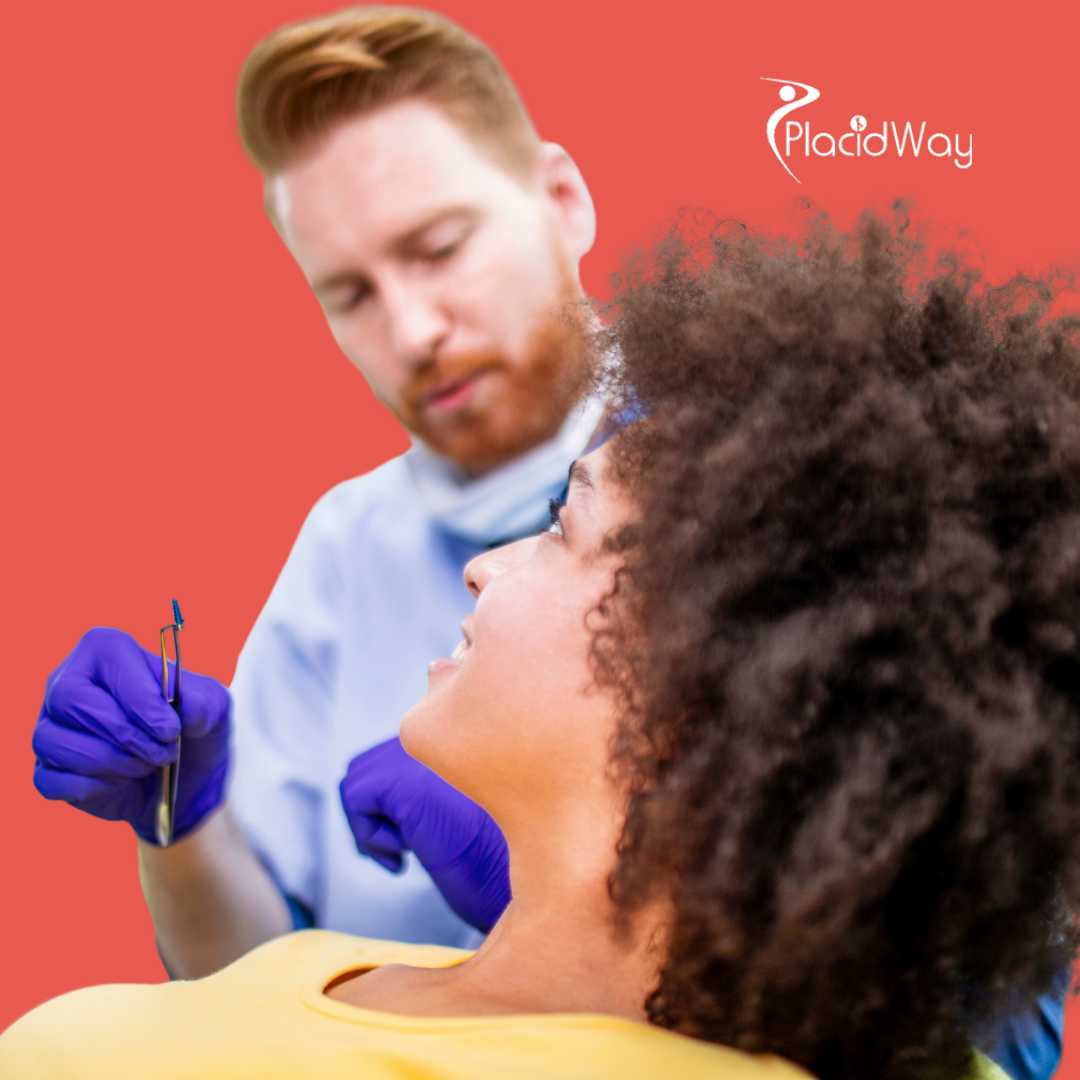
A professional flying in from Cameroon seeks immediate dental implants to bypass long local waiting lists. This route serves those needing specialized maxillofacial interventions without leaving the African continent. The appeal lies in regional proximity and the growing concentration of modern, digital dental technology in major hubs like Abuja.
This option provides a solution for urgent restorative work that impacts daily quality of life. Yet, complex dental work is rarely a single event. It often requires a bone-healing period followed by a second, sometimes third, trip for final crown placement and adjustments.
What matters here isn’t just the short initial flight time.
- Does my exact treatment plan require multiple trips over several months?
- How are temporary crowns or restorations managed if I return to my home country during the healing phase?
- What happens if a dental implant fails or becomes infected after I have left Nigeria?
- Can my local dentist easily communicate with the Nigerian clinic for ongoing maintenance?
- Are the implant materials used internationally recognized so they can be serviced anywhere?
Regional convenience changes the calculation. It cannot replace the need for long-term care planning.
The person beside you has a role too
There is often another person missing from guides like this. Relocating for medical care rarely happens in isolation; a partner, sibling, or trusted friend usually shares the burden. Their presence fundamentally shifts how the experience unfolds.
They are the ones remembering crucial medication timings when you are exhausted from general surgery. They handle the complex realities of city traffic, coordinate with clinic receptionists, and manage the emotional weight of your recovery. Their practical responsibilities escalate rapidly when plans change, flights are delayed, or minor complications occur.
A responsible decision process must include how this caregiver accesses emergency contacts and escalation pathways. They need to understand the financial implications if a procedure is delayed or if an extended hotel stay is required. They must also safeguard their own physical and mental wellbeing while navigating an unfamiliar healthcare system.
Better medical decisions consider everyone affected, not only the person making the purchase or receiving the treatment.
Moving Past "Is it safe to get surgery in Nigeria?"
This broad question feels entirely natural, but it fails to capture the true complexity of the healthcare landscape. A simple yes or no ignores the vast operational differences between an elite, internationally aligned private hospital and an unverified independent clinic.
Safety is not a blanket geographic trait. It is a highly specific, measurable standard maintained by individual medical teams and facilities. A healthy local patient seeking minor dental work faces entirely different risks than a diaspora patient flying in with underlying health conditions for extensive general surgery.
Replace the broad geographic question with these targeted inquiries:
- Does this specific facility hold current accreditation with state bodies like the Health Facility Monitoring and Accreditation Agency (HEFAMAA)?
- Can the primary surgeon provide an active Medical and Dental Council of Nigeria (MDCN) registration?
- What are the specific emergency transfer protocols if my procedure suddenly requires an Intensive Care Unit (ICU)?
- Does the clinic have dedicated, automated backup power systems capable of running operating theaters seamlessly?
- Is the blood supply used by the hospital screened according to national and international standards?
Different people require different answers, but everyone requires verifiable facts.
Identifying Responsible Medical Entities
Attractive clinic websites and social media pages often blur the line between aggressive marketing and medical reality.
"We offer world-class, five-star surgical experiences with guaranteed exceptional results."
Who is legally and medically responsible for that claim, and where can it be independently checked? Trust comes from identifiable responsibility, clinical evidence, and strict accountability.
Readers must verify the surgeon's active status directly with the MDCN portal rather than relying on lobby certificates. Facility capabilities should be cross-referenced with state-level regulators. Look for concrete verification of equipment maintenance, backup power protocols, and ICU capabilities rather than relying on high-end interior design.
Before you commit, try the 3-Step Escalation Test
Marketing materials rarely highlight what happens when things go wrong. Use this test to reveal hidden risks and unverified capabilities.
- 1. The Power Outage Check: Ask the clinic exactly what happens to life support, operating lights, and embryology lab incubators during a sudden local grid failure. Listen for mentions of automated dual-generator systems and uninterruptible power supplies (UPS).
- 2. The After-Hours Contact: Call the clinic's provided emergency phone number at 2:00 AM local time. Check if a qualified medical professional actually answers the phone or if it routes to a generic voicemail.
- 3. The Unplanned Extension: Calculate the exact financial, logistical, and visa impact of staying an extra ten days if your surgeon refuses to sign your "fit to fly" certificate due to a minor complication.
That is the Nigerian Medical Tourism test.
Same Destination. Different Realities.
"I am combining IVF with a trip home to see my extended family."
Best direction: Private fertility clinics in major urban centers that offer flexible scheduling and culturally empathetic care.
Key factor to investigate: How the clinic actively handles appointment delays caused by heavy local traffic or sudden infrastructure challenges.
Warning: Do not assume that staying with family eliminates the need for a dedicated, quiet, and stress-free recovery space during treatment.
"I am flying in purely for complex aesthetic surgery."
Best direction: Boutique surgical centers that provide integrated, medically staffed post-operative recovery housing.
Key factor to investigate: The specific medical licenses and emergency training of the staff monitoring you inside the recovery house overnight.
Warning: Do not let luxurious recovery house photos distract you from verifying the primary surgeon’s active MDCN credentials.
"I am traveling from a neighboring country for specialized dental implants."
Best direction: Multi-specialty dental hospitals with on-site restorative laboratories to minimize wait times.
Key factor to investigate: The strict timeline required for bone healing and the necessity of mandatory return trips.
Warning: Do not proceed without a clear understanding of who handles emergency complications once you cross the border back home.
"I am an expatriate looking for private general surgery in Abuja."
Best direction: Internationally affiliated private hospitals with comprehensive in-house diagnostic and emergency departments.
Key factor to investigate: The facility’s direct ICU capacity and their established protocols for safe blood transfusions.
Warning: Do not assume that a high consultation fee automatically guarantees a high standard of clinical safety.
Same Medical Tourism in Nigeria. Four completely different research journeys.
Looking Beyond the Initial Quote
Eventually, almost everybody asks.
"How much does it cost compared to care in the US or the UK?" This is a highly reasonable starting point, but an incomplete metric. Verified estimates are purely planning information, not personal quotes, guarantees, or final costs.
Focusing purely on the initial surgical fee obscures the true financial reality of international healthcare.
What will the whole journey cost?
- Initial Procedure: The base price of the surgery, IVF cycle, or dental implants.
- Diagnostics: Mandatory pre-operative blood work, imaging, and specialist consultations.
- Travel & Access: International flights, specialized medical visas, and reliable private local transport.
- Accommodations: Extended hotel stays requiring 24/7 power and security, especially if healing is delayed.
- Companion Needs: Travel, food, and daily logistics for the person supporting you.
- Unexpected Problems: Emergency interventions, extra medications, or prolonged recovery care.
The cheapest surgical quote may not create the cheapest total experience.
The Reality of the Patient Experience
Navigating medical care abroad is a deeply physical and mental undertaking.
It is waiting in an air-conditioned reception area while the vibrant, noisy city moves relentlessly outside.
It is double-checking your travel documents and flight details while trying to manage pre-surgery anxiety.
It is the sterile smell of the operating room blending with the unfamiliar sounds of a different healthcare system.
Recovery often means relying heavily on WhatsApp messages to communicate with nursing staff when you have a question. It involves carefully pacing your movements in a hotel room, far away from the comfort of your own bed. It includes small, quiet moments of relief when a local nurse understands your cultural nuances perfectly.
That is still travel and medical care. Just a very different kind.
The Questions People Realize Too Late
"I wish I’d known how difficult it would be to navigate city traffic after major abdominal surgery."
"I wish I’d asked for the exact names of the medications they would prescribe so I could check availability back home."
"I wish we’d planned for the intense emotional toll of an IVF cycle far away from our primary support network."
"I wish I’d checked the actual medical credentials of the staff managing the post-op recovery house."
"I wish I’d asked about the clinic's backup generator capacity before my procedure started."
"I wish I’d secured comprehensive travel health insurance that covered medical evacuation."
"Experience seamless, stress-free healthcare in our modern, state-of-the-art facilities."
Real-life questions provide vastly better guidance than promotional messages because they address the logistical friction that marketing naturally erases.
Assessing Your Suitability for Care in Nigeria
Medical tourism in Nigeria may be worth investigating when:
- You have independently verified the specific facility’s local accreditations and backup infrastructure.
- You are highly familiar with the cultural and logistical landscape, or possess strong local support.
- Your chosen procedure offers a clear, verifiable advantage in surgical expertise or regional accessibility.
- You have thoroughly budgeted for unexpected delays, extended stays, and comprehensive travel insurance.
- You can maintain realistic timing expectations regarding local administrative and medical processes.
Who Should Think Especially Carefully?
Medical tourism in Nigeria—or any comparable option—may make less sense when:
- You are traveling completely alone for a major surgery that requires significant physical assistance afterward.
- You cannot independently verify the medical license of your primary physician through official channels.
- You have complex underlying health conditions that require immediate, integrated ICU access at all times.
- Your timeline is completely inflexible, demanding immediate return flights post-treatment.
- You are relying solely on social media influencers for medical recommendations and safety assurances.
"I’m not comfortable proceeding."
A responsible guide should make it easier for readers to recognize when not moving forward is the most informed and safest decision they can make.
What brings you here?
Seeking IVF with cultural familiarity and specialized local expertise?
Investigate tier-one private fertility centers in Lagos and strictly verify their embryology lab standards.
Looking for plastic surgery away from home?
Focus your research on boutique clinics that provide medically staffed, integrated recovery housing, checking nurse credentials carefully.
Needing urgent dental implants to bypass long wait times elsewhere?
Evaluate multi-specialty dental hospitals in Abuja, paying close attention to the realities of follow-up requirements.
Planning general surgery while visiting family in West Africa?
Compare private hospital infrastructure, specifically confirming ICU availability and backup power protocols.
That is not simply a product comparison. It is a decision environment.
Your Next Informed Step
Maybe you are a professional carefully coordinating a trip to Abuja for restorative dental work, balancing healing times with work commitments.
Maybe you are a couple reviewing fertility clinic success rates, hoping that a familiar cultural setting will ease the heavy stress of IVF.
Perhaps you are weighing the logistical challenges of traveling for plastic surgery against the expertise of a specific Nigerian surgeon.
Not every journey is straightforward; many involve managing deep anxiety, navigating unfamiliar administrative processes, and dealing with unexpected flight delays. Medical tourism in Nigeria should not be reduced to simple promises of saving money, getting instant results, or finding a flawless option.
This choice requires a clear-eyed view of individual circumstances, practical limitations, support systems, and the long-term consequences of your care.
The best treatment path is not the one with the most attractive marketing.
It is the one where:
- the right clinical capability,
- the right verified medical professionals,
- the right logistical support system,
- and a realistic path to safe follow-up care
can come together for your particular situation.
Instead of asking: "Where is treatment cheapest and fastest?"
Ask: "What is the next informed step that realistically fits my situation?"
PlacidWay: Your Way to Hope
Deciding to travel across borders for medical care is rarely a simple transaction. It is a deeply personal choice that often involves family discussions, careful planning, and a search for trustworthy, safe options.
Maybe it is the right path for your fertility journey. Maybe it isn’t the right time for elective surgery.
At PlacidWay, we understand that finding the right medical care requires more than just booking a flight. It involves thorough preparation, clear information, and realistic expectations. Our goal is to help you navigate these complex choices with dignity and continuous support.
Not only connecting you with facilities. But helping you ask the right safety questions about your care.
Are you ready to explore your options with a team that prioritizes your unique journey?
Take Your Next Informed StepReferences
- Medical and Dental Council of Nigeria (MDCN) – Professional Registration and Regulation
- Health Facility Monitoring and Accreditation Agency (HEFAMAA) – Lagos State Facility Standards
- Health Information for Travelers to Nigeria – Centers for Disease Control and Prevention (CDC)
- Patient Safety and Quality of Care Guidelines – World Health Organization (WHO)
- Guidelines for Traveling for Cosmetic Surgery – American Society of Plastic Surgeons (ASPS)
Disclaimer: The information provided in this guide is for educational and planning purposes only and does not constitute medical or legal advice. Healthcare regulations, facility accreditations, and provider credentials change frequently. Always independently verify the registration of any medical professional or facility through official bodies such as the Medical and Dental Council of Nigeria (MDCN) and relevant state health ministries before committing to treatment. Consult with your primary care physician regarding the safety of international travel for medical procedures.






















Share this listing