


.png)
Ethiopia, widely known as the cradle of humanity, is rapidly transforming into a significant hub for healthcare in East Africa. While traditionally famous for its ancient history, coffee, and stunning landscapes, the nation is now gaining recognition for medical tourism in Ethiopia. With substantial government and private sector investment in healthcare infrastructure, the country is attracting patients from neighboring African nations, the Middle East, and the global diaspora who are seeking quality medical care at a fraction of international prices.
The capital city, Addis Ababa, stands at the forefront of this medical revolution, hosting state-of-the-art hospitals equipped with modern technology and staffed by highly trained specialists. For patients seeking affordable surgery in Ethiopia, the country offers a compelling blend of cost-effectiveness and professional expertise. Whether it is for specialized cardiac care, advanced orthopedics, or fertility treatments, Ethiopia is establishing itself as a viable and attractive destination for medical travelers prioritizing value without compromising on safety.
Recent reports indicate that thousands of international patients, primarily from the Horn of Africa region and the diaspora, travel to Ethiopia annually for specialized medical treatments, contributing significantly to the nation's growing health economy.
Why Choose Ethiopia for Medical Treatment?
Strategic Advantages of Ethiopian Healthcare
Choosing a destination for medical care is a significant decision, and Ethiopia offers unique advantages that make it an increasingly popular choice. The primary driver for many is the sheer affordability of healthcare procedures in Addis Ababa compared to Western nations or even established medical tourism hubs like India and Turkey. Beyond cost, the presence of specialists who have trained in Europe and North America ensures that patients receive care that aligns with global best practices.
Furthermore, the Ethiopian government has streamlined visa processes for many nationalities, making travel logistics simpler for medical tourists. The cultural warmth and hospitality of the Ethiopian people also play a vital role, providing a comforting and supportive environment for patients during their recovery. This combination of economic sense, clinical quality, and ease of access positions the country as a rising star in the industry.
- Significant Cost Savings: Patients can save up to 70% on complex procedures compared to US or UK pricing.
- Highly Qualified Specialists: Many senior consultants have international board certifications and decades of experience.
- Modern Infrastructure: Private hospitals in the capital utilize advanced diagnostic and surgical technology.
- No Wait Lists: unlike national health systems in the West, private care in Ethiopia offers immediate scheduling.
- Language Accessibility: English is the medium of instruction for medicine in Ethiopia, minimizing communication barriers.
- Cultural Hospitality: Known for "Habesha" hospitality, patients are treated with immense respect and care.
- Strategic Location: Addis Ababa is a major aviation hub, easily accessible from Europe, Asia, and across Africa.
Ethiopian Airlines, the country's flag carrier, is the largest in Africa, making Addis Ababa one of the most connected cities on the continent, directly linking patients to world-class medical facilities.
Cost of Popular Medical Treatments and Procedures
Price Comparison: Ethiopia vs. Western Countries
One of the most compelling reasons to consider medical travel packages in Ethiopia is the transparent and low pricing structure. The cost of living and operational expenses in Ethiopia allow hospitals to offer premium services at rates that are extremely competitive globally. Below is a detailed breakdown of costs for high-demand procedures.
Please note that these figures are averages and can vary based on the complexity of the case, the specific facility chosen, and individual patient requirements. However, this table provides a clear indication of the potential savings available for international patients.
| Procedure Category | Specific Treatment | Average Cost in Ethiopia (USD) | Avg. Cost in US/UK/Turkey (USD) |
|---|---|---|---|
| Orthopedic Surgery | Total Knee Replacement | $6,000 - $8,500 | $35,000 - $50,000 |
| Orthopedic Surgery | Total Hip Replacement | $7,000 - $9,000 | $40,000 - $60,000 |
| Cardiac Care | Heart Valve Replacement | $9,000 - $12,000 | $80,000 - $170,000 |
| Cardiac Care | Coronary Artery Bypass (CABG) | $8,000 - $11,000 | $70,000 - $120,000 |
| Organ Transplant | Kidney Transplant | $15,000 - $22,000 | $400,000+ |
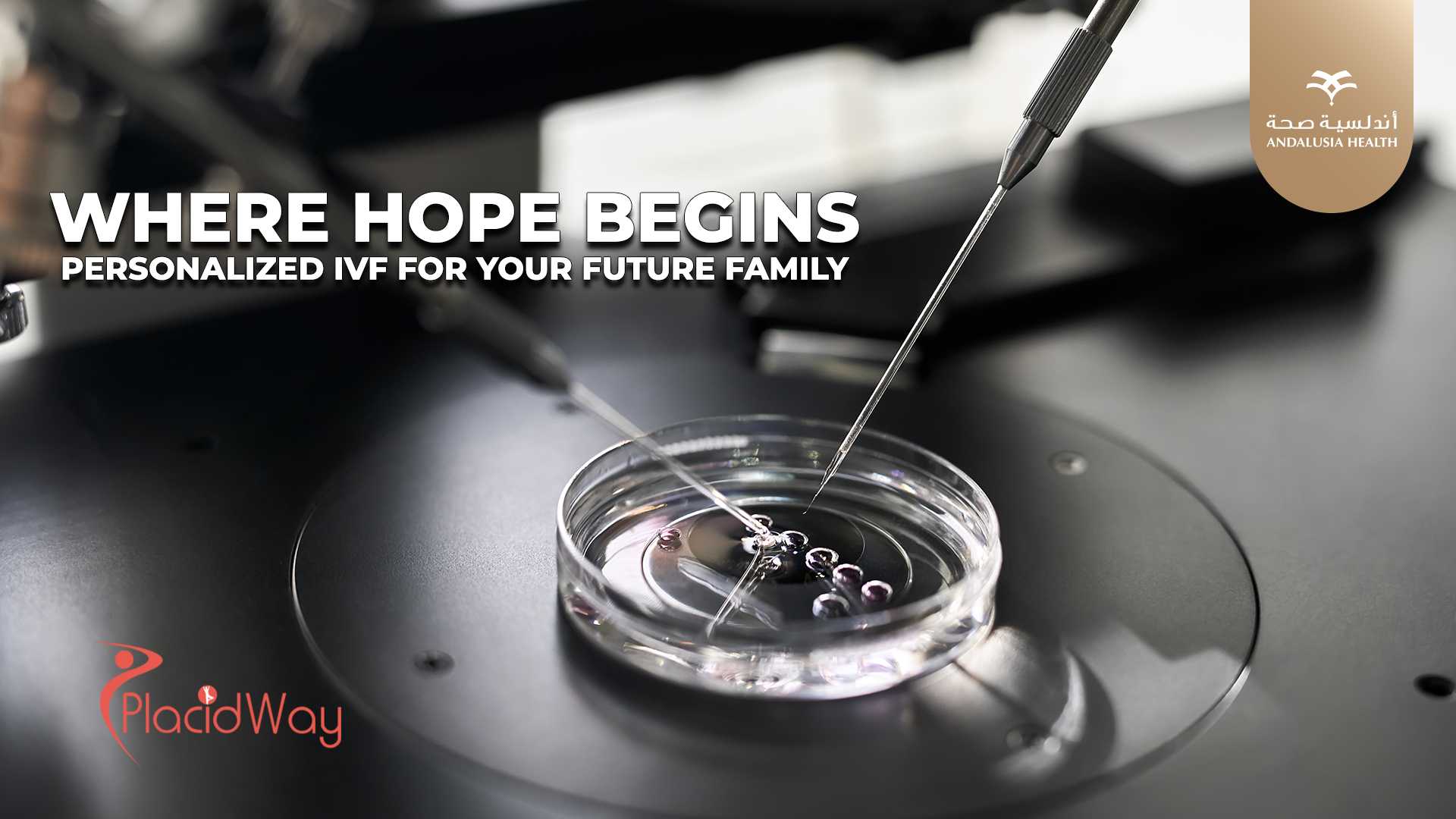
| Fertility | IVF Cycle (Standard) | $3,000 - $4,500 | $12,000 - $20,000 |
| Dental Care | Titanium Dental Implant | $800 - $1,200 | $3,000 - $5,000 |
| Dental Care | Full Mouth Veneers | $4,000 - $6,000 | $15,000 - $25,000 |
| Eye Surgery | LASIK (Both Eyes) | $1,000 - $1,500 | $4,000 - $5,000 |
| Spine Surgery | Laminectomy / Discectomy | $5,000 - $7,000 | $50,000 - $90,000 |
| Weight Loss | Sleeve Gastrectomy | $5,500 - $7,500 | $15,000 - $25,000 |
| Cosmetic Surgery | Rhinoplasty | $2,500 - $3,500 | $6,000 - $10,000 |
| Oncology | Chemotherapy (Per Cycle) | $400 - $800 | $2,000 - $5,000 |
| Stem Cell | Orthopedic Stem Cell Therapy | $3,000 - $5,000 | $8,000 - $12,000 |
Ethiopia has become a regional leader in kidney transplant surgeries, with highly specialized centers in Addis Ababa performing hundreds of successful transplants annually with success rates comparable to international benchmarks.
How Medical Tourism Works in Ethiopia
Your Journey from Inquiry to Recovery
Navigating the medical tourism landscape can seem daunting, but the process in Ethiopia is designed to be streamlined and patient-centric. The journey typically begins online, where patients can research and connect with facilitators to find the best doctors in Ethiopia for their specific condition. This digital-first approach ensures that patients have all the necessary information before they even pack their bags.
Once a connection is established, the process moves quickly from consultation to travel arrangements. The timeline can vary, but most patients find they can schedule their surgery within weeks of their initial inquiry. Here is the step-by-step flow of a typical medical trip to Ethiopia:
- Initial Inquiry: You submit your medical history and current reports to the medical tourism facilitator or hospital.
- Remote Consultation: Specialists in Ethiopia review your case and provide a preliminary treatment plan and cost estimate.
- Travel Planning: Upon acceptance, you arrange for your visa (often online) and book flights to Addis Ababa.
- Arrival and Concierge: Many hospitals offer airport pickup services to transport you directly to your accommodation or the facility.
- Pre-op Evaluation: You undergo physical examinations and final diagnostic tests to confirm the surgical plan.
- Treatment and Surgery: The procedure is carried out by your chosen specialist in a modern operating theater.
- Recovery and Follow-up: You spend time recovering in the hospital or a nearby hotel with scheduled check-ups before flying home.
Always bring physical copies of your medical records, MRIs, and X-rays, even if you have sent them digitally. Having the hard copies ensures no delays during your initial consultation.
Top Medical Destinations in Ethiopia
Addis Ababa: The Heart of Healthcare
When discussing medical tourism in this region, all roads lead to Addis Ababa. As the capital city and the diplomatic headquarters of the African Union, Addis Ababa concentrates the vast majority of the country's advanced medical infrastructure. It is home to the top-rated hospitals in Ethiopia, ranging from large multi-specialty complexes to boutique clinics focused on dental or cosmetic procedures.
The city is unique because it blends high-altitude recovery benefits with urban conveniences. Patients staying in Addis Ababa have access to international hotels, diverse cuisine, and reliable transportation networks. While other cities like Bahir Dar and Hawassa are developing their healthcare sectors, Addis Ababa remains the primary destination for complex surgeries requiring multidisciplinary teams and advanced equipment.
- Bole Sub-city: The area surrounding the international airport is a hotspot for private medical centers, offering convenience for international travelers.
- Kirkos Sub-city: Home to several established referral hospitals known for their orthopedic and cardiac departments.
- Yeka Sub-city: A quieter district that hosts specialized clinics, ideal for patients seeking privacy and cosmetic treatments.
- Lideta Sub-city: Known for having older, reputable institutions that have modernized to accept international patients.
Patient Success Stories
Real Results from International Visitors
Nothing speaks louder about the quality of care than the voices of patients who have undergone successful treatments. Many international patients arrive in Ethiopia with uncertainty but leave with renewed health and gratitude. The combination of affordable medical care and compassionate nursing creates positive outcomes that are shared across patient communities.
These brief accounts highlight the diverse range of treatments successfully managed in Ethiopia, from life-saving cardiac interventions to life-enhancing fertility treatments. They underscore the capability of Ethiopian medical professionals to handle complex cases with skill and empathy.
Kidney Transplant Success - Ahmed from Djibouti
"I was worried about the cost of a transplant in Europe. My doctor recommended Addis Ababa. The process was professional, the facility was clean, and the surgeons were incredible. I am now six months post-op and living a normal life again."
Fertility Joy - Sarah from South Sudan
"After years of trying, we looked for affordable IVF options. The clinic in Ethiopia treated us like family. The technology was the same as what we saw online for other countries, but the price was within our reach. We are now expecting our first child."
Orthopedic Relief - Michael from USA (Expat)
"I needed a knee replacement while working in East Africa. Instead of flying back to the States, I chose a private hospital here. The rehab team was fantastic, and I was walking without pain in weeks. The savings were massive."
Dental Transformation - Fatima from Somalia
"I traveled for full dental implants. The dentist was very gentle and skilled. The clinic looked like a 5-star hotel. I can smile with confidence now, and it cost me a fraction of what I was quoted elsewhere."
Medical Accreditations and Standards
Ensuring Quality and Excellence
Trust is the cornerstone of medical tourism, and Ethiopia is working diligently to build this through rigorous accreditation. The best medical centers in Ethiopia are regulated by the Ethiopian Ministry of Health and the Ethiopian Food and Drug Authority (EFDA), which set strict guidelines for hygiene, equipment, and personnel qualifications. These local bodies ensure that private hospitals maintain standards that protect patient safety.
In addition to local oversight, many leading hospitals are pursuing or have achieved ISO certifications (such as ISO 9001 for Quality Management) and are working towards JCI (Joint Commission International) accreditation. Furthermore, many Ethiopian specialists hold board certifications from Western countries, bringing international protocols and safety standards back to their home institutions.
- Ministry of Health Licensing: Mandatory for all operating medical facilities.
- ISO Certification: Many top private labs and hospitals hold ISO standards for quality management.
- International Partnerships: Several hospitals collaborate with Indian, Turkish, or European networks for technology transfer and training.
- Specialized Board Certifications: Look for surgeons who are Fellows of the College of Surgeons of East, Central and Southern Africa (COSECSA) or equivalent international bodies.
Safety and Legal Considerations
Understanding Your Rights and Protection
Safety is paramount when traveling for surgery. Ethiopia is generally a safe destination for medical tourists, especially when utilizing established private transfer services and staying in reputable areas of Addis Ababa. Medical facilities catering to international patients adhere to strict sterilization protocols to prevent infections, comparable to international standards. When seeking reliable medical services in Ethiopia, it is crucial to verify the hospital's track record and the surgeon's credentials beforehand.
Legally, the Ethiopian medical system has frameworks to address medical liability, though the process can differ from Western systems. Patients are encouraged to sign clear consent forms that outline the procedure risks. Most reputable medical tourism facilitators and hospitals will provide a contract detailing the scope of care, costs, and policies regarding complications, ensuring you are legally protected and informed.
Always ensure you have comprehensive medical travel insurance that covers complications abroad. While complications are rare, having insurance provides an extra layer of financial security and peace of mind during your trip.
Ethiopia creates specific 'Medical Visa' categories or allows medical treatment under tourist visas for short stays, simplifying the legal entry process for patients needing urgent care.
Cost of Living for Medical Tourists
Accommodation and Daily Expenses
One of the hidden benefits of choosing Ethiopia is the low cost of living, which significantly reduces the total price of the medical trip. Unlike destinations where hotel and food costs can rival the surgery price, Ethiopia offers affordable accommodation for patients. Addis Ababa features a range of options, from luxury 5-star hotels to clean, comfortable guesthouses specifically catering to long-term stays.
Daily expenses such as food, local transport, and communication are very reasonable. This allows patients to budget more for their recovery comfort, perhaps upgrading to a better room or extending their stay to ensure they are fully rested before flying home. Below are estimated costs for typical expenses.
- 3-Star Hotel: $30 - $50 per night.
- 5-Star Luxury Hotel: $100 - $180 per night.
- Local Meal: $3 - $7 per person.
- International Cuisine Meal: $10 - $20 per person.
- Private Taxi (Ride-hailing apps): $2 - $5 per trip within the city.
- Sim Card with Data: $5 - $10 per month.
How to Plan Your Medical Trip to Ethiopia
A Step-by-Step Planning Guide
Planning a medical trip requires attention to detail. To ensure a smooth experience regarding medical tourism in Ethiopia, it is essential to organize your documents, finances, and logistics well in advance. Start by consulting with your local doctor to confirm that you are fit to travel. Once you have made the decision, follow a structured approach to booking your treatment.
Coordination is key. Work closely with your chosen facilitator or hospital representative to align your flight arrival with your consultation appointments. Ensure you have a valid passport with at least six months of validity remaining. Here is a checklist to guide your planning:
- Gather Records: Compile all medical history, lab results, and imaging studies digitally.
- Get a Quote: Request a detailed cost estimate that includes hospital fees, doctor fees, and implants.
- Secure Visa: Apply for an Ethiopian e-visa online to avoid queues at the airport.
- Book Flights: Look for direct flights to Addis Ababa (Bole International Airport).
- Pack Essentials: Bring loose clothing for recovery, necessary medications, and copies of documents.
- Notify Bank: Inform your bank of your travel plans to prevent credit card blockages.
- Arrange Companion: If possible, travel with a friend or family member for support.
Common Myths About Medical Tourism in Ethiopia
There are several misconceptions that often deter patients. It is important to separate fact from fiction.
Myth: The technology is outdated.
Fact: Top private hospitals use the latest MRI machines, cath labs, and robotic surgical assistants imported from Germany and the US.
Myth: Hygiene is poor.
Fact: Accredited hospitals maintain sterile environments that rival Western standards to prevent post-op infections.
How PlacidWay Facilitates Your Medical Journey
Your Trusted Partner in Medical Travel
PlacidWay serves as your bridge to quality healthcare in Ethiopia. We understand that finding the right doctor and hospital in a foreign country can be overwhelming. Our platform simplifies this by curating a list of certified medical providers and offering you a centralized place to compare options, read reviews, and request free quotes. We are dedicated to making your search for medical treatment abroad transparent and hassle-free.
Our role is to empower you with information. We help you gather the necessary details regarding procedures, potential costs, and doctor credentials so you can make an informed decision. By using our platform, you gain access to a network of trusted providers without the stress of independent research.
- Free Access to Information: You can browse hospital profiles and doctor credentials at no cost.
- Direct Connections: We facilitate the initial communication between you and the medical provider.
- Transparent Quotes: Receive cost estimates directly from the clinic so you know what to expect.
- You Pay the Clinic: You handle all payments directly with the medical center; we do not handle your medical funds.
- Supportive Guidance: Our team assists in gathering the information you need to feel confident in your choice.
Frequently Asked Questions
Yes, Ethiopia is increasingly safe for medical tourists, particularly when choosing accredited hospitals in Addis Ababa that cater to international standards. The government is actively investing in healthcare infrastructure to ensure patient safety and quality care.
Absolutely, English is the primary language of instruction in Ethiopian medical schools. Most specialists and nursing staff in private hospitals and medical tourism centers are fluent in English, ensuring clear communication.
Many nationalities can obtain an e-visa or visa on arrival for tourism and medical purposes. It is recommended to apply for an e-visa online before departure to streamline your entry process at Bole International Airport.
Patients can typically save between 40% to 70% on medical procedures in Ethiopia compared to Western countries and even some other popular medical tourism destinations. The lower cost of living and labor contributes significantly to these savings.
While the local currency is the Ethiopian Birr (ETB), major private hospitals often accept US Dollars, Euros, and major credit cards. It is advisable to clarify payment methods with the facility before travel.
Many top-tier private hospitals in Ethiopia work towards international standards and hold certifications from local health authorities. Some institutions partner with foreign healthcare providers to maintain global quality protocols.
Ethiopia, particularly Addis Ababa, enjoys a mild climate year-round, known as '13 months of sunshine.' However, the dry season from October to May is often considered the most comfortable time for travel and post-operative recovery.
The length of stay depends entirely on the procedure; for minor surgeries, a few days may suffice, while major surgeries like joint replacements or cardiac procedures may require 2-3 weeks for initial recovery and follow-up.
Yes, many patients choose to enjoy Ethiopia's rich history and landscapes before their procedure or after full recovery. However, strenuous travel is not recommended immediately after surgery; always consult your surgeon first.
No, PlacidWay's services to connect you with healthcare providers are free for patients. You pay the medical center directly for your treatment, ensuring transparency and no hidden administrative costs.
Contact Us
Are you ready to access high-quality healthcare at an affordable price? Don't let high costs or long waiting times delay your treatment. PlacidWay is here to help you connect with the top medical facilities in Ethiopia. Take the first step toward better health today by requesting a free, no-obligation quote.
.png)

.png)
.png)


.png)








Share this listing