

Navigating Medical Tourism in Malta: A Guide to Informed Healthcare Choices
A 55-year-old from London looks at a six-month wait for complex dental restorations. They are currently calculating the logistics of flights to Valletta against local private fees for dental implants, wondering if the travel is worth the potential savings. The primary concern is not just the upfront price, but how to handle multiple visits for follow-up care across the Mediterranean.
A young professional in Milan is researching discrete locations for rhinoplasty. They want a quiet, English-speaking environment away from their immediate social circle, prioritizing a serene recovery over returning to work immediately. Their focus is finding a boutique aesthetic center that balances surgical expertise with a restful post-operative setting.
A patient from New York is coordinating an international journey for breast augmentation. They are mapping out long-haul flight schedules, currency exchange rates, and the requirements for a safe two-week recovery near the sea before flying back. They are trying to verify surgical credentials in a foreign healthcare system while managing the anxiety of being far from home.
All three people are dealing with medical tourism in Malta, but their actual journeys, decisions, and experiences differ significantly.
How do I weigh the appeal of a Mediterranean recovery against the clinical realities, logistics, and total costs of receiving care away from home?
Looking Beyond the Scenery: What is Driving Your Search?
Exploring cross-border healthcare rarely starts with a desire simply to travel. It usually begins when local options no longer fit your timeline, budget, or personal expectations.
Maybe local private dental crowns are simply out of reach without depleting your savings. The financial barrier at home forces you to look outward for viable alternatives. You are hoping an established European destination might offer a more accessible path to necessary care.
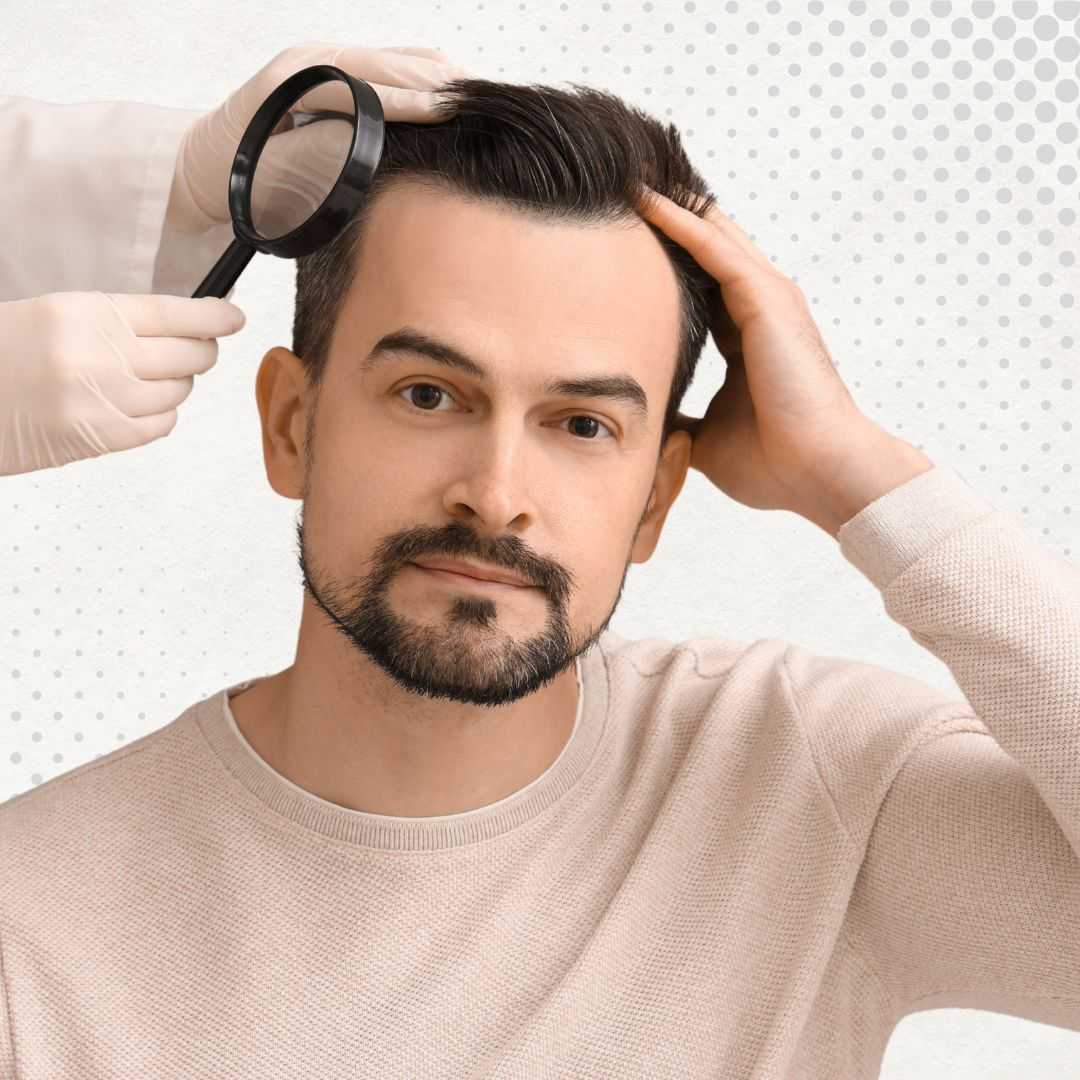
Perhaps you are seeking a high level of privacy for a hair transplant. You want a destination where you can undergo the procedure and heal without running into colleagues or neighbors. The isolation of an island nation suddenly feels like a practical advantage.
Maybe you require a cosmetic procedure like breast augmentation, but you want an English-speaking medical environment to ensure clear communication. Language barriers in healthcare create anxiety, and finding a location with fluent medical professionals is your top priority. You need to know that your concerns will be understood perfectly before anesthesia is administered.
Perhaps your local healthcare system has extensive waiting lists for the specific specialists you need. You are tired of delaying your life and are willing to take on travel logistics to accelerate the timeline. Time has become more valuable to you than geographical convenience.
Which sounds most like you?
"I need high-quality dental implants, but I cannot justify the cost in my home city."
This reader is prioritizing long-term value against immediate financial constraints. They must carefully balance the lower upfront procedural cost in Malta against the expense of potential return flights for staged dental work.
"I want my rhinoplasty recovery to be completely private and peaceful."
This person is prioritizing a specific recovery environment over logistical simplicity. Their main trade-off is managing the discomfort of early surgical recovery in a hotel room rather than their own home.
"I need to know my surgeon is fully accredited in a recognized European system."
This reader prioritizes verification and safety over marketing claims. They are looking for independent proof of capability and strict regulatory oversight before committing to a foreign provider.
"I am bringing my partner, so the location needs to be safe and accessible for both of us."
This individual is prioritizing companion considerations alongside clinical needs. They are weighing the overall travel experience, ensuring the destination provides a supportive infrastructure for the person assisting their recovery.
This is why choosing medical tourism in Malta should begin with your situation, not a generic ranking, slogan, or price comparison.
One Destination. Several Different Real-World Paths.
Medical tourism in Malta is not a single, uniform experience provided by a monolithic healthcare system. It is a collection of distinct private clinics, varying regulatory frameworks, and significantly different patient environments. The right choice depends entirely on the complexity of your procedure and your ability to manage international logistics.
Current European cross-border healthcare research suggests that clinical standards vary heavily between specialized boutique clinics and larger private hospitals. Official guidance notes that while Malta maintains strict EU-aligned medical regulations, the patient experience is dictated by the specific facility you choose. In practice, this can vary from highly personalized concierge care to more standardized, fast-paced treatment models.
Capability, quality, timing, and support can differ substantially between providers, even within a small island nation. Dental clinics focusing on international patients operate differently than aesthetic surgery centers handling complex recoveries. This is a planning consideration, not a guarantee of outcome.
Here is what those differences can feel like in real life.
The Staged Care Model: When Clinical Complexity Meets Island Logistics
Think of a patient requiring full-mouth dental implants. This process is rarely completed in a single weekend; it requires bone healing, customized abutments, and multiple precise fittings. The patient must coordinate initial surgery, return home for several months, and then fly back to Malta for the final dental crowns.
This path attracts people who are highly organized and focused on long-term functional outcomes. It solves the problem of local affordability while maintaining access to EU-standard materials and specialists. However, it requires a willingness to absorb the hidden costs of multiple round-trip flights and extended hotel stays.
The less obvious reality is the vulnerability to travel disruptions between treatment phases. If healing takes longer than expected, pre-booked flights may need to be canceled or rescheduled at a loss. Dependencies include the clinic's dedicated lab times and the patient's own biological healing rate.
Before you decide, ask:
- Who covers the cost of revision work if an implant fails between trips?
- Are local accommodations easily accessible immediately following oral surgery?
- What happens if my return trip is delayed by circumstances outside my control?
- Is the clinic's dental lab on-site, or will crown fabrication add days to my stay?
- Who is my emergency contact back home if a complication arises before my second visit?
- How exactly are my medical records transferred back to my local dentist?
Attractive pricing can make the initial decision easier. It cannot replace the necessity of long-term logistical commitment.
The Discretion Route: When Privacy and Environment Matter Most
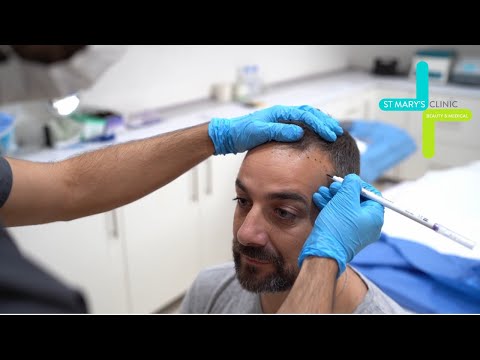
Consider a professional traveling to Malta specifically for a hair transplant or rhinoplasty. They check into a quiet boutique hotel, undergo the procedure at a private clinic, and spend the next ten days healing away from the public eye. Their focus is on navigating the most visible stages of swelling and recovery in total anonymity.
This option attracts readers who view their medical journey as highly personal and confidential. It solves the anxiety of running into acquaintances while offering a beautiful, restful backdrop. They choose this over closer alternatives because the geographic separation is viewed as a distinct benefit.
However, the trade-off is managing a surgical recovery without the comfort of your own home or familiar support systems. A Mediterranean climate is appealing, but sun exposure and heat are often strictly forbidden after facial surgeries or hair transplants. Operational challenges include navigating foreign pharmacies and attending mandatory follow-ups when you feel physically drained.
What matters here isn’t the ocean view.
- Will the airline allow me to fly with visible post-operative swelling or bandages?
- What are the exact after-hours escalation procedures if I bleed or experience severe pain?
- Is my accommodation equipped for a patient, or just a vacationer?
- Who handles my transfer from the clinic to the hotel while I am sedated?
- Can I realistically avoid sun and heat exposure during transit in Malta?
- Are there specific flight clearance documents required by the surgical team?
The best option is not always the most visually appealing location. It is the one that prioritizes clinical safety above aesthetics.
The Complex Care Pathway: When Surgical Risk Requires Strict Oversight
A patient is arranging breast augmentation in a major private Maltese hospital. This journey involves general anesthesia, thorough pre-operative blood work, and at least one overnight stay under nursing observation. The stakes are considerably higher, requiring meticulous coordination between the patient, the surgical team, and an accompanying caregiver.
This pathway appeals to those who demand rigorous hospital environments rather than small outpatient clinics. It provides the reassurance of intensive care unit (ICU) backup and comprehensive emergency protocols. Patients choose this route expecting care that mirrors or exceeds the safety standards of their home country.
The hidden reality is the absolute necessity of post-operative downtime before flying is safe. High-altitude travel too soon after major surgery carries significant risks, including deep vein thrombosis (DVT). Limitations include being medically barred from leaving the country until the surgeon officially clears you, regardless of your personal travel schedule.
Before you decide, ask:
- Does this facility have an on-site ICU in case of an adverse reaction to anesthesia?
- How many days must I remain in Malta before it is medically safe to board a flight?
- Are pre-operative tests performed locally, or must I bring results from home?
- Who is legally responsible if an infection occurs shortly after I return home?
- What happens to my companion's accommodation if my hospital stay is extended?
A robust clinical infrastructure can manage surgical risk. It cannot eliminate the physical demands of international recovery.
The Person Beside You Has a Role Too
There is often another person missing from guides like this. That person is the companion, spouse, or friend sitting in the waiting room while you are in surgery. Their role is critical, and their experience requires as much planning as the treatment itself.
While you are recovering, they are managing the practical realities of a foreign country. They are interpreting post-operative instructions, figuring out local transportation, and providing emotional reassurance when you feel vulnerable. They are the ones noticing subtle changes in your condition and deciding if a late-night call to the doctor is necessary.
A responsible decision process must help companions understand what they are signing up for. They need direct access to emergency contact numbers, clear timelines of the surgical day, and an understanding of unexpected costs. They also need to know the location of local pharmacies, grocery stores, and the exact protocols for escalating medical concerns.
Their wellbeing and boundaries matter, as caregiver fatigue in an unfamiliar city is a genuine risk. Better healthcare decisions consider everyone affected, not only the person undergoing the procedure.
Rethinking the Search for the "Best" Clinic
The most common question patients ask is usually: "Which clinic is the best in Malta for this procedure?"
This question feels natural because we are conditioned to look for reviews and rankings when making a purchase. However, it fails to capture the reality of medical care, where "best" is entirely subjective. What is best for a straightforward hair transplant may be entirely inadequate for complex cosmetic surgery requiring hospital admission.
Instead of searching for a universal top ranking, you must ask questions that assess specific alignment with your needs.
- For the solo traveler: How does the clinic support patients who have no local caregiver to assist them post-surgery?
- For the budget-conscious: What specific complications or follow-up visits are excluded from the quoted package price?
- For the complex case: How many times has this specific surgeon performed this exact procedure in the last year?
- For the anxious patient: Can I speak directly with the medical team, or am I only communicating with a sales coordinator?
- For those with strict timelines: What is the clinical protocol if my healing is slower than the standard flight clearance window?
Different people require entirely different answers to feel safe and supported.
Moving From Attractive Claims to Verified Accountability
A beautiful website does not equal clinical excellence. It is vital to separate marketing terminology from verifiable medical accountability.
"Our award-winning Maltese clinic features internationally trained experts providing luxury cosmetic recoveries."
Who actually holds the operating license for this facility, and where can this specific practitioner’s current registration be independently confirmed? Trust comes from identifiable responsibility, not from digital badges or curated testimonials.
You should verify the surgeon's credentials through the Medical Council Malta, ensuring they are registered as a specialist in their specific field. You must confirm whether the facility is a registered clinic or a fully equipped hospital recognized by the Maltese health authorities. Go beyond promotional language and look for evidence of stringent local regulatory compliance.
The 4-Point Mediterranean Journey Test
Before you commit to a medical flight, try the 4-Point Mediterranean Journey Test. This framework reveals hidden risks that marketing materials rarely highlight.
1. The 48-Hour Escalation Plan: If you experience severe bleeding or infection at 2:00 AM on a Sunday in your hotel, exactly who do you call, and where do you go?
2. The Return Flight Clearance: What are the specific medical criteria your surgeon requires before signing the document allowing you to fly home?
3. The Follow-Up Gap: If you need minor revision work on a dental crown six months later, who absorbs the cost of your return travel?
4. The Hidden Companion Cost: Can your companion comfortably manage their own meals, transport, and stress while you are incapacitated for several days?
That is the medical tourism in Malta test.
Show the Topic Through Different Reader Eyes
"I am facing extensive dental implant work that I cannot afford locally."
Most relevant route: Clinics specializing in staged international dental tourism.
Key factor to investigate: The precise timeline for bone grafting and healing before final crowns can be placed.
Warning: Do not assume the entire procedure can be rushed into a single vacation window; biological healing dictates the schedule.
"I am seeking a highly private environment for rhinoplasty."
Most relevant route: Boutique aesthetic centers offering dedicated concierge recovery services.
Key factor to investigate: Airline regulations regarding flying with facial splints and potential post-surgical cabin pressure issues.
Warning: The Mediterranean sun is detrimental to fresh surgical scars; this is a medical recovery, not a beach holiday.
"I am looking for an English-speaking surgeon for breast augmentation."
Most relevant route: Major private hospitals in Malta with robust surgical departments and ICU capabilities.
Key factor to investigate: The specific brand and warranty of the implants being used, and if that brand is supported in your home country.
Warning: Do not compromise on the minimum mandatory days required in-country before it is safe to board a long-haul flight.
"I am considering a hair transplant but have limited time off work."
Most relevant route: Specialized hair restoration clinics optimized for short-stay international patients.
Key factor to investigate: The exact density and graft count being promised versus what is medically viable in one session.
Warning: Beware of clinics that prioritize high daily patient volumes over individualized surgeon attention.
Same medical tourism destination. Four completely different research journeys.
Calculating the True Cost of Care and Travel
Eventually, almost everybody asks: "How much will this actually save me?"
It is a reasonable question, but focusing only on the initial quoted price is a dangerous way to plan international healthcare. A lower procedural fee in Malta can easily be absorbed by the surrounding logistical requirements.
What will the whole journey cost?
- Initial Medical Price: The core cost of the surgery, anesthesia, and immediate clinic fees.
- Pre-operative Requirements: Local blood tests or specialist clearances required before you travel.
- Travel and Transfers: Peak-season flight costs to Malta, plus medical taxi transfers that accommodate a recovering patient.
- Accommodation Extensions: Paying for extra hotel nights if the surgeon delays your flight clearance due to slow healing.
- Companion Expenses: The daily cost of food, transport, and lost wages for the person assisting you.
- Unexpected Prescriptions: Out-of-pocket costs for specialized local medications not included in your package.
- Follow-Up Care: Paying a local specialist in your home country to remove sutures or monitor long-term healing.
The cheapest provider may not create the cheapest total experience.
What the Journey Actually Feels Like
Medical tourism is not lounging by a pool while recovering from surgery. It is often a distinctly clinical and sometimes uncomfortable reality.
It is sitting in Valletta traffic while feeling deeply anxious about an upcoming consultation. It is trying to find a comfortable sleeping position in a hotel bed with fresh surgical incisions. It involves reading complex consent forms in a foreign office, surrounded by unfamiliar medical equipment.
There are small moments of progress, like the first successful walk down the hotel corridor or a reassuring smile from an English-speaking nurse. But there is also the stress of packing your bags while managing post-operative fatigue. It is coordinating pain medication schedules while worrying about airport security lines.
That is still travel and care. Just a very different kind.
Questions Patients Realize They Should Have Asked
"I wish I’d known that flying with dental temporary crowns could cause severe pressure pain."
"I wish we’d planned for the fact that local pharmacies might close early on weekends when I needed painkillers."
"I wish I’d asked for my medical records in digital format before leaving the clinic."
"I wish I’d checked if my home insurance would cover emergency complications arising from elective surgery abroad."
"I wish I’d realized that 'concierge service' just meant they booked a standard taxi for me."
"I wish I had asked how many patients the surgeon was operating on the same day as me."
"Enjoy a seamless, stress-free medical holiday in beautiful Malta."
Real-life questions provide much better guidance than promotional messages. A successful medical journey is built on anticipating practical friction, not ignoring it.
Evaluating Your Readiness for Care in Malta
Medical tourism in Malta may be worth investigating when:
- You can independently verify the surgeon's local registration and credentials.
- You have the financial buffer to handle delayed flights or extended hotel stays.
- You have a dedicated, capable companion traveling with you for major procedures.
- Your primary focus is high-quality care in an English-speaking environment.
- You understand that recovery dictates the timeline, not your vacation schedule.
Who Should Think Especially Carefully?
Medical tourism in Malta—or any comparable option—may make less sense when:
- You suffer from severe pre-existing health conditions that increase anesthesia risks.
- You are attempting to squeeze a complex surgery into a very short window of time off work.
- You are unwilling or unable to return to Malta if physical revision work is required.
- You are traveling completely alone for a procedure requiring general anesthesia.
- You cannot afford the total journey costs if unexpected medical complications occur.
- Your local doctor strongly advises against high-altitude travel for your specific condition.
If these cautions apply to you, saying, "I’m not comfortable proceeding," is a perfectly valid and safe medical decision.
What brings you here?
You are priced out of local dental restorations and need functional implants.
Investigate specialized Maltese dental clinics with proven track records in staged international care and on-site lab facilities.
You want a discreet aesthetic procedure with an English-speaking team.
Research boutique cosmetic centers in Malta, focusing heavily on post-operative privacy, accommodation suitability, and emergency transfer protocols.
You are overwhelmed by the logistics of planning foreign surgery.
Look into comprehensive care facilitators who clearly outline their legal responsibilities, distinct from marketing agencies.
You are accompanying a partner for a major procedure.
Focus your research on caregiver support, hospital visitation rights, and local infrastructure around the surgical facility.
You want independent proof of safety before booking.
Begin your search by cross-referencing prospective surgeons with the Medical Council Malta's official specialist register.
That is not simply a directory or a guide. It is a decision environment.
The Next Step in Your Healthcare Journey
Maybe you are sitting at your dining table, comparing quotes from a clinic in Valletta with one in your home city, wondering if the travel is worth the difference. You are trying to balance financial reality with clinical safety.
Maybe you and your spouse are discussing the logistics of taking two weeks off work to manage a surgical recovery in a foreign country. You are weighing the appeal of an English-speaking medical team against the stress of long-haul travel.
Someone else might be looking at their calendar, realizing that the healing timeline for a hair transplant does not fit neatly into their planned vacation window. They are deciding whether to adjust their expectations or postpone the treatment entirely.
Medical tourism in Malta should not be reduced to simple promises of saving money or transforming your life instantly. It involves individual circumstances, practical limitations, and a deep awareness of long-term consequences.
The best destination is not the one with the most beautiful beaches. It is the one where:
the right clinical capability,
the right verified medical professional,
the right supportive environment,
and a realistic path to safe long-term follow-up
can come together for your particular situation.
"Instead of asking: 'Where is medical tourism in Malta the easiest or cheapest?'"
Replace with: "What is the next informed step that realistically fits my medical needs and personal limitations?"
A Note From PlacidWay
Deciding to travel for healthcare is a deeply personal choice. It requires careful thought, family involvement, and a commitment to understanding every part of the journey.
Maybe medical tourism is the right path for your situation. Maybe it isn't. At PlacidWay, we believe your choice should be based on verified information, not just attractive pricing.
It is not only about finding a clinic. It is about preparation, realistic expectations, and securing a safe environment for your recovery.
What is your next informed step?
References
- Medical Council Malta Specialist Registers – Government of Malta
- Cross-Border Healthcare Overview – European Commission
- Travel and Health: Air Travel Considerations – World Health Organization (WHO)
- Guidance on Cosmetic Surgery Abroad – National Health Service (NHS)
- Primary Health Care and Clinic Regulations – Ministry for Health Malta
Disclaimer: The information provided in this guide is for educational and planning purposes only and does not constitute medical advice. Healthcare regulations, clinic capabilities, and travel requirements are subject to change. Always consult with a qualified medical professional in your home country before making decisions regarding international medical treatments, and independently verify all provider credentials and local regulatory compliance.



















Share this listing