

Evaluating Medical Tourism in Latvia: A Practical Guide to Your Care Options
Sarah, waiting 18 months for a hip replacement on a public health waitlist, is researching orthopedic hospitals in Riga to reclaim her daily mobility. Henrik, based in Sweden, is comparing the immense domestic costs of full-mouth dental implants against a specialized clinic across the Baltic Sea. Elena, navigating a strict insurance denial in the United States, is coordinating with a Latvian bariatric center to finally undergo weight loss surgery.
All three people are dealing with medical tourism in Latvia, but their actual journeys, decisions, and experiences differ significantly.
How do I evaluate if a medical journey abroad genuinely fits my medical needs, budget, and support system without relying on marketing claims?
Looking Beyond the Price: Finding the Real Reason for Your Search
Reframing your mindset is the most crucial first step when evaluating healthcare abroad. Medical decisions are rarely driven by just a desire to travel.
Maybe you are tired of living with daily joint pain while waiting on an expanding public healthcare list. Perhaps you have reached a physical turning point, and the local costs for bariatric surgery are simply out of reach. Maybe your dental health is affecting your confidence, and a comprehensive implant restoration feels financially impossible at home.
Perhaps you are seeking plastic surgery to reclaim your body image, but you want privacy and a quiet environment to recover. Maybe you have lost trust in your local system's ability to prioritize your declining quality of life. Perhaps you are trying to balance the needs of your family with your own desperate need for medical intervention.
Which sounds most like you?
"I just want my mobility back without draining my entire retirement savings."
This reader is prioritizing long-term functional outcomes and financial predictability over geographical convenience. They are balancing the upfront cost of travel against the hidden cost of continued physical decline.
"I need a quiet, structured environment where I can recover privately before flying home."
This reader is prioritizing privacy and a controlled recovery environment. They value a comprehensive experience model that separates them from the immediate stresses of their daily life.
"I cannot wait another year for this procedure; my quality of life is deteriorating rapidly."
This reader is prioritizing speed of access, driven by physical discomfort. Their primary decision challenge is balancing the urgency of care against the necessary time required for careful provider verification.
"I want modern facilities, but I am nervous about language barriers and post-op care."
This reader is prioritizing safety, communication, and continuity of care. They are focused on evaluating the risk of fragmentation between the foreign surgeon and their local support network.
This is why choosing medical tourism in Latvia should begin with your situation, not a generic ranking, slogan, or price comparison.
One Destination. Several Different Real-World Paths.
Latvia offers a variety of medical models, from specialized boutique clinics focusing solely on plastic surgery to large general hospitals handling complex orthopedic operations. Current European cross-border healthcare research suggests that clinical environments and operational standards vary significantly by facility. Official guidance notes that a clinic's regulatory status in Riga might differ depending on its scope of practice and local licensing.
In practice, this can vary substantially when it comes to English-speaking staff availability, specialized equipment, and after-hours medical support. This is a planning consideration, not a guarantee. Capability, quality, timing, and support can differ substantially between providers, locations, or operational models.
Here is what those differences can feel like in real life.
Bariatric Surgery: When Long-Term Lifestyle Change Requires Immediate Clinical Action
Picture a patient checking into a specialized bariatric ward in Riga, reviewing their nutritional plan with an English-speaking dietitian. This option attracts those who need significant medical intervention for weight loss but cannot secure local funding or timely access. It solves the immediate hurdle of surgery access while creating a new expectation for long-term lifestyle management.
Official medical guidelines emphasize that weight loss surgery is not a standalone event; it is a permanent digestive alteration requiring lifelong monitoring. The hidden reality is that patients must independently source local nutritional and psychological support once they return home. Attempting to manage dumping syndrome or vitamin deficiencies via international phone calls is an operational challenge many underestimate.
What matters here isn’t the surgery duration. Before you decide, ask:
- Who will physically handle my nutritional follow-up when I return to my home country?
- What are the exact escalation procedures if I experience a surgical complication after flying back?
- Are the facility’s intensive care capabilities equipped for sudden bariatric emergencies?
- Does the clinic provide clear, officially translated medical records for my local doctor?
- How long must I wait in the local Latvian area before I am medically cleared to fly?
The procedure can make the physical change easier. It cannot replace the critical requirement of long-term local support.
Dental Restorations: When Complex Reconstructions Span Multiple Visits
Consider someone sitting in a modern dental chair in Riga, discussing bone grafting and titanium implants. This route appeals to those requiring full-mouth restorations that cost tens of thousands at home. It solves a massive financial barrier while creating an expectation of high-quality materials and modern digital dentistry.
Dental implantology often relies on strict biological timelines for bone integration, which cannot be rushed for travel convenience. The less obvious reality is that complex dental implants frequently require multiple international trips spaced over several months. Patients must factor in the hidden costs of repeat flights, time off work, and managing temporary prosthetics between visits.
What matters here isn’t the brand of the implant. Before you decide, ask:
- How many total return trips to Latvia will this specific treatment plan realistically require?
- What happens financially and medically if an implant fails to integrate while I am back home?
- Are the exact implant specifications and hardware tools recognized by dentists in my local area?
- Who covers the additional travel costs if a revision or bite adjustment is suddenly needed?
- How will temporary crowns hold up during my initial flight and daily life back home?
Convenience can change the calculation. It should not end the research.
Surgical Recovery: When Mobility and Privacy Demand Structured Aftercare
A patient is resting in a private rehabilitation room overlooking a Latvian pine forest, recovering from major orthopedic or plastic surgery. This path attracts individuals who want to combine complex procedures with an immediate, structured physical rehabilitation period. It removes the stress of returning to an empty house or demanding family immediately after a heavy operation.
Combining major surgery with a rapid return to air travel introduces unique physiological risks, including deep vein thrombosis and severe swelling. Official medical guidelines dictate strict minimum waiting periods before flying, which can delay your return home. Patients must carefully evaluate whether a serene recovery environment justifies the logistical complexity of international travel while physically vulnerable.
What matters here isn’t the view from the recovery room. Before you decide, ask:
- Who specifically clears me for air travel after a major joint or cosmetic procedure?
- Are daily physical therapy sessions included in the initial quote, or billed separately?
- What are the exact accessibility requirements and limitations of the chosen hotel or recovery facility?
- How is acute pain management handled during the transition from the clinic to the airport?
- What local credentials does the surgical team hold with the Latvian Health Inspectorate?
The best option is not always the closest, cheapest, fastest, or most visible.
The Person Beside You Has a Role Too
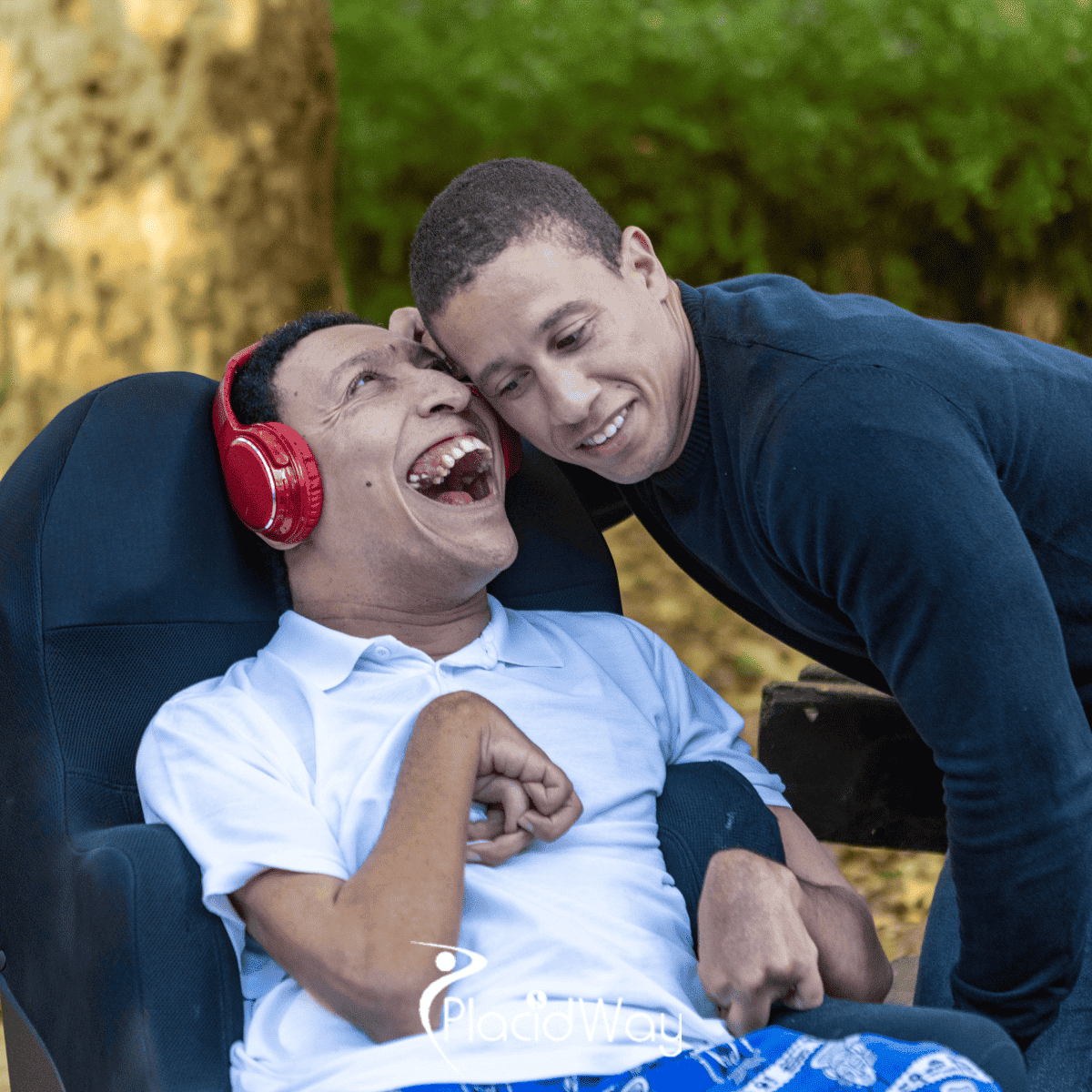
There is often another person missing from guides like this. Medical tourism is rarely a solo endeavor; it relies heavily on the quiet, constant support of a traveling companion. This person absorbs much of the logistical and emotional friction that occurs when seeking healthcare away from home.
They are the ones remembering important medication schedules when you are groggy from anesthesia. They handle the stressful logistics of foreign taxis, hotel check-ins, and navigating language barriers at the local pharmacy. They provide emotional reassurance when a post-operative night feels incredibly long, uncomfortable, and isolating.
A responsible provider must ensure your companion knows exactly who to contact if an after-hours emergency arises. Companions need clear instructions on expected recovery timelines, signs of potential complications, and access to food and rest during the trip. Better decisions consider everyone affected, not only the person making the purchase or choosing the medical option.
Shared journeys require shared knowledge and mutual preparation.
Is Healthcare in Latvia Really Safe and Reliable?
This broad question feels natural, but it fails to capture the complexity of clinical reality. A simple "yes" or "no" can be dangerously misleading because safety is tied to specific doctors, facilities, and procedures, not an entire national border. Relying on the general reputation of a country does not protect you from a poorly managed clinic.
Instead of asking if the country is safe, ask: What local regulatory body monitors this specific clinic's surgical outcomes? How frequently does this exact surgeon perform my specific orthopedic or bariatric procedure? What happens if my medical timeline shifts due to a delayed recovery or an unexpected post-operative infection?
Experienced patients understand that safety requires verifying individual protocols and emergency access. First-time travelers often rely too heavily on national reputation or the visual appeal of a modern waiting room. Different audiences need answers tailored to their specific medical risk profile.
Trust Requires Identifiable Responsibility
Attractive websites often blur the lines between marketing platforms, travel facilitators, and actual clinical providers. This creates an illusion of safety without clearly establishing who is medically liable.
"Our internationally recognized center guarantees the highest safety standards and premium care in Europe."
Instead of trusting this claim, ask: Who holds the legal medical liability, and where can I independently verify their standing? Look beyond marketing badges and verify the facility’s registration with the Health Inspectorate of Latvia (Vesel?bas inspekcija). Trust comes from identifiable responsibility, verified evidence, and clear institutional accountability.
Before you commit, try the 4-Step Flight-Home Test
- The Documentation Step: Do I have translated, universally understood surgical reports for my local physician?
- The Complication Step: If I develop an infection two weeks after returning home, exactly who pays for the local intervention?
- The Contact Step: Do I have a direct, 24/7 medical contact, or just a sales representative's WhatsApp number?
- The Travel Step: Have I accounted for the physical discomfort and blood-clotting risks of flying shortly after my specific procedure?
That is the Latvia Medical Tourism test.
Evaluating Options Through Different Reader Eyes
"I am uninsured and need immediate orthopedic surgery."
The best research direction: Investigating high-volume orthopedic hospitals in Riga that offer transparent, all-inclusive joint replacement and rehabilitation packages.
The key factor: Investigating the mandatory post-operative physical rehabilitation timeline before being cleared for international flights.
The warning: Do not assume the upfront surgery cost automatically covers the necessary weeks of specialized physical therapy.
"I am seeking affordable bariatric surgery away from home."
The best research direction: Connecting with specialized Latvian weight-loss clinics that actively coordinate with dietitians in your home country.
The key factor: Establishing a firm, long-term nutritional and medical support plan locally before booking your outward flights.
The warning: Avoid any clinic that downplays the severe, lifelong lifestyle and dietary changes required after a gastric bypass.
"I am planning a complete dental implant restoration."
The best research direction: Scheduling a phased, realistic treatment plan with a clinic utilizing digital dentistry and internationally recognized implant materials.
The key factor: Calculating the total travel time, time away from work, and cumulative flight costs for multiple necessary visits.
The warning: Beware of absolute promises of "teeth in a day" without thoroughly understanding your personal biological healing requirements.
"I am looking into cosmetic plastic surgery with privacy."
The best research direction: Choosing a registered plastic surgery center that clearly separates aesthetic recovery spaces from acute clinical environments.
The key factor: Verifying the specific surgeon’s individual credentials and their documented volume of your desired procedure.
The warning: Do not confuse a luxurious recovery room or a beautiful view with advanced clinical capability during a medical emergency.
Same Latvia Medical Tourism. Four completely different research journeys.
What Will Your Medical Journey Actually Cost?
Eventually, almost everybody asks.
Asking about the base price is reasonable, but comparing initial clinic quotes rarely reveals the whole truth. Verified planning information must include the hidden financial burdens of recovery, logistics, and travel, not just surgical fees. Shifting your focus from the first number you see to the full journey impact prevents highly stressful financial surprises later.
What will the whole journey cost?
- Initial clinical consultations and surgical fees.
- Pre-operative testing and specialist medical clearance in your home country.
- Flights, transfers, and necessary luggage upgrades for bulky medical supports or mobility aids.
- Extended accommodation for you and your companion during the mandatory recovery window.
- Unexpected medical delays, prescription medication costs, or extra nights required before flight clearance.
- Follow-up care, revision procedures, physical therapy, or local doctor visits upon returning home.
The cheapest procedure may not create the cheapest total experience.
The Daily Reality of Recovering Abroad
The actual experience of medical tourism is often quieter, slower, and more clinical than colorful brochures suggest.
Waiting for final blood test results in a clean, unfamiliar lobby.
Navigating post-operative stiffness while trying to find a comfortable position in a hotel bed.
Relying entirely on a traveling companion to communicate with pharmacy staff regarding your pain medication.
Watching the quiet, forested outskirts of Riga from a clinic window while waiting for your discharge papers.
Managing the deep anxiety of a long flight home while trying to protect a healing body.
Experiencing small, profound moments of relief as your mobility improves day by day.
That is still medical care. Just a very different kind.
The Realizations That Often Come Too Late
- I wish I’d asked if my local doctor was genuinely willing to manage my bariatric aftercare.
- I wish I’d known how physically exhausting the airport transfer would feel just three days after surgery.
- I wish we’d planned for an extra five days in the hotel just in case I wasn't cleared to fly.
- I wish I’d checked the exact brand of my dental implants so my local dentist could easily order replacement parts.
- I wish I’d asked exactly who would be answering the clinic's emergency phone line at 2 AM.
"Our all-inclusive package takes care of everything so you can just relax and enjoy your trip."
Real-life questions provide better guidance than promotional messages because they address the gritty logistics of healing. No marketing package can eliminate the physical realities of post-operative recovery or the absolute need for local medical continuity.
Evaluating If Traveling for Care Makes Medical Sense
Medical tourism in Latvia may be worth investigating when:
- You have verified that the exact procedure is routinely performed by certified local specialists.
- You have a supportive, capable companion able to handle travel logistics and post-op care.
- You can comfortably afford to extend your stay if unexpected medical delays occur.
- Your local physician is fully aware and willing to partner on your long-term follow-up care.
- You are physically capable of handling international air travel and airport navigation safely.
Who Should Think Especially Carefully?
Medical tourism in Latvia—or any comparable option—may make less sense when:
- Your underlying condition requires immediate, highly complex multidisciplinary intervention.
- You absolutely cannot secure local medical support for ongoing aftercare or complication management.
- You are traveling completely alone and undergoing major orthopedic or bariatric surgery.
- Your budget has absolutely no margin for unexpected travel changes or secondary medical expenses.
- You are relying entirely on marketing brochures without verifying local Latvian accreditations.
- You feel heavily pressured by arbitrary time limits, aggressive sales tactics, or expiring discounts.
"I’m not comfortable proceeding."
A responsible guide should make it easier for readers to recognize when not moving forward is the exact right decision.
Charting Your Own Research Pathway
What brings you here?
Struggling with debilitating local wait times for joint replacement
Seek a verified orthopedic center in Latvia and request their specific physical rehabilitation and flight-clearance protocols.
Facing unaffordable local dental reconstruction quotes
Request a phased, written treatment plan detailing the exact number of required trips to Riga over the next year.
Looking for private, specialized plastic surgery
Verify the specific surgeon's individual registration with the Latvian medical board, rather than just reading the clinic's marketing materials.
Needing bariatric intervention without local insurance coverage
Establish a firm, written agreement with a local nutritionist before even contacting a foreign surgical clinic.
Evaluating the overall safety of traveling for care
Review official European cross-border healthcare guidelines and search for the clinic in the Latvian Health Inspectorate database.
That is not simply a product comparison. It is a decision environment.
Finding the Right Path for Your Health
Maybe you are sitting at your kitchen table, comparing quotes for dental implants and wondering if the extensive travel is truly worth the savings. Perhaps you and your partner are discussing the profound logistical hurdles of managing early orthopedic recovery in a foreign hotel room. Maybe you are balancing a deep, persistent desire for a physical transformation against the inherent risks of crossing borders for plastic surgery.
These are complex, weighty considerations that demand patience, thorough research, and careful scrutiny. Medical tourism in Latvia should not be reduced to simple promises of saving money, getting results quickly, or instantly transforming your life. The reality requires a clear-eyed assessment of your individual circumstances, practical limitations, and ability to follow through long after the initial decision.
The best medical choice is not the one with the most obvious advantage.
It is the one where:
the right clinical capability,
the right verified professional,
the right recovery environment,
and a realistic path to safe follow-up
can come together for your particular situation.
"Where is healthcare abroad cheapest and fastest?"
Replace with:
"What is the next informed step that realistically fits my medical and personal situation?"
Your Way to Hope: Moving Forward with Clarity
Making a decision about your healthcare is a deeply personal journey that requires time and clarity. At PlacidWay, we understand that crossing borders for medical care is a significant step that deeply affects you and your support network. We believe in providing clear, compassionate guidance to help you navigate these complex, life-altering choices safely.
Maybe it is the right time to explore your options abroad. Maybe it isn’t. We are here to support your research, answer your questions, and ensure you do not rush your decision.
Not only finding a clinic. But finding a realistic, verified path to better health. True hope requires honest preparation, realistic expectations, and a thoroughly informed understanding of your total journey.
What is the most important question you need answered before taking your next step?
Disclaimer: This article provides general information regarding medical tourism and is not intended as a substitute for personalized professional medical advice, diagnosis, or treatment. Always seek the guidance of your physician or other qualified health provider with any questions you may have regarding a medical condition or treatment plan. Independent verification of medical providers and regulatory standing is strongly recommended before committing to travel or procedures.
References
- Health Inspectorate of Latvia (Vesel?bas inspekcija) - Medical Institution Register
- European Union - Cross-border healthcare directive and patient rights
- NHS (UK) - Treatment abroad guidelines and planning advice
- CDC (USA) - Medical Tourism travel advice and complication risks
- World Health Organization (WHO) - Medical Tourism and Patient Safety

























Share this listing