
Contents
Living with ataxia in the US or Canada often feels like being stuck in an endless medical loop. You wait months just to see a specialist, only to be offered the exact same physical therapy and symptom management plan you have already been doing for years. When you finally ask about regenerative medicine, your local doctor either dismisses it entirely or quotes a price tag that rivals a small mortgage.
It is no surprise that many families are looking across the border for more accessible care. In Tijuana, regenerative treatments for neurological conditions are available at a fraction of the cost, usually averaging around $6,500 depending on the specific protocol. However, traveling for care means you have to be vigilant about safety. Before booking anything, it is crucial to verify that the facility holds active certification from COFEPRIS, Mexico's federal health regulatory agency, ensuring they meet strict medical standards.
Key Insights
Review the clinic options below to find the right fit for your medical needs.
When traveling for treatment, booking a comprehensive medical package can remove a lot of the stress from your trip. Instead of trying to coordinate ground transport, hotel stays, and clinic visits on your own, a good package bundles these logistics together. Most Tijuana clinics offer packages that cover your airport pick-up in San Diego, accommodations, and the therapy sessions.
Be sure to read the fine print so you know exactly what is included. Some bundles cover initial blood work and specialized consultations, while others only focus on the stem cell injections. Compare the treatment packages below to find one that covers your necessary logistics.

Price starting from $9,099
Stem Cell Therapy for Ataxia Package in Tijuana, Mexico by CellsTime Clinique
CellsTime Clinique Tijuana
- Stem Cell Therapy
Tijuana, Mexico
The cost of stem cell therapy for ataxia in Tijuana typically ranges between $5,500 and $8,500, with an average price of around $6,500. This is significantly lower than the heavy price tags you might be quoted in the United States or Canada for similar regenerative protocols.
The price difference comes down to lower administrative overhead and operational costs in Mexico, not a drop in medical quality. However, every patient's condition requires a unique approach, meaning your final quote will depend on the number of cells needed and the delivery method. Take a moment to compare the specific pricing details listed below to see what aligns with your budget.
Stem Cell Therapy for Ataxia Centers Cost Comparison in Tijuana, Mexico
| Provider | Procedure | Price |
|---|---|---|
| CellsTime Clinique Tijuana | Stem Cell Therapy for Ataxia, Stem Cell Therapy | $9099 |
Stem Cell Therapy for Ataxia Cost Comparison in Mexico
| Country | Procedure | Price |
|---|---|---|
| United States | Stem Cell Therapy for Ataxia, Stem Cell Therapy | $50000 |
Choosing the right medical facility abroad requires a bit of investigative work on your part. Do not just rely on a polished website or friendly reception staff; focus on hard facts and regulatory compliance. The most important step is verifying that the clinic is licensed by COFEPRIS to process and administer stem cells safely.
You should also ask about their laboratory standards, specifically if they cultivate their own cells or source them from an accredited third-party lab. A reputable center will always be transparent about cell viability and their specific protocols for neurological care. Browse the clinic profiles below to evaluate their credentials and facility standards.

Stem Health | Leading Stem Cell Clinic in Tijuana, Mexico
Tijuana, Mexico
CellsTime Clinique Tijuana
Tijuana, Mexico
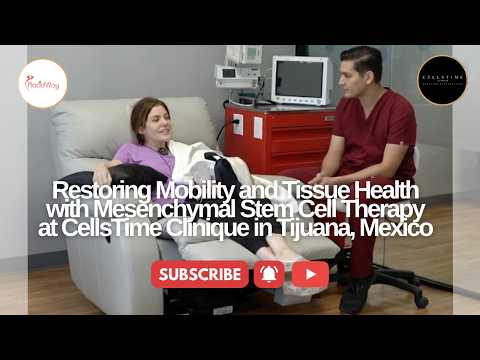
Sometimes, understanding a medical procedure is much easier when you can watch someone explain it firsthand. Video resources can give you a clear look at what the clinic actually looks like inside and how the doctors interact with their patients.
Watching these videos can help demystify the process of traveling to Mexico for regenerative medicine. You will get a better sense of the daily routine, the treatment rooms, and the overall environment you can expect upon arrival. Watch the videos below to get a realistic preview of the patient experience.
Reading about the experiences of people who have already gone through the process is incredibly valuable. Former patients often share the small, practical details about their trip to Tijuana that you will not find in a clinic brochure.
Pay attention to reviews that discuss how the staff handled communication, the ease of border crossing, and the level of follow-up care provided after returning home. While every medical journey is unique, these insights can help you spot consistent patterns in a facility's quality of care. Check the patient reviews below to learn from others who have traveled for this treatment.

When planning a medical trip across the border, having the right information is essential. Below are some of the most common questions patients ask when considering stem cell therapy for ataxia in Tijuana.
Why do ataxia patients travel to Tijuana for stem cell therapy?
Patients often travel because of the high cost of regenerative care in the US and Canada. Tijuana offers more affordable options and access to specialized protocols that may not be widely available back home.
How are stem cells administered for neurological conditions like ataxia?
To effectively reach the central nervous system, doctors typically use intrathecal injections (into the spinal canal) or a combination of intravenous (IV) infusions to cross the blood-brain barrier.
Are the stem cell clinics in Tijuana regulated?
Yes, legitimate clinics in Mexico must be licensed and regulated by COFEPRIS, the federal health agency. You should always verify a clinic's COFEPRIS certification before booking.
What type of stem cells are used for ataxia treatments in Mexico?
Most regenerative clinics use Mesenchymal Stem Cells (MSCs) sourced from ethically donated umbilical cord tissue, known for their anti-inflammatory and tissue-repair properties.
Do I need a passport to travel to Tijuana for medical care?
Yes, US and Canadian citizens need a valid passport to enter Mexico and to return home across the border.
How long do I need to stay in Tijuana for this treatment?
Most treatment protocols require a stay of 3 to 5 days. This allows time for preliminary blood work, the actual stem cell administration, and a brief recovery observation.
Can I fly into San Diego and cross the border for my therapy?
Yes, this is the most common route. Many Tijuana clinics provide a dedicated shuttle service from the San Diego International Airport directly to their facility.
What should I expect during the recovery period?
Recovery is generally mild, with most patients experiencing mild fatigue or a slight headache for a few days. You will be advised to rest and avoid strenuous activities.
Are there any risks associated with traveling for regenerative medicine?
Risks include potential infection at the injection site or receiving poor-quality cells if the clinic is not certified. This makes researching and verifying medical licenses absolutely critical.
Will my local doctor coordinate with the clinic in Tijuana?
While some local doctors are supportive, many are hesitant to coordinate international care. You will likely need to request your own medical records and MRIs to bring with you to Mexico.
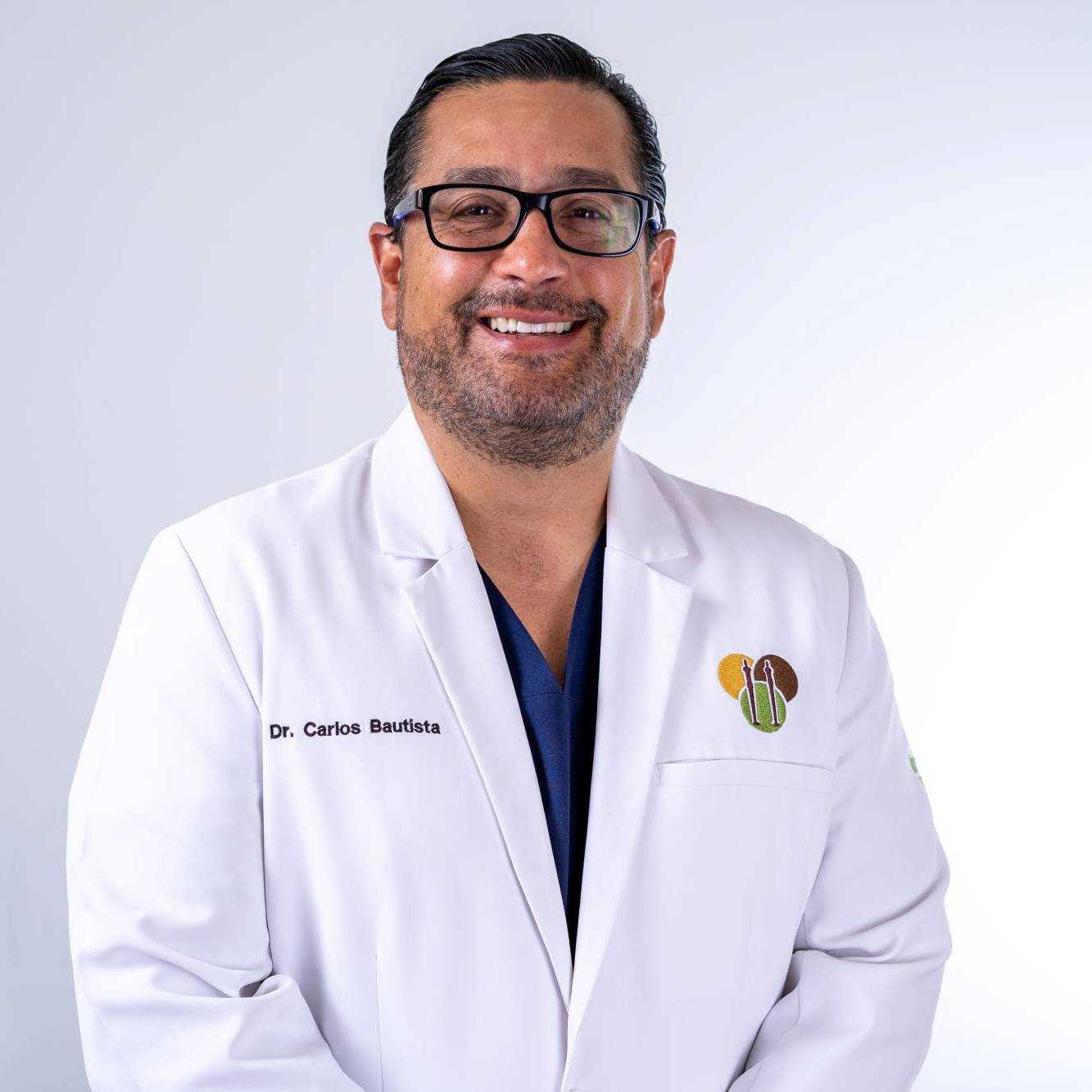
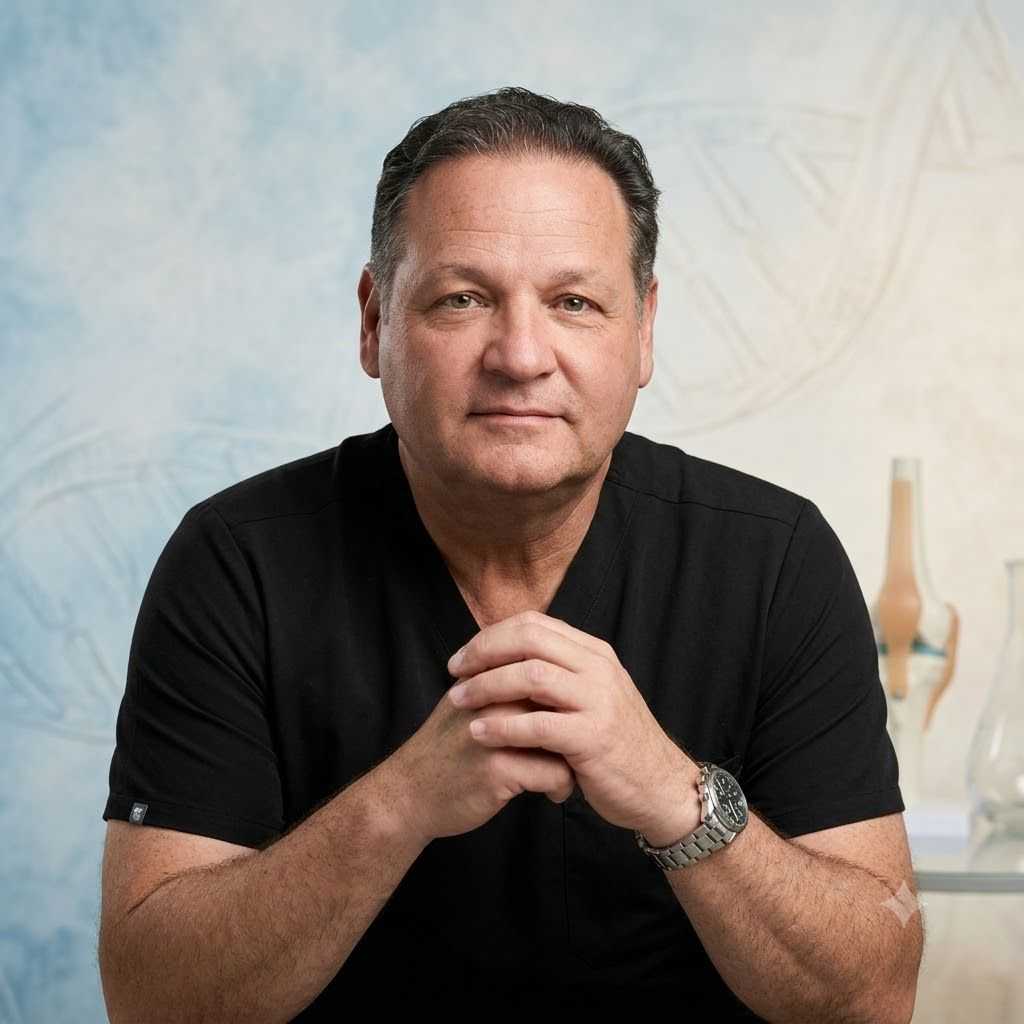
The doctor administering your treatment is just as important as the stem cells themselves. Neurological conditions require precise delivery methods, often involving intrathecal injections, which should only be performed by specialists with extensive neurological or pain management experience.
Look for doctors who have specific training in regenerative medicine and maintain active memberships in international medical boards. Do not hesitate to ask them how many ataxia patients they have treated and what their typical outcomes look like. You can review the doctor profiles below to compare their qualifications and specialized backgrounds.
Tijuana has become a leading destination for medical tourism, particularly for patients from the United States and Canada seeking alternatives to their local healthcare systems. Because it sits directly on the US-Mexico border, it offers a unique logistical advantage for North American patients.
Most people flying in will arrive at the San Diego International Airport, which is just a short drive from the border. From there, many certified medical centers provide dedicated shuttle services through the medical lane at the San Ysidro crossing, making the journey seamless.
| Nearest Major Airport | San Diego International (SAN) |
| Border Crossing | San Ysidro Medical Fast Lane |
| Local Currency | Mexican Pesos and US Dollars |
| Average Stay Needed | 3 to 5 Days |
While the city is bustling, the medical districts in Tijuana are modern, secure, and specifically designed to cater to international visitors. Compare the local travel resources below to help plan your trip effectively.
Navigating the options for regenerative medicine abroad can feel overwhelming, but you do not have to figure it out alone. Taking the time to compare your options, verify clinic credentials, and understand the logistics will help you make a safe and informed decision for your health.
If you need assistance finding vetted clinics or reviewing specific treatment protocols in Tijuana, our team is here to help guide you through the details without any pressure.
References
- Ataxia Fact Sheet – National Institute of Neurological Disorders and Stroke (NINDS)
- Medical Tourism Guidelines – Centers for Disease Control and Prevention (CDC)
- Regulatory Standards – Federal Commission for the Protection against Sanitary Risk (COFEPRIS)
- Stem Cell Applications in Neurological Diseases – National Institutes of Health (NIH)
- Mexico Country Information – U.S. Department of State




















Share this listing