Liposuction in Tijuana Mexico

Publish date: Jun 07, 2022 Modified date: Aug 21, 2026 Medically reviewed by: Dr. Lorenzo Halverson on Aug 21, 2026 Author: Araya Chaiyaporn

Experience Price

$3,950 Price starting from
Liposuction in Tijuana Mexico

Contents

Current provider-specific liposuction packages in Tijuana are published at about US$4,200 to US$5,900, but those numbers should be treated as starting points rather than a universal price. The number of areas treated, anesthesia, technique, operating time and package inclusions can all change the final quote.

Tijuana makes cosmetic surgery unusually close to home for patients coming through Southern California, but crossing a border does not make the medical homework optional. Before getting excited about a package price, find out exactly who will perform the surgery and where it will take place.

For local verification, ask the surgical facility to show a current Mexican Licencia Sanitaria authorizing surgical procedures. For the surgeon, verify the professional and specialty credentials through Mexico's Registro Nacional de Profesionistas and check current certification with the Consejo Mexicano de Cirugía Plástica, Estética y Reconstructiva (CMCPER). Use those checks while comparing the options below rather than relying on badges, photographs or marketing language.

A package price tells you very little until you know what is actually inside it. One quote may cover a single area, while another may involve the abdomen, waist, flanks or several body areas and therefore require more operating time.

Ask for a written breakdown of the surgeon fee, anesthesia, operating room, preoperative testing, compression garment, medication, postoperative visits and any overnight monitoring. Check separately whether hotel stays, transportation, additional garments, extra nights or treatment of complications are included. Compare the packages below on the same medical scope rather than headline price alone.

`

Current published provider-specific Tijuana liposuction examples include approximately US$4,200 and US$5,900. These are package prices from individual providers, not a guaranteed citywide rate.

Your quote may change with the body areas treated, procedure length, type of anesthesia, surgical technique and medical needs. For context, the American Society of Plastic Surgeons reports an average U.S. liposuction surgeon fee of US$4,711, but that figure excludes anesthesia, operating-room costs and other expenses. That makes fixed percentage-savings claims unreliable unless both quotes include the same services.

Compare the cost options below and request an itemized total before deciding which option fits your medical plan and overall travel budget.

Liposuction Centers Cost Comparison in Tijuana, Mexico

Provider Procedure Price
LAYYN MEDICAL GROUP - Plastic Surgery in Tijuana, Mexico Liposuction, Cosmetic/Plastic Surgery $4200
Guerrero Plastic Surgery Liposuction, Cosmetic/Plastic Surgery $5900
Dr. Joaquin Ayala - Best Plastic Surgeon in Tijuana Mexico Liposuction, Cosmetic/Plastic Surgery $3950
Dr. Israel Villalobos - Plastic Surgery in Tijuana Mexico Liposuction, Cosmetic/Plastic Surgery $7800

Liposuction Cost Comparison in Mexico

Country Procedure Price
New Zealand Liposuction, Cosmetic/Plastic Surgery $11500
United States Liposuction, Cosmetic/Plastic Surgery $15000

A modern waiting room is not evidence that an operating room is authorized for surgery. COFEPRIS advises patients considering aesthetic surgery to confirm that the establishment has a current sanitary license authorizing surgical procedures and that the physician has the required plastic-surgery specialty credentials.

Ask for the legal name of the actual facility where your liposuction will take place, because the consultation office and surgical site may be different. Also ask about anesthesia staffing, postoperative monitoring, emergency-transfer arrangements and who handles complications after discharge. Compare the clinics below using documents and specific answers rather than appearance or promotional claims.

A video can answer useful questions about consultation style, treatment areas, surgical techniques and recovery instructions. It cannot prove that a clinic is licensed or that you will have the same result as the person on screen.

Pay more attention to videos where the surgeon explains why a technique is being recommended, where the operation takes place, what recovery involves and how complications are handled. Before-and-after footage can provide context, but lighting, posture, editing and recovery stage can change how results appear. Use the videos below to develop questions for consultation, not as a substitute for credential checks.

Star ratings are easy to scan, but the details usually matter more. Look for recent liposuction reviews that explain the consultation, informed-consent process, communication after surgery, pain management, follow-up appointments and what happened when the patient had a concern.

Separate comments about drivers, hotels and reception staff from comments about clinical care. A positive outcome for another patient cannot predict your result because anatomy, health, treatment areas and healing differ. Read the reviews below for recurring patterns, then compare those impressions with independently verified surgeon credentials and facility authorization.

How much does liposuction cost in Tijuana, Mexico?

Current provider-specific package examples are published at approximately US$4,200 to US$5,900. The final amount can change with the number of areas treated, procedure length, anesthesia, surgical technique, medical testing and what the package includes. Ask for an itemized quote after your medical assessment rather than assuming an advertised amount is your final bill.

Is it safe to get liposuction in Tijuana?

No destination makes surgery automatically safe or unsafe. Risk depends on your health, the extent of liposuction, surgeon qualifications, anesthesia, operating facility and postoperative care. COFEPRIS advises patients to verify that cosmetic surgery is performed in a facility with a current sanitary license authorizing surgical procedures and by a physician with the appropriate plastic-surgery specialty credentials.

How can I verify a liposuction clinic in Tijuana?

Ask for the legal name and address of the facility where surgery will actually occur and request evidence of its current Licencia Sanitaria for surgical procedures. Do not assume the office where you have your consultation is the same place where surgery will happen. Ask about the operating room, anesthesia arrangements, postoperative monitoring and emergency-transfer process as well.

How can I verify a plastic surgeon in Tijuana?

Obtain the surgeon's full legal name. Check registered professional and specialty credentials through Mexico's Registro Nacional de Profesionistas and search for current plastic-surgery certification through the CMCPER directory. Confirm that the surgeon you verify is the same doctor who will perform your operation rather than another physician working under the clinic's name.

What is usually included in a Tijuana liposuction package?

Inclusions vary by provider. A package may cover the surgeon, anesthesia, operating facility, preoperative consultation, some testing, compression garments, medication or early follow-up. Hotel accommodation, transportation, extra laboratory tests, additional garments, extended stays and treatment required after a complication may be separate. Request the inclusions and exclusions in writing before paying.

Is Lipo 360 different from regular liposuction in Tijuana?

Lipo 360 generally refers to liposuction performed around several parts of the torso rather than one isolated treatment area. The exact areas included are not standardized by the marketing term, so ask the surgeon to identify each area in writing. Treating more areas can affect operating time, recovery requirements, risk assessment and total cost.

Is VASER liposuction better than traditional liposuction in Tijuana?

Not for every patient. VASER is an ultrasound-assisted liposuction technique, while conventional methods use a cannula and suction without the same ultrasound step. The suitable method depends on your anatomy, treatment areas, skin characteristics, surgical goals and the surgeon's assessment. Ask why a specific technique is being recommended rather than choosing it because of a technology label.

Is liposuction in Tijuana a weight-loss procedure?

No. Liposuction is a body-contouring procedure that removes localized fat deposits. It is not a treatment for obesity and does not replace nutrition, physical activity or medically appropriate weight management. A surgical consultation should determine whether your goals and health make liposuction appropriate and which areas, if any, can reasonably be treated.

How long should I stay in Tijuana after liposuction?

There is no single safe stay length for every patient. The timing depends on the number of treatment areas, amount of surgery, anesthesia, medical history and your early recovery. Ask your surgeon how many in-person postoperative checks are required and when you can safely leave the area. Avoid choosing a return date simply because a package is built around a short hotel stay.

When can I fly home after liposuction in Tijuana?

Your surgeon should make that decision based on the extent of surgery, mobility and your individual blood-clot risk. CDC guidance warns that air travel after surgery increases the risk of blood clots and suggests considering a 10-to-14-day delay after major surgery. That general recommendation does not replace individual clearance after liposuction.

Can liposuction be combined with a tummy tuck or BBL in Tijuana?

Some surgical plans combine procedures, but adding operations can increase procedure length, recovery needs and overall risk. Whether combining surgery is appropriate depends on your health, anatomy and the total planned procedure. Ask the surgeon to explain why combining procedures is reasonable in your case and whether staging them separately would change the risk profile.

What are the main risks of liposuction in Tijuana?

Liposuction can involve complications such as bleeding, infection, fluid accumulation, contour irregularities, changes in sensation, anesthesia problems and blood clots. Risk may increase with a larger surgical scope or other patient-specific factors. Your consultation should include a discussion of your individual risks, warning signs, emergency contact instructions and what happens if additional treatment becomes necessary.

Do I need to wear a compression garment after liposuction in Tijuana?

Compression garments are commonly used during liposuction recovery to support healing tissues and help manage swelling. The type of garment and how long you should wear it depend on the procedure and your surgeon's instructions. Ask whether the garment is included in your package, whether you need a second garment and what fit or cleaning instructions apply.

What happens if I have a complication after returning home from Tijuana?

Ask this before surgery, not after the flight home. Confirm who you should contact for urgent postoperative questions, whether remote follow-up is available, how your records will be provided and whether you may need to return to Tijuana. Also ask what the package or clinic policy does and does not cover if additional treatment or revision surgery becomes necessary.

How Much is Liposuction in Tijuana, Mexico?

Liposuction in Tijuana, Mexico typically costs between $2,500 and $4,500 per treated area. This estimated price generally covers the primary surgeon fees, operating room expenses, and standard anesthesia, though total costs vary by facility. Key Takeaways The liposuction cost in Tijuana is typically 40% to 60% lower than average prices in the US and Canada. Prices depend heavily on the number of body areas treated and the complexity of fat removal required. Patients must account for additional expenses such as pre-operative testing, post-surgery garments, and temporary local accommodation. Verifying clinic credentials and the surgeon's Mexican professional registry status is essential for patient safety. Recovery demands wearing compression garments for several weeks and planning for localized follow-up care. Disclaimer: The pricing information provided in this article represents estimates based on average market rates as of late 2025. Actual costs will vary depending on individual patient needs, chosen clinics, and current economic conditions. What Factors Influence the Liposuction Cost in Tijuana? The baseline liposuction cost in Tijuana fluctuates based on the specific anatomical areas treated, the volume of fat extracted, and the facility level. Specialized techniques and advanced surgical tools may also increase the final financial estimate. The total expense for your procedure is rarely a single flat fee. It usually comprises several different medical components. The primary driver of cost is the surgeon's expertise and the time required in the operating room. Treating a single, small area like the chin will be considerably less expensive than a comprehensive contouring of the abdomen, flanks, and thighs during one session. Anesthesia fees and facility charges also play a significant role in the overall pricing structure. Clinics offering overnight monitoring or employing specialized anesthesiologists often reflect these enhanced safety measures in their estimates. It is important to ask for an itemized breakdown when receiving a quote to understand exactly what the facility includes. Finally, patients must consider mandatory auxiliary costs that surround the surgery itself. Pre-operative blood work, electrocardiograms, prescription pain management medications, and specialized post-operative compression garments are sometimes excluded from initial promotional pricing. Clarifying these details early prevents unexpected financial burdens during your medical journey. How Does the Cost Compare to the United States or Canada? Patients frequently discover that prices in Mexico are substantially lower than domestic options. These cost reductions are primarily driven by regional economic factors and lower administrative overhead rather than a mandatory compromise in medical quality. The stark contrast in pricing across borders is a primary motivator for international patients seeking care. In the United States and Canada, high costs of living, expensive medical malpractice insurance premiums, and extensive administrative bureaucracy significantly inflate the baseline operational costs for private clinics. These expenses are inevitably passed down to the consumer. Conversely, healthcare facilities in Mexico operate within a different economic framework. The cost of labor, facility maintenance, and administrative duties is notably lower. This allows well-equipped clinics to offer competitive pricing while still investing in modern medical technology and maintaining comfortable environments for international visitors. While the financial savings can be appealing, cost should never be the sole determining factor when planning a surgical procedure. Below is a general comparative estimate to illustrate the economic differences, though exact prices will depend heavily on case complexity. Treatment Area / Detail Estimated Cost (USA/Canada) Estimated Cost (Tijuana) Single Area (e.g., Chin or Arms) $4,000 - $6,500 $2,000 - $3,000 Multiple Areas (e.g., Abdomen & Flanks) $7,000 - $12,000 $3,500 - $5,500 Pre-Operative Medical Tests $300 - $800 $100 - $250 What Should I Look for in a Liposuction Clinic in Tijuana? Selecting a reliable liposuction clinic in Tijuana requires diligent verification of official credentials. Patients must look beyond marketing materials to confirm surgeon licensing, facility emergency protocols, and medical board affiliations. The most critical step in evaluating a facility is validating the operating surgeon's qualifications. In Mexico, medical professionals must possess a cédula profesional issued by the Secretariat of Public Education (SEP). This registry number acts as proof of official medical licensing and specialty training, which patients can and should verify independently online before committing to care. Equally important is the clinical environment itself. You should inquire whether the facility operates as an accredited surgical center or merely a cosmetic office. Properly equipped clinics maintain robust emergency protocols, utilize FDA-cleared or internationally recognized medical equipment, and often hold certifications from domestic or international healthcare quality boards. Transparency is another hallmark of a trustworthy provider. A reputable clinic will gladly provide detailed documentation regarding their infection rates, typical complication management plans, and exact protocols for post-operative care. If a provider avoids answering specific medical questions or heavily pressures you into immediate booking, consider exploring other options. Did You Know? Membership in professional associations alone does not serve as legal proof of a surgeon's medical licensing. Always prioritize checking official government registries over simple website badges when verifying your provider's credentials. What Are the Potential Risks of Liposuction in Tijuana, Mexico? Any surgical intervention, including liposuction in Tijuana, Mexico, involves inherent medical risks such as infection or fluid accumulation. Seeking care abroad adds logistical challenges regarding long-term follow-up and managing potential delayed complications. Surgical contouring is a serious medical procedure that carries standard operative risks. Potential complications can include heavy bleeding, adverse reactions to anesthesia, persistent numbness, and contour irregularities beneath the skin. Furthermore, removing large volumes of fat can cause dangerous fluid shifts within the body, which requires careful monitoring by the medical team. Traveling for surgery introduces additional physiological stress. Sitting in cramped positions during extended air or car travel shortly after an operation increases the risk of developing deep vein thrombosis (DVT) or blood clots. Surgeons typically enforce a mandatory waiting period before allowing patients to travel long distances homeward. Patients must also have a concrete plan for aftercare once they return to their home country. If a complication arises weeks later, such as an infection or seroma, you will likely need to consult a local physician. Establishing a relationship with a local healthcare provider willing to monitor your recovery post-travel is a vital safety precaution. How Long is the Recovery Process After Liposuction? The initial healing phase typically requires one to two weeks of restricted activity as bruising and significant swelling begin to subside. However, internal tissue recovery and final contour settling can take up to six months to complete. Immediately following the surgery, patients experience noticeable soreness, swelling, and fluid drainage from the incision sites. During this early phase, resting and following the clinic's specific wound care instructions are paramount. Most individuals take at least a week off from work to manage discomfort and attend crucial local follow-up appointments before traveling home. For several weeks, patients are required to wear specialized medical compression garments constantly. These tight-fitting sleeves or bodysuits minimize tissue swelling, help the skin conform smoothly to the new underlying shape, and reduce the risk of fluid pockets developing. Strict adherence to garment wear instructions significantly impacts the final aesthetic outcome. While patients often feel functionally normal after a few weeks, they must avoid strenuous exercise, heavy lifting, or high-impact activities until cleared by a medical professional. Slowly reintroducing physical activity prevents sudden spikes in blood pressure that could compromise the healing incisions or induce delayed bleeding. What Types of Liposuction Techniques Are Available? Surgeons utilize diverse approaches tailored to patient anatomy, including Tumescent fluid injection, Ultrasound-Assisted Liposuction (UAL), and Laser-Assisted methods. Each technique aims to dislodge fat cells efficiently while attempting to minimize trauma to surrounding tissues. Tumescent liposuction remains the most widely practiced foundational technique. Before fat removal begins, the surgeon injects a large volume of sterile solution containing local anesthetic and epinephrine into the target area. This fluid swells the fat layer, making extraction easier while simultaneously constricting blood vessels to limit operative bleeding and subsequent bruising. Ultrasound-Assisted Liposuction (UAL) employs high-frequency sound waves delivered through a specialized cannula. This energy ruptures the walls of the fat cells, turning them into a liquid consistency that is easier to suction out. This method is particularly useful for targeting dense, fibrous fat deposits, such as those found in the male chest or upper back. Laser-Assisted techniques use targeted thermal energy to melt fat cells before removal. Proponents note that the heat generated may encourage mild skin tightening in suitable patients. However, it is crucial to understand that no single technology guarantees perfect results; the skill and judgment of the operating surgeon remain the most significant factors in a successful outcome. Who is a Suitable Candidate for Body Contouring? Ideal candidates are adults in good overall health who struggle with localized fat deposits that remain resistant to diet and exercise. They must have realistic expectations and understand that the procedure is for reshaping, not weight loss. A patient's skin quality heavily influences their suitability for surgery. Good skin elasticity is vital; if the skin is firm and resilient, it is more likely to shrink and adapt smoothly to the newly reduced contours. Conversely, patients with significantly lax, stretched, or thin skin may experience sagging or noticeable wrinkling after the underlying fat volume is removed. Stable body weight is another critical qualifying factor. Surgeons typically recommend that patients be within 30% of their ideal, sustainable body weight before undergoing surgery. Significant weight fluctuations post-surgery can dramatically alter or negate the aesthetic improvements achieved during the operation. Furthermore, candidates must be non-smokers without severe underlying medical conditions such as uncontrolled diabetes, significant cardiovascular disease, or compromised immune systems. These health issues severely impede the body's natural healing processes and elevate the risk of life-threatening surgical complications. What Are the Pre-Operative Requirements for Surgery? Prior to traveling, patients must complete comprehensive medical evaluations including blood panels and electrocardiograms. Strict lifestyle adjustments, such as modifying current medications and completely ceasing nicotine use, are heavily enforced. To clear a patient for surgery, facilities require up-to-date diagnostic testing to ensure the body can withstand the physical stress of anesthesia and trauma. Standard requirements often include complete blood counts, clotting profile assessments, and basic metabolic panels. Older patients or those with specific medical histories may require formal clearance from a cardiologist. Medication management is a crucial pre-operative phase. Patients must disclose all prescription drugs, over-the-counter medications, and herbal supplements they consume. Substances that thin the blood, such as aspirin, certain anti-inflammatory drugs, and even seemingly harmless supplements like Vitamin E or Ginkgo Biloba, must typically be stopped weeks in advance to prevent excessive surgical bleeding. Nicotine consumption poses a severe threat to surgical outcomes. Smoking restricts blood vessels and severely limits oxygen flow to healing tissues, dramatically increasing the risk of wound infections, tissue death (necrosis), and excessive scarring. Surgeons generally require patients to stop all nicotine use for at least four to six weeks before and after the procedure. How Has Medical Tourism in Mexico Improved Safety Standards? The rapid expansion of medical tourism in Mexico has driven many private healthcare sectors to voluntarily elevate their clinical standards, seek rigorous international accreditations, and modernize facility infrastructure to attract global patients. To remain competitive in the global healthcare market, top-tier clinics in border cities have invested heavily in creating environments that mirror or exceed standards found in North America. This competitive pressure encourages continuous staff training, the implementation of standardized hygiene protocols, and the procurement of advanced medical technologies. Many facilities now actively pursue credentials from recognized international bodies, which mandate strict adherence to global patient safety guidelines. While participation is voluntary, achieving these credentials signals a commitment to maintaining high operational standards, proper sterilization techniques, and effective emergency response capabilities. However, patients must remain vigilant. The quality of care across the country is not uniform, and oversight varies significantly between individual clinics. The burden of research ultimately falls on the patient to verify that their chosen provider genuinely upholds these elevated safety standards rather than merely advertising them. Important Consideration International accreditation is a strong indicator of quality, but it does not remove surgical risk. Patients must still personally interview their surgeons and clearly understand the clinic's protocols for handling unforeseen medical emergencies. Why Choose PlacidWay for Your Medical Journey? PlacidWay serves as a comprehensive global platform designed to assist patients in researching, evaluating, and connecting directly with diverse healthcare facilities worldwide. Navigating international healthcare options independently can be overwhelming. Utilizing a dedicated informational platform helps streamline the research process and provides structured data to support informed medical decision-making. Extensive Provider Network: Access a broad directory of international healthcare facilities, specialized clinics, and medical professionals across numerous specialties. Detailed Treatment Information: Explore comprehensive educational resources explaining surgical procedures, standard medical protocols, and typical recovery expectations. Transparent Patient Reviews: Read historical accounts and testimonials from previous patients to aid in evaluating clinic communication and overall experiences. Direct Communication Channels: Utilize built-in messaging tools to ask specific medical questions and interact directly with clinic representatives and medical teams. Customized Quotation Services: Request personalized, itemized treatment estimates from multiple providers simultaneously to effectively compare financial options. Frequently Asked Questions How many areas can be treated during one liposuction session in Tijuana? The number of areas treated depends on strict medical safety limits rather than a specific count. Surgeons typically measure extraction limits in liters of fat, with the maximum safe limit generally around four to five liters per session to minimize complications. Is liposuction in Mexico a weight-loss procedure? Liposuction is primarily a body contouring procedure designed for targeted fat removal. It is not an effective solution for general weight loss or obesity management, and ideal candidates are usually close to their target weight. Will I need to stay overnight in the hospital after my procedure? Many contouring procedures are performed on an outpatient basis. However, if multiple areas are treated or a significant volume of fat is removed, your surgeon may require a one-night stay in the facility for medical monitoring. When can I see the final results of my liposuction? While initial changes are visible once the post-operative swelling begins to decrease in a few weeks, the final contouring results typically take three to six months to fully emerge as the tissues heal completely. Will the fat come back after liposuction? The specific fat cells removed during the procedure are permanently gone and do not return. However, if you gain weight after surgery, the remaining fat cells in your body can still expand, potentially altering the surgically contoured results. Do I need a passport for medical tourism in Mexico? Standard travel documents are necessary when crossing international borders. Depending on your citizenship and whether you travel by air, land, or sea, a valid passport or passport card is typically required for entry and return. How long should I stay in Tijuana after my surgery? Surgeons typically recommend staying in the local area for three to seven days post-surgery. This allows you to attend crucial follow-up appointments and ensures you are medically cleared before undertaking the physical stress of travel. What kind of anesthesia is used for liposuction? Depending on the extent of the surgery and patient preference, the procedure may be performed using local anesthesia combined with intravenous sedation, or under full general anesthesia for extensive cases. Can liposuction treat cellulite? Liposuction removes deep fat deposits but does not address the structural causes of cellulite beneath the skin. In some cases, removing the underlying fat can actually make surface skin irregularities or cellulite appear more noticeable. Are compression garments necessary after the procedure? Medical compression garments are a critical part of the recovery process. They help reduce post-operative swelling, prevent fluid buildup, and provide essential support to the healing tissues as they adapt to the new contours. Ready to Explore Your Options? Connect with trusted clinics, compare personalized estimates, and gather the information you need to make an informed decision regarding your body contouring journey. Request Information References Medical Tourism Guidelines – Centers for Disease Control and Prevention (CDC) Liposuction Safety and Risks – American Society of Plastic Surgeons Ideal Candidates for Liposuction – American Society of Plastic Surgeons Liposuction Medical Device Information – U.S. Food and Drug Administration (FDA) About Liposuction Procedure Details – Mayo Clinic Liposuction Treatment Overview – Cleveland Clinic Patient Safety in Aesthetic Surgery – International Society of Aesthetic Plastic Surgery (ISAPS)

Start with the surgeon's full legal name, not a clinic nickname or social-media handle. Mexico's Registro Nacional de Profesionistas can be used to check registered professional credentials, while the CMCPER directory can be used to check certification in plastic, aesthetic and reconstructive surgery.

Certification is an important verification step, but it does not guarantee a particular result. Ask how often the surgeon performs the type and extent of liposuction being proposed, where the operation will occur, who provides anesthesia and how postoperative complications are managed. Compare the surgeons below using verifiable qualifications and case-specific answers.

Tijuana's geography changes the usual medical-tourism equation. Patients living in Southern California can reach the city through the San Ysidro or Otay Mesa border crossings without a long international flight. Patients coming from other U.S. states, Canada or farther abroad may instead fly into San Diego International Airport or Tijuana International Airport and arrange ground transportation from there.

The shortest route is not automatically the best postoperative route. Liposuction can leave you swollen, sore and temporarily less mobile, so border queues, long drives, luggage and flight schedules should be part of the medical plan rather than an afterthought.

Travel Option May Be Practical For What to Check?
San Ysidro or Otay Mesa land crossing Southern California and patients arriving through San Diego Border documents, crossing conditions, postoperative transportation and who will accompany you after surgery
San Diego International Airport Patients flying from other U.S. regions or international departure cities Airport-to-border transportation, border-crossing method and the return schedule your surgeon considers appropriate
Tijuana International Airport Travelers connecting through Mexican domestic routes Airport pickup, recovery accommodation and enough time for required postoperative examinations
Cross Border Xpress (CBX) Ticketed passengers using Tijuana International Airport CBX ticket, boarding pass and applicable passport or immigration documents

CBX Is for Tijuana Airport Passengers

Cross Border Xpress connects Tijuana International Airport with a terminal on the San Diego side of the border. It is tied to air travel through TIJ, so it should not be treated as a general pedestrian border crossing. Current CBX requirements include a CBX ticket, boarding pass and the travel or immigration documents required for the passenger's situation.

Do Not Book the Return Trip Before Discussing Recovery

Early liposuction recovery commonly involves swelling, bruising and limits on strenuous activity. Compression garments are also commonly used after surgery. The exact recovery plan depends on the amount of liposuction performed, number of areas treated and your medical history.

The CDC warns that surgery and prolonged travel can both contribute to blood-clot risk. Its medical-tourism guidance notes that flying after surgery increases the risk of deep vein thrombosis and gives a general recommendation to consider delaying air travel for 10 to 14 days after major surgery. That is not an automatic liposuction clearance date; your surgeon should decide when you are medically ready to travel.

Check the Current Baja California Travel Advisory

The U.S. Department of State advisory issued May 29, 2026 lists Baja California at Level 3: Reconsider Travel because of terrorism, crime and kidnapping. It specifically advises travelers to remain on main highways and avoid remote locations and notes high homicide numbers in non-tourist areas of Tijuana. Conditions can change, so review the latest government advisory close to your departure date.

Plan the Medical Trip Before the Tourism

  • Confirm the surgeon and actual operating facility before purchasing non-refundable travel.
  • Send an accurate medical history, current medications, allergies and previous surgery information before accepting a treatment plan.
  • Ask how many postoperative examinations are required before you leave Tijuana.
  • Arrange an adult companion if the surgical team recommends one.
  • Plan transportation that does not require you to drive immediately after anesthesia or while taking medicines that affect alertness.
  • Keep copies of your operative report, prescriptions, discharge instructions and emergency contact information.
  • Leave flexibility in hotel and transportation bookings in case your medical team delays your departure.

For U.S. travelers, re-entry documentation also depends on how you cross the border. U.S. Customs and Border Protection states that air travelers need a passport book, while additional WHTI-compliant documents may be accepted for qualifying land or sea crossings. Check the current rules that apply to your citizenship and route before departure.

Compare Liposuction Options Before Making a Decision

The useful next step is comparison, not commitment. Request treatment plans from more than one Tijuana provider and compare the exact treatment areas, technique, surgeon credentials, surgical facility, anesthesia, package inclusions, postoperative schedule and total expected cost. A personal consultation is still necessary to determine whether liposuction is medically appropriate for you.

Request Free Quote

Medical disclaimer: This content is intended for general patient education and does not replace medical advice, diagnosis or an individual surgical consultation. Liposuction is surgery and carries risks. Prices, package inclusions, provider availability, regulatory status and travel conditions can change. Verify current information with the surgeon, surgical facility and appropriate government authorities before arranging treatment or travel.

References

Liposuction in Tijuana Mexico thumbnail

About Experience

  • Translations: EN ES
  • Price Range: $3,950 - $5,900
  • Treatment: Liposuction, Cosmetic/Plastic Surgery
  • Location: Tijuana, Mexico
  • Clinics: Marciales Plastic Surgery, Guerrero Plastic Surgery, Dr. Israel Villalobos - Plastic Surgery in Tijuana Mexico, Dr. Xavier Toscano - Plastic Surgeon, Dr. Joaquin Ayala - Best Plastic Surgeon in Tijuana Mexico, Hospital CYNTAR in Tijuana, Mexico,
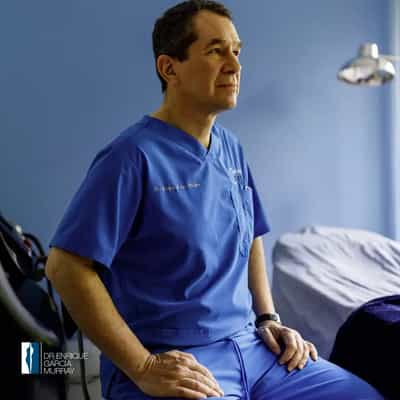
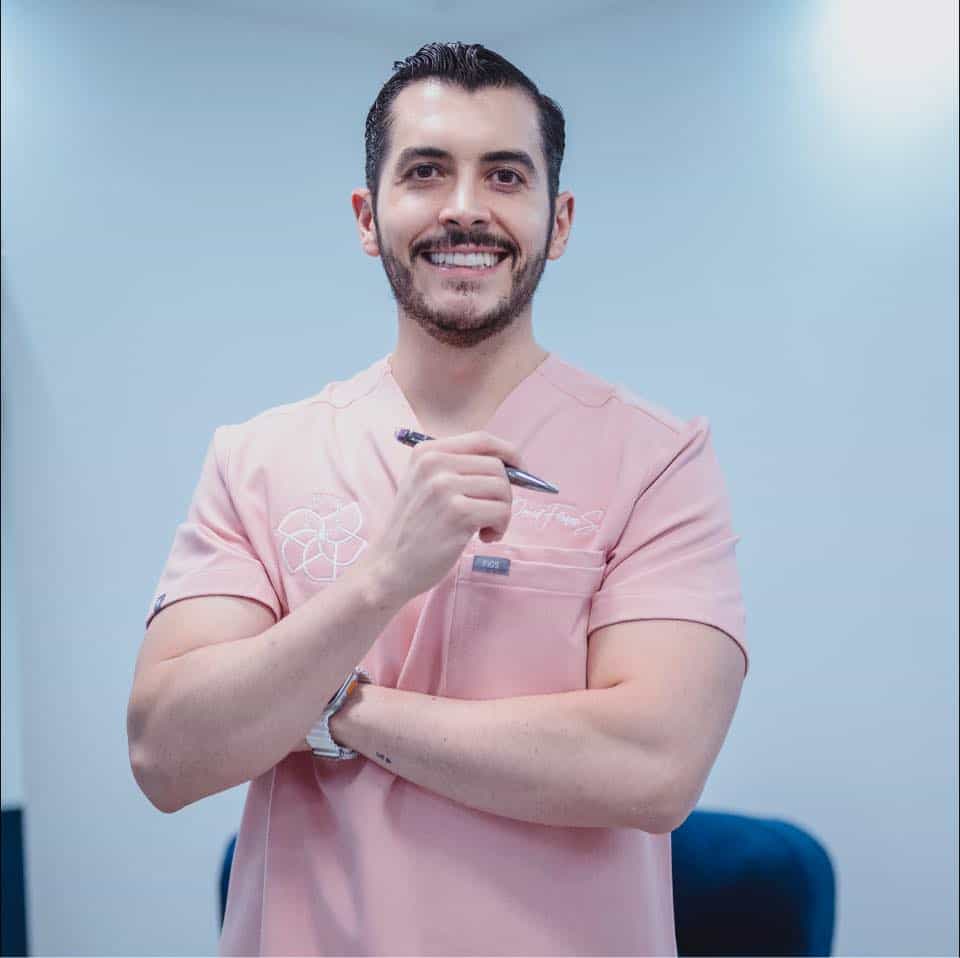
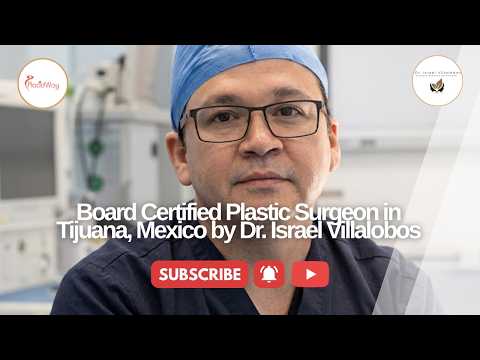
  • Doctors Dr. Joaquin Ayala, Dr. Jorge Sandoval, Dr. Ary Papadopulos, Dr. Enrique Garcia Murray, Dr. David Flores Soto, Dr. Israel Villalobos,
  • Packages LAYYN Liposuction Package in Tijuana, Mexico, Best Value Liposuction Tijuana Package by Dr. Joaquin Ayala, Liposuction Package in Tijuana, Mexico by Guerrero Plastic Surgery,
  • Overview

Trusted Medical Tourism Platform Since 2007

60+
Countries
2k+
Clinics
19.5k+
Reviews
2.5k+
Qualified Doctors
1.1M+
Patients Served Since 2007