



Contents
Tijuana is close enough to San Diego that a facelift trip can look deceptively simple. The surgery is the part that deserves the slowest decision. Current published Tijuana package examples reviewed for this page are $8,500, $10,000 and $12,000 USD, depending on the provider, technique and package scope. Those figures are useful starting points, not a citywide fixed price. If you are traveling from the United States, Canada or farther abroad, compare the surgeon, surgical facility, anesthesia plan, follow-up and total trip cost together. For the facility, ask to see a current Mexican sanitary licence authorizing surgical procedures. In Baja California, REPSSABI registration can provide an additional state verification point, but it does not replace the surgical licence. For the surgeon, confirm a specialist licence and current plastic-surgery certification, then ask about facelift-specific training and experience.
A package can make budgeting easier, but the label matters less than the written inclusions. Confirm whether the quote covers the surgeon, anesthesiologist, operating room, pre-operative tests, hospital or recovery stay, dressings, medication, follow-up visits and suture removal. Ask separately about hotel nights, local transport, airfare, companion costs and treatment of complications. Combined procedures such as a neck lift, eyelid surgery or fat grafting can change both price and recovery. Compare the packages shown below by medical scope and exclusions, not simply by the lowest headline amount.

Price starting from $7,000
Facelift Surgery Package in Tijuana, Mexico by LAYYN Hospital
LAYYN MEDICAL GROUP - Plastic Surgery in Tijuana, Mexico
- Cosmetic/Plastic Surgery
Tijuana,Guadalajara, Mexico

Price starting from $6,800
Facelift Package in Tijuana, Mexico by AOFHN Clinic and OR
Aesthetic and Oncologic Face, Head and Neck Clinic and OR
- Cosmetic/Plastic Surgery
Tijuana, Mexico

Price starting from $9,800
Facelift Package in Tijuana, Mexico by Guerrero Plastic Surgery
Guerrero Plastic Surgery
- Cosmetic/Plastic Surgery
Tijuana, Mexico

Price starting from $8,500
Facelift Surgery Package in Tijuana, Mexico by Hospital CYNTAR
Hospital CYNTAR in Tijuana, Mexico
- Cosmetic/Plastic Surgery
Tijuana, Mexico

Price starting from $10,000
Facelift Package in Tijuana, Mexico by Dr. Israel Villalobos
Dr. Israel Villalobos - Plastic Surgery in Tijuana Mexico
- Cosmetic/Plastic Surgery
Tijuana, Mexico
Current published package examples reviewed for Tijuana are $8,500, $10,000 and $12,000 USD. The $10,000 example includes a full facelift and neck lift, pre-operative testing, anesthesia and operating-room fees, one clinical night, dressings and early follow-up; airfare, extra hotel nights and take-home prescriptions are excluded.
For context, the American Society of Plastic Surgeons reports an average U.S. facelift cost of $11,395, but states that this figure does not include anesthesia, operating-room facilities or related expenses. That makes direct “savings” percentages unreliable unless both quotes contain the same items. Compare the cost options below using itemized totals.
Face Lift Centers Cost Comparison in Tijuana, Mexico
| Provider | Procedure | Price |
|---|---|---|
| LAYYN MEDICAL GROUP - Plastic Surgery in Tijuana, Mexico | Face Lift, Cosmetic/Plastic Surgery | $7000 |
| Guerrero Plastic Surgery | Face Lift, Cosmetic/Plastic Surgery | $9800 |
Face Lift Cost Comparison in Mexico
| Country | Procedure | Price |
|---|---|---|
| Canada | Face Lift, Cosmetic/Plastic Surgery | $11000 |
| Italy | Face Lift, Cosmetic/Plastic Surgery | $14022 |
Start with the legal facility where the operation will actually take place, not only the office that arranged your consultation. COFEPRIS states that facilities performing aesthetic surgery must have a sanitary licence for surgical acts and a responsible health officer, along with other required technical and service arrangements. Baja California’s REPSSABI process also requires inspection and, for hospitals and surgical units, a surgical-acts licence among its requirements. Ask for current documents and confirm the facility name on your consent forms. Compare the clinics below by verifiable authorization, anesthesia arrangements, emergency planning and postoperative access.
LAYYN MEDICAL GROUP - Plastic Surgery in Tijuana, Mexico
Tijuana,Guadalajara, Mexico
Guerrero Plastic Surgery
Tijuana, Mexico

Dr. Israel Villalobos - Plastic Surgery in Tijuana Mexico
Tijuana, Mexico
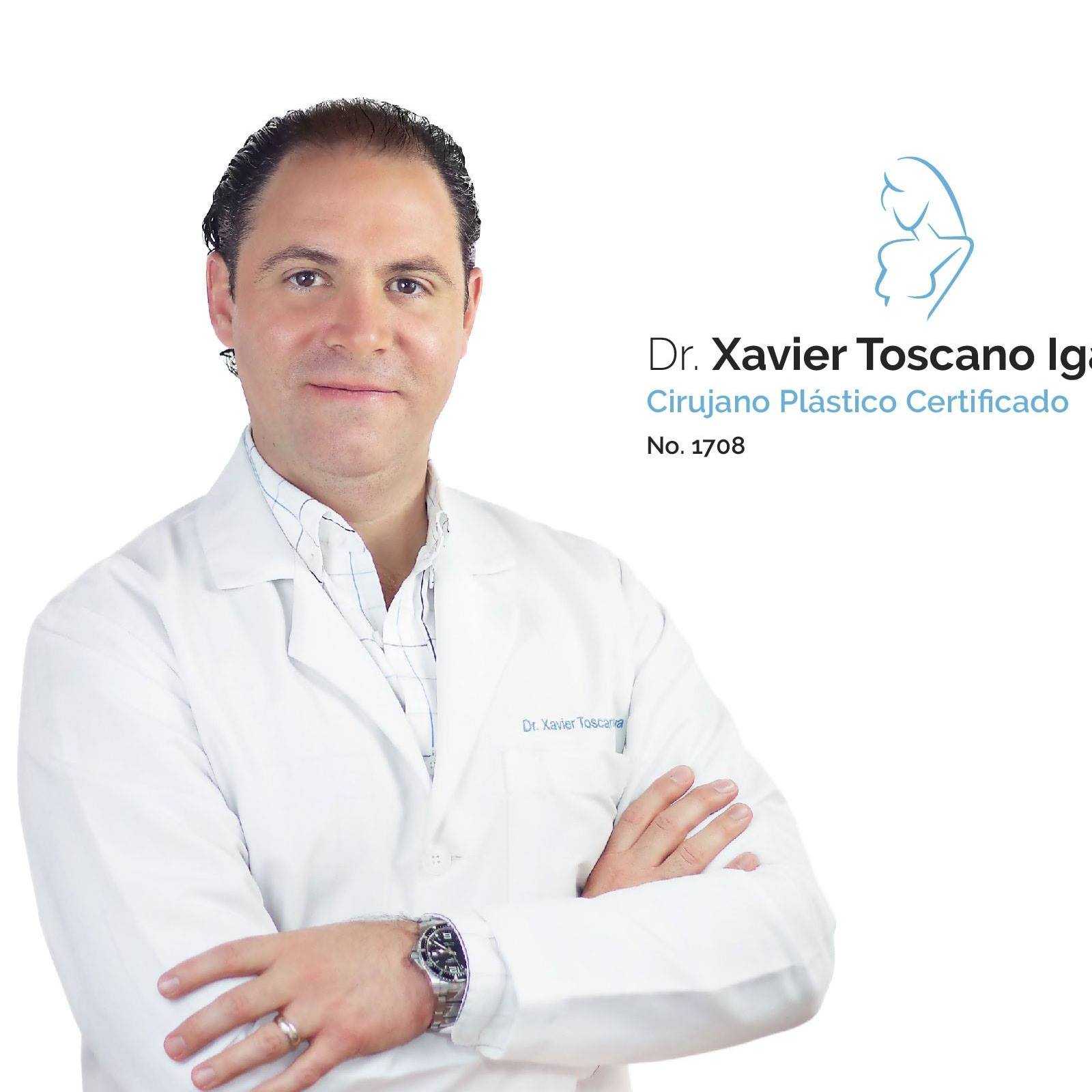
Dr. Xavier Toscano - Plastic Surgeon
Tijuana,Guadalajara, Mexico

Dr. Joaquin Ayala - Best Plastic Surgeon in Tijuana Mexico
Tijuana, Mexico
Hospital CYNTAR in Tijuana, Mexico
Tijuana, Mexico
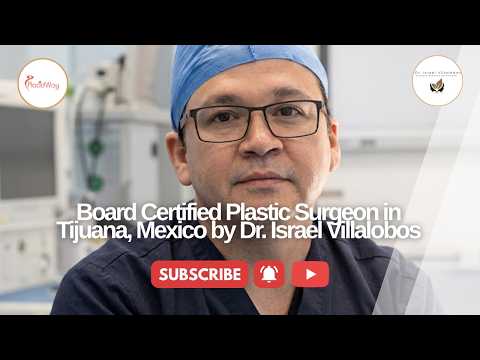
Videos are most useful when they explain the operation rather than simply show a transformation. Look for the surgeon discussing incision placement, the planned tissue layer, whether neck work is included, anesthesia, early swelling and what happens if healing does not follow the expected course. A facility video can also help you identify where consultation, surgery and recovery occur, but it cannot verify licensing or predict your result. Use the videos below to prepare questions, then confirm the medical details directly with the surgeon who would operate on you.

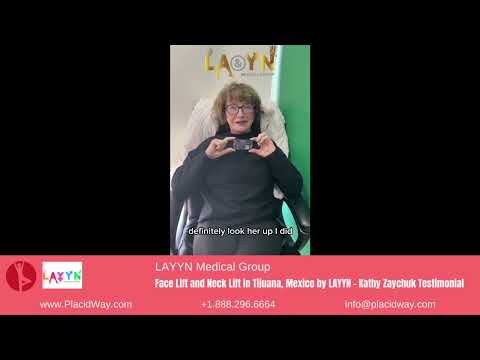
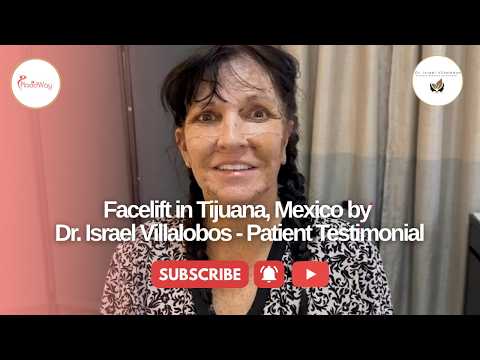
A useful review tells you what happened before and after surgery, not just whether someone liked the result. Look for details about the consultation, pain control, swelling, wound checks, suture removal, communication and access to the surgical team after discharge. Separate comments about hotels, drivers and hospitality from comments about medical care. One patient’s appearance cannot predict yours, and photos may be taken at different stages of healing. Read several recent reviews below for repeated themes, then turn those themes into questions for your own consultation.

How much does a facelift cost in Tijuana?
Current published package examples reviewed for this page are $8,500, $10,000 and $12,000 USD. They are not identical packages, so the final quote should state the technique, neck work, anesthesia, facility fee, tests, medications, follow-up and exclusions. Extra procedures can raise the total.
Is facelift surgery in Tijuana safe?
No surgery or destination is risk-free. Facelift risks include bleeding or hematoma, infection, wound-healing problems, scarring, altered sensation, facial nerve injury and anesthesia complications. Risk depends on your health, the procedure, the surgeon, the facility, anesthesia and follow-up. Verify credentials and discuss your personal risks before agreeing to surgery.
How do I verify a plastic surgeon in Tijuana?
Ask for the surgeon’s full name, specialist medical licence and current plastic-surgery certificate. The CMCPER directory allows searches by name, city, state or certificate number. COFEPRIS also states that specialists performing plastic and reconstructive surgical procedures require a legally issued specialist licence and current specialist certification. Certification supports credential verification but does not guarantee an outcome.
How do I verify a surgical facility in Tijuana?
Ask for the legal name of the facility and its current sanitary licence for surgical acts. COFEPRIS states that establishments performing aesthetic surgery require specific legal and technical documentation. In Baja California, REPSSABI is an additional inspected state registration; hospitals and surgical units applying for it must provide a surgical-acts licence and other documents. Do not treat a website badge as proof.
How long should I stay in Tijuana after a facelift?
There is no single correct stay for every patient. Your surgeon should decide based on the technique, combined procedures, medical history and early healing. Plan enough time for postoperative examination and any planned suture removal. NHS guidance for cosmetic surgery abroad recommends avoiding flights for 7 to 10 days after facial cosmetic procedures, but individual medical clearance may require longer.
When can I fly after a facelift in Tijuana?
NHS guidance recommends not flying for 7 to 10 days after facial cosmetic procedures because surgery and air travel can increase blood-clot risk. That is general guidance, not automatic clearance. Your surgeon may advise a different timeline based on the operation, mobility, swelling, medical history, complications and the length of your journey.
Does a facelift in Tijuana include a neck lift?
Sometimes, but not always. A facelift may address jowls and facial sagging, while a neck lift can address loose neck skin, fat or platysma muscle bands. Some Tijuana packages combine the procedures and others do not. Your written plan should name the exact areas and techniques included rather than using “full facelift” as the only description.
What is the difference between a standard and deep-plane facelift?
The terms describe different surgical approaches to facial tissues. A deep-plane technique involves release and repositioning in a deeper anatomical plane, while other facelifts may use different methods to reposition the SMAS and skin. No technique is automatically right for every patient. Ask why the surgeon recommends a particular approach for your anatomy and what experience they have with it.
What should be included in a Tijuana facelift quote?
Request a written breakdown for the surgeon, anesthesiologist, operating facility, tests, medications, dressings, clinical stay and postoperative appointments. Ask whether hotel accommodation, transport, companion costs, extra nights, emergency treatment and revision surgery are included or separate. A quote is easier to compare when every provider answers the same checklist.
What are the main facelift risks?
Recognized risks include hematoma, bleeding, infection, scarring, poor wound healing, hair loss near incisions, temporary or permanent sensory changes, facial nerve injury, asymmetry and anesthesia complications. A surgeon should explain which risks matter most for your medical history and how the team would manage a complication in Tijuana or after you return home.
Should I stop smoking or nicotine before a facelift?
Tell the surgeon about cigarettes, vaping, nicotine gum, patches and other nicotine products. Nicotine can impair blood flow and wound healing, which is especially relevant when facial skin is lifted during surgery. The timing for stopping and restarting should come from your surgeon because it depends on your health, nicotine exposure and surgical plan.
How long does facelift recovery take?
Bruising and swelling are expected early in recovery. The American Society of Plastic Surgeons notes that recovery continues in stages and that final results take time to settle. Your own timeline depends on the procedure, neck work, skin healing, medical history and whether other procedures were performed. Ask when you can shower, exercise, work, drive and travel.
What follow-up should I arrange before leaving Tijuana?
Before surgery, get a written follow-up schedule, emergency contact instructions and a plan for wound checks or suture removal. Ask what symptoms require urgent assessment, whether video follow-up is available and who should see you locally after you return home. The CDC advises medical travelers to plan for follow-up care because complications can occur after travel.
How Much Cost of Full Face Lift in Tijuana Mexico?
The estimated full face lift cost in Tijuana Mexico typically ranges from $4,500 to $7,500. This often includes surgeon fees, anesthesia, and facility costs, though prices vary based on individual needs and treatment complexity. If you are considering options for facial rejuvenation, understanding the financial and logistical aspects of traveling abroad is a critical first step. Every year, thousands of individuals cross the border for medical tourism in Tijuana Mexico, seeking more affordable healthcare alternatives compared to the pricing in the United States or Canada. Choosing to travel for cosmetic surgery involves careful planning, realistic budgeting, and a thorough evaluation of the facility and medical professionals involved. A full face lift, medically known as a rhytidectomy, is a major surgical procedure designed to address visible signs of aging in the lower face and neck. Because it requires significant medical expertise and an extended recovery period, patients must weigh the lower costs against the responsibilities of traveling for surgery. This guide provides a detailed look at pricing, recovery expectations, preparation steps, and the realities of undergoing this procedure in Tijuana. Key Takeaways Estimates for a full face lift in Tijuana usually fall between $4,500 and $7,500, offering substantial savings over North American averages. Quotes often cover the operating room, surgeon’s fee, and anesthesia, but you should always request a clear, itemized bill. Patients typically need to stay in Mexico for 7 to 10 days post-surgery for initial recovery and stitch removal. Suitability depends on your overall health, skin elasticity, and medical history; a thorough pre-operative consultation is mandatory. Like any major surgery, a face lift carries inherent risks such as infection or nerve damage, which require careful consideration. What exactly does a full face lift involve? A full face lift is a surgical procedure that addresses visible aging in the mid-to-lower face and neck. It involves tightening underlying muscles, repositioning tissues, and removing excess skin to create a smoother, more youthful appearance. The aging process naturally causes the skin to lose elasticity and the deeper facial tissues to lose volume and sag. A full face lift aims to correct these structural changes rather than just pulling the skin tight. The surgeon typically makes incisions that begin in the hairline at the temples, continue around the ear, and end in the lower scalp. Through these incisions, the surgeon accesses the deeper layers of the face, specifically the SMAS (superficial musculoaponeurotic system). By lifting and securing the SMAS layer, the surgeon can restore the deeper structural support of the face. Once the underlying muscles and tissues are repositioned, the skin is gently re-draped over the new contours, and any excess skin is trimmed away. This comprehensive approach helps prevent the unnatural, "wind-blown" look associated with older skin-only lift techniques. Because the procedure is invasive, it is performed under general anesthesia or deep intravenous sedation. What is usually included in the price quote for a face lift in Tijuana? A standard quote from a face lift clinic in Tijuana Mexico typically covers the primary surgeon's fee, anesthesia, operating room use, and basic medical supplies. Always request an itemized breakdown to avoid unexpected expenses during your trip. When comparing prices, clarity is essential. Cosmetic surgery pricing can be presented in various ways, and a low initial number might only reflect the surgeon's fee. A comprehensive, transparent quote should encompass the anesthesiologist's fee, facility costs (such as time in the operating room and recovery ward), and the cost of routine medical consumables used during the operation. However, you must also budget for expenses that are frequently excluded from standard medical quotes. These potential out-of-pocket costs include: Pre-operative laboratory tests and cardiac evaluations (like an ECG) Prescription medications for pain management and antibiotics post-surgery Specialized compression garments needed for recovery Travel costs, including flights, ground transportation, and border crossing fees Accommodation and meals for your necessary 7 to 10-day stay in the city How much money can I typically save by choosing Mexico for this surgery? Patients often save between 50% and 70% on facial plastic surgery in Mexico compared to US prices. While a traditional face lift might cost $15,000 to $20,000 or more in the United States, estimates in Tijuana generally sit around $4,500 to $7,500. The cost difference is driven largely by the lower cost of living and reduced operational overhead in Mexico. Real estate, administrative labor, and facility maintenance cost significantly less south of the border. Furthermore, the structure of medical malpractice insurance and the overall economic environment allow medical facilities to offer services at a lower price point without necessarily compromising on the materials used. Important Consideration: Price should never be the sole determining factor in your healthcare decisions. Thoroughly researching the credentials, training, and facility accreditations of your chosen provider is vital for patient safety. Even with travel and accommodation factored into the overall budget, the final out-of-pocket expense often remains substantially lower than paying for the procedure domestically. However, patients must factor in the potential cost of managing complications back home, as local insurance rarely covers the remediation of elective cosmetic surgeries performed abroad. What should I expect during the recovery period? Most patients require two to three weeks of dedicated downtime, experiencing swelling, bruising, and tightness that gradually subsides. You will likely need to remain near your surgical facility for 7 to 10 days for essential follow-up care. Recovery from a full face lift requires patience and careful adherence to post-operative instructions. For the first few days, swelling and bruising will be at their peak. You will be instructed to keep your head elevated at all times—even while sleeping—to minimize fluid accumulation. A facial compression garment may be provided to support your healing tissues and reduce swelling. Pain is usually manageable with prescribed medication, though patients often describe the sensation as a feeling of tightness or discomfort rather than severe pain. Drainage tubes are occasionally placed behind the ears to prevent fluid and blood from pooling; these are typically removed within 24 to 48 hours. By the end of the first week, most external sutures are removed, and patients can usually return to light, non-strenuous activities after two to three weeks. Am I a suitable candidate for a full face lift? Ideal candidates are generally healthy adults with noticeable facial sagging, deep creases, or jowls, who do not smoke and have realistic expectations. A thorough medical evaluation is necessary to determine true eligibility and ensure safety. A surgical face lift is most effective for individuals who have pronounced signs of aging that non-surgical treatments (like dermal fillers or laser resurfacing) can no longer adequately address. Candidates should possess good underlying bone structure to provide support for the repositioned skin, and their skin should retain some degree of natural flexibility and elasticity. Medical history plays a critical role in determining eligibility. Conditions that impair blood clotting, wound healing, or immune response may disqualify a patient. Smoking is a major contraindication; nicotine causes blood vessels to constrict, severely compromising blood flow to the skin flaps. Surgeons typically require patients to stop smoking entirely for several weeks before and after surgery to prevent tissue necrosis (skin death) and significant scarring. What are the potential risks and complications of this procedure? Like all major operations, a face lift carries inherent risks such as infection, hematoma, poor wound healing, scarring, and facial nerve injury. Discussing your full medical history with your healthcare provider helps mitigate these risks. Understanding the medical risks is a crucial part of informed consent. The most common complication following a face lift is a hematoma, which is a collection of blood under the skin that causes swelling and pressure. If a hematoma occurs, it often requires prompt medical intervention to drain the blood and prevent damage to the overlying skin. Other risks include temporary or, in rare cases, permanent injury to the facial nerves that control muscle movement, potentially leading to facial asymmetry. Hair loss around the incision sites, prolonged swelling, and adverse reactions to anesthesia are also possible. By strictly following pre-operative guidelines—such as stopping medications that increase bleeding risk—patients can help lower the probability of complications. How long do the results of a surgical face lift usually last? While a face lift effectively turns back the clock, it does not stop the aging process. The results often last between 10 and 15 years, heavily influenced by genetics, sun protection, and lifestyle choices. Patients who undergo a full face lift in Tijuana Mexico can expect long-lasting rejuvenation, but the duration of the outcome varies by individual. The face will continue to age naturally from its new, more youthful starting point. Over time, skin elasticity will continue to diminish, and gravity will exert its natural effects. To maximize the longevity of surgical results, dermatologists and surgeons recommend a consistent, high-quality skincare routine. Daily use of broad-spectrum sunscreen is vital, as UV exposure is a primary driver of skin aging. Maintaining a stable body weight is also important, as significant weight fluctuations can stretch the skin and alter facial contours, prematurely diminishing the results of the surgery. Can I combine other cosmetic procedures with a face lift? Yes, many patients choose to pair their face lift with a neck lift, eyelid surgery, or a brow lift to achieve balanced facial rejuvenation. Combining procedures requires a single recovery period but extends the duration of the surgery. Because a full face lift primarily addresses the lower two-thirds of the face, patients often notice that their eyes or forehead look comparatively older once the lower face is tightened. To achieve a harmonious result, surgeons often perform a blepharoplasty (eyelid surgery) to remove under-eye bags or drooping upper eyelids during the same operation. Fat grafting is another common addition, where the surgeon harvests fat from the patient's abdomen or thighs and injects it into areas of the face that have lost volume, such as the cheeks or temples. While combining procedures is common and can be cost-effective regarding facility and anesthesia fees, it increases the total time under anesthesia and may lead to a more uncomfortable initial recovery phase. How do I prepare for facial plastic surgery abroad? Proper preparation requires obtaining medical clearance, pausing medications that increase bleeding, and arranging a supportive environment for recovery. You must also coordinate cross-border travel logistics and ensure your passport is valid. Preparation begins weeks before your scheduled procedure. Your medical team will request routine lab work and possibly an electrocardiogram (ECG) to ensure you are fit for surgery. You will be instructed to stop taking aspirin, anti-inflammatory drugs (NSAIDs), and certain herbal supplements (like Vitamin E, Ginkgo Biloba, and Fish Oil) because they can increase bleeding during and after surgery. Logistically, planning your stay is just as critical. You should secure comfortable accommodation that allows for rest, preferably a hotel familiar with hosting medical tourists. Arranging for a companion to travel with you is highly advised, as you will need assistance with basic tasks during the first 48 hours when your vision may be blurry from swelling and your mobility is restricted. What happens if I experience a complication after returning home? If you develop a complication after returning home, you must seek immediate medical attention from a local healthcare provider. It is strongly recommended to establish contact with a local primary care doctor before traveling for surgery. While the required 7 to 10-day stay in Mexico allows the medical team to monitor you through the highest-risk recovery period, complications such as delayed infections or poor wound healing can manifest after you have traveled home. Do not attempt to travel back across the border if you are experiencing a medical emergency, such as a rapidly expanding hematoma or a high fever. Before leaving your clinic, ensure you obtain copies of your complete medical records, including surgical notes, anesthesia records, and details of any implants or materials used. Having this documentation allows your local doctors to understand exactly what was done and provide appropriate follow-up care. Keep in mind that treating complications at home will likely be an out-of-pocket expense. Why Choose PlacidWay for Medical Tourism? Navigating international healthcare options requires access to reliable information. PlacidWay assists patients by providing tools to explore global medical facilities. Global Network Connects patients with an extensive network of healthcare facilities, clinics, and medical professionals worldwide. Detailed Information Provides comprehensive profiles of clinics, helping you compare available treatments and facility details. Direct Communication Facilitates direct communication channels between patients and their chosen international medical providers. Cost Exploration Offers a platform to request and explore estimated cost structures for various procedures across different regions. Patient Empowerment Focuses on delivering educational resources so patients can make informed decisions about their healthcare journey. Frequently Asked Questions How much is a mini face lift compared to a full face lift in Tijuana? A mini face lift in Tijuana typically costs between $3,000 and $4,500, whereas a full face lift ranges from $4,500 to $7,500. The mini version focuses only on the lower third of the face and requires smaller incisions, which reduces the time in the operating room. Is anesthesia included in the typical face lift cost in Tijuana? In most comprehensive surgical quotes provided by Tijuana clinics, the anesthesiologist's fee and the cost of the anesthesia itself are included. However, you should always request an itemized breakdown before paying a deposit to confirm exactly what is covered. Do I need a passport to travel to Tijuana for surgery? Yes, a valid passport is required to cross the border into Mexico and to re-enter your home country, such as the United States or Canada. Passport cards are acceptable for land border crossings, but a passport book is required if you plan to fly. What currency is accepted at Tijuana cosmetic clinics? Most major medical facilities in Tijuana catering to international patients readily accept US dollars. Many also accept major international credit cards, though paying with a card may incur a foreign transaction fee or processing surcharge. How soon after a face lift can I fly back home? Surgeons typically advise patients to wait at least 7 to 10 days before flying. This allows time for the initial swelling to peak and subside, for stitches to be removed, and minimizes the risk of altitude-induced swelling or deep vein thrombosis (DVT). Will my health insurance cover a face lift in Mexico? Because a face lift is considered an elective cosmetic procedure, standard health insurance policies typically do not cover it, regardless of whether the surgery is performed domestically or abroad. Can I bring a companion with me for my surgery in Tijuana? Yes, having a trusted companion is highly recommended. They can help you navigate the hotel, assist with basic tasks during the first few days of recovery when your mobility and vision might be limited by swelling, and provide emotional support. What is the difference between a face lift and a neck lift? A face lift primarily addresses sagging skin, deep folds, and jowls in the mid-to-lower face. A neck lift focuses exclusively on removing excess skin and fat under the chin and tightening the neck muscles. They are frequently performed together. How long does the actual face lift surgery take? A standard full face lift usually takes between 3 to 5 hours in the operating room. If you are combining the face lift with other procedures, such as eyelid surgery or a brow lift, the total surgical time will be longer. Are prescription pain medications available in Tijuana after surgery? Yes, your surgeon can write prescriptions for necessary pain management and antibiotics, which you can fill at local pharmacies in Tijuana. You must declare any prescription medications to customs officials when crossing the border back to your home country. Explore Your Rejuvenation Options Gather detailed information, compare facility options, and request treatment estimates for cosmetic procedures abroad. Compare Treatment Options / Request Information References Facelift Surgery Information – American Society of Plastic Surgeons (ASPS) Face-lift: Risks and Recovery – Mayo Clinic Rhytidectomy Details and Guidelines – Cleveland Clinic Medical Tourism Safety Guidelines – Centers for Disease Control and Prevention (CDC) Facelift Preparation and Care – MedlinePlus International Guidelines for Facial Surgery – International Society of Aesthetic Plastic Surgery (ISAPS) Medical Disclaimer: The information provided in this article is for educational and informational purposes only and does not constitute medical advice, diagnosis, or treatment planning. Pricing mentioned is strictly an estimate and is subject to change based on individual health needs, clinic, and treatment complexity. All medical procedures carry inherent risks. Outcomes vary by patient. It is crucial to consult with a qualified, board-certified healthcare professional to evaluate your medical history and determine if cosmetic surgery is appropriate for you. Do not disregard professional medical advice or delay seeking it because of something you have read in this article.
Is Tijuana safe for plastic surgery?
Tijuana has become a prominent destination for individuals seeking plastic surgery, largely due to its affordable prices and proximity to the United States. While many patients report positive experiences and successful outcomes, the question of "Is Tijuana safe for plastic surgery?" is a critical one that deserves a thorough exploration. The safety of undergoing cosmetic surgery in Tijuana depends heavily on diligent research, careful selection of board-certified surgeons in Tijuana, and choosing reputable clinics Tijuana that adhere to international safety standards. This guide aims to address the most pressing questions people have about the safety of Tijuana plastic surgery. We'll delve into surgeon qualifications, clinic accreditations, potential risks, and how to navigate the process to ensure the safest possible experience. Our goal is to provide you with the information you need to make an informed decision about your health and aesthetic goals. Is Tijuana Generally Safe for Plastic Surgery? "Yes, Tijuana can be safe for plastic surgery, provided patients conduct thorough research, choose highly qualified, board-certified plastic surgeons, and select accredited medical facilities that adhere to stringent safety protocols." While Tijuana is a popular medical tourism Tijuana hub offering more affordable cosmetic procedures, safety isn't uniform across all providers. The city has a range of clinics and surgeons, from highly reputable and internationally recognized to those that may not meet necessary standards. The key to a safe experience lies in empowering yourself with knowledge and making discerning choices. Factors contributing to safety include the surgeon's expertise, the clinic's hygiene and equipment standards, the quality of materials used (e.g., implants), and the thoroughness of pre-operative and post-operative care. Many clinics in Tijuana cater to international patients and have invested in state-of-the-art technology and highly trained, often US-educated, medical staff to ensure patient safety and satisfaction. However, it's crucial to differentiate these facilities from potentially substandard operations. What Makes Plastic Surgery in Tijuana a Popular Choice? "Plastic surgery in Tijuana is popular primarily due to significantly lower costs compared to the U.S. and Canada, its close proximity to the U.S. border, and the availability of experienced, board-certified surgeons Tijuana in many reputable clinics." The most significant driver for Tijuana plastic surgery is cost-effectiveness. Procedures can be 40-70% cheaper than in the United States, making treatments accessible to a broader range of people. This affordability doesn't always mean a compromise on quality, as many well-established clinics offer care comparable to Western standards. Proximity is another major advantage, especially for patients from Southern California and neighboring states, allowing for easier travel. Beyond cost and convenience, many surgeons in Tijuana have extensive experience and specialized training, often from institutions in the US or Europe. The rise of medical tourism Tijuana has also led to an increase in facilities designed to cater to international patients, offering services like English-speaking staff, travel coordination, and recovery accommodations. These factors combined contribute to Tijuana's popularity as a plastic surgery destination. Are Plastic Surgeons in Tijuana Qualified and Board-Certified? "Many plastic surgeons in Tijuana are highly qualified and board-certified by recognized Mexican and sometimes international boards; however, it is crucial for patients to verify these credentials independently before committing to any procedure." Tijuana is home to numerous plastic surgeons who have undergone rigorous training and obtained certification from esteemed bodies such as the Mexican Council of Plastic, Aesthetic, and Reconstructive Surgery (CMCPER). This certification is akin to the American Board of Plastic Surgery in the U.S. and signifies a high level of competence and adherence to ethical standards. Some surgeons may also hold memberships in international societies like the American Society of Plastic Surgeons (ASPS) or the International Society of Aesthetic Plastic Surgery (ISAPS). However, the term "cosmetic surgeon" can sometimes be used by doctors without formal plastic surgery board certification. Therefore, it's paramount for patients to specifically look for board-certified plastic surgeons in Tijuana. This due diligence ensures that the surgeon has the specialized training and experience required to perform complex cosmetic procedures safely and effectively, minimizing the plastic surgery risks Tijuana. How Can I Verify a Surgeon's Credentials in Tijuana? "To verify a surgeon's credentials in Tijuana, ask for their Cédula Profesional (professional license number) and their certification number from the Mexican Council of Plastic, Aesthetic, and Reconstructive Surgery (CMCPER), and check these against the CMCPER's official directory." Verifying your surgeon's qualifications is a critical step in ensuring the safety of your Tijuana cosmetic surgery. Start by asking the surgeon or clinic directly for their credentials. Reputable surgeons will be transparent about their qualifications. The key credentials to check are: Cédula Profesional: This is a general medical license in Mexico. CMCPER Certification: This is the specific board certification for plastic, aesthetic, and reconstructive surgery in Mexico. You can often verify this on the CMCPER website. Memberships in other relevant societies: While not mandatory, membership in organizations like ISAPS or ASPS can indicate a commitment to ongoing education and international standards. Don't hesitate to ask about their training, years of experience, and the number of times they have performed your specific procedure. Looking at before-and-after photos and patient testimonials can also provide insights, but official certification should be your primary focus for safety. What are the Risks Associated with Plastic Surgery in Tijuana? "Common plastic surgery risks Tijuana include infection, complications from anesthesia, blood clots, poor wound healing, and dissatisfaction with aesthetic results. These risks can be heightened if surgery is performed in non-accredited facilities or by unqualified practitioners." Like any surgical procedure, plastic surgery in Tijuana carries inherent risks. These are generally similar to the risks you would face anywhere in the world. However, the context of medical tourism can introduce additional variables. Potential risks include: Infection: Maintaining sterile conditions is crucial. Substandard clinics may have higher infection rates. Anesthesia Complications: Ensure a qualified anesthesiologist is involved. Blood Clots (DVT/PE): Particularly a concern with longer travel times post-surgery. Hematoma or Seroma: Collections of blood or fluid under the skin. Poor Scarring or Wound Dehiscence: Incisions not healing properly. Nerve Damage: Can result in numbness or altered sensation. Unsatisfactory Aesthetic Outcome: The results may not meet your expectations. Need for Revision Surgery: Which can add to the overall cost and risk. Choosing reputable clinics Tijuana with board-certified surgeons and ensuring excellent post-operative care can significantly mitigate these risks. Discuss potential complications thoroughly with your surgeon before the procedure. Are Clinics in Tijuana Regulated and Accredited? "Yes, many plastic surgery clinics in Tijuana are regulated by the Mexican Federal Commission for Protection against Sanitary Risks (COFEPRIS). Additionally, some top-tier clinics seek voluntary accreditation from international bodies like the AAAASF or ISAPS to demonstrate their commitment to high safety and quality standards." Regulation and accreditation are key indicators of a clinic's commitment to safety. In Mexico, COFEPRIS is the governmental body responsible for regulating healthcare facilities, including ensuring they meet certain sanitary and operational standards. While COFEPRIS provides a baseline, some of the best clinics go further by obtaining international accreditations. Accreditations from organizations such as the American Association for Accreditation of Ambulatory Surgery Facilities (AAAASF) or the International Society of Aesthetic Plastic Surgery (ISAPS) are significant. These bodies have stringent criteria covering everything from surgeon qualifications and staff training to facility safety, equipment standards, and anesthesia administration. Choosing a clinic with such accreditations can provide an added layer of assurance regarding the Tijuana cosmetic surgery safety. What Should I Look for in a Safe Plastic Surgery Clinic in Tijuana? "Look for a clinic that employs board-certified plastic surgeons in Tijuana, has international accreditations (e.g., AAAASF), maintains high standards of hygiene, uses modern medical equipment, has transparent pricing, positive patient reviews, and provides comprehensive pre- and post-operative care." When evaluating a Tijuana plastic surgery clinic for safety, consider the following: Surgeon Credentials: Are the surgeons board-certified by CMCPER or equivalent? Facility Accreditation: Is the clinic accredited by recognized bodies like COFEPRIS, AAAASF, or JCI (Joint Commission International)? Hygiene and Sterility: Does the clinic appear clean and well-maintained? Ask about their sterilization protocols. Medical Equipment: Do they use modern, well-maintained surgical and monitoring equipment? Anesthesia Care: Is anesthesia administered by a board-certified anesthesiologist? Staff Professionalism: Is the staff (nurses, coordinators) knowledgeable, English-speaking (if needed), and attentive? Patient Reviews and Testimonials: Look for reviews on independent platforms, focusing on safety, results, and overall experience. Transparency: Are they open about costs, procedures, and potential risks? Emergency Protocols: Do they have clear protocols and facilities to handle emergencies? Post-operative Support: What kind of follow-up care is offered? Thoroughly researching these aspects of reputable clinics Tijuana is vital for a safe experience. How Important is Pre-Operative Consultation for Safety? "A thorough pre-operative consultation is extremely important for Tijuana plastic surgery safety, as it allows the surgeon to assess your health, discuss realistic outcomes, explain risks, and ensure you are a suitable candidate for the procedure." The pre-operative consultation is a cornerstone of a safe surgical journey. During this consultation, your board-certified surgeon in Tijuana should: Review your complete medical history, including any pre-existing conditions, medications, and allergies. Perform a physical examination. Discuss your aesthetic goals and determine if they are realistically achievable. Explain the chosen procedure(s) in detail, including the technique to be used. Clearly outline the potential risks and complications associated with the surgery. Provide pre-operative instructions (e.g., medications to avoid, fasting). Answer all your questions thoroughly and ensure you have informed consent. A comprehensive consultation helps identify any potential contraindications for surgery and ensures you are mentally and physically prepared. Rushing this step or having an inadequate consultation can increase plastic surgery risks Tijuana. What Kind of Anesthesia is Used and is it Safe in Tijuana? "Reputable clinics in Tijuana use the same types of anesthesia as in the U.S. (local, regional, general), administered by qualified anesthesiologists. The safety of anesthesia depends on the expertise of the anesthesia provider and the clinic's equipment and protocols." The types of anesthesia used in Tijuana plastic surgery are standard: local anesthesia (numbing a small area), regional anesthesia (numbing a larger part of the body, like an epidural), or general anesthesia (putting you to sleep). The choice depends on the type and extent of the surgery. Safety in anesthesia administration hinges on several factors: Qualified Anesthesiologist: Ensure a board-certified anesthesiologist is responsible for administering and monitoring your anesthesia. This is a critical safety measure. Pre-Anesthetic Evaluation: The anesthesiologist should review your medical history to identify any risks. Monitoring Equipment: The operating room should be equipped with modern monitoring devices to track vital signs during surgery. Emergency Preparedness: The clinic must be prepared to handle any anesthesia-related complications. Always inquire about the anesthesia plan and the credentials of the anesthesiologist when considering Tijuana cosmetic surgery safety. What is the Quality of Medical Equipment in Tijuana Clinics? "The quality of medical equipment in Tijuana clinics varies; top-tier, internationally accredited clinics typically invest in modern, state-of-the-art equipment comparable to U.S. standards, which is crucial for Tijuana plastic surgery safety." High-quality, well-maintained medical equipment is essential for safe surgical outcomes. Reputable Tijuana plastic surgery clinics that cater to international patients often pride themselves on having advanced technology for diagnosis, surgery, and post-operative monitoring. This includes everything from imaging systems to surgical instruments, anesthesia machines, and life support systems. When researching reputable clinics Tijuana, ask about the technology they use. Clinics with international accreditations (like AAAASF) are required to meet specific standards for their equipment and its maintenance. Inferior or outdated equipment can significantly increase plastic surgery risks Tijuana, so this is an important factor to consider. Don't hesitate to ask if their equipment meets international safety guidelines. What About Post-Operative Care and Follow-Up in Tijuana? "Post-operative care and follow-up in Tijuana can vary significantly. Reputable clinics offer structured post-op plans, including in-person check-ups before you travel home and clear instructions for remote follow-up, which is vital for Tijuana plastic surgery safety." Effective post-operative care is crucial for a smooth recovery and for identifying and managing any potential complications early. When considering plastic surgery in Tijuana, inquire detailedly about the post-operative plan: Immediate Post-Op: How long will you be monitored at the clinic after surgery? Recovery Accommodations: Does the clinic offer or recommend specific recovery houses or hotels with nursing support? Follow-Up Appointments: How many follow-up visits with the surgeon are included before you return home? Medication and Care Instructions: Will you receive clear, written instructions for pain management, wound care, activity restrictions, and signs of complications? Remote Communication: How can you contact the surgeon or clinic with questions or concerns once you are back home? Emergency Contact: Who should you contact in case of an urgent issue? Lack of adequate post-operative care can compromise your recovery and increase plastic surgery risks Tijuana. Ensure the clinic provides robust support throughout your healing process. Are there Language Barriers to Consider for Safe Treatment? "Language barriers can be a concern, but many reputable clinics Tijuana catering to international patients have bilingual surgeons and English-speaking staff to ensure clear communication, which is essential for Tijuana cosmetic surgery safety." Clear communication between you and your medical team is fundamental for safety. Misunderstandings due to language differences can lead to errors in medical history intake, misinterpretation of your goals, or confusion regarding pre- or post-operative instructions. Fortunately, the growth of medical tourism Tijuana means that many top clinics employ surgeons who are fluent in English (often having trained in the U.S.) and have bilingual coordinators and nursing staff. When choosing a clinic, confirm that clear communication in your preferred language will be possible at all stages – from consultation to surgery and follow-up. If you are not fluent in Spanish, prioritize facilities that explicitly state they offer services in English. How Do Costs for Plastic Surgery in Tijuana Relate to Safety? "While lower costs are a primary attraction for Tijuana plastic surgery, excessively cheap prices can be a red flag for compromised safety standards. Patients should seek a balance between affordability and ensuring the clinic invests in board-certified surgeons Tijuana and quality facilities." The lower cost of plastic surgery in Tijuana is generally due to lower overhead, labor costs, and sometimes less stringent regulatory burdens compared to the U.S. However, if a price seems "too good to be true," it might be. Extremely low prices could indicate cutting corners in critical areas like: Surgeon qualifications and experience Quality of materials (e.g., implants) Sterilization and hygiene protocols Anesthesia safety standards Post-operative care Facility accreditation and equipment While affordability is a valid consideration, safety should always be the top priority. Research why the costs are lower and ensure it's not at the expense of your well-being. Investing a bit more in reputable clinics Tijuana with proven safety records is a worthwhile precaution. What Are Common Safety Concerns Voiced by Patients? "Common safety concerns voiced by patients considering Tijuana plastic surgery include the qualifications of surgeons, clinic hygiene, risk of infection, post-operative complications away from home, and the legitimacy of 'bargain' prices potentially compromising care." Patients often express valid concerns when looking into medical tourism Tijuana for plastic surgery. These include: Verification of Surgeon Credentials: Ensuring their surgeon is truly a board-certified plastic surgeon in Tijuana. Clinic Standards: Worrying if the clinic meets international hygiene and safety protocols. Infection Risk: Fear of post-operative infections, especially if traveling soon after surgery. Managing Complications: Concern about how complications would be handled once they return home, far from their Tijuana surgeon. Anesthesia Safety: Questions about the qualifications of the anesthesiologist and the safety of anesthesia administration. "Horror Stories": Being influenced by negative media portrayals or anecdotal accounts of bad experiences. Follow-up Care: Uncertainty about the extent and quality of long-distance follow-up. Addressing these concerns requires thorough research, asking direct questions, and choosing providers who are transparent and prioritize patient safety. What Safety Precautions Should I Take When Traveling to Tijuana for Surgery? "Safety precautions include thorough research of surgeons and clinics, verifying credentials, arranging reliable transportation, staying in safe accommodations (preferably with recovery support), having a companion, purchasing medical travel insurance, and following all pre- and post-operative instructions diligently." To maximize your Tijuana plastic surgery safety, consider these precautions: Due Diligence: Extensively research your chosen board-certified surgeon in Tijuana and clinic. Check reviews, accreditations, and before/after photos. Travel Companion: If possible, travel with a friend or family member for support. Transportation: Arrange for safe, pre-booked transportation to and from the airport, hotel, and clinic. Many reputable clinics offer this service. Accommodation: Choose a safe hotel or a specialized recovery facility that offers post-operative care and support. Communication: Ensure you have a reliable way to communicate (e.g., international phone plan). Medical Travel Insurance: Consider purchasing insurance that covers medical complications arising from surgery abroad. Follow Instructions: Adhere strictly to all pre-operative and post-operative guidelines provided by your surgeon. Know Local Emergency Numbers: Be aware of how to seek emergency help if needed. General Travel Safety: Be mindful of your surroundings, avoid high-risk areas, and secure your valuables, as you would in any unfamiliar city. These steps can contribute significantly to a safer medical tourism Tijuana experience. Are "All-Inclusive" Packages Safer for Plastic Surgery in Tijuana? "All-inclusive packages for Tijuana plastic surgery can offer convenience and potentially enhanced safety if they are from reputable clinics Tijuana and include services like transportation, recovery house stays with nursing care, and meals, thereby minimizing logistical stress and ensuring a supported recovery environment." Many clinics in Tijuana offer "all-inclusive" packages, which might bundle the surgical fee, anesthesia, facility costs, pre-operative tests, medications, and sometimes even accommodation in a recovery facility and transportation. These packages can be beneficial, especially for international patients, as they simplify planning. From a safety perspective, such packages can be advantageous if they include: Stay in a vetted recovery house with 24/7 nursing care. All necessary medications and post-op supplies. Transportation between the airport, clinic, and recovery facility. Meals designed for post-operative recovery. However, the safety and quality still depend on the underlying credentials of the board-certified surgeon Tijuana and the clinic itself. Don't let the convenience of a package overshadow the need for thorough due diligence on the medical providers. What Red Flags Should I Watch Out For When Choosing a Clinic or Surgeon? "Red flags include unverifiable surgeon credentials, lack of transparency about risks or costs, high-pressure sales tactics, very poor communication, dirty facilities, no clear post-operative plan, and an absence of accreditation from recognized bodies like CMCPER or AAAASF." When researching Tijuana plastic surgery options, be wary of these red flags: Vague or Unverifiable Credentials: Difficulty confirming a surgeon's board certification. Pressure to Book Quickly: Rushing you into decisions or offering "limited-time" deals that seem too good to be true. Downplaying Risks: Avoiding discussion of potential complications. Lack of Transparency: Hidden fees or unclear information about what's included. Poor Communication: Unresponsive staff, language barriers they don't try to overcome, or evasive answers. Facility Appearance: If virtual tours or photos show a clinic that looks unclean or poorly maintained. No Before-and-After Photos: Or photos that look heavily edited or not genuine. Cash-Only Policies with No Formal Invoicing: This can be a sign of an unprofessional operation. No Information on Anesthesiologists: Anesthesia is a critical part of surgery; the team should be transparent. Guarantees of Results: Medicine is not an exact science; ethical surgeons don't guarantee specific outcomes. Trust your instincts. If something feels off about a clinic or surgeon, it's best to continue your search for reputable clinics Tijuana. How Do Infection Rates in Tijuana Compare? "Infection rates in Tijuana plastic surgery can be comparable to international standards when procedures are performed in accredited facilities by board-certified surgeons following strict hygiene protocols. However, rates can be higher in substandard, non-accredited clinics." There isn't centralized, publicly available data that directly compares infection rates for plastic surgery in Tijuana to other countries in a comprehensive way. However, the risk of infection is a universal concern in surgery, regardless of location. In high-quality, accredited Tijuana plastic surgery clinics that adhere to rigorous sterilization techniques, use prophylactic antibiotics appropriately, and provide good post-operative wound care, infection rates are generally kept low and are comparable to those in good facilities elsewhere. Conversely, clinics that cut corners on hygiene, sterilization, or patient care will inevitably have higher infection rates, which is a significant plastic surgery risk Tijuana. Choosing a clinic with proven adherence to international hygiene standards (e.g., AAAASF accreditation) is crucial. What Legal Recourse Do I Have if Something Goes Wrong with Surgery in Tijuana? "Legal recourse for medical malpractice for plastic surgery in Tijuana can be more complex and limited for international patients compared to their home country. It's crucial to understand this and consider medical travel insurance that may offer some coverage or assistance." If you experience a negative outcome or believe you've been a victim of malpractice, pursuing legal action in Mexico as a foreign national can be challenging. The legal system, standards for malpractice, and processes for filing claims differ from those in countries like the U.S. or Canada. Obtaining medical records and navigating a foreign legal framework can be difficult and costly. This is why: Prevention is key: Thorough research to choose a highly reputable and board-certified surgeon in Tijuana and an accredited clinic is your best defense. Medical Travel Insurance: Some specialized insurance policies may offer benefits for complications, including funds for corrective treatment or medical evacuation, though they typically don't cover malpractice lawsuits per se. Clear Agreements: Have all aspects of your surgery, costs, and the clinic's responsibilities in writing. Understanding the limitations of legal recourse makes the initial selection process for Tijuana cosmetic surgery safety even more critical. Can I Get Safe Revisions for Previous Surgeries in Tijuana? "Yes, it is possible to get safe revision plastic surgery in Tijuana, provided you select a highly experienced board-certified surgeon Tijuana who specializes in reconstructive or revision procedures and operates in an accredited facility." Revision surgery is often more complex than the initial procedure and requires a surgeon with specific expertise in correcting previous work. Many skilled plastic surgeons in Tijuana perform revision surgeries. The key to safety and a successful outcome in revision cases is: Surgeon's Experience with Revisions: Choose a surgeon who has a strong track record specifically with the type of revision you need. Ask to see before-and-after photos of their revision patients. Thorough Consultation: The surgeon will need to understand your previous surgical history, the issues you're facing, and your goals for the revision. Realistic Expectations: Revisions can be challenging, and it's important to have a clear understanding of what can realistically be achieved. Facility Standards: As with any surgery, ensure the clinic is accredited and meets high safety standards. If you are considering revision surgery, dedicate even more time to researching your options and ensuring the surgeon has the advanced skills required for such Tijuana plastic surgery. Ready to explore your options for safe and affordable plastic surgery? Explore PlacidWay's extensive network of accredited clinics and board-certified surgeons in Tijuana and other leading medical tourism destinations. Get personalized quotes and guidance to make an informed decision for your health and beauty journey.
Credentials are the first filter, not the final decision. Verify the surgeon’s specialist licence and current CMCPER certification, then ask about the exact facelift technique being proposed, how frequently the surgeon performs it, where the operation will occur and who provides anesthesia. Review before-and-after photographs from comparable cases, but ask when the photographs were taken and whether other procedures were performed at the same time. The consultation should also cover alternatives, limitations, risks and revision planning. Compare the surgeon profiles below using verifiable qualifications and procedure-specific information rather than follower counts or broad claims.
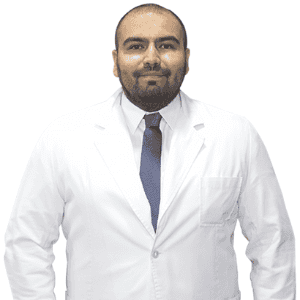
Dr. Joaquin Ayala
Dr. Joaquin Ayala - Best Plastic Surgeon in Tijuana Mexico
- Plastic Surgeon
Tijuana, Mexico
Dr. Jorge Sandoval
Dr. Jorge Sandoval - Plastic Surgeon in Mexico
- Plastic Surgeon
Mexico City, Mexico
Dr. Ary Papadopulos
Dr. Ary Papadopulos - Stem Cell Mexico City Clinic for Anti-Aging
- Anti-Aging Medicine
Mexico City, Mexico
.jpg)
Tijuana sits directly south of San Diego, so patients from Southern California and other parts of the western United States can reach the city by land. Patients coming from farther across the United States or Canada often compare flying to San Diego and crossing the border with flying to Tijuana International Airport. Travelers from Europe, the United Kingdom, Australia and other long-haul markets usually need a longer itinerary and should build recovery time into the return journey. Plan recovery before tourism. Keep your accommodation close to the surgeon or surgical facility, travel with a companion if the medical team requires one, and leave flexibility in flights and hotel bookings. NHS guidance recommends avoiding air travel for 7 to 10 days after facial cosmetic procedures, but your surgeon may require a longer stay. Check travel guidance close to departure. As of August 17, 2026, the U.S. Department of State lists Baja California at Level 3, “Reconsider Travel,” citing terrorism, crime and kidnapping. It advises travelers to remain on main highways and avoid remote locations. The advisory states that there are no additional U.S. government employee restrictions for Tijuana beyond the Baja California guidance. If you are traveling from the European Union, do not assume Mexico falls under EU cross-border healthcare reimbursement rules. The EU framework described by the European Commission concerns planned treatment in another EU country. Check your national health authority, private insurer and travel insurance before arranging elective surgery outside the EU.
Route
May suit
What to plan
San Diego + land border
Many U.S., Canadian and international travelers
Allow border time and arrange transport that does not require you to drive after anesthesia.
Drive from Southern California
Patients within practical driving distance
Confirm who will accompany you and when the surgeon permits the return trip.
Tijuana International Airport
Travelers using Mexican domestic or international connections
Check airport, hotel and surgical-facility transfer arrangements before paying deposits.
The next useful step is to collect comparable written information from more than one provider. Ask each clinic for the proposed facelift technique, surgeon credentials, surgical-facility details, anesthesia plan, complete price, exclusions, expected stay and follow-up process. A personal consultation is still needed to decide whether a facelift is appropriate for you and which approach fits your anatomy and health. Medical information note: This page is for patient education and comparison. It does not replace medical advice, diagnosis, surgical clearance or an individual consultation. Prices, provider availability, package inclusions, licences and travel guidance can change. Confirm current information directly before making treatment, travel or payment decisions.Compare Your Tijuana Facelift Options Before You Decide
References



.png)
.png)
.png)
.png)


-(1).png)









Share this listing