



Contents
Losing a large amount of weight can feel like finishing a marathon—only to discover that loose skin is still deciding what you can comfortably wear, how you move, and how you feel in your body. A body lift removes and reshapes excess skin and tissue, but “body lift” is not one fixed operation. The surgical areas, scar pattern, hospital needs, recovery time, and price can differ sharply from one plan to another. For Mexico, current published package examples include $10,500 in Tijuana, $11,500 in Guadalajara, and $12,500 for an upper-body lift in Mexico City. These are specific package prices, not a promise that every patient will pay the same amount. Price should come after safety checks. Confirm that the surgical facility has the required COFEPRIS sanitary authorization or license for surgical procedures, verify the surgeon through the CMCPER directory, and cross-check professional credentials through Mexico’s SEP registry before booking.
A “body lift package” can mean very different things. One plan may focus on a circumferential lower-body lift, while another combines abdominal, breast, arm, back, liposuction, or buttock procedures. That difference matters because a larger surgical plan can change operating time, recovery demands, scar locations, and risk.
Before comparing the packages below, check exactly which body areas are included, whether anesthesia and hospital care are covered, how many nights of medical observation are planned, what postoperative garments or medications are included, and who manages complications after you return home.
`Current published Mexico package examples are $10,500 in Tijuana, $11,500 in Guadalajara, and $12,500 for an upper-body lift in Mexico City. These figures are useful comparison points, but they are not interchangeable because the included procedures are different.
Ask for an itemized quote showing surgeon, anesthesiologist, operating room, hospital stay, tests, garments, medication, follow-up, and any revision or complication policy. Your final price can change with the extent of skin removal, number of areas treated, health status, previous surgery, and whether the surgeon recommends staging the work. Compare the cost options below by scope—not price alone.
Body Lift Cost Comparison in Mexico
| Country | Procedure | Price |
|---|---|---|
| Canada | Body Lift, Cosmetic/Plastic Surgery | $9909 |
| USA | Body Lift, Cosmetic/Plastic Surgery | $14000 |
| Mexico | Body Lift, Cosmetic/Plastic Surgery | $6000 |
A modern lobby tells you very little about what happens in the operating room. For a major procedure such as a body lift, verify that the exact facility where surgery will occur is legally authorized for surgical care and ask to see its current sanitary documentation.
Mexico’s COFEPRIS states that facilities performing aesthetic surgery must meet legal, technical, equipment, and infrastructure requirements, and surgical facilities should have the appropriate sanitary license. Ask about anesthesia staffing, overnight monitoring, emergency protocols, blood-clot prevention, infection control, and hospital transfer plans. Use the clinics below as comparison starting points, then verify each facility independently.

Hospital Velmar
Ensenada, Mexico
Medica Golfo de Cortes
Guadalajara,Jalisco,Puerto Vallarta, Mexico

Dr. Joaquin Ayala - Best Plastic Surgeon in Tijuana Mexico
Tijuana, Mexico
Dr. Jorge Sandoval - Plastic Surgeon in Mexico City
Mexico City, Mexico
Dr. Ary Papadopulos - Plastic Surgery in Mexico City
Mexico City, Mexico
Hospital CYNTAR in Tijuana, Mexico
Tijuana, Mexico
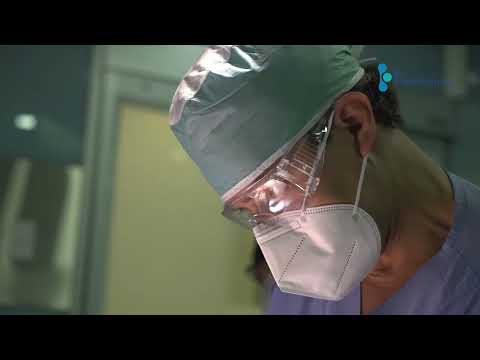
A surgical video can answer useful questions that a polished photo cannot: where scars may sit, how much skin is removed, what drains or garments may be used, and what early recovery actually looks like. It should educate you, not make surgery look effortless.
When watching the videos below, separate educational detail from marketing. Look for clear explanations of the procedure, realistic recovery, scar placement, limitations, and complications. A video cannot confirm that the surgeon or facility is right for your medical history, so use it to build better consultation questions rather than to make the final decision.
The most useful review is not simply “great doctor.” It tells you what happened before surgery, during the first difficult days of recovery, and after the patient went home. For body lift surgery, aftercare matters almost as much as the operation itself.
Give more weight to reviews that mention the same procedure, communication about scars and expectations, nursing support, pain and drain management, follow-up availability, and how the clinic responded when something did not go perfectly. Treat reviews as patient experiences—not proof of guaranteed results. Compare the reviews below for patterns rather than isolated praise or complaints.

How much does a body lift cost in Mexico in 2026?
Current published package examples reviewed for Mexico include $10,500 in Tijuana, $11,500 in Guadalajara, and $12,500 for an upper-body lift in Mexico City. These are not equivalent procedures, so compare what is actually included. Your surgeon may quote more or less depending on the number of areas treated, surgical complexity, hospital needs, and your medical risk profile.
What is included in a body lift package in Mexico?
Inclusions vary. Ask whether the quote covers surgeon and anesthesiologist fees, operating-room charges, hospital observation, preoperative testing, compression garments, medication, drains, follow-up visits, airport or local transfers, and recovery accommodation. Never assume “all-inclusive” means every medical or travel expense is covered.
Is a body lift in Mexico the same as a tummy tuck?
No. A tummy tuck mainly addresses the abdomen and may include tightening of the abdominal wall when appropriate. A lower body lift usually extends around the torso to treat excess skin and tissue involving the abdomen, waist, lower back, buttocks and sometimes thighs. The exact plan should be defined in writing before you compare prices.
What is the difference between an upper and lower body lift in Mexico?
A lower body lift commonly focuses on the abdomen, hips, lower back, buttocks and outer thighs. An upper body lift may address loose skin of the upper back, chest, breasts and arms, depending on the surgical plan. Because the procedures cover different areas, their prices and recovery demands should not be compared as if they were identical.
How can I verify a plastic surgeon in Mexico?
Search the surgeon’s name in the CMCPER directory and confirm that the identity and certification information match the doctor you are considering. Then check professional credentials through Mexico’s SEP registry. Do not rely only on a clinic badge, social-media profile, or the phrase “board certified” without independent verification.
How do I check whether a clinic in Mexico can legally perform surgery?
Ask for the exact name and address of the facility where your body lift will be performed and request its current sanitary license or authorization for surgical procedures. COFEPRIS regulates health establishments and specifically warns patients to verify that facilities performing surgery have the required sanitary licensing.
How long should I stay in Mexico after a body lift?
There is no safe one-size-fits-all stay. A body lift is major surgery, and the required local recovery period depends on the number of areas treated, wound healing, drains, mobility, and whether complications develop. Ask your surgeon for a minimum stay based on your specific operation and do not book a rigid return date that ignores medical clearance.
When can I fly home after body lift surgery in Mexico?
Fly only after your surgeon has reviewed your recovery and cleared you for travel. Long flights or long periods sitting in a car can increase immobility during a period when blood-clot prevention is important. Your plan may include walking, hydration, compression measures or medication, but those decisions should be individualized by your treating team.
Will a body lift in Mexico leave visible scars?
Yes. Removing substantial amounts of loose skin requires incisions, and visible scars are an expected trade-off. Their location and length depend on the areas treated and surgical technique. Ask to see healed body-lift scars from patients with a similar procedure, not only early or tightly cropped before-and-after images.
Can I combine a body lift with a breast lift, arm lift, liposuction or BBL in Mexico?
Sometimes, but more surgery is not automatically better. Combining procedures can increase operating time, the number of healing areas and recovery demands. For some patients, a surgeon may recommend staging procedures rather than doing everything at once. The decision should be based on health, surgical risk, expected blood loss, mobility and recovery support—not package value.
Who is a good candidate for body lift surgery in Mexico?
Body lift surgery is often considered after major weight loss when excess skin remains, but candidacy is medical, not just cosmetic. Your surgeon should assess weight stability, nutrition, smoking or nicotine use, medications, previous surgery, anemia risk, chronic conditions, mobility, and your ability to follow a demanding recovery plan.
What are the main risks of getting a body lift in Mexico?
The medical risks are the same types of risks associated with major body-lift surgery elsewhere: bleeding, fluid collections, infection, poor wound healing, unfavorable scarring, skin or fat-tissue problems, changes in sensation, anesthesia complications, and blood clots that can affect the lungs or heart. Traveling abroad adds the practical challenge of managing follow-up after you return home.
What happens if I have a complication after returning home?
Ask this before you pay a deposit. You should know who will review photos or symptoms, whether telemedicine follow-up is available, which problems require an emergency department, whether the Mexican surgeon communicates with your local doctor, and who pays for additional treatment or a return trip. A written complication and revision policy is more useful than a verbal promise.
How should I compare body lift before-and-after photos from Mexican surgeons?
Look for patients with a similar starting body shape, weight-loss history and surgical plan. Ask how long after surgery the “after” photo was taken, where the scars are, whether the case was staged, and whether liposuction or other procedures were done at the same time. Photos can demonstrate a surgeon’s style, but they cannot predict your individual result.
What medical records should I send before traveling to Mexico for a body lift?
A clinic may request recent medical history, medication and supplement list, allergies, previous operation details, weight-loss or bariatric history, current height and weight, photographs of the areas being assessed, and laboratory or medical-clearance results. The exact tests should be determined by the surgeon and anesthesia team after reviewing your health profile.
Body lift surgery rewards experience with complex skin removal and careful scar planning. Start by confirming that the surgeon is certified in plastic, aesthetic and reconstructive surgery through the Consejo Mexicano de Cirugía Plástica, Estética y Reconstructiva (CMCPER), then verify the physician’s professional credentials through the SEP registry.
Ask how often the surgeon performs post-weight-loss body contouring, which areas should be treated now versus staged later, who provides anesthesia, how blood-clot risk is assessed, and what happens if wound healing is delayed after you travel home. Compare the surgeons below only after these checks.
Dr. Joaquin Ayala
Dr. Joaquin Ayala - Best Plastic Surgeon in Tijuana Mexico
- Plastic Surgeon
Tijuana, Mexico
Dr. Jorge Sandoval
Dr. Jorge Sandoval - Plastic Surgeon in Mexico
- Plastic Surgeon
Mexico City, Mexico

Dr. Ary Papadopulos
Dr. Ary Papadopulos - Stem Cell Mexico City Clinic for Anti-Aging
- Anti-Aging Medicine
Mexico City, Mexico
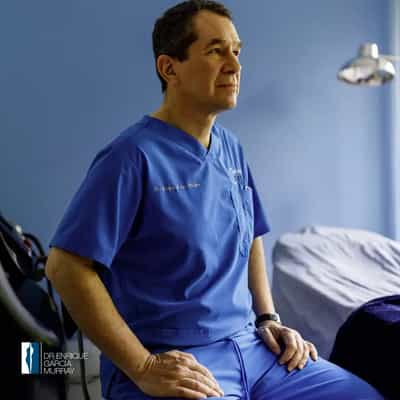
Dr. Enrique Garcia Murray
Dr. Enrique Garcia Murray - Plastic Surgery Mexico City
- Plastic Surgeon
Mexico City, Mexico
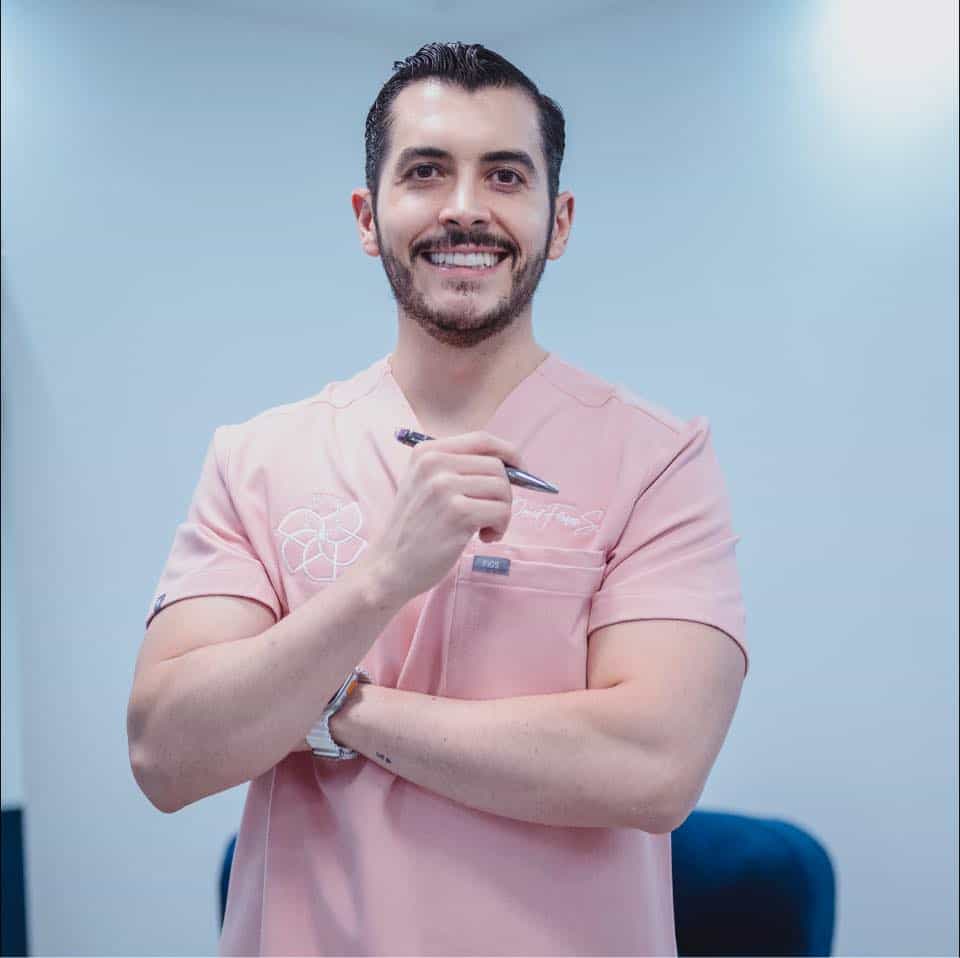
Dr. David Flores Soto
Dr. David Flores Soto - DFS Plastic Surgery
- Plastic Surgeon
Ciudad Juarez, Mexico
Mexico gives international patients several very different travel setups. Tijuana can be convenient for people coming from the western United States because it sits at the California border, while Mexico City, Guadalajara and Cancún are major air gateways for travelers coming from other parts of North America, Latin America and farther abroad. The best city is not the one with the easiest flight; it is the one where you can verify the surgeon, surgical facility and aftercare plan that fit your case. Body lift recovery can involve dressings, drains, swelling, restricted movement and close wound care. Major risks include bleeding, fluid accumulation, infection, poor wound healing, unfavorable scarring, changes in sensation, anesthesia complications, and deep-vein thrombosis or other cardiopulmonary complications. These risks do not make surgery automatically inappropriate, but they make preoperative screening and a realistic recovery plan essential. Entry rules depend on nationality and can change, so confirm current passport, visa or entry-document requirements with the relevant Mexican government source before travel. Keep copies of your operative plan, medication list, surgeon contact details, and postoperative instructions with you.
Mexico destination
Who may find it practical?
Travel planning point
Tijuana
Patients traveling from California, the U.S. West Coast, or connecting through Southern California.
Plan the land-border crossing, postoperative transport, and where you will stay close to the surgical team before you are cleared to travel.
Mexico City
Patients who prefer a large metropolitan medical market and air access from multiple regions.
Confirm which airport and hospital your clinic uses; ground-transfer time can matter when mobility is limited after surgery.
Guadalajara
Patients comparing body-contouring options in western Mexico and those arriving by air.
Choose recovery lodging based on access to the surgeon and hospital, not tourist convenience alone.
Cancún
Patients with convenient air connections to the Caribbean-facing region.
Treat the trip as surgery and recovery, not a vacation; heat, long walks, swimming and excursions may conflict with postoperative restrictions.
Plan the Recovery Before You Book the Flight
PlacidWay can help you request information from clinics and surgeons offering body lift and post-weight-loss body contouring in Mexico, then organize the responses so you can compare procedure scope, price, hospital arrangements, recovery planning, and follow-up more clearly.
Before making a decision, request itemized quotes and verify the surgeon’s credentials, the exact surgical facility, anesthesia arrangements, expected scars, recovery stay, and complication plan. A personal consultation with a qualified plastic surgeon is still necessary to decide which areas should be treated and whether surgery should be performed in one stage or more than one.
References
- COFEPRIS – Requirements for Establishments Performing Aesthetic Surgical Procedures
- COFEPRIS – Sanitary Licenses for Health-Service Establishments
- CMCPER – Directory of Certified Plastic, Aesthetic and Reconstructive Surgeons
- American Society of Plastic Surgeons – Body Lift Risks and Safety
- American Society of Plastic Surgeons – Body Lift Recovery
- Centers for Disease Control and Prevention – Blood Clots During Travel









Share this listing