

Contents
If you have looked into cosmetic procedures near home, the quoted prices likely caught you off guard. It is a common frustration for patients across the United States and Canada to feel entirely priced out of their local healthcare systems. Because of this steep financial barrier, Tijuana has grown into a major destination for people seeking specialized surgical care without the overwhelming debt. The cost differences are significant. In Tijuana, a standard breast augmentation generally runs between $4,000 and $4,500, while a comprehensive mommy makeover or tummy tuck ranges from $6,000 to $8,500. This is typically 50% to 70% less than stateside costs, driven by regional economic factors rather than a drop in surgical standards. However, prioritizing your physical safety means you cannot simply shop by price. Protecting your health requires strict verification. You must look for facilities with an active COFEPRIS sanitary license and insist on a surgeon holding current board certification from CMCPER. This guide explains how to navigate the logistics and vet your options safely.
Managing transportation and recovery logistics in a foreign city immediately after an operation is a stressful undertaking. All-inclusive medical packages are structured specifically to eliminate this burden. These bundles typically cover the surgeon's fees, anesthesia, pre-operative lab tests, private airport transfers from San Diego, and an extended stay at a dedicated nursing facility. This comprehensive approach ensures you are monitored by medical professionals during your most vulnerable recovery days before being cleared to fly home. Compare the package options below to see which itinerary fits your timeline and provides the right level of support.

Price starting from $4,700
BBL Surgery Package in Tijuana, Mexico by LAYYN
LAYYN MEDICAL GROUP - Plastic Surgery in Tijuana, Mexico
- Cosmetic/Plastic Surgery
Tijuana,Guadalajara, Mexico

Price starting from $5,200
Flatten Your Stomach with Our $5200 Tummy Tuck Tijuana Package at Dr. Joaquin Ayala
Dr. Joaquin Ayala - Best Plastic Surgeon in Tijuana Mexico
- Cosmetic/Plastic Surgery
Tijuana, Mexico

Price starting from $4,900
Guerrero Plastic Surgery Breast Implants Package in Tijuana, Mexico
Guerrero Plastic Surgery
- Cosmetic/Plastic Surgery
Tijuana, Mexico

Price starting from $6,800
Facelift Package in Tijuana, Mexico by AOFHN Clinic and OR
Aesthetic and Oncologic Face, Head and Neck Clinic and OR
- Cosmetic/Plastic Surgery
Tijuana, Mexico

Price starting from $4,900
Rhinoplasty Package by Guerrero Plastic Surgery in Tijuana, Mexico
Guerrero Plastic Surgery
- Cosmetic/Plastic Surgery
Tijuana, Mexico

Price starting from $10,900
Mommy Makeover Package in Tijuana, Mexico by Dr. Israel Villalobos
Dr. Israel Villalobos - Plastic Surgery in Tijuana Mexico
- Cosmetic/Plastic Surgery
Tijuana, Mexico
Direct transparency is essential when planning your budget. In Tijuana, liposuction procedures generally start around $3,000, breast augmentations average $4,000 to $4,500, and more complex surgeries like a mommy makeover range from $7,000 to $8,500. These lower price points stem from Mexico's broader economic structure, which includes lower costs for facility operations, staffing, and administrative overhead compared to the US and Canada. Keep in mind that exact fees will fluctuate based on the surgeon’s experience level and the specific medical facility utilized. Review the detailed procedure costs below to calculate a realistic financial plan.
Cosmetic/Plastic Surgery Centers Cost Comparison in Tijuana, Mexico
| Provider | Procedure | Price |
|---|---|---|
| LAYYN MEDICAL GROUP - Plastic Surgery in Tijuana, Mexico | Brazilian Butt Lift, Cosmetic/Plastic Surgery | $4700 |
| LAYYN MEDICAL GROUP - Plastic Surgery in Tijuana, Mexico | Face Lift, Cosmetic/Plastic Surgery | $7000 |
| Guerrero Plastic Surgery | Liposuction, Cosmetic/Plastic Surgery | $5900 |
| Dr. Joaquin Ayala - Best Plastic Surgeon in Tijuana Mexico | Tummy Tuck Surgery, Cosmetic/Plastic Surgery | $5200 |
| Dr. Israel Villalobos - Plastic Surgery in Tijuana Mexico | Breast Augmentation, Cosmetic/Plastic Surgery | $6200 |
| Dr. Israel Villalobos - Plastic Surgery in Tijuana Mexico | Eyelid Surgery, Cosmetic/Plastic Surgery | $3400 |
Cosmetic/Plastic Surgery Cost Comparison in Mexico
| Country | Procedure | Price |
|---|---|---|
| United States | Mommy Makeover, Cosmetic/Plastic Surgery | $20000 |
| Canada | Penile Augmentation, Cosmetic/Plastic Surgery | $12500 |
| United States | Tummy Tuck Surgery, Cosmetic/Plastic Surgery | $11000 |
| United States | Brazilian Butt Lift, Cosmetic/Plastic Surgery | $12000 |
| Canada | Mommy Makeover, Cosmetic/Plastic Surgery | $21500 |
A beautifully decorated lobby does not guarantee a safe surgical environment. When evaluating clinics in Tijuana, your absolute priority must be the facility's safety infrastructure. You should independently verify that the surgical center operates under a current license from COFEPRIS, Mexico’s federal health regulatory agency. Beyond basic licensing, ask direct questions regarding their emergency protocols, intensive care capabilities, and hospital transfer agreements in the event of a severe complication. Browse the vetted clinics below to evaluate their medical credentials and specific facility capabilities.

Marciales Plastic Surgery
Tijuana, Mexico
Guerrero Plastic Surgery
Tijuana, Mexico

Dr. Israel Villalobos - Plastic Surgery in Tijuana Mexico
Tijuana, Mexico
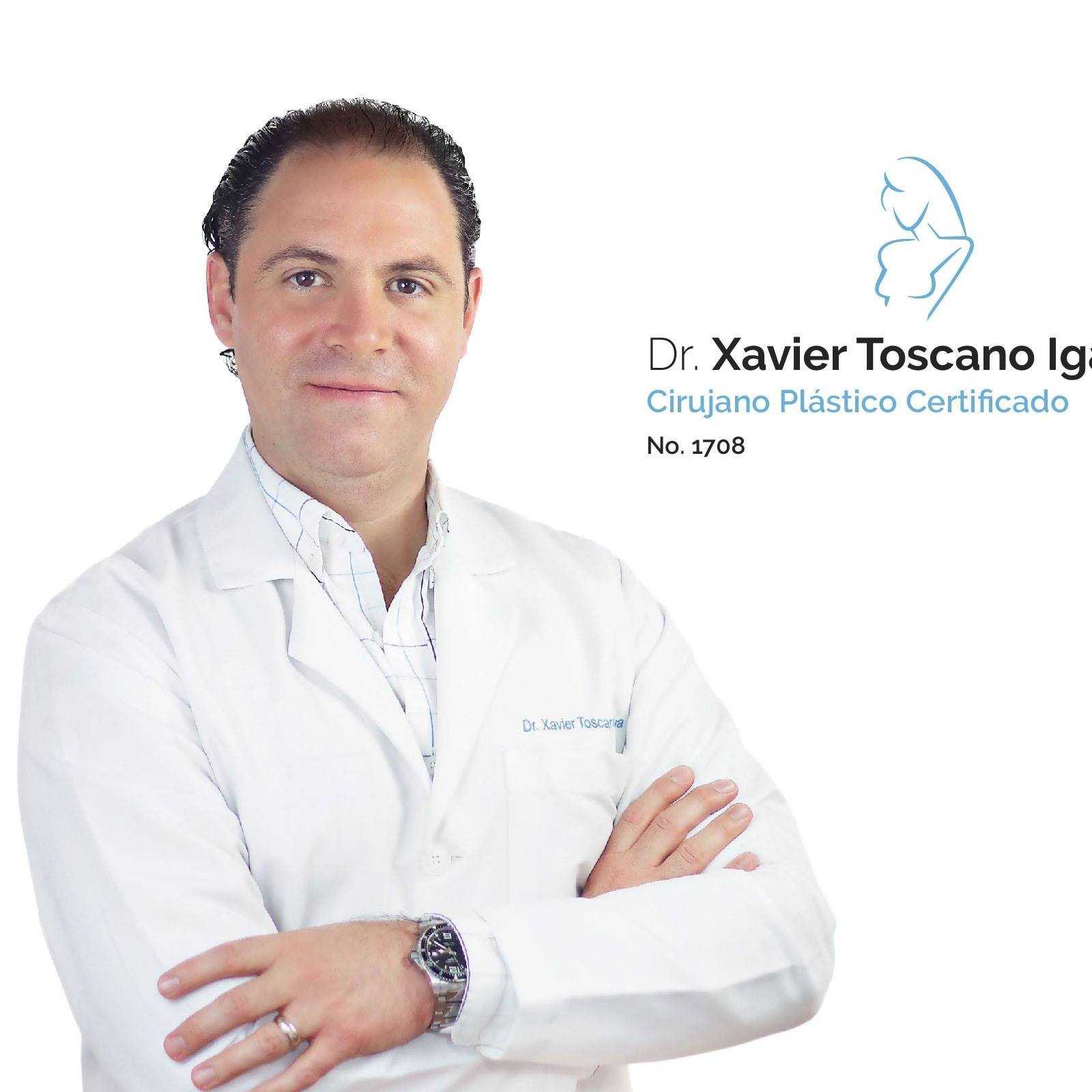
Dr. Xavier Toscano - Plastic Surgeon
Tijuana,Guadalajara, Mexico

Dr. Joaquin Ayala - Best Plastic Surgeon in Tijuana Mexico
Tijuana, Mexico
Hospital CYNTAR in Tijuana, Mexico
Tijuana, Mexico
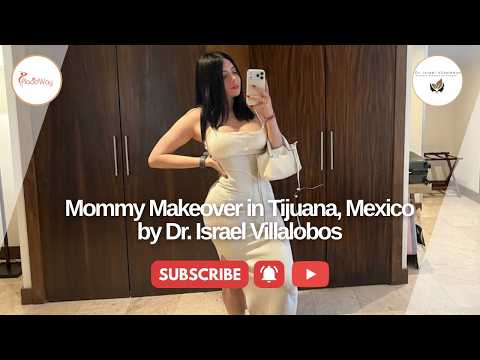
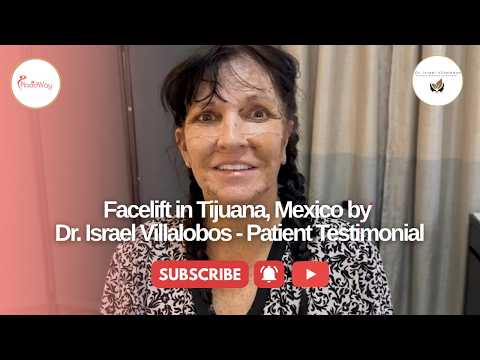
Reviewing safety protocols on paper is necessary, but actually seeing the medical environment helps alleviate a lot of pre-surgery anxiety. Video tours offer a transparent look inside the operating rooms, sterilization centers, and private recovery suites where you will spend your time. Additionally, patient video diaries provide an unfiltered perspective on the reality of recovering in Mexico, documenting the day-to-day discomfort, the nursing care received, and the healing process. Watch the videos below to get a clear look inside the facilities and hear directly from past patients.

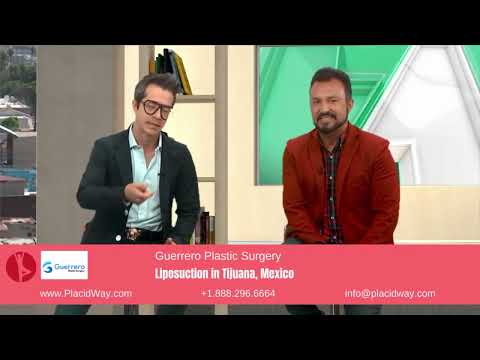


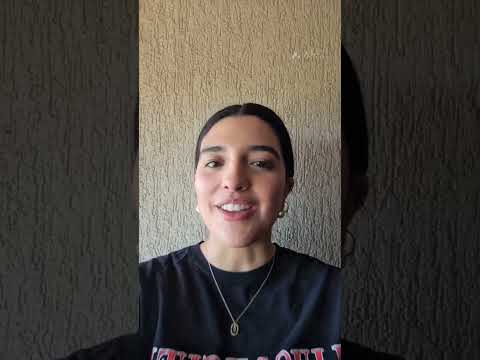
Detailed patient testimonials are incredibly valuable for understanding a clinic’s true standard of care. When reading through experiences, look past the initial excitement about aesthetic results. Focus heavily on how patients describe the attentiveness of the nursing staff, the cleanliness of the recovery environments, and how effectively the team managed post-operative pain. Most importantly, pay attention to how a clinic responded if a patient encountered a hurdle or complication during their healing process. Read the unfiltered patient reviews below to understand the day-to-day care experience.

Is it safe to travel to Tijuana for plastic surgery?
It can be safe if you strictly prioritize medical standards over pricing. Safety relies heavily on selecting a board-certified plastic surgeon (CMCPER) and verifying that the surgical facility holds an active license from COFEPRIS, Mexico's health regulatory body. Avoiding unverified discount clinics is essential for your well-being.
What credentials must my Mexican plastic surgeon hold?
Your surgeon must be board-certified by the CMCPER (Consejo Mexicano de Cirugía Plástica, Estética y Reconstructiva). This is the only board in Mexico that verifies a doctor has completed a formal, multi-year residency specifically in plastic and reconstructive surgery.
Why is surgery so much cheaper in Tijuana compared to the US?
The price difference is a reflection of regional economics. Mexico has significantly lower overhead costs for operating medical facilities, lower administrative and staffing expenses, and different malpractice insurance structures. It is not inherently due to a lack of medical education or substandard surgical equipment.
What is a recovery house and do I need to stay in one?
A recovery house is a specialized nursing facility where patients stay immediately following surgery. They provide 24/7 medical monitoring, pain management, and assistance with basic mobility. Most certified surgeons mandate a stay in a recovery house for several days following major procedures like a tummy tuck.
How long do I need to stay in Mexico after my procedure?
The required stay varies based on the extent of your surgery. Minor procedures may only require a 2 to 4-day stay. However, comprehensive surgeries require patients to remain in Tijuana for 7 to 14 days so the surgeon can monitor the initial healing phase before clearing them for travel.
How do I get from the San Diego airport to my clinic?
Most established clinics and all-inclusive packages provide a private medical shuttle. A designated driver will pick you up directly from San Diego International Airport (SAN) and drive you safely across the border to your clinic or recovery facility.
What is a medical border fast pass?
A medical fast pass is a document issued by accredited healthcare providers in Tijuana. It grants your medical shuttle access to a designated, expedited lane at the San Ysidro border crossing, significantly reducing the time it takes to re-enter the United States after your surgery.
Do I need a passport to cross the border into Tijuana?
Yes. While entering Mexico by land is generally straightforward, United States Customs and Border Protection requires a valid US passport book or passport card for your re-entry into the US. Ensure your documents are up to date before scheduling your surgery.
Will there be a language barrier with the nurses?
Because Tijuana caters heavily to patients from the US and Canada, the primary patient coordinators and board-certified surgeons are typically fluent in English. Reputable clinics also ensure that their nursing staff has enough English proficiency to communicate effectively regarding pain management and daily care.
What happens if I experience complications after returning home?
Your surgeon will schedule virtual follow-ups to monitor your progress. However, if a medical emergency arises once you are home, you must go to a local emergency room immediately. It is highly recommended to purchase medical tourism complication insurance prior to your trip to help cover unexpected out-of-network domestic care.
Your physical safety and final outcome depend entirely on the individual holding the scalpel. In Mexico, the only legitimate proof of specialized plastic surgery training is certification by the Consejo Mexicano de Cirugía Plástica, Estética y Reconstructiva (CMCPER). Membership in AMCPER is also a strong indicator of credibility. These credentials verify that the doctor completed a rigorous, multi-year residency dedicated solely to plastic and reconstructive surgery, rather than a general practitioner taking a weekend cosmetic course. Compare the surgeon profiles below to verify their specialized training and board certifications.
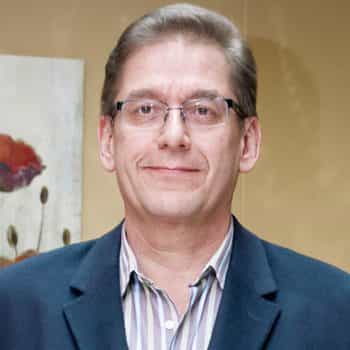
Dr. Joaquin Ayala
Dr. Joaquin Ayala - Best Plastic Surgeon in Tijuana Mexico
- Plastic Surgeon
Tijuana, Mexico

Tijuana’s immediate proximity to the United States border has established it as one of the busiest medical tourism hubs globally. Located just south of San Diego, California, the city hosts a massive concentration of specialized clinics and accredited hospitals. The vast majority of patients traveling here for plastic surgery originate from California, Texas, Arizona, and western Canadian provinces, driven by the practical need for accessible healthcare solutions.
Understanding the logistical flow of traveling for care is an important part of your preparation:
- Air Travel: Most international patients fly directly into San Diego International Airport (SAN). The airport is conveniently located about 30 to 40 minutes from the San Ysidro land border crossing.
- Crossing the Border: Rather than navigating taxis or walking across the border, patients utilize private medical shuttles arranged by their clinic. These dedicated drivers meet you at the airport and handle the border transit entirely.
- Returning Home: After your designated recovery period, your clinic will issue a medical fast pass. This document allows your shuttle driver to access a dedicated medical lane, drastically reducing wait times to re-enter the United States so you can travel comfortably.
| Destination Detail | What You Should Know? |
|---|---|
| Accepted Currency | US Dollars are widely accepted and serve as the standard currency for major medical fees, hotels, and transportation. |
| Language | English is spoken fluently by surgeons and clinic coordinators who specifically cater to international patients. |
| Local Climate | Tijuana shares San Diego's mild, Mediterranean climate, which provides comfortable temperatures year-round for post-operative recovery. |
Ready to Explore Your Options?
You now understand the essential requirements for vetting a safe surgical experience in Tijuana. The next practical step is to get specific answers regarding your unique medical history. Reach out to verify credentials, discuss your aesthetic goals, and request a detailed assessment.
Request Free QuoteReferences
- "Medical Tourism: Travel for Healthcare." CDC Yellow Book 2024. https://wwwnc.cdc.gov/travel/yellowbook/2024/health-care-abroad/medical-tourism
- "Directorio Nacional de Cirujanos Plásticos Certificados." https://directoriocirugiaplastica.mx/
- "Verificación Sanitaria y Autorizaciones de Establecimientos de Salud." Gobierno de México. https://www.gob.mx/cofepris
- "Infection Control Guidelines for Patients Seeking Healthcare Abroad." CDC Healthcare-Associated Infections (HAI) Program. https://archive.cdc.gov/www_cdc_gov/hai/outbreaks/pseudomonas-aeruginosa.html
- "Seguridad del Paciente y Ética Médica." https://cirugiaplastica.mx/
- "A Retrospective Observational Study on Surgical Protocols in Mexican Short-Stay Hospitals." PMC13436635. https://pmc.ncbi.nlm.nih.gov/articles/PMC13436635/



















Share this listing