


Mexico Wellness Tourism Surge to Hit $20.2B by 2034
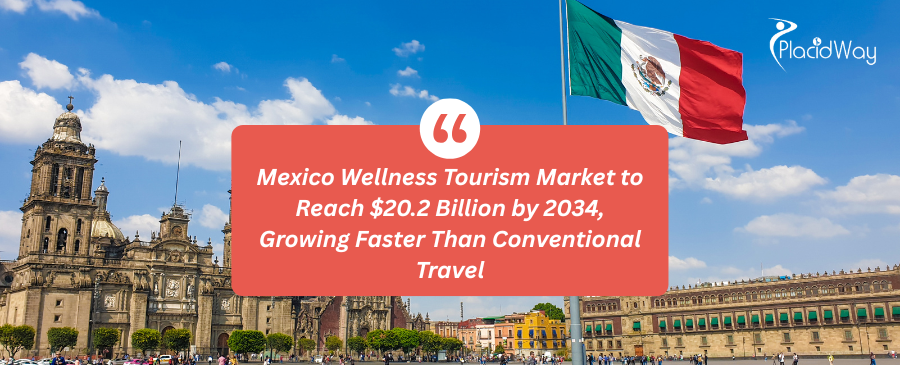
Driven by a global shift toward preventative care, the wellness tourism market is projected to reach $20.2 billion by 2034. Travelers seeking holistic wellness treatments in Mexico are outpacing traditional tourism, blending luxury recovery with affordable health solutions.
The Explosive Growth of the Global Wellness Travel Sector
The global travel landscape is undergoing a monumental paradigm shift. For decades, international tourism was primarily defined by leisure, sightseeing, and indulgence. However, the post-pandemic era has radically redefined consumer priorities, catalyzing an unprecedented surge in health-conscious travel. The modern tourist is no longer satisfied with merely escaping their daily routine; they are actively seeking immersive destinations that foster physical rejuvenation, mental clarity, and long-term health optimization. As a result, the convergence of hospitality and healthcare has birthed a multi-billion-dollar industry that is fundamentally reshaping global travel economies.
At the absolute forefront of this movement is Mexico. Long celebrated for its rich cultural heritage and pristine coastlines, the nation has strategically pivoted to become a global superpower in preventative health and holistic recovery. Industry analysts project that the country’s wellness travel sector will experience an exponential trajectory, skyrocketing to a staggering $20.2 billion valuation by the year 2034. This growth rate is demonstrably outpacing conventional leisure travel, highlighting a structural change in how North Americans and Europeans allocate their discretionary spending. Instead of standard vacations, individuals are heavily investing in retreats that offer measurable returns on their personal health and longevity.
Did You Know?
Statistical data reveals that international wellness tourists spend approximately 130% more per trip than the average conventional leisure traveler. This massive economic injection is funding the rapid development of ultra-modern, eco-friendly medical spas across the country.
Why Preventative Health Retreats Outpace Conventional Vacations
The underlying catalyst for this $20.2 billion forecast is the modern epidemic of chronic stress, corporate burnout, and the rising cost of domestic healthcare in countries like the United States and Canada. Conventional vacations often leave travelers feeling exhausted upon their return, doing little to address underlying physiological or psychological fatigue. In stark contrast, wellness journeys are meticulously engineered to reset the human body. By integrating cutting-edge clinical diagnostics with ancestral relaxation techniques, these health-focused itineraries provide sustainable lifestyle interventions that conventional hospitality simply cannot replicate.
Furthermore, Mexico’s geographical proximity to the United States provides a unique logistical advantage that makes it the undisputed leader in this sector. With dozens of direct, short-haul flights available daily from major U.S. hubs, travelers can completely bypass the stress of long-haul jet lag and immediate timezone disruption. This allows patients and wellness seekers to begin their restorative treatments within hours of leaving their homes. The lower cost of operations and favorable exchange rates also mean that travelers can access world-class, luxury wellness protocols for a fraction of what identical services would cost in domestic metropolitan centers.
Core Pillars of Comprehensive Holistic and Medical Retreats
To understand the magnetic appeal driving this market to its multi-billion-dollar valuation, one must look at the highly specialized, multidisciplinary services being offered. Leading wellness sanctuaries in the region have moved far beyond basic spa treatments, curating deeply clinical and holistic bundles. When engaging in premium wellness programs, travelers frequently access:
- Advanced Preventative Screenings: Executive health checkups featuring comprehensive blood panels, cardiac evaluations, and genomic testing, delivered in serene, resort-like environments rather than sterile clinical waiting rooms.
- Regenerative and Anti-Aging Protocols: Innovative therapies focusing on cellular rejuvenation, intravenous (IV) nutritional therapies, bio-identical hormone balancing, and hyperbaric oxygen treatments aimed at enhancing longevity.
- Integrative Detoxification Programs: Medically supervised cleansing regimens designed to flush environmental toxins, utilizing organic, locally sourced medicinal gastronomy and targeted hydrotherapy.
- Ancestral Healing Traditions: Authentic integration of Mesoamerican healing practices, including traditional Temazcal (sweat lodge) ceremonies, which are highly sought after for their profound psychological and spiritual benefits.
- Cognitive and Mind-Body Rehabilitation: Intensive stress-management retreats utilizing cognitive behavioral workshops, mindfulness meditation, and clinical yoga to combat severe nervous system dysregulation.
The Economic Impact: Breaking Down the Growth Trajectory
The financial architecture of the wellness tourism boom reveals a highly resilient and rapidly expanding economic sector. While conventional tourism is frequently subjected to seasonal fluctuations and broader economic downturns, the demand for health and longevity remains remarkably inelastic. Consumers are increasingly viewing travel not as an elective luxury, but as an essential investment in their personal health infrastructure. This psychological shift is the primary engine driving the market toward the $20.2 billion milestone.
Analyzing the expenditure patterns provides a clear picture of why hospitality developers and medical conglomerates are pouring billions in capital into Mexican infrastructure. The integration of high-ticket clinical procedures with luxury resort amenities creates a compounding economic effect. The table below illustrates the stark contrast in value generation between standard leisure models and advanced wellness models.
"The projection that Mexico's wellness market will surpass $20.2 billion by 2034 is a testament to a profound global awakening. Patients are no longer waiting to get sick; they are crossing borders to actively invest in longevity, preventative diagnostics, and holistic mental health. The country has masterfully combined high-end clinical infrastructure with authentic healing traditions, creating a globally unmatched sanctuary for proactive health travelers."
— Pramod Goel, CEO of PlacidWay
Geographic Hotspots Fostering the Wellness Revolution
The sheer scale of the nation's geographical and biological diversity plays a critical role in its dominance of the holistic travel sector. Coastal paradises stretching across the Riviera Maya and the Baja California peninsula have evolved into opulent hubs for regenerative medicine and eco-luxury retreats. Here, state-of-the-art medical spas are seamlessly integrated into the jungle canopies and oceanfront cliffs, utilizing the natural environment as a core component of the therapeutic process. The soothing properties of the ocean, combined with a climate that promotes year-round outdoor activity, accelerate physical and psychological recovery.
Simultaneously, the inland regions and central highlands are experiencing their own wellness renaissance. Areas rich in geothermal activity have seen a massive influx of investment aimed at developing world-class mineral spring resorts. These regions heavily emphasize historical preservation alongside medical innovation, offering travelers an immersive cultural experience. By distributing specialized healthcare and retreat infrastructure across multiple distinct geographical zones, the country ensures a diverse array of therapeutic environments to suit the unique clinical and aesthetic preferences of any international patient.
The Blurring Lines Between Medical Checkups and Luxury Spas
Historically, medical facilities and hospitality resorts existed in completely separate silos. A hospital was a place for sterile, anxiety-inducing treatments, while a resort was a place for indulgent relaxation. The current $20.2 billion trajectory is largely fueled by the total obliteration of this boundary. Modern developments are conceptualized as hybrid institutions—"medical wellness sanctuaries." In these environments, an individual might begin their morning with a consultation with a board-certified cardiologist, undergo a high-resolution MRI or biological age testing, and then spend the afternoon receiving therapeutic lymphatic massages and dining on anti-inflammatory cuisine crafted by specialized dietitians.
This synthesis of strict medical science with luxury hospitality dramatically reduces the psychological barriers associated with preventative healthcare. When health screenings and clinical interventions are removed from the sterile confines of traditional domestic hospitals and placed into environments that actively soothe the nervous system, patient compliance and treatment efficacy skyrocket. Travelers are discovering that they can achieve critical health milestones—such as stabilizing blood pressure, regulating hormones, and managing chronic pain—while simultaneously enjoying the amenities of a five-star international vacation.
Did You Know?
An estimated 60% of international patients engaging in wellness tourism now specifically request integrated itineraries that combine clinical preventative health checkups with holistic spa treatments, marking a massive shift from purely aesthetic medical travel.
The Essential Role of PlacidWay in Curating Safe Wellness Journeys
As the wellness tourism market expands at breakneck speed, the sheer volume of options can become overwhelming for the average consumer. The internet is flooded with unverified retreats and disparate pricing structures, making it incredibly difficult to distinguish between authentic, medically supervised programs and purely superficial spa experiences. Ensuring that a facility possesses proper international accreditations, highly trained clinical staff, and transparent billing practices requires intensive research and industry expertise. This information gap is exactly where specialized global medical facilitators provide indispensable value.
Acting as the premier global connector, PlacidWay systematically removes the guesswork and risk from international health travel. By rigorously vetting a curated network of elite holistic centers and preventative care facilities, PlacidWay empowers travelers to make highly informed decisions. Patients can effortlessly review comprehensive facility profiles, compare specific treatment modalities, verify credentials, and connect directly with wellness coordinators. This seamless facilitation ensures that travelers can focus entirely on their healing journey, confident that they have secured premium, authentic care tailored to their unique physiological needs.
What to Expect During Your Restorative Health Journey
Embarking on a cross-border wellness journey is a meticulously orchestrated experience designed to eliminate stress from the moment of inception. Prior to departure, patients typically engage in comprehensive virtual consultations to establish baseline health metrics and clearly define their longevity or recovery goals. Upon arrival at the designated international airport, luxury concierge services take over, providing private ground transportation directly to the secluded wellness sanctuaries. This white-glove approach ensures that the nervous system begins to decompress before the first official treatment even commences.
Throughout the duration of the retreat, guests are completely immersed in an ecosystem of holistic support. Days are structured around personalized itineraries that perfectly balance advanced medical therapeutics with deep rest, spiritual grounding, and nutritional optimization. Most importantly, the journey does not abruptly end upon checkout. Premium wellness programs heavily emphasize sustainable integration, providing guests with long-term dietary roadmaps, virtual follow-up consultations, and lifestyle strategies to ensure the profound health benefits achieved abroad are maintained for decades to come.








Share this listing