


US Patients Fuel Guadalajara Regenerative Ortho Boom
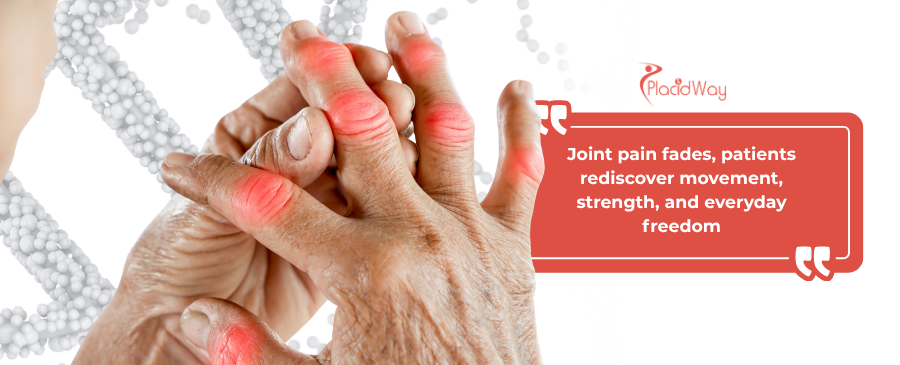
Skyrocketing healthcare costs are driving Americans to seek regenerative joint procedures in Guadalajara. Offering premium biological treatments and immense savings, this vibrant medical hub is transforming orthopedic pain management with cutting-edge, minimally invasive therapies.
The Catalyst Behind the Surge in Cross-Border Orthopedic Care
The landscape of global healthcare is undergoing a dramatic paradigm shift, primarily driven by the fundamental economic disconnect within the American medical system. For decades, patients suffering from chronic osteoarthritis, degenerative disc disease, and severe joint degradation were funneled exclusively toward highly invasive, irreversible procedures such as total knee or hip replacements. Today, advanced regenerative medicine offers a biologically sound alternative, utilizing the body's own cellular mechanisms to repair damaged cartilage and reduce inflammation. However, because domestic insurance providers systematically classify treatments like Platelet-Rich Plasma (PRP) and Mesenchymal Stem Cell (MSC) injections as "investigational," American patients are forced to bear 100% of these exorbitant costs out-of-pocket.
Faced with clinical invoices that can easily surpass tens of thousands of dollars for a single joint treatment series, an unprecedented demographic of medical tourists is emerging. It is no longer just the uninsured seeking basic care abroad; it is well-educated, proactive health consumers—ranging from aging Baby Boomers wishing to maintain an active lifestyle to competitive athletes looking to avoid the prolonged downtime of traditional surgery. These informed individuals are looking southward, discovering that orthopedic stem cell therapy in Mexico provides not only profound financial relief but access to highly advanced biological protocols that are often restricted or cost-prohibitive in their home country.
Did You Know? Orthopedic and joint preservation procedures now account for over 35% of all incoming medical tourism traffic to central Mexico. The demand for regenerative treatments is expanding at an astonishing 25% annual growth rate, fueled entirely by the appeal of minimally invasive techniques and rapid patient recovery timelines.
Why U.S. Patients Choose Regenerative Medicine in Guadalajara
While border cities have historically dominated the medical travel conversation, the geographic epicenter for complex medical innovation has firmly shifted to Jalisco's capital. Often heralded as the "Silicon Valley of Mexico," this thriving metropolis boasts an elite technological and academic infrastructure that naturally bleeds into its healthcare sector. The city is home to several of Latin America’s most prestigious medical universities, fostering a highly competitive, fiercely innovative environment where top-tier medical talent congregates. For U.S. patients, this translates to receiving care from pioneering specialists who are at the absolute forefront of cellular research and bio-orthopedics.
Beyond the clinical superiority, the logistical and cultural appeal of the destination is a major driving force. International airports provide direct, affordable flights from virtually every major U.S. hub, placing world-class care just a few hours away. Furthermore, the region’s temperate climate, rich cultural heritage, and legendary culinary scene transform a daunting medical procedure into a restorative wellness retreat. Patients find themselves healing in an environment defined by deep-rooted hospitality, where the stress of medical intervention is mitigated by the serene, supportive atmosphere of top-tier recovery boutiques and concierge medical services tailored explicitly for international visitors.
Navigating the Elite Infrastructure of Mexican Medical Hubs
The architectural and technological evolution of medical facilities in this region rivals the most advanced healthcare systems in North America. Gone are the days of disparate, isolated clinics; the modern era is defined by sprawling, hyper-integrated "medical cities." These contemporary high-rises are meticulously designed to house every facet of the patient journey under a single, highly regulated roof. From advanced MRI and fluoroscopy imaging centers on the ground floor to sterile, specialized bioprocessing laboratories and accredited surgical suites on the upper levels, these facilities eliminate the logistical friction typically associated with complex orthopedic care.
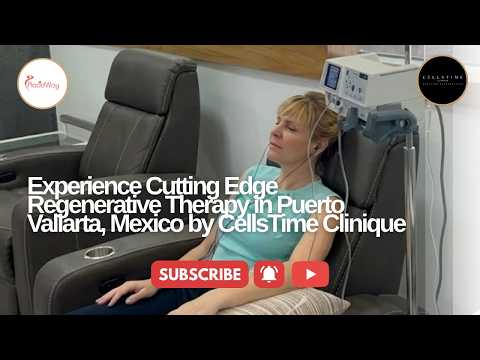
Leading facilities such as CellsTime Clinique Guadalajara represent the pinnacle of this medical evolution. By seamlessly integrating highly regulated stem cell applications with customized orthopedic rehabilitation protocols, this renowned clinic ensures optimal joint preservation and recovery for its international clientele. Patients visiting these elite centers benefit from proprietary, closed-loop cellular processing systems that guarantee the highest viability and concentration of regenerative biological materials, an essential factor in achieving successful long-term outcomes for degenerative joint conditions.
Comparing Orthopedic Treatment Costs: Domestic Options vs. Mexico
The most compelling argument for cross-border medical travel remains the stark financial contrast. In the United States, patients seeking regenerative therapies face a labyrinth of hidden fees. A single consultation might generate a bill for the facility, a separate invoice for the specialist, another for the imaging center, and an exorbitant surcharge for the biological harvesting kits. Because these therapies bypass traditional insurance safety nets, a comprehensive bilateral knee treatment involving high-yield stem cells and PRP can easily financially devastate a middle-class family.
Conversely, the Latin American medical tourism model is built upon a foundation of absolute pricing transparency. Clinics offer all-inclusive, bundled packages that cover initial diagnostic imaging, the specialist's comprehensive fee, the laboratory processing of biological materials, and follow-up physical therapy consultations. The economic efficiency of subsidized medical education, lower real estate overhead, and direct access to state-of-the-art laboratory equipment allows these international hubs to deliver uncompromising quality at a fraction of the domestic price.
The Science of Regenerative Medicine for Joint Degeneration
To understand the explosion of interest in these cross-border procedures, one must examine the compelling science underpinning cellular therapy. Conditions like osteoarthritis occur when the protective cartilage capping the ends of bones wears away, resulting in excruciating bone-on-bone friction. Traditional medicine treats the symptoms with toxic corticosteroids or entirely replaces the joint with metal and plastic. Regenerative orthopedics, however, focuses on healing the micro-environment of the joint itself. By isolating concentrated volumes of Mesenchymal Stem Cells—typically derived from the patient's own bone marrow or adipose tissue—and combining them with growth-factor-rich PRP, doctors can deploy a potent biological payload directly into the damaged articular capsule.
Once injected under precise ultrasound or fluoroscopic guidance, these master cells act as biological contractors. They emit powerful immunomodulatory signals that halt chronic inflammation while simultaneously orchestrating the recruitment of local cells to begin repairing damaged tissue and synthesizing new collagen. The medical centers south of the border are particularly renowned for utilizing advanced centrifugation and cellular expansion techniques, ensuring that the concentration of live, viable cells delivered to the patient’s joint far exceeds standard clinical baselines. This scientific rigor is exactly why patients are experiencing profound, long-lasting pain relief without the trauma of a scalpel.
Did You Know? Human cartilage lacks its own vascular network (blood supply), making natural self-healing incredibly difficult. Advanced regenerative injections bypass this biological bottleneck by delivering highly concentrated cellular growth factors directly into the synovial fluid, aggressively stimulating localized tissue repair and joint lubrication.
Stringent Safety Standards and Board Certifications in Mexico
One of the most rapidly dissolving myths regarding international healthcare is the assumption of relaxed regulatory standards. In reality, the top echelon of the Mexican regenerative medicine sector operates under intensely strict federal oversight. COFEPRIS (The Federal Commission for the Protection against Sanitary Risk), the Mexican equivalent of the FDA, imposes rigorous protocols regarding the harvesting, cultivation, and application of biological materials. Facilities utilizing stem cells must pass exhaustive inspections of their cleanrooms, sterilization equipment, and bio-waste management systems to maintain their highly coveted operating licenses.
Furthermore, the physicians administering these specialized treatments are universally elite within their fields. Obtaining board certification in orthopedics and regenerative medicine in this country requires well over a decade of intensive academic study, surgical residency, and specialized fellowship training. Due to the high volume of international patients, it is standard practice for leading practitioners to hold active memberships in prestigious global organizations such as the International Cartilage Regeneration & Joint Preservation Society (ICRS) or the American Academy of Regenerative Medicine. This cross-pollination of international expertise ensures that patient safety and clinical efficacy remain the paramount priorities.
"The exponential growth of regenerative orthopedics in Guadalajara is a direct response to prohibitive domestic healthcare costs and restricted insurance coverage. Patients are no longer willing to accept invasive joint replacement surgeries as their only option. By connecting global citizens with elite, board-certified specialists in Mexico, we are empowering individuals to safely reclaim their mobility and quality of life through advanced, biologically-driven therapies at a fraction of the cost."
— Pramod Goel, CEO of PlacidWay
The Strategic Role of PlacidWay in Healthcare Navigation
Despite the overwhelming clinical and financial benefits, the prospect of organizing a cross-border medical journey can evoke anxiety for the uninitiated patient. The digital landscape is cluttered with aggressive marketing and unverified claims, making it challenging to differentiate between a world-class cellular processing facility and an under-equipped clinic. Navigating linguistic barriers, verifying international medical credentials, and securely transferring medical records require a level of logistical expertise that the average consumer simply does not possess.
This critical information gap is precisely where specialized medical tourism facilitators become invaluable. Platforms like PlacidWay serve as an independent, comprehensive compass for prospective patients. By maintaining an aggressively vetted network of globally recognized, board-certified orthopedic specialists, they eliminate the guesswork from the equation. Patients are empowered to seamlessly compare transparent pricing matrices, review authenticated patient success stories, and arrange secure virtual consultations with leading physicians before ever booking a flight. This guided approach ensures that the medical travel experience is characterized by confidence, safety, and meticulous organization from start to finish.
What to Expect During Orthopedic Recovery South of the Border
Unlike massive joint replacement surgeries that demand agonizing weeks of hospitalization and aggressive physical therapy, regenerative procedures boast remarkably manageable recovery profiles. The treatments themselves are typically performed on an outpatient basis. However, leading medical tourism programs are expertly designed to maximize the efficacy of the newly injected biologics. Patients are generally advised to remain in the city for a few days post-procedure. During this critical window, they are often placed in specialized medical boutique hotels where every detail—from anti-inflammatory culinary menus to ergonomic bedding—is optimized for joint rest and cellular integration.
The post-treatment protocol is comprehensive and deeply supportive. Before departing, patients undergo final evaluations where specialists outline detailed, multi-month physical therapy roadmaps designed to strengthen the supporting musculature around the newly treated joint. The continuity of care extends far beyond the physical borders of Mexico; elite clinics utilize sophisticated telemedicine platforms to conduct regular follow-up assessments, monitor joint mobility improvements, and adjust rehabilitation strategies as the regenerative cells actively rebuild the articular tissue. This end-to-end concierge experience firmly cements the destination's reputation as the premier global choice for orthopedic revitalization.
.png)

















Share this listing