


Ibogaine in Tijuana Cures Stimulant Addiction
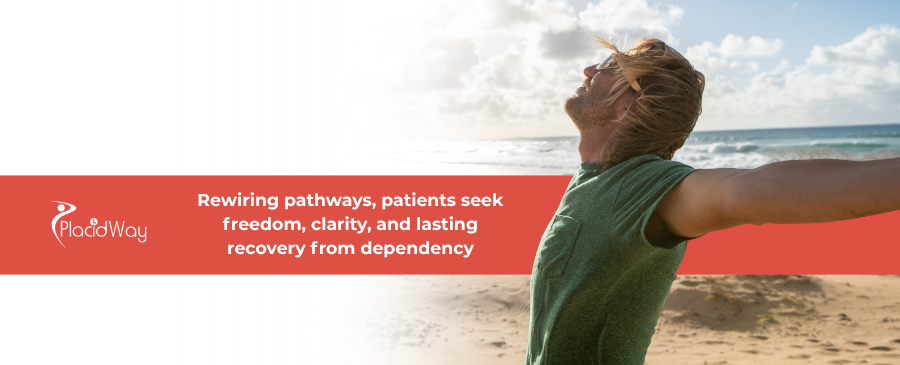
Faced with an escalating substance crisis, individuals are turning to Ibogaine Therapy in Tijuana. This breakthrough plant medicine actively resets depleted dopamine pathways, offering a rapid, life-saving cure for severe stimulant dependency.
The Science of Stimulant Addiction and Dopamine Depletion
To understand the profound impact of alternative addiction treatments, one must first examine the devastating neurological footprint left by stimulant abuse. Substances such as cocaine, methamphetamine, and prescription amphetamines fundamentally hijack the brain's mesolimbic pathway, commonly known as the reward center. When these powerful stimulants enter the bloodstream, they force an unnatural, massive release of dopamine while simultaneously blocking its reuptake. This chemical flood creates intense euphoria but ultimately leads to the severe downregulation of dopamine receptors. Over time, the brain ceases to produce its own endogenous dopamine, rendering the individual incapable of experiencing natural pleasure—a debilitating condition medically referred to as anhedonia.
Traditional domestic rehabilitation models largely focus on cognitive behavioral therapy and prolonged abstinence to allow the brain to heal organically. However, for severe stimulant dependencies, this biological recovery can take months or even years. During this protracted period of neurochemical starvation, the individual experiences agonizing cravings, deep depression, and profound lethargy. This unbearable neurological deficit is precisely why conventional treatment modalities suffer from staggering relapse rates. Patients are essentially fighting a biochemical battle armed only with psychological tools, highlighting the urgent need for medical interventions that directly repair and restore neural circuitry.
Did You Know? Clinical data indicates that conventional 30-day inpatient rehab programs for methamphetamine addiction report relapse rates as high as 85-90% within the first few months. In stark contrast, neuro-regenerative therapies are showing unprecedented promise in significantly lowering these return-to-use metrics by directly addressing physiological brain damage.
How Ibogaine Therapy Restores Neural Pathways
Derived from the root bark of the West African Tabernanthe iboga shrub, ibogaine is a highly complex psychoactive alkaloid that behaves unlike any traditional pharmaceutical intervention. Its mechanism of action is uniquely suited to combat stimulant dependency because it targets multiple neurotransmitter systems simultaneously. The most critical aspect of this treatment is its ability to stimulate the release of Glial cell line-derived neurotrophic factor (GDNF). GDNF is a powerful protein that promotes the survival, repair, and growth of dopaminergic neurons. Essentially, ibogaine acts as a neurochemical catalyst, physically repairing the damaged dopamine receptors that stimulants have systematically degraded.
This rapid receptor reset effectively bypasses the agonizing months of anhedonia associated with traditional detox. Patients frequently report waking from their clinical ibogaine session with a complete cessation of physical cravings and a profound restoration of emotional equilibrium. Furthermore, the oneirophrenic (dream-generating) state induced by the alkaloid allows individuals to objectively process deeply rooted subconscious trauma that often fuels the cycle of addiction. By combining this profound psychological introspection with rapid physiological brain repair, ibogaine offers a holistic, accelerated path to true sobriety that is currently unmatched in modern addiction medicine.
Tijuana's Rise as a Premier Hub for Alternative Addiction Medicine
Because ibogaine remains a Schedule I substance in the United States, a massive demographic of desperate patients has been forced to look beyond domestic borders for life-saving neuro-regenerative care. Consequently, Baja California has rapidly evolved into the epicenter of the global alternative addiction medicine movement. Situated just minutes from the border of San Diego, Tijuana offers world-class medical infrastructure combined with a progressive regulatory framework that permits the clinical administration of plant-based entheogens by licensed medical professionals. This geographic proximity provides American and Canadian patients with highly accessible, transformative healthcare options.
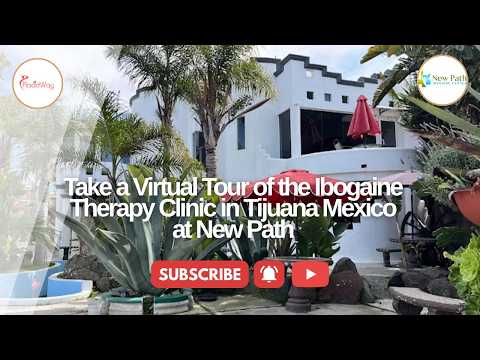
Pioneering the standard for safety and efficacy in this specialized field, clinics such as New Path Ibogaine Tijuana have revolutionized how these treatments are administered. Instead of retreating to unregulated underground settings, patients are now welcomed into highly sophisticated medical facilities that mirror the professionalism of top-tier Western hospitals. These elite centers combine the profound spiritual and psychological benefits of traditional plant medicine with the rigorous monitoring of modern allopathic cardiology and emergency medicine, setting a new global benchmark for holistic addiction recovery.
The Core Medical Protocols of a Clinical Ibogaine Journey
Administering ibogaine safely requires meticulous medical oversight, as the alkaloid temporarily lowers heart rate and can prolong the QT interval in the heart's electrical cycle. Top medical tourism destinations in Mexico mitigate these risks through exhaustive pre-screening protocols. Before a patient ever receives a dose, they must undergo comprehensive cardiovascular evaluations, including 12-lead EKGs, extensive blood chemistry panels, and liver function tests. This strict vetting process ensures that only physically capable candidates are approved for the intense physiological demands of the therapy, effectively eliminating the risks associated with unregulated recreational use.
The actual treatment is highly structured to maximize safety and therapeutic outcome. A standard protocol includes:
- Medical Stabilization: Supervised cessation of the stimulant, aided by non-addictive comfort medications to ensure the patient's baseline vital signs are optimal.
- The Flood Dose: Calculated by body weight, a precise dose of pure Ibogaine Hydrochloride (HCL) or Total Alkaloid Extract (TA) is administered while the patient is connected to continuous cardiac monitors.
- ACLS Supervision: Advanced Cardiac Life Support (ACLS) certified physicians and nurses remain at the bedside for the entire 12-24 hour acute phase to monitor oxygen saturation and heart rhythms.
- The Integration Phase: Following the deep neurochemical reset, patients enter specialized therapeutic programs designed to process the psychological insights gained during the experience, solidifying new behavioral patterns.
- Aftercare Planning: Clinical psychologists work with the patient to establish a long-term support network, capitalizing on the heightened state of neuroplasticity that follows the treatment.
"As the global substance dependency crisis escalates, patients are rightfully demanding access to high-impact, neuro-regenerative therapies. Ibogaine therapy represents a profound paradigm shift—moving away from merely managing symptoms to actually facilitating profound neurological healing. By connecting patients with medically rigorous, highly accredited facilities in Mexico, we are empowering individuals to break the devastating cycle of dependency safely, decisively, and permanently."
— Pramod Goel, CEO of PlacidWay
Financial Realities: Traditional Rehab vs. Medical Travel for Addiction
The financial burden of addiction is staggering, and the cost of domestic treatment often exacerbates the trauma. In the United States, premium inpatient rehabilitation centers frequently charge exorbitant fees for a standard 30-to-60-day stay. Shockingly, because these traditional programs lack rapid neurochemical repair mechanisms, patients often require multiple admissions over several years, leading to a vicious cycle of crushing medical debt and repeated relapse. Health insurance policies may offer partial coverage, but deductibles and out-of-pocket maximums still leave families financially devastated.
Conversely, medical tourism for ibogaine offers a highly cost-effective, rapid-intervention alternative. Because the therapy works on an accelerated timeline—typically requiring a 7-to-10-day clinical stay rather than a multi-month commitment—the overall financial investment is drastically reduced. These comprehensive packages generally include all medical screenings, luxury accommodations, psychological integration, and the medical procedure itself, presenting a unified, transparent cost structure that domestic facilities rarely match.
The Critical Importance of Medical Integration and Neuroplasticity
While the physical reset provided by this plant medicine is nothing short of miraculous, leading addiction specialists emphasize that the pharmacological intervention is only the beginning of true recovery. In the weeks immediately following treatment, the brain enters a highly elevated state of neuroplasticity. This means the neural networks are incredibly malleable, making it the perfect biological window for patients to establish new, healthy habits, rebuild damaged relationships, and engage in cognitive restructuring without the overpowering distraction of chemical cravings.
To harness this potential, elite Mexican clinics pair the physiological detox with intensive psychological integration. Professional therapists work with patients to decode the often cryptic, visionary experiences encountered during the flood dose. By understanding the root causes of their trauma and addictive behaviors, patients are equipped with robust psychological armor. This seamless transition from medical stabilization to deep psychological coaching is what ultimately transforms a short-term detox into a lifelong cure for stimulant dependency.
Did You Know? The medical tourism market for alternative mental health and addiction treatments is expanding at an explosive compound annual growth rate. Thousands of North Americans actively bypass domestic healthcare restrictions annually to access scientifically validated psychedelic therapies abroad, saving thousands of dollars while achieving vastly superior clinical outcomes.
Navigating the Regulatory Landscape and Selecting a Safe Clinic
As the popularity of cross-border entheogenic therapy surges, so does the influx of unregulated, opportunistic retreat centers. For a patient suffering from compromised cardiac function due to chronic stimulant abuse, choosing an under-equipped facility is incredibly dangerous. The most critical differentiator between a spiritual retreat and a legitimate medical center lies in their emergency preparedness and licensing. Authentic medical facilities employ fully licensed medical doctors (MDs), registered nurses, and dedicated cardiologists, ensuring that the environment meets strict hospital-grade safety standards.
Patients must actively verify that a prospective clinic utilizes medical-grade pure ibogaine hydrochloride rather than unregulated plant matter with unknown alkaloid concentrations. Additionally, the presence of crash carts, defibrillators, and direct proximity to major Mexican hospitals are non-negotiable prerequisites. Thoroughly researching a clinic's medical board certifications and transparent safety records is the most vital step in preparing for this life-altering medical journey.
Empowering Patient Journeys Through PlacidWay's Verification
Attempting to independently filter through international healthcare providers can be overwhelming, especially for individuals already battling the exhausting daily realities of addiction. The lack of centralized, transparent data makes it incredibly difficult for families to distinguish between a highly accredited medical sanctuary and a subpar facility. Information asymmetry remains the largest barrier preventing patients from accessing safe, effective neuro-regenerative care abroad.
This is where medical tourism facilitators become an invaluable asset to the recovery process. Acting as an independent advocate, PlacidWay comprehensively audits and curates a global network of elite addiction treatment centers. By consolidating verified patient testimonials, detailed credentialing data, and transparent pricing structures into one accessible platform, they remove the logistical anxiety of cross-border medical travel. Patients can confidently secure consultations with internationally accredited experts, ensuring their path to neurological restoration and permanent sobriety is guided by absolute safety and clinical excellence.




.png)
.png)
.png)
.png)
.png)
.png)
.png)









Share this listing