
What treatment


2+ Best Clinics for Stem Cell Therapy for Ataxia in Costa Rica
Trusted Medical Tourism Platform Since 2007
What are the best clinics for stem cell therapy for ataxia in Costa Rica?
The top clinics for stem cell therapy for ataxia in Costa Rica are Cellebration Wellness (San Jose), MEDICELL (San Ramon), Lifebooster Wellness Center (Santa Cruz), and Regenerate Wellness Center (Alajuela).
These facilities operate under the regulations of the Costa Rican Ministry of Health and specialize in mesenchymal stem cell (MSC) treatments for neurological and neurodegenerative conditions, including ataxia, multiple sclerosis, and autoimmune diseases. Treatment packages generally start around $8,000 USD, which typically includes the cellular therapy, personalized neuro-rehabilitation, and comprehensive follow-up care.

 100.00% Patient Recommend
Cellebration Wellness - Stem Cell Clinic San Jose


Overview
Discover Cellebration Wellness in San Jose, Costa Rica, offering cutting-edge stem cell therapy for Multiple Sclerosis, diabetes, COPD, and more.
Read more details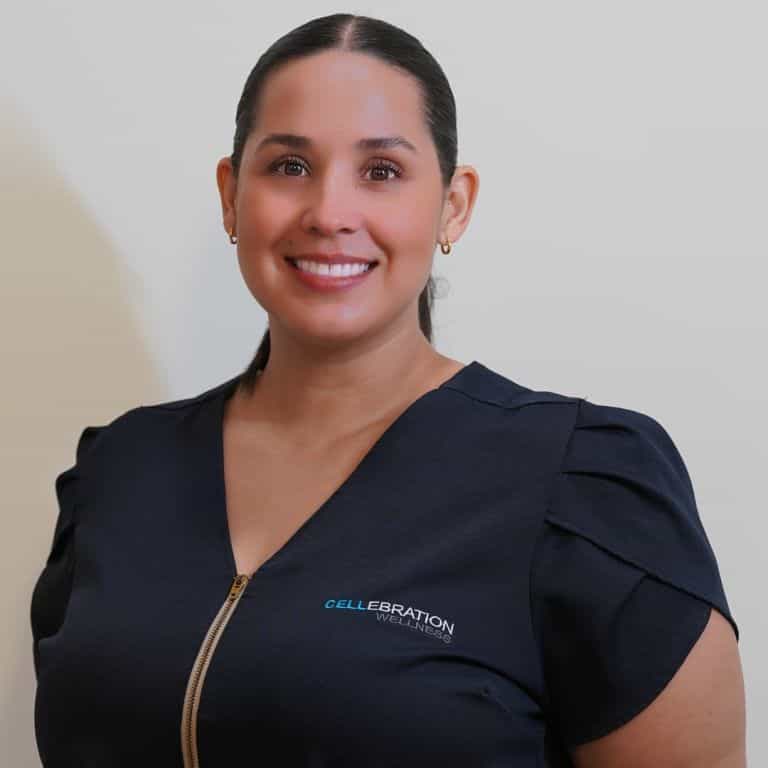


Lifebooster Wellness Center
Overview
Life Booster es un centro de bienestar integral especializado en medicina avanzada y preventiva. Nos enfocamos en tratamientos innovadores como terapia con células madre, exosomas y reemplazo hormonal
Read more details 100.00% Patient Recommend
MEDICELL
Overview
Experience cutting-edge stem cell therapy at MEDICELL, the top regenerative medicine clinic in San Ramon, Costa Rica. Contact us today to learn more!
Read more detailscopy.png)
Authored by
Usama Ahmad
Medical content writer with 5+ years of experience specializing in stem cells and regenerative medicine content.

Reviewed by
Dr. Alejandro Fernando
Dr. Alejandro Fernando is a top stem cell specialist in Mexico City, specializing in regenerative medicine, cellular therapies, and chronic disease treatment and Medical Content Reviewer
Last updated on
Which are the best Stem Cell Therapy for Ataxia clinics in Costa Rica?
When seeking Stem Cell Therapy for Ataxia in Costa Rica, top-rated clinics like Cellebration Wellness in San Jose and MEDICELL in San Ramon are highly regarded. These facilities are known for their specialized regenerative medicine approaches, excellent patient satisfaction, and commitment to advanced neurological treatments, making them strong choices for individuals exploring stem cell options for Ataxia.
Based on available data from reputable platforms, Cellebration Wellness in San Jose and MEDICELL in San Ramon consistently receive high praise from patients seeking Stem Cell Therapy for various conditions, including neurological ones like Ataxia. Cellebration Wellness boasts a 100% patient recommendation rate from verified reviews, offering cutting-edge treatments and emphasizing a comprehensive wellness approach. Similarly, MEDICELL, located in San Ramon, also holds a 100% patient recommendation from its reviews, highlighting its expertise in regenerative medicine. These clinics focus on personalized care, utilizing advanced stem cell techniques tailored to individual patient needs. Other notable facilities in Costa Rica include Lifebooster Wellness Center in Santa Cruz and Regenerate Wellness Center in Alajuela, which provide various regenerative therapies. When making your choice, consider the clinic's specialization in neurological disorders, patient testimonials, and the technology they employ for stem cell processing and administration.
What types of stem cells are typically utilized by clinics for Ataxia in Costa Rica?
Costa Rican clinics specializing in Stem Cell Therapy for Ataxia commonly employ mesenchymal stem cells (MSCs) derived from various sources, such as adipose tissue or umbilical cord. These cells are favored for their regenerative potential and immunomodulatory properties, aiming to reduce inflammation and support neural repair in patients with Ataxia, offering a promising avenue for neurological conditions.
For Ataxia treatment, clinics in Costa Rica primarily focus on therapies involving mesenchymal stem cells (MSCs). These versatile stem cells are highly valued for their ability to differentiate into various cell types, secrete growth factors, and modulate the immune system, which can be beneficial in addressing the neurodegenerative aspects of Ataxia. Sources for MSCs include:
- Adipose-derived stem cells (ADSCs): Harvested from a patient's own fat tissue, these are easily accessible and offer a high yield of MSCs.
- Umbilical cord-derived stem cells (UC-MSCs): Sourced from donated umbilical cords, these are considered "younger" cells with robust regenerative capacities and are often preferred for their low immunogenicity.
- Bone marrow-derived stem cells (BM-MSCs): Obtained from the patient's bone marrow, these are another autologous option commonly used.
How do Costa Rican clinics ensure the safety and ethical standards of stem cell therapy for neurological conditions?
Reputable stem cell clinics in Costa Rica adhere to stringent safety protocols and ethical guidelines to protect patients undergoing therapy for neurological conditions like Ataxia. This includes rigorous screening of cell sources, sterile processing in accredited labs, transparent patient consent, and close monitoring during and after treatment, ensuring patient well-being and responsible practice.
Ensuring patient safety and ethical practice is paramount for Costa Rican clinics offering stem cell therapy for neurological conditions. They typically implement several measures:
- Accreditation and Licensing: Clinics operate under the regulations of the Costa Rican Ministry of Health, often seeking international accreditations to demonstrate commitment to high standards.
- Cell Source Verification: Strict protocols are in place for screening and validating the purity and viability of stem cell sources, whether autologous (from the patient) or allogeneic (from a donor).
- Sterile Lab Environment: Cell processing occurs in certified cleanroom laboratories to prevent contamination and ensure the quality of the cellular product.
- Patient-Specific Treatment Plans: Therapies are tailored to each patient's medical history and condition, minimizing risks and maximizing potential benefits.
- Informed Consent: Patients receive thorough explanations of the procedure, including potential benefits, risks, and alternative treatments, ensuring they make informed decisions.
- Post-Treatment Monitoring: Comprehensive follow-up care is provided to monitor patient progress, manage any potential side effects, and assess long-term outcomes.
What patient support services do Stem Cell Ataxia clinics in Costa Rica typically provide?
Stem Cell Ataxia clinics in Costa Rica offer a range of patient support services to enhance the treatment experience, including initial consultations, personalized care coordination, assistance with accommodation and transport, and multilingual staff. They prioritize patient comfort and accessibility to ensure a seamless and supportive journey for individuals seeking neurological treatment.
To ensure a positive and stress-free experience for patients, especially those traveling for treatment, Costa Rican stem cell clinics often provide extensive support services:
- Initial Consultation and Assessment: Comprehensive virtual or in-person consultations to evaluate eligibility and discuss treatment expectations.
- Personalized Treatment Planning: Developing a customized treatment protocol based on the patient’s specific type of Ataxia and overall health.
- Travel and Logistics Assistance: Help with flight bookings, airport transfers, local transportation, and securing suitable accommodation near the clinic.
- Multilingual Staff: Many clinics employ staff fluent in English and other languages to ensure clear communication and cultural sensitivity.
- Nutritional and Lifestyle Guidance: Pre- and post-treatment recommendations to optimize health and enhance therapeutic outcomes.
- Psychological Support: Access to counseling or support groups to help patients cope with the emotional aspects of living with Ataxia and undergoing treatment.
What rehabilitation and follow-up care options are available after Stem Cell Therapy for Ataxia in Costa Rican clinics?
Following Stem Cell Therapy for Ataxia, Costa Rican clinics emphasize integrated rehabilitation and comprehensive follow-up care. This includes personalized physical therapy, occupational therapy, and ongoing medical assessments to monitor progress, manage symptoms, and optimize long-term functional improvements for patients with neurological conditions.
Post-treatment care is crucial for maximizing the benefits of Stem Cell Therapy for Ataxia. Costa Rican clinics typically offer:
- Personalized Rehabilitation Programs: Tailored physical therapy, occupational therapy, and speech therapy plans designed to address specific motor and coordination challenges associated with Ataxia.
- Neuro-rehabilitation: Specialized exercises and techniques aimed at retraining the brain and nervous system to improve balance, gait, and fine motor skills.
- Nutritional Counseling: Ongoing dietary advice to support neurological health and overall recovery.
- Regular Medical Check-ups: Scheduled appointments with specialists to monitor the patient's response to therapy, assess neurological function, and make any necessary adjustments to their care plan.
- Telemedicine Consultations: Remote follow-up options for international patients, allowing continuous support and assessment without requiring constant travel.
- Lifestyle Modification Recommendations: Guidance on activities and habits that can further support recovery and long-term well-being.
Are there specific accreditations to look for in Stem Cell Ataxia clinics in Costa Rica?
When choosing a Stem Cell Ataxia clinic in Costa Rica, look for facilities accredited by international organizations or recognized by the Costa Rican Ministry of Health. Adherence to these standards indicates a commitment to patient safety, quality of care, and ethical practice in regenerative medicine for neurological conditions.
While the Costa Rican Ministry of Health provides national oversight, clinics often seek additional certifications to demonstrate their commitment to high standards. Important accreditations and factors to consider include:
- International Accreditations: Some clinics may pursue accreditation from international bodies like the Joint Commission International (JCI), which signifies adherence to global benchmarks in patient safety and quality of care.
- National Health Ministry Oversight: Ensure the clinic is officially registered and licensed by the Costa Rican Ministry of Health, confirming it meets national healthcare standards.
- ISO Certifications: Look for ISO certifications (e.g., ISO 9001 for quality management) related to their laboratory practices, which ensures sterile and high-quality cell processing.
- Transparency: Reputable clinics are transparent about their procedures, cell sources, and patient outcomes, providing detailed information without overpromising results.
- Specialized Expertise: Verify that the clinic has experienced medical professionals specializing in neurology and regenerative medicine, with a strong understanding of Ataxia.
- Patient Testimonials and Reviews: Positive patient feedback and high satisfaction rates can be strong indicators of a clinic's reliability and quality of care.
What preparation is usually required before undergoing stem cell treatment for Ataxia in Costa Rican clinics?
Before Stem Cell Therapy for Ataxia, Costa Rican clinics typically require a thorough medical evaluation, including reviewing medical history, diagnostic tests, and specific lifestyle adjustments. This preparation ensures patient suitability, minimizes risks, and optimizes the body's readiness for regenerative medicine procedures targeting neurological conditions like Ataxia.
Proper preparation is crucial to ensure the best possible outcomes and minimize risks during Stem Cell Therapy for Ataxia. Here's what you can generally expect:
- Comprehensive Medical History Review: The medical team will meticulously review your complete medical records, including past treatments, medications, and any co-existing health conditions.
- Diagnostic Testing: You will likely undergo a series of tests, which may include blood tests, neurological exams, MRI scans, or other imaging, to assess your current health status and the severity of your Ataxia.
- Medication Adjustments: You may be advised to discontinue certain medications, such as blood thinners or anti-inflammatory drugs, prior to the procedure to reduce the risk of complications.
- Lifestyle Modifications: Recommendations might include dietary changes, abstaining from alcohol and smoking, and ensuring adequate rest to prepare your body for the therapy.
- Hydration Protocols: Patients are often advised to increase fluid intake before the procedure to optimize cellular health.
- Pre-Procedure Consultations: Detailed discussions with the medical team to address any concerns, understand the procedure steps, and set realistic expectations for the regenerative medicine treatment.
How long is the typical recovery period after stem cell therapy for Ataxia at clinics in Costa Rica?
The initial recovery period after Stem Cell Therapy for Ataxia in Costa Rican clinics is typically short, often just a few days, allowing patients to resume light activities quickly. However, the full rehabilitative effects and neurological improvements can unfold over several months to a year, requiring patience and consistent follow-up care tailored to each individual's regenerative journey.
The recovery timeline after stem cell therapy for Ataxia can vary significantly among individuals, depending on the patient's overall health, the severity of their condition, and the specific treatment protocol. However, a general overview often looks like this:
- Immediate Post-Procedure: Patients usually experience minimal discomfort and can often return to their hotel or accommodation within hours. Some clinics recommend a few days of local rest and observation.
- Short-Term Recovery (1-2 weeks): During this period, light activities can typically be resumed. Patients are often advised to avoid strenuous physical exertion and follow specific post-care instructions.
- Mid-Term Recovery (1-3 months): This phase often sees the gradual onset of therapeutic effects. Patients might begin to notice subtle improvements in symptoms or increased energy levels. This is usually when prescribed rehabilitation exercises start to play a more prominent role.
- Long-Term Improvement (3-12+ months): The full regenerative and immunomodulatory effects of stem cells continue to develop. Significant neurological improvements, such as enhanced motor control, balance, and coordination, may become more apparent during this period. Consistent adherence to rehabilitation and follow-up care is crucial for sustained progress in managing Ataxia.
What are the qualifications of specialists performing stem cell therapy for Ataxia in Costa Rican clinics?
Specialists performing Stem Cell Therapy for Ataxia in Costa Rican clinics typically hold advanced medical degrees, board certifications in relevant fields like regenerative medicine or neurology, and extensive experience with stem cell protocols. Their expertise ensures the safe and effective application of these advanced therapies for complex neurological conditions.
The medical professionals who administer Stem Cell Therapy for Ataxia in Costa Rican clinics are highly qualified, ensuring patient safety and treatment efficacy. Key qualifications generally include:
- Medical Doctor (MD) Degree: All practitioners hold a foundational medical degree from recognized universities.
- Specialization in Regenerative Medicine: Many specialists have pursued additional training and certifications specifically in regenerative medicine, focusing on stem cell applications.
- Neurological Expertise: Physicians involved in Ataxia treatment often have a background in neurology, providing a deep understanding of neurodegenerative conditions.
- International Training and Experience: It is common for these specialists to have received training or gained experience in leading institutions globally, bringing diverse knowledge and techniques to their practice.
- Continuous Medical Education: Reputable clinics ensure their medical staff regularly participate in continuous professional development and stay updated on the latest advancements in stem cell research and therapy.
- Experience with Ataxia Patients: A track record of treating patients with Ataxia using stem cell therapies is a crucial indicator of a specialist's proficiency in this specific area.
Do Costa Rican stem cell clinics for Ataxia offer personalized treatment plans?
Yes, leading Stem Cell Ataxia clinics in Costa Rica are committed to providing highly personalized treatment plans. They conduct thorough evaluations to tailor protocols based on each patient's specific Ataxia type, disease progression, overall health, and individual needs, ensuring a customized approach to regenerative medicine for neurological conditions.
Absolutely. Personalized treatment is a cornerstone of effective Stem Cell Therapy, especially for a complex neurological condition like Ataxia, which presents differently in each individual. Costa Rican clinics specializing in this field understand that a "one-size-fits-all" approach is insufficient. Here’s how they typically personalize care:
- In-Depth Patient Assessment: Before any treatment begins, a comprehensive evaluation is performed, including a detailed review of medical history, current symptoms, diagnostic imaging, and genetic testing (if applicable).
- Customized Cell Protocols: Based on the assessment, the type, dosage, and delivery method (e.g., intravenous, intrathecal, localized injections) of stem cells are customized to best suit the patient's condition and target specific areas of neurological dysfunction.
- Integrated Therapies: Treatment plans often incorporate complementary therapies such as nutritional guidance, specific physical rehabilitation exercises, and lifestyle adjustments, all tailored to support the stem cell therapy's effects and improve overall patient well-being.
- Continuous Adjustments: Post-treatment monitoring allows the medical team to observe the patient’s response and make necessary adjustments to their follow-up care and rehabilitation strategies, ensuring the plan remains effective and aligned with evolving needs.
What role does medical tourism play in accessing Stem Cell Therapy for Ataxia in Costa Rica?
Medical tourism is pivotal for many seeking Stem Cell Therapy for Ataxia in Costa Rica, offering access to advanced treatments often unavailable or more expensive elsewhere. Patients travel to leverage state-of-the-art clinics, skilled specialists, and a supportive environment, combining their neurological treatment with the country's appealing recovery destinations.
Costa Rica has emerged as a prominent destination for medical tourism, particularly for advanced treatments like Stem Cell Therapy for Ataxia. Several factors contribute to its appeal:
- Access to Advanced Treatments: Many patients seek care in Costa Rica because specialized stem cell therapies for neurological conditions may not be approved or widely available in their home countries.
- Experienced Specialists: Costa Rican clinics often feature highly trained medical professionals who are experts in regenerative medicine and neurology, attracting international patients.
- State-of-the-Art Facilities: Clinics are equipped with modern technology and adhere to international standards, providing a high level of medical care.
- Supportive Environment: The country’s natural beauty and tranquil environment can contribute to a positive healing experience, making it an attractive location for recovery.
- Privacy and Discretion: For some, seeking medical treatment abroad offers a level of privacy not easily found at home.
How PlacidWay helps individuals access Stem Cell Therapy for Ataxia in Costa Rica?
PlacidWay provides detailed, up-to-date information about Stem Cell Therapy for Ataxia, including benefits, risks, and expected outcomes, empowering you with knowledge. We help users compare treatment options in various clinics in Costa Rica, ensuring affordable options without compromising on quality, so you can make the best choice for your health. PlacidWay assists users in finding trusted, accredited clinics and medical professionals specializing in Stem Cell Therapy for Ataxia in Costa Rica, connecting you with top-tier care. We offer one-on-one consultations to help users make informed decisions about their treatment, ensuring their specific needs are met with personalized guidance. PlacidWay ensures continued support after the treatment, including follow-up care and recovery assistance, for a comprehensive and reassuring healthcare journey. Ready to get Stem Cell Therapy for Ataxia in Costa Rica? Contact us today for a personalized consultation.Share with AI
Share this page with AI assistants to get summaries and insights


List of Best Stem Cell Therapy for Ataxia Clinics in Costa Rica
Explore Stem Cell Therapy for Ataxia: Stories, Testimonials, and Procedures
Watch in-depth videos covering everything from Stem Cell Therapy for Ataxia success stories to detailed procedure explanations. Learn what to expect and hear from real patients.

Finding the Cheapest Options for Affordable Care: Medical Tourism Cost Comparison
Addiction Treatment
PlacidWay Medical Tourism
Denver, United States
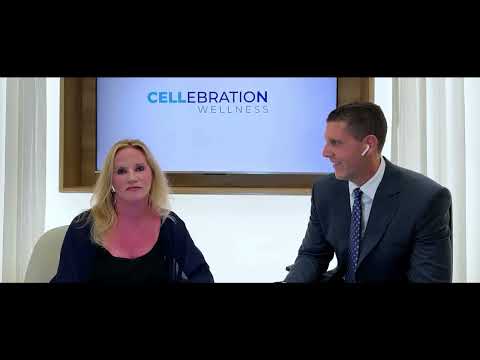
Personalized Stem Cell Therapy in San Jose, Costa Rica: A Patient Centered Approach
Cancer Treatment
Cellebration Wellness - Stem Cell Clinic San Jose
San Jose, Costa Rica
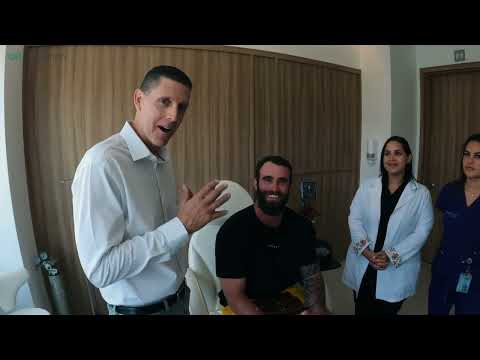
Advanced Stem Cell Therapy Procedures in San Jose, Costa Rica for Optimal Recovery
Stem Cell Therapy
Cellebration Wellness - Stem Cell Clinic San Jose
San Jose, Costa Rica
Overcoming the Challenges of Medical Tourism with PlacidWay
Addiction Treatment
PlacidWay Medical Tourism
Denver, United States
Unlock the Best Stem Cell Therapy for Ataxia Packages Just for You
Discover the ultimate Stem Cell Therapy for Ataxia packages designed to meet your health and wellness goals. Choose the perfect fit for your journey.

Price starting from $6,000
Advanced Diabetes Cellular Support Protocol
CellsClinic in in San Pedro Garza Garcia, Mexico
- Stem Cell Therapy
San Pedro Garza Garcia, Mexico

Price starting from $8,000
Stem Cell Therapy for Wellness Optimization Package in Kingston, Jamaica by BIOregeneration
BIOregeneration - Stem Cell Clinic in Jamaica
- Stem Cell Therapy
Kingston, Jamaica

Price starting from $8,000
Anti Aging Stem Cell Treatments Package in San Jose, Costa Rica by Cellebration Wellness
Cellebration Wellness - Stem Cell Clinic San Jose
- Stem Cell Therapy
San Jose, Costa Rica
Price starting from $7,000
Advanced Kidney Support & Regenerative Therapy Protocol
CellsClinic in in San Pedro Garza Garcia, Mexico
- Stem Cell Therapy
San Pedro Garza Garcia, Mexico
Transformative Stem Cell Therapy for Ataxia Experiences: Dive into Procedure Insights
Discover the power of Stem Cell Therapy for Ataxia through compelling patient experiences. Uncover detailed insights into procedures, recovery journeys, and life-changing results.

Price starting from $7,500
Stem Cell Therapy for Shoulder Pain in Puerto Vallarta, Mexico
- Stem Cell Therapy for Shoulder , Stem Cell Therapy
Puerto Vallarta, Mexico

Price starting from $6,500
Stem Cell Therapy for Fibromyalgia in Puerto Vallarta, Mexico
- Stem Cell Therapy for Fibromyalgia, Stem Cell Therapy
Puerto Vallarta, Mexico

Price starting from $15,000
Stem Cell Therapy for Autism in Puerto Vallarta, Mexico
- Stem Cell Treatment for Autism, Stem Cell Therapy
Puerto Vallarta, Mexico

Price starting from $18,000
Stem Cell Therapy for Alzheimer’s Disease in Puerto Vallarta, Mexico
- Stem Cell Treatment for Alzheimers Disease, Stem Cell Therapy
Puerto Vallarta, Mexico








I had an incredible experience with Cellebration Wellness. The facility felt more like a luxury spa than a clinic, the staff was professional and compassionate, and the entire stem cell process—from prep to post-care—was smooth and supportive. Highly recommend for anyone exploring regenerative therapy.
Read More