
What treatment


2+ Best Clinics for Stem Cell Therapy for Osteonecrosis in Costa Rica
Trusted Medical Tourism Platform Since 2007
What are the best stem cell therapy clinics for osteonecrosis in Costa Rica?
The best stem cell therapy clinics in Costa Rica are: Cellebration Wellness (San Jose), MEDICELL (San Ramon), and Lifebooster Wellness Center (Santa Cruz).
These top-rated facilities adhere to local Ministry of Health and JCI safety standards, utilizing autologous mesenchymal stem cells (MSCs) for advanced regenerative medicine. They expertly treat osteonecrosis (avascular necrosis), osteoarthritis, multiple sclerosis, and autoimmune conditions to promote natural tissue and bone regeneration. Treatment packages generally start at $8,000 USD, providing a highly affordable and minimally invasive alternative to traditional joint replacement surgeries in the United States.

 100.00% Patient Recommend
Cellebration Wellness - Stem Cell Clinic San Jose


Overview
Discover Cellebration Wellness in San Jose, Costa Rica, offering cutting-edge stem cell therapy for Multiple Sclerosis, diabetes, COPD, and more.
Read more details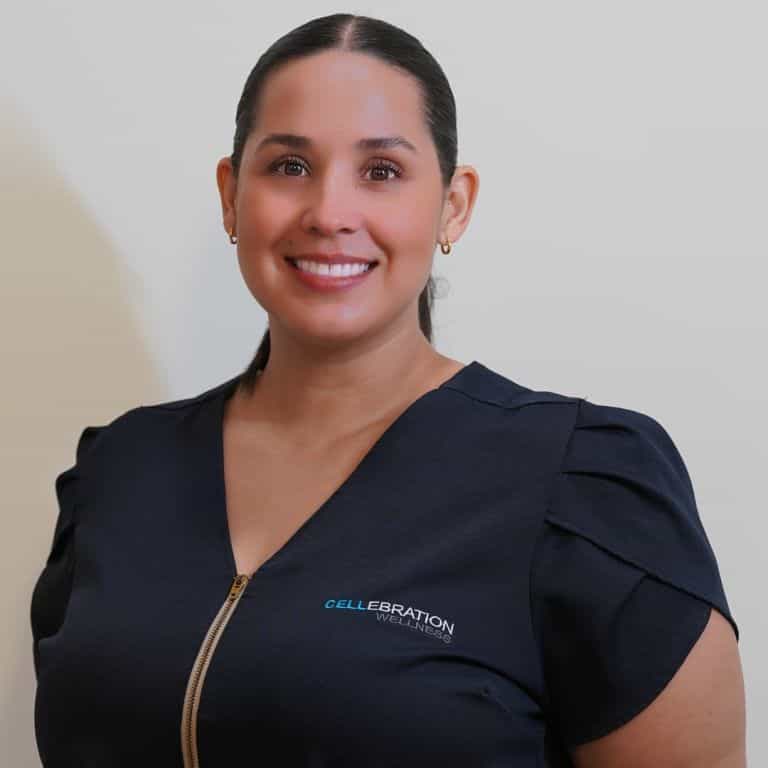


Lifebooster Wellness Center
Overview
Life Booster es un centro de bienestar integral especializado en medicina avanzada y preventiva. Nos enfocamos en tratamientos innovadores como terapia con células madre, exosomas y reemplazo hormonal
Read more details 100.00% Patient Recommend
MEDICELL
Overview
Experience cutting-edge stem cell therapy at MEDICELL, the top regenerative medicine clinic in San Ramon, Costa Rica. Contact us today to learn more!
Read more detailscopy.png)
Authored by
Usama Ahmad
Medical content writer with 5+ years of experience specializing in stem cells and regenerative medicine content.

Reviewed by
Dr. Alejandro Fernando
Dr. Alejandro Fernando is a top stem cell specialist in Mexico City, specializing in regenerative medicine, cellular therapies, and chronic disease treatment and Medical Content Reviewer
Last updated on
Which are the top Stem Cell Therapy for Osteonecrosis clinics in Costa Rica?
For Stem Cell Therapy for Osteonecrosis in Costa Rica, leading clinics include Cellebration Wellness in San Jose and MEDICELL in San Ramon, both highly rated by patients. Lifebooster Wellness Center in Santa Cruz and Regenerate Wellness Center in Alajuela also offer specialized care, providing diverse options for regenerative medicine and bone health treatments. These facilities focus on innovative approaches to treat avascular necrosis, ensuring patient-centric care and advanced therapeutic solutions within the country's growing medical tourism landscape.
When seeking specialized care for osteonecrosis with stem cell therapy in Costa Rica, several facilities stand out for their patient-focused approach and regenerative treatments. Cellebration Wellness in San Jose is frequently mentioned for its cutting-edge therapies and positive patient feedback, making it a popular choice for those exploring advanced regenerative options. Similarly, MEDICELL, located in San Ramon, also receives high recommendations from patients who have undergone stem cell treatments for various conditions, including bone-related disorders. These clinics are known for their commitment to utilizing innovative techniques aimed at promoting bone regeneration and alleviating symptoms associated with avascular necrosis.
In addition to these highly-rated options, other notable facilities such as Lifebooster Wellness Center in Santa Cruz and Regenerate Wellness Center in Alajuela contribute to Costa Rica's reputation as a hub for regenerative medicine. These clinics provide a range of stem cell treatments, often integrating holistic approaches to support overall patient well-being and recovery. Patients considering stem cell therapy for osteonecrosis in Costa Rica will find a variety of reputable centers that prioritize quality care and utilize advanced biological solutions for improving bone health and joint function.
What specific benefits can Stem Cell Therapy offer for Osteonecrosis?
Stem cell therapy for osteonecrosis aims to reduce pain, improve joint function, and promote bone regeneration by replacing damaged cells. It offers a minimally invasive alternative to surgery, supporting natural healing processes and potentially preventing further bone collapse in affected areas. This regenerative approach helps restore blood supply and cellular health, addressing the root causes of avascular necrosis and enhancing long-term mobility for patients seeking effective treatment in Costa Rica.
Stem cell therapy for osteonecrosis targets the underlying pathology of compromised blood supply and bone cell death. The primary benefits often include significant pain reduction as the treatment helps to heal damaged tissues and alleviate pressure on affected bone areas. Patients frequently report improved joint function and increased range of motion, which can lead to a better quality of life and the ability to resume daily activities.
Furthermore, a key advantage of this therapy is its potential to promote actual bone regeneration. By introducing healthy, undifferentiated stem cells into the affected site, these cells can differentiate into bone cells (osteocytes) and stimulate the growth of new blood vessels, thereby re-establishing crucial blood flow. This regenerative capacity not only helps repair existing damage but may also prevent the progression of osteonecrosis and avoid the need for more invasive surgical interventions like joint replacement. For individuals dealing with avascular necrosis, especially in weight-bearing joints, this therapy represents a promising option to preserve natural joint integrity.
What types of stem cells are commonly used in Costa Rican clinics for Osteonecrosis?
In Costa Rican clinics, mesenchymal stem cells (MSCs) are predominantly used for osteonecrosis treatment due to their regenerative properties and ability to differentiate into bone, cartilage, and fat cells. These MSCs are typically sourced from the patient's own adipose (fat) tissue or bone marrow, minimizing rejection risks. This personalized approach to stem cell therapy for avascular necrosis ensures high safety profiles and promotes effective bone healing and tissue repair.
The most common and effective type of stem cells utilized in Costa Rican clinics for treating osteonecrosis are mesenchymal stem cells (MSCs). These powerful cells are favored because of their remarkable multipotent properties, meaning they can differentiate into various cell types, including osteoblasts (bone-forming cells), chondrocytes (cartilage-forming cells), and adipocytes (fat cells). This versatility makes them ideal for promoting the repair and regeneration of bone tissue damaged by osteonecrosis.
MSCs are typically harvested from two main sources within the patient's own body (autologous sources):
- Adipose Tissue: Fat tissue contains a rich supply of MSCs, which can be easily extracted through a minimally invasive liposuction procedure. This method is often preferred due to the abundance of cells and easier harvesting process.
- Bone Marrow: MSCs can also be obtained from bone marrow, usually from the hip bone (iliac crest). This source is well-established and has a long history of use in regenerative medicine.
Using the patient's own cells significantly reduces the risk of immune rejection and disease transmission, making these treatments very safe. Costa Rican clinics specializing in stem cell therapy for osteonecrosis prioritize these autologous MSCs to optimize therapeutic outcomes and support the body's natural healing capabilities.
How is the Stem Cell Therapy procedure for Osteonecrosis typically performed in Costa Rica?
Stem cell therapy for osteonecrosis in Costa Rica usually involves a multi-step process: initial consultation, stem cell harvesting from bone marrow or adipose tissue, laboratory processing to concentrate the cells, and precise re-injection into the affected bone. The entire procedure is minimally invasive, performed under strict medical supervision to ensure safety and maximize therapeutic potential for bone regeneration.
The procedure for stem cell therapy for osteonecrosis in Costa Rica is generally a well-structured, multi-phase process designed for patient safety and optimal results. It typically begins with a thorough medical evaluation and consultation, where specialists review your condition, medical history, and imaging results to confirm eligibility for treatment.
Once cleared, the main steps usually include:
- Stem Cell Harvesting: This is a minimally invasive procedure where mesenchymal stem cells are collected. Depending on the chosen source, it involves either a bone marrow aspiration (typically from the hip bone) or a mini-liposuction to extract adipose (fat) tissue. Both procedures are performed under local anesthesia to ensure patient comfort.
- Cell Processing: The harvested tissue is then taken to a specialized laboratory within the clinic. Here, the stem cells are separated and concentrated using advanced centrifuge technology. This process isolates the most potent regenerative cells, preparing them for re-injection.
- Re-injection: The concentrated stem cells are precisely re-injected into the osteonecrotic lesion in the bone. This is often guided by real-time imaging techniques, such as fluoroscopy or ultrasound, to ensure accurate placement. The goal is to deliver a high concentration of regenerative cells directly to the damaged area, stimulating bone repair and regeneration.
The entire procedure is typically an outpatient one, allowing patients to return home the same day. Post-procedure care instructions are provided to support healing and ensure the best possible outcome for treating avascular necrosis.
What should I expect during the recovery period after Stem Cell Therapy for Osteonecrosis?
After stem cell therapy for osteonecrosis, patients can expect a gradual recovery, often involving mild discomfort at the injection and harvest sites. Most individuals can resume light activities within days, with a personalized rehabilitation plan being crucial for optimal bone regeneration and pain reduction. Full recovery and noticeable improvements typically unfold over several weeks to months, supported by regular follow-up with the clinic for comprehensive care.
The recovery period following stem cell therapy for osteonecrosis is generally well-tolerated, though it requires patience as the regenerative processes take time. Immediately after the procedure, you might experience some mild soreness, swelling, or bruising at both the stem cell harvest site (e.g., hip or abdomen) and the injection site in the affected bone. These symptoms are usually manageable with over-the-counter pain relievers and tend to subside within a few days.
Clinics in Costa Rica will provide specific post-procedure instructions, which often include:
- Rest and Activity Modification: You'll typically be advised to rest for the first 24-48 hours. Depending on the treated area, weight-bearing activities might be limited for a short period to protect the healing bone.
- Rehabilitation Program: A customized rehabilitation plan is usually prescribed, involving gentle exercises or physical therapy. This helps restore strength, flexibility, and function to the treated joint, playing a critical role in the long-term success of the therapy for avascular necrosis.
- Follow-up Appointments: Regular follow-up visits with your Costa Rican stem cell specialist are essential to monitor your progress. Imaging studies may be performed at intervals to assess bone regeneration and confirm the effectiveness of the treatment.
While some patients report initial pain relief within a few weeks, the full regenerative effects and substantial improvements in function and pain reduction typically become more apparent over three to six months as the new bone tissue develops. Adhering to your clinic's guidelines is key to a successful outcome.
What kind of patient support services do Stem Cell Therapy clinics in Costa Rica offer?
Stem cell therapy clinics in Costa Rica offer comprehensive patient support, especially for international patients. Services often include assistance with travel logistics, accommodation, translation, and local transportation. Many provide dedicated patient coordinators who guide individuals through every step, from initial inquiry to post-treatment follow-up, ensuring a seamless and comfortable medical tourism experience focused on avascular necrosis care.
Costa Rica has developed a robust medical tourism infrastructure, and its stem cell therapy clinics are well-equipped to support both local and international patients. For those traveling from abroad, the range of support services is particularly extensive, designed to make the entire journey as stress-free as possible.
Typically, you can expect clinics specializing in stem cell therapy for osteonecrosis to offer:
- Patient Coordinators: A dedicated contact person who assists with scheduling appointments, explaining treatment plans, and answering any questions you may have before, during, and after your visit.
- Travel and Accommodation Assistance: Many clinics help arrange flights, recommend nearby hotels or recovery resorts, and even provide airport transfers. This logistical support is invaluable for patients focusing on their health.
- Translation Services: While many medical professionals in Costa Rica speak English, clinics often offer professional translation services to ensure clear communication between patients and staff, particularly during consultations and follow-up discussions.
- Local Transportation: Arranging safe and reliable transportation between the airport, hotel, and clinic is a common service, ensuring patients can easily access their appointments.
- Post-Treatment Care and Follow-up: Support extends beyond the procedure itself, with clinics providing detailed instructions for recovery, arranging remote consultations, and helping coordinate any necessary follow-up care once you return home.
These comprehensive services highlight the patient-centric approach of Costa Rican stem cell clinics, aiming to provide a supportive environment for effective avascular necrosis treatment.
How can I prepare for Stem Cell Therapy for Osteonecrosis in Costa Rica?
Preparing for stem cell therapy for osteonecrosis in Costa Rica involves several steps. You'll need to gather your medical records, arrange travel logistics, and follow pre-treatment guidelines from your chosen clinic, which may include dietary adjustments or medication changes. Open communication with your care team and planning for your stay are essential for a smooth experience and optimal readiness for your avascular necrosis treatment.
Proper preparation is key to a successful stem cell therapy journey for osteonecrosis. Once you've selected a clinic in Costa Rica, they will provide you with a personalized preparation plan, but here are some general steps:
- Medical Records Submission: Share all relevant medical records, including diagnostic imaging (X-rays, MRIs), blood tests, and a detailed medical history. This allows the specialists to thoroughly assess your condition and tailor the treatment plan for your avascular necrosis.
- Consultation and Health Screening: Participate in initial consultations (often remote) and undergo any required pre-treatment health screenings to ensure you are a suitable candidate for the therapy.
- Medication Review: Discuss all current medications with your clinic. You may be advised to discontinue certain drugs, particularly blood thinners or anti-inflammatory medications, for a period before the procedure to minimize risks.
- Lifestyle Adjustments: Some clinics recommend specific dietary changes, nutritional supplements, or lifestyle modifications in the weeks leading up to your treatment to optimize your body's healing environment.
- Travel and Accommodation Planning: If you are traveling to Costa Rica, finalize your travel itinerary, book accommodations, and coordinate with the clinic's patient support team for any logistical assistance they offer.
- Questions and Concerns: Don't hesitate to ask your medical team any questions you have about the procedure, recovery, or your stay in Costa Rica. Clear communication ensures you feel confident and well-informed.
Following these guidelines diligently will help ensure your body is optimally prepared for the stem cell therapy and contribute to a more positive treatment outcome.
What accreditations and safety standards should I look for in Costa Rican Stem Cell Therapy clinics?
When choosing a stem cell therapy clinic in Costa Rica for osteonecrosis, look for accreditation from recognized international bodies, such as the Joint Commission International (JCI), or local health ministry approvals. Ensure they adhere to stringent safety protocols for cell harvesting, processing, and implantation, including quality control measures, sterile environments, and ethical guidelines to safeguard patient well-being and treatment efficacy.
Ensuring the safety and quality of your stem cell therapy for osteonecrosis is paramount. When evaluating clinics in Costa Rica, look for specific accreditations and adherence to international safety standards.
Key indicators of a reputable clinic include:
- International Accreditations: Clinics with international accreditations, such as from the Joint Commission International (JCI), demonstrate a commitment to rigorous global healthcare standards in patient care and safety. While not all specialized stem cell clinics may have JCI, it's a strong indicator of quality.
- Local Regulatory Compliance: Verify that the clinic is licensed and regulated by the Costa Rican Ministry of Health. This ensures they meet national standards for medical practice and facility operation.
- Ethical Guidelines: Reputable clinics adhere to strict ethical guidelines regarding stem cell research and application, ensuring transparency and patient-informed consent.
- Quality Control for Stem Cells: Inquire about the clinic's protocols for handling and processing stem cells. They should have robust quality control measures in place, including testing for viability, purity, and sterility of the cells before implantation. This is crucial for avoiding complications and maximizing effectiveness in avascular necrosis treatment.
- Experienced Staff and Facilities: Ensure the clinic has highly qualified medical professionals experienced in regenerative medicine and orthopedic conditions like osteonecrosis. The facility should be modern, clean, and equipped with the necessary technology for safe and effective procedures.
By focusing on these aspects, you can make an informed decision and choose a clinic that prioritizes your safety and the success of your stem cell therapy.
What are the qualifications of specialists performing Stem Cell Therapy for Osteonecrosis in Costa Rica?
Specialists performing Stem Cell Therapy for Osteonecrosis in Costa Rica typically hold degrees in medicine, often with advanced training or certifications in regenerative medicine, orthopedics, or sports medicine. They possess expertise in cellular therapies and have experience treating bone-related conditions like avascular necrosis. Clinics usually feature multidisciplinary teams, ensuring comprehensive patient assessment and tailored treatment plans following international best practices.
The medical professionals who perform stem cell therapy for osteonecrosis in Costa Rica are generally highly qualified and experienced in their respective fields. You'll typically find:
- Medical Doctors (MDs): All specialists will hold a medical degree, often with a background in orthopedics, rheumatology, or physical medicine and rehabilitation.
- Specialized Training in Regenerative Medicine: Many physicians have pursued additional certifications, fellowships, or specialized training programs focused on regenerative medicine and cellular therapies. This includes a deep understanding of stem cell biology, harvesting techniques, and application protocols specifically for conditions like avascular necrosis.
- Experience in Orthopedic Conditions: Given that osteonecrosis affects bone tissue, specialists often have significant experience in managing orthopedic conditions, including joint preservation and rehabilitation.
- Multidisciplinary Teams: Leading clinics in Costa Rica often employ a team approach, involving not only the primary stem cell specialist but also supporting staff such as nurses, physical therapists, and nutritionists. This ensures a holistic and comprehensive care plan for patients.
- Commitment to Continuous Learning: Reputable specialists stay updated on the latest advancements in stem cell research and regenerative orthopedics, frequently participating in international conferences and training to integrate cutting-edge techniques into their practice for enhanced bone regeneration and patient outcomes.
These qualifications ensure that patients receiving stem cell therapy for osteonecrosis in Costa Rica benefit from expert care and a well-informed approach to their treatment.
What lifestyle changes are recommended after Stem Cell Therapy for Osteonecrosis?
After stem cell therapy for osteonecrosis, adopting a healthy lifestyle is crucial for optimal results. Recommended changes often include following a balanced diet, engaging in a tailored exercise program, avoiding excessive stress on the treated joint, and quitting smoking. These adjustments support bone health, enhance regenerative processes, and improve overall well-being, helping to maintain the long-term benefits of your avascular necrosis treatment.
To maximize the long-term benefits of stem cell therapy for osteonecrosis, clinics in Costa Rica will often recommend certain lifestyle changes. These recommendations are designed to support the regenerative processes initiated by the treatment and promote overall bone and joint health.
- Balanced Nutrition: A diet rich in anti-inflammatory foods, vitamins (especially Vitamin D and K2), and minerals (like calcium and magnesium) can aid bone healing and support cellular function. Limiting processed foods, excessive sugar, and unhealthy fats is often advised.
- Regular, Low-Impact Exercise: Engaging in a customized exercise program, often guided by a physical therapist, is essential. Activities like swimming, cycling, or specific rehabilitation exercises can improve joint mobility, strengthen surrounding muscles, and enhance circulation without placing undue stress on the treated bone. High-impact activities should typically be avoided for a significant period.
- Weight Management: Maintaining a healthy body weight reduces the load on weight-bearing joints, which is particularly important for osteonecrosis patients, helping to protect the treated area.
- Avoid Smoking and Excessive Alcohol: Both smoking and heavy alcohol consumption can impair blood flow and hinder the body's natural healing capabilities, negatively impacting the success of stem cell therapy. Quitting these habits is strongly encouraged.
- Stress Management: Chronic stress can impact overall health and healing. Incorporating stress-reduction techniques like meditation, yoga, or spending time in nature can be beneficial.
Adhering to these lifestyle adjustments can significantly enhance the therapeutic outcomes, promote sustained bone regeneration, and improve the quality of life for patients with avascular necrosis following stem cell treatment.
What complementary therapies might enhance Stem Cell Therapy for Osteonecrosis?
To enhance stem cell therapy for osteonecrosis, Costa Rican clinics might integrate complementary therapies like PRP (Platelet-Rich Plasma) injections, hyperbaric oxygen therapy (HBOT), and specific nutritional support. These adjunct treatments aim to optimize the healing environment, improve blood flow, and provide essential building blocks for bone regeneration, collectively boosting the effectiveness of avascular necrosis treatment.
Many stem cell therapy clinics in Costa Rica adopt a holistic approach, often recommending complementary therapies to create an optimal healing environment and enhance the effects of the primary stem cell treatment for osteonecrosis.
Commonly integrated complementary therapies include:
- Platelet-Rich Plasma (PRP) Therapy: PRP involves concentrating platelets from the patient's own blood and injecting them into the treated area. Platelets contain numerous growth factors that stimulate tissue repair, reduce inflammation, and enhance blood vessel formation, all of which are beneficial for bone regeneration and healing in avascular necrosis.
- Hyperbaric Oxygen Therapy (HBOT): This therapy involves breathing pure oxygen in a pressurized chamber. HBOT significantly increases oxygen delivery to tissues, which can stimulate cell growth, promote new blood vessel formation (angiogenesis), and accelerate wound healing. For osteonecrosis, improved oxygenation is crucial for revitalizing damaged bone.
- Nutritional Support and IV Drips: Clinics often provide personalized nutritional counseling and may administer intravenous (IV) vitamin and mineral infusions. These aim to correct deficiencies, reduce inflammation, and supply the body with essential nutrients needed for cellular repair and bone regeneration.
- Physical Therapy and Rehabilitation: A structured rehabilitation program is integral, incorporating exercises, manual therapy, and modalities to improve joint mechanics, strengthen muscles, and maintain flexibility, which supports the structural healing of the bone.
By combining these therapies, clinics aim to maximize the potential for tissue regeneration, reduce pain, and improve the functional outcomes for patients undergoing stem cell therapy for osteonecrosis.
How does medical tourism in Costa Rica benefit patients seeking Stem Cell Therapy for Osteonecrosis?
Medical tourism in Costa Rica offers high-quality stem cell therapy for osteonecrosis in accredited facilities, often at a more accessible cost than in many Western countries. Patients benefit from experienced specialists, personalized care in a tranquil environment, and comprehensive support services, combining advanced treatment for avascular necrosis with a restorative travel experience.
Costa Rica has become a renowned destination for medical tourism, attracting patients worldwide who seek high-quality healthcare, including advanced stem cell therapy for osteonecrosis. Several factors contribute to its appeal:
- Quality Healthcare and Expertise: Costa Rican clinics often boast state-of-the-art facilities and highly trained medical professionals, many of whom have international education and experience in regenerative medicine and orthopedic care. This ensures that patients receive treatments that adhere to high medical standards.
- Affordability: A significant draw for medical tourists is the competitive pricing. Stem cell therapy for osteonecrosis in Costa Rica can be considerably more affordable compared to costs in countries like the United States or Canada, without compromising on quality or safety.
- Personalized Care: Clinics frequently offer a more personalized and attentive approach, with dedicated patient coordinators and less rushed consultations, fostering a compassionate environment that can be rare in higher-volume healthcare systems.
- Recovery in a Beautiful Setting: Beyond the medical benefits, patients can recover in Costa Rica's serene and beautiful natural environment. The country's lush landscapes and peaceful atmosphere are conducive to relaxation and healing, offering a restorative experience alongside their treatment for avascular necrosis.
- Streamlined Travel and Support: Many clinics provide comprehensive services covering travel logistics, accommodation, and local transportation, easing the burden on international patients and allowing them to focus solely on their recovery.
This combination of advanced medical care, cost-effectiveness, and an inviting environment makes Costa Rica an attractive option for those considering stem cell therapy for osteonecrosis.
What are the ethical considerations regarding Stem Cell Therapy for Osteonecrosis in Costa Rica?
Ethical considerations for stem cell therapy in Costa Rica, especially for osteonecrosis, prioritize patient safety, informed consent, and the ethical sourcing of cells. Reputable clinics follow national regulations and international guidelines to ensure transparency, prevent unproven treatments, and maintain the highest ethical standards. This commitment ensures patients receive responsible and evidence-based care for avascular necrosis.
Ethical considerations are a critical component of any medical treatment, particularly with rapidly evolving fields like stem cell therapy. In Costa Rica, clinics offering stem cell therapy for osteonecrosis generally operate under strict ethical guidelines to ensure patient well-being and responsible medical practice.
Key ethical considerations include:
- Informed Consent: Patients must receive comprehensive information about the proposed treatment, including its potential benefits, risks, alternative treatments, and realistic expected outcomes. This ensures they can make a fully informed decision without coercion.
- Ethical Sourcing of Cells: Clinics should transparently disclose the origin and type of stem cells used. Reputable facilities in Costa Rica primarily utilize autologous (patient's own) mesenchymal stem cells from adipose tissue or bone marrow, which are generally considered ethically sound due to minimal controversy surrounding their harvest and use.
- Evidence-Based Practice: Clinics should offer treatments based on scientific evidence and clinical research, avoiding unsubstantiated claims or experimental procedures without proper oversight. This protects patients from unproven therapies.
- Patient Safety and Welfare: Prioritizing patient safety is paramount. This includes adhering to sterile procedures during cell harvesting and re-injection, monitoring for adverse events, and maintaining a high standard of medical care throughout the treatment process for avascular necrosis.
- Transparency and Disclosure: Clinics are expected to be transparent about their practices, qualifications of their staff, and any affiliations. This helps build trust and allows patients to verify the credibility of the institution.
By addressing these ethical aspects, Costa Rican stem cell clinics aim to provide responsible and high-quality care for individuals seeking treatment for osteonecrosis.
Can Stem Cell Therapy for Osteonecrosis be combined with traditional orthopedic treatments?
Yes, stem cell therapy for osteonecrosis can often be effectively combined with traditional orthopedic treatments in Costa Rica. This integrated approach, known as multimodal therapy, leverages the regenerative power of stem cells alongside conventional methods like physical therapy, medication, or even minimally invasive surgery. The goal is to maximize bone regeneration, reduce pain, and improve functional outcomes for avascular necrosis patients.
Absolutely, stem cell therapy for osteonecrosis is frequently integrated with traditional orthopedic treatments to achieve the best possible outcomes. Rather than being mutually exclusive, these approaches can complement each other, forming a comprehensive multimodal therapy plan.
This combined approach often includes:
- Physical Therapy and Rehabilitation: Post-stem cell injection, physical therapy is crucial. It helps to strengthen surrounding muscles, improve joint stability, and restore range of motion, supporting the newly regenerating bone tissue.
- Medication Management: While stem cell therapy addresses the underlying tissue damage, traditional medications might still be used to manage acute pain or inflammation during the initial recovery phases.
- Minimally Invasive Orthopedic Procedures: In some cases, stem cell therapy might be used in conjunction with minimally invasive orthopedic surgeries, such as core decompression, which involves drilling into the osteonecrotic area to relieve pressure and create channels for new blood vessel growth. Injecting stem cells into these channels can significantly enhance the healing process.
- Lifestyle and Dietary Modifications: As discussed, these traditional health recommendations play a vital role in supporting the overall healing environment created by stem cell therapy.
Costa Rican orthopedic and regenerative medicine specialists often tailor these combined treatment plans to each patient’s specific needs and the severity of their avascular necrosis, ensuring a holistic strategy for long-term recovery and bone regeneration.
Are there patient testimonials or success stories for Osteonecrosis Stem Cell Therapy in Costa Rica?
Yes, many stem cell therapy clinics in Costa Rica feature patient testimonials and success stories for osteonecrosis treatment. These narratives often highlight significant reductions in pain, improved mobility, and enhanced quality of life, offering valuable insights into real-world outcomes. Reviewing these experiences can provide reassurance and help prospective patients understand the potential benefits of regenerative medicine for avascular necrosis.
For many individuals considering stem cell therapy for osteonecrosis, hearing about others' experiences can be incredibly reassuring and informative. Thankfully, reputable stem cell therapy clinics in Costa Rica frequently share patient testimonials and success stories.
These testimonials often come in various forms:
- Written Accounts: Patients may provide detailed written descriptions of their journey, including their condition before treatment, the procedure itself, and their recovery and improvements.
- Video Testimonials: Many clinics feature video interviews with patients who share their personal stories of pain relief, improved mobility, and renewed ability to perform daily activities following stem cell therapy for avascular necrosis. These provide a more personal and vivid account.
- Before-and-After Reports: Some clinics offer anonymized patient case studies, which might include comparative imaging (e.g., MRI scans) showing the regeneration of bone tissue over time, alongside functional improvements.
These narratives often emphasize a reduction in pain, restored joint function, and an overall enhancement in the patient's quality of life. Accessing these stories can be a crucial step in your research, helping you to understand the potential benefits and to set realistic expectations for your own treatment journey in Costa Rica. Clinics understand the importance of social proof and are often keen to share the positive outcomes of their regenerative medicine programs.
How PlacidWay helps individuals access Stem Cell Therapy for Osteonecrosis in Costa Rica?
PlacidWay provides detailed, up-to-date information about Stem Cell Therapy for Osteonecrosis, including benefits, risks, and expected outcomes, empowering you with knowledge. We help you compare treatment options across various clinics in Costa Rica, ensuring you find affordable options without compromising on quality or safety. PlacidWay assists in identifying trusted, accredited clinics and medical professionals specializing in Stem Cell Therapy for Osteonecrosis in Costa Rica, connecting you with experts in regenerative medicine. We offer one-on-one consultations to help you make informed decisions about your treatment, ensuring your specific needs and preferences are met every step of the way. PlacidWay also ensures continued support after your treatment, including coordinating follow-up care and recovery assistance, providing peace of mind throughout your healing journey.
Ready to get Stem Cell Therapy for Osteonecrosis in Costa Rica? Contact us today for a personalized consultation.
Share with AI
Share this page with AI assistants to get summaries and insights


List of Best Stem Cell Therapy for Osteonecrosis Clinics in Costa Rica
Explore Stem Cell Therapy for Osteonecrosis: Stories, Testimonials, and Procedures
Watch in-depth videos covering everything from Stem Cell Therapy for Osteonecrosis success stories to detailed procedure explanations. Learn what to expect and hear from real patients.

Finding the Cheapest Options for Affordable Care: Medical Tourism Cost Comparison
Addiction Treatment
PlacidWay Medical Tourism
Denver, United States
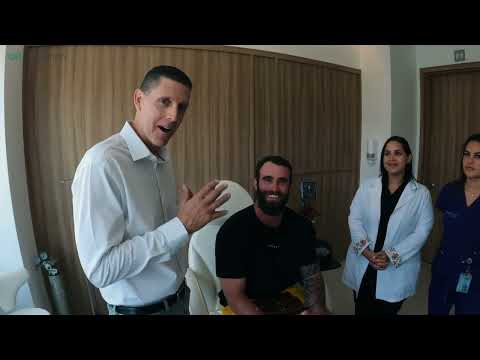
Advanced Stem Cell Therapy Procedures in San Jose, Costa Rica for Optimal Recovery
Stem Cell Therapy
Cellebration Wellness - Stem Cell Clinic San Jose
San Jose, Costa Rica
Breakthrough Stem Cell Therapy for Psoriasis in San Jose, Costa Rica
Stem Cell Therapy
Cellebration Wellness - Stem Cell Clinic San Jose
San Jose, Costa Rica

Top Clinics for Health Tourism in Costa Rica: Your Guide to Quality Care
Cosmetic/Plastic Surgery
PlacidWay Costa Rica
San Jose, Costa Rica
Unlock the Best Stem Cell Therapy for Osteonecrosis Packages Just for You
Discover the ultimate Stem Cell Therapy for Osteonecrosis packages designed to meet your health and wellness goals. Choose the perfect fit for your journey.

Price starting from $3,400
Stem Cell Therapy for Knee Regeneration Package in San Pedro Garza Garcia, Mexico by CellsClinic
CellsClinic in in San Pedro Garza Garcia, Mexico
- Stem Cell Therapy
San Pedro Garza Garcia, Mexico
Price starting from $16,000
Stem Cell Treatment for Autism Package - Malaysia
Dr. Ebenezer Abel Paul - Stem Cells in Malaysia
- Stem Cell Therapy
Kuala Lumpur, Malaysia

Price starting from $6,000
Stem Cell Therapy for Cellular Rejuvenation and Longevity Package in San Pedro Garza Garcia, Mexico by CellsClinic
CellsClinic in in San Pedro Garza Garcia, Mexico
- Stem Cell Therapy
San Pedro Garza Garcia, Mexico

Price starting from $8,000
Stem Cell Therapy for Joint Pain Package in Kingston, Jamaica by BIOregeneration
BIOregeneration - Stem Cell Clinic in Jamaica
- Stem Cell Therapy
Kingston, Jamaica
Transformative Stem Cell Therapy for Osteonecrosis Experiences: Dive into Procedure Insights
Discover the power of Stem Cell Therapy for Osteonecrosis through compelling patient experiences. Uncover detailed insights into procedures, recovery journeys, and life-changing results.

Price starting from $18,000
Stem Cell Therapy for Alzheimer’s Disease in Puerto Vallarta, Mexico
- Stem Cell Treatment for Alzheimers Disease, Stem Cell Therapy
Puerto Vallarta, Mexico

Price starting from $17,000
Stem Cell Therapy for Cerebral Palsy in Puerto Vallarta, Mexico
- Stem Cell Treatment for Cerebral Palsy, Stem Cell Therapy
Puerto Vallarta, Mexico

Price starting from $6,500
Stem Cell Therapy for Fibromyalgia in Puerto Vallarta, Mexico
- Stem Cell Therapy for Fibromyalgia, Stem Cell Therapy
Puerto Vallarta, Mexico

Price starting from $10,000
Stem Cell Therapy for Back Pain in Puerto Vallarta, Mexico
- Stem Cell Therapy for Back Pain, Stem Cell Therapy
Puerto Vallarta, Mexico








I had an incredible experience with Cellebration Wellness. The facility felt more like a luxury spa than a clinic, the staff was professional and compassionate, and the entire stem cell process—from prep to post-care—was smooth and supportive. Highly recommend for anyone exploring regenerative therapy.
Read More