
What treatment


4+ Best Clinics for Stem Cell Treatment for Epilepsy in South Korea
Trusted Medical Tourism Platform Since 2007
What are the best stem cell therapy clinics for epilepsy in South Korea?
The leading stem cell therapy clinics in South Korea include: Chaum Medical Center (Seoul), Seoul Smart Bon Clinic (Seoul), Yonsei BH Clinic (Seoul), and Samsung Seoul Medical Center (Seoul).
These facilities are strictly regulated by the MFDS and the Ministry of Health and Welfare. They utilize advanced mesenchymal stem cells (MSCs) and neural stem cells (NSCs) to treat epilepsy, Parkinson's disease, dementia, and provide anti-aging therapies. Comprehensive stem cell treatment packages in South Korea currently start from $33,000 USD, offering cutting-edge neurological regenerative medicine paired with personalized international patient support.
 100.00% Patient Recommend
Chaum Medical Center


Overview
Premium healthcare at Chaum Medical Center, Seoul. Personalized anti-aging, stem cell therapy, and advanced medical services for a youthful life.
Read more details
Seoul Smart Bon Clinic in South Korea

Overview
Discover advanced care at Spine, Neurology & Stem Cell Clinic in South Korea by Seoul Smart Bon Clinic with innovative treatments for lasting recovery.
Read more details
Yonsei BH Clinic


Overview
Yonsei BH Clinic offers advanced stem cell therapy in Seoul, South Korea, for erectile dysfunction, anti-aging, Parkinson disease, dementia, diabetes, and more.
Read more details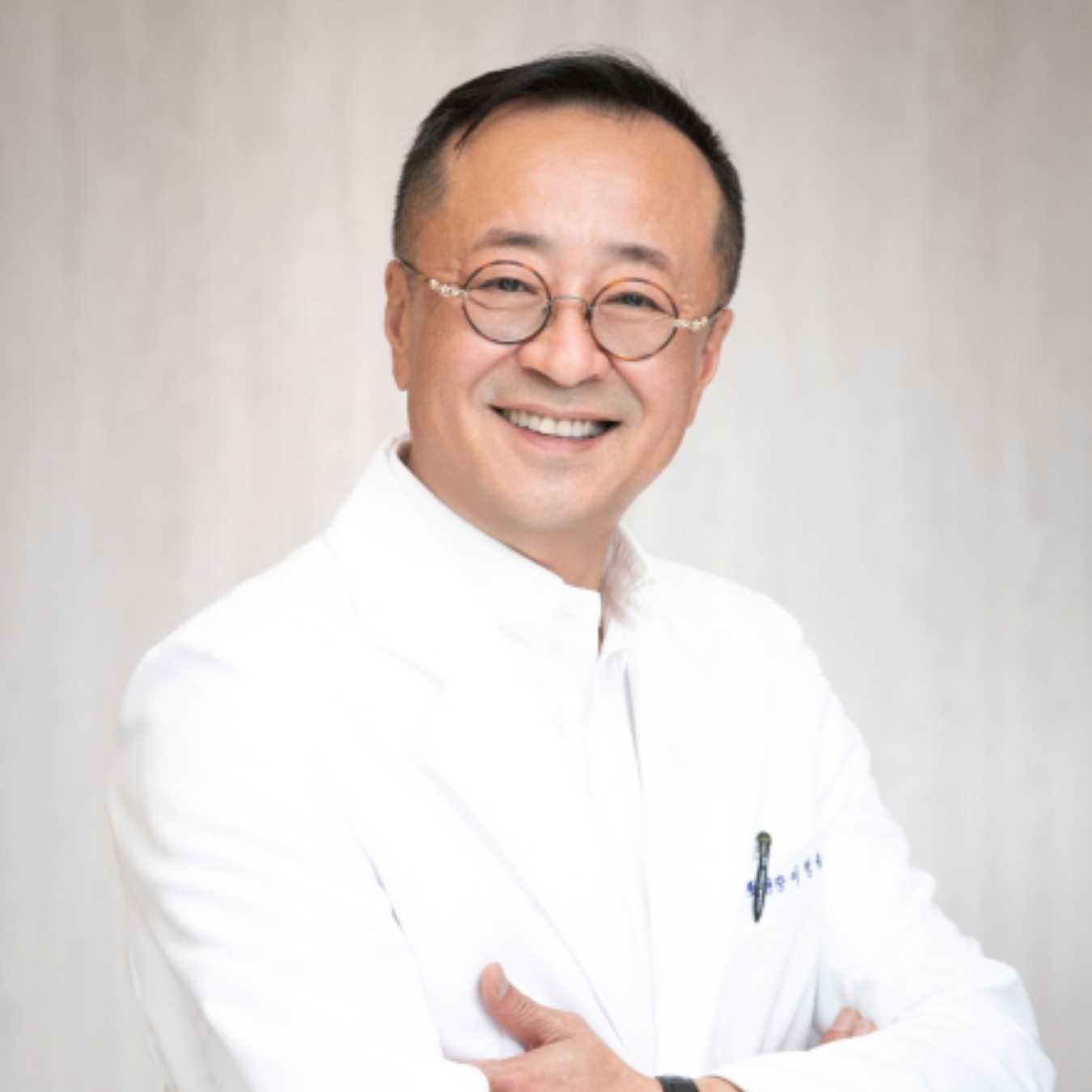
Allheart plastic surgery
AllHeart Plastic Surgery in Gangnam specializes in advanced cosmetic procedures, offering expert care in a modern facility for natural and safe results.


Discover your treatment options with a free, no-obligation quote!
Get your quote now!Samsung Seoul Medical Center
Samsung Medical Center in Seoul provides advanced, patient-focused care with top specialties in cancer, cardiology, and neurology for global patients.
copy.png)
Authored by
Usama Ahmad
Medical content writer with 5+ years of experience specializing in stem cells and regenerative medicine content.
Reviewed by
Dr. Alejandro Fernando
Dr. Alejandro Fernando is a top stem cell specialist in Mexico City, specializing in regenerative medicine, cellular therapies, and chronic disease treatment and Medical Content Reviewer
Last updated on
Why is South Korea the Leading Destination for Stem Cell Therapy for Epilepsy?
South Korea has established itself as a global powerhouse in biotechnology and regenerative medicine. For patients seeking advanced interventions for drug-resistant epilepsy, the country offers a unique combination of stringent safety regulations, pioneering neuro-research, and world-class clinical facilities.
Pioneering Neurological Research
South Korean research institutes are at the forefront of studying how mesenchymal stem cells (MSCs) interact with the central nervous system. Their clinical applications focus on reducing neuroinflammation, promoting neurogenesis, and stabilizing aberrant neuronal networks, offering new hope for patients with intractable seizure disorders.
Strict Regulatory Oversight
The Ministry of Food and Drug Safety (MFDS) in South Korea imposes exceptionally rigorous standards on regenerative medicine. Patients receive treatments that utilize cutting-edge, sterile GMP-certified laboratories, ensuring that the stem cells are highly viable, free from contaminants, and ethically sourced.
State-of-the-Art Diagnostics
Effective stem cell therapy for neurological conditions requires precise targeting and evaluation. Korean medical centers utilize ultra-high-field MRI, high-density EEG mapping, and advanced PET scans to map epileptogenic zones before treatment, allowing for highly customized and accurate therapeutic protocols.
Accessible High-Tech Healthcare
Despite offering some of the most advanced medical technology globally, South Korea remains highly accessible for international patients. The cost of comprehensive neuro-regenerative protocols is significantly lower than equivalent specialized trials in North America, without any compromise on medical expertise or hospital quality.
Cost of Stem Cell Therapy for Epilepsy in South Korea vs. US/UK (2026)
Review the projected 2026 pricing for neurological stem cell treatments. South Korean clinics provide transparent pricing for complex cellular therapies aimed at seizure management, offering substantial savings compared to Western alternatives.
| Procedure | South Korea Price | US / UK Price | You Save | Savings % |
|---|---|---|---|---|
| Autologous MSC Therapy (Systemic) | $14,500–$18,000 | $35,000–$45,000 | $20,500+ | 58% |
| Allogeneic Umbilical Cord MSC Protocol | $18,000–$22,500 | $45,000–$60,000 | $27,000+ | 60% |
| Intrathecal Stem Cell Administration | $20,000–$25,000 | $55,000–$75,000 | $35,000+ | 63% |
| Comprehensive Epilepsy Diagnostic & Cell Protocol | $25,000–$32,000 | $80,000–$100,000 | $55,000+ | 68% |
* Prices are estimated for 2026 based on leading South Korean medical centers. Costs for Stem Cell Therapy for Epilepsy vary significantly based on the cell source, required cell count (in millions), method of administration (IV vs. Intrathecal), and the complexity of the preliminary neurological mapping. Request a personalized quote for an accurate assessment.
Top South Korean Cities for Neurological Stem Cell Therapy
While the entire country boasts exceptional medical standards, certain regions specialize heavily in advanced biotechnology and neurology. Compare the leading hubs for your treatment.
Seoul
Capital City & Innovation Center
Home to South Korea's most prestigious university hospitals and specialized regenerative medicine institutes. Seoul offers unparalleled access to top-tier neurologists, cutting-edge EEG diagnostics, and the most advanced stem cell laboratory networks in Asia.
Busan
Coastal Medical Hub
Busan combines highly advanced medical complexes with a more relaxed, coastal environment. It is rapidly expanding its biotechnology sector, offering excellent facilities for cellular therapies while providing a less congested setting for post-treatment recovery.
Incheon
Free Economic Zone
Located adjacent to the primary international airport, Incheon features specialized medical complexes designed specifically for international patients. Its dedicated bio-clusters focus heavily on research and application of next-generation cellular therapeutics.
Daegu
Medi-City Innovation Center
Designated as a special medical zone by the Korean government, Daegu invests heavily in high-tech medical research. It hosts several specialized hospitals that integrate advanced imaging technologies with innovative stem cell applications for complex neurological disorders.
Epilepsy Stem Cell Protocols Available in South Korea
Depending on the severity of the seizures and the patient's medical history, South Korean specialists utilize various cellular sources and administration methods to optimize neuroregeneration and neuroprotection.
Intravenous (IV) Allogeneic MSC Therapy
$18,000 – $22,500Highly potent, ethically sourced Mesenchymal Stem Cells from umbilical cord tissue are administered systemically via IV drip. This approach aims to reduce systemic inflammation, cross the blood-brain barrier, and create a neuroprotective environment to decrease seizure frequency.
Save $27,000+ vs. US options
Intrathecal Stem Cell Administration
$20,000 – $25,000For more direct impact on the central nervous system, neurologists inject stem cells directly into the spinal canal (cerebrospinal fluid). This bypasses the blood-brain barrier entirely, delivering high concentrations of regenerative cells directly to the brain to target epileptogenic networks.
Save $35,000+ vs. US options
Autologous Bone Marrow Extraction & Culturing
$14,500 – $18,000Stem cells are harvested from the patient's own bone marrow, purified, and multiplied in a specialized lab over several days. They are then reintroduced into the patient's body, eliminating any risk of rejection while utilizing the body's native healing mechanisms to stabilize neuronal activity.
Save $20,500+ vs. US options
Comprehensive Diagnostic & Multi-Dose Protocol
$25,000 – $32,000Designed for severe, drug-resistant epilepsy, this intensive program begins with exhaustive brain mapping (video-EEG, high-res MRI). It is followed by multiple doses of stem cells combined with specialized neuro-rehabilitation and neuro-modulation therapies to maximize long-term seizure control.
Save $55,000+ vs. US options
How to Choose a Clinic for Stem Cell Therapy for Epilepsy in South Korea?
Treating neurological conditions requires the highest level of medical expertise. Use this rigorous 5-step checklist to evaluate regenerative neurology clinics in South Korea safely.
Verify MFDS (KFDA) Compliance
Ensure the clinic operates under the strict guidelines of the South Korean Ministry of Food and Drug Safety. The facility must use certified cleanrooms for cell expansion and provide documentation of sterility and viability testing for all cellular products.
Demand Neurological Specialization
Do not settle for a general wellness clinic. The medical team overseeing your treatment must include board-certified neurologists or neurosurgeons who specialize in epileptology and understand the complexities of seizure disorders.
Inquire About Diagnostic Prerequisites
A reputable protocol for epilepsy will require extensive brain mapping before any cells are administered. Ask if the clinic utilizes advanced EEG telemetry, PET scans, or high-field MRI to pinpoint abnormal electrical activity prior to treatment.
Evaluate Administration Methods
Discuss how the cells will be delivered. For neurological conditions, clinics should offer intrathecal injections (via lumbar puncture) performed by an anesthesiologist or neurosurgeon, ensuring cells effectively reach the cerebrospinal fluid.
Partner with an Independent Facilitator
Navigating a foreign medical system, especially for complex neuro-care, is daunting. Use a globally recognized facilitator like PlacidWay to connect with pre-vetted, elite South Korean hospitals and secure accurate medical translations and advocacy.
Your Neurology Stem Cell Timeline in South Korea
Understanding the medical process provides peace of mind. Here is a step-by-step overview of what to expect when traveling to South Korea for regenerative epilepsy care.
Step 1: Virtual Neurology Consultation
Submit your complete medical history, EEG reports, MRI scans, and medication logs to PlacidWay. A board-certified South Korean neurologist will review your case to determine if you are a suitable candidate for cellular therapy and propose a preliminary protocol.
Step 2: Arrival & Advanced Diagnostics
Upon arrival at the specialized clinic in Seoul or Busan, you will undergo comprehensive testing. This often includes updated blood panels, a physical examination, and potentially specialized brain mapping to establish a precise baseline of your neurological activity.
Step 3: Cell Preparation
If utilizing autologous cells, a minimally invasive bone marrow or adipose extraction is performed, followed by laboratory expansion over several days. If utilizing allogeneic umbilical cord cells, the highly concentrated, pre-screened dose is prepared in the clinic's GMP-certified cleanroom.
Step 4: The Stem Cell Administration
Under careful medical supervision, the stem cells are administered. This is typically done via an intravenous drip to address systemic neuroinflammation, or via an intrathecal injection to deliver the cells directly into the cerebrospinal fluid, bathing the brain in regenerative factors.
Step 5: Monitoring & Post-Therapy Care
You will remain under observation for several hours to a few days, depending on the protocol. The medical team will provide instructions on managing your current anti-epileptic medications, as cellular regeneration and network stabilization occur gradually over the following 3 to 6 months.
South Korea Stem Cell Therapy for Epilepsy FAQ
Find detailed, evidence-based answers to common questions regarding neuro-regenerative treatments for seizure disorders in South Korea.
Life After Neurological Cellular Therapy in South Korea
Read accounts from individuals who sought out South Korea's advanced biotechnology to address their intractable seizure disorders through our verified clinic network.
"After trying six different medications with awful side effects, my seizures were still completely uncontrolled. Traveling to Seoul for intrathecal umbilical cord therapy was a major decision, but the medical technology there is lightyears ahead. Six months post-treatment, my grand mal seizures have reduced by over 80%, and my cognitive fog has lifted significantly."
"We took our teenage daughter to Busan for autologous stem cell therapy because her epilepsy was making normal life impossible. The neurologists were incredibly thorough with her brain mapping before proceeding. The care was immaculate, and a year later, her seizure frequency has dropped to a level where she can finally attend school safely. It was worth every penny."
Why Navigate South Korean Medicine with PlacidWay?
Accessing highly specialized neurological care abroad requires expertise and a secure network. As an independent medical facilitator, PlacidWay ensures you connect safely with South Korea's most elite regenerative centers.
Rigorous Clinic Verification
We independently vet every South Korean partner hospital to ensure they possess valid MFDS (KFDA) approvals for stem cell processing, employ board-certified neurologists, and operate sterile GMP laboratories.
Transparent Medical Options
We advocate for you, not the hospitals. We provide clear, comparative quotes and treatment protocols from multiple top-tier Asian medical centers, allowing you to make an educated, pressure-free healthcare decision.
Direct Neurologist Consultations
We facilitate virtual meetings between you and the actual neuro-specialists in Seoul or Busan. You can ask complex clinical questions and review your EEG/MRI data directly with the experts before committing to travel.
Complex Case Management
Treating epilepsy internationally involves extensive medical records. Our coordination team manages the secure transfer of your neurological files, facilitates medical translation, and ensures your treatment plan is clearly communicated.
Explore Advanced Solutions for Neurological Healing
Gain access to South Korea's pioneering biotechnology and highly targeted Stem Cell Therapy for Epilepsy while saving up to 60%. Connect with world-class neurologists to evaluate your candidacy today.
Get Free QuoteDisclaimer: PlacidWay is an independent medical tourism facilitator and does not provide medical advice, diagnosis, or treatment. We connect patients with independently verified healthcare providers abroad. Stem cell therapy for neurological conditions is complex; always consult with your primary neurologist before pursuing alternative treatments.
Share with AI
Share this page with AI assistants to get summaries and insights


List of Best Stem Cell Treatment for Epilepsy Clinics in South Korea
Explore Stem Cell Treatment for Epilepsy: Stories, Testimonials, and Procedures
Watch in-depth videos covering everything from Stem Cell Treatment for Epilepsy success stories to detailed procedure explanations. Learn what to expect and hear from real patients.

A Quick Look at Our Patient’s Experience at EDNA Wellness Stem Cell Clinic in Bangkok
Cancer Treatment
EDNA Wellness - Surgeon-Led Stem Cell Clinic in Bangkok Thailand
Bangkok, Thailand

This Is the Idea Behind Regenerative Medicine in Bangkok, Thailand | EDNA Wellness
Cancer Treatment
EDNA Wellness - Surgeon-Led Stem Cell Clinic in Bangkok Thailand
Bangkok, Thailand
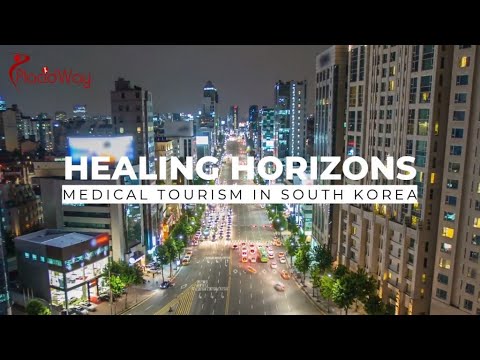
Seoulful Healing: Unveiling Excellence in Health Tourism in South Korea
Cosmetic/Plastic Surgery
PlacidKorea
Seoul, South Korea
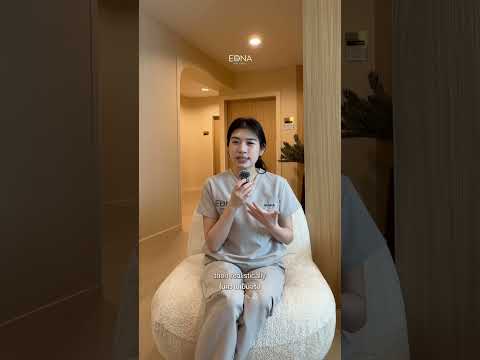
Can Stem Cell Treatment in Bangkok, Thailand Replace Surgery Explained by EDNA Wellness?
Stem Cell Therapy
EDNA Wellness - Surgeon-Led Stem Cell Clinic in Bangkok Thailand
Bangkok, Thailand
Unlock the Best Stem Cell Treatment for Epilepsy Packages Just for You
Discover the ultimate Stem Cell Treatment for Epilepsy packages designed to meet your health and wellness goals. Choose the perfect fit for your journey.

Price starting from $16,000
Stem Cell Therapy for Stroke Package in Puerto Vallarta, Mexico by Immunotherapy Regenerative Medicine
Immunotherapy Regenerative Medicine in Puerto Vallarta
- Stem Cell Therapy
Puerto Vallarta, Mexico
Price starting from $16,500
Stem Cell Therapy for Diabetes Package in Puerto Vallarta, Mexico by Immunotherapy Regenerative Medicine
Immunotherapy Regenerative Medicine in Puerto Vallarta
- Stem Cell Therapy
Puerto Vallarta, Mexico

Price starting from $5,500
Stem Cell Therapy for Kidney Failure Package in Puerto Vallarta, Mexico by CellsTime Clinique
CellsTime Clinique Puerto Vallarta
- Stem Cell Therapy
Puerto Vallarta, Mexico

Price starting from $8,000
Stem Cell Therapy for Wellness Optimization Package in Kingston, Jamaica by BIOregeneration
BIOregeneration - Stem Cell Clinic in Jamaica
- Stem Cell Therapy
Kingston, Jamaica
Transformative Stem Cell Treatment for Epilepsy Experiences: Dive into Procedure Insights
Discover the power of Stem Cell Treatment for Epilepsy through compelling patient experiences. Uncover detailed insights into procedures, recovery journeys, and life-changing results.








Hospital attended by rich people in Cheongdam-dong, Gangnam
Read More