
What treatment


1+ Best Clinics for Stem Cell Treatment for Muscular Dystrophy in Costa Rica
Trusted Medical Tourism Platform Since 2007
What are the best stem cell clinics for muscular dystrophy in Costa Rica?
The best stem cell clinics for muscular dystrophy in Costa Rica are Cellebration Wellness (San Jose), MEDICELL (San Ramon), and Regenerate Wellness Center.
These facilities adhere to rigorous international medical standards and utilize advanced Mesenchymal Stem Cells (MSCs), including umbilical cord and adipose-derived cells. In addition to muscular dystrophy, they successfully treat multiple sclerosis, diabetes, COPD, and autoimmune diseases. Comprehensive regenerative treatment packages typically start at $8,000 USD, offering specialized, highly regulated care and integrated rehabilitation support at a significant discount compared to standard US prices.
 100.00% Patient Recommend
Cellebration Wellness - Stem Cell Clinic San Jose


Overview
Discover Cellebration Wellness in San Jose, Costa Rica, offering cutting-edge stem cell therapy for Multiple Sclerosis, diabetes, COPD, and more.
Read more details


 100.00% Patient Recommend
MEDICELL
Overview
Experience cutting-edge stem cell therapy at MEDICELL, the top regenerative medicine clinic in San Ramon, Costa Rica. Contact us today to learn more!
Read more details
Lifebooster Wellness Center
Overview
Life Booster es un centro de bienestar integral especializado en medicina avanzada y preventiva. Nos enfocamos en tratamientos innovadores como terapia con células madre, exosomas y reemplazo hormonal
Read more detailscopy.png)
Authored by
Usama Ahmad
Medical content writer with 5+ years of experience specializing in stem cells and regenerative medicine content.
Reviewed by
Dr. Alejandro Fernando
Dr. Alejandro Fernando is a top stem cell specialist in Mexico City, specializing in regenerative medicine, cellular therapies, and chronic disease treatment and Medical Content Reviewer
Last updated on
Which are the best clinics for Stem Cell Treatment for Muscular Dystrophy in Costa Rica?
When seeking the best stem cell treatment clinics for Muscular Dystrophy in Costa Rica, patients often consider factors like specialization, patient outcomes, facility quality, and doctor expertise. Top-rated options in Costa Rica for regenerative medicine include Cellebration Wellness - Stem Cell Clinic San Jose, MEDICELL, and Regenerate Wellness Center. These facilities are recognized for their focus on advanced stem cell therapies and positive patient feedback, offering specialized care for various conditions including muscular dystrophy.
Identifying the "best" clinic for a specific condition like Muscular Dystrophy with stem cell therapy involves looking beyond just a name. It's about finding a center that aligns with your individual needs and provides high-quality care. Here are key aspects to consider when evaluating clinics:
- Accreditation and Certifications: Ensure the clinic adheres to international medical standards and holds relevant certifications for regenerative medicine and stem cell research.
- Specialized Programs: Look for clinics with dedicated programs or extensive experience in treating Muscular Dystrophy using stem cell protocols, indicating deeper understanding and tailored approaches.
- Patient Testimonials and Reviews: Real patient experiences offer valuable insights into the clinic's environment, staff attentiveness, and perceived treatment effectiveness. For example, Cellebration Wellness has positive patient recommendations, highlighting their professional and compassionate care.
- Technology and Facility: Modern facilities equipped with advanced diagnostic and treatment technologies contribute significantly to the safety and efficacy of stem cell procedures.
- Medical Team Expertise: The qualifications and experience of the medical staff, particularly in regenerative medicine and neuromuscular disorders, are crucial.
What to look for in a Stem Cell Treatment clinic for Muscular Dystrophy?
When considering a stem cell treatment clinic for Muscular Dystrophy, prioritize those with proven expertise in regenerative medicine, specific experience with neuromuscular conditions, and a strong safety record. It's essential to research their accreditation, the types of stem cells they utilize, their treatment protocols, and the availability of comprehensive patient support, from initial consultation through post-treatment follow-up and rehabilitation.
Choosing the right clinic is a significant decision. For Muscular Dystrophy, effective stem cell therapy requires a highly specialized environment. Here's a deeper dive into critical aspects:
- Specific MD Expertise: The clinic should demonstrate direct experience and successful outcomes in treating various forms of Muscular Dystrophy, rather than just general stem cell therapy. Ask about their specific protocols for MD.
- Source and Type of Stem Cells: Inquire about the origin of the stem cells (e.g., autologous, allogeneic, mesenchymal) and why they are considered most effective for muscular dystrophy. Clinics like Cellebration Wellness often highlight their cutting-edge stem cell therapies.
- Treatment Protocols: Understand the exact procedure, number of infusions, administration methods, and the expected duration of treatment. A transparent clinic will provide a clear, detailed plan.
- Safety Standards and Regulation: Verify that the clinic operates under strict medical regulations and follows international safety guidelines for stem cell procedures. This is paramount for patient well-being.
- Integrated Care Approach: A holistic approach that includes pre-treatment diagnostics, personalized nutrition, and post-treatment rehabilitation support can significantly enhance outcomes for Muscular Dystrophy patients.
How do clinics prepare patients for Stem Cell Treatment for Muscular Dystrophy?
Clinics typically prepare Muscular Dystrophy patients for stem cell treatment through a thorough evaluation, which includes detailed medical history, physical exams, and advanced diagnostics to assess muscle function and overall health. This ensures the patient is a suitable candidate and helps tailor the treatment plan. Pre-treatment counseling also covers expectations, potential risks, and post-procedure care.
Patient preparation is a multi-step process designed to optimize safety and treatment efficacy for individuals with Muscular Dystrophy.
- Comprehensive Diagnostics: Initial assessments involve blood tests, genetic testing (if applicable), imaging (MRI or CT scans of affected muscles), and neurological evaluations to determine the extent of muscle damage and progression of the disease.
- Medical History Review: A detailed review of the patient’s medical history, current medications, allergies, and previous treatments for Muscular Dystrophy is crucial to identify any contraindications.
- Consultation and Education: Patients receive in-depth consultations with regenerative medicine specialists. This is where they learn about the specific stem cell types, the procedure details, potential benefits, and any associated risks. Clinics prioritize informed consent and address all patient concerns.
- Lifestyle Adjustments: Depending on the clinic's protocol, patients might be advised on dietary changes, supplements, or temporary cessation of certain medications to prepare their bodies for the therapy.
- Mental and Emotional Support: Addressing patient anxieties and providing emotional support is also a key part of preparation, ensuring patients feel comfortable and confident going into their treatment.
What is the typical recovery process after Stem Cell Therapy for Muscular Dystrophy at a clinic?
The recovery process after stem cell therapy for Muscular Dystrophy typically involves a short observation period at the clinic, followed by a gradual return to normal activities with specific post-treatment instructions. Patients may experience mild soreness or fatigue initially. Clinics provide personalized rehabilitation plans, including physical therapy, and schedule follow-up appointments to monitor progress and assess the long-term effectiveness of the regenerative treatment.
Recovery is a critical phase in maximizing the benefits of stem cell therapy for Muscular Dystrophy patients.
- Immediate Post-Procedure Care: After the stem cell administration, patients are typically monitored at the clinic for a few hours or overnight. This ensures stability and addresses any immediate, minor side effects like discomfort at the injection site or mild flu-like symptoms.
- Activity Restrictions: Patients usually receive guidelines on activity limitations, often advising against strenuous exercise or heavy lifting for a certain period to allow the stem cells to integrate effectively.
- Personalized Rehabilitation: A comprehensive rehabilitation plan, which may include physical therapy, occupational therapy, and nutritional guidance, is crucial. This helps strengthen muscles, improve mobility, and support overall recovery and regeneration.
- Follow-up Appointments: Regular follow-up consultations, either in person or via telemedicine, are scheduled to track progress, evaluate improvements in muscle strength and function, and address any ongoing concerns. These appointments help tailor future steps in the long-term care plan.
- Long-term Monitoring: Stem cell therapy is often a gradual process, with improvements observed over several months. Continued communication with the clinic and adherence to lifestyle recommendations are vital for sustained benefits in managing Muscular Dystrophy symptoms.
What unique technology and equipment do Costa Rican clinics use for Muscular Dystrophy stem cell treatment?
Costa Rican clinics specializing in stem cell treatment for Muscular Dystrophy often utilize advanced equipment for precise stem cell harvesting, processing, and delivery. This includes state-of-the-art laboratory facilities for cell culture and expansion, high-resolution imaging for targeted delivery, and sophisticated monitoring systems. These technologies enhance the safety and efficacy of the regenerative therapies offered, ensuring optimal outcomes for patients.
The success of stem cell treatment for Muscular Dystrophy is closely tied to the technology and equipment employed by clinics.
- Advanced Laboratory Facilities: Clinics feature specialized laboratories equipped with sterile environments (cleanrooms) for the isolation, culture, and expansion of stem cells. This ensures cell viability and purity for therapeutic use.
- Cell Processing Systems: Automated or semi-automated systems for processing stem cells from sources like bone marrow or adipose tissue help maintain consistency and quality. This includes centrifuges, incubators, and cell counters.
- Precision Delivery Systems: For targeted stem cell delivery, clinics use imaging guidance such as ultrasound or fluoroscopy to accurately inject cells into affected muscles or tissues, ensuring maximum therapeutic effect.
- Cryopreservation Units: State-of-the-art cryopreservation facilities are crucial for storing harvested stem cells for future treatments, ensuring their long-term viability.
- Diagnostic Imaging: High-resolution MRI, CT scans, and electromyography (EMG) are used before and after treatment to accurately diagnose the extent of Muscular Dystrophy, guide therapy, and monitor regenerative progress.
- Patient Monitoring Equipment: During and after the procedure, advanced physiological monitoring equipment is used to ensure patient safety and track vital signs.
What types of stem cells are commonly used by clinics for Muscular Dystrophy in Costa Rica?
Clinics in Costa Rica commonly utilize Mesenchymal Stem Cells (MSCs) for Muscular Dystrophy treatment, often derived from sources like adipose tissue or umbilical cord tissue. MSCs are favored for their immunomodulatory and regenerative properties, which can help repair damaged muscle tissue, reduce inflammation, and support existing muscle cells, offering a promising therapeutic approach for patients.
Mesenchymal Stem Cells (MSCs) are the predominant type of stem cells used in regenerative therapies for Muscular Dystrophy due to their diverse therapeutic potential.
- Adipose-Derived Mesenchymal Stem Cells (AD-MSCs): These are harvested from the patient's own fat tissue through a minimally invasive procedure like liposuction. They are abundant and relatively easy to obtain, making them a popular autologous option.
- Umbilical Cord Tissue-Derived Mesenchymal Stem Cells (UC-MSCs): These are allogeneic (donor-derived) cells sourced from donated umbilical cords. They are known for their high potency and low immunogenicity, meaning they are less likely to be rejected by the recipient's immune system.
- Bone Marrow-Derived Mesenchymal Stem Cells (BM-MSCs): Harvested from the patient's bone marrow, these are another autologous option. BM-MSCs have been extensively studied and are recognized for their regenerative capabilities.
- Exosomes: Some advanced clinics may also incorporate exosome therapy, which involves tiny vesicles secreted by stem cells. These exosomes contain proteins, lipids, and nucleic acids that can promote cell communication and regeneration, complementing the effects of stem cell treatment.
What kind of patient support services do stem cell clinics in Costa Rica offer?
Stem cell clinics in Costa Rica offer comprehensive patient support, including pre-treatment consultations, personalized care coordination, and post-treatment follow-up. This support extends to assisting with travel arrangements, accommodation, and local transport, ensuring a seamless and comfortable experience for international patients seeking Muscular Dystrophy treatment. They often provide language assistance and ongoing communication.
Excellent patient support services are crucial for a successful medical journey, especially for international patients traveling for complex treatments like stem cell therapy for Muscular Dystrophy.
- Personalized Care Coordination: Dedicated patient coordinators guide individuals through every step, from initial inquiry to post-treatment recovery. This includes scheduling appointments, managing medical records, and ensuring all questions are answered.
- Travel and Logistics Assistance: Many clinics assist with travel planning, including airport transfers, local transportation, and recommending suitable accommodation near the facility.
- Language Support: For international patients, clinics often provide translators or multilingual staff to ensure clear communication between patients and the medical team, making the experience less stressful.
- Nutritional Guidance: Dietary recommendations and personalized nutrition plans may be offered to optimize patient health before and after treatment, supporting the regenerative process.
- Rehabilitation and Physical Therapy Referrals: Clinics often have partnerships with or directly provide access to specialized rehabilitation services, including physical and occupational therapy, essential for Muscular Dystrophy patients.
- Post-Treatment Monitoring: Ongoing communication and follow-up schedules are established to monitor the patient’s progress, address any concerns, and ensure continuity of care, which is vital for chronic conditions.
How do clinics ensure patient safety during Muscular Dystrophy stem cell procedures?
Clinics prioritize patient safety during Muscular Dystrophy stem cell procedures by adhering to strict protocols, including comprehensive pre-screening, using certified stem cells, maintaining sterile environments, and continuous monitoring. They follow international guidelines for cell handling and administration, conduct thorough post-procedure observation, and ensure staff are highly trained in regenerative medicine, minimizing risks and promoting optimal outcomes.
Ensuring patient safety is the cornerstone of any medical procedure, particularly with evolving treatments like stem cell therapy for Muscular Dystrophy.
- Rigorous Patient Selection: Before treatment, patients undergo extensive evaluations, including detailed medical history, physical examinations, and advanced diagnostic tests, to confirm they are suitable candidates and to rule out any contraindications.
- Certified Stem Cell Sourcing and Processing: Clinics use stem cells from reputable, accredited laboratories. For allogeneic cells (from donors), rigorous screening for infectious diseases is performed. For autologous cells (from the patient), strict protocols are followed during harvesting to prevent contamination. All cell processing occurs in sterile, regulated environments.
- Sterile Procedure Environment: All procedures, from cell harvesting to administration, are performed in highly sterile conditions, often in operating rooms or specialized procedure suites, to prevent infections.
- Experienced Medical Team: Procedures are conducted by highly qualified and experienced medical professionals, including regenerative medicine specialists, neurologists, and support staff, who are trained in advanced stem cell administration techniques.
- Continuous Patient Monitoring: Patients are closely monitored during and immediately after the procedure for any adverse reactions, changes in vital signs, or unexpected side effects, allowing for immediate intervention if needed.
- Emergency Preparedness: Clinics have robust emergency protocols and equipment in place to manage any rare but potential complications, ensuring patient well-being at all times.
What is the average duration of a Stem Cell Treatment for Muscular Dystrophy program at a Costa Rican clinic?
The average duration of a stem cell treatment program for Muscular Dystrophy at a Costa Rican clinic typically varies, with the active treatment phase lasting a few days to a week. However, the overall treatment journey, including initial evaluations and follow-up care, can span several months as the regenerative effects unfold. Many clinics offer flexible schedules and follow-up options to accommodate international patients.
The total duration of a stem cell treatment program for Muscular Dystrophy is not a one-size-fits-all scenario, as it's tailored to each patient's specific condition and the clinic's protocol.
- Initial Consultation and Evaluation: This preparatory phase can range from a few days for in-person evaluations to several weeks if medical records are being reviewed remotely and preliminary tests are conducted.
- Active Treatment Phase: The actual stem cell administration, which may involve one or multiple infusions or injections, typically takes anywhere from 1 to 5 days. This period usually requires the patient to be physically present at the clinic.
- Immediate Post-Treatment Observation: Patients are usually kept for observation for 24-72 hours after the procedure to monitor for any immediate reactions or side effects.
- Recovery and Initial Rehabilitation: Following discharge from the clinic, patients enter a crucial recovery phase that can last from a few weeks to a couple of months. This often involves rest, adherence to physical therapy, and lifestyle adjustments.
- Long-Term Follow-up: The full regenerative effects of stem cell therapy often manifest over several months. Clinics typically schedule follow-up appointments at 3, 6, and 12-month intervals to assess progress, conduct further diagnostics, and adjust any ongoing supportive therapies.
What are the eligibility criteria for Stem Cell Treatment for Muscular Dystrophy at clinics in Costa Rica?
Eligibility for stem cell treatment for Muscular Dystrophy in Costa Rican clinics is determined by a thorough medical evaluation, including the patient's specific MD type, overall health status, and age. Generally, candidates should have stable vital signs, no active infections, and a realistic understanding of treatment outcomes. Clinics review each case individually to ensure safety and potential benefit from the regenerative therapy.
Eligibility for stem cell treatment is a carefully assessed process to ensure both patient safety and the potential for therapeutic benefit. For Muscular Dystrophy, specific criteria often include:
- Diagnosis Confirmation: Patients must have a confirmed diagnosis of Muscular Dystrophy, with detailed documentation of its type and progression.
- Overall Health Status: Candidates generally need to be in good general health, with no severe active infections, uncontrolled chronic diseases (like severe heart or kidney conditions), or certain types of cancer. A comprehensive medical history and physical examination are mandatory.
- Age Considerations: While there isn't a strict age limit, the patient's age and ability to tolerate the procedure and subsequent rehabilitation are key factors.
- Realistic Expectations: Clinics ensure patients and their families have a clear, realistic understanding of the potential benefits and limitations of stem cell therapy for Muscular Dystrophy, as it is often aimed at improving quality of life and slowing progression rather than offering a complete cure.
- Stability of Condition: Patients typically need to be in a stable phase of their disease, not experiencing an acute exacerbation or rapid decline.
- Commitment to Follow-up: Willingness and ability to adhere to post-treatment care plans and follow-up schedules are also important criteria.
Do Costa Rican clinics provide long-term follow-up and rehabilitation support for Muscular Dystrophy patients after stem cell treatment?
Yes, reputable stem cell clinics in Costa Rica typically offer comprehensive long-term follow-up and rehabilitation support for Muscular Dystrophy patients. This includes scheduled check-ups, personalized physical therapy regimens, and ongoing communication to monitor progress and adjust care plans as needed. The goal is to maximize and sustain the benefits of the stem cell treatment, ensuring continuous care and quality of life improvements.
Long-term care and rehabilitation are indispensable for Muscular Dystrophy patients undergoing stem cell treatment, as the regenerative process unfolds over time.
- Structured Follow-up Schedule: Clinics establish a clear schedule for follow-up appointments, often at 3, 6, and 12 months post-treatment, and then annually. These appointments assess functional improvements, monitor disease progression, and address any new concerns.
- Telemedicine Consultations: For international patients, many clinics offer telemedicine options, allowing for virtual consultations and continuous remote monitoring, ensuring access to expert advice regardless of geographical location.
- Tailored Rehabilitation Programs: Post-treatment rehabilitation is crucial. Clinics often provide personalized programs that may include:
- Physical Therapy: Exercises to maintain and improve muscle strength, flexibility, and range of motion.
- Occupational Therapy: Strategies and tools to enhance daily living activities and independence.
- Speech and Swallowing Therapy: For patients experiencing dysphagia or speech difficulties.
- Nutritional Counseling: Ongoing dietary advice to support muscle health and overall well-being.
- Local Physician Coordination: Clinics often assist in coordinating care with the patient's local physicians, ensuring a seamless transition and integrated approach to long-term management of Muscular Dystrophy.
- Patient Education: Continuous education for patients and caregivers on managing symptoms, recognizing signs of progression, and optimizing daily routines is a vital component of long-term support.
How PlacidWay helps individuals access Stem Cell Treatment for Muscular Dystrophy in Costa Rica?
PlacidWay provides detailed, up-to-date information about Stem Cell Treatment for Muscular Dystrophy, including benefits, risks, and expected outcomes, empowering you with knowledge. We help users compare treatment in various clinics, ensuring affordable options without compromising on quality, offering transparent choices for your healthcare journey. PlacidWay assists users in finding trusted, accredited clinics and medical professionals specializing in Stem Cell Treatment for Muscular Dystrophy in Costa Rica, connecting you with top experts. We offer one-on-one consultations to help users make informed decisions about their treatment, ensuring their specific needs are met with personalized guidance. PlacidWay ensures continued support after the treatment, including follow-up care and recovery assistance, for a holistic and successful recovery. Ready to get Stem Cell Treatment for Muscular Dystrophy in Costa Rica? Contact us today for a personalized consultation.Share with AI
Share this page with AI assistants to get summaries and insights


List of Best Stem Cell Treatment for Muscular Dystrophy Clinics in Costa Rica
Explore Stem Cell Treatment for Muscular Dystrophy: Stories, Testimonials, and Procedures
Watch in-depth videos covering everything from Stem Cell Treatment for Muscular Dystrophy success stories to detailed procedure explanations. Learn what to expect and hear from real patients.

Life Changing Stem Cell Therapy in San Jose, Costa Rica: An In-Depth Look at Regenerative Healing
Stem Cell Therapy
Cellebration Wellness - Stem Cell Clinic San Jose
San Jose, Costa Rica
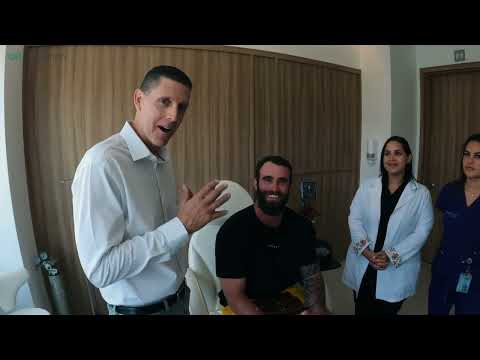
Advanced Stem Cell Therapy Procedures in San Jose, Costa Rica for Optimal Recovery
Stem Cell Therapy
Cellebration Wellness - Stem Cell Clinic San Jose
San Jose, Costa Rica
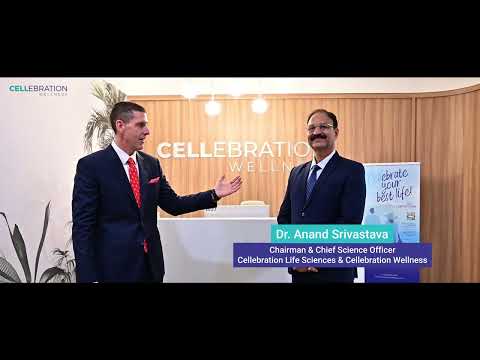
Enhanced Stem Cell Therapy in San Jose, Costa Rica for Optimal Healing
Stem Cell Therapy
Cellebration Wellness - Stem Cell Clinic San Jose
San Jose, Costa Rica
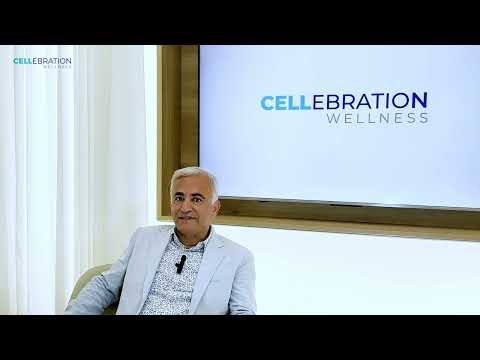
Breakthrough Stem Cell Therapy for Psoriasis in San Jose, Costa Rica
Stem Cell Therapy
Cellebration Wellness - Stem Cell Clinic San Jose
San Jose, Costa Rica
Unlock the Best Stem Cell Treatment for Muscular Dystrophy Packages Just for You
Discover the ultimate Stem Cell Treatment for Muscular Dystrophy packages designed to meet your health and wellness goals. Choose the perfect fit for your journey.

Price starting from $6,500
Stem Cell Therapy for Muscular Dystrophy in Los Algodones, Mexico
PlacidWay Mexico Medical Tourism
- Stem Cell Therapy
Tijuana,Mexicali, Mexico

Price starting from $8,000
Anti Aging Stem Cell Treatments Package in San Jose, Costa Rica by Cellebration Wellness
Cellebration Wellness - Stem Cell Clinic San Jose
- Stem Cell Therapy
San Jose, Costa Rica

Price starting from $11,500
Stem Cell Therapy for Shoulder Pain in Puerto Vallarta, Mexico by Immunotherapy Regenerative Medicine
Immunotherapy Regenerative Medicine in Puerto Vallarta
- Stem Cell Therapy
Puerto Vallarta, Mexico

Price starting from $19,500
Stem Cell Therapy for Heart Disease in Puerto Vallarta, Mexico by Immunotherapy Regenerative Medicine
Immunotherapy Regenerative Medicine in Puerto Vallarta
- Stem Cell Therapy
Puerto Vallarta, Mexico
Transformative Stem Cell Treatment for Muscular Dystrophy Experiences: Dive into Procedure Insights
Discover the power of Stem Cell Treatment for Muscular Dystrophy through compelling patient experiences. Uncover detailed insights into procedures, recovery journeys, and life-changing results.

Price starting from $14,500
Stem Cell Therapy for Rheumatoid Arthritis in Puerto Vallarta, Mexico
- Stem Cell Treatment for Rheumatoid Arthritis, Stem Cell Therapy
Puerto Vallarta, Mexico

Price starting from $7,500
Stem Cell Therapy for Shoulder Pain in Puerto Vallarta, Mexico
- Stem Cell Therapy for Shoulder , Stem Cell Therapy
Puerto Vallarta, Mexico

Price starting from $19,500
Stem Cell Therapy for Heart Disease in Puerto Vallarta, Mexico
- Stem Cell Therapy for Heart Disease, Stem Cell Therapy
Puerto Vallarta, Mexico

Price starting from $16,500
Stem Cell Therapy for Multiple Sclerosis in Puerto Vallarta, Mexico
- Stem Cell Treatment for Multiple Sclerosis, Stem Cell Therapy
Puerto Vallarta, Mexico








I had an incredible experience with Cellebration Wellness. The facility felt more like a luxury spa than a clinic, the staff was professional and compassionate, and the entire stem cell process—from prep to post-care—was smooth and supportive. Highly recommend for anyone exploring regenerative therapy.
Read More