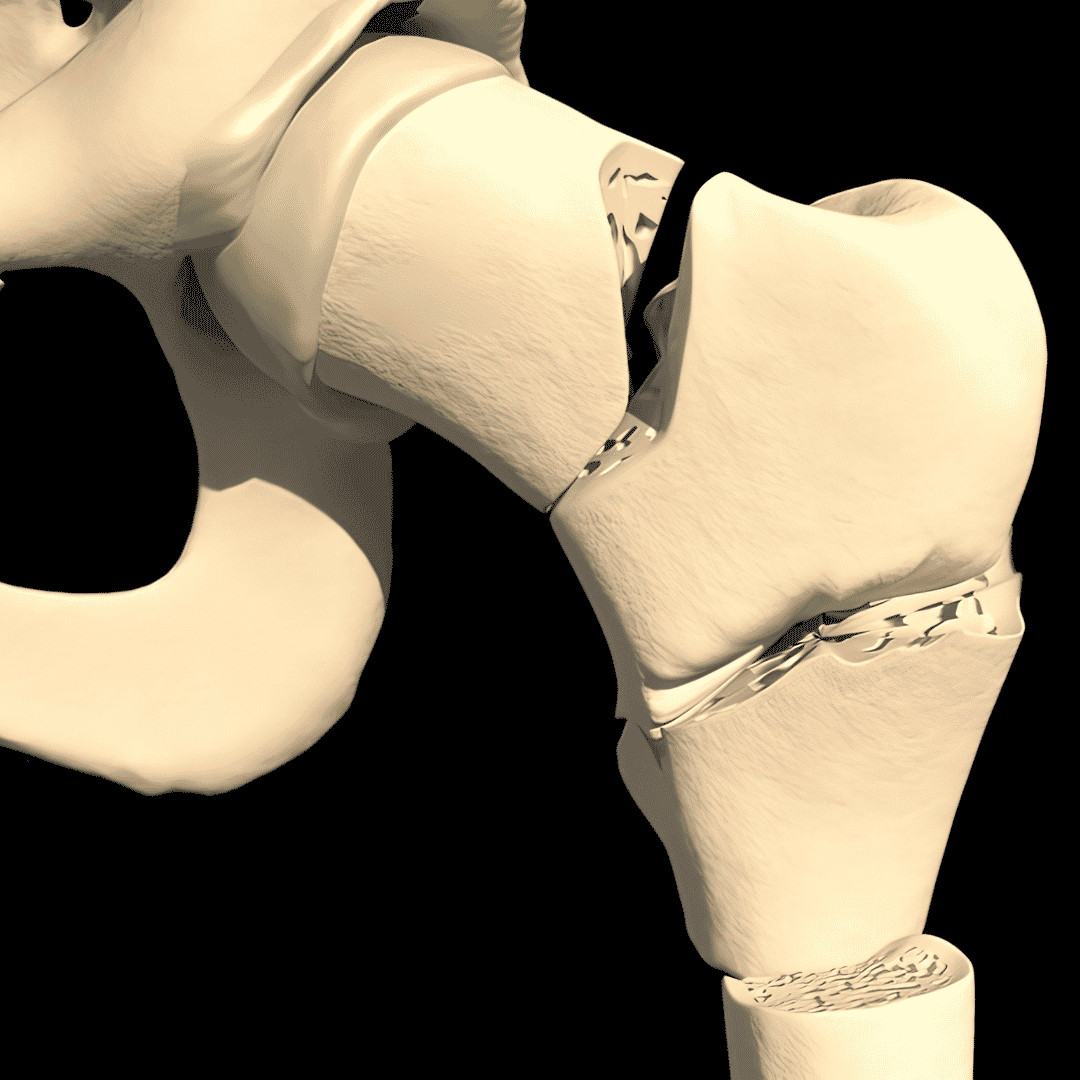
How Much Does Uni shoulder replacement arthroplasty Cost in Mexico?

The price for Uni shoulder replacement arthroplasty in Mexico typically ranges from $11500 to $11500, with the average being $11500. Prices can vary based on location and the specifics of the procedure, so it’s best to check with clinics for accurate pricing.

What Is the Cost of Uni shoulder replacement arthroplasty at top Clinics in Mexico?

For Uni shoulder replacement arthroplasty in Mexico, clinics typically charge between $11500 and $11500. On average, patients pay $11500. Be sure to consult with multiple clinics for the most accurate quote.

Discover your treatment options with a free, no-obligation quote!

Get your quote now!
- Medically reviewed by Dr. Raul Valenzano

What is the cost of uni-shoulder replacement arthroplasty and orthopedic knee surgery in Mexico?

The cost for uni-shoulder replacement arthroplasty and significant orthopedic knee surgery (like total knee replacement) in Mexico typically ranges from approximately $9,000 to $18,000 USD. Partial shoulder replacements often start around $9,000-$13,000, while total knee replacements usually fall between $10,000-$18,000.

Mexico has become a popular destination for individuals seeking high-quality joint replacement procedures at a more affordable price than in many Western countries. The price variation within this range depends on several factors, including the specific type of implant used, the hospital's technology, the surgeon's expertise, and the comprehensiveness of the medical package.

  • Uni-Shoulder Replacement Arthroplasty: This procedure, which replaces only a portion of the shoulder joint, is often less invasive and can result in quicker recovery times. Costs are generally at the lower end of the spectrum for major joint replacements.
  • Orthopedic Knee Surgery: This broad category includes procedures from arthroscopy to total knee replacement. For significant procedures like a total knee replacement, the costs are comparable to shoulder replacement, offering substantial savings compared to procedures in the United States or Canada.

These figures typically cover the surgeon's fees, anesthesia, hospital stay, and the implant itself, but it's always wise to confirm what's included in any quoted price.

What factors influence the total cost of joint surgery in Mexico?

Several factors influence the total cost of joint surgery in Mexico, including the specific type of procedure, the hospital's accreditation, the surgeon's experience and reputation, the type of implant used, the length of hospital stay, and the inclusion of pre-operative consultations and post-operative physical therapy.

Understanding these variables can help you budget accurately for your medical journey:

  • Procedure Complexity: A partial replacement (like uni-shoulder) might be less expensive than a total joint replacement due to less surgical time and materials.
  • Hospital Standards: Facilities with international accreditations (like JCI) and state-of-the-art technology may have higher fees but often provide superior care and patient safety.
  • Surgeon's Expertise: Highly experienced and renowned orthopedic surgeons may charge more for their services, reflecting their skill and success rates.
  • Implant Type: The cost of prosthetic implants varies significantly based on brand, material, and design. Premium implants can increase the overall price.
  • Length of Stay: A longer hospital stay for recovery or managing complications will add to the total cost.
  • Package Inclusions: Some medical tourism packages are all-inclusive, covering consultations, surgery, hospitalization, medication, and even accommodation and local transport, while others only quote the surgical fee.
  • Pre- and Post-Operative Care: Physical therapy, follow-up appointments, and necessary medications after discharge can contribute to the final cost.

Does health insurance cover orthopedic surgery in Mexico?

Generally, most domestic health insurance plans (especially from the US or Canada) do not cover elective orthopedic surgery performed outside your home country. However, some international health insurance policies or medical travel insurance plans might offer coverage. It's crucial to check with your specific provider before planning your trip.

While the primary appeal of medical tourism to Mexico is often the significant cost savings, relying on your domestic health insurance for coverage can be tricky. Here's what you need to know:

  • Domestic Insurance: Standard health insurance plans typically limit coverage to services received within your home country. Elective procedures abroad are usually not covered.
  • International Insurance: If you have an international health insurance plan, it might include coverage for treatments received anywhere in the world. Review your policy details carefully.
  • Medical Travel Insurance: This specialized insurance is designed to cover medical emergencies, travel disruptions, and sometimes even complications arising from elective procedures performed abroad. It's an important consideration for peace of mind.
  • Payment Method: Most clinics in Mexico will require upfront payment, meaning you'll need to cover the costs yourself and then seek reimbursement from your insurance, if applicable.

Always contact your insurance provider directly to confirm your benefits and understand any exclusions related to international medical travel.

Are there any hidden costs I should be aware of when planning joint surgery in Mexico?

While many clinics in Mexico offer transparent pricing, potential hidden costs can include travel expenses (flights, accommodation, local transport), translator services, extended recovery stays, unexpected complications, and specific medications or rehabilitation services not included in the initial package price. Always ask for a detailed breakdown of all costs upfront.

To avoid unwelcome surprises, it's essential to plan thoroughly and account for all possible expenses beyond the surgical fee:

  • Travel and Accommodation: Flights, hotel stays (before and after surgery), and ground transportation to and from the airport, hospital, and follow-up appointments can add up.
  • Translator Services: While many medical staff speak English, for comprehensive understanding, especially during detailed consultations, a professional medical translator might be beneficial if not included.
  • Extended Recovery: Should you require a longer hospital stay or choose to remain in Mexico for extended recovery and rehabilitation, additional living expenses will be incurred.
  • Complications: Although rare, complications can arise. Ensure you understand how additional treatment for complications would be billed.
  • Medications and Physical Therapy: Post-operative prescriptions and rehabilitation sessions, especially if required after you've returned home, might not be part of your initial package.
  • Passport and Visa Fees: If applicable, ensure your travel documents are up-to-date.

A reputable medical tourism facilitator can help you anticipate and budget for these potential extra costs.

How do the costs of joint surgery in Mexico compare to the United States or Canada?

Joint surgery costs in Mexico are often significantly lower, typically 50% to 70% less, than equivalent procedures in the United States or Canada. This cost difference is a primary driver for medical tourism, allowing patients to access high-quality care at a more affordable price.

The vast disparity in pricing is due to several economic factors, without necessarily compromising on quality:

  • Lower Operating Costs: Hospitals and clinics in Mexico generally have lower overhead expenses, including staff wages, administrative costs, and insurance premiums.
  • Healthcare System Structure: The healthcare payment model in Mexico differs, allowing for more competitive pricing for medical services.
  • Medication and Supplies: The cost of medical supplies, pharmaceuticals, and prosthetic implants can be lower in Mexico compared to other countries.
  • High Volume: Many Mexican clinics cater to a high volume of international patients, which allows them to offer more competitive rates.

Patients often find that even when factoring in travel, accommodation, and other related expenses, the total cost of uni-shoulder replacement arthroplasty or complex knee surgery in Mexico remains substantially less than paying out-of-pocket or even with limited insurance coverage in their home country.

What does the quoted price for orthopedic surgery in Mexico typically include?

A comprehensive package for orthopedic surgery in Mexico usually includes the surgeon's fees, anesthesiologist's fees, hospital stay, necessary medications during hospitalization, and the cost of the implant. Some all-inclusive packages may also cover airport transfers, accommodation, and initial post-operative follow-ups.

When you receive a quote for uni-shoulder replacement arthroplasty or orthopedic knee surgery in Mexico, it's crucial to understand exactly what services and items are encompassed. Here’s a breakdown of common inclusions:

  • Core Surgical Costs:
    • Surgeon's professional fees.
    • Anesthesiologist's fees.
    • Operating room charges.
    • The cost of the specific prosthetic implant (e.g., shoulder or knee joint).
  • Hospitalization:
    • In-patient care for the duration recommended by the surgeon.
    • Standard hospital medications administered during your stay.
    • Nursing care.
  • Pre- and Post-Operative Care (often in comprehensive packages):
    • Initial consultations and diagnostics (blood tests, X-rays) performed at the clinic.
    • Post-operative check-ups during your stay in Mexico.
    • Assistance with airport transfers and local transportation to medical appointments.
    • Accommodation for a specified period (e.g., hotel stay for recovery).

Always ask for an itemized list of what your package covers and what might incur additional charges.

Can I finance my orthopedic surgery in Mexico, or are payment plans available?

Many medical tourism facilitators and some clinics in Mexico offer financing options or work with third-party medical loan providers to help patients manage the cost of their surgery. Payment plans can vary, so it's advisable to inquire about these options early in your planning process.

Even with significant cost savings, major surgeries like uni-shoulder replacement or knee surgery represent a considerable investment. Recognizing this, several avenues exist to help make these procedures more financially accessible:

  • Medical Loan Companies: Specialized companies offer loans specifically for medical procedures, often with competitive interest rates and flexible repayment terms.
  • Clinic-Specific Payment Plans: Some larger hospitals or clinics may have their own internal payment plans, allowing patients to pay in installments. These are less common for international patients but worth asking about.
  • Credit Cards: For those with good credit, using a low-interest credit card or a card with an introductory 0% APR period can be an option, though caution is advised with large amounts.
  • Personal Loans: Traditional personal loans from banks or credit unions can be used to cover medical expenses.
  • Medical Tourism Facilitators: Companies like PlacidWay often partner with financing providers to offer a seamless solution for patients seeking funding for their procedures abroad.

It's important to explore all your options and understand the terms and conditions before committing to a financing plan.

What are the estimated recovery and rehabilitation costs after joint surgery in Mexico?

Recovery and rehabilitation costs vary. If you choose to recover in Mexico, you might incur additional accommodation expenses and costs for outpatient physical therapy sessions. If you return home, your local rehabilitation costs will depend on your insurance coverage and local healthcare system. It's essential to budget for these follow-up care needs.

The journey after uni-shoulder replacement or orthopedic knee surgery doesn't end when you leave the hospital. Rehabilitation is a critical component of a successful outcome:

  • In-Mexico Recovery:
    • Extended Stay: If you opt to stay in Mexico for early rehabilitation, you'll need to budget for additional hotel or recovery apartment costs.
    • Outpatient Physical Therapy: You might pay for daily or weekly physical therapy sessions. These are often much more affordable in Mexico than in Western countries.
    • Local Transportation: Costs for getting to and from therapy appointments.
  • Home Country Recovery:
    • Physical Therapy: Once you return home, you'll likely need ongoing physical therapy. Costs here will depend on your local healthcare system, insurance coverage, and the duration of therapy.
    • Medical Supplies: Crutches, walkers, special pillows, or other assistive devices.
    • Follow-up Appointments: Consultations with your local doctor or orthopedic specialist.

Discuss your post-operative care plan with your surgeon and a medical tourism expert to get a clear picture of potential recovery costs.

How can I ensure the quality of care despite lower surgery costs in Mexico?

To ensure quality, look for clinics and hospitals that are internationally accredited (e.g., by JCI), verify the surgeon's credentials and experience, and read patient testimonials. Reputable medical tourism agencies can also help connect you with vetted facilities and specialists, offering an extra layer of assurance.

Lower costs in Mexico do not automatically equate to lower quality. Many facilities maintain incredibly high standards. Here's how to ensure you receive top-tier care:

  • International Accreditations: Prioritize hospitals and clinics that hold international accreditations like Joint Commission International (JCI). This signifies adherence to rigorous patient safety and quality-of-care standards.
  • Surgeon Credentials: Verify that your surgeon is board-certified, has extensive experience in uni-shoulder replacement arthroplasty or orthopedic knee surgery, and is affiliated with reputable medical organizations. Don't hesitate to ask for their CV or credentials.
  • Technology and Facilities: Research the hospital's equipment. Modern facilities with advanced diagnostic and surgical technology are key indicators of quality care.
  • Patient Reviews and Testimonials: Look for reviews from previous international patients to gauge their experiences regarding care, outcomes, and overall satisfaction.
  • Medical Tourism Agencies: Working with an experienced medical tourism facilitator like PlacidWay can significantly reduce your research burden. They pre-screen clinics and doctors, ensuring you connect with reliable providers.

Is it worth traveling to Mexico for uni-shoulder or knee replacement surgery, considering the overall expenses?

For many, traveling to Mexico for uni-shoulder or knee replacement surgery is a worthwhile option. The significant cost savings, combined with access to high-quality medical facilities and experienced surgeons, can make it a financially sound and medically effective choice, especially for those without adequate insurance coverage at home. When travel and recovery costs are factored in, the total still often represents substantial savings.

The decision to seek medical treatment abroad is a personal one, but for a growing number of patients, the advantages of orthopedic surgery in Mexico outweigh the logistical considerations:

  • Substantial Savings: The primary motivator is almost always the dramatic cost reduction compared to domestic prices, making critical surgeries accessible.
  • Access to Timely Care: Patients in countries with long wait lists for elective procedures can often receive treatment much faster in Mexico.
  • High Quality of Care: Many Mexican hospitals and surgeons are highly skilled, internationally trained, and use advanced techniques and implants.
  • Privacy and Recovery Environment: Some patients appreciate the privacy and anonymity that comes with seeking treatment away from home, often in pleasant recovery environments.
  • Comprehensive Packages: Many facilities offer all-inclusive packages that simplify the process, covering everything from airport pick-up to initial recovery stays.

When you weigh the total investment—surgery, travel, accommodation, and rehabilitation—against the cost of similar procedures in your home country, the financial benefit of choosing Mexico often becomes clear, enabling access to life-changing surgery that might otherwise be out of reach.

How PlacidWay Helps Individuals Access Uni-shoulder Replacement Arthroplasty and Orthopedic Knee Surgery in Mexico?

PlacidWay serves as a trusted guide for individuals seeking clarity and confidence in their medical journey abroad. We provide detailed, up-to-date information about uni-shoulder replacement arthroplasty and orthopedic knee surgery, including their benefits, potential risks, and expected outcomes, empowering you with knowledge.

Our platform helps users compare treatment costs in various accredited clinics, ensuring you find affordable options without compromising on the quality of care. We assist users in finding trusted, accredited clinics and highly qualified medical professionals specializing in uni-shoulder replacement arthroplasty and orthopedic knee surgery in Mexico, taking the guesswork out of your search.

PlacidWay offers one-on-one consultations to help you make informed decisions about your treatment, ensuring your specific needs and preferences are met. We also aim to ensure continued support after your treatment, including guidance on follow-up care and recovery assistance, for a comprehensive patient experience.

Contact us today to explore your options for affordable and quality joint surgery in Mexico!

Important Disclaimer

PlacidWay.com provides medical travel information, not healthcare services. We don't endorse any providers, and we're not responsible for the care you receive.

Pricing: Prices on our site are estimates only, provided by the centers. Always confirm actual prices directly with the provider before booking to ensure full transparency and avoid hidden fees.

Your Health: Consult your local licensed healthcare provider before pursuing any treatment found on our site. Your health decisions are your responsibility.