
Your Complete Guide to Coronary Artery Bypass Surgery
A diagnosis requiring heart surgery can feel overwhelming, filled with questions and uncertainty. If you've been told you need Coronary Artery Bypass Surgery, often called CABG, you're likely wondering what it entails, what the recovery is like, and what your options are. This guide is here to walk you through it all in simple, clear terms. We'll explore what the surgery is, why you might need it, and how medical tourism has opened up incredible opportunities for safe, affordable, and timely treatment across the globe. Understanding this procedure is the first step toward taking control of your heart health and getting back to the life you love.
What Exactly Is Coronary Artery Bypass Surgery?
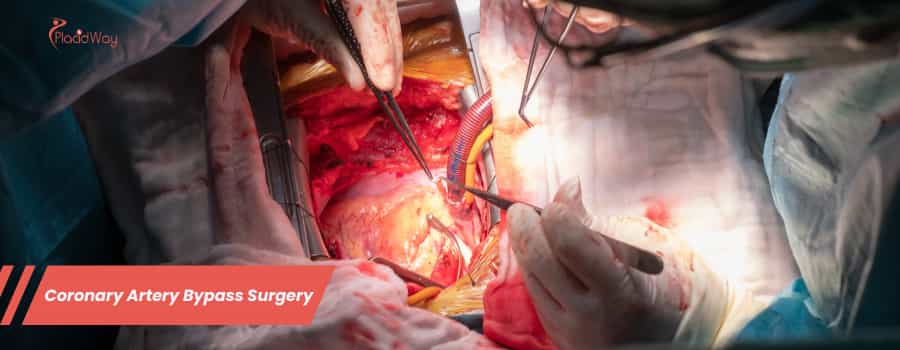
Think of your heart's arteries as highways for blood. When one of these highways gets blocked by plaque (a condition called atherosclerosis), the blood flow gets jammed, starving the heart muscle of oxygen. This can lead to chest pain (angina) or a heart attack. A bypass surgery is like building a detour around that traffic jam. A surgeon takes a piece of a healthy blood vessel—often from your leg, arm, or chest—and attaches it to the coronary artery, bypassing the blocked section. This "graft" allows blood to flow freely to the heart muscle again.
This is one of the most common and effective heart operations performed worldwide. It doesn't cure heart disease, but it can significantly relieve symptoms, improve your heart's function, and help you live a longer, more active life. The number of bypasses you need depends on how many coronary arteries are blocked.
Who Is a Good Candidate for Bypass Surgery?
Your doctor might recommend bypass surgery if you have severe coronary artery disease that puts you at high risk for a heart attack. The decision is based on several factors, including:
- The number of blocked arteries: Patients with blockages in two or more major arteries are often good candidates.
- The location of the blockages: Blockages in certain critical arteries, like the left main coronary artery, are particularly dangerous and often require bypass surgery.
- The severity of symptoms: If you experience persistent and debilitating chest pain (angina) that isn't controlled by medication or less invasive treatments like stents, bypass surgery may be the best option.
- Your overall health: Your cardiologist and surgeon will evaluate your heart function, lung health, and any other medical conditions to ensure you are strong enough for the surgery.
It's not just about the blockages; it's about your quality of life. If your condition prevents you from working, exercising, or enjoying daily activities, bypass surgery could be the key to reclaiming your freedom and well-being.
What Are the Different Types of Bypass Surgery?
While the goal is always the same—to restore blood flow—the way surgeons achieve it can vary. Here are the primary approaches:
- Traditional On-Pump CABG: This is the most common type. The surgeon makes an incision in the chest, and a heart-lung machine takes over the work of your heart and lungs, allowing the surgeon to operate on a still, bloodless heart. This provides a very controlled environment for precise graft placement.
- Off-Pump or Beating-Heart Bypass Surgery: In this procedure, the surgeon operates on the heart while it continues to beat. Special equipment is used to stabilize the specific area of the heart being worked on. This approach avoids the heart-lung machine, which can reduce the risk of certain complications, particularly for older patients or those with other health issues.
- Minimally Invasive Direct Coronary Artery Bypass (MIDCAB): This is a form of off-pump surgery performed through a few small incisions between the ribs instead of a large chest incision. It's typically used for bypassing arteries on the front of the heart and leads to a quicker recovery.
The type of surgery recommended for you will depend on your specific condition, the location of the blockages, and your overall health. Your surgical team will discuss the best option to ensure the most successful outcome.
Why Should I Consider Medical Tourism for My Heart Surgery?
The idea of traveling for surgery might seem daunting, but for a procedure like CABG, the benefits can be life-changing. Many countries have invested heavily in their healthcare infrastructure, creating state-of-the-art hospitals that specialize in cardiac surgery and cater to international patients. These facilities are often JCI-accredited, meaning they meet the same high standards as top hospitals in the United States and Europe.
The primary drivers for medical tourism in cardiac care are cost and access. In countries like the U.S., bypass surgery can be prohibitively expensive, even with insurance. By traveling, patients can save anywhere from 50% to 80% on the total cost. Furthermore, in countries with public healthcare systems, wait times for cardiac surgery can be dangerously long. Medical tourism allows you to schedule your surgery promptly, which is crucial when dealing with a serious heart condition.
Which Countries Are Best for Coronary Artery Bypass Surgery?
When choosing a destination, it's important to look beyond cost. You want a country with a strong reputation for cardiac care, experienced surgeons, and modern facilities. Here are a few leading choices:
- India: Renowned for having some of the world's best cardiac surgeons and hospitals. The cost is extremely competitive, and the quality of care is on par with the best in the world.
- Turkey: Strategically located between Europe and Asia, Turkey boasts a large number of JCI-accredited hospitals with excellent cardiac departments. They are known for adopting the latest surgical techniques.
- Malaysia: A popular destination in Southeast Asia, Malaysia offers high-quality, affordable healthcare in a welcoming, English-speaking environment.
- Mexico: For North American patients, Mexico provides a convenient and affordable option with many modern hospitals located in border cities and popular tourist destinations.
These countries have built a robust medical tourism ecosystem, with hospitals providing comprehensive packages that often include translation services, accommodation arrangements, and post-operative care coordination.
How Does the Cost of Bypass Surgery Compare Globally?
The price difference is one of the most compelling reasons patients choose medical tourism. This disparity is not due to lower quality but to differences in labor costs, operational expenses, and government regulations. An internationally accredited hospital in India or Turkey uses the same high-quality equipment and materials as a hospital in the U.S. or U.K., but can offer the procedure at a much lower price point.
Here is an estimated cost comparison for Coronary Artery Bypass Surgery (CABG) across different countries:
| Country | Estimated Cost (USD) |
|---|---|
| USA | $75,000 - $150,000+ |
| UK | $30,000 - $50,000 |
| India | $5,000 - $10,000 |
| Turkey | $10,000 - $18,000 |
| Malaysia | $12,000 - $20,000 |
| Mexico | $18,000 - $30,000 |
Note: These are estimates and can vary based on the hospital, the complexity of the case, and the specific package offered.
What Should I Look for in an International Hospital?
Choosing the right hospital is the most critical decision in your medical tourism journey. Here are key factors to verify:
- Accreditation: Joint Commission International (JCI) accreditation is the gold standard, ensuring the hospital adheres to rigorous global standards of safety and quality.
- Surgeon's Experience: Research the cardiac surgeons. How many bypass surgeries have they performed? Where did they train? Reputable hospitals will provide this information transparently.
- Technology and Facilities: Ensure the hospital has a modern cardiac intensive care unit (CICU) and uses up-to-date surgical technology.
- International Patient Department: A dedicated department for international patients is a great sign. They can help with everything from visa assistance to accommodation and make the entire process smoother and less stressful.
How Do I Manage Travel and Recovery Abroad?
A successful medical journey requires careful planning. You'll need to stay in the destination country for at least 2-3 weeks. The first week is usually spent in the hospital, where you will be closely monitored after the surgery. Once discharged, you will need a comfortable place to continue your initial recovery. Many hospitals have arrangements with nearby hotels that are equipped to handle recovering patients.
During this period, you will have follow-up appointments with your surgeon to monitor your healing. It is crucial not to fly home too early. The surgeon will give you final clearance to travel when they are confident that you are stable and the risk of complications during a long flight is minimal. Medical tourism facilitators like PlacidWay can help coordinate all these logistics for a seamless experience.
What Are the Risks of Bypass Surgery?
Your surgical team will discuss all potential risks with you in detail. The risks are generally low for patients who are otherwise in good health. Factors that can increase risk include pre-existing conditions like diabetes, kidney disease, or lung disease. Common, manageable issues after surgery can include incision site pain or minor swelling.
More serious but less common risks include stroke, heart attack during or after surgery, and kidney or lung failure. Modern surgical techniques, including off-pump surgery, have helped reduce some of these risks. The key to a safe outcome is choosing a highly experienced surgeon and a top-quality hospital where protocols are in place to prevent and manage any complications that may arise.
What Does Recovery Look Like After I Return Home?
The journey doesn't end when you get home. The weeks following your return are crucial for healing. You will have limitations on lifting heavy objects and driving for the first few weeks. It's normal to feel tired and have some discomfort as your body heals. Your local doctor should be looped into your care plan, and all your medical records from the surgery abroad should be transferred to them.
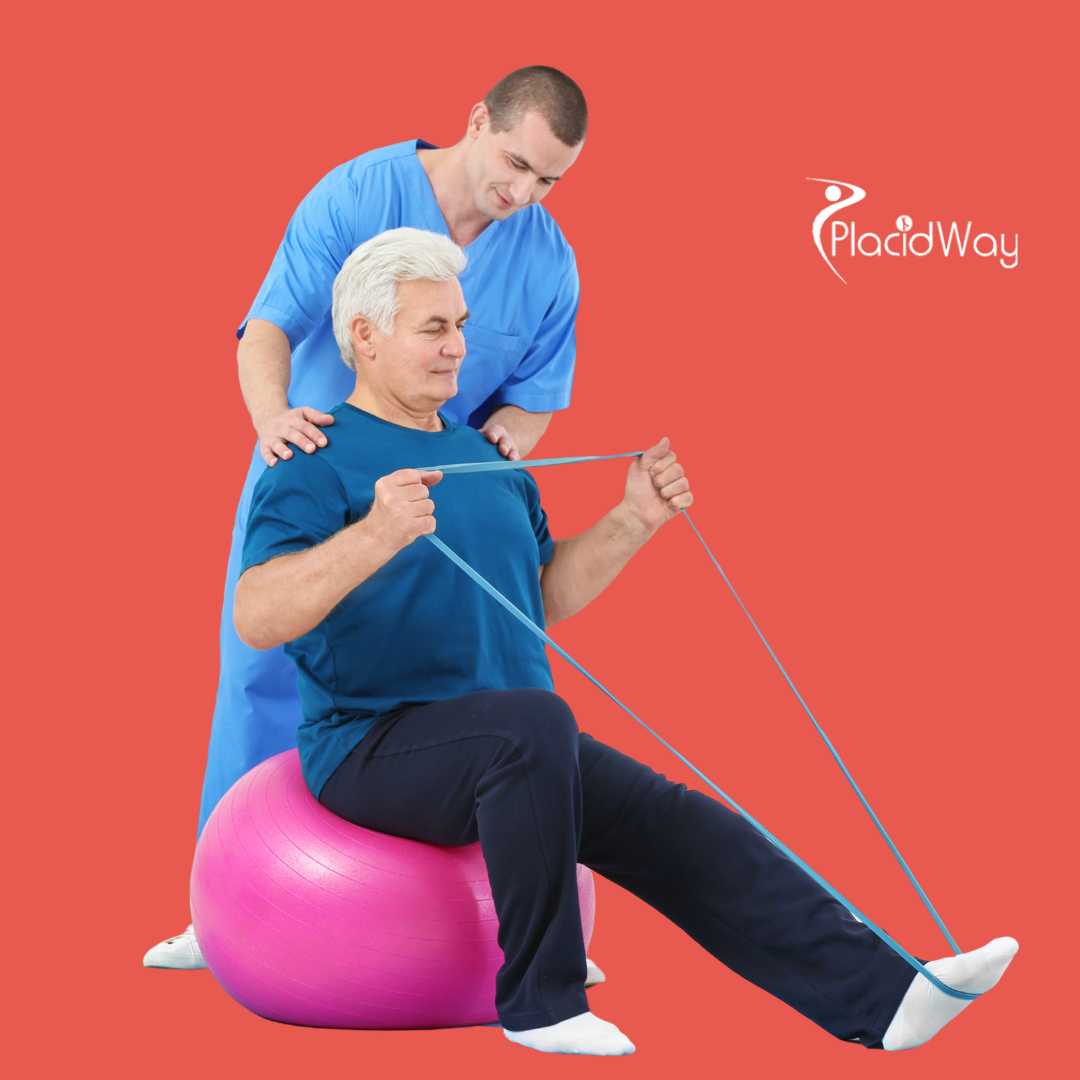
Cardiac rehabilitation is a medically supervised program that is essential for a strong recovery. It includes exercise training, education on heart-healthy living (like diet and stress management), and counseling. This program helps you safely regain your strength and confidence, and it's proven to reduce the risk of future heart problems.
What Lifestyle Changes Are Needed After Surgery?
The surgery gives you a second chance, but it's up to you to make it last. The underlying condition—atherosclerosis—can still form new blockages in your arteries and even in the new grafts if you don't make significant lifestyle changes. Your long-term success depends on your commitment to:
- Heart-Healthy Diet: Focus on fruits, vegetables, whole grains, and lean proteins while limiting saturated fats, salt, and sugar.
- Regular Physical Activity: Aim for at least 30 minutes of moderate exercise most days of the week, as approved by your doctor.
- Smoking Cessation: Quitting smoking is the single most important thing you can do for your heart health.
- Medication Adherence: You will likely be on medications for the rest of your life to manage blood pressure, cholesterol, and prevent blood clots.
Will I Be Able to Live a Normal Life After Bypass Surgery?
Life after bypass surgery is often better than life before. With symptoms like chest pain and shortness of breath gone, you can get back to doing the things you love. The recovery period requires patience, but the long-term payoff is immense. Many people report feeling younger and more energetic than they have in years.
The key is to follow your doctor's advice, participate in cardiac rehab, and embrace a healthier lifestyle. Doing so will help ensure your bypass grafts last for many years, allowing you to enjoy a long, active, and fulfilling life.
Take the Next Step with PlacidWay
Ready to restore your heart's health at an affordable cost? Your journey to a more active and pain-free life is just a click away. Explore top-rated international clinics, compare prices, and get a free, personalized quote for your Coronary Artery Bypass Surgery with PlacidWay. Let us help you plan a seamless and successful medical travel experience. Start your transformation today!
Heart Surgery Abroad, Cardiac Care Abroad




-Package-in-Ahmedabad-India-by-House-of-Dontics.jpg)




.png)









Share this listing