
Stem Cell Therapy for Knee Osteoarthritis in Japan: Protocol & Clinical Evidence
An in-depth guide on intra-articular autologous adipose-derived mesenchymal stem cell (ADSC) treatments, biological mechanisms, and high-dose clinical protocols.
At a Glance
Stem Cell Therapy in Japan for knee osteoarthritis uses intra-articular injections of adipose-derived mesenchymal stem cells (ADSCs). This non-surgical regenerative treatment is designed primarily for patients with Kellgren-Lawrence Grade I–III knee osteoarthritis who are exploring an alternative to conventional symptom-management treatments or surgery.
In this video and guide, learn how stem cells may support the knee through four biological mechanisms, what the cited 2025 meta-analysis reports about treatment outcomes, how results differ by Kellgren-Lawrence grade, and how Japan's regulated regenerative medicine framework applies to treatment.
At Cell Grand Clinic in Osaka, Japan, stem cells are cultured from a patient's own adipose tissue for approximately seven weeks. The clinic's protocol uses autologous cells and provides up to 100 million cultured cells for intra-articular knee injection.
What Is Stem Cell Therapy for Knees and Knee Osteoarthritis?
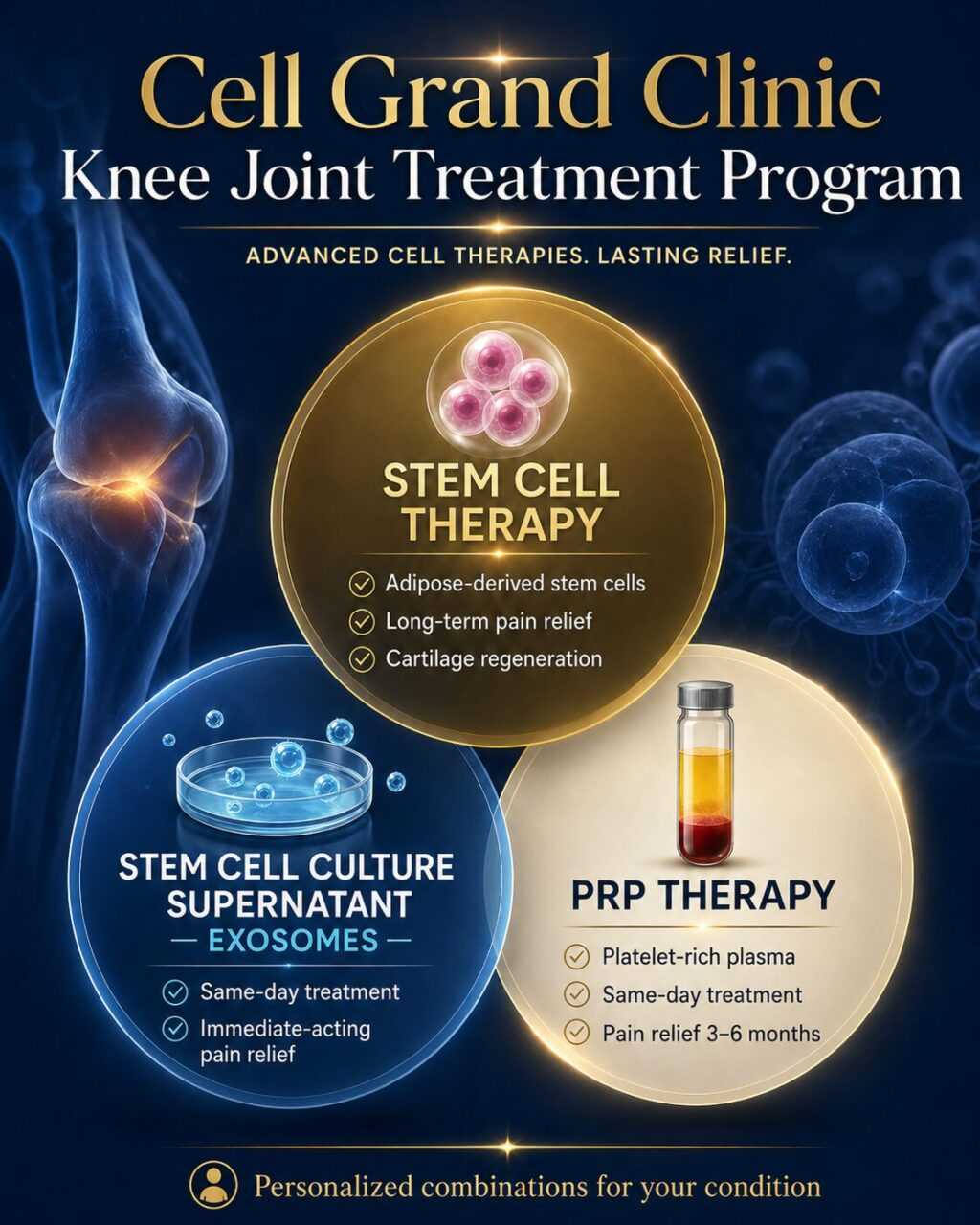
Stem cell therapy for knee osteoarthritis involves injecting mesenchymal stem cells directly into the knee joint. At Cell Grand Clinic, the treatment uses adipose-derived stem cells obtained from the patient's own fat tissue.
The goal is to influence the biological environment inside the joint by reducing inflammatory activity, supporting cartilage cells, and promoting regenerative signaling.
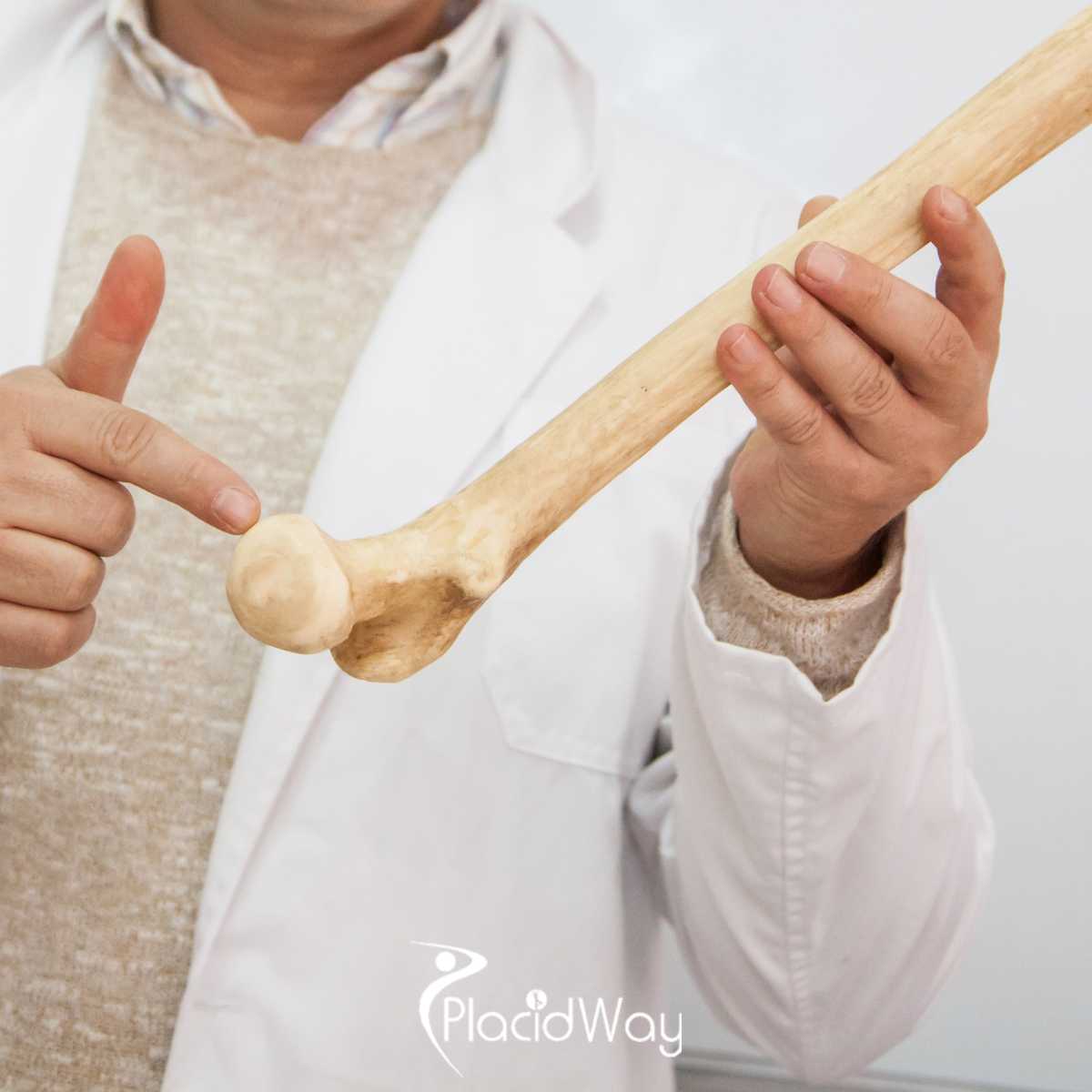
Knee osteoarthritis develops as the protective cartilage covering the ends of the femur and tibia gradually deteriorates. This process can be accompanied by changes in the underlying bone, inflammation of the joint lining, pain, stiffness, and reduced mobility.
Approximately 240 million people worldwide live with osteoarthritis of the knee, and symptomatic and radiographic knee osteoarthritis is common among older adults, according to the 2021 JAMA review by Katz, Arant, and Loeser.
Unlike treatments designed mainly to manage symptoms, stem cell therapy is being studied for its potential biological effects within the joint. Hyaluronic acid primarily supports lubrication, while PRP supplies growth factors. Mesenchymal stem cells can release anti-inflammatory cytokines and trophic factors that may continue influencing the joint environment after injection.
A 2025 meta-analysis by Cao, Ou, Sheng et al. reviewed 502 patients across eight randomized controlled trials. The analysis reported improvements in WOMAC pain and function measures following intra-articular MSC treatment at six and 12 months.
The evidence cited on this page is strongest for patients with early-to-moderate knee osteoarthritis, particularly Kellgren-Lawrence Grades II–III. In severe Grade IV disease, stem cell therapy may help some patients with symptoms, but it cannot reconstruct a structurally collapsed joint.

When Conservative Knee Osteoarthritis Treatment Is No Longer Enough
Patients with knee osteoarthritis often begin with conservative treatments such as NSAIDs, hyaluronic acid injections, corticosteroid injections, exercise, and other non-surgical approaches.
For some patients, these options eventually provide less relief or become unsuitable for continued use. At that stage, the next discussion may involve either another non-surgical treatment approach or knee replacement surgery.
Stem cell therapy occupies this space between conventional symptom management and major surgery.
The 2025 Cao meta-analysis cited on this page reported statistically significant improvement in WOMAC measurements at both six and 12 months after MSC treatment. The analysis also reported differences according to cell source and dose.
Stem cell treatment is not suitable for every patient and does not guarantee a particular outcome. Candidacy depends on factors including the severity of osteoarthritis, remaining joint structure, medical history, previous treatments, and individual treatment goals.
Doctors commonly classify knee osteoarthritis using the Kellgren-Lawrence grading system, which evaluates X-ray findings from Grade I through Grade IV.
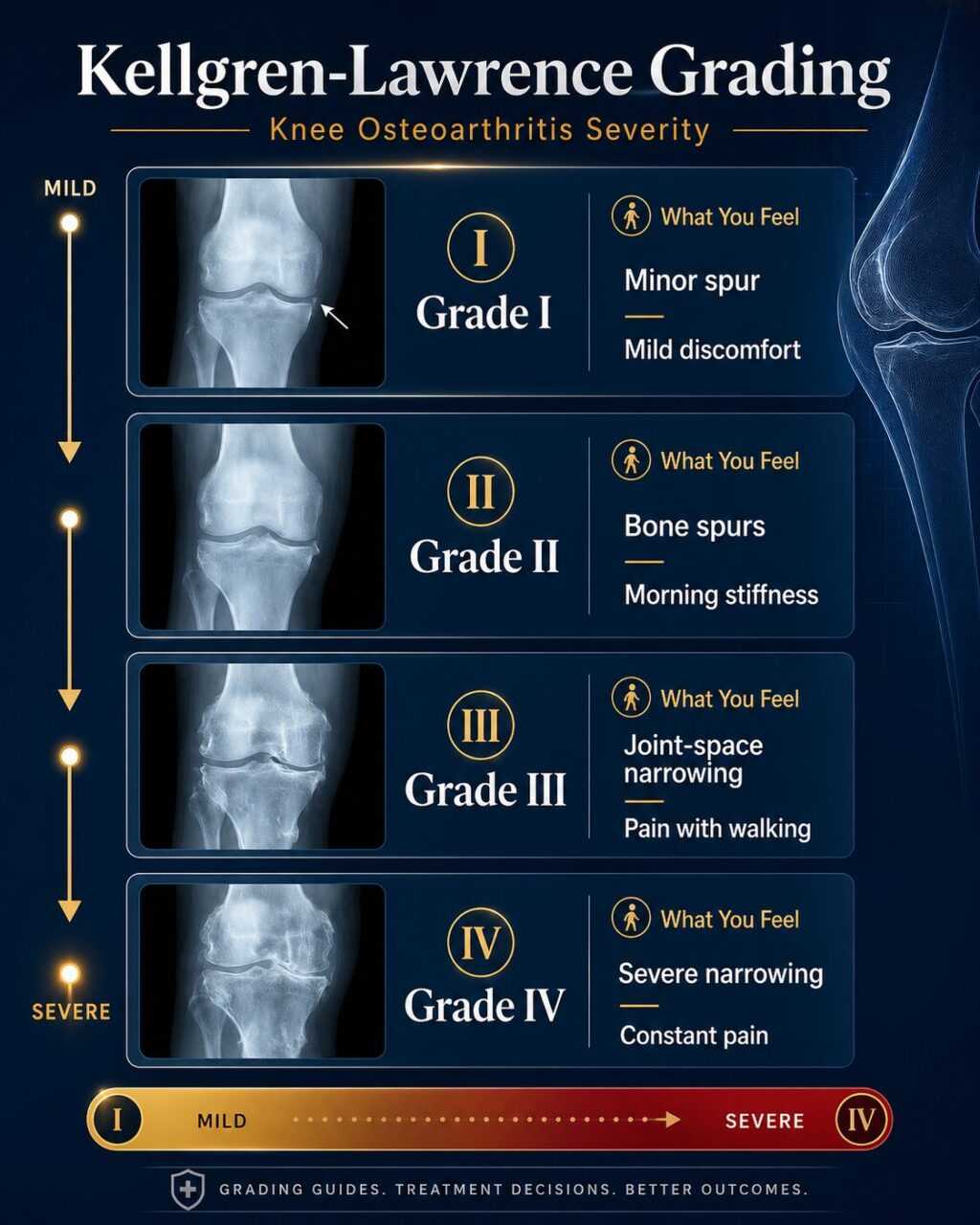
Patients with Kellgren-Lawrence Grade II–III osteoarthritis generally have the strongest indication within the treatment approach described on this page because enough joint structure remains to potentially benefit from regenerative signaling. Some Grade IV patients may also experience symptomatic improvement, although advanced structural damage limits what stem cell therapy can achieve.
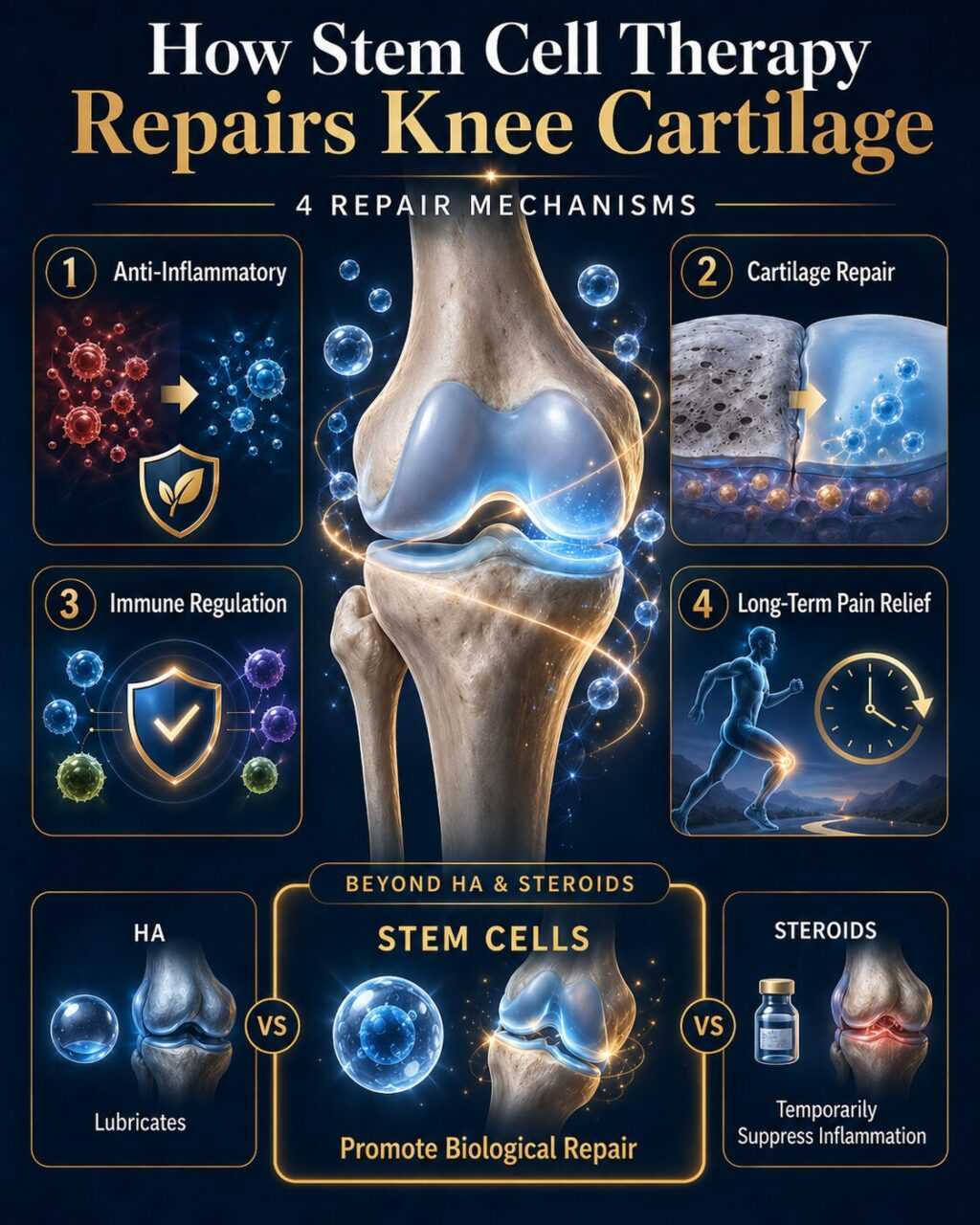
How Stem Cell Therapy May Help Knee Osteoarthritis: 4 Mechanisms
Mesenchymal stem cells are studied for several biological effects that may influence knee osteoarthritis. The evidence presented on this page focuses on four main mechanisms: inflammation control, cartilage support, immune regulation, and sustained improvement in pain and function.
1. Anti-Inflammatory Action — Calming Joint Inflammation
One proposed mechanism is suppression of inflammatory activity inside the knee joint. Mesenchymal stem cells can release anti-inflammatory mediators including IL-10, TGF-β, and PGE2. These molecules may help regulate inflammatory pathways associated with osteoarthritis pain. This mechanism is discussed in the 2020 review by Song, Scholtemeijer, and Shah published in Trends in Pharmacological Sciences.
2. Cartilage Protection & Signaling
MSCs also release trophic factors that may support the survival and activity of chondrocytes, the cells responsible for maintaining cartilage. These signals may encourage matrix production while reducing enzymes involved in cartilage breakdown. A 2023 review by Copp, Robb, and Viswanathan evaluated clinical studies involving MSC treatment and reported evidence of cartilage protection or repair in a number of the studies reviewed.
3. Immune System Regulation
Another proposed mechanism is immune modulation. Mesenchymal stem cells may influence the local immune environment inside the joint, shifting it away from persistent inflammatory activity and toward a more regulated state. This may help explain why some clinical effects are observed beyond the immediate period after injection.
4. Sustained Improvement in Pain & Function
Clinical studies cited on this page have reported improvements in knee pain and function after MSC treatment. The 2025 Cao meta-analysis reported significant WOMAC pain improvements at six and 12 months. A separate five-year follow-up study published by Kim, Lee, Kim et al. in Stem Cells Translational Medicine in 2022 also reported long-term pain and functional improvement following a single high-dose autologous adipose-derived MSC injection.
Individual treatment response can vary.
Does Stem Cell Therapy Work for Knee Osteoarthritis?
A 2025 meta-analysis of eight randomized controlled trials involving 502 patients evaluated intra-articular mesenchymal stem cell injections for knee osteoarthritis.
The analysis reported statistically significant improvements in several pain and function measures at six and 12 months.
Cao 2025 Meta-Analysis: WOMAC, VAS and Safety Outcomes
| Outcome Measure | 6-Month Result | 12-Month Result | P-Value |
|---|---|---|---|
| Total WOMAC | MD = 7.44 (95% CI 1.45–13.42) | MD = 10.31 (95% CI 0.96–19.67) | P=0.01 / P=0.03 |
| WOMAC Pain | MD = 1.13 | MD = 1.03 | P=0.001 / P=0.04 |
| WOMAC Stiffness | MD = 0.49 | MD = 0.65 | P=0.01 / P=0.04 |
| WOMAC Function | MD = 3.36 | MD = 0.82 (ns) | P=0.006 / P=0.76 |
| 100-mm VAS Pain | MD = 19.39 | MD = 16.21 | P=0.0008 / P=0.0003 |
| Adverse Events vs Control | No significant difference | — | P=0.21 |
| Serious Adverse Events vs Control | No significant difference | — | P=0.69 |
Source: Cao M, Ou Z, Sheng R, et al. Stem Cell Research & Therapy. 2025.
The analysis included patients receiving intra-articular MSC injections without surgical treatment. Across the pooled studies, patients receiving MSC therapy showed improvements in total WOMAC scores and several pain, stiffness, and function measures.
Safety was also evaluated. The meta-analysis reported no statistically significant difference in overall adverse events or serious adverse events between MSC and control groups.
These findings are encouraging, but they should not be interpreted as a guarantee of improvement for every patient. Results depend on disease severity, cell source, treatment dose, individual biology, and other clinical factors.
Stem Cell Therapy Outcomes by Kellgren-Lawrence Grade
The severity of knee osteoarthritis can influence how a patient responds to treatment.
| KL Grade | Disease Stage | Reported Treatment Response | Evidence Highlight | Treatment Consideration |
|---|---|---|---|---|
| Grade I | Early disease | Favorable long-term potential | Cao 2025; Kim 2022 | May be considered alongside weight management and exercise |
| Grade II | Mild disease | Favorable | Cao 2025; Kim 2022 | Strong candidate group within the described protocol |
| Grade III | Moderate disease | Strong RCT evidence | Kim 2023 Phase III RCT | Important treatment group |
| Grade IV | Severe / bone-on-bone | Primarily symptomatic benefit | Cao 2025; Kim 2022 | Consider individually; surgery may remain more appropriate for some patients |
Sources: Cao M et al. 2025; Kim KI et al. 2023; Kim KI et al. 2022.
KL Grade I–II — Early Knee Osteoarthritis
In early-stage knee osteoarthritis, joint structure remains relatively well preserved. Because cartilage is still present, regenerative approaches may have a more favorable biological environment in which to work. Treatment may be combined with appropriate exercise, weight management, and other conservative strategies.
KL Grade III — Moderate Knee Osteoarthritis
Kellgren-Lawrence Grade III is supported by the Phase III randomized controlled trial cited on this page. The 2023 multicenter, double-blind, placebo-controlled study involved 261 patients with symptomatic Grade III knee osteoarthritis. It reported greater improvements in VAS pain and total WOMAC scores with autologous culture-expanded ADMSCs than with placebo at the six-month primary endpoint.
KL Grade IV — Severe or Bone-on-Bone Knee Osteoarthritis
Stem cell therapy cannot rebuild a completely collapsed knee joint. For patients with Grade IV osteoarthritis, treatment may still be considered for symptom management in selected situations, particularly when surgery is declined or is not appropriate. For patients with severe deformity who are suitable candidates for total knee replacement, surgery may provide a more appropriate long-term treatment option.
How Many Stem Cells Are Used for Knee Osteoarthritis?
Cell dose is one of the variables evaluated in stem cell research for knee osteoarthritis.
The 2025 Cao meta-analysis reported stronger WOMAC improvements in its high-dose subgroup than in the lower-dose subgroup.
| Dose Tier | Cells per Knee | 6-Month WOMAC Effect | 12-Month WOMAC Effect | Interpretation |
|---|---|---|---|---|
| Low | 10–64 million | MD = 3.20 (P=0.16) | MD = 4.84 (P=0.03) | More limited pooled effect |
| High | ≥100 million | MD = 8.14 (P=0.002) | MD = 14.25 (P<0.0001) | Stronger pooled improvement |
| Cell Grand Clinic protocol | Minimum 100 million ADSCs per knee | Uses high-dose protocol | Uses high-dose protocol | Grand Stem Cell protocol |
Source: Cao M, Ou Z, Sheng R, et al. Stem Cell Research & Therapy. 2025.
Mesenchymal stem cells exert much of their biological activity through signaling molecules released into the surrounding tissue. Cell dose may therefore influence the strength and duration of those biological signals.
Earlier Phase I research has also examined lower-dose protocols. A 2016 study by Pers, Rackwitz, Ferreira et al. evaluated 2 million, 10 million, and 50 million autologous adipose-derived stem cell doses in patients with severe knee osteoarthritis and reported clinical improvement without serious adverse events across the studied cohorts.
Cell Grand Clinic's protocol uses a minimum of 100 million quality-verified ADSCs per knee.
Share your medical information and begin your personalized consultation process at Cell Grand Clinic.
Request a Consultation with Dr. Yuichi Wakabayashi in JapanADSC vs BMAC vs Donor-Derived Stem Cells for Knee Osteoarthritis
Stem cell treatment protocols can differ by tissue source, donor status, processing method, and cell dose.
The treatment described on this page uses autologous cultured adipose-derived stem cells, meaning the cells originate from the patient's own fat tissue.
Sources: Cao M et al. 2025; Pers YM et al. 2016; Sun H et al. 2024.
In the Cao 2025 subgroup analysis cited on this page, adipose-derived MSCs showed statistically significant improvement in six-month WOMAC measurements, while the bone-marrow MSC subgroup did not reach statistical significance.
Adipose tissue also provides a practical source of cells because it can be collected through a relatively brief outpatient procedure.
A 2024 study by Sun, Zhai, Han et al. examined relationships between autologous AD-MSC characteristics and clinical outcomes, including cellular stemness and senescence.
Cell Grand Clinic uses cultured autologous ADSCs rather than donor-derived stock cells for its knee osteoarthritis protocol.
Autologous Stem Cell Therapy in Japan and MHLW Oversight
Regenerative medicine in Japan is regulated under the Act on the Safety of Regenerative Medicine.
Under this framework, regenerative medicine treatment plans are reviewed according to risk classification and providers must comply with requirements relating to treatment planning, cell processing, informed consent, traceability, and safety reporting.
- Type I: Higher-risk regenerative medicine involving modalities such as pluripotent or genetically modified cells.
- Type II: Regenerative medicine involving cultured cells and other moderate-to-higher-risk applications.
- Type III: Lower-risk regenerative medicine involving certain minimally processed autologous cells.
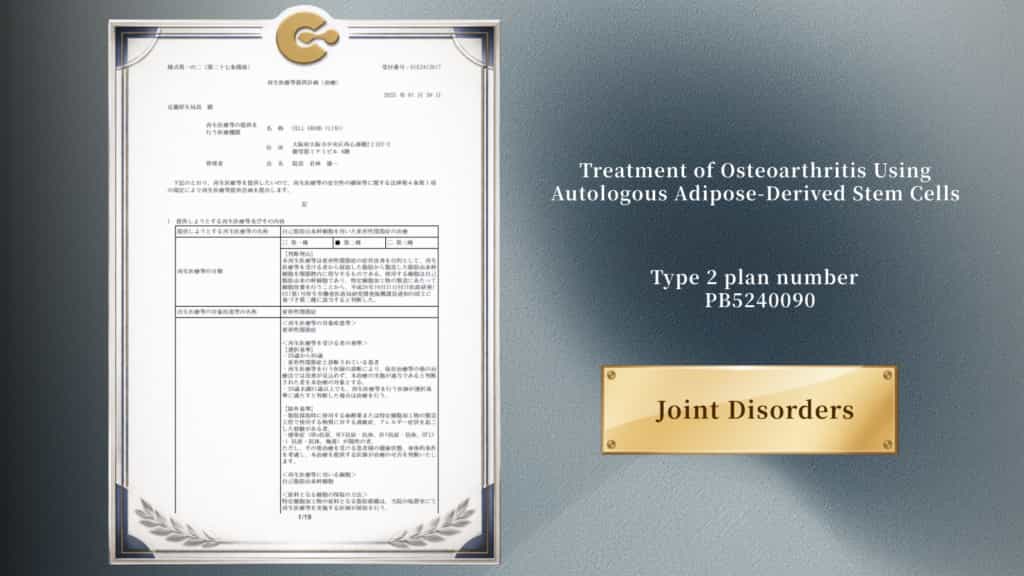
Cell Grand Clinic states that it has 15 MHLW-notified treatment plans, including 10 Type II plans and three Type III plans.
Its knee osteoarthritis treatment uses cultured autologous adipose-derived stem cells within this regulatory framework.
For international patients comparing stem cell treatment options, regulatory oversight, cell source, processing standards, dose, viability, traceability, and physician experience are important factors to review.
Cell Grand Clinic in Osaka — Grand Stem Cell Protocol
Cell Grand Clinic in Osaka provides autologous adipose-derived stem cell treatment for knee osteoarthritis under Japan's regenerative medicine framework.
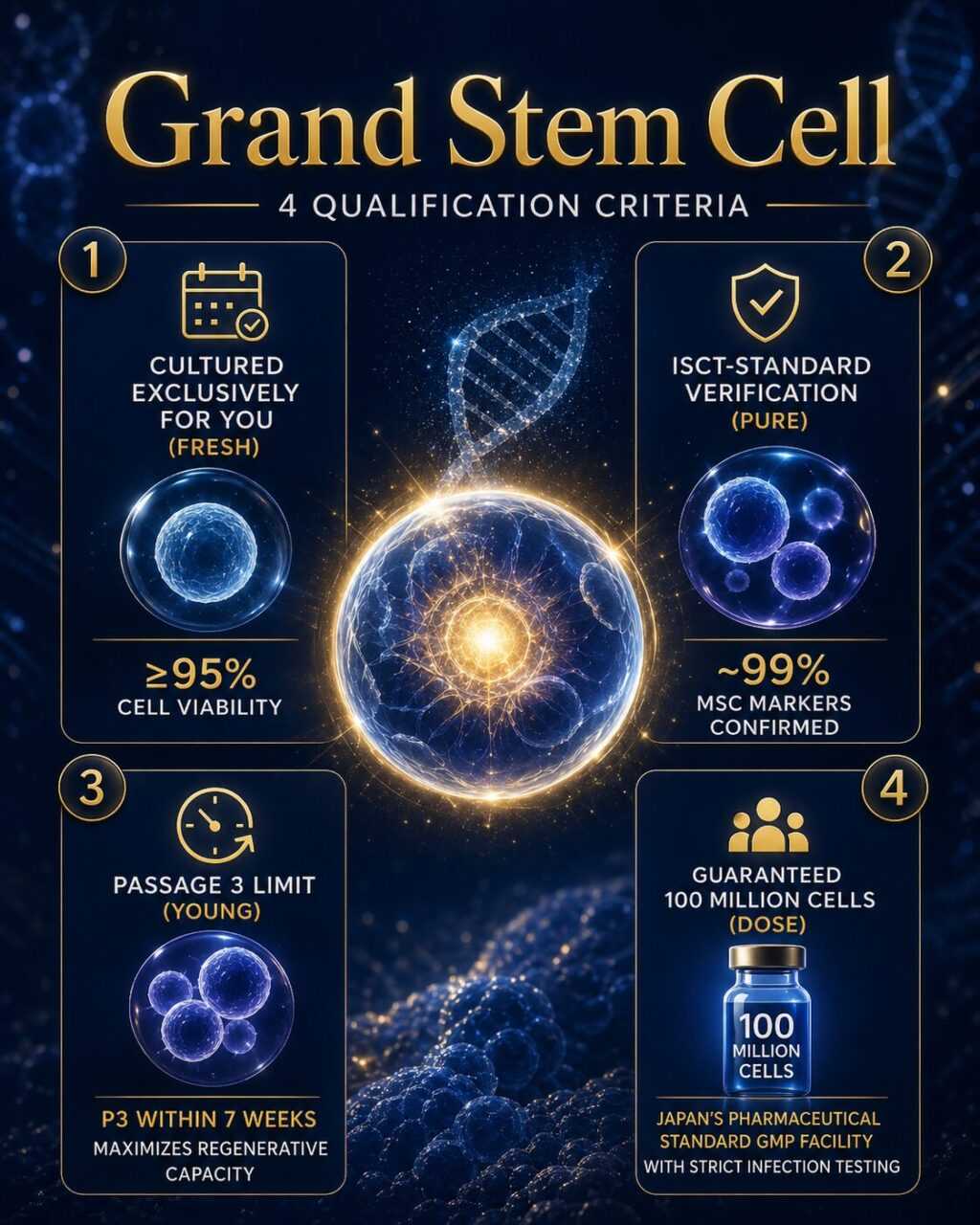
The clinic describes its Grand Stem Cell protocol around four quality standards: Fresh, Pure, Young, and Dose.
Grand Stem Cell — Four Quality Standards
Cells are cultured from the patient's own adipose tissue during an approximately seven-week culture period. Each cell preparation is produced for the individual patient rather than pooled across patients.
The clinic states that cell surface-marker testing follows International Society for Cell & Gene Therapy criteria. The protocol evaluates markers including CD73, CD90, and CD105 and checks for the absence of hematopoietic markers such as CD45 and CD34.
Cell Grand Clinic limits its cultured stem cells to Passage 3 or below. This approach is intended to preserve cellular characteristics during expansion and is consistent with the clinic's emphasis on cell quality.
The clinic states that viability is checked before administration and that its protocol provides a minimum of 100 million cells per treated knee. Each patient receives a Certificate of Quality documenting quality-control measurements.
Dr. Yuichi Wakabayashi — Regenerative Medicine Physician
Dr. Yuichi Wakabayashi, M.D., Ph.D., is the physician identified on this page as responsible for treatment at Cell Grand Clinic.
According to the clinic information provided, Dr. Wakabayashi is certified by the American Board of Regenerative Medicine, has NIH training experience, and has managed more than 3,000 stem cell cases involving patients from approximately 20 countries.
He is involved in the patient pathway from consultation and fat harvest through treatment and follow-up.
The page also states that he has authored six peer-reviewed English-language publications.
Cell Grand Clinic is identified as a Medical Excellence JAPAN member clinic and has been featured in The Wall Street Journal in 2025.
15 MHLW-Notified Treatment Plans
Cell Grand Clinic states that it holds 13 regenerative medicine treatment plans, including Type II and Type III plans.
Its knee osteoarthritis protocol is provided within Japan's regulated regenerative medicine system.
Patients considering treatment should review the specific protocol, cell source, quality-control procedures, expected benefits, limitations, and potential risks with the treating physician before proceeding.
Knee Stem Cell Treatment Process at Cell Grand Clinic
The knee stem cell treatment process described by Cell Grand Clinic involves four main steps and two visits to Osaka, followed by remote follow-up.
Patients first consult directly with Dr. Wakabayashi. The consultation includes review of medical history, X-rays or MRI, assessment of Kellgren-Lawrence grade, previous treatments, and suitability for the procedure.
During the first visit to Osaka, a small amount of adipose tissue is collected, typically from the abdomen, under local anesthesia as an outpatient treatment lasting approximately 30 minutes. PRP or exosome therapy may also be discussed.
The patient's adipose-derived stem cells are expanded under regulated Cell Processing Center conditions, targeting a minimum of 100 million cells while keeping the culture within Passage 3.
After culture is complete, the patient returns to Osaka for outpatient injection of the prepared stem cells directly into the knee joint without requiring hospitalization.
According to the information provided on this page, some patients may begin noticing improvement in pain several weeks after injection, with further changes developing over subsequent months. Individual response and recovery vary.
Remote follow-up is available at approximately 1, 3, and 6 months to monitor symptoms, range of motion, and return to activity.
Who May Be a Candidate for Knee Stem Cell Therapy?
Stem cell therapy may be considered for selected patients with knee osteoarthritis after clinical evaluation.
Patients described as potential candidates on this page include:
- Patients with Kellgren-Lawrence Grade II–III knee osteoarthritis, where moderate degeneration is present but meaningful joint structure remains.
- Patients who no longer receive lasting relief from treatments such as hyaluronic acid, steroid injections, NSAIDs, or PRP.
- Active patients who want to preserve mobility and continue activities such as golf, tennis, hiking, or regular exercise.
- Patients who prefer to explore non-surgical treatment before considering knee replacement.
- Selected patients with more advanced osteoarthritis who cannot undergo surgery or prefer not to proceed with knee replacement.
Treatment suitability should be determined individually after review of imaging, symptoms, medical history, and previous treatment response.
Have Dr. Wakabayashi Review Your Knee Osteoarthritis Case
If you are considering stem cell therapy for knee osteoarthritis in Japan, you can submit your medical history, current treatments, X-rays, or MRI for review.
Dr. Wakabayashi reviews international patient inquiries and provides feedback on treatment feasibility, the recommended protocol, and pricing based on the individual case.
Request a Case Review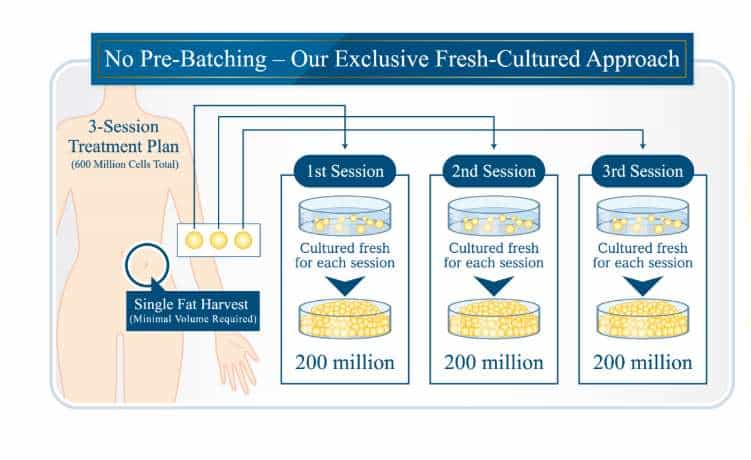
Stem Cell Gallery at Cell Grand Clinic




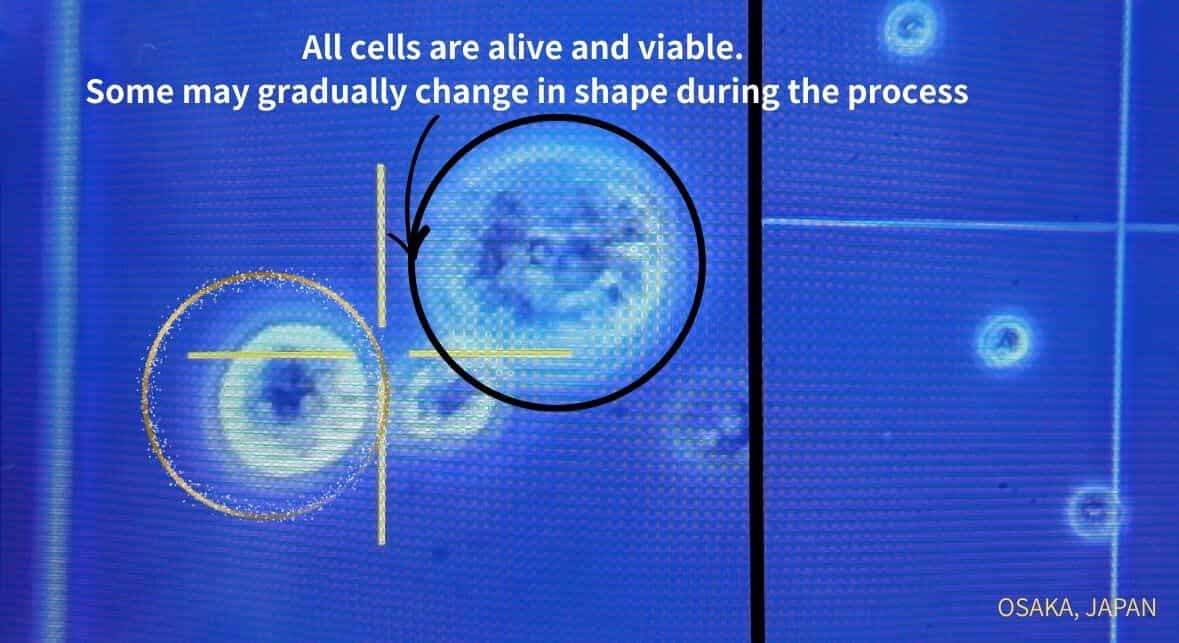
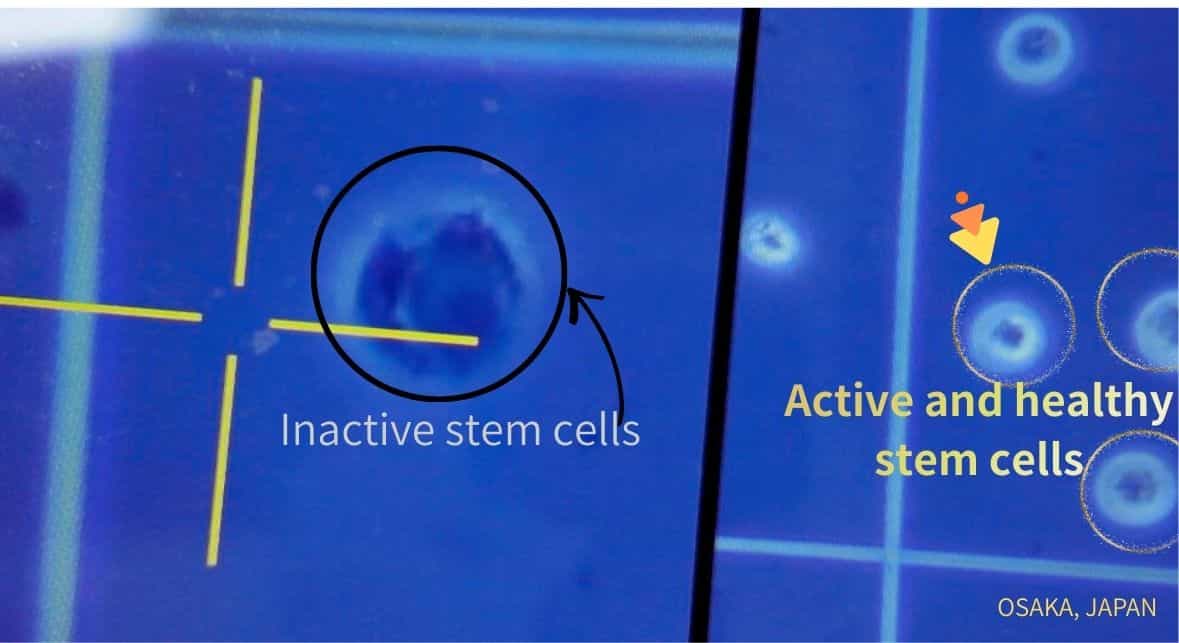

Knee Pain Cases
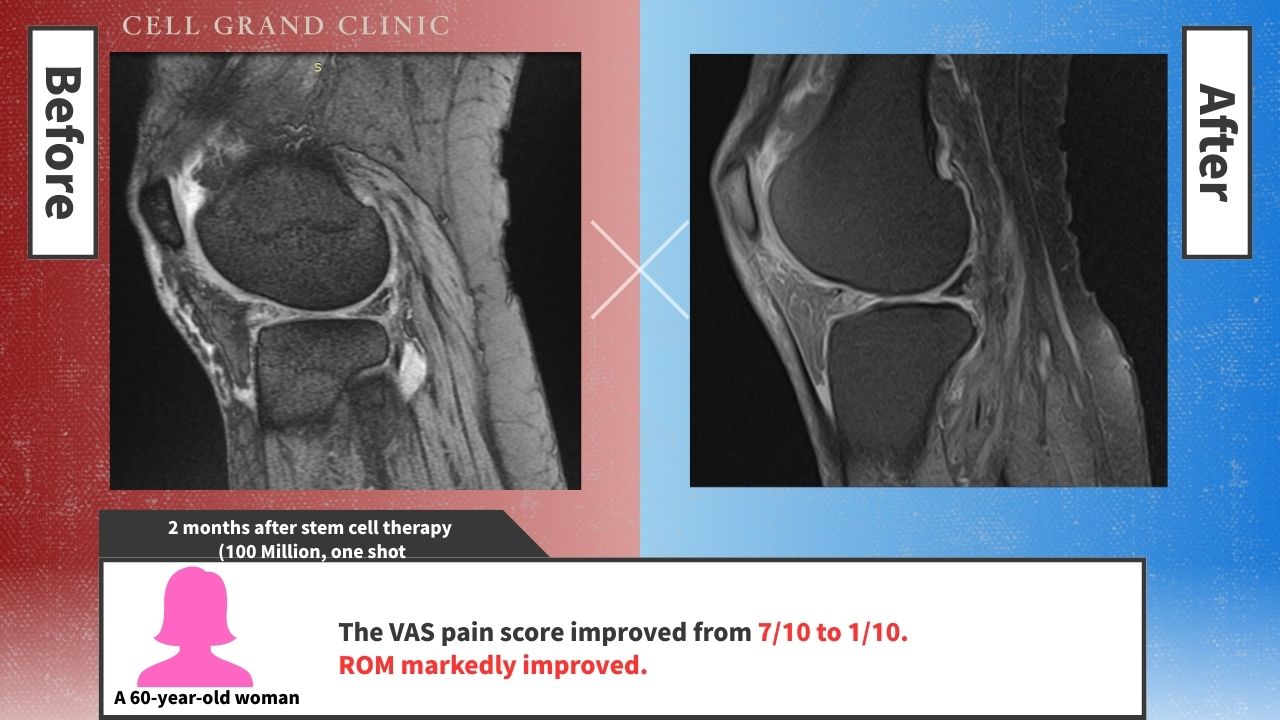
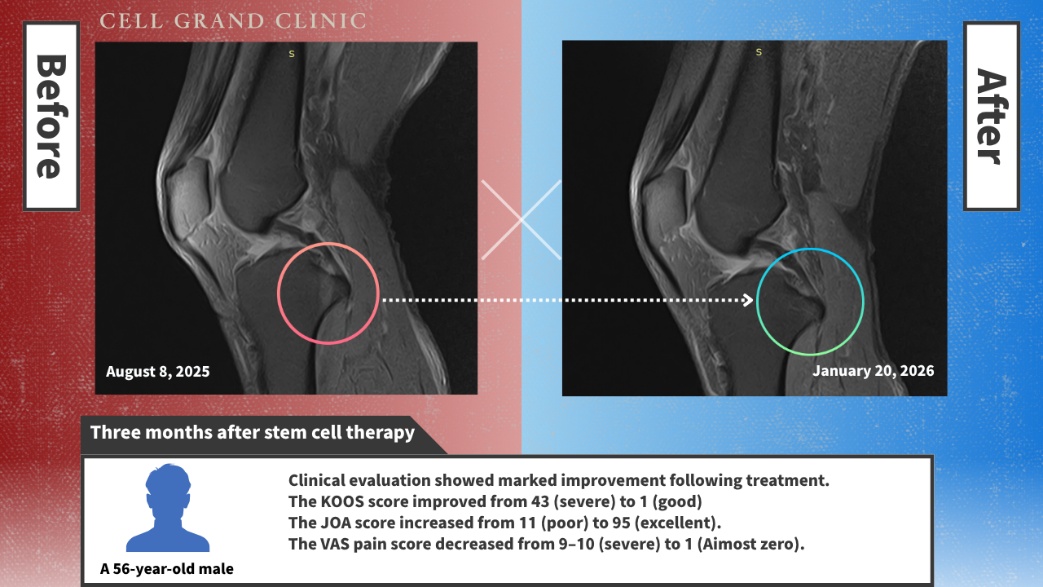
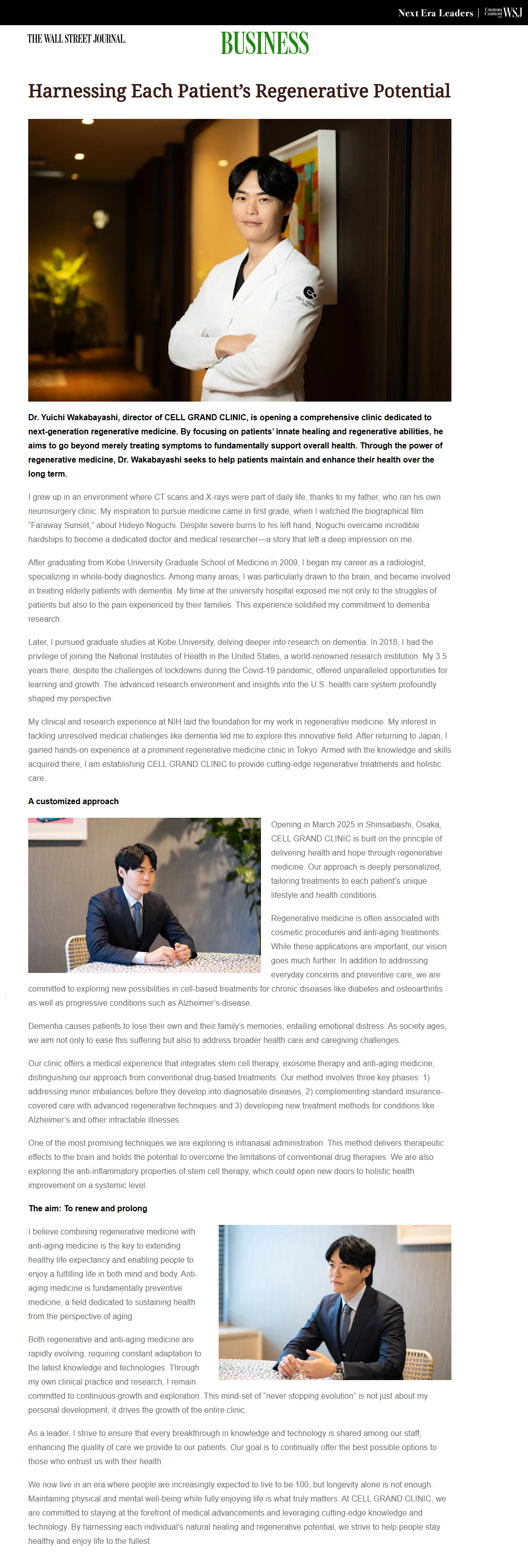
Cell Grand Clinic has earned international recognition for its leadership in regenerative medicine and commitment to advancing patient-centered care. The clinic's founder, Dr. Yuichi Wakabayashi, was featured in the Business section of The Wall Street Journal, highlighting his pioneering work and innovative vision in the field of regenerative medicine.
Further demonstrating its dedication to clinical excellence, the clinic's leadership holds the prestigious American Board of Regenerative Medicine Certificate, reinforcing its reputation as an Advanced Stem Cell Clinic in Japan. Adding to these achievements, Cell Grand Clinic was recognized by Healthcare Business Review APAC as a Top Regenerative Medicine Solution in APAC for 2026, reflecting its growing influence and excellence in delivering cutting-edge regenerative healthcare solutions.
Recognized by Healthcare Business Review APAC as a Top Regenerative Medicine Solution in APAC (2026).


The Wall Street Journal Feature Dr. Yuichi Wakabayashi
Peer-Reviewed Publication
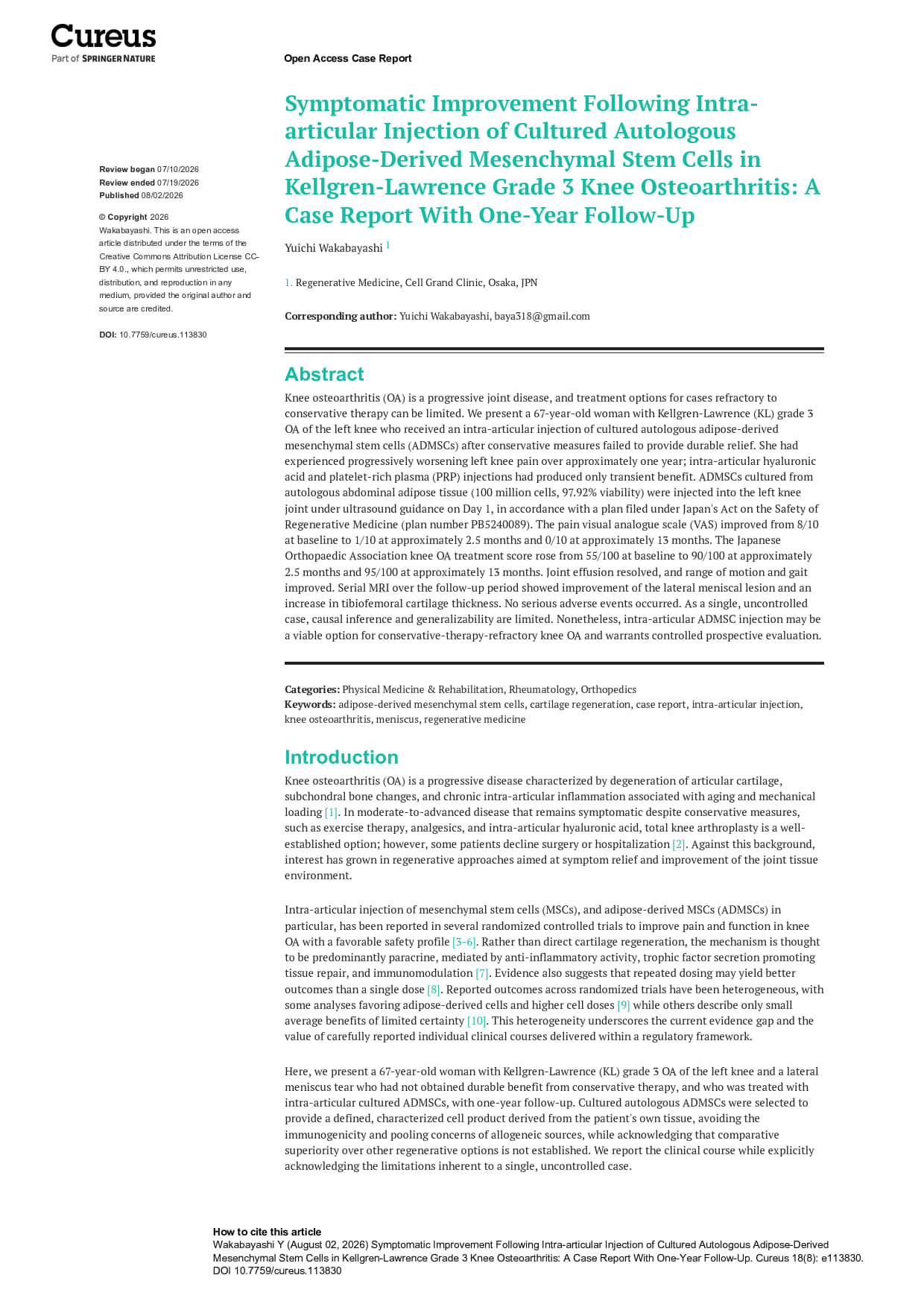
Reflecting this commitment to transparency, Dr. Wakabayashi’s one-year outcome report on adipose-derived stem cell therapy for knee osteoarthritis was published in the peer-reviewed medical journal Cureus in 2026 (DOI: 10.7759/cureus.113830), adding independently verifiable clinical documentation to the clinic’s growing body of research.
Symptomatic Improvement Following Intra-articular Injection of Cultured Autologous Adipose-Derived Mesenchymal Stem Cells in Kellgren-Lawrence Grade 3 Knee Osteoarthritis: A Case Report With One-Year Follow-Up
 Page 1
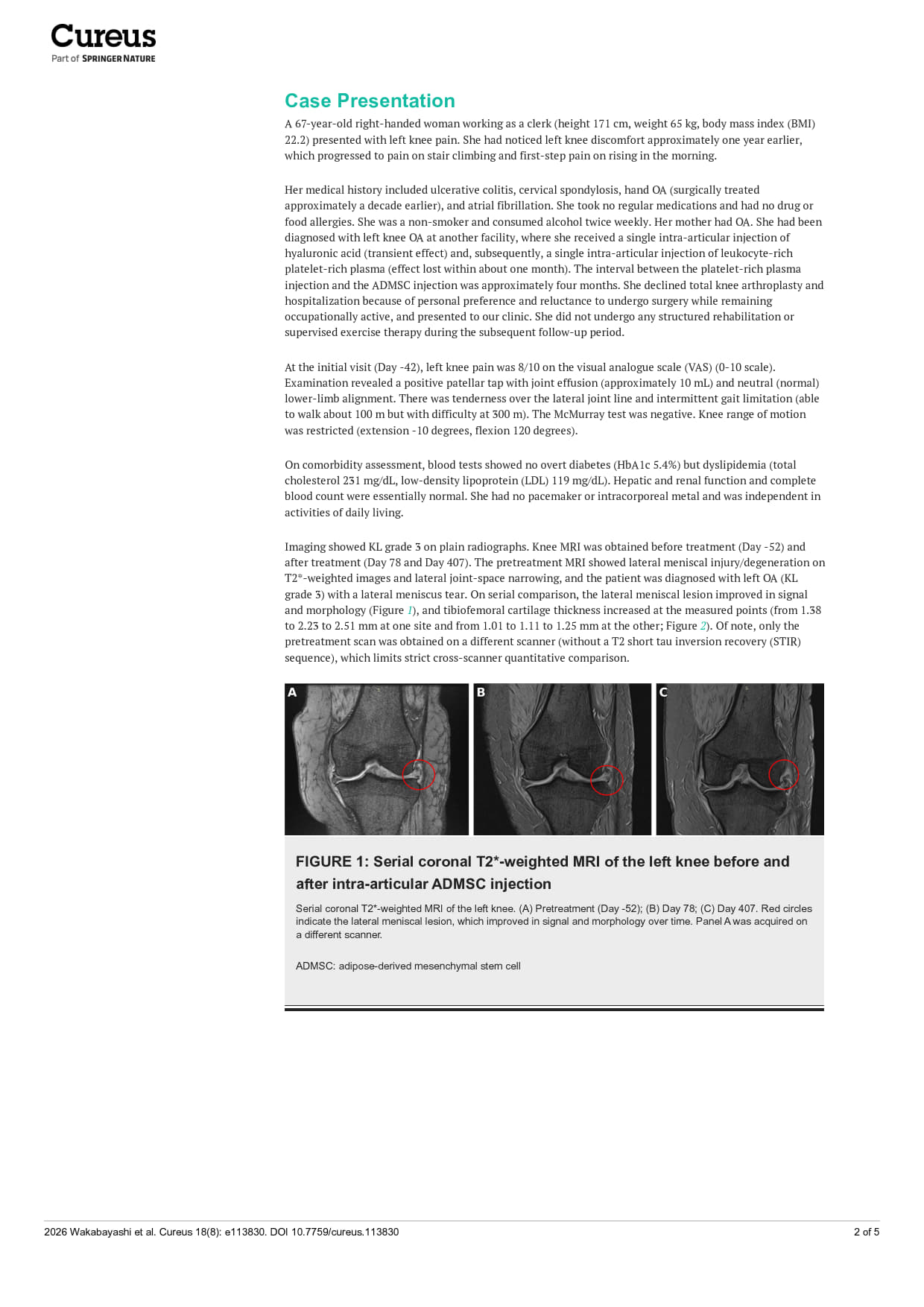 Page 2
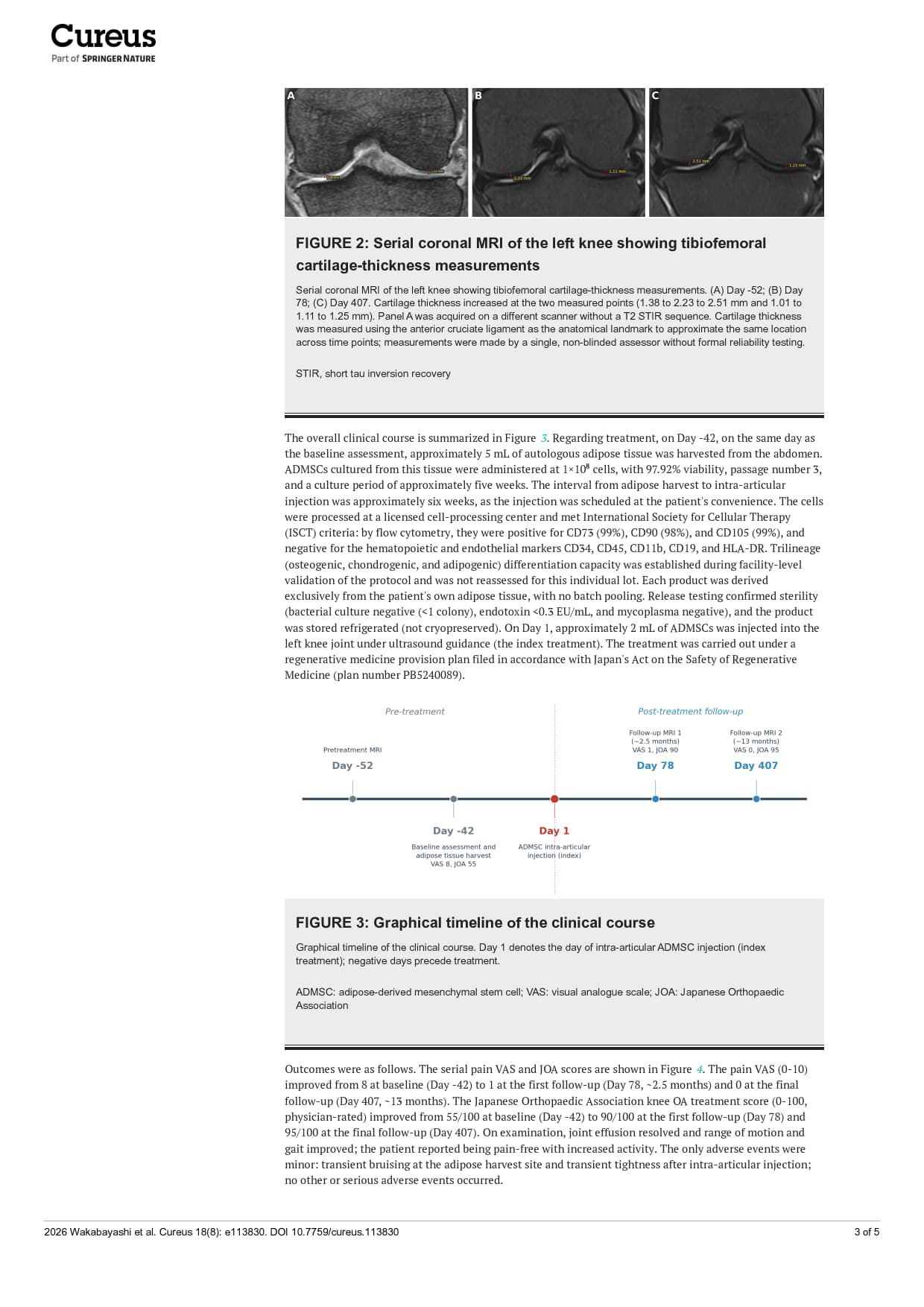 Page 3
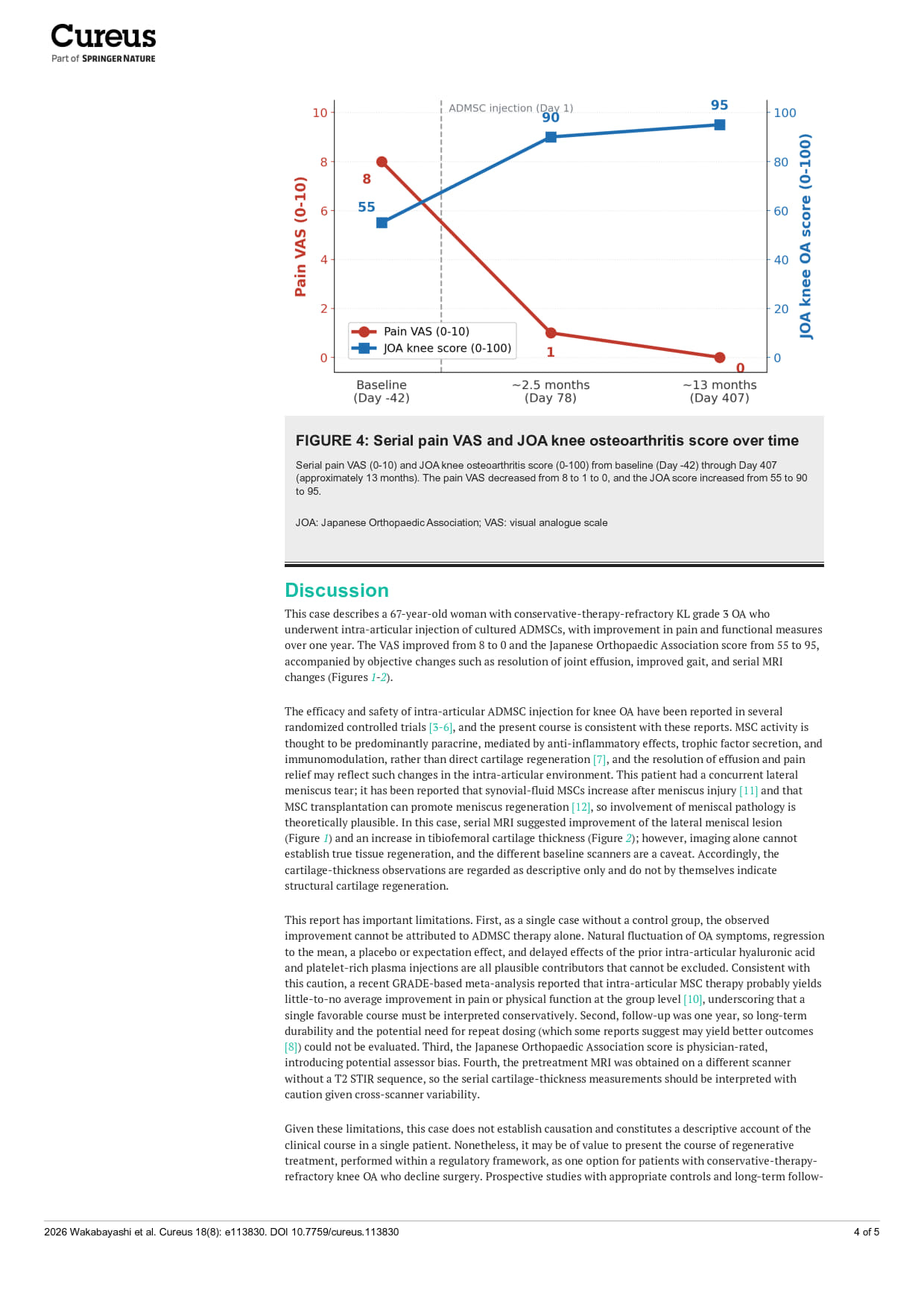 Page 4
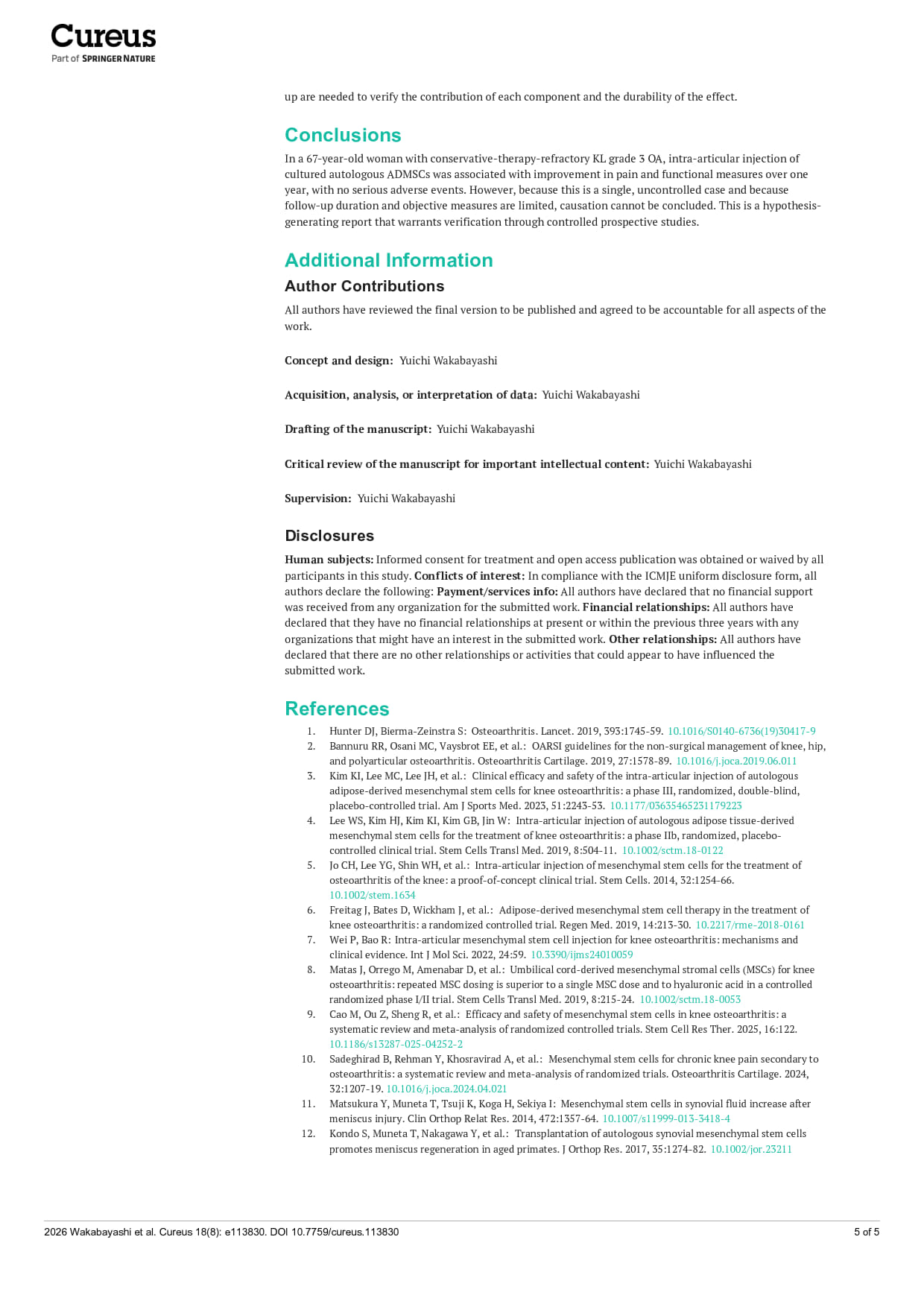 Page 5
Author: Yuichi Wakabayashi
Affiliation: Regenerative Medicine, Cell Grand Clinic, Osaka, Japan
Journal: Cureus
Year: 2026
Volume/Issue: 18(8)
Article: e113830
DOI: 10.7759/cureus.113830
Frequently Asked Questions About Stem Cell Therapy for Knee Osteoarthritis in Japan
Q1: Can stem cell therapy help knee osteoarthritis?
Clinical studies cited on this page report improvements in pain and function following intra-articular mesenchymal stem cell treatment for knee osteoarthritis. A 2025 meta-analysis of eight randomized controlled trials involving 502 patients reported significant improvement in WOMAC measurements at six and 12 months. Treatment response can vary according to Kellgren-Lawrence grade, cell source, dose, and individual patient factors.
Q2: How much does stem cell therapy for knees cost in Japan?
At Cell Grand Clinic in Osaka, the page states that autologous ADSC stem cell therapy for knee osteoarthritis starts from $20,000 USD per session. The described protocol includes 100 million autologous ADSCs, approximately seven weeks of cell culture, quality verification, and follow-up. Final pricing depends on the individual treatment protocol, cell requirements, and whether additional treatments are used.
Q3: What is the success rate of stem cell therapy for knee osteoarthritis?
There is no single success rate that applies to every patient. The 2025 Cao meta-analysis reported statistically significant improvements in WOMAC measurements at six and 12 months, while a 2023 Phase III randomized controlled trial in Grade III knee osteoarthritis reported significantly greater improvements in pain and WOMAC scores with autologous ADMSCs than with placebo. Individual outcomes vary according to disease severity, dose, health status, and other clinical factors.
Q4: How long can the effects of stem cell knee injections last?
The clinical evidence cited on this page reports improvement through at least 12 months in pooled randomized controlled trial data. A separate 2022 follow-up study reported pain and functional improvements lasting up to five years after a single high-dose autologous ADMSC injection. These findings do not mean every patient will experience the same duration of benefit.
Q5: Can stem cell therapy help bone-on-bone knee osteoarthritis?
Stem cell therapy cannot rebuild a completely collapsed joint. In selected patients with Kellgren-Lawrence Grade IV osteoarthritis, it may still be considered for symptom management when knee replacement is not appropriate or is declined. Patients with severe deformity who are suitable surgical candidates should also discuss total knee replacement with an orthopedic specialist.
Q6: Where can I get stem cell therapy for knees in Japan?
Cell Grand Clinic in Osaka provides autologous adipose-derived stem cell therapy for knee osteoarthritis within Japan's regenerative medicine regulatory framework. Its protocol uses cultured cells obtained from the patient's own adipose tissue and includes cell quality verification before administration.
Q7: Is ADSC better than BMAC for knee osteoarthritis?
The 2025 Cao meta-analysis cited on this page reported statistically significant six-month WOMAC improvement in the adipose-derived MSC subgroup, while the bone-marrow MSC subgroup did not show a statistically significant result in that analysis. Treatment choice should still be based on the patient's condition, available evidence, cell-processing protocol, and physician assessment.
Q8: Can international patients receive knee stem cell treatment in Japan?
Yes. Cell Grand Clinic treats international patients and provides direct English-language consultations with Dr. Wakabayashi. The treatment pathway includes pre-travel medical review, two treatment visits to Osaka, and remote follow-up after the stem cell injection.
Q9: Is there an age limit for knee stem cell therapy?
The page does not specify a fixed upper age limit. Cell Grand Clinic reports treating older patients, including people in their 80s. Eligibility depends on overall health, osteoarthritis severity, medical history, imaging findings, cell quality, and the treating physician's assessment rather than age alone.
Explore Stem Cell Therapy for Knee Osteoarthritis in Japan
For selected patients with knee osteoarthritis who are looking for a non-surgical treatment option, autologous adipose-derived stem cell therapy is one regenerative medicine approach supported by a growing body of clinical research.
The evidence cited on this page reports improvements in pain and function following intra-articular MSC therapy, particularly in appropriately selected patients with early-to-moderate knee osteoarthritis.
Cell Grand Clinic in Osaka, Japan provides cultured autologous ADSC treatment under Japan's regenerative medicine framework using its Grand Stem Cell quality-control protocol.
Treatment results vary between patients, and stem cell therapy cannot guarantee cartilage restoration or eliminate the need for future surgery. A medical evaluation is required to determine whether this treatment is appropriate for an individual patient.
Find Out If You May Be a Candidate for Knee Stem Cell Therapy
Share your medical history, current treatments, X-rays, or MRI for review and learn whether stem cell therapy for knee osteoarthritis in Japan may be suitable for your condition.
Request a Free Case Review


.png)





.png)

.png)













Share this listing