
Treat Knee Pain with Stem Cell Therapy in Hyderabad India
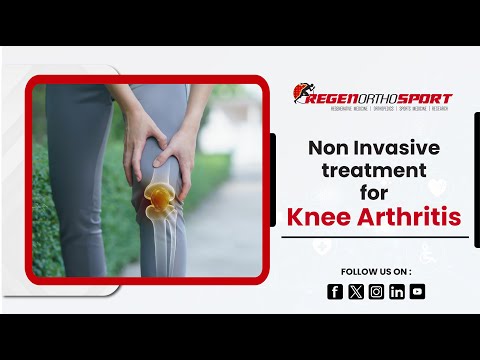
About this video: Understanding how knee pain starts is the first step toward reclaiming your active lifestyle. The human knee joint is a complex mechanism designed to bend, bear body weight, and straighten the leg [00:00:03]. When joint wear and tear compromises these vital structures, simple daily activities can become incredibly challenging.
At RegenOrthoSport, patients have access to advanced, non-surgical methods aimed at addressing root-cause joint damage. Watch to see how medical experts utilize cutting-edge orthobiologics to promote natural healing through Stem Cell Therapy for Knee Pain in Hyderabad India and delay or completely eliminate the need for highly invasive joint replacement surgeries.
Video Chapters & Quick Navigation
Living with chronic joint deterioration can make even the simplest movements feel like an uphill battle. For those seeking modern medical options, Stem Cell Therapy for Knee Pain in Hyderabad India has emerged as a groundbreaking alternative to traditional surgical interventions.
At RegenOrthoSport, the clinical focus is placed entirely on helping your body restore its damaged joint tissue naturally. By addressing structural wear at the biological level, patients can experience remarkable improvements in mobility without undergoing the stress of joint replacement surgery [00:01:38].
How Knee Pain Starts and Restricts Movement
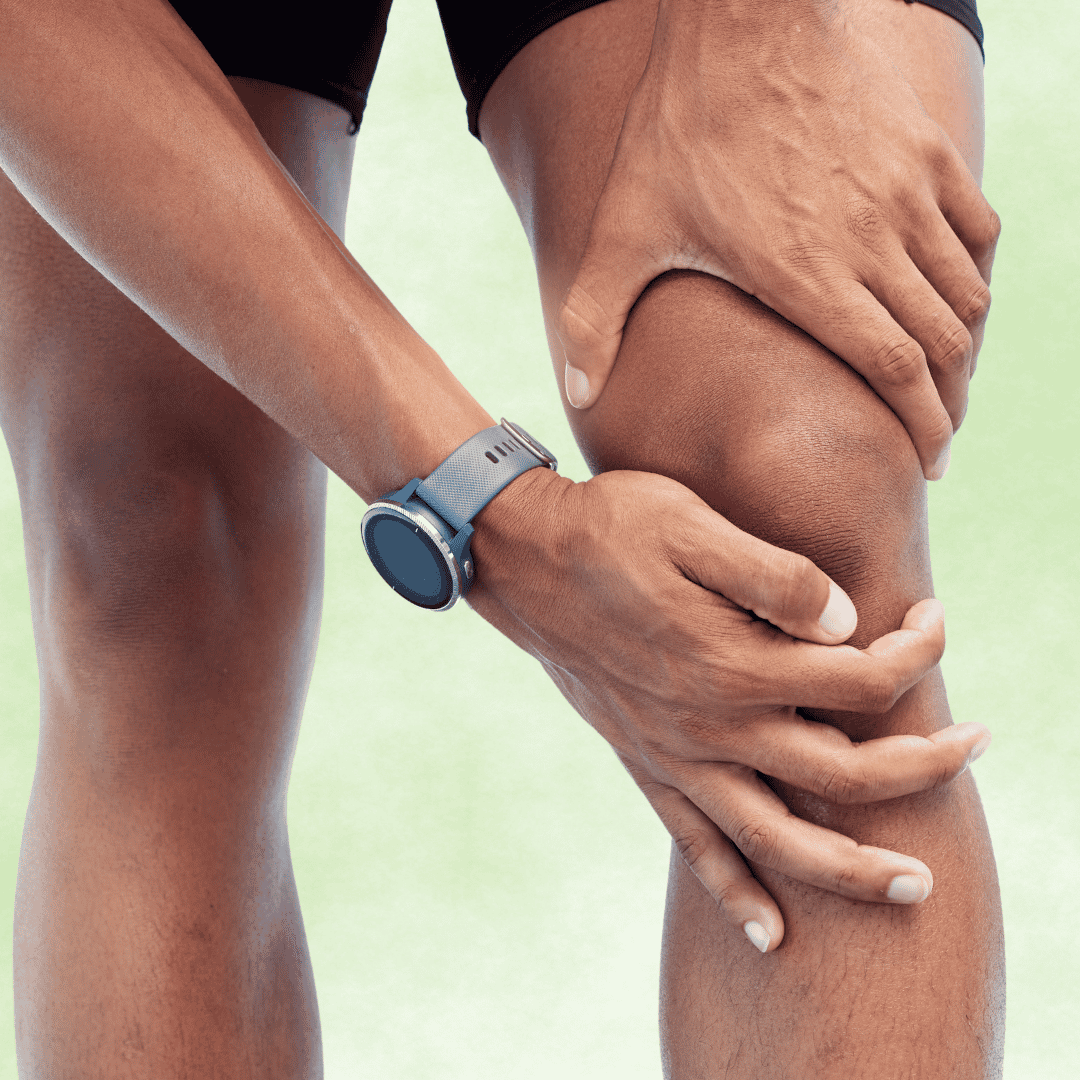
The human knee relies on a delicate balance of bones, cartilage, ligaments, and fluid to bend and bear our weight smoothly. However, when joint damage begins, the normal mechanical function is easily disrupted, leading to pain, swelling, and progressive stiffness [00:00:08].
Over time, local micro-injuries can wear down the protective cushioning, leading to friction and localized joint degradation. Understanding these initial mechanical shifts is key to choosing an appropriate therapeutic path before joint erosion becomes severe.
At RegenOrthoSport, specialist physical examinations help trace the exact physiological issues causing your discomfort. Identifying structural imbalances early allows patients to seek Orthopedic Stem Cell Therapy in India to protect the remaining cartilage from further breakdown.
Primary Causes of Knee Arthritis and Joint Erosion
Knee arthritis does not occur overnight; it develops due to several interconnected lifestyle, genetic, and environmental risk factors over time. Understanding the core contributors helps patients take a more proactive approach to managing their long-term orthopedic health [00:00:14].
Increasing age is one of the most common factors, as joints naturally experience gradual structural wear and tear over decades of constant physical activity [00:00:19]. Additionally, carrying excess body weight puts intense physical stress on the knee joints, accelerating the breakdown of protective cartilage layers [00:00:25].
Your genetic background also plays an important role, as some individuals are naturally predisposed to weaker joint structure or lower bone mineral density [00:00:34]. Previous acute injuries, such as fractures or ligament tears, significantly increase the risk of secondary arthritis, while occupations requiring repetitive heavy lifting, kneeling, or squatting also take a severe toll on physical joint surfaces [00:00:40].
Diagnosing Joint Damage and Planning Treatment
To establish a highly effective therapy plan, obtaining an accurate diagnostic picture of the joint's current structural condition is vital. Doctors begin with a hands-on physical evaluation to assess the knee for active swelling, tenderness, localized pain, bruising, and overall movement limits [00:01:11].
By pairing physical exams with state-of-the-art diagnostic imaging, specialists can pinpoint the precise stage of joint arthritis. This clinical detail ensures that the recommended regenerative approach is matched to your exact level of joint wear.
For patients searching for Knee Pain Stem Cell Treatment in Hyderabad India, this precise diagnosis is crucial. By identifying specific areas of tissue degradation, the medical team at RegenOrthoSport can inject concentrated healing cells exactly where they are needed most.
The Process of Extracting and Concentrating Stem Cells
The modern regenerative protocol begins with a minimally invasive process to harvest the body's own natural healing cells. Using precise clinical methods, autologous stem cells are safely extracted directly from the patient's bone marrow [00:01:23].
Once harvested, the marrow is processed in a high-speed centrifuge to separate and concentrate the dense population of regenerative cells. This highly concentrated biological solution contains powerful anti-inflammatory proteins, growth factors, and mesenchymal stem cells.
By concentrating these essential cells, doctors can deliver a powerful biological boost directly to damaged cartilage, tendons, and surrounding soft tissues. This precise cellular delivery helps revitalize the internal environment of the joint, facilitating natural recovery.
Harnessing Autologous Cells for Targeted Joint Repair
Once the cellular concentration is ready, it is carefully injected into the affected knee joint under real-time imaging guidance. This targeted biological fluid works directly to improve joint structure, reduce chronic inflammation, and protect surrounding soft tissue structures [00:01:30].
Unlike invasive surgeries, this cellular procedure is entirely minimally invasive and performed on an outpatient basis. Because the treatment uses the patient's own tissue, the risk of immunological rejection is completely eliminated.
Choosing Regenerative Orthopedic Treatment in Hyderabad India allows patients to address the biochemical environment of their arthritis. Over the weeks following treatment, these injected cells work to gradually restore tissue health and ease daily physical friction.
Understanding the Benefits of BMAC and Platelet Therapies
RegenOrthoSport utilizes a comprehensive range of advanced orthobiologics, including concentrated platelet procedures and Bone Marrow Aspirate Concentrate (BMAC). These advanced therapies are specifically engineered to assist the body's natural healing systems [00:01:47].
Platelet-rich therapies deliver high concentrations of growth factors that stimulate cellular repair and blood flow. When combined with BMAC, this comprehensive biological treatment effectively cools down localized pain, eases persistent swelling, and restores mechanical mobility [00:01:55].
This multi-faceted cellular approach provides a highly effective alternative for patients who have not found lasting relief through physical therapy or temporary steroid injections. By targeting joint damage at its source, patients can experience structural improvements that support long-term mobility.
Treating the Root Cause vs. Masking the Symptoms
Many traditional arthritis treatments, such as oral anti-inflammatories or pain medications, only offer temporary comfort by masking pain signals. Unfortunately, these pharmaceutical options do nothing to repair the underlying structural damage and can cause adverse side effects with long-term use.
In contrast, regenerative medicine focuses entirely on resolving the root biological cause of your joint discomfort. By actively rebuilding cartilage and reducing chronic friction, these therapies work to alter the course of joint degeneration [00:02:00].
For individuals seeking Non-Surgical Knee Pain Relief in Hyderabad India, this functional approach is a game-changer. It allows you to address the source of your pain naturally, paving the way for lasting relief and improved physical function.
The Importance of Early Orthopedic Intervention
Musculoskeletal issues and joint erosion naturally worsen over time if effective treatments are delayed. Allowing a degenerated joint to continue rubbing together without intervention can eventually result in irreversible structural damage [00:02:09].
When the protective cartilage layer is completely lost, bones rub directly against each other, leading to bone spurs, severe joint deformities, and permanent physical limitations [00:02:19]. This advanced state of joint wear can limit your future treatment options, often leaving major surgery as the only viable alternative.
Taking early action with the specialized therapies at RegenOrthoSport allows you to halt the destructive cycle of joint erosion before permanent damage occurs. Addressing joint wear early helps protect your natural joints and preserves your daily physical freedom for years to come [00:02:25].
What to Expect During Your Recovery Journey
Because regenerative joint treatments are minimally invasive, the recovery timeline is exceptionally smooth compared to traditional orthopedic surgery. Most patients can return home shortly after their procedure, requiring only a brief period of modified activity.
Over the weeks following your treatment, the concentrated cells gradually work to soothe inflammation and support tissue repair. Patients typically experience progressive reductions in daily stiffness, allowing them to rebuild strength under guided physical therapy.
Most individuals report a steady return to their favorite light activities, sports, and daily routines without the lengthy, painful rehabilitation associated with surgery. This efficient recovery pathway makes it an exceptionally high-value orthopedic solution.
| Therapeutic Approach | Biological Mechanism | Key Patient Benefits |
|---|---|---|
| BMAC Stem Cell Therapy | Delivers concentrated autologous stem cells and growth factors directly to damaged joint structures. | Promotes natural cartilage repair, reduces chronic swelling, and delays the need for joint replacement. |
| Platelet-Rich Plasma (PRP) | Injects highly concentrated platelets to stimulate tissue repair and enhance local vascularization. | Accelerates recovery of surrounding soft tissues, reduces friction, and relieves mild to moderate pain. |
| Guided Physical Therapy | Provides customized exercises to strengthen supporting muscle groups and restore proper joint mechanics. | Improves long-term joint stability, expands comfortable range of motion, and prevents future mechanical strain. |
RegenOrthoSport Advanced Joint Care Services
The comprehensive orthopedic programs at RegenOrthoSport are carefully designed to help patients avoid invasive surgeries. By utilizing state-of-the-art orthobiologics, the clinic's medical team provides tailored treatments for a wide variety of degenerative conditions.
Every treatment plan is customized to the patient's lifestyle, diagnostic imaging, and health goals. This ensures that whether you are dealing with minor wear or advanced arthritis, you receive the exact biological support required for optimal healing.
- Autologous BMAC Therapy: Utilizing concentrated bone marrow stem cells to soothe severe joint inflammation and promote natural tissue repair.
- Targeted PRP Injections: Utilizing platelet-rich plasma to accelerate healing in damaged ligaments, tendons, and surrounding soft tissues.
- Interventional Orthopedics: Combining advanced, real-time imaging with precise needle placement to deliver healing therapies with pinpoint accuracy.
- Holistic Joint Rehabilitation: Providing integrated physical therapy to strengthen surrounding muscle groups and maintain long-term joint alignment.
Planning Your Consultation at RegenOrthoSport
Starting your journey toward pain-free movement is a highly structured, supportive process. The initial phase begins with a thorough remote consultation where your health history, medical records, and diagnostic scans are carefully evaluated by our orthopedic specialists.
Once cleared as an ideal candidate, our team assists you in planning every detail of your treatment visit, ensuring a comfortable, stress-free clinical experience. Choosing early intervention with RegenOrthoSport is a powerful step toward protecting your physical freedom and ending your dependency on temporary pain medications.
With an experienced medical team and state-of-the-art facilities, RegenOrthoSport is dedicated to helping you restore your natural joint health, so you can return to the activities you love with complete confidence.
Ready to Reclaim Pain-Free Mobility in India?
PlacidWay connects you with top orthopedic specialists at RegenOrthoSport in Hyderabad, India, offering advanced non-surgical solutions through Knee Pain Stem Cell Treatment in Hyderabad India at affordable prices. Let us help you coordinate your medical consultation so you can focus fully on restoring your joint health and structural vitality.
GET A FREE QUOTEView Full Video Transcript
[00:00:00] How does knee pain start?
[00:00:03] The main function of the knee joint is to bend, bear the body's weight, and straighten the leg.
[00:00:08] The causes can vary, and the treatment depends on the diagnosis.
[00:00:14] What are the causes of knee arthritis?
[00:00:19] Age: The risk of knee arthritis increases as you get older due to wear and tear on the joints over time.
[00:00:25] Obesity: Being overweight puts additional stress on the joints, which can lead to the development of knee arthritis.
[00:00:34] Genetics: Some people are more likely to develop knee arthritis because of their genetic makeup.
[00:00:40] Previous Injury: A previous knee injury, such as a fracture or ligament tear, can increase the risk of developing knee arthritis.
[00:00:51] Occupation: Certain professions that require frequent kneeling, squatting, or repetitive knee movements can increase the risk of knee arthritis.
[00:01:05] Diagnosis: The diagnosis and treatment for knee pain depend on its severity.
[00:01:11] Your doctor will examine the knee for swelling, pain, bruising, tenderness, and reduced movement.
[00:01:23] Stem cells are extracted from your bone marrow and then concentrated.
[00:01:30] This concentrate is injected into the affected joint to help improve the joint structure and surrounding soft tissues.
[00:01:38] This minimally invasive procedure helps reduce the need for surgery.
[00:01:44] Benefits of Regenerative Treatment
[00:01:47] Regenerative treatments, such as concentrated platelet procedures and BMAC (Bone Marrow Aspirate Concentrate), help your body heal itself.
[00:01:55] They reduce pain, swelling, and improve movement.
[00:02:00] Unlike pills that only mask the pain, regenerative treatments address the underlying problem.
[00:02:06] They provide long-lasting relief without surgery.
[00:02:09] Don't Delay Treatment
[00:02:12] Musculoskeletal problems worsen over time if treatment is delayed.
[00:02:19] The damage can become permanent, leading to more pain and reduced mobility.
[00:02:25] Act early with RegenOrthoSport's regenerative treatments and stop the problem before it gets worse.


-(9).png)
-(5).png)
-(3).png)


.jpg)
.jpg)
.jpg)
.jpg)








Share this listing