
Pursuing stem cell therapy for liver cirrhosis treatment in India represents a major shift in how medical professionals address chronic hepatic failure. For decades, patients suffering from severe liver damage faced limited options, often relying entirely on symptom management or waiting years on transplant lists. The human liver possesses a remarkable biological ability to repair itself after sustaining minor injuries. However, this natural regenerative capacity diminishes significantly when the organ faces continuous, relentless damage over extended periods.
When structural damage breaches a critical threshold, the cellular environment changes drastically. Patients are left dealing with severe functional decline that conventional medicine struggles to reverse. Advanced regenerative medicine now focuses on utilizing the body's own biological mechanisms to halt disease progression. Medical facilities across India are currently pioneering protocols that utilize specialized cellular treatments to address this exact physiological challenge.
Video Chapters & Quick Navigation
- Understanding Liver Cirrhosis and Scar Tissue Formation
- Primary Causes of Severe Hepatic Damage
- The Asymptomatic Nature of Early Stage Cirrhosis
- Conventional Treatments vs. Regenerative Options
- Mechanisms of Stem Cell Therapy for Liver Regeneration
- Why Choose India for Advanced Liver Treatments
- Enhancing Patient Quality of Life Post-Treatment
- Candidate Evaluation for Stem Cell Liver Procedures
Understanding Liver Cirrhosis and Scar Tissue Formation
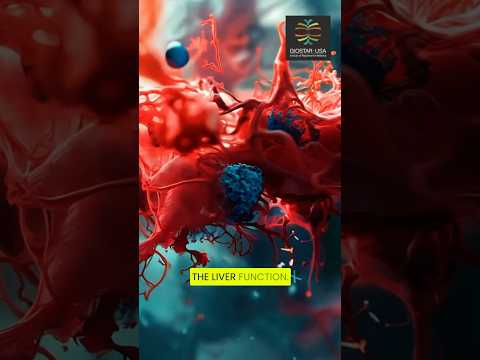
The liver is biologically programmed to recover from mild acute injuries through cellular proliferation. This process is referenced at [00:11], where clinical experts note that the liver can repair itself, but only up to a specific physiological threshold. Once chronic stress overpowers the organ's natural defenses, the structural integrity begins to fail.
When continuous injury occurs, healthy liver cells, known as hepatocytes, undergo sustained cellular death. As noted at [00:20], this transforms healthy liver tissue into rigid scar tissue through a process called fibrogenesis. Specialized hepatic stellate cells activate during this phase, secreting massive amounts of collagen that physically alter the liver's architecture.
This excessive collagen buildup creates dense fibrotic bands that strangle the remaining healthy tissue. These fibrotic bands physically block normal blood flow through the hepatic portal vein, leading to portal hypertension. The drastic reduction in healthy tissue prevents the liver from executing vital functions like filtering toxins, producing essential blood-clotting proteins, and metabolizing nutrients effectively.
Primary Causes of Severe Hepatic Damage
Understanding the underlying triggers of liver disease is crucial for developing an effective therapeutic response. As highlighted at [00:26], factors such as alcohol misuse, viral hepatitis, and fatty liver disease represent the major causes of cirrhosis globally. Each of these distinct pathologies creates a hostile environment within the hepatic ecosystem.
Chronic viral infections, specifically Hepatitis B and C, cause persistent inflammation that constantly degrades liver tissue over decades. Meanwhile, Non-Alcoholic Fatty Liver Disease (NAFLD) has emerged as a leading cause of fibrosis due to modern dietary habits and rising metabolic syndrome rates. Excessive lipid accumulation within hepatocytes triggers cellular toxicity and massive inflammatory cascades.
- Alcohol-Related Liver Disease: Prolonged excessive alcohol consumption produces toxic metabolic byproducts that directly destroy liver cell membranes.
- Chronic Viral Hepatitis: Long-term viral replication within the liver triggers aggressive immune responses that damage surrounding healthy cells.
- Non-Alcoholic Steatohepatitis (NASH): Severe fat accumulation combined with intense tissue inflammation leads directly to advanced fibrotic scarring.
- Autoimmune Hepatic Conditions: The body's immune system erroneously attacks healthy bile ducts and liver tissue, forcing continuous scar formation.
The Asymptomatic Nature of Early Stage Cirrhosis
One of the most dangerous aspects of chronic liver disease is its stealthy progression through the initial stages. Medical professionals point out at [00:31] that early cirrhosis clearly shows absolutely no external symptoms. The liver possesses vast functional reserves, allowing it to compensate and maintain basic operations even when significantly damaged.
During this compensated stage, patients typically feel perfectly healthy and exhibit normal energy levels. Routine blood panels might show mildly elevated liver enzymes, but standard physical examinations rarely reveal the underlying fibrotic destruction. This lack of clear clinical indicators frequently causes patients to miss the optimal window for early medical intervention.
When symptoms finally manifest, the disease has usually transitioned into the decompensated phase. By the time a patient experiences jaundice, ascites fluid accumulation, or hepatic encephalopathy, the structural damage is already severe. This delayed presentation is precisely why advanced regenerative protocols are heavily researched for late-stage interventions.
Conventional Treatments vs. Regenerative Options
The standard medical approach to chronic liver failure has historically been defensive rather than restorative. As mentioned at [00:34], conventional treatments today focus entirely on slowing down the ongoing damage rather than reversing it. Physicians utilize dietary restrictions, diuretic medications, and lifestyle modifications to manage immediate complications.
For patients in end-stage failure, the clinical pathway becomes severely restricted. The video notes at [00:38] that in advanced cases, a full organ transplant may be the only viable traditional option left. However, liver transplantation is an incredibly complex logistical and medical undertaking fraught with systemic challenges.
Transplant candidates face exceptionally long waiting lists due to a chronic shortage of matching donor organs globally. Even when a suitable organ becomes available, the patient must commit to a lifelong regimen of harsh immunosuppressive medications to prevent organ rejection. These medications significantly compromise the patient's immune system, leaving them highly vulnerable to opportunistic infections.
| Treatment Aspect | Conventional Liver Transplant | Stem Cell Therapy for Liver Cirrhosis |
|---|---|---|
| Primary Goal | Complete replacement of the damaged organ. | Cellular regeneration and reduction of fibrotic tissue. |
| Availability | Heavily restricted by donor organ matching. | Readily available using cultured mesenchymal cells. |
| Immunosuppression | Mandatory lifelong medication required. | Generally not required, minimal rejection risk. |
| Invasiveness | Major open surgery with extended ICU recovery. | Minimally invasive intravenous or hepatic infusion. |
Mechanisms of Stem Cell Therapy for Liver Regeneration
The limitations of standard care have driven researchers to explore biological alternatives that address the root cause of hepatic decline. At [00:43], the speaker reveals that stem cell therapy is currently being heavily studied for its unique ability to actively repair the liver. Mesenchymal Stem Cells (MSCs) are the primary biological agents utilized in these advanced regenerative protocols.
MSCs operate through several distinct mechanisms once introduced into a patient with advanced cirrhosis. First, they execute a powerful paracrine effect by secreting vital growth factors and cytokines directly into the damaged hepatic microenvironment. These secreted proteins suppress the activated stellate cells, which effectively halts the ongoing production of harmful collagen scar tissue.
Furthermore, these specialized cells promote angiogenesis, stimulating the creation of new blood vessels within the dense fibrotic areas. Improved blood flow brings much-needed oxygen and nutrients to starving hepatocytes, facilitating cellular survival and replication. Additionally, the immunomodulatory properties of MSCs calm the severe chronic inflammation that constantly damages the liver.
Why Choose India for Advanced Liver Treatments
Medical tourism for regenerative treatments has seen massive growth as patients look beyond their domestic healthcare systems. Choosing stem cell therapy for liver cirrhosis treatment in India provides access to highly advanced medical infrastructure at a fraction of Western costs. Indian medical institutes combine internationally trained hepatologists with state-of-the-art cellular processing laboratories.
Facilities in major medical hubs, particularly Bengaluru, adhere to stringent international safety and quality standards for cellular culturing. These clinics utilize advanced flow cytometry and strict clean-room environments to ensure the highest viability and purity of the stem cells prior to infusion. This rigorous quality control directly impacts the therapeutic efficacy of the final regenerative procedure.
Furthermore, specialized regenerative medicine institutes in India often provide comprehensive care packages designed specifically for international travelers. These customized protocols include detailed pre-operative diagnostics, the cellular infusion procedures, and extensive post-treatment monitoring. This integrated approach ensures patients receive continuous clinical support throughout their entire regenerative journey.
Enhancing Patient Quality of Life Post-Treatment
Expectation management is a critical component of any advanced medical consultation involving cellular therapies. Medical experts clearly state at [00:48] that while this therapy is not an absolute cure, it serves a vital purpose for many suffering individuals. The primary clinical objective is to restore enough functional capacity to drastically improve the patient's daily quality of life.
Patients undergoing this advanced therapy frequently report measurable improvements in their overall physical stamina and mental clarity. A reduction in chronic fatigue, better protein synthesis, and a decrease in fluid retention are common positive clinical outcomes observed post-infusion. By reducing the overall severity of portal hypertension, the risk of life-threatening variceal bleeding is also meaningfully lowered.
As emphasized at [00:54], the future philosophy of liver care is shifting away from mere survival tactics. The new medical paradigm is heavily focused on active biological regeneration and restoring human dignity to those battling end-stage disease. Achieving cellular regeneration allows patients to reclaim their independence and participate actively in their daily lives once again.
Candidate Evaluation for Stem Cell Liver Procedures
Not every individual suffering from hepatic disease will automatically qualify for advanced cellular interventions. A rigorous screening process is required to determine if a patient is an ideal candidate for stem cell therapy for liver cirrhosis treatment in India. Hepatologists carefully analyze blood coagulation profiles, bilirubin levels, and overall metabolic function through comprehensive MELD score evaluations.
Patients with actively growing hepatic tumors or severe uncontrolled systemic infections are generally excluded from regenerative procedures to prioritize patient safety. The most favorable responses are typically seen in patients who have stabilized their underlying triggers, such as those maintaining strict alcohol abstinence or managing viral loads through medication. A stable foundational health status ensures the infused cells can concentrate entirely on tissue repair rather than fighting acute toxins.
The diagnostic phase also involves advanced imaging techniques like fibroscans and MRIs to map the exact extent of hepatic scarring. This detailed mapping helps medical teams calculate precise cellular dosages and determine the most effective delivery method, whether intravenous or directly into the hepatic artery. Precision diagnostics ultimately drive the high success rates observed in leading Indian regenerative clinics.
- Comprehensive Blood Panels: Evaluating hepatic enzyme levels, platelet counts, and vital coagulation factors to assess baseline function.
- Advanced Diagnostic Imaging: Utilizing elastography to precisely measure the structural stiffness and density of the fibrotic liver tissue.
- MELD Score Calculation: Determining the exact stage of end-stage liver disease to forecast treatment efficacy and timeline.
- Viral Load Assessment: Ensuring that any underlying hepatitis infections are medically suppressed prior to the introduction of stem cells.
The integration of cellular therapies into modern hepatology represents a tremendous leap forward in clinical science. While severe liver fibrosis was once considered universally irreversible, targeted stem cell applications are actively challenging that long-held medical doctrine. Patients now have scientifically backed alternatives that move beyond simply managing decline.
By leveraging the potent anti-inflammatory and tissue-repairing capabilities of mesenchymal cells, specialized clinics are shifting the clinical trajectory of chronic liver disease. The process of arranging stem cell therapy for liver cirrhosis treatment in India is becoming increasingly streamlined for international patients seeking these precise benefits. Dedicated medical coordinators ensure that all logistical and clinical needs are thoroughly managed from the initial consultation to final recovery.
Ultimately, investing in advanced regenerative protocols offers a profound opportunity to restore systemic health and organ functionality. The ongoing clinical trials and real-world patient outcomes strongly validate the scientific theory behind stem cell-induced liver regeneration. Providing patients with a viable pathway back to health remains the ultimate goal of these advanced medical procedures.
Ready to Explore Advanced Liver Regeneration?
If you or a loved one are struggling with advanced liver cirrhosis, discover how regenerative medicine can help. Contact specialized medical teams to evaluate your specific case and discuss customized treatment protocols available in India.
Get Free QuoteView Full Video Transcript
[00:00] Hello, all. Welcome to another episode of GIOSTAR Talk where we simplify science and talk about the future of healing.
[00:07] Today, let's discuss about liver cirrhosis.
[00:10] Did you know that liver can repair itself, but only up to a point.
[00:14] But what happens when the damage doesn't stop?
[00:16] That's when liver cirrhosis happens.
[00:18] Condition where a healthy liver tissue turns into a scar tissue, blocking the blood flow and reducing the liver function.
[00:25] Alcohol misuse, hepatitis, fatty liver are some of the major causes.
[00:30] And the scary part, early cirrhosis clearly shows no symptoms.
[00:34] And treatment today focus only on slowing down the damage.
[00:38] And in advanced cases, transplant may be the only option.
[00:41] And here's where science brings the hope.
[00:43] Stem cell therapy is being studied for its ability to repair the liver.
[00:47] It's not a cure, but for many patients it can improve the patient quality of life.
[00:52] Because the future of liver care isn't only about survival, it's about regeneration.
[00:57] Thank you.





-(5).png)

.png)



.jpg)
.jpg)
.jpg)
.jpg)








Share this listing