
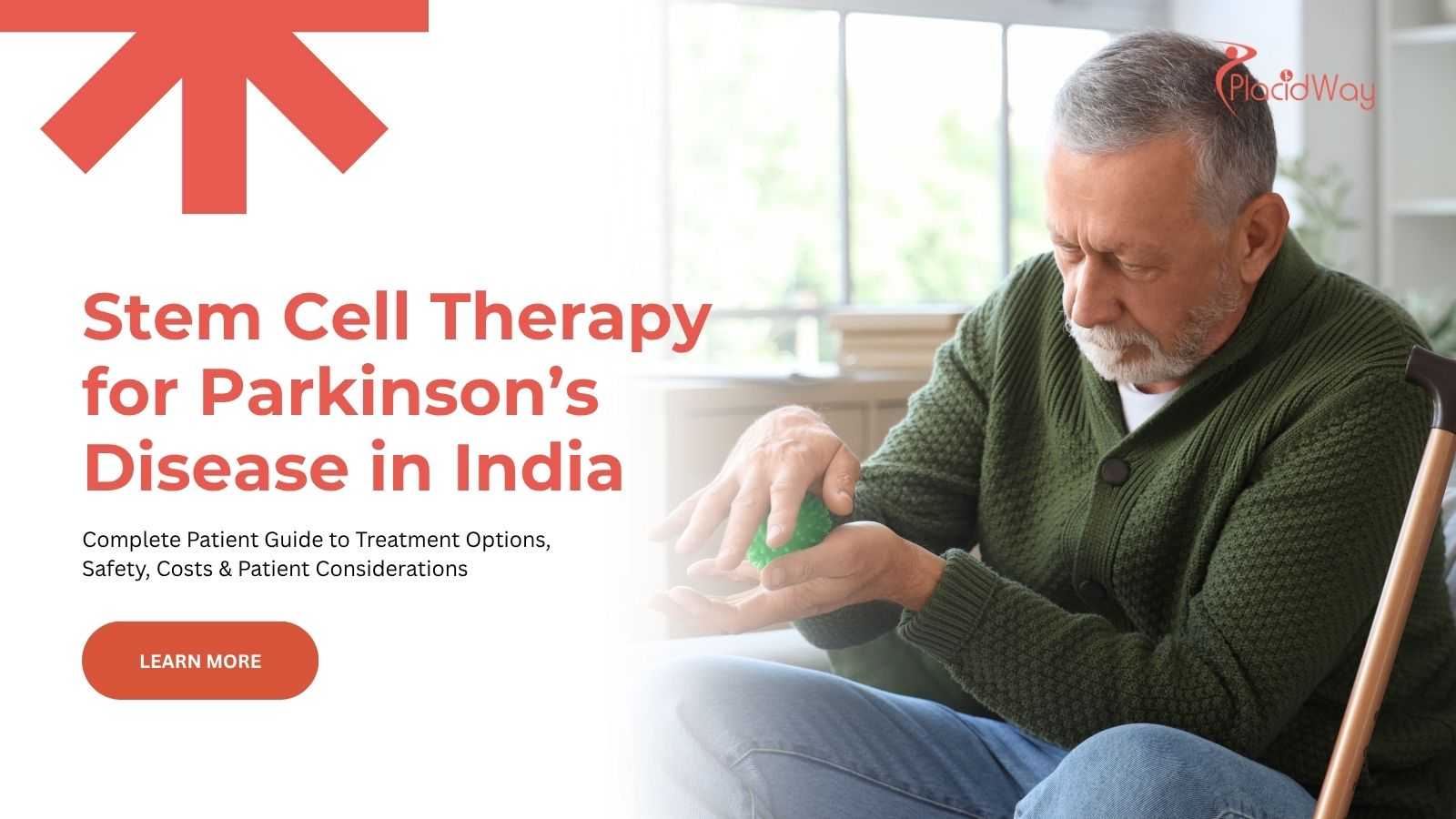
Living with a progressive neurological condition often leads you to search for advanced treatment options and specialized medical care beyond standard medication. Many international patients choose India to access dedicated neurological facilities while managing the high costs of long-term healthcare. When evaluating a medical facility in India for this procedure, you must look for clinics that hold National Accreditation Board for Hospitals (NABH) certification and strictly follow Indian Council of Medical Research (ICMR) protocols. This comprehensive guide helps you understand treatment costs, verify doctor credentials, and navigate the safety considerations of your medical journey.
- Estimated Cost: Typically ranges from $6,500 to $12,500 USD depending on the hospital and protocol.
- Certifications to Verify: Always look for NABH accreditation and doctors registered with the National Medical Commission (NMC).
- Treatment Status: Stem cell therapy for Parkinson's is considered an investigational treatment under ICMR guidelines and is often performed under strict research protocols.
- Ideal Candidate: Patients in early to moderate stages of Parkinson's who have been thoroughly evaluated by a qualified neurologist.
- Expected Recovery Time: Most patients require 2 to 4 weeks in India for the procedure, initial monitoring, and supportive physical therapy.
- Important Caution: This treatment does not cure Parkinson's disease and you must not stop taking your prescribed medications without your doctor's supervision.
What to Know About Stem Cell Therapy for Parkinson Disease
Parkinson disease is a progressive disorder that affects the nervous system and the parts of the body controlled by nerves. As the condition advances, patients experience tremors, stiffness, and difficulty with balance because the brain slowly stops producing dopamine. Traditional treatments rely heavily on medications like levodopa to manage these symptoms.
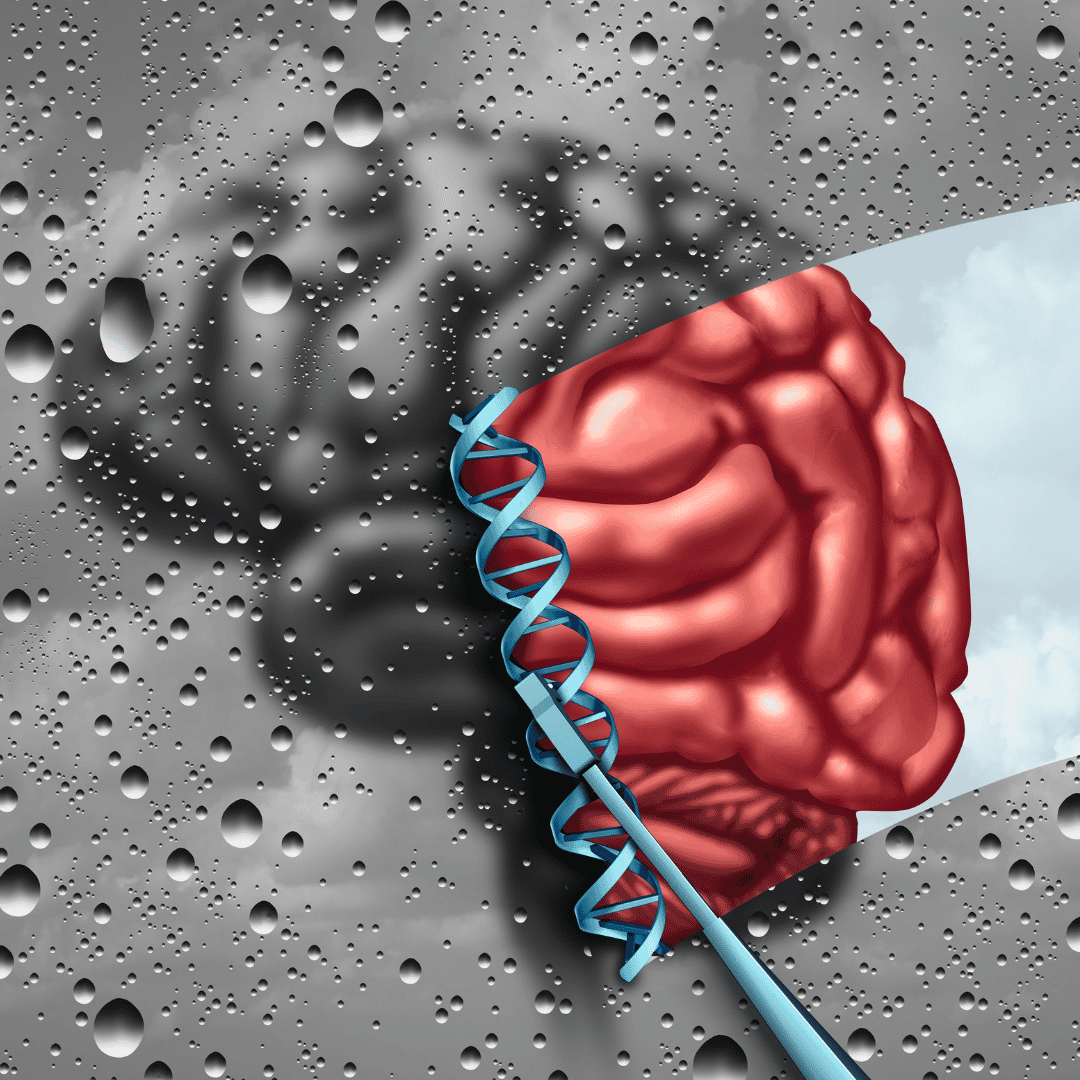
Stem cell therapy is an advanced investigational approach designed to explore whether introducing new cells can help protect existing neurons or promote a better environment in the brain. Because this is a highly specialized medical field, you must approach it with realistic expectations and thorough medical guidance.
Before traveling, ask your local neurologist for a complete medical summary including your current Hoehn and Yahr stage. The Indian medical team will need this exact classification to determine if you are clinically suited for their specific stem cell protocol.
Biological Process of Stem Cell Therapy for Parkinson Disease
The core concept behind this therapy is cellular regeneration and neuroprotection. In a clinical setting, doctors harvest stem cells from a safe source, process them in a highly regulated laboratory, and then introduce them back into your body. The goal is for these cells to release neurotrophic factors that may help reduce inflammation and support surviving dopamine producing neurons.
Depending on the specific medical protocol approved by the hospital ethics committee, the delivery method can vary. The cells might be administered intravenously or through a targeted spinal injection, known as an intrathecal injection. Your neurosurgeon will explain exactly which method aligns with your physical condition.
Detailed neurological testing and MRI scans to assess brain function and overall physical health.
Extraction and cultivation of stem cells in a sterile laboratory compliant with national standards.
Careful delivery of the prepared stem cells into your body under continuous medical monitoring.
Patient Eligibility for Investigational Neurological Treatments
Not every patient is medically eligible for stem cell procedures. Medical specialists carefully screen candidates to prioritize safety and ensure the treatment has the potential to offer supportive benefits. Age, overall health, and the progression rate of your Parkinson symptoms play a critical role in this decision.
Patients who have severe advanced stage Parkinson disease or other major underlying health conditions such as active infections or certain cancers are generally advised against this treatment. The screening process in reputable Indian hospitals is rigorous to protect patient safety.
| Eligibility Factor | Favorable for Treatment | Likely Disqualified |
|---|---|---|
| Condition Stage | Early to moderate progression | Severe advanced progression |
| Overall Health | Stable vital signs and organ function | Unmanaged diabetes or heart disease |
| Medication Response | Responsive to traditional medications | Severe adverse reactions to standard care |
| Cognitive Status | Clear cognitive function | Severe dementia or severe cognitive decline |
Primary Reasons International Patients Travel to India
Many patients from North America, Europe, and the Middle East look toward India when considering investigational therapies. The healthcare infrastructure in major Indian cities includes specialized research hospitals equipped with modern laboratories and advanced imaging technology.
Beyond the facilities, the concentration of highly trained medical professionals is a major draw. Many Indian neurosurgeons and cellular biologists have trained internationally and collaborate on global research panels. This ensures that patients receive care from doctors who understand international medical standards.
- Cost accessibility compared to Western healthcare systems.
- Presence of internationally trained neurologists and hematologists.
- Hospitals with dedicated international patient departments.
- Availability of comprehensive care packages that include physical therapy.
- English speaking medical staff and interpreters for other languages.
Recent Patient Demographics for Neurological Care in India
Medical tourism data from 2024 to 2025 highlights a specific demographic pattern for neurological treatments in India. The majority of incoming patients seeking stem cell therapy for degenerative conditions fall into the 50 to 70 age bracket. These patients usually travel with a family member or caregiver due to the physical challenges associated with Parkinson disease.
Understanding these demographics helps hospitals tailor their international patient services, ensuring wheelchair accessibility, specialized dietary plans, and appropriate psychological support are readily available upon arrival.
Recent reports tracking cross border healthcare from 2024 through early 2026 indicate a steady increase in patients traveling for specialized neurological consultations. This rise reflects a growing awareness of comprehensive neuro rehabilitation programs offered by Indian medical institutions.
Expected Recovery Timeline After Stem Cell Therapy
Recovery from the actual procedure is relatively quick, but monitoring the long term effects takes time. Immediately following the administration of cells, you will remain in the hospital for observation to ensure there are no immediate adverse reactions like fever or allergic responses.
Once discharged from the primary hospital setting, you will begin a structured program of physical rehabilitation. This physical therapy is a critical component of the treatment protocol in India, designed to help you maintain mobility and maximize any potential benefits from the cellular therapy.
| Timeframe | Clinical Process | Patient Activity Level | Action Required |
|---|---|---|---|
| Days 1 to 3 | Hospital monitoring for acute reactions | Complete bed rest and very light movement | Follow nurse instructions strictly |
| Days 4 to 14 | Initial cellular integration phase | Light walking with physical therapy | Attend daily rehab sessions |
| Weeks 3 to 4 | Medical clearance for international travel | Moderate daily activity as tolerated | Final neurologist consultation |
| Months 1 to 6 | Ongoing long term observation | Normal baseline activities | Virtual check-ins with your doctor |
Safety Considerations and Potential Medical Risks
Because stem cell therapy for Parkinson disease is largely experimental, you must thoroughly understand the safety profile. Medical regulators in India mandate strict oversight for these procedures to minimize contamination risks and ensure ethical practices are followed.
Complications can occur, ranging from mild injection site pain to more severe issues like central nervous system infections if protocols are not strictly followed. You should discuss your specific risk factors with your doctor before making a commitment.
Never stop taking your prescribed Parkinson medications (like Levodopa) just because you are undergoing stem cell therapy. Sudden withdrawal of these medications can lead to a life-threatening condition called neuroleptic malignant-like syndrome. Always follow your neurologist's medication schedule.
Cost of Stem Cell Therapy for Parkinson Disease in India
Understanding the financial commitment is a vital part of your medical planning. In India, the overall cost varies significantly based on the hospital tier, the specific type of stem cells utilized, and the duration of your required physical rehabilitation program.
A transparent clinic will provide you with a written, itemized quote before you travel. You must review this quote carefully to identify what is included, such as airport transfers, nursing care, and follow up consultations, versus what might be billed as an extra charge.
| Treatment Component | Estimated Cost Range (USD) |
|---|---|
| Initial Neurological Evaluation and MRI | $500 - $1,200 |
| Stem Cell Harvesting and Processing | $3,000 - $5,500 |
| Cellular Administration Procedure | $2,000 - $4,000 |
| Hospital Stay and Intensive Nursing | $800 - $1,500 |
| Post-Treatment Physical Therapy Package | $300 - $800 |
Global Cost Comparison for Stem Cell Treatments
When researching healthcare options, many patients compare the expenses across different medical tourism destinations. The financial difference is primarily driven by local economic factors, regulatory costs, and the general cost of living in the destination country, rather than a difference in medical equipment quality.
While India offers a highly accessible price point, you must also factor in the cost of long-haul flights, medical visas, and accommodation for your caregiver when calculating your total budget.
| Medical Destination | Estimated Procedure Cost (USD) | General Regulatory Environment |
|---|---|---|
| India | $6,500 - $12,500 | Regulated by ICMR guidelines |
| United States | $25,000 - $45,000+ | Strictly regulated by FDA (largely clinical trials) |
| Germany | $15,000 - $25,000 | Regulated by EMA and Paul-Ehrlich-Institut |
| Mexico | $8,000 - $15,000 | Regulated by COFEPRIS |
How to Choose a Qualified Hospital in India
Your safety depends heavily on the facility you select. The Indian healthcare system has excellent top-tier private hospitals, but quality can vary. You must verify that the hospital operates a compliant laboratory and has an established ethics committee to oversee investigational treatments.
Do not rely solely on marketing materials. Ask the clinic administration for specific registration numbers and confirm their standing with national healthcare regulatory bodies.
- Confirm active National Accreditation Board for Hospitals (NABH) status.
- Verify the laboratory has National Accreditation Board for Testing and Calibration Laboratories (NABL) certification.
- Ensure the facility complies with Central Drugs Standard Control Organisation (CDSCO) rules for cellular products.
- Check if the hospital has a dedicated intensive care unit (ICU) for neurological emergencies.
Verifying Your Stem Cell Specialist Credentials
The physician leading your care should be a highly experienced specialist, typically a board certified neurologist or a neurosurgeon working alongside a cellular therapy expert. Their credentials are public information and should be easy to verify.
In India, legitimate doctors must be registered with the National Medical Commission (NMC), formerly known as the Medical Council of India (MCI). Ask for their registration number and check their specific experience with degenerative neurological disorders.
A Neurologist or Neurosurgeon to evaluate your disease stage and determine exact administration points.
A Hematologist or Regenerative Medicine expert to oversee the safe processing of the stem cells.
Types of Stem Cells Used for Neurological Conditions
Different clinics may utilize different biological approaches based on their specific research focus and ethical committee approvals. The most common type used in these protocols are Mesenchymal Stem Cells (MSCs). These are favored because they can be safely harvested from adult tissues and have shown potential in reducing neuroinflammation.
Your doctor must clearly explain where the cells will come from. Autologous cells are taken from your own body, while allogeneic cells come from a screened donor. Each has a different safety and biological profile.
| Cell Type | Source Location | Clinical Rationale for Parkinson Disease |
|---|---|---|
| Bone Marrow Derived MSCs | Hip bone (Autologous) | Known for strong anti-inflammatory properties and safety profile. |
| Adipose Derived MSCs | Fat tissue (Autologous) | Easier to harvest in large numbers with a minimally invasive procedure. |
| Umbilical Cord MSCs | Screened donors (Allogeneic) | Young cells that multiply quickly in the laboratory environment. |
Travel Planning and Visa Requirements for India
Traveling for medical care requires careful logistical planning, especially when dealing with mobility issues common in Parkinson disease. The Indian government offers a specific E-Medical Visa for international patients, which allows for multiple entries and a longer stay than a standard tourist visa.
You must obtain an official visa invitation letter from your chosen, recognized Indian hospital before applying. Start this process at least a month in advance to ensure all paperwork clears without stress.
- 4 Weeks Out: Secure hospital letter and apply for the E-Medical Visa.
- 3 Weeks Out: Book flights with wheelchair assistance requested.
- 2 Weeks Out: Gather all printed MRI scans and medical records.
- 1 Week Out: Confirm airport pickup details with your hospital coordinator.
What to Expect During Your Hospital Admission
Once you arrive at the hospital, you will be guided through a structured admission process. You will not receive the stem cell treatment on the first day. The medical team will spend the first few days conducting baseline blood tests, neurological exams, and possibly new imaging scans to ensure you are safe to proceed.
Many specialized hospitals in India offer private suites that include accommodations for a family member. This ensures you have emotional support and a familiar caregiver nearby during your stay.
| Admission Phase | Typical Activities |
|---|---|
| Day 1 | Hospital registration, room assignment, and initial doctor consultation. |
| Day 2 | Comprehensive blood work, cardiac clearance, and neurological testing. |
| Day 3 | Stem cell extraction (if autologous) and laboratory processing begins. |
| Day 4 to 5 | Administration of therapy and transition into active monitoring. |
Supportive Therapies Usually Combined with Stem Cell Treatment
Medical experts agree that stem cell therapy should not be performed in isolation. To maximize any potential neuroprotective benefits, the treatment is typically integrated into a broader neuro-rehabilitation program. Indian clinics often excel at providing holistic care packages.
These supportive therapies help retrain the brain and body to function more efficiently, addressing the daily mobility and communication challenges caused by Parkinson disease.
- Physical Therapy: Focuses on gait training, balance improvement, and reducing muscle rigidity.
- Occupational Therapy: Helps you develop strategies for daily tasks like dressing and eating.
- Speech Therapy: Addressed vocal projection and swallowing difficulties.
- Dietary Planning: Nutritional support tailored to optimize medication absorption and overall brain health.
Frequently Asked Questions About Stem Cell Therapy in India
Patients researching their healthcare options often share similar concerns regarding safety, regulations, and expected outcomes. Review these detailed answers to help guide your decision making process.
Is stem cell therapy a permanent cure for Parkinson disease?
No, there is currently no permanent cure for Parkinson disease. Stem cell therapy is an investigational treatment aimed at potentially slowing disease progression and improving quality of life by protecting surviving dopamine neurons, but it does not cure the underlying condition.
Are these treatments legally approved in India?
Stem cell treatments are regulated by the Indian Council of Medical Research (ICMR) and the Central Drugs Standard Control Organisation (CDSCO). For Parkinson disease, these procedures are legally permitted when conducted under strict clinical trial protocols or approved hospital ethics committee guidelines.
How long do I need to stay in India for the procedure?
Most patients are advised to plan for a three to four-week stay. This timeframe covers pre-treatment medical evaluations, the processing of cells, the administration procedure, and an essential period of initial physical therapy and medical observation.
Will my local health insurance cover the cost of travel and treatment?
Generally, health insurance providers in the United States, Europe, and the UK do not cover investigational stem cell therapies performed overseas. You should expect to pay for the medical package and travel expenses out of pocket.
What happens if I experience a medical complication during treatment?
Reputable NABH accredited hospitals in India have comprehensive intensive care units (ICUs) and emergency protocols to handle complications. Before traveling, you should confirm the hospital's complication management policy and inquire about medical complications insurance.
Do I need to bring my own caregiver to India?
While hospitals provide 24/7 nursing care, it is highly recommended to travel with a family member or caregiver. Having a trusted companion offers essential emotional support and helps assist with communication and personal comfort during your recovery.
How quickly will I notice improvements in my symptoms?
Responses vary greatly among patients. Some may report subtle improvements in energy or reduced stiffness within a few weeks, while others may take months to notice changes. Because this therapy is investigational, results are never guaranteed.
Can I stop taking Levodopa after the procedure?
Absolutely not. You must continue taking all prescribed medications exactly as directed by your neurologist. Stem cell therapy is a complementary approach, not a replacement for traditional dopaminergic medications.
How do Indian doctors overcome the language barrier?
Major corporate hospitals in India that cater to medical tourists have dedicated international patient departments. Most medical staff and doctors speak fluent English, and hospitals typically provide in-house interpreters for Arabic, French, Russian, and other languages upon request.
What type of stem cells are considered safest for this procedure?
Mesenchymal stem cells (MSCs), particularly those harvested from your own body (autologous bone marrow or adipose tissue), are widely considered safe as they present the lowest risk of immune rejection. Your doctor will evaluate which source is safest for your specific health profile.
Need help finding a certified and regulated stem cell clinic in India? PlacidWay can help you compare providers, understand treatment costs, and request medical evaluations from qualified specialists.
Request a Free ConsultationDisclaimer: This information is for educational purposes only and does not replace professional medical advice. Always consult a qualified healthcare provider before making medical decisions.
References
- National Guidelines for Stem Cell Research – Indian Council of Medical Research (ICMR)
- Parkinson Disease Fact Sheet – World Health Organization (WHO)
- Guidelines for International Patients – National Accreditation Board for Hospitals & Healthcare Providers (NABH)
- Clinical Trials for Parkinson Disease and Stem Cells – U.S. National Library of Medicine (ClinicalTrials.gov)
- Official E-Medical Visa Information – Government of India
- Recent Medical Literature on MSCs and Parkinson Disease (2024) – PubMed National Institutes of Health
- Indian Medical Register Verification – National Medical Commission (NMC)





















Share this listing