
Contents
Facing a Parkinson's diagnosis is overwhelming enough without hitting a brick wall of limited treatment options at home. Families in the US, the UK, and Australia often find themselves trapped in an endless cycle of medication adjustments, while advanced regenerative therapies remain tangled in regulatory red tape or priced out of reach. It can feel deeply frustrating when you know medical science is advancing, but access to those advancements is restricted by geography and insurance policies.
That is exactly why thousands of patients are looking beyond their borders to access stem cell therapy for Parkinson's disease in India. Instead of navigating endless domestic waiting lists, you can pursue cutting-edge regenerative care starting between $6,500 and $9,000. When evaluating these options abroad, the priority is knowing what to verify. You must look for facilities holding specific certifications like NABH (National Accreditation Board for Hospitals & Healthcare Providers) or JCI to ensure strict laboratory safety and ethical protocols.
What You Should Know
Trying to budget for medical care overseas can feel like a guessing game if you only look at base procedure fees. A comprehensive medical package removes that financial anxiety by bundling the core therapy with essential support services. Specialized neurological centers typically include hospital transfers, dedicated nursing care, pre-therapy diagnostics, and occasionally local accommodation in their bundled options.
Review the comprehensive packages below to see exactly which logistical and medical services are included, making it much easier to plan your budget and your itinerary without unexpected out-of-pocket costs.
`The financial reality of regenerative treatments at home often forces families to compromise on care, but looking internationally shifts the landscape completely. In India, stem cell therapy for Parkinson's disease generally ranges from $6,500 to $9,000, depending on the chosen protocol and the number of treatment cycles required. This presents a much more accessible path compared to the $25,000 or more often quoted in North American or European private clinics.
Explore the cost estimates provided below to compare pricing structures across different facilities. This will help you determine a realistic budget and understand exactly what financial commitment is involved.
Stem Cell Treatment for Parkinsons Disease Centers Cost Comparison in India
| Provider | Procedure | Price |
|---|---|---|
| GIOSTAR Hospital Bengaluru | Stem Cell Treatment for Parkinsons Disease, Stem Cell Therapy | $12500 |
| StemRx Hospital and Research Centre | Stem Cell Treatment for Parkinsons Disease, Stem Cell Therapy | $7500 |
Stem Cell Treatment for Parkinsons Disease Cost Comparison in India
| Country | Procedure | Price |
|---|---|---|
| United States | Stem Cell Treatment for Parkinsons Disease, Stem Cell Therapy | $25000 |
| Australia | Stem Cell Treatment for Parkinsons Disease, Stem Cell Therapy | $14000 |
Choosing the right medical center abroad is not about booking the one with the most polished marketing brochures; it is about relentlessly verifying credentials and safety standards. When evaluating regenerative medicine centers, your focus should be entirely on their laboratory capabilities and infection control measures. Look closely at whether the facility holds NABH accreditation and ask detailed questions about the specific stem cell processing protocols they follow.
Take a moment to compare the clinic profiles listed below. Pay close attention to their verified facility certifications, specialized laboratory setups, and proven experience with neurodegenerative conditions to find a center that meets rigorous medical standards.

ReeLabs Stem Cells in Mumbai, India
Mumbai, India

StemRx Hospital and Research Centre
Mumbai,Navi Mumbai, India

GIOSTAR Hospital Bengaluru
Bengaluru, India
Viecell Institute of Regenerative Medicine
Surat, India
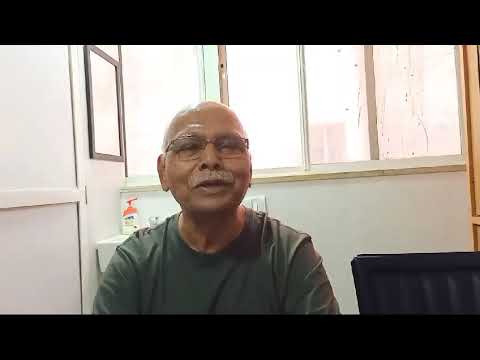
Reading about cell administration protocols only paints half the picture when you are planning an overseas health journey. Watching firsthand accounts and facility walkthroughs bridges the gap between clinical data and real human experience. These visual insights allow you to see the hospital environments, observe how the medical staff interacts with international patients, and hear directly from families navigating the same challenges.
Browse the video gallery below to get a clearer, more tangible feel for the clinical environment. Seeing the facilities in action can help ease travel anxieties and set appropriate expectations.






Medical statistics and facility credentials are fundamentally important, but nothing resonates quite like the raw, unfiltered experiences of previous patients. Families traveling for Parkinson's care often share vital insights about the nuances of the trip, from how the nursing staff managed mobility challenges to the actual communication flow with the specialists. These firsthand narratives highlight the practical daily details that clinical websites often miss.
Read through the patient reviews below to learn from the personal journeys of others. Their feedback is invaluable for gauging the true level of ongoing care and emotional support each clinic provides.

Traveling for complex neurological care naturally brings up a host of valid questions about safety, logistics, and medical protocols. Here are straightforward answers to the most common concerns patients have when considering this regenerative treatment in India.
What type of stem cells are used for Parkinson's therapy in India?
Clinics in India predominantly utilize mesenchymal stem cells (MSCs) sourced from bone marrow, adipose (fat) tissue, or umbilical cord tissue. Your neurologist will recommend the specific source based on your medical history and the clinic's specialized protocols.
How are the cells administered for neurological conditions?
For Parkinson's disease, stem cells are typically administered via intrathecal injection (into the spinal canal) so they can bypass the blood-brain barrier. Intravenous (IV) infusions may also be used in combination to support systemic tissue repair.
Are Indian stem cell clinics properly regulated for patient safety?
Yes, top-tier medical facilities in India adhere to strict guidelines established by the Indian Council of Medical Research (ICMR). Patients should specifically seek out hospitals that also hold NABH or JCI accreditation to ensure rigorous safety and ethical standards.
How long do I need to stay in India for the entire treatment process?
Most international patients are advised to plan for a 10 to 14-day trip. This timeframe accounts for initial consultations, necessary pre-therapy bloodwork and scans, the administration of the cells, and several days of observation before flying home.
Will I face language barriers at Indian hospitals?
No, English is the primary language used in the Indian corporate medical sector. Doctors, specialists, and senior nursing staff at major accredited hospitals are highly fluent in English, making medical communication clear and straightforward.
Can I fly immediately after receiving the injections?
Neurologists strongly advise against flying immediately. Patients are typically monitored for 48 to 72 hours post-treatment to ensure there are no adverse reactions, infections, or spinal headaches before they are cleared for long-haul air travel.
What pre-travel medical records do Indian specialists require?
You will need to provide your complete medical history, a formal diagnosis from your home neurologist, recent MRI or CT scans of the brain, and a current list of all Parkinson's medications to determine your treatment eligibility.
Will my home neurologist be able to coordinate with the Indian medical team?
Reputable international clinics encourage doctor-to-doctor communication. The Indian medical team will gladly share your treatment protocols and discharge summaries with your local neurologist to ensure a safe transition for your aftercare.
How do I get a medical visa for treatment in India?
Once you select a hospital, they will issue an official Medical Invitation Letter. You will use this document to apply for an Indian e-Medical Visa online, which is a streamlined process specifically designed for international patients.
Is physical therapy included during my stay at the clinic?
Many advanced medical packages in India incorporate targeted physical therapy and neuro-rehabilitation sessions alongside the cellular treatment. This integrated approach helps maximize mobility improvements, though you should verify this inclusion in your specific package.
The safety and precision of a regenerative protocol rely heavily on the expertise of the specialist designing and administering it. In India, you are looking for highly focused neurologists or regenerative medicine experts who dedicate their practice to neurodegenerative conditions. It is critical to look past general medical degrees and verify their specific training in stem cell applications and their documented history with Parkinson's patients.
Examine the detailed specialist profiles below to compare their specific qualifications, years of neurological experience, and specialized training backgrounds so you can consult with the right expert.



Dr. Richika Sahay Shukla
INDIA IVF - Best IVF Center in New Delhi
- Obstetrician/Gynecologist (OB/GYN)
New Delhi, India
India has rapidly evolved into one of the world's primary hubs for advanced medical travel, particularly for complex neurological and regenerative therapies. Patients from the US, UK, Canada, and Australia frequently make this journey because it offers a rare combination of highly trained specialists, state-of-the-art laboratory facilities, and significantly reduced financial barriers. While the distance is considerable, the established medical tourism infrastructure makes the logistics surprisingly manageable for international patients.
Most major metropolitan hubs like New Delhi, Mumbai, and Bangalore have direct flight connections from major international airports. To enter the country for this specific purpose, you will need to apply for an Indian Medical Visa (e-Medical Visa). This requires an official invitation letter, which your chosen accredited hospital will provide once your preliminary medical review is complete.
| Primary Entry Airports | New Delhi (DEL), Mumbai (BOM), Bangalore (BLR) |
| Visa Requirement | Indian e-Medical Visa Required |
| Ideal Travel Seasons | October to March (cooler, drier climate) |
| Language Spoken | English is widely spoken in corporate healthcare |
It is highly recommended to arrange airport pickup directly through your chosen clinic's patient coordination team. This ensures that a specialized vehicle with appropriate medical and mobility support is waiting for you upon arrival, taking the stress out of navigating a new city.
Making the decision to pursue advanced therapies abroad is a significant step, and you do not have to figure out the logistical hurdles alone. PlacidWay can help you navigate the process of finding accredited centers, reviewing doctor credentials, and securing transparent pricing packages tailored to your specific neurological needs. We connect you directly with specialized clinics in India so you can make an informed, confident choice about your healthcare journey. If you are ready to explore your options, we are here to assist with the next steps.
References
- Mesenchymal Stem Cells for Parkinson's Disease – National Institutes of Health (NIH)
- Accreditation Standards for Hospitals – National Accreditation Board for Hospitals & Healthcare Providers (NABH)
- Traveler's Health: India – Centers for Disease Control and Prevention (CDC)
- e-Medical Visa Guidelines – Government of India
- Understanding Stem Cells in Research – Parkinson's Foundation





















Share this listing