


Contents
Get Improvement with Parkinsons Disease Regenerative Medicine in Thailand
Thailand has established itself as a global leader in regenerative medicine, offering hope to patients facing neurodegenerative conditions like Parkinson’s Disease. Unlike traditional treatments that only manage symptoms, stem cell protocols in Thailand aim to address the root cause: the degeneration of dopamine-producing neurons. The country is home to advanced laboratories and JCI-accredited hospitals that specialize in the isolation and administration of Mesenchymal Stem Cells (MSCs), primarily derived from umbilical cord tissue due to their high potency and anti-inflammatory properties.
Patients traveling to Bangkok or Phuket for this therapy enter a medical ecosystem that blends cutting-edge science with holistic care. Treatment protocols here are rarely standalone; they are often integrated with physical therapy, hyperbaric oxygen therapy, and peptide treatments to maximize cell survival and efficacy. This comprehensive "functional medicine" approach is a hallmark of the Thai medical experience.
The goal of therapy in Thailand is to slow disease progression, reduce tremors and rigidity, and improve overall quality of life. With strict regulations on cell culturing (cGMP standards) and a focus on patient safety, Thailand offers a viable, high-quality alternative to Western countries where such therapies may still be inaccessible or strictly experimental.
Choosing Thailand means accessing world-class researchers and clinicians who are at the forefront of cellular therapy, all within a supportive and luxurious recovery environment.
Did You Know?
Top regenerative centers in Thailand utilize "Cell Expansion" technology. Instead of using a limited number of cells from a single harvest, they cultivate these cells in state-of-the-art labs to reach therapeutic doses often exceeding 100 million cells per treatment, ensuring a potent delivery to the affected areas.
Key Insights at a Glance
Therapies typically involve massive doses (100M+ cells) of umbilical cord MSCs for maximum impact.
Cells are often delivered via both Intravenous (IV) and Intrathecal (spinal) injections to target the brain effectively.
Partner labs are strictly regulated, often holding cGMP (Current Good Manufacturing Practice) certification.
Treatment includes rehabilitation therapies like TMS (Transcranial Magnetic Stimulation) to boost neural connectivity.
Comprehensive packages cost significantly less than similar experimental protocols in the US or Europe.
The "Exosome" Advantage
Many Thai clinics are pioneering the use of "Exosomes" alongside stem cells. Exosomes are the messenger particles released by stem cells that signal tissue repair. By concentrating these particles, doctors aim to create a "cell-free" regenerative boost that can cross the blood-brain barrier more easily than whole cells, potentially enhancing the treatment of neurological conditions like Parkinson's.
Stem Cell Therapy for Parkinson’s Disease Package in Thailand
Regenerative therapy requires a multi-day stay, and Thai clinics excel in providing comprehensive care bundles. The providers listed here offer packages that typically cover the full course of stem cell injections, pre-treatment blood work, neurological assessments, and complementary therapies like physiotherapy or acupuncture. These premium packages often include VIP airport pickup, daily transportation, and accommodation in 5-star wellness resorts or hospital suites.
Note: Look for packages that include "Cryopreservation" options, allowing you to store extra cells for future booster treatments.

Price starting from $10,000
Advanced Parkinson’s Treatment Package with Stem Cell Thailand in Bangkok by Vega Clinic
Vega Stem Cell Clinic in Bangkok Thailand
- Stem Cell Therapy
Bangkok, Thailand
Cost of Stem Cell Therapy for Parkinson’s Disease in Thailand
The cost of stem cell therapy varies based on the number of cells (dosage) and the length of the rehabilitation program. In Thailand, a comprehensive protocol for Parkinson's Disease typically ranges from $15,000 to $25,000 USD. This is significantly more affordable than comparable treatments in the US or Panama, which can exceed $40,000. The Thai price usually includes a 5-7 day medical program with extensive supportive therapies.
Tip: Always ask for the "Cell Count" guarantee in your quote to ensure you are comparing value accurately (e.g., 100 million vs. 200 million cells).
Stem Cell Treatment for Parkinsons Disease Centers Cost Comparison in Thailand
| Provider | Procedure | Price |
|---|---|---|
| Vega Stem Cell Clinic in Bangkok Thailand | Stem Cell Treatment for Parkinsons Disease, Stem Cell Therapy | $10000 |
Stem Cell Treatment for Parkinsons Disease Cost Comparison in Thailand
| Country | Procedure | Price |
|---|---|---|
| United States | Stem Cell Treatment for Parkinsons Disease, Stem Cell Therapy | $25000 |
| Australia | Stem Cell Treatment for Parkinsons Disease, Stem Cell Therapy | $14000 |
Top Stem Cell Clinics in Thailand for Parkinson’s Disease
We have curated a list of Thailand's most respected regenerative medicine centers. These are not general hospitals but facilities with specialized "Cellular Therapy" departments. They operate under strict ethical guidelines and often have onsite cGMP laboratories to ensure cell viability. Whether you prefer a boutique clinic in Bangkok's business district or a holistic medical retreat in Phuket, these centers are vetted for their expertise in neurodegenerative conditions.
Standard of Care: Top centers will always provide a "Certificate of Analysis" (COA) verifying the quality and sterility of the stem cells used.

Beike Biotech
Bangkok, Thailand
Surecell Medical Clinic
Pattaya, Thailand

Vega Stem Cell Clinic in Bangkok Thailand
Bangkok, Thailand

Stay Well Clinic & Physio
Phuket, Thailand

Mousai Wellness Center - Stem Cell Bangkok Thailand
Bangkok, Thailand

Boston Health Longevity - Anti Aging Stem Cell Therapy in Thailand
Chiang Mai, Thailand
Watch Informative Video about Stem Cell Therapy in Thailand
Witnessing the journey of others can be empowering. The video testimonials below feature Parkinson's patients who traveled to Thailand for stem cell therapy. They speak openly about improvements in motor function, reduction in tremors, and the quality of care they received. While results vary for every individual, these stories provide a realistic perspective on the potential benefits of regenerative medicine.
Insight: Look for testimonials that discuss improvements in "non-motor symptoms" like sleep, energy, and mood, which are often the first signs of success.
Testimonials from Real Patients after Stem Cell Therapy in Thailand
Thailand's regenerative centers consistently maintain high patient satisfaction scores. In this section, you can read verified reviews from international patients. They frequently praise the knowledge of the medical teams, the transparency of the treatment protocols, and the luxury of the hospital facilities. These reviews serve as a testament to Thailand's status as a trusted destination for complex medical treatments.
Review Tip: Pay attention to reviews that mention the "Coordinator Support," as having a dedicated guide makes the medical travel experience much smoother.

Stem Cell Therapy for Parkinson’s Disease in Thailand FAQs
How Much Does Stem Cell Therapy for Parkinsons in Thailand?
The cost of stem cell therapy for Parkinson's disease in Thailand typically ranges from $8,000 to $18,000. This price can vary depending on the clinic, the specifics of the treatment plan, and the type of stem cells used. Facing a diagnosis of Parkinson's disease can be a life-altering experience, prompting patients and their families to explore innovative treatment options across the globe. One such option gaining significant attention is stem cell therapy, and Thailand has emerged as a leading destination for this cutting-edge procedure. If you're wondering about the cost of stem cell therapy for Parkinson's in Thailand, you're in the right place. The financial aspect of treatment is a crucial consideration, and this guide is designed to provide you with a comprehensive understanding of the expenses involved. Thailand's reputation for high-quality medical care at a fraction of the cost in Western countries makes it an attractive choice for medical tourists. The country's advanced medical infrastructure, experienced specialists, and welcoming culture create an environment conducive to healing and recovery. In this detailed blog post, we will delve into the specifics of the cost, what treatment packages typically include, and the various factors that can influence the final price. Our goal is to equip you with the knowledge needed to make an informed decision about pursuing stem cell therapy for Parkinson's in Thailand. We understand that navigating the complexities of medical treatments abroad can be daunting. Therefore, we have compiled answers to the most pressing questions people are asking about this topic. From understanding the different types of stem cells used to what to expect during your stay, this blog will serve as your go-to resource. We aim to provide clarity and transparency, helping you to better plan your journey towards potentially life-changing treatment. What is the estimated cost of stem cell therapy for Parkinson's in Thailand? The estimated cost of stem cell therapy for Parkinson's disease in Thailand generally falls between $8,000 and $18,000. Some clinics offer specific packages, such as Vega Stem Cell Clinic's program at $13,450. The price of stem cell therapy for Parkinson's in Thailand is a significant factor for many considering this treatment. The cost is notably lower than in countries like the United States, where it can be substantially higher. The affordability in Thailand does not mean a compromise on quality; rather, it reflects the lower operational costs and the competitive medical tourism market in the country. It's important to note that the final cost can vary based on the individual's specific medical needs and the chosen clinic. When researching, you will likely encounter a range of prices. It is advisable to obtain detailed quotes from multiple reputable clinics to compare what is included in their packages. This will help you understand the full financial commitment and avoid any unexpected expenses. What factors influence the cost of stem cell therapy for Parkinson's in Thailand? Several factors influence the cost, including the type and source of stem cells, the number of cells administered, the complexity of the procedure, the clinic's reputation and location, and the duration of the treatment program. Type and Source of Stem Cells: The kind of stem cells used, such as mesenchymal stem cells (MSCs) from umbilical cord tissue, adipose tissue, or bone marrow, can affect the price. Umbilical cord-derived MSCs are often considered more potent and may have a different cost structure. Number of Stem Cells: The total number of stem cells required for the treatment, which is determined by the patient's condition and the doctor's protocol, is a major cost driver. Clinic's Reputation and Facilities: Internationally accredited clinics with state-of-the-art facilities and experienced specialists may charge more for their services. Treatment Protocol: The complexity of the administration method (e.g., intravenous, intrathecal) and the number of treatment sessions will impact the overall cost. What is typically included in a stem cell therapy package for Parkinson's in Thailand? A typical package for stem cell therapy for Parkinson's in Thailand often includes the initial consultation, the stem cell procedure itself, doctor's fees, pre- and post-treatment medical evaluations, and sometimes airport transfers and accommodation assistance. Understanding what is covered in the quoted price is crucial for financial planning. Most reputable clinics in Thailand offer comprehensive packages to cater to international patients. These packages are designed to provide a seamless and stress-free experience. While the specifics can vary between clinics, a standard package usually includes: Medical Services: This forms the core of the package and includes the cost of the stem cells, their administration, and all related medical procedures. Consultations: Pre-treatment consultations with specialists to assess your condition and post-treatment follow-ups are generally included. Hospital/Clinic Fees: The use of the clinic's facilities and the fees for the medical staff are part of the package. Support Services: Many clinics offer additional services such as airport pickup and drop-off, assistance with booking accommodation, and sometimes even a personal translator. Are there different types of stem cell therapy for Parkinson's available in Thailand, and how do their costs vary? Yes, clinics in Thailand may offer different types of stem cell therapies, primarily using mesenchymal stem cells (MSCs). The cost can vary based on the source of these MSCs, such as from umbilical cord tissue, adipose (fat) tissue, or bone marrow. The field of regenerative medicine is constantly evolving, and various types of stem cells are being researched for their potential in treating Parkinson's disease. In Thailand, the most commonly used stem cells are mesenchymal stem cells (MSCs). These cells are known for their ability to differentiate into various cell types and their strong anti-inflammatory and immunomodulatory properties. The source of these MSCs can differ, and this can impact the cost. For example, MSCs derived from umbilical cord tissue are often considered to be of higher quality and potency, which may be reflected in the price. Adipose-derived MSCs (from fat tissue) are another common option. The choice of stem cell type will be determined by the treating physician based on your specific condition and medical history. How does the cost of stem cell therapy for Parkinson's in Thailand compare to other countries? The cost of stem cell therapy for Parkinson's in Thailand is significantly lower than in the United States and many European countries. Patients can often save 50-70% on treatment costs by choosing Thailand without compromising on the quality of care. One of the primary reasons patients travel to Thailand for medical treatment is the substantial cost savings. The table below provides a general comparison of the estimated costs for stem cell therapy for Parkinson's in different regions: Country/Region Estimated Cost (USD) Thailand $8,000 - $18,000 United States $25,000 - $50,000+ Europe $20,000 - $45,000+ What are the best clinics for stem cell therapy for Parkinson's in Thailand? Several reputable clinics in Thailand offer stem cell therapy for Parkinson's. Some of the well-regarded centers include Vega Stem Cell Clinic and Beike Biotech, which are known for their experienced medical teams and modern facilities. Choosing the right clinic is a critical step in your treatment journey. When researching clinics, consider factors such as accreditation, the experience of the medical staff, patient testimonials, and the technology they use. It is advisable to look for clinics that are transparent about their procedures, costs, and success rates. Clinics that specialize in regenerative medicine and have a focus on neurological conditions like Parkinson's are often a good choice. Reading reviews from previous patients can provide valuable insights into the quality of care and the overall patient experience. Don't hesitate to schedule consultations with a few different clinics to find the one that best suits your needs. Is stem cell therapy for Parkinson's in Thailand safe? When performed at a reputable and accredited clinic, stem cell therapy for Parkinson's in Thailand is generally considered safe. These clinics adhere to high standards of medical care and safety protocols to minimize risks. The safety of any medical procedure is a top priority. In Thailand, the medical tourism industry is well-regulated, and leading clinics are often internationally accredited. This means they adhere to stringent quality and safety standards. The stem cells used in treatment undergo rigorous screening and processing to ensure their viability and to prevent contamination. However, like any medical treatment, there are potential risks and side effects. These can include infection, allergic reactions, or the stem cells not performing as expected. A thorough discussion with your doctor about the potential benefits and risks is essential before proceeding with the treatment. What is the process of getting stem cell therapy for Parkinson's in Thailand? The process typically begins with an online consultation and medical record review. Once you arrive in Thailand, you will undergo a pre-treatment evaluation, followed by the stem cell administration. The entire process in Thailand usually lasts for a few days to a couple of weeks. The journey to receiving stem cell therapy in Thailand is a well-structured process for international patients. It generally involves the following steps: Initial Consultation: This is often done remotely via video call. You will discuss your medical history with the doctor and provide relevant medical records. Treatment Plan and Quotation: Based on the initial assessment, the clinic will propose a personalized treatment plan and provide a detailed cost estimate. Travel and Arrival: Once you decide to proceed, you will make your travel arrangements to Thailand. Many clinics assist with this process. Pre-Treatment Evaluation: Upon arrival, you will have an in-person consultation and undergo a series of medical tests to confirm your suitability for the treatment. Stem Cell Administration: The stem cells are then administered according to the treatment protocol. Post-Treatment Care and Follow-up: After the procedure, you will be monitored for a short period before being discharged. The clinic will provide instructions for your recovery and schedule follow-up appointments. What kind of results can be expected from stem cell therapy for Parkinson's? The results of stem cell therapy for Parkinson's can vary from person to person. Potential benefits may include improvements in motor function, a reduction in tremors, enhanced mood and energy levels, and a better overall quality of life. It is important to have realistic expectations about the outcomes of stem cell therapy. While it is not a cure for Parkinson's disease, it has shown promise in managing symptoms and improving the quality of life for many patients. The goal of the therapy is to repair and regenerate damaged cells in the brain, which can lead to a range of improvements. The extent of these improvements depends on several factors, including the severity of the disease, the patient's overall health, and their response to the treatment. Some patients may experience significant changes, while others may see more subtle improvements. Your doctor will be able to provide you with a more personalized prognosis based on your individual circumstances. Are there any hidden costs I should be aware of? To avoid hidden costs, it's essential to get a detailed, all-inclusive quote from the clinic. Potential additional expenses could include travel, accommodation, meals, and any unforeseen medical needs that are not part of the standard treatment package. Transparency in pricing is a hallmark of reputable clinics. However, it's always wise to clarify exactly what is and isn't included in the quoted price. Be sure to ask about potential extra charges, such as: Travel and Accommodation: Unless explicitly included, you will need to budget for your flights, hotel stay, and daily expenses. Additional Medical Services: If you require any treatments or medications that are not directly related to the stem cell therapy, these will likely be an additional cost. Follow-up Care: Clarify if long-term follow-up consultations, whether in-person or remote, are included in the initial price. How do I pay for stem cell therapy in Thailand? Payment methods for stem cell therapy in Thailand typically include bank transfers, credit cards, and sometimes cash. Most clinics require a deposit to secure your booking, with the final payment due before or upon arrival. Clinics in Thailand are accustomed to dealing with international patients and usually offer a variety of payment options. It's important to discuss the payment schedule and accepted methods with the clinic beforehand. Be sure to inquire about their policies on deposits and refunds. Is financing available for stem cell therapy for Parkinson's in Thailand? While clinics in Thailand may not directly offer financing, you can explore options such as medical tourism loans from specialized financial institutions or personal loans from your bank to cover the cost of stem cell therapy for Parkinson's. Financing a medical procedure abroad requires some research. Some financial companies specialize in providing loans for medical travel. It's also worth checking with your own bank about personal loan options. Be sure to carefully review the terms and interest rates of any loan you consider. What is the recovery period like after stem cell therapy for Parkinson's? The immediate recovery period after stem cell therapy for Parkinson's is typically short, with most patients able to resume light activities within a few days. The full benefits of the therapy may become apparent over the following weeks and months. Your doctor will provide you with specific post-treatment instructions to ensure a smooth recovery. This may include recommendations for rest, diet, and physical activity. It's important to follow these guidelines closely to maximize the potential benefits of the treatment. Do I need a visa to travel to Thailand for medical treatment? Visa requirements for Thailand vary depending on your nationality and the duration of your stay. Many nationalities can enter Thailand for up to 30 days without a visa for tourism purposes, but for longer medical stays, a medical visa may be required. It is essential to check the latest visa regulations for your country of citizenship well in advance of your planned travel. Your chosen clinic can often provide guidance and may be able to assist with the necessary documentation for a medical visa application. Why should I consider PlacidWay for my medical journey? PlacidWay is a leading medical tourism company that can connect you with reputable clinics for stem cell therapy for Parkinson's in Thailand. We provide comprehensive support, from finding the right clinic to arranging your travel and accommodation. Navigating the world of medical tourism can be complex. PlacidWay simplifies the process by providing a one-stop platform to explore your treatment options. We partner with a network of accredited clinics and hospitals in Thailand and around the world, ensuring you receive high-quality care at a competitive price. Our team is dedicated to helping you make informed decisions and supporting you every step of the way. Ready to explore your options for stem cell therapy for Parkinson's in Thailand? Explore PlacidWay for personalized solutions and to connect with leading healthcare providers.
What Improvements Can Parkinson’s Stem Cell Therapy Provide in Thailand?
Stem cell therapy for Parkinson's in Thailand can provide significant improvements such as reduced tremors, decreased muscle rigidity, improved balance, and a potential reduction in medication dosage, all at a cost 60-70% lower than Western alternatives. Living with Parkinson’s disease often feels like a slow, relentless loss of control. The tremors, stiffness, and balance issues can turn simple daily tasks into major hurdles. For many patients and their families, the standard regimen of Levodopa and other medications provides relief, but often at the cost of diminishing returns and frustrating side effects over time. This has led many to ask: "Is there a way to not just mask the symptoms, but to actually help the brain repair itself?" Thailand has become a global beacon of hope for this very reason. Renowned for its advanced medical tourism infrastructure, Thailand offers cutting-edge Stem Cell Therapy designed to target the root causes of Parkinson's—neurodegeneration and inflammation. Unlike the limited options available in many Western countries, Thai medical centers utilize regulated, high-potency Mesenchymal Stem Cells (MSCs) to potentially restore dopamine levels and improve quality of life. In this guide, we will explore the specific improvements you can realistically expect, break down the costs compared to the US and Europe, and navigate the safety and legal landscape of seeking treatment in the "Land of Smiles." What specific improvements can I expect from the therapy? Patients typically report noticeable improvements in motor functions, including reduced tremors, smoother gait (walking), better balance, and decreased muscle stiffness (rigidity) within 3 to 6 months post-treatment. The primary goal of stem cell therapy for Parkinson's is neuroprotection and regeneration. The most immediate improvement many patients notice is a reduction in muscle rigidity and stiffness. This often translates to a smoother gait, allowing patients to walk with more confidence and less risk of falling. Tremors, while difficult to eliminate entirely, are frequently reduced in severity, making fine motor tasks like eating or buttoning a shirt easier. Beyond motor skills, there is a profound impact on "non-motor" symptoms. Many patients report improved energy levels, better sleep patterns, and clearer speech. Perhaps most significantly, successful therapy can lead to a reduction in the "off" periods (times when medication stops working) and may allow for a lower dosage of traditional Parkinson's drugs, thereby reducing side effects like dyskinesia (involuntary movements). How does stem cell therapy work for Parkinson’s? The therapy works by injecting mesenchymal stem cells that migrate to damaged brain areas, releasing growth factors to reduce neuroinflammation and stimulating the regeneration of dopamine-producing neurons. Parkinson’s disease is characterized by the death of dopamine-producing neurons in a part of the brain called the substantia nigra. Stem cell therapy in Thailand typically uses Mesenchymal Stem Cells (MSCs) derived from umbilical cord tissue (allogeneic). These cells are potent "paramedics" for the brain. Once administered, these stem cells release powerful anti-inflammatory cytokines and neurotrophic factors (like BDNF and GDNF). This creates a "healing environment" that protects remaining neurons from further damage (neuroprotection) and encourages the growth of new neural connections. In some cases, the stem cells may differentiate into new cells that support the existing neural network, helping to restore the brain's natural ability to produce and regulate dopamine. What is the cost of Parkinson’s stem cell therapy in Thailand? The cost of stem cell therapy for Parkinson's in Thailand generally ranges from $7,000 to $15,000 USD, offering a savings of approximately 60-70% compared to similar experimental treatments in the US or Europe. Cost is often the deciding factor for international patients. In the US or Europe, if you can find a clinic offering this therapy (often under "right to try" laws or clinical trials), costs can exceed $30,000 to $50,000 USD. In Thailand, you receive world-class care in JCI-accredited hospitals for a fraction of that price. The price variation in Thailand depends on the number of stem cells administered (dosage), the method of delivery (IV vs. Intrathecal), and the inclusion of supportive therapies like physiotherapy, Transcranial Magnetic Stimulation (TMS), or hyperbaric oxygen therapy. A comprehensive package usually includes the procedure, hospital stay, doctor fees, and airport transfers. Cost Comparison: Thailand vs. USA/Europe Treatment Component Cost in USA/Europe Cost in Thailand Stem Cell Protocol (High Dose) $25,000 - $45,000 $7,000 - $12,000 Supportive Therapies (TMS, Rehab) $5,000 - $10,000 Included or ~$1,500 Hospital/Clinic Fees $5,000+ Included in Package Estimated Total Savings - ~65% Is stem cell therapy for Parkinson’s legal in Thailand? Yes, stem cell therapy is legal and strictly regulated by the Thai Food and Drug Administration (TFDA) and the Medical Council of Thailand, ensuring safe and ethical practices. Thailand is not an unregulated market. The government actively promotes medical tourism and has established strict guidelines to ensure patient safety. The Thai FDA oversees the production and lab safety of stem cell products, while the Medical Council regulates the clinical application. It is important to note that while "embryonic" stem cells are largely restricted due to ethical concerns, the use of Adult Mesenchymal Stem Cells (MSCs)—derived from umbilical cord tissue or the patient's own fat/bone marrow—is permitted and widely practiced in licensed medical centers. This regulation provides a layer of safety and quality assurance that is sometimes missing in other medical tourism destinations. What is the procedure like? The procedure typically involves a multi-day protocol where stem cells are administered via Intravenous (IV) drip and often Intrathecal injection (lumbar puncture) to bypass the blood-brain barrier. To treat a neurological condition like Parkinson's, getting the cells to the brain is the challenge. Most comprehensive protocols in Thailand use a two-pronged approach. First, an Intravenous (IV) infusion delivers a high dose of stem cells systemically to reduce overall inflammation in the body. Second, and crucially, doctors often perform an Intrathecal injection (similar to an epidural or lumbar puncture). This second method injects stem cells directly into the spinal fluid, allowing them to bypass the "blood-brain barrier" and reach the central nervous system more effectively. The procedure is generally performed under local anesthesia or mild sedation, takes about 1-2 hours, and requires a short recovery period. The entire treatment course, including rehabilitation, often lasts 5 to 7 days. What is the success rate? While not a guaranteed cure, reputable clinics in Thailand report a success rate of approximately 70-80%, defined as measurable improvements in symptoms and quality of life measures. Success in Parkinson’s therapy is defined as a significant improvement in quality of life and a slowing of disease progression, rather than a total reversal. Clinical data and patient testimonials from top Thai hospitals suggest that about 70% to 80% of patients respond positively to the treatment. The degree of success often depends on the stage of the disease. Patients in the early to moderate stages tends to see the most dramatic results because they still have a reserve of neurons that can be protected and stimulated. Advanced-stage patients may still experience benefits, particularly in reduced rigidity and improved alertness, but expectations should be managed carefully. Improvements typically become noticeable 3 to 6 months after treatment. Are there any side effects? Side effects are generally minor and temporary, including mild headaches, low-grade fever, or soreness at the injection site, all of which typically resolve within 24 to 48 hours. Because the therapy utilizes Mesenchymal Stem Cells (especially those from umbilical cord tissue), the risk of immune rejection is extremely low. These cells are "immune-privileged," meaning the body does not attack them. This eliminates the need for immunosuppressant drugs. Serious complications are very rare when the procedure is performed in a sterile, accredited hospital environment. The most common side effects are related to the injection itself, such as a temporary headache (from the lumbar puncture) or mild flu-like symptoms as the immune system reacts to the new cells. Doctors in Thailand will monitor you closely for 24 hours post-procedure to manage any discomfort. Why choose Thailand over other countries? Thailand combines JCI-accredited hospitals and highly trained specialists with a hospitality-focused culture, providing a stress-free environment that is crucial for neurological recovery. Thailand offers a unique blend of "high tech" and "high touch." Bangkok is home to hospitals that rival the best in the West, equipped with the latest MRI technology and clean-room laboratories. However, it is the Thai culture of care—often referred to as Thai hospitality—that sets it apart. For a Parkinson's patient, stress can exacerbate symptoms. The ability to recover in a luxury hospital suite that feels like a hotel, with attentive nurses and access to holistic therapies like Thai massage (modified for patients) and acupuncture, creates an optimal environment for healing. Furthermore, the logistical ease—with many hospitals offering dedicated international patient centers that handle visas, airport pickups, and translation—makes the journey seamless. Ready to explore advanced Stem Cell Therapy for Parkinson's in Thailand? Get a Free Quote from PlacidWay
Can Stem Cell Therapy In Thailand Help With Parkinson’s Disease?
Yes, stem cell therapy in Thailand can help manage Parkinson's disease symptoms by regenerating damaged nerve cells, potentially improving motor function, reducing tremors, and enhancing overall quality of life. When you or a loved one is navigating the challenges of a progressive condition like Parkinson's, finding effective treatment options can feel like an uphill battle. You might be wondering if stem cell therapy in Thailand is a viable solution. The short answer is that while it isn't a guaranteed cure, many patients have found significant relief from symptoms and a better quality of life through these advanced treatments in Thailand. Thailand has emerged as a global hub for medical tourism, particularly for regenerative medicine. Patients are drawn not just by the affordable costs compared to the West, but by the high standard of care in internationally accredited facilities. In this guide, we will walk you through everything you need to know—from how the procedure works and what it costs, to safety standards and what kind of results you might realistically expect. Let's dive into the details of how this innovative therapy is changing lives. What is the success rate of stem cell therapy for Parkinson's in Thailand? "The success rate of stem cell therapy for Parkinson's in Thailand is generally reported around 60% to 70% for symptom improvement, with many patients experiencing reduced tremors and better mobility." Determining an exact "success rate" for stem cell therapy for Parkinson's can be tricky because it's not a one-size-fits-all cure. However, data from top clinics in Thailand suggests that approximately 60-70% of patients report noticeable improvements. "Success" in this context usually means a reduction in the severity of symptoms rather than a complete reversal of the disease. Patients often report that their movements become smoother and less rigid. For many, the "off" periods (times when medication stops working well) become shorter or less intense. It is important to approach this with realistic expectations; the goal is often to slow down disease progression and improve daily living standards, rather than to walk away completely cured. Clinical outcomes can vary heavily based on the patient's age, the stage of the disease, and their overall health. Those in the early to moderate stages of Parkinson's typically see better and longer-lasting results compared to those in advanced stages. How does stem cell therapy work for Parkinson's disease? "Stem cell therapy works by introducing healthy cells that can differentiate into dopamine-producing neurons, repairing damaged brain tissue and reducing inflammation associated with Parkinson's disease." The science behind this treatment is fascinating. Parkinson's disease is primarily caused by the death of nerve cells in the brain that produce dopamine, a chemical messenger vital for controlling movement. Stem cell therapy aims to address this root cause. When stem cells are introduced into the body, they have the unique ability to seek out areas of damage and inflammation. Once these cells reach the brain, they can potentially differentiate (transform) into new dopamine-producing neurons or support existing ones. Perhaps even more importantly, they release potent anti-inflammatory factors and growth hormones. This "paracrine effect" helps to protect the remaining healthy neurons from further degeneration. Essentially, you are giving your brain a regenerative boost. By reducing neuroinflammation and encouraging the repair of neural pathways, the therapy helps restore some of the communication lines between the brain and the body that Parkinson's has disrupted. What is the cost of stem cell therapy for Parkinson's in Thailand? "The cost of stem cell therapy for Parkinson's in Thailand typically ranges from $7,000 to $20,000 USD, covering multiple sessions, medical tests, and accommodation." One of the biggest drivers for medical tourism is cost. In Thailand, you can access world-class regenerative medicine for a fraction of the price you might pay elsewhere. A comprehensive package usually falls between $7,000 and $20,000 USD. This price variance depends on the number of stem cells used, the method of administration, and the length of your hospital stay. It is crucial to understand that "cheaper" does not mean lower quality here. The lower cost is largely due to lower labor and operational costs in Thailand. Most packages are all-inclusive, meaning they cover not just the stem cell injections, but also airport transfers, specialized blood work, doctor consultations, and sometimes even physiotherapy sessions. Below is a detailed comparison to help you understand the financial value. Comparison of Stem Cell Therapy Costs by Country "Stem cell therapy in Thailand costs approximately 60-70% less than in the US or UK, offering savings of tens of thousands of dollars for similar treatment protocols." When you compare the global landscape, Thailand stands out as a high-value destination. In countries like the USA, stem cell treatments for conditions like Parkinson's are often not covered by insurance and can be prohibitively expensive. Country Estimated Cost (USD) Notes Thailand $7,000 - $20,000 Includes accommodation & rehab often. United States $25,000 - $50,000+ Often excludes hospital stay fees. United Kingdom $20,000 - $45,000 Limited availability for this therapy. Mexico $8,000 - $15,000 Popular for US border patients. Germany $15,000 - $25,000 Strict regulations, high quality. As you can see, choosing Thailand for medical tourism can save you tens of thousands of dollars, allowing you to allocate funds towards post-treatment therapy and recovery support. What types of stem cells are used in Thailand for Parkinson's? "Clinics in Thailand primarily use Mesenchymal Stem Cells (MSCs) derived from umbilical cord tissue or adipose (fat) tissue due to their high safety profile and potent regenerative capabilities." The type of cell used is a critical factor in the safety and efficacy of the treatment. In Thailand, the most common standard is Mesenchymal Stem Cells (MSCs). These are typically harvested from two main sources: umbilical cord tissue (from healthy, screened donors) or the patient's own adipose (fat) tissue. Umbilical cord-derived cells are often preferred for older patients with Parkinson's. This is because these "young" cells are more potent, multiply faster, and have not been exposed to the aging process or environmental toxins that a patient's own cells might have. They are considered "immunoprivileged," meaning they rarely cause rejection reactions. Some clinics may also offer induced Pluripotent Stem Cells (iPSCs) in clinical trial settings, but MSCs remain the gold standard for general therapy due to their established safety record and ability to modulate the immune system effectively. Is stem cell therapy for Parkinson's safe? "Yes, stem cell therapy is generally considered safe when performed in accredited Thai hospitals, with the main risks being minor side effects like temporary headache or injection site pain." Safety is naturally a top concern. When performed in reputable, regulated clinics in Thailand, stem cell therapy safety is very high. The Mesenchymal Stem Cells used are known for not forming tumors, which was a concern with older types of embryonic stem cell research. Most patients experience no serious adverse effects. The most common side effects are mild and transient, such as a low-grade fever, a headache, or some soreness at the injection site immediately after the procedure. These typically resolve within 24 to 48 hours. However, infection is a risk with any medical procedure involving injections. This is why it is vital to choose a facility that adheres to strict sterile protocols. Many top Thai hospitals are JCI (Joint Commission International) accredited, which means they meet the same rigorous safety standards as top US hospitals. How are stem cells administered to Parkinson's patients? "Stem cells are usually administered via Intravenous (IV) infusion for systemic benefits and Intrathecal injection (lumbar puncture) to deliver cells directly into the spinal fluid and brain." For Parkinson's disease, simply injecting cells into the blood isn't always enough; they need to reach the brain. Therefore, doctors in Thailand often use a combination of methods. The most common is Intravenous (IV) infusion, which is like a standard drip. This helps reduce systemic inflammation throughout the body. To target the central nervous system more directly, doctors often perform an Intrathecal injection. This involves a lumbar puncture (spinal tap) to inject stem cells directly into the cerebrospinal fluid. This bypasses the blood-brain barrier, allowing a higher concentration of cells to reach the brain and the damaged neurological tissues. Some advanced clinics may also use stereotactic injections (injecting directly into the brain), but this is surgical and less common for standard medical tourism due to its complexity and invasiveness. The IV and Intrathecal combination is the industry standard for balancing safety and efficacy. How long does the treatment process take in Thailand? "A typical stem cell treatment package in Thailand lasts between 10 to 14 days, allowing time for cell cultivation, multiple administration sessions, and observation." You won't be flying in and out in a single weekend. A proper treatment protocol requires time. Most stem cell packages in Thailand are designed as a 2-week program. The first few days are dedicated to comprehensive health screenings, blood tests, and neurological evaluations to establish a baseline. The treatment itself usually involves multiple sessions spread out over several days. For example, you might receive an IV infusion on day 3, an intrathecal injection on day 5, and supportive therapies like physiotherapy or hyperbaric oxygen therapy in between. This structured approach ensures your body has time to accept the cells and allows doctors to monitor you closely for any immediate reactions. It also gives you a chance to rest and enjoy the hospitality Thailand is famous for. What improvements can I realistically expect? "Patients typically notice improvements in balance, reduced tremors, clearer speech, and increased energy levels, usually starting 3 to 6 months after the treatment." Managing expectations is key. You should not expect to wake up the next morning symptom-free. Stem cell therapy is a biological process, and cellular repair takes time. While some patients report a "boost" in energy within days, significant neurological improvements often take 3 to 6 months to manifest. Commonly reported benefits include: Improved Motor Skills: Less stiffness and smoother walking gaits. Reduced Tremors: Shaking may become less violent or frequent. Better Balance: Reduced risk of falls. Non-Motor Improvements: Better sleep quality, clearer speech, and improved cognitive focus. Many patients describe it as "turning back the clock" a few years on their disease progression, giving them more independence in their daily lives. Do I need to stop taking my Parkinson's medication? "No, you should generally continue your Parkinson's medication as prescribed, though your doctor may adjust the dosage later as stem cell therapy begins to take effect." It is very important not to stop your medication abruptly. Stem cell therapy is designed to work alongside your current treatment plan, not strictly replace it overnight. You will likely continue taking Levodopa or other prescribed drugs during your trip to Thailand. However, as the therapy begins to work over the following months, you might find that you require less medication to manage your symptoms. Many patients are able to lower their dosages under the supervision of their neurologist, which in turn helps reduce the side effects of the medication itself, such as dyskinesia. Are there any specific requirements to be a candidate? "Good candidates are typically in the early to moderate stages of Parkinson's, generally healthy, and free from active infections or cancer." Not everyone is an ideal candidate for stem cell treatment. Clinics in Thailand will perform a pre-screening, usually via email or video call, before you even book your flight. They will review your medical history and recent MRI scans. The best candidates are those who have been diagnosed with idiopathic Parkinson's disease (not atypical Parkinsonism, though some clinics treat this too) and are in the mild to moderate stages. If the disease is extremely advanced and the patient is completely immobile, the potential for significant recovery is lower. You must also be free of uncontrolled infections, cancer, or severe bleeding disorders. Why choose Thailand over other countries? "Thailand offers a unique combination of JCI-accredited hospitals, experienced medical specialists, affordable pricing, and a supportive, hospitality-focused environment." Thailand has earned its reputation as a "Medical Hub of Asia" for good reason. It’s not just about the low cost of treatment. The country is home to a high density of JCI-accredited hospitals, ensuring Western-grade safety protocols. Furthermore, Thai culture is renowned for its hospitality. In a medical context, this translates to doctors and nurses who are incredibly attentive, kind, and patient-focused. The recovery environment—often involving luxury accommodation, great weather, and nutritious food—also plays a positive role in healing. Many clinics even offer VIP services including airport pickup and personal translators. What is the recovery time after the procedure? "Physical recovery is quick, often just 1-2 days of rest, but the biological recovery and cell integration process continues for several months." The physical downtime for stem cell therapy is minimal. If you undergo a lumbar puncture, you will be asked to lie flat for a few hours to prevent headaches, and you might be advised to take it easy for 24 to 48 hours. Most patients are up and walking around Bangkok or Phuket within a day or two. However, the "internal" recovery takes longer. Your brain and body need time to utilize the new cells. Doctors often recommend a healthy diet, supplements, and physical therapy for several months post-treatment to maximize the integration of the stem cells. You aren't just recovering from a procedure; you are actively building new neural pathways. How long do the benefits last? "The benefits of stem cell therapy can last anywhere from 1 to 3 years or more, depending on the individual's disease progression and lifestyle." Since Parkinson's is a progressive degenerative disease, stem cell therapy is not a permanent fix that stops the disease forever. However, the effects are long-lasting. Most patients enjoy a period of stability and improved symptoms that can last for 1 to 3 years. After this period, as the natural aging process and disease progression continue, some patients choose to return to Thailand for a "top-up" or booster treatment. The non-invasive nature of the therapy makes repeat treatments a viable option for maintaining quality of life over the long term. What is included in a standard medical package? "Standard packages usually include the stem cell injections, doctor fees, hospital stay, airport transfers, and sometimes physiotherapy and nutritional support." When you see a price quote for medical tourism in Thailand, it is usually an "all-inclusive" package. This is designed to make the experience stress-free for international travelers. Typically, a package will cover: Stem Cell Preparation: The harvesting and processing of millions of cells. Medical Fees: Neurologist and nursing costs. Testing: Pre-op blood work and viral screening. Logistics: Private transport from the airport to the clinic/hotel. Therapies: Supportive treatments like Physiotherapy, Acupuncture, or Transcranial Magnetic Stimulation (TMS). Always ask for a detailed breakdown before booking to ensure there are no hidden costs. Looking for the best Stem Cell Clinics in Thailand? Navigate your medical journey with confidence. Explore top-rated clinics, compare packages, and get free quotes for Stem Cell Therapy today. Explore Options at PlacidWay
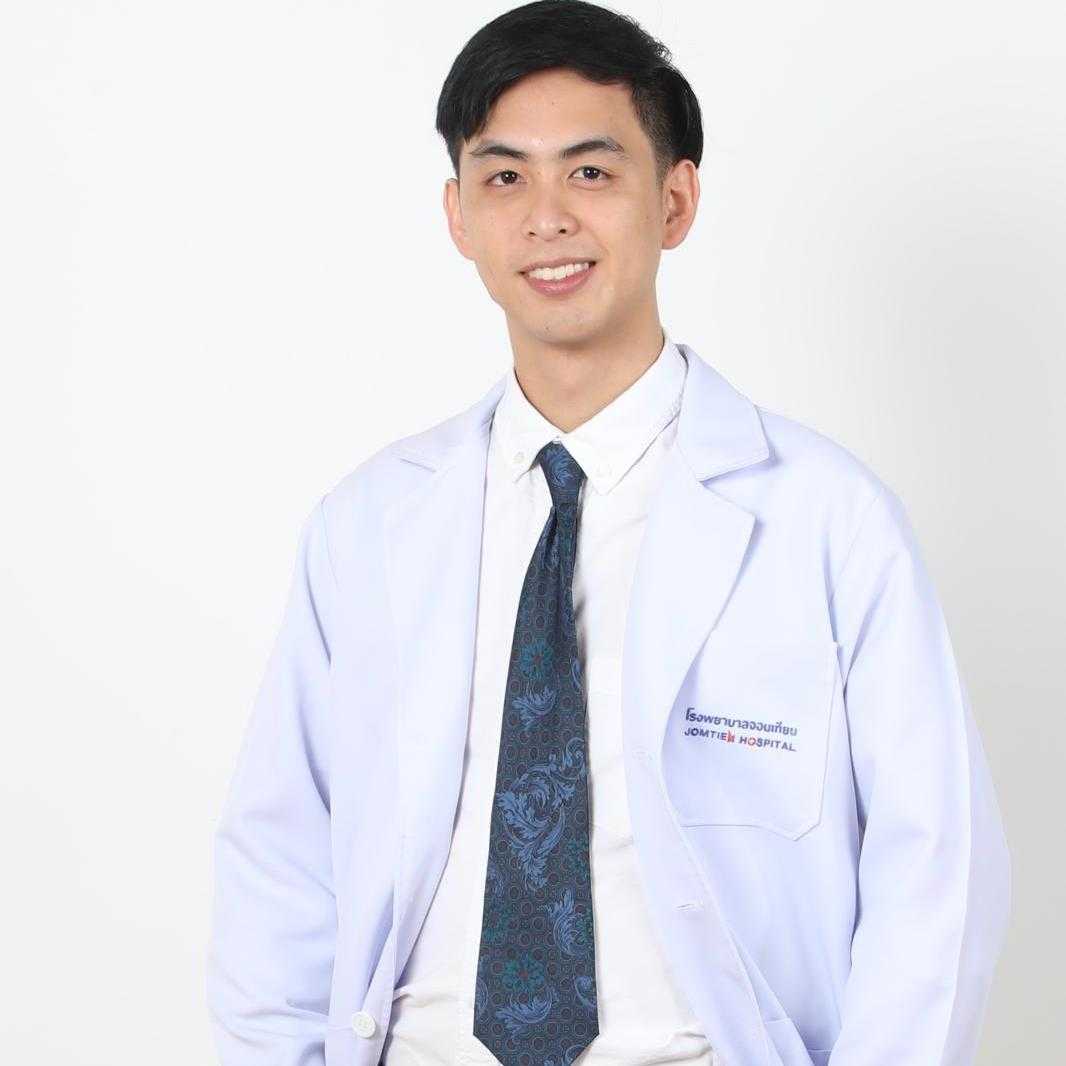
Board Certified Stem Cell Doctors in Thailand for Parkinson’s Disease
We connect you with Thailand's elite medical researchers and clinicians. These specialists hold PhDs and MDs in fields such as Neurology, Immunology, and Regenerative Medicine. They are pioneers who not only administer therapy but often contribute to the global body of research on stem cells.
Regenerative Medicine Experts
PhD Researchers & Clinicians
Leading the field are doctors with dual qualifications in clinical medicine and laboratory research. This ensures that the person overseeing your treatment understands the cellular science deeply, ensuring the highest viability and potency of the stem cells used.
Neurologists
Movement Disorder Specialists
Successful therapy requires accurate diagnosis and monitoring. Our network includes top neurologists who specialize in movement disorders. They work alongside regenerative experts to assess your baseline condition and monitor neurological improvements post-treatment.
Functional Medicine Doctors
Holistic Integration
To maximize the environment for stem cells, Functional Medicine doctors create personalized plans involving nutrition, supplements, and detoxification. This "whole-body" approach prepares your system to accept the new cells and supports long-term brain health.

Top 5 Reasons of Choosing Stem Cell Therapy in Thailand
Pioneering Research Hub
Thailand has heavily invested in biotechnology and regenerative medicine. The country boasts some of the most advanced laboratories in Asia, capable of culturing high-quality stem cells that meet international safety standards.
Integrated Rehabilitation
Treatment in Thailand is never just about the injection. It is an immersive experience. Clinics integrate stem cell delivery with intensive physical therapy, aqua therapy, and TMS, creating a synergistic effect that significantly enhances patient outcomes.
Hospitality & Wellness Culture
The "Land of Smiles" offers a healing environment that is unmatched. The stress-free atmosphere, luxury accommodation, and attentive nursing care play a vital role in recovery. Patients feel cared for not just medically, but personally, which is crucial when dealing with chronic illness.
Get FREE QUOTE for Parkinson’s Disease Stem Cell Therapy in Thailand at PlacidWay!
Explore the potential of regenerative medicine with confidence. PlacidWay serves as your bridge to Thailand's most advanced and vetted stem cell centers.
Lab Verification
We ensure all partner clinics use cGMP-certified laboratories, guaranteeing the safety, purity, and potency of the stem cells you receive.
Tailored Protocols
Get personalized treatment plans. We help you find clinics that customize cell dosage and delivery methods based on your specific condition.
Medical Review
We facilitate a preliminary review of your medical history by Thai specialists to confirm your candidacy before you travel.
Logistic Ease
Our team assists with visa invitation letters, airport transfers, and finding accommodation that suits your mobility needs.
Transparent Costs
We provide clear, all-inclusive quotes so you understand exactly what the treatment covers, with no hidden fees.
Patient Advocacy
We stand by you throughout your treatment journey, offering support and ensuring your questions are answered by the medical team.
Take the first step toward a better quality of life. Contact PlacidWay today to receive your free, personalized quote for Stem Cell Therapy in Thailand.
Get Your Free Personalized Quote








Share this listing