


内容
在泰国接受帕金森病再生医学治疗,改善病情
泰国已成为再生医学领域的全球领导者,为帕金森病等神经退行性疾病患者带来了希望。与仅能缓解症状的传统疗法不同,泰国的干细胞疗法旨在解决根本病因:多巴胺能神经元的退化。泰国拥有先进的实验室和获得JCI认证的医院,专门从事间充质干细胞(MSCs)的分离和治疗。由于间充质干细胞具有高效性和抗炎特性,因此主要来源于脐带组织。
前往曼谷或普吉岛接受这种疗法的患者,将进入一个融合尖端科学与整体护理的医疗生态系统。这里的治疗方案很少单独进行,通常会结合物理疗法、高压氧疗法和肽疗法,以最大限度地提高细胞存活率和疗效。这种综合性的“功能医学”方法是泰国医疗体验的一大特色。
泰国的治疗目标是延缓疾病进展、减轻震颤和僵硬症状,并提高患者的整体生活质量。泰国拥有严格的细胞培养监管(符合cGMP标准)并注重患者安全,因此为西方国家提供了一种切实可行的高质量替代方案,因为在西方国家,此类疗法可能仍然难以获得或仅处于实验阶段。
选择泰国意味着您将有机会接触到世界一流的研究人员和临床医生,他们处于细胞疗法的最前沿,所有这一切都将在一个充满支持和奢华的康复环境中进行。
你可知道?
泰国顶尖的再生医学中心采用“细胞扩增”技术。他们并非使用单次采集的有限数量的细胞,而是在最先进的实验室中培养这些细胞,使其达到治疗剂量,每次治疗通常超过1亿个细胞,从而确保将有效成分输送到患处。
关键信息概览
治疗通常需要大量(1亿个以上细胞)脐带间充质干细胞,以达到最大效果。
为了有效靶向大脑,细胞通常通过静脉注射(IV)和鞘内注射(脊髓注射)的方式输送。
合作实验室受到严格监管,通常持有 cGMP(现行良好生产规范)认证。
治疗方法包括经颅磁刺激(TMS)等康复疗法,以增强神经连接性。
综合方案的成本远低于美国或欧洲类似的实验方案。
外泌体优势
许多泰国诊所正在率先将“外泌体”与干细胞联合使用。外泌体是干细胞释放的信使颗粒,负责发出组织修复信号。医生们通过浓缩这些颗粒,旨在创造一种“无细胞”的再生增强剂,这种增强剂比完整细胞更容易穿过血脑屏障,从而有望改善帕金森病等神经系统疾病的治疗效果。
泰国帕金森病干细胞疗法套餐
再生疗法需要多日疗程,而泰国诊所擅长提供全面的护理套餐。此处列出的诊所提供的套餐通常涵盖干细胞注射疗程、治疗前血液检查、神经系统评估以及物理疗法或针灸等辅助疗法。这些高端套餐通常包含VIP机场接送、每日交通以及入住五星级养生度假村或医院套房。
注意:寻找包含“冷冻保存”选项的套餐,以便储存额外的细胞,用于未来的加强治疗。

Price starting from $10,000
Advanced Parkinson’s Treatment Package with Stem Cell Thailand in Bangkok by Vega Clinic
Vega Stem Cell Clinic in Bangkok Thailand
- Stem Cell Therapy
Bangkok, Thailand
泰国帕金森病干细胞疗法的费用
干细胞疗法的费用取决于细胞数量(剂量)和康复疗程的长短。在泰国,一套完整的帕金森病治疗方案通常费用在15,000美元至25,000美元之间。这比美国或巴拿马的同类疗法便宜得多,后者的费用可能超过40,000美元。泰国的治疗费用通常包括5-7天的医疗疗程以及全面的辅助疗法。
提示:在报价中务必询问“细胞数量”保证,以确保您准确比较价值(例如,1亿个细胞与2亿个细胞)。
Stem Cell Treatment for Parkinsons Disease 中心成本比较 Thailand
| 提供者 | 程序 | 价格 |
|---|---|---|
| Vega Stem Cell Clinic in Bangkok Thailand | Stem Cell Treatment for Parkinsons Disease, Stem Cell Therapy | $10000 |
Stem Cell Treatment for Parkinsons Disease Cost Comparison in Thailand
| 国家 | 程序 | 价格 |
|---|---|---|
| United States | Stem Cell Treatment for Parkinsons Disease, Stem Cell Therapy | $25000 |
| Australia | Stem Cell Treatment for Parkinsons Disease, Stem Cell Therapy | $14000 |
泰国治疗帕金森病的顶级干细胞诊所
我们精心挑选了泰国最受推崇的再生医学中心。这些并非普通医院,而是设有专门“细胞疗法”部门的医疗机构。它们严格遵守伦理准则,并通常配备符合cGMP标准的实验室,以确保细胞活性。无论您偏爱曼谷商业区的精品诊所,还是普吉岛的综合医疗疗养中心,这些中心都经过严格筛选,确保其在神经退行性疾病治疗方面拥有卓越的专业水平。
护理标准:顶级中心始终会提供“分析证书”(COA),以验证所用干细胞的质量和无菌性。
Beike Biotech
Bangkok, Thailand
Surecell Medical Clinic
Pattaya, Thailand

Vega Stem Cell Clinic in Bangkok Thailand
Bangkok, Thailand

Stay Well Clinic & Physio
Phuket, Thailand

Mousai Wellness Center - Stem Cell Bangkok Thailand
Bangkok, Thailand

Boston Health Longevity - Anti Aging Stem Cell Therapy in Thailand
Chiang Mai, Thailand
观看有关泰国干细胞疗法的资讯视频
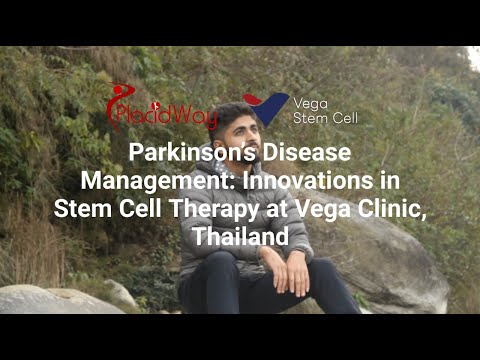
见证他人的康复历程令人鼓舞。以下视频中的患者讲述了他们前往泰国接受干细胞治疗的帕金森病经历。他们坦诚地分享了运动功能改善、震颤减轻以及所接受的优质医疗服务。虽然每个人的治疗效果不尽相同,但这些故事真实地展现了再生医学的潜在益处。
洞察:寻找那些讨论睡眠、精力、情绪等“非运动症状”改善情况的客户评价,这些往往是成功的最初迹象。
泰国干细胞治疗后真实患者的证词
泰国的再生医学中心一直保持着极高的患者满意度。在本部分,您可以阅读来自国际患者的真实评价。他们经常称赞医疗团队的专业知识、治疗方案的透明度以及医院设施的豪华舒适。这些评价充分证明了泰国作为复杂医疗治疗可靠目的地的地位。
评论提示:请留意提及“协调员支持”的评论,因为有专门的向导会让医疗旅行体验更加顺畅。

泰国帕金森病干细胞疗法常见问题解答
How Much Does Stem Cell Therapy for Parkinsons in Thailand?
The cost of stem cell therapy for Parkinson's disease in Thailand typically ranges from $8,000 to $18,000. This price can vary depending on the clinic, the specifics of the treatment plan, and the type of stem cells used. Facing a diagnosis of Parkinson's disease can be a life-altering experience, prompting patients and their families to explore innovative treatment options across the globe. One such option gaining significant attention is stem cell therapy, and Thailand has emerged as a leading destination for this cutting-edge procedure. If you're wondering about the cost of stem cell therapy for Parkinson's in Thailand, you're in the right place. The financial aspect of treatment is a crucial consideration, and this guide is designed to provide you with a comprehensive understanding of the expenses involved. Thailand's reputation for high-quality medical care at a fraction of the cost in Western countries makes it an attractive choice for medical tourists. The country's advanced medical infrastructure, experienced specialists, and welcoming culture create an environment conducive to healing and recovery. In this detailed blog post, we will delve into the specifics of the cost, what treatment packages typically include, and the various factors that can influence the final price. Our goal is to equip you with the knowledge needed to make an informed decision about pursuing stem cell therapy for Parkinson's in Thailand. We understand that navigating the complexities of medical treatments abroad can be daunting. Therefore, we have compiled answers to the most pressing questions people are asking about this topic. From understanding the different types of stem cells used to what to expect during your stay, this blog will serve as your go-to resource. We aim to provide clarity and transparency, helping you to better plan your journey towards potentially life-changing treatment. What is the estimated cost of stem cell therapy for Parkinson's in Thailand? The estimated cost of stem cell therapy for Parkinson's disease in Thailand generally falls between $8,000 and $18,000. Some clinics offer specific packages, such as Vega Stem Cell Clinic's program at $13,450. The price of stem cell therapy for Parkinson's in Thailand is a significant factor for many considering this treatment. The cost is notably lower than in countries like the United States, where it can be substantially higher. The affordability in Thailand does not mean a compromise on quality; rather, it reflects the lower operational costs and the competitive medical tourism market in the country. It's important to note that the final cost can vary based on the individual's specific medical needs and the chosen clinic. When researching, you will likely encounter a range of prices. It is advisable to obtain detailed quotes from multiple reputable clinics to compare what is included in their packages. This will help you understand the full financial commitment and avoid any unexpected expenses. What factors influence the cost of stem cell therapy for Parkinson's in Thailand? Several factors influence the cost, including the type and source of stem cells, the number of cells administered, the complexity of the procedure, the clinic's reputation and location, and the duration of the treatment program. Type and Source of Stem Cells: The kind of stem cells used, such as mesenchymal stem cells (MSCs) from umbilical cord tissue, adipose tissue, or bone marrow, can affect the price. Umbilical cord-derived MSCs are often considered more potent and may have a different cost structure. Number of Stem Cells: The total number of stem cells required for the treatment, which is determined by the patient's condition and the doctor's protocol, is a major cost driver. Clinic's Reputation and Facilities: Internationally accredited clinics with state-of-the-art facilities and experienced specialists may charge more for their services. Treatment Protocol: The complexity of the administration method (e.g., intravenous, intrathecal) and the number of treatment sessions will impact the overall cost. What is typically included in a stem cell therapy package for Parkinson's in Thailand? A typical package for stem cell therapy for Parkinson's in Thailand often includes the initial consultation, the stem cell procedure itself, doctor's fees, pre- and post-treatment medical evaluations, and sometimes airport transfers and accommodation assistance. Understanding what is covered in the quoted price is crucial for financial planning. Most reputable clinics in Thailand offer comprehensive packages to cater to international patients. These packages are designed to provide a seamless and stress-free experience. While the specifics can vary between clinics, a standard package usually includes: Medical Services: This forms the core of the package and includes the cost of the stem cells, their administration, and all related medical procedures. Consultations: Pre-treatment consultations with specialists to assess your condition and post-treatment follow-ups are generally included. Hospital/Clinic Fees: The use of the clinic's facilities and the fees for the medical staff are part of the package. Support Services: Many clinics offer additional services such as airport pickup and drop-off, assistance with booking accommodation, and sometimes even a personal translator. Are there different types of stem cell therapy for Parkinson's available in Thailand, and how do their costs vary? Yes, clinics in Thailand may offer different types of stem cell therapies, primarily using mesenchymal stem cells (MSCs). The cost can vary based on the source of these MSCs, such as from umbilical cord tissue, adipose (fat) tissue, or bone marrow. The field of regenerative medicine is constantly evolving, and various types of stem cells are being researched for their potential in treating Parkinson's disease. In Thailand, the most commonly used stem cells are mesenchymal stem cells (MSCs). These cells are known for their ability to differentiate into various cell types and their strong anti-inflammatory and immunomodulatory properties. The source of these MSCs can differ, and this can impact the cost. For example, MSCs derived from umbilical cord tissue are often considered to be of higher quality and potency, which may be reflected in the price. Adipose-derived MSCs (from fat tissue) are another common option. The choice of stem cell type will be determined by the treating physician based on your specific condition and medical history. How does the cost of stem cell therapy for Parkinson's in Thailand compare to other countries? The cost of stem cell therapy for Parkinson's in Thailand is significantly lower than in the United States and many European countries. Patients can often save 50-70% on treatment costs by choosing Thailand without compromising on the quality of care. One of the primary reasons patients travel to Thailand for medical treatment is the substantial cost savings. The table below provides a general comparison of the estimated costs for stem cell therapy for Parkinson's in different regions: Country/Region Estimated Cost (USD) Thailand $8,000 - $18,000 United States $25,000 - $50,000+ Europe $20,000 - $45,000+ What are the best clinics for stem cell therapy for Parkinson's in Thailand? Several reputable clinics in Thailand offer stem cell therapy for Parkinson's. Some of the well-regarded centers include Vega Stem Cell Clinic and Beike Biotech, which are known for their experienced medical teams and modern facilities. Choosing the right clinic is a critical step in your treatment journey. When researching clinics, consider factors such as accreditation, the experience of the medical staff, patient testimonials, and the technology they use. It is advisable to look for clinics that are transparent about their procedures, costs, and success rates. Clinics that specialize in regenerative medicine and have a focus on neurological conditions like Parkinson's are often a good choice. Reading reviews from previous patients can provide valuable insights into the quality of care and the overall patient experience. Don't hesitate to schedule consultations with a few different clinics to find the one that best suits your needs. Is stem cell therapy for Parkinson's in Thailand safe? When performed at a reputable and accredited clinic, stem cell therapy for Parkinson's in Thailand is generally considered safe. These clinics adhere to high standards of medical care and safety protocols to minimize risks. The safety of any medical procedure is a top priority. In Thailand, the medical tourism industry is well-regulated, and leading clinics are often internationally accredited. This means they adhere to stringent quality and safety standards. The stem cells used in treatment undergo rigorous screening and processing to ensure their viability and to prevent contamination. However, like any medical treatment, there are potential risks and side effects. These can include infection, allergic reactions, or the stem cells not performing as expected. A thorough discussion with your doctor about the potential benefits and risks is essential before proceeding with the treatment. What is the process of getting stem cell therapy for Parkinson's in Thailand? The process typically begins with an online consultation and medical record review. Once you arrive in Thailand, you will undergo a pre-treatment evaluation, followed by the stem cell administration. The entire process in Thailand usually lasts for a few days to a couple of weeks. The journey to receiving stem cell therapy in Thailand is a well-structured process for international patients. It generally involves the following steps: Initial Consultation: This is often done remotely via video call. You will discuss your medical history with the doctor and provide relevant medical records. Treatment Plan and Quotation: Based on the initial assessment, the clinic will propose a personalized treatment plan and provide a detailed cost estimate. Travel and Arrival: Once you decide to proceed, you will make your travel arrangements to Thailand. Many clinics assist with this process. Pre-Treatment Evaluation: Upon arrival, you will have an in-person consultation and undergo a series of medical tests to confirm your suitability for the treatment. Stem Cell Administration: The stem cells are then administered according to the treatment protocol. Post-Treatment Care and Follow-up: After the procedure, you will be monitored for a short period before being discharged. The clinic will provide instructions for your recovery and schedule follow-up appointments. What kind of results can be expected from stem cell therapy for Parkinson's? The results of stem cell therapy for Parkinson's can vary from person to person. Potential benefits may include improvements in motor function, a reduction in tremors, enhanced mood and energy levels, and a better overall quality of life. It is important to have realistic expectations about the outcomes of stem cell therapy. While it is not a cure for Parkinson's disease, it has shown promise in managing symptoms and improving the quality of life for many patients. The goal of the therapy is to repair and regenerate damaged cells in the brain, which can lead to a range of improvements. The extent of these improvements depends on several factors, including the severity of the disease, the patient's overall health, and their response to the treatment. Some patients may experience significant changes, while others may see more subtle improvements. Your doctor will be able to provide you with a more personalized prognosis based on your individual circumstances. Are there any hidden costs I should be aware of? To avoid hidden costs, it's essential to get a detailed, all-inclusive quote from the clinic. Potential additional expenses could include travel, accommodation, meals, and any unforeseen medical needs that are not part of the standard treatment package. Transparency in pricing is a hallmark of reputable clinics. However, it's always wise to clarify exactly what is and isn't included in the quoted price. Be sure to ask about potential extra charges, such as: Travel and Accommodation: Unless explicitly included, you will need to budget for your flights, hotel stay, and daily expenses. Additional Medical Services: If you require any treatments or medications that are not directly related to the stem cell therapy, these will likely be an additional cost. Follow-up Care: Clarify if long-term follow-up consultations, whether in-person or remote, are included in the initial price. How do I pay for stem cell therapy in Thailand? Payment methods for stem cell therapy in Thailand typically include bank transfers, credit cards, and sometimes cash. Most clinics require a deposit to secure your booking, with the final payment due before or upon arrival. Clinics in Thailand are accustomed to dealing with international patients and usually offer a variety of payment options. It's important to discuss the payment schedule and accepted methods with the clinic beforehand. Be sure to inquire about their policies on deposits and refunds. Is financing available for stem cell therapy for Parkinson's in Thailand? While clinics in Thailand may not directly offer financing, you can explore options such as medical tourism loans from specialized financial institutions or personal loans from your bank to cover the cost of stem cell therapy for Parkinson's. Financing a medical procedure abroad requires some research. Some financial companies specialize in providing loans for medical travel. It's also worth checking with your own bank about personal loan options. Be sure to carefully review the terms and interest rates of any loan you consider. What is the recovery period like after stem cell therapy for Parkinson's? The immediate recovery period after stem cell therapy for Parkinson's is typically short, with most patients able to resume light activities within a few days. The full benefits of the therapy may become apparent over the following weeks and months. Your doctor will provide you with specific post-treatment instructions to ensure a smooth recovery. This may include recommendations for rest, diet, and physical activity. It's important to follow these guidelines closely to maximize the potential benefits of the treatment. Do I need a visa to travel to Thailand for medical treatment? Visa requirements for Thailand vary depending on your nationality and the duration of your stay. Many nationalities can enter Thailand for up to 30 days without a visa for tourism purposes, but for longer medical stays, a medical visa may be required. It is essential to check the latest visa regulations for your country of citizenship well in advance of your planned travel. Your chosen clinic can often provide guidance and may be able to assist with the necessary documentation for a medical visa application. Why should I consider PlacidWay for my medical journey? PlacidWay is a leading medical tourism company that can connect you with reputable clinics for stem cell therapy for Parkinson's in Thailand. We provide comprehensive support, from finding the right clinic to arranging your travel and accommodation. Navigating the world of medical tourism can be complex. PlacidWay simplifies the process by providing a one-stop platform to explore your treatment options. We partner with a network of accredited clinics and hospitals in Thailand and around the world, ensuring you receive high-quality care at a competitive price. Our team is dedicated to helping you make informed decisions and supporting you every step of the way. Ready to explore your options for stem cell therapy for Parkinson's in Thailand? Explore PlacidWay for personalized solutions and to connect with leading healthcare providers.
What Improvements Can Parkinson’s Stem Cell Therapy Provide in Thailand?
Stem cell therapy for Parkinson's in Thailand can provide significant improvements such as reduced tremors, decreased muscle rigidity, improved balance, and a potential reduction in medication dosage, all at a cost 60-70% lower than Western alternatives. Living with Parkinson’s disease often feels like a slow, relentless loss of control. The tremors, stiffness, and balance issues can turn simple daily tasks into major hurdles. For many patients and their families, the standard regimen of Levodopa and other medications provides relief, but often at the cost of diminishing returns and frustrating side effects over time. This has led many to ask: "Is there a way to not just mask the symptoms, but to actually help the brain repair itself?" Thailand has become a global beacon of hope for this very reason. Renowned for its advanced medical tourism infrastructure, Thailand offers cutting-edge Stem Cell Therapy designed to target the root causes of Parkinson's—neurodegeneration and inflammation. Unlike the limited options available in many Western countries, Thai medical centers utilize regulated, high-potency Mesenchymal Stem Cells (MSCs) to potentially restore dopamine levels and improve quality of life. In this guide, we will explore the specific improvements you can realistically expect, break down the costs compared to the US and Europe, and navigate the safety and legal landscape of seeking treatment in the "Land of Smiles." What specific improvements can I expect from the therapy? Patients typically report noticeable improvements in motor functions, including reduced tremors, smoother gait (walking), better balance, and decreased muscle stiffness (rigidity) within 3 to 6 months post-treatment. The primary goal of stem cell therapy for Parkinson's is neuroprotection and regeneration. The most immediate improvement many patients notice is a reduction in muscle rigidity and stiffness. This often translates to a smoother gait, allowing patients to walk with more confidence and less risk of falling. Tremors, while difficult to eliminate entirely, are frequently reduced in severity, making fine motor tasks like eating or buttoning a shirt easier. Beyond motor skills, there is a profound impact on "non-motor" symptoms. Many patients report improved energy levels, better sleep patterns, and clearer speech. Perhaps most significantly, successful therapy can lead to a reduction in the "off" periods (times when medication stops working) and may allow for a lower dosage of traditional Parkinson's drugs, thereby reducing side effects like dyskinesia (involuntary movements). How does stem cell therapy work for Parkinson’s? The therapy works by injecting mesenchymal stem cells that migrate to damaged brain areas, releasing growth factors to reduce neuroinflammation and stimulating the regeneration of dopamine-producing neurons. Parkinson’s disease is characterized by the death of dopamine-producing neurons in a part of the brain called the substantia nigra. Stem cell therapy in Thailand typically uses Mesenchymal Stem Cells (MSCs) derived from umbilical cord tissue (allogeneic). These cells are potent "paramedics" for the brain. Once administered, these stem cells release powerful anti-inflammatory cytokines and neurotrophic factors (like BDNF and GDNF). This creates a "healing environment" that protects remaining neurons from further damage (neuroprotection) and encourages the growth of new neural connections. In some cases, the stem cells may differentiate into new cells that support the existing neural network, helping to restore the brain's natural ability to produce and regulate dopamine. What is the cost of Parkinson’s stem cell therapy in Thailand? The cost of stem cell therapy for Parkinson's in Thailand generally ranges from $7,000 to $15,000 USD, offering a savings of approximately 60-70% compared to similar experimental treatments in the US or Europe. Cost is often the deciding factor for international patients. In the US or Europe, if you can find a clinic offering this therapy (often under "right to try" laws or clinical trials), costs can exceed $30,000 to $50,000 USD. In Thailand, you receive world-class care in JCI-accredited hospitals for a fraction of that price. The price variation in Thailand depends on the number of stem cells administered (dosage), the method of delivery (IV vs. Intrathecal), and the inclusion of supportive therapies like physiotherapy, Transcranial Magnetic Stimulation (TMS), or hyperbaric oxygen therapy. A comprehensive package usually includes the procedure, hospital stay, doctor fees, and airport transfers. Cost Comparison: Thailand vs. USA/Europe Treatment Component Cost in USA/Europe Cost in Thailand Stem Cell Protocol (High Dose) $25,000 - $45,000 $7,000 - $12,000 Supportive Therapies (TMS, Rehab) $5,000 - $10,000 Included or ~$1,500 Hospital/Clinic Fees $5,000+ Included in Package Estimated Total Savings - ~65% Is stem cell therapy for Parkinson’s legal in Thailand? Yes, stem cell therapy is legal and strictly regulated by the Thai Food and Drug Administration (TFDA) and the Medical Council of Thailand, ensuring safe and ethical practices. Thailand is not an unregulated market. The government actively promotes medical tourism and has established strict guidelines to ensure patient safety. The Thai FDA oversees the production and lab safety of stem cell products, while the Medical Council regulates the clinical application. It is important to note that while "embryonic" stem cells are largely restricted due to ethical concerns, the use of Adult Mesenchymal Stem Cells (MSCs)—derived from umbilical cord tissue or the patient's own fat/bone marrow—is permitted and widely practiced in licensed medical centers. This regulation provides a layer of safety and quality assurance that is sometimes missing in other medical tourism destinations. What is the procedure like? The procedure typically involves a multi-day protocol where stem cells are administered via Intravenous (IV) drip and often Intrathecal injection (lumbar puncture) to bypass the blood-brain barrier. To treat a neurological condition like Parkinson's, getting the cells to the brain is the challenge. Most comprehensive protocols in Thailand use a two-pronged approach. First, an Intravenous (IV) infusion delivers a high dose of stem cells systemically to reduce overall inflammation in the body. Second, and crucially, doctors often perform an Intrathecal injection (similar to an epidural or lumbar puncture). This second method injects stem cells directly into the spinal fluid, allowing them to bypass the "blood-brain barrier" and reach the central nervous system more effectively. The procedure is generally performed under local anesthesia or mild sedation, takes about 1-2 hours, and requires a short recovery period. The entire treatment course, including rehabilitation, often lasts 5 to 7 days. What is the success rate? While not a guaranteed cure, reputable clinics in Thailand report a success rate of approximately 70-80%, defined as measurable improvements in symptoms and quality of life measures. Success in Parkinson’s therapy is defined as a significant improvement in quality of life and a slowing of disease progression, rather than a total reversal. Clinical data and patient testimonials from top Thai hospitals suggest that about 70% to 80% of patients respond positively to the treatment. The degree of success often depends on the stage of the disease. Patients in the early to moderate stages tends to see the most dramatic results because they still have a reserve of neurons that can be protected and stimulated. Advanced-stage patients may still experience benefits, particularly in reduced rigidity and improved alertness, but expectations should be managed carefully. Improvements typically become noticeable 3 to 6 months after treatment. Are there any side effects? Side effects are generally minor and temporary, including mild headaches, low-grade fever, or soreness at the injection site, all of which typically resolve within 24 to 48 hours. Because the therapy utilizes Mesenchymal Stem Cells (especially those from umbilical cord tissue), the risk of immune rejection is extremely low. These cells are "immune-privileged," meaning the body does not attack them. This eliminates the need for immunosuppressant drugs. Serious complications are very rare when the procedure is performed in a sterile, accredited hospital environment. The most common side effects are related to the injection itself, such as a temporary headache (from the lumbar puncture) or mild flu-like symptoms as the immune system reacts to the new cells. Doctors in Thailand will monitor you closely for 24 hours post-procedure to manage any discomfort. Why choose Thailand over other countries? Thailand combines JCI-accredited hospitals and highly trained specialists with a hospitality-focused culture, providing a stress-free environment that is crucial for neurological recovery. Thailand offers a unique blend of "high tech" and "high touch." Bangkok is home to hospitals that rival the best in the West, equipped with the latest MRI technology and clean-room laboratories. However, it is the Thai culture of care—often referred to as Thai hospitality—that sets it apart. For a Parkinson's patient, stress can exacerbate symptoms. The ability to recover in a luxury hospital suite that feels like a hotel, with attentive nurses and access to holistic therapies like Thai massage (modified for patients) and acupuncture, creates an optimal environment for healing. Furthermore, the logistical ease—with many hospitals offering dedicated international patient centers that handle visas, airport pickups, and translation—makes the journey seamless. Ready to explore advanced Stem Cell Therapy for Parkinson's in Thailand? Get a Free Quote from PlacidWay
Can Stem Cell Therapy In Thailand Help With Parkinson’s Disease?
Yes, stem cell therapy in Thailand can help manage Parkinson's disease symptoms by regenerating damaged nerve cells, potentially improving motor function, reducing tremors, and enhancing overall quality of life. When you or a loved one is navigating the challenges of a progressive condition like Parkinson's, finding effective treatment options can feel like an uphill battle. You might be wondering if stem cell therapy in Thailand is a viable solution. The short answer is that while it isn't a guaranteed cure, many patients have found significant relief from symptoms and a better quality of life through these advanced treatments in Thailand. Thailand has emerged as a global hub for medical tourism, particularly for regenerative medicine. Patients are drawn not just by the affordable costs compared to the West, but by the high standard of care in internationally accredited facilities. In this guide, we will walk you through everything you need to know—from how the procedure works and what it costs, to safety standards and what kind of results you might realistically expect. Let's dive into the details of how this innovative therapy is changing lives. What is the success rate of stem cell therapy for Parkinson's in Thailand? "The success rate of stem cell therapy for Parkinson's in Thailand is generally reported around 60% to 70% for symptom improvement, with many patients experiencing reduced tremors and better mobility." Determining an exact "success rate" for stem cell therapy for Parkinson's can be tricky because it's not a one-size-fits-all cure. However, data from top clinics in Thailand suggests that approximately 60-70% of patients report noticeable improvements. "Success" in this context usually means a reduction in the severity of symptoms rather than a complete reversal of the disease. Patients often report that their movements become smoother and less rigid. For many, the "off" periods (times when medication stops working well) become shorter or less intense. It is important to approach this with realistic expectations; the goal is often to slow down disease progression and improve daily living standards, rather than to walk away completely cured. Clinical outcomes can vary heavily based on the patient's age, the stage of the disease, and their overall health. Those in the early to moderate stages of Parkinson's typically see better and longer-lasting results compared to those in advanced stages. How does stem cell therapy work for Parkinson's disease? "Stem cell therapy works by introducing healthy cells that can differentiate into dopamine-producing neurons, repairing damaged brain tissue and reducing inflammation associated with Parkinson's disease." The science behind this treatment is fascinating. Parkinson's disease is primarily caused by the death of nerve cells in the brain that produce dopamine, a chemical messenger vital for controlling movement. Stem cell therapy aims to address this root cause. When stem cells are introduced into the body, they have the unique ability to seek out areas of damage and inflammation. Once these cells reach the brain, they can potentially differentiate (transform) into new dopamine-producing neurons or support existing ones. Perhaps even more importantly, they release potent anti-inflammatory factors and growth hormones. This "paracrine effect" helps to protect the remaining healthy neurons from further degeneration. Essentially, you are giving your brain a regenerative boost. By reducing neuroinflammation and encouraging the repair of neural pathways, the therapy helps restore some of the communication lines between the brain and the body that Parkinson's has disrupted. What is the cost of stem cell therapy for Parkinson's in Thailand? "The cost of stem cell therapy for Parkinson's in Thailand typically ranges from $7,000 to $20,000 USD, covering multiple sessions, medical tests, and accommodation." One of the biggest drivers for medical tourism is cost. In Thailand, you can access world-class regenerative medicine for a fraction of the price you might pay elsewhere. A comprehensive package usually falls between $7,000 and $20,000 USD. This price variance depends on the number of stem cells used, the method of administration, and the length of your hospital stay. It is crucial to understand that "cheaper" does not mean lower quality here. The lower cost is largely due to lower labor and operational costs in Thailand. Most packages are all-inclusive, meaning they cover not just the stem cell injections, but also airport transfers, specialized blood work, doctor consultations, and sometimes even physiotherapy sessions. Below is a detailed comparison to help you understand the financial value. Comparison of Stem Cell Therapy Costs by Country "Stem cell therapy in Thailand costs approximately 60-70% less than in the US or UK, offering savings of tens of thousands of dollars for similar treatment protocols." When you compare the global landscape, Thailand stands out as a high-value destination. In countries like the USA, stem cell treatments for conditions like Parkinson's are often not covered by insurance and can be prohibitively expensive. Country Estimated Cost (USD) Notes Thailand $7,000 - $20,000 Includes accommodation & rehab often. United States $25,000 - $50,000+ Often excludes hospital stay fees. United Kingdom $20,000 - $45,000 Limited availability for this therapy. Mexico $8,000 - $15,000 Popular for US border patients. Germany $15,000 - $25,000 Strict regulations, high quality. As you can see, choosing Thailand for medical tourism can save you tens of thousands of dollars, allowing you to allocate funds towards post-treatment therapy and recovery support. What types of stem cells are used in Thailand for Parkinson's? "Clinics in Thailand primarily use Mesenchymal Stem Cells (MSCs) derived from umbilical cord tissue or adipose (fat) tissue due to their high safety profile and potent regenerative capabilities." The type of cell used is a critical factor in the safety and efficacy of the treatment. In Thailand, the most common standard is Mesenchymal Stem Cells (MSCs). These are typically harvested from two main sources: umbilical cord tissue (from healthy, screened donors) or the patient's own adipose (fat) tissue. Umbilical cord-derived cells are often preferred for older patients with Parkinson's. This is because these "young" cells are more potent, multiply faster, and have not been exposed to the aging process or environmental toxins that a patient's own cells might have. They are considered "immunoprivileged," meaning they rarely cause rejection reactions. Some clinics may also offer induced Pluripotent Stem Cells (iPSCs) in clinical trial settings, but MSCs remain the gold standard for general therapy due to their established safety record and ability to modulate the immune system effectively. Is stem cell therapy for Parkinson's safe? "Yes, stem cell therapy is generally considered safe when performed in accredited Thai hospitals, with the main risks being minor side effects like temporary headache or injection site pain." Safety is naturally a top concern. When performed in reputable, regulated clinics in Thailand, stem cell therapy safety is very high. The Mesenchymal Stem Cells used are known for not forming tumors, which was a concern with older types of embryonic stem cell research. Most patients experience no serious adverse effects. The most common side effects are mild and transient, such as a low-grade fever, a headache, or some soreness at the injection site immediately after the procedure. These typically resolve within 24 to 48 hours. However, infection is a risk with any medical procedure involving injections. This is why it is vital to choose a facility that adheres to strict sterile protocols. Many top Thai hospitals are JCI (Joint Commission International) accredited, which means they meet the same rigorous safety standards as top US hospitals. How are stem cells administered to Parkinson's patients? "Stem cells are usually administered via Intravenous (IV) infusion for systemic benefits and Intrathecal injection (lumbar puncture) to deliver cells directly into the spinal fluid and brain." For Parkinson's disease, simply injecting cells into the blood isn't always enough; they need to reach the brain. Therefore, doctors in Thailand often use a combination of methods. The most common is Intravenous (IV) infusion, which is like a standard drip. This helps reduce systemic inflammation throughout the body. To target the central nervous system more directly, doctors often perform an Intrathecal injection. This involves a lumbar puncture (spinal tap) to inject stem cells directly into the cerebrospinal fluid. This bypasses the blood-brain barrier, allowing a higher concentration of cells to reach the brain and the damaged neurological tissues. Some advanced clinics may also use stereotactic injections (injecting directly into the brain), but this is surgical and less common for standard medical tourism due to its complexity and invasiveness. The IV and Intrathecal combination is the industry standard for balancing safety and efficacy. How long does the treatment process take in Thailand? "A typical stem cell treatment package in Thailand lasts between 10 to 14 days, allowing time for cell cultivation, multiple administration sessions, and observation." You won't be flying in and out in a single weekend. A proper treatment protocol requires time. Most stem cell packages in Thailand are designed as a 2-week program. The first few days are dedicated to comprehensive health screenings, blood tests, and neurological evaluations to establish a baseline. The treatment itself usually involves multiple sessions spread out over several days. For example, you might receive an IV infusion on day 3, an intrathecal injection on day 5, and supportive therapies like physiotherapy or hyperbaric oxygen therapy in between. This structured approach ensures your body has time to accept the cells and allows doctors to monitor you closely for any immediate reactions. It also gives you a chance to rest and enjoy the hospitality Thailand is famous for. What improvements can I realistically expect? "Patients typically notice improvements in balance, reduced tremors, clearer speech, and increased energy levels, usually starting 3 to 6 months after the treatment." Managing expectations is key. You should not expect to wake up the next morning symptom-free. Stem cell therapy is a biological process, and cellular repair takes time. While some patients report a "boost" in energy within days, significant neurological improvements often take 3 to 6 months to manifest. Commonly reported benefits include: Improved Motor Skills: Less stiffness and smoother walking gaits. Reduced Tremors: Shaking may become less violent or frequent. Better Balance: Reduced risk of falls. Non-Motor Improvements: Better sleep quality, clearer speech, and improved cognitive focus. Many patients describe it as "turning back the clock" a few years on their disease progression, giving them more independence in their daily lives. Do I need to stop taking my Parkinson's medication? "No, you should generally continue your Parkinson's medication as prescribed, though your doctor may adjust the dosage later as stem cell therapy begins to take effect." It is very important not to stop your medication abruptly. Stem cell therapy is designed to work alongside your current treatment plan, not strictly replace it overnight. You will likely continue taking Levodopa or other prescribed drugs during your trip to Thailand. However, as the therapy begins to work over the following months, you might find that you require less medication to manage your symptoms. Many patients are able to lower their dosages under the supervision of their neurologist, which in turn helps reduce the side effects of the medication itself, such as dyskinesia. Are there any specific requirements to be a candidate? "Good candidates are typically in the early to moderate stages of Parkinson's, generally healthy, and free from active infections or cancer." Not everyone is an ideal candidate for stem cell treatment. Clinics in Thailand will perform a pre-screening, usually via email or video call, before you even book your flight. They will review your medical history and recent MRI scans. The best candidates are those who have been diagnosed with idiopathic Parkinson's disease (not atypical Parkinsonism, though some clinics treat this too) and are in the mild to moderate stages. If the disease is extremely advanced and the patient is completely immobile, the potential for significant recovery is lower. You must also be free of uncontrolled infections, cancer, or severe bleeding disorders. Why choose Thailand over other countries? "Thailand offers a unique combination of JCI-accredited hospitals, experienced medical specialists, affordable pricing, and a supportive, hospitality-focused environment." Thailand has earned its reputation as a "Medical Hub of Asia" for good reason. It’s not just about the low cost of treatment. The country is home to a high density of JCI-accredited hospitals, ensuring Western-grade safety protocols. Furthermore, Thai culture is renowned for its hospitality. In a medical context, this translates to doctors and nurses who are incredibly attentive, kind, and patient-focused. The recovery environment—often involving luxury accommodation, great weather, and nutritious food—also plays a positive role in healing. Many clinics even offer VIP services including airport pickup and personal translators. What is the recovery time after the procedure? "Physical recovery is quick, often just 1-2 days of rest, but the biological recovery and cell integration process continues for several months." The physical downtime for stem cell therapy is minimal. If you undergo a lumbar puncture, you will be asked to lie flat for a few hours to prevent headaches, and you might be advised to take it easy for 24 to 48 hours. Most patients are up and walking around Bangkok or Phuket within a day or two. However, the "internal" recovery takes longer. Your brain and body need time to utilize the new cells. Doctors often recommend a healthy diet, supplements, and physical therapy for several months post-treatment to maximize the integration of the stem cells. You aren't just recovering from a procedure; you are actively building new neural pathways. How long do the benefits last? "The benefits of stem cell therapy can last anywhere from 1 to 3 years or more, depending on the individual's disease progression and lifestyle." Since Parkinson's is a progressive degenerative disease, stem cell therapy is not a permanent fix that stops the disease forever. However, the effects are long-lasting. Most patients enjoy a period of stability and improved symptoms that can last for 1 to 3 years. After this period, as the natural aging process and disease progression continue, some patients choose to return to Thailand for a "top-up" or booster treatment. The non-invasive nature of the therapy makes repeat treatments a viable option for maintaining quality of life over the long term. What is included in a standard medical package? "Standard packages usually include the stem cell injections, doctor fees, hospital stay, airport transfers, and sometimes physiotherapy and nutritional support." When you see a price quote for medical tourism in Thailand, it is usually an "all-inclusive" package. This is designed to make the experience stress-free for international travelers. Typically, a package will cover: Stem Cell Preparation: The harvesting and processing of millions of cells. Medical Fees: Neurologist and nursing costs. Testing: Pre-op blood work and viral screening. Logistics: Private transport from the airport to the clinic/hotel. Therapies: Supportive treatments like Physiotherapy, Acupuncture, or Transcranial Magnetic Stimulation (TMS). Always ask for a detailed breakdown before booking to ensure there are no hidden costs. Looking for the best Stem Cell Clinics in Thailand? Navigate your medical journey with confidence. Explore top-rated clinics, compare packages, and get free quotes for Stem Cell Therapy today. Explore Options at PlacidWay
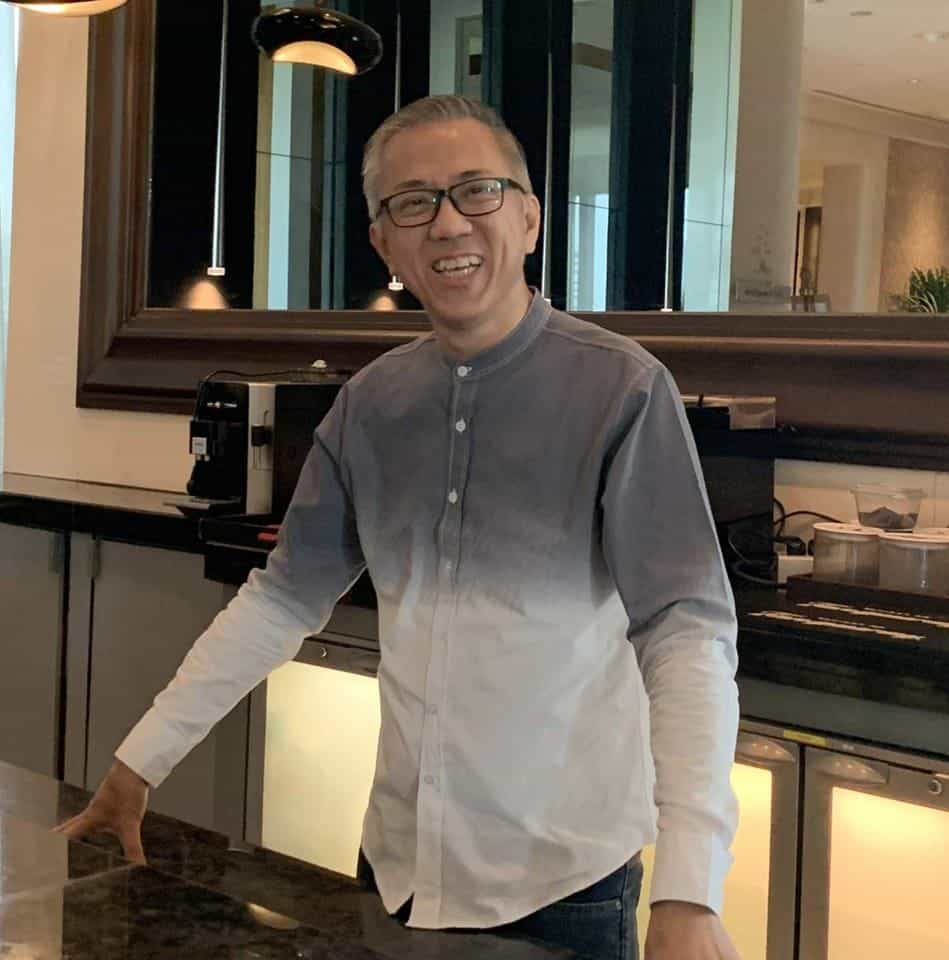
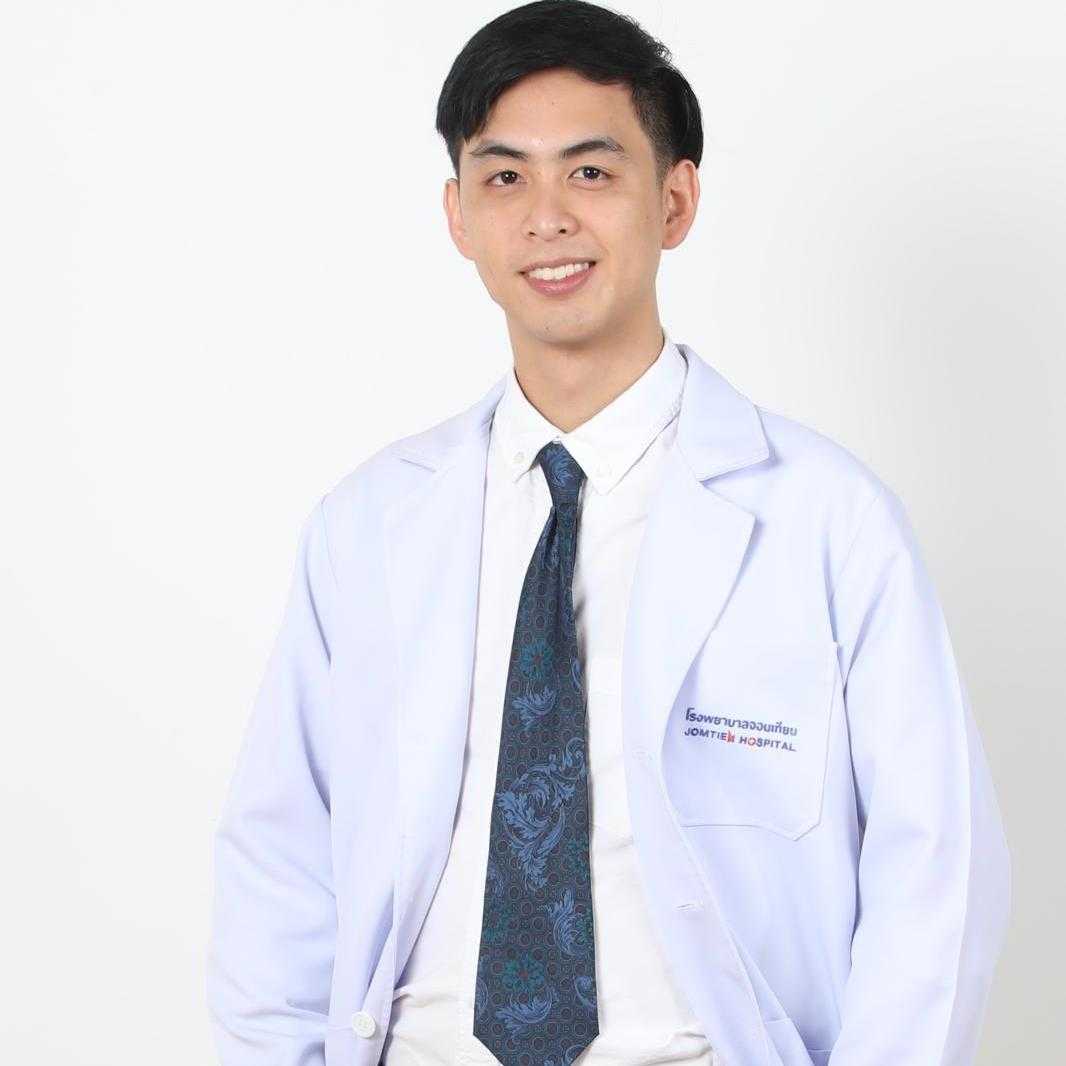
泰国经认证的干细胞医生,专治帕金森病
我们为您对接泰国顶尖的医学研究人员和临床医生。这些专家拥有神经病学、免疫学和再生医学等领域的博士学位(PhD 或 MD)。他们是先驱者,不仅提供治疗,而且常常为全球干细胞研究做出贡献。
再生医学专家
博士研究人员和临床医生
该领域的领军人物是拥有临床医学和实验室研究双重资质的医生。这确保了负责您治疗的医生对细胞科学有着深入的了解,从而保证了所用干细胞的最高活性和效力。
神经科医生
运动障碍专家
成功的治疗需要精准的诊断和监测。我们的专家团队汇聚了顶尖的神经科医生,他们专攻运动障碍。他们与再生医学专家携手合作,评估您的基线状况,并监测治疗后的神经功能改善情况。
功能医学医生
整体整合
为了最大程度地改善干细胞的生存环境,功能医学医生会制定个性化的方案,包括营养、补充剂和排毒。这种“全身”疗法能够帮助身体更好地接受新的细胞,并促进大脑的长期健康。

在泰国选择干细胞疗法的五大理由
先锋研究中心
泰国在生物技术和再生医学领域投入巨资。该国拥有亚洲一些最先进的实验室,能够培养符合国际安全标准的高质量干细胞。
综合康复
在泰国,治疗绝不仅仅是注射那么简单,而是一种沉浸式的体验。诊所将干细胞移植与强化物理疗法、水疗和经颅磁刺激(TMS)相结合,产生协同效应,显著提升患者的治疗效果。
酒店及健康文化
“微笑之国”提供无与伦比的疗愈环境。轻松的氛围、豪华的住宿和细致入微的护理在康复过程中发挥着至关重要的作用。患者不仅在医疗方面得到关怀,更在情感上得到关注,这对于应对慢性疾病至关重要。
在 PlacidWay 获取泰国帕金森病干细胞疗法的免费报价!
充满信心地探索再生医学的潜力。PlacidWay 为您搭建桥梁,连接泰国最先进、最权威的干细胞中心。
实验室验证
我们确保所有合作诊所均使用 cGMP 认证的实验室,从而保证您所接受的干细胞的安全性、纯度和效力。
定制方案
获取个性化治疗方案。我们帮助您找到能够根据您的具体病情定制细胞剂量和输送方式的诊所。
医学审查
我们会安排泰国专家对您的病史进行初步审查,以确认您是否符合出行条件。
物流便利性
我们的团队可以协助办理签证邀请函、安排机场接送,并寻找符合您出行需求的住宿。
透明的成本
我们提供清晰、包含所有费用的报价,让您清楚了解治疗方案涵盖的内容,没有任何隐藏费用。
患者权益倡导
在您的整个治疗过程中,我们将始终陪伴在您身边,提供支持,并确保您的问题得到医疗团队的解答。
迈出提升生活品质的第一步。立即联系 PlacidWay,获取您在泰国接受干细胞治疗的免费个性化报价。
获取您的免费个性化报价


.png)
.png)
.png)
.png)



Share this listing