


Contents
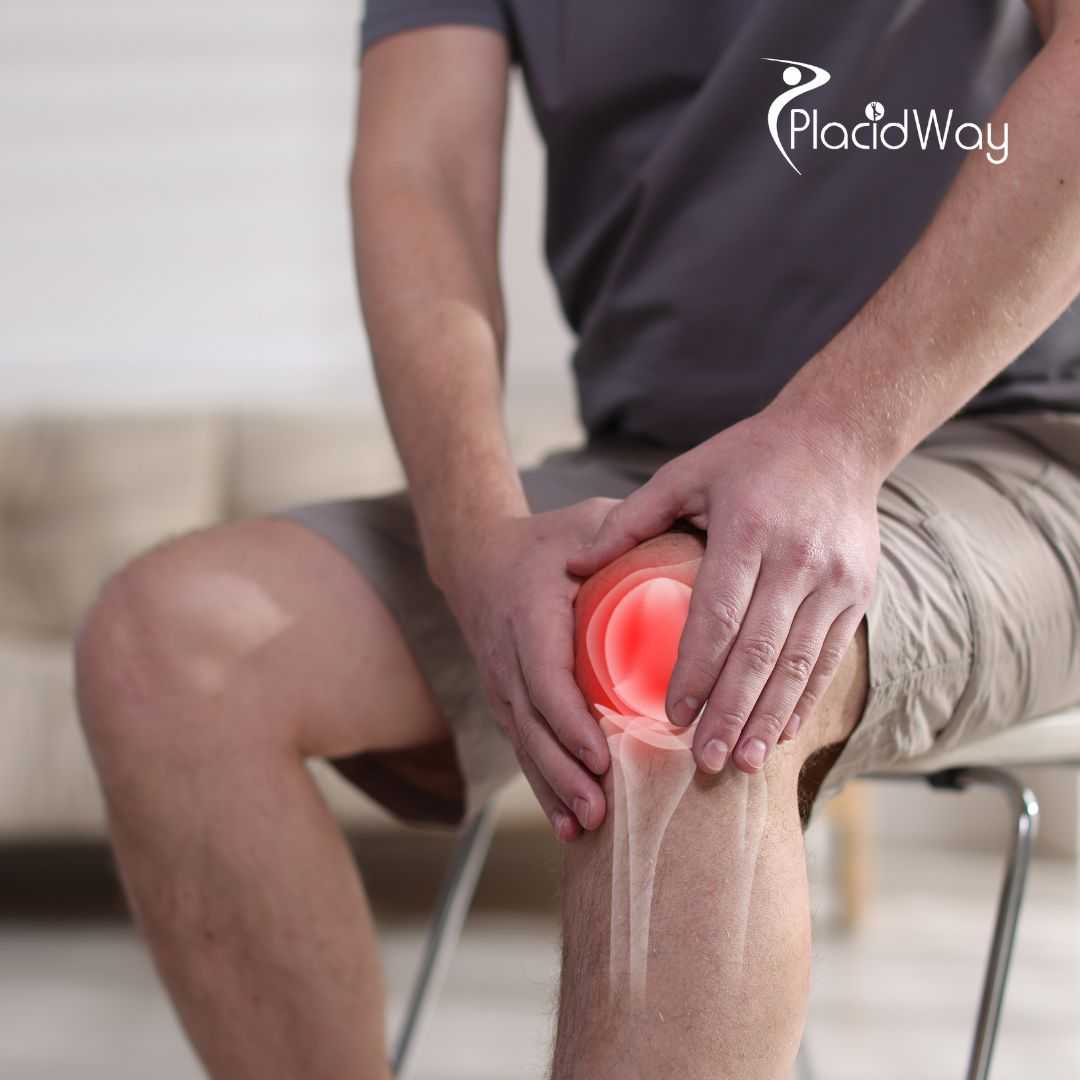
Stem Cell Therapy for Knee Osteoarthritis in Osaka Japan
Japan stands at the forefront of the global regenerative medicine revolution, and Osaka is one of its beating hearts. Following the groundbreaking "Act on the Safety of Regenerative Medicine" passed in 2014, Japan established the world's most progressive yet rigorously safe framework for cell therapies. For patients suffering from knee osteoarthritis, this means access to advanced treatments—specifically cultured stem cell therapies—that are often unavailable or restricted in the United States and Europe.
In Osaka, clinics don't just offer "stem cell injections"; they offer highly sophisticated protocols involving the expansion of your own Mesenchymal Stem Cells (MSCs). Unlike many Western treatments that simply concentrate cells, Japanese laboratories can culture your cells to reach numbers in the hundreds of millions, significantly increasing the therapeutic potential for cartilage repair and inflammation reduction.
The medical experience in Osaka is characterized by "Omotenashi" (wholehearted hospitality) combined with extreme technical precision. The clinics are strictly regulated by the Ministry of Health, Labour and Welfare, ensuring that every facility offering these treatments holds a specific license (Class II or Class III) for processing cells.
Choosing Osaka for your knee therapy offers a chance to potentially delay or avoid knee replacement surgery through science-backed, minimally invasive treatments in a city known for its vibrant culture and culinary excellence.
Did You Know?
The Kansai region (where Osaka is located) is the birthplace of Nobel Prize-winning iPS cell research (induced pluripotent stem cells). This academic heritage trickles down into clinical practice, meaning your doctors are often directly connected to the latest academic breakthroughs in cartilage regeneration.
Key Insights at a Glance
Japanese clinics can legally culture (expand) your stem cells to increase the dosage to 100 million+ cells.
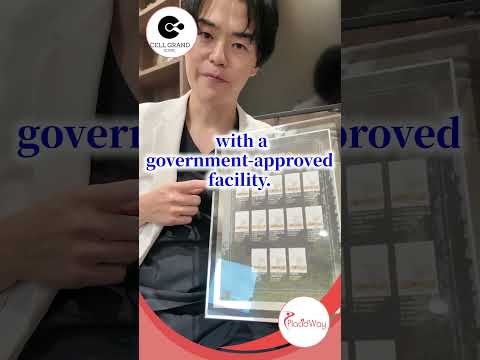
Every clinic must submit a treatment plan to the government for approval before treating patients.
The procedure typically involves a simple fat harvest and injection, requiring no hospitalization.
Japan's rigorous oversight has maintained an impeccable safety record for autologous stem cell therapies.
Many clinics offer to freeze your young/healthy cells for future treatments years down the line.
Patients typically walk out of the clinic on the same day as the injection with minimal downtime.
The "Nation's Kitchen" Recovery
Osaka is famously known as "Tenka no Daidokoro" (The Nation's Kitchen). While recovering, patients can explore a culinary scene that emphasizes fresh, nutrient-rich ingredients. The local philosophy of "Kuidaore" (eat until you drop) is a delightful way to spend your recovery days—just remember to take it easy on your knees while exploring Dotonbori!
While Japan offers advanced technology, pricing is competitive when compared to similar high-quality cellular therapies in the US or Europe (where they are often less regulated or available only in trials). Costs vary based on the number of cells cultured (e.g., 50 million vs. 200 million) and whether one or both knees are treated. The transparency in Japanese medical billing is high, so the quote you receive is typically the final price without hidden hospital fees.
Tip: Ask if the price includes "Cryopreservation" (freezing extra cells), which can make future treatments significantly cheaper.
Japanese clinics are increasingly catering to international patients with comprehensive care packages. We have identified top providers offering packages that typically cover the initial consultation (often done virtually first), the fat tissue extraction procedure, cell processing and culture in a certified CPC (Cell Processing Center), the injection procedure, and follow-up assessments. Some premium packages also include translation services and local transport assistance.
Note: Due to the biological nature of cell culture (which takes 3-4 weeks), most packages require two short trips to Osaka or one extended stay.
Stem Cell Therapy for Osteoarthritis Cost Comparison in Japan
| Country | Procedure | Price |
|---|---|---|
| United States | Stem Cell Therapy for Osteoarthritis, Stem Cell Therapy | $35000 |
| Germany | Stem Cell Therapy for Osteoarthritis, Stem Cell Therapy | $12000 |
We feature only those clinics in Osaka that have obtained the specific government license to process and administer stem cells for osteoarthritis. These facilities range from large research-integrated hospitals to specialized boutique clinics. They are vetted for their laboratory standards (Cell Processing Centers must meet Good Gene, Cellular, and Tissue-based Products Manufacturing Practice - GCTP), English-speaking staff availability, and track record in orthopedic regeneration.
Safety Verification: Look for the unique "Provision of Regenerative Medicine Plans" submission number which licensed clinics display proudly.

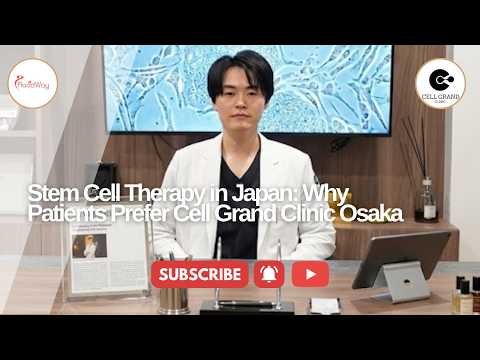
Cell Grand Clinic - Best Stem Cell Clinic in Japan
Osaka, Japan
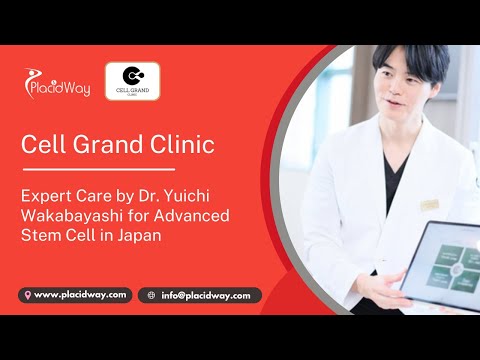
Discover the journeys of patients who traveled to Osaka to save their knees. The video testimonials below feature individuals who faced the prospect of total knee replacement and chose regenerative therapy instead. Listen to their experiences regarding the pain level of the injection, the gradual improvement in mobility over months, and the professional, respectful nature of Japanese medical teams.
Insight: Many patients highlight the detailed "counseling" sessions where doctors use diagrams to explain exactly how the cells work.

We have curated reviews from international patients to help you gauge satisfaction rates. Japanese clinics are often praised for their cleanliness, punctuality, and honesty—doctors will candidly tell you if your condition is too advanced for stem cells to work. Read through these verified reviews to understand the realistic outcomes and the high level of service provided in Osaka.
Review Tip: Look for reviews that mention "mobility improvement" and "pain reduction" at the 3-month and 6-month marks.

In Osaka, you are not just seeing a doctor; you are often seeing a researcher-clinician. The specialists we recommend are licensed under the Regenerative Medicine Safety Act. They typically have backgrounds in orthopedic surgery and have undergone specific training in cell processing and administration protocols mandated by the Japanese government.
Certified Regenerative Physicians
MHLW Licensed Practitioners
Our selected specialists hold specific licenses permitting them to perform Class II (Adult Stem Cells) regenerative medicine procedures. This certification proves they have met stringent safety and ethical guidelines set by the Ministry of Health.
Orthopedic Experts
Joint & Cartilage Specialists
Unlike general wellness clinics, the specialists we recommend are Board Certified Orthopedic Surgeons. They understand the biomechanics of the knee deeply and can offer a comprehensive treatment plan that may combine stem cells with rehabilitation or bracing for optimal results.
Academic Leaders
Research-Driven Care
Many doctors in Osaka are affiliated with university hospitals or research institutes. They are at the cutting edge of cell culture technology, ensuring that the methods used to process your cells are based on the very latest scientific evidence for efficacy and safety.

Yuichi Wakabayashi
Cell Grand Clinic – Japan’s Best Stem Cell Clinic
- Longevity Specialist
Osaka, Japan
The "Regenerative Medicine Safety Act"
The primary reason patients choose Japan is legal peace of mind. While stem cell clinics in other countries may operate in grey areas, Japan has a clear, government-enforced legal framework.
This ensures that the clinic you visit is inspected, the lab is certified, and the doctor is licensed. You are not a "guinea pig"; you are a patient in a regulated system.
High-Dosage Cultured Cells
In many countries, regulations prevent the manipulation (culturing) of cells, limiting treatments to low-dose concentrates. Japan allows for the expansion of cells.
This means you can receive hundreds of millions of viable young cells, providing a potentially more potent healing effect for severe osteoarthritis compared to same-day procedures available elsewhere.
World-Class Infrastructure & Tourism
Osaka is a safe, clean, and modern metropolis. It offers excellent accessibility via Kansai International Airport (KIX).
Combining your treatment with a visit to Osaka Castle, Universal Studios Japan, or a food tour in Dotonbori makes the medical trip feel like a holiday. The city's efficient public transport makes getting around with a sore knee manageable.
Accessing Japan's advanced medical system can be challenging due to language and regulatory barriers. PlacidWay serves as your bridge, connecting you directly with government-licensed clinics in Osaka and ensuring a smooth, transparent experience.
License Verification
We ensure that every clinic we recommend has a valid MHLW license number for regenerative medicine, protecting you from unlicensed providers.
Remote Assessments
We facilitate the transfer of your MRI scans and medical records to Osaka specialists for a preliminary review to confirm your candidacy before you travel.
Transparent Pricing
We provide clear, all-inclusive quotes in English, helping you understand the costs of cell culture, administration, and cryopreservation upfront.
Language Support
We connect you with clinics that have dedicated international departments or assist in arranging professional medical interpreters for your appointments.
Appointment Scheduling
We coordinate the complex timing required for two-step cell therapy, ensuring your travel dates align perfectly with the lab's culture schedule.
Travel Guidance
From visa advice to recommending hotels near the clinic that are wheelchair/crutch friendly, we help optimize your logistics.
Take a step towards a pain-free future. Contact PlacidWay today to receive a free, personalized quote and connect with Japan's leading regenerative medicine specialists in Osaka.
Get Your Free Personalized Quote

.png)



.png)
.png)
.png)









Share this listing