


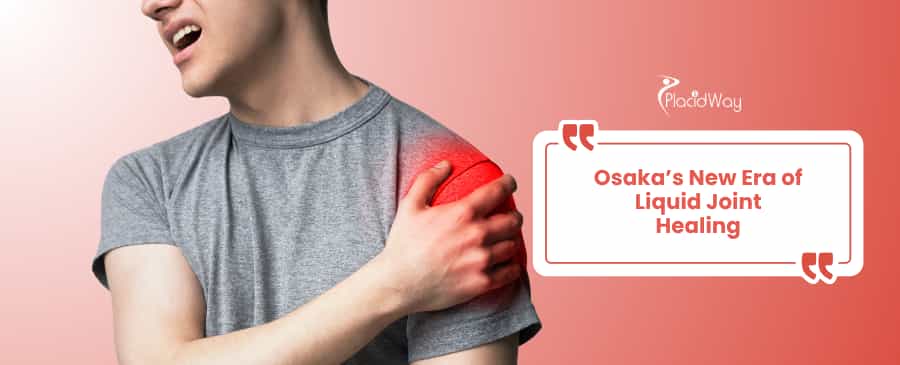
Osteoarthritis is a debilitating condition that affects millions globally, characterized by the progressive wearing down of joint cartilage. Traditional treatments have largely focused on managing pain or resorting to highly invasive joint replacement surgeries. Recently, a breakthrough in regenerative medicine known colloquially as the "Liquid Joint" has emerged, establishing hydrogel stem cell therapy for osteoarthritis in Osaka as a leading alternative for patients seeking minimally invasive relief.
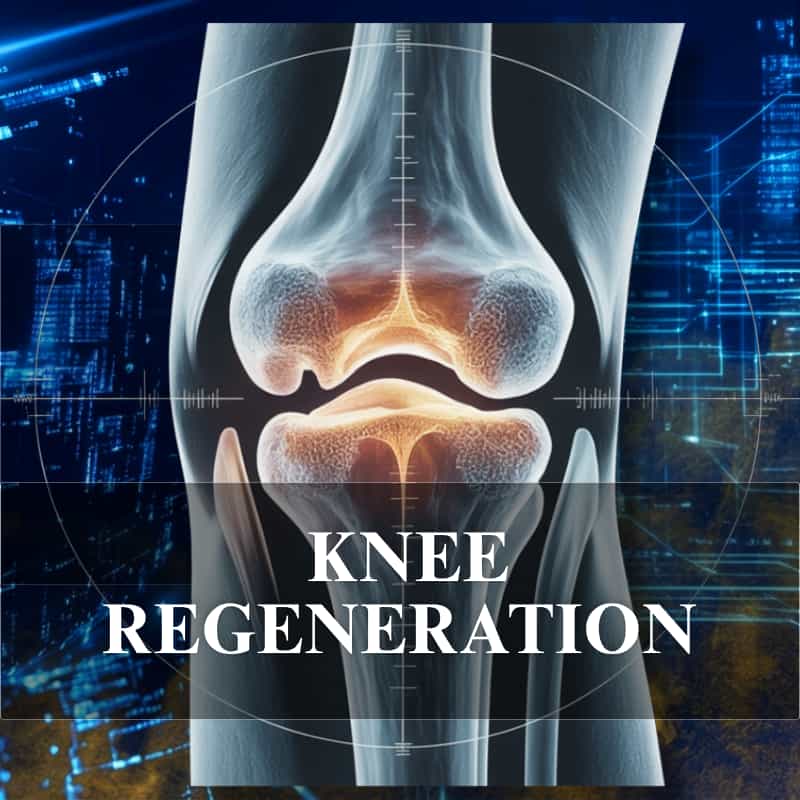
This innovative treatment combines advanced mesenchymal stem cells (MSCs) with a specialized biocompatible hydrogel. When injected into the affected knee or hip, this cocktail transforms the joint environment. The hydrogel acts as a temporary 3D scaffold, anchoring the healing cells precisely where they are needed, rather than allowing them to dissipate into the body. This significantly increases the potential for tissue regeneration and long-term joint functionality.
The natural cartilage in human joints is essentially a biological hydrogel. By utilizing synthetic or biopolymer hydrogels in stem cell treatments, doctors are mimicking the body's natural joint architecture to encourage better cellular integration.
- Enhanced Cell Retention: The hydrogel matrix prevents stem cells from washing out of the synovial fluid.
- Targeted Healing: Concentrates anti-inflammatory and regenerative properties directly onto the damaged cartilage.
- Minimally Invasive: Delivered via injection, bypassing the extensive recovery associated with surgical interventions.
How the Liquid Joint Stem Cell Treatment in Japan Works
The mechanics behind the liquid joint approach revolve around cellular synergy and structural support. When stem cells are injected alone in a traditional aqueous solution, joint movement can rapidly clear them away. By suspending these cells within a viscoelastic hydrogel, the advanced regenerative joint therapy in Japan creates a sustained-release mechanism that protects the cells during the crucial early stages of healing.
Once inside the joint, the hydrogel conforms to the unique contours of the damaged cartilage. It provides immediate mechanical cushioning while simultaneously releasing growth factors that stimulate local tissue repair. Over several months, the hydrogel harmlessly biodegrades, typically leaving behind newly supported cellular structures that help reduce pain and improve joint mobility.
Studies indicate that combining stem cells with a hydrogel scaffold can increase cellular retention at the injection site by up to 60% compared to standard saline injections, vastly improving the therapeutic window.
- Step 1: Cell Cultivation: High-quality stem cells are isolated and cultivated in highly regulated laboratories.
- Step 2: Matrix Blending: Cells are meticulously mixed with a proprietary, biocompatible hydrogel just before application.
- Step 3: Precise Delivery: Using ultrasound or fluoroscopic guidance, the cocktail is injected directly into the joint space.
Why Choose Osaka for Advanced Osteoarthritis Regenerative Medicine
Japan has positioned itself at the global epicenter of regenerative medicine, largely due to progressive legislative frameworks like the Act on the Safety of Regenerative Medicine (ASRM). This allows medical tourism in Japan to flourish safely, providing international patients access to heavily researched, government-approved stem cell protocols years before they become available in Western nations. Osaka, a city celebrated for its robust biotechnology sector, leads this medical revolution.
Choosing to undergo osteoarthritis stem cell treatment in Osaka means benefiting from a convergence of elite scientific research and meticulous patient care. The city's medical institutions are equipped with state-of-the-art cell processing centers that adhere to strict safety protocols. Patients can pursue these cutting-edge therapies knowing they are within an environment that rigorously prioritizes both innovation and biological safety.
Japan's regenerative medicine market is projected to grow exponentially, driven by government initiatives that fast-track safe stem cell research, making it one of the most reliable destinations for international joint therapies.
Affordable Hydrogel Stem Cell Therapy Cost in Japan
One of the primary concerns for medical tourists is the financial investment required for advanced treatments. When evaluating the hydrogel stem cell therapy cost in Japan, international patients often find a highly competitive pricing structure. Unlike the United States, where emerging regenerative therapies can carry exorbitant out-of-pocket costs due to regulatory hurdles, Japan’s streamlined medical infrastructure makes these therapies surprisingly accessible.
While costs vary depending on the specific joint, the volume of cells required, and the type of hydrogel matrix used, patients generally realize significant savings. Affordable stem cell clinics in Japan offer transparent, comprehensive packages that often cover diagnostic imaging, cell cultivation, and the injection process itself, providing exceptional value without compromising on world-class clinical standards.
| Procedure Name | Average Cost in Japan | Cost Comparison (USA/UK) |
|---|---|---|
| Comprehensive Diagnostics (MRI, Joint Fluid Analysis) | $800 - $1,500 | $2,000 - $4,000 |
| Stem Cell Cultivation & Prep | $6,000 - $9,000 | $12,000 - $20,000 |
| Hydrogel Matrix Formulation | $1,500 - $3,000 | $4,000 - $7,000 |
| Liquid Joint Injection Procedure | $1,500 - $2,500 | $3,000 - $6,000 |
| Estimated Total Package | $9,800 - $16,000 | $21,000 - $37,000 |
Comparing Traditional Knee Surgery vs Stem Cell Cocktails in Osaka
For decades, severe osteoarthritis has been a primary indicator for total joint replacement surgeries. While highly effective, these surgical procedures require extensive bone alteration, carry risks of infection, and demand months of arduous physical rehabilitation. The shift toward minimally invasive joint repair in Japan allows patients to explore biological solutions before committing to irreversible mechanical implants.
The liquid joint approach offers a paradigm shift. Rather than replacing the joint entirely, hydrogel stem cell cocktails aim to alter the pathological environment of the knee or hip. By addressing localized inflammation and providing a framework for tissue repair, patients typically avoid the heavy anesthesia, prolonged hospital stays, and extensive physical therapy required by traditional orthopedic surgeries.
Hydrogel stem cell therapy is not a universal cure. Patients with Stage 4, severe "bone-on-bone" osteoarthritis may lack the structural integrity required for this therapy to be effective and are generally advised to consult with an orthopedic surgeon regarding joint replacement.
Ideal Candidates for Joint Cartilage Regeneration in Japan
Determining eligibility is a critical first step in the medical tourism journey. The most successful outcomes for orthopedic regenerative medicine in Osaka are typically seen in individuals suffering from mild to moderate (Stage 2 or 3) osteoarthritis. These patients generally experience chronic pain and stiffness but still retain a functional joint space and a partial cartilage foundation.
Furthermore, candidates should be in good overall health, free from active infections or severe autoimmune conditions that could disrupt cell proliferation. A thorough preliminary assessment, often conducted via telemedicine with the help of high-resolution diagnostic imaging, helps specialists determine if a patient's specific joint architecture is suitable for the hydrogel matrix.
Before traveling, obtain a digital copy of a recent MRI (less than 3 months old). Providing clear, up-to-date imaging to your chosen specialists ensures accurate pre-travel evaluations and prevents unnecessary trip expenses.
The Science Behind Hydrogel Stem Cell Cocktails in Osaka
The effectiveness of the liquid joint lies in its advanced biological components. Mesenchymal stem cells are favored for their potent immunomodulatory properties—they effectively "calm" the highly inflamed environment typical of an osteoarthritic joint. This is a crucial step, as aggressive inflammation otherwise degrades newly formed cells, making stem cell joint therapy in Osaka a heavily researched scientific discipline.
To support these cells, the hydrogels utilized are often composed of biocompatible polymers like hyaluronic acid or advanced synthetic peptides. These materials are engineered to mimic the extracellular matrix of human cartilage. Once injected, they promote cell survival and differentiation, secreting vital exosomes and growth factors that instruct surrounding damaged tissues to initiate the repair process.
Exosomes—tiny vesicles secreted by stem cells—are the main communicators that instruct surrounding cells to heal. Hydrogels ensure these exosomes remain highly concentrated within the joint space rather than dispersing into the bloodstream.
Preparing for Your Osteoarthritis Treatment Journey to Japan
Traveling abroad for a medical procedure requires careful coordination. Preparing for your medical tourism trip to Japan begins with establishing a clear communication line with your healthcare providers. Patients are generally advised to cease the use of non-steroidal anti-inflammatory drugs (NSAIDs) and certain supplements weeks before the procedure, as these can interfere with the stem cells' natural inflammatory healing response.
Logistically, Japan's medical infrastructure is highly accommodating to foreign patients, but preparation is key. Translating medical records, securing appropriate travel accommodations near the facility, and understanding the local medical protocols are all critical steps. Ensuring a stress-free environment prior to treatment significantly contributes to a more positive physical response to regenerative therapies.
Ensure you check visa requirements well in advance. While short-term tourist visas suffice for quick injections, if your treatment protocol involves multiple visits for cell cultivation and re-injection, a Medical Visa may provide better flexibility.
The Procedure and Recovery Timeline for Stem Cell Joint Therapy in Osaka
The application of the hydrogel stem cell cocktail is remarkably straightforward compared to surgical alternatives. The actual injection is typically completed in an outpatient setting under local anesthesia. The recovery timeline for joint stem cells in Japan usually begins with a brief period of observation, after which patients can often walk out of the facility unassisted, albeit with advised caution.
Post-procedure, the initial 48 hours require strict joint rest to allow the hydrogel to set and the cells to acclimatize. Over the next four to six weeks, patients usually participate in a low-impact physical therapy program designed to stimulate the joint without causing shear stress to the newly forming matrix. Gradual improvements in pain reduction and mobility are most commonly noted between the two- and six-month marks.
- Days 1-3: Rest and minimal weight-bearing to protect the hydrogel scaffold.
- Weeks 1-4: Gentle range-of-motion exercises; avoidance of high-impact activities.
- Months 2-6: Integration of structural physical therapy; onset of noticeable clinical improvements.
Real Patient Experiences with Hydrogel Joint Treatments in Japan
Patient testimonials offer valuable insights into the realities of undergoing innovative osteoarthritis treatments in Osaka. Understanding the experiences of others who have traveled across the globe for regenerative care helps set realistic expectations regarding both the medical process and the international travel aspect.
While individual outcomes vary based on disease progression and adherence to rehabilitation protocols, many international patients report significant improvements in their quality of life. From avoiding imminent joint replacements to returning to favored recreational activities, the stories of these medical tourists underscore the potential of hydrogel stem cell therapies.
Robert's Return to the Golf Course
After struggling with stage 3 knee osteoarthritis, Robert from Australia faced a knee replacement. Seeking alternatives, he traveled to Osaka for the hydrogel stem cell cocktail. Four months post-treatment, he reports a dramatic reduction in daily pain and has successfully returned to playing 18 holes of golf without a brace.
Elena's Journey to Pain-Free Walking
Elena, a 58-year-old from the UK, suffered from chronic hip pain. The comprehensive diagnostics and precise ultrasound-guided hydrogel injection she received in Japan provided a turning point. She notes that the professionalism of the clinical staff made her medical tourism experience highly reassuring.
Michael's Avoidance of Surgery
An avid hiker from the United States, Michael found his passion halted by degenerative cartilage. Intrigued by Japan's regenerative laws, he underwent the liquid joint procedure. Eight months later, he successfully completed a major hiking trail, citing the hydrogel treatment as the catalyst for his joint preservation.
Sarah's Smooth Medical Travel Experience
Apprehensive about seeking medical care abroad, Sarah found the structured protocols in Osaka deeply comforting. The clear communication, advanced cellular technology, and the minimally invasive nature of her knee therapy allowed her to enjoy a cultural trip alongside her medical recovery.
Safety and Regulatory Standards for Stem Cell Clinics in Japan
A primary factor driving international patients to seek safe regenerative therapies in Japan is the country's stringent regulatory oversight. The Ministry of Health, Labour and Welfare (MHLW) strictly governs all regenerative practices. Facilities must undergo rigorous inspections to earn certification, ensuring that laboratory conditions for cell cultivation rival the sterilization standards of top-tier surgical theaters.
These regulations mean that patients receive therapies rooted in peer-reviewed science rather than experimental guesswork. The use of hydrogels in conjunction with cellular therapy is closely monitored for biocompatibility and safety, providing a layer of security that is often unparalleled in other popular medical tourism destinations.
Under Japan’s Act on the Safety of Regenerative Medicine (ASRM), all clinics providing stem cell therapies must register their treatment plans with the government and undergo continuous data reporting to ensure patient safety and therapy efficacy.
Maximizing the Longevity of Your Regenerative Joint Therapy in Osaka
The success of the liquid joint extends far beyond the injection room. To maximize the longevity of your osteoarthritis cell therapy in Japan, active patient participation during the recovery phase is essential. The regenerative process relies heavily on a supportive physiological environment to thrive and rebuild cartilage architecture effectively.
A dedicated rehabilitation program, often involving specialized physical therapy, helps align the newly formed tissue along the joint's natural lines of stress. Furthermore, maintaining a healthy weight to reduce mechanical load and adhering to an anti-inflammatory diet are strongly recommended strategies to preserve the joint's restored functionality over the long term.
- Consistent Physiotherapy: Focus on strengthening the muscles surrounding the joint to alleviate direct pressure.
- Weight Management: Every pound lost significantly reduces the mechanical stress on weight-bearing joints like hips and knees.
- Nutritional Support: Diets rich in Omega-3s and antioxidants support the body's ongoing cellular repair mechanisms.
Integrating Medical Tourism with Culturally Enriching Experiences in Japan
Embarking on a journey for healthcare travel in Osaka offers the unique opportunity to blend advanced medical care with a deeply enriching cultural experience. Osaka is renowned for its culinary excellence, historic architecture, and welcoming atmosphere. Because hydrogel stem cell therapy is minimally invasive, many patients find themselves capable of exploring the city gently in the days following their brief initial rest period.
Engaging in low-impact activities, such as serene walks through traditional Japanese gardens or enjoying the city's famous gastronomy, provides a stress-free environment highly conducive to healing. This holistic approach—combining world-class regenerative medicine with mental and emotional relaxation—is a hallmark of the premium medical tourism experience Japan provides.
Medical tourists in Japan frequently report that the high standards of local hospitality (Omotenashi) significantly reduce pre-procedure anxiety, contributing positively to their overall healthcare experience.
How PlacidWay Assists Your Hydrogel Stem Cell Therapy Medical Tourism Journey in Japan
Navigating the global healthcare landscape can be complex, especially when seeking specialized treatments like the liquid joint. Utilizing a dedicated medical facilitation service ensures that your focus remains entirely on your health and recovery. PlacidWay provides comprehensive, value-driven assistance to connect you with leading medical professionals.
Our commitment is to streamline your pathway to advanced international medical care, ensuring transparency and providing access to highly vetted facilities. Here is how PlacidWay enhances your regenerative medicine journey:
- Providing access to accredited, internationally recognized regenerative medicine facilities in Japan.
- Facilitating secure, direct communication with specialized orthopedic experts for pre-evaluations.
- Supplying detailed, transparent cost estimates for specialized hydrogel and stem cell protocols.
- Offering dedicated patient coordination services to ensure a smooth transition into the international healthcare system.
- Assisting with the secure transfer of medical records, imaging, and diagnostic history.
Frequently Asked Questions
What is a hydrogel stem cell cocktail?
It is an advanced regenerative treatment that combines mesenchymal stem cells with a biocompatible hydrogel. This mixture acts as a liquid scaffold, keeping the cells localized within the joint to support cartilage repair.
Why is Japan a popular destination for this treatment?
Japan has progressive, highly regulated regenerative medicine laws that allow for the safe, fast-tracked application of advanced stem cell therapies under strict government oversight.
How long does the procedure typically take?
The actual injection procedure generally takes less than an hour. However, the full process, including initial consultation, cell harvesting, and laboratory cultivation, may span over a few weeks.
Is hydrogel stem cell therapy painful?
Most patients experience only mild discomfort during the injection, comparable to a standard joint injection. Local anesthesia is typically used to minimize pain.
Are the results of the liquid joint treatment guaranteed?
No medical procedure can guarantee results. Efficacy varies depending on the severity of osteoarthritis, patient age, and adherence to post-treatment rehabilitation guidelines.
Do I need a special medical visa for Japan?
Many international patients can travel on a standard tourist visa for short procedures. However, for extended stays or multiple visits, a specialized Medical Stay Visa may be required.
What is the recovery time after the injection?
Patients are typically advised to rest the joint for 24 to 48 hours post-injection. A structured physical therapy program usually begins a few weeks later to optimize joint mobility.
Can this therapy replace the need for knee surgery?
For patients with early to moderate osteoarthritis, it may delay or eliminate the need for invasive surgery. However, severe, end-stage osteoarthritis often still requires joint replacement.
How much does the treatment cost in Japan?
The cost typically ranges from $10,000 to $18,000, depending on the complexity of cell cultivation and the specific hydrogel matrix utilized, which is often significantly less than equivalent experimental treatments in the US.
Is it safe to fly immediately after the treatment?
Clinicians generally recommend waiting at least a few days before taking a long-haul flight. This helps minimize the risk of swelling and allows for immediate post-treatment observation.
Medical Disclaimer: This article is for informational purposes only and is not medical advice. Always consult a qualified healthcare provider before any medical decisions. Results may vary. Read Full Disclaimer here.
References
- National Institutes of Health (NIH). Mesenchymal Stem Cells and Hydrogel Scaffolds for Cartilage Regeneration. https://pmc.ncbi.nlm.nih.gov/articles/PMC7457700/
- World Health Organization (WHO). Osteoarthritis Fact Sheet. https://www.who.int/news-room/fact-sheets/detail/osteoarthritis
- Mayo Clinic. Stem Cell Therapy: What you need to know. https://www.mayoclinic.org/tests-procedures/bone-marrow-transplant/in-depth/stem-cells/art-20048117

.png)




.png)

.png)
.png)

-(6).png)
-(10).png)
.png)
.png)








Share this listing