
Contents
Imagine navigating the daily physical and emotional toll of a spinal cord injury in the US, UK, or Australia, only to be told your only options are symptom management or waiting years for a clinical trial. It is incredibly frustrating when you know regenerative medicine is advancing globally, but domestic regulations keep treatments frustratingly out of reach. For many patients, the search for proactive, regulated care inevitably points overseas where medical frameworks have adapted to scientific progress.
That is why a growing number of individuals are looking closely at stem cell therapy for spinal cord injury in Tokyo, Japan. Rather than operating in a legal gray area, Japan has established specific, national laws governing regenerative medicine. While navigating international healthcare feels daunting, understanding the exact costs—which typically range from $15,000 to $30,000 depending on the cell type—and knowing to look for clinics certified under Japan's Ministry of Health, Labour and Welfare (MHLW) makes evaluating your options much clearer.
Quick Facts at a Glance
Traveling abroad for complex medical care requires logistical planning just as much as medical preparation. Treatment packages for stem cell therapy in Tokyo are designed to consolidate these moving parts, making the process more manageable for international patients. These bundles generally wrap the core medical procedures, pre-treatment consultations, and necessary medical screenings into a single itinerary.
While reviewing options, pay close attention to what is genuinely included versus what is listed as an add-on. A comprehensive package should clearly detail the number of stem cell infusions, the type of cells used, and any integrated physical rehabilitation sessions. Always ask if wheelchair-accessible airport transfers and medical translation services are part of the arrangement, as navigating a foreign healthcare system requires clear communication.
`Understanding the financial commitment is one of the most stressful parts of seeking healthcare abroad. The cost of stem cell therapy for spinal cord injury in Tokyo typically ranges between $15,000 and $30,000 USD. This variance depends heavily on the source of the stem cells, the required dosage, and whether intensive rehabilitation is included in the protocol.
It is crucial to request a fully itemized medical estimate before making any travel decisions. Watch out for hidden fees related to specialized blood tests, facility charges, or post-treatment medications that might not be in the initial quote. Comparing detailed cost breakdowns from different regulated facilities helps ensure you are paying for medical expertise rather than marketing overhead.
Stem Cell Treatment for Spinal Cord Injury Centers Cost Comparison in Tokyo, Japan
| Provider | Procedure | Price |
|---|---|---|
| Helene Clinic - Stem Cell Therapy in Tokyo, Japan | Stem Cell Treatment for Spinal Cord Injury, Stem Cell Therapy | $10000 |
Stem Cell Treatment for Spinal Cord Injury Cost Comparison in Japan
| Country | Procedure | Price |
|---|---|---|
| United States | Stem Cell Treatment for Spinal Cord Injury, Stem Cell Therapy | $50000 |
When evaluating medical facilities for regenerative treatments, looking past polished websites and luxurious waiting rooms is essential. Choosing the right clinic for stem cell therapy in Tokyo means verifying their legal standing and medical credentials. Japan strictly regulates this field under the Act on the Safety of Regenerative Medicine, meaning oversight is thorough if you know what to verify.
You must ensure the facility holds documented approval from the Ministry of Health, Labour and Welfare (MHLW) for their specific treatment plan. Ask direct questions about where the cells are cultured, whether they use an in-house certified processing facility, and the specific qualifications of the administering neurologists. A reputable clinic will provide their MHLW registration numbers and detailed medical protocols without hesitation.

Helene Clinic - Stem Cell Therapy in Tokyo, Japan
Tokyo, Japan
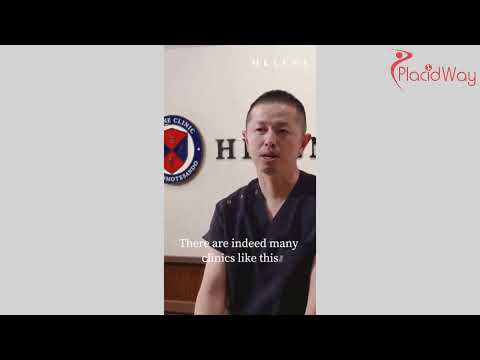
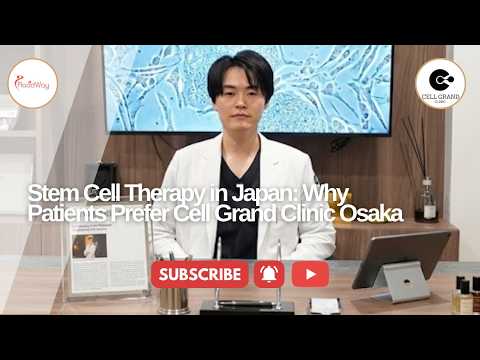
Medical terminology and written protocols can only convey so much about a complex procedure. Watching video resources provides a clearer, more practical understanding of what stem cell therapy actually looks like in a clinical setting. These visual guides help demystify the process, from the initial consultation to the method of cell administration.
Look for educational videos where Tokyo-based neurologists explain their specific approach to spinal cord injuries. Seeing the clinical environment, the cell processing laboratories, and hearing directly from the medical team can significantly reduce anxiety. It is a helpful way to gauge the professionalism and transparency of the facility before you commit to traveling.
When you are considering a major medical journey, hearing from others who have walked the same path is incredibly validating. Patient reviews offer a window into the reality of receiving stem cell treatment for spinal cord injury in Tokyo. They provide insights that clinical brochures simply cannot, especially regarding the day-to-day experience and communication.
Focus on reading detailed accounts that discuss the entire journey, including logistics of traveling to Japan with mobility challenges and the standard of nursing care. While medical outcomes vary greatly from person to person, consistent feedback about patient safety, clinic hygiene, and staff empathy is a strong indicator of a trustworthy facility.

Navigating international regenerative medicine raises many valid questions. Here are some of the most common inquiries patients have when considering stem cell treatments for spinal cord injuries in Tokyo.
Is stem cell therapy for spinal cord injury legally approved in Japan?
Yes, but under strict regulations. Japan enacted the Act on the Safety of Regenerative Medicine, which allows clinics to offer these therapies provided they have their specific treatment plans reviewed by a certified committee and approved by the Ministry of Health, Labour and Welfare (MHLW).
What types of stem cells are typically used in Tokyo clinics?
Clinics in Tokyo commonly utilize Mesenchymal Stem Cells (MSCs) derived from the patient's own bone marrow or adipose (fat) tissue, or sometimes ethically sourced umbilical cord tissue, depending on the approved protocol.
How are the stem cells administered for spinal cord injuries?
The administration method depends on the injury and the clinic's approved plan. Common methods include intravenous (IV) infusion or intrathecal injection, which delivers cells directly into the spinal canal by a specialized physician.
Do I need to speak Japanese to receive treatment in Tokyo?
No, you do not need to be fluent. Facilities that cater to international patients provide dedicated medical interpreters to ensure clear communication during consultations, the procedure, and follow-up care.
How long do I need to stay in Tokyo for the therapy?
The required stay varies based on the treatment protocol. It generally ranges from a few days for a single administration to several weeks if multiple sessions or integrated rehabilitation therapies are part of the plan.
Will my home country health insurance cover this treatment in Japan?
In almost all cases, no. Because these treatments are often considered experimental or are not standard of care in regions like the US or UK, traditional health insurance policies do not cover the medical costs or travel expenses.
What physical rehabilitation is required after the treatment?
Many Tokyo neurologists emphasize that stem cell therapy is most effective when paired with intensive physical therapy. Some clinics include this in their protocols, while others require you to arrange ongoing rehab at home.
Are there waiting lists for this treatment in Tokyo?
While faster than waiting for clinical trials in North America, there is still a process. You must undergo a medical file review, and there is often a lead time for culturing the cells, which can take several weeks.
How do Tokyo clinics ensure the safety and quality of the cells?
Under Japanese law, stem cells must be processed in a Cell Processing Center (CPC) that meets stringent government standards. You should always ask a clinic to confirm they use a certified CPC.
Can patients with severe mobility issues easily navigate Tokyo?
Tokyo's public infrastructure, including train stations and major hotels, is highly accessible and equipped for wheelchairs. However, specialized medical transport from the airport to the clinic should be arranged in advance.
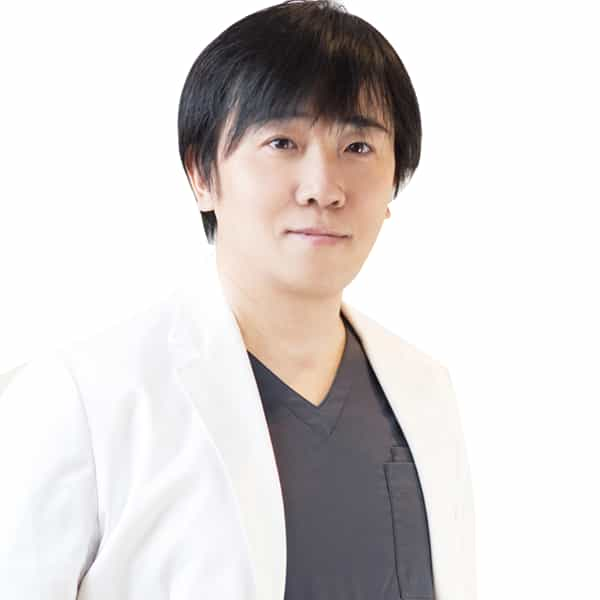
The success and safety of any regenerative procedure rely entirely on the expertise of the medical professional administering it. When researching stem cell therapy for spinal cord injury in Tokyo, evaluating the specific qualifications of the doctors is your most critical step. You are looking for highly trained specialists, not general practitioners offering wellness treatments.
Ensure the physician is a board-certified neurologist or neurosurgeon with documented experience in regenerative medicine. It is important to confirm their registration with the Japanese Medical Society and their specific authorization to perform cell therapies under MHLW regulations. A credible doctor will prioritize a thorough review of your current MRI scans and medical history before accepting you as a candidate.
Traveling to Tokyo for medical care combines access to advanced scientific protocols with a highly structured, patient-friendly environment. Patients primarily travel here from the United States, Canada, the UK, and Australia, driven by the desire to access regulated cell therapies without waiting for restrictive domestic trials. The city is renowned for its cleanliness, safety, and strict adherence to protocol, which extends naturally into its healthcare system.
Getting to Tokyo is straightforward, with direct flights from most major global hubs landing at either Narita International Airport (NRT) or Haneda Airport (HND). Haneda is significantly closer to the city center, which is often preferable for patients traveling with mobility aids to reduce transit times.
- Ensure your airline is notified well in advance about wheelchair requirements and assistance needed for boarding.
- Tokyo’s public transport is remarkably accessible, but booking specialized medical transport for airport transfers minimizes travel fatigue.
- Choose accommodations close to your clinic to reduce daily transit times during your treatment schedule.
| Airport Options | Haneda Airport (HND) or Narita Airport (NRT) |
| Visa Requirement | Many Western countries have visa-free entry for short stays. |
| Currency | Japanese Yen (JPY) |
| Accessibility | High; major infrastructure is heavily wheelchair friendly. |
Navigating international medical options for a spinal cord injury is a significant undertaking, and you do not have to figure it out alone. Taking the time to thoroughly research and verify clinics ensures you make informed, safe decisions about your healthcare. PlacidWay can assist you by providing access to verified information on MHLW-approved clinics and facilitating communication with certified specialists in Tokyo.
To help you make the best choice for your specific needs, we encourage you to compare the below clinics, treatment packages, doctors, and patient reviews. Carefully reviewing these details will give you a clearer picture of what to expect and which facility aligns with your medical requirements. Click the button below to request more specific information and start evaluating your options safely.
References
- Act on the Safety of Regenerative Medicine – Ministry of Health, Labour and Welfare Japan
- Stem Cell Therapy in Japan: Current Status and Future Perspectives – National Institutes of Health (NIH)
- Traveling with a Disability – US Department of Transportation
- Spinal Cord Injury Fact Sheet – World Health Organization
- Stem Cells: What they are and what they do – Mayo Clinic






















Share this listing