
Diabetes Stem Cell Therapy in Osaka, Japan
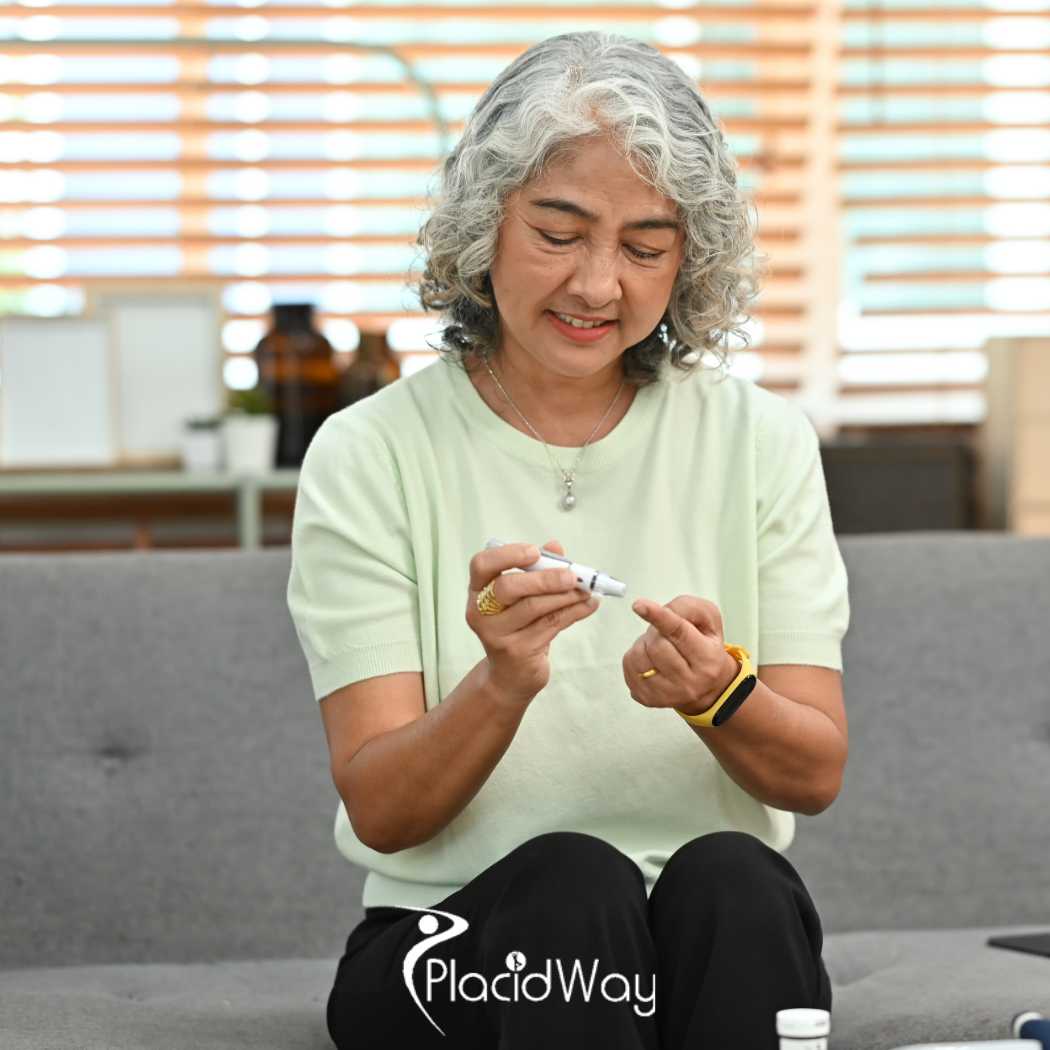
Managing diabetes often requires continuous attention, from monitoring blood sugar levels to maintaining medication, nutrition, and lifestyle plans. The Diabetes Stem Cell Therapy in Osaka, Japan by Cell Grand Clinic offers an autologous stem cell-based treatment approach for patients exploring regenerative medicine options alongside their existing diabetes care.
Key Insights About Stem Cell Therapy for Diabetes in Osaka, Japan
The package starts from approximately $19,800 (JPY 2,970,000). Final costs vary based on individual conditions, physician recommendations, and medical evaluations.
Provided at Cell Grand Clinic in Osaka, Japan, utilizing an autologous adipose-derived stem cell approach under Japan's regulatory framework.
A chronic metabolic condition requiring ongoing management. Regenerative options should be evaluated as part of a broader diabetes care plan.
Uses the patient's own adipose-derived stem cells, which are securely collected, processed, and administered following strict protocols.
International patients complete an initial consultation and fat collection visit, followed by a second visit after cell culture for administration.
Patients must provide complete diabetes history, current medications, lab results, and previous treatments before travelling for evaluation.
How Much Does Stem Cell Therapy for Diabetes Cost in Osaka, Japan?
The cost of regenerative medicine for diabetes depends on several factors, including the treatment protocol, number of cells administered, medical evaluations, laboratory testing, physician consultations, and follow-up requirements. Cell Grand Clinic lists autologous stem cell therapy starting from approximately $19,800 per session, with the final treatment plan determined after medical consultation.
When comparing international diabetes regenerative medicine options, patients should consider not only cost but also regulatory environment, physician involvement, treatment monitoring, travel requirements, and continued diabetes management after returning home.
Estimated Cost Comparison for Diabetes Regenerative Medicine by Country
| Country | Estimated Cost Range | Factors Affecting Cost |
|---|---|---|
| Japan | Starting from approximately $19,800 | Regenerative medicine protocol, physician consultation, cell processing, follow-up care |
| United States | Approximately $20,000–$50,000+ | Provider fees, clinical setting, research protocols, medical monitoring |
| Canada | Varies depending on availability and treatment pathway | Specialist access, regulatory requirements, treatment availability |
| Other International Destinations | Varies by provider and regenerative medicine approach | Medical regulations, protocol type, physician expertise, follow-up services |
Cost comparisons are general estimates only. Actual expenses depend on individual medical circumstances, treatment recommendations, travel requirements, and included services.
Detailed Breakdown of the $19,800 Diabetes Regenerative Medicine Package
| Procedure Item | Estimated Cost | Short Description |
|---|---|---|
| Medical Consultation and Eligibility Assessment | $1,500 | Physician consultation, medical history review, and suitability evaluation. |
| Blood Tests and Pre-Treatment Screening | $1,000 | Required health assessments and laboratory screening before treatment. |
| Adipose Tissue Collection Procedure | $2,500 | Collection of the patient's own fat tissue under local anesthesia. |
| Stem Cell Processing and Culture | $10,000 | Isolation, expansion, and preparation of autologous stem cells. |
| Stem Cell Administration Procedure | $3,500 | Administration of prepared stem cells according to physician protocol. |
| Follow-Up Consultation and Monitoring | $1,300 | Post-treatment follow-up guidance and medical communication. |
| Total Starting Price: | $19,800 | |
What Is Included in the Package?
- Online Preliminary Consultation: Initial discussion regarding medical history, diabetes condition, treatment goals, and eligibility assessment before travelling to Japan.
- Medical Consultation in Osaka: Physician evaluation and review of health information before proceeding with treatment.
- Pre-Treatment Examination: Required medical checks and laboratory assessments before the procedure.
- Adipose Tissue Collection: Collection of the patient's own fat tissue through a minimally invasive procedure performed under local anesthesia.
- Stem Cell Processing and Culture: Preparation and expansion of collected cells according to the clinic's regenerative medicine protocol.
- Stem Cell Administration: Administration of prepared cells through the planned treatment method after the culture period.
- Medical Coordination Support: Assistance with scheduling, treatment arrangements, and communication during the treatment journey.
- Follow-Up Consultations: Post-treatment medical guidance and monitoring recommendations.
What Is Not Included?
- International airfare and travel expenses.
- Visa fees and travel documentation.
- Accommodation costs unless specifically included in the treatment arrangement.
- Meals and personal expenses during the stay in Japan.
- Additional diagnostic tests or medical procedures not included in the treatment plan.
- Long-term diabetes medications and ongoing endocrinology care.
- Emergency medical services unrelated to the treatment.
- Additional regenerative medicine sessions if recommended after evaluation.
Who May Consider Stem Cell Therapy for Diabetes?
Diabetes is a chronic metabolic condition that requires ongoing management through medical care, lifestyle changes, monitoring, and prescribed treatments. Regenerative medicine approaches for diabetes are an emerging area of research, and patients should discuss potential benefits, limitations, and risks with qualified healthcare professionals.
Patients who may be evaluated include individuals who:
- Have a diagnosed form of diabetes and are seeking additional treatment options.
- Want to explore regenerative medicine after discussing options with their diabetes specialist.
- Can provide medical records related to diabetes history and current management.
- Are medically stable for international travel and treatment.
- Understand that regenerative medicine does not guarantee diabetes reversal or elimination of medication needs.
- Are willing to continue regular diabetes monitoring and follow-up care.
- Have realistic expectations regarding possible treatment outcomes.
What Medical Records Are Needed Before Diabetes Stem Cell Treatment?
Providing complete medical information allows physicians to understand the patient's diabetes history and determine whether further evaluation is required.
- Diabetes diagnosis records.
- Type of diabetes and duration since diagnosis.
- Recent HbA1c laboratory results.
- Blood glucose monitoring records, if available.
- Current medications, including insulin and other diabetes therapies.
- Previous diabetes treatment history.
- Medical history and existing health conditions.
- Kidney function and other relevant laboratory reports.
- Information about allergies and previous procedures.
How Does Stem Cell Therapy for Diabetes Work at Cell Grand Clinic?
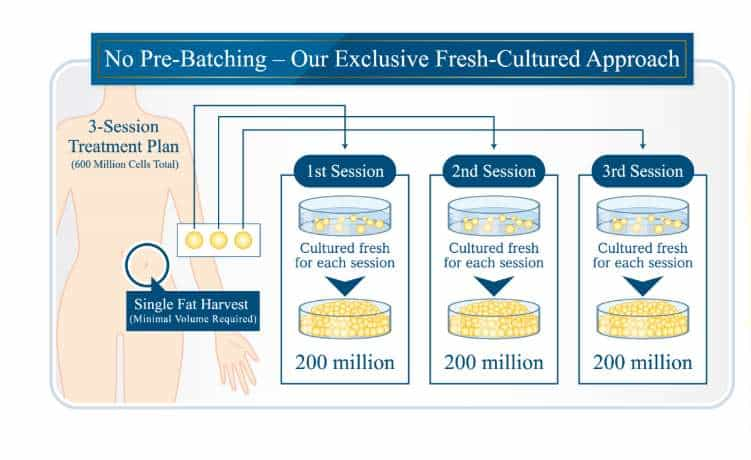
This regenerative medicine approach uses autologous adipose-derived stem cells collected from the patient's own body. The collected tissue undergoes processing and preparation before administration according to the clinic's treatment protocol.
The treatment process involves multiple stages rather than a single visit. Patients typically complete an initial visit for evaluation and tissue collection, followed by a waiting period while cells are prepared, and a second visit for administration.
Step-by-Step Diabetes Regenerative Medicine Process
- Initial Online Consultation:
The medical team reviews diabetes history, health information, and treatment expectations before travel. - First Visit to Osaka:
The patient completes medical consultation, examinations, and eligibility assessment. - Adipose Tissue Collection:
A small amount of fat tissue is collected through a minimally invasive procedure under local anesthesia. - Cell Processing Period:
Collected cells undergo preparation and culture according to the clinic's protocol. - Second Visit to Osaka:
After the preparation period, the patient returns for stem cell administration. - Post-Treatment Monitoring:
The medical team provides follow-up guidance and recommendations for continued diabetes care.
Diabetes Stem Cell Therapy Timeline in Osaka, Japan
The treatment journey includes two main visits separated by a cell preparation period. The exact timeline may vary depending on medical evaluation, laboratory requirements, and physician recommendations.
| Treatment Stage | What Happens | Approximate Timing |
|---|---|---|
| Online Consultation | Medical history review and preliminary assessment before travel. | Before travelling |
| First Osaka Visit | Consultation, medical testing, and adipose tissue collection. | Initial visit |
| Cell Preparation Period | Stem cells are processed and cultured according to the treatment protocol. | Approximately 7 weeks |
| Second Osaka Visit | Prepared cells are administered and post-treatment guidance is provided. | After preparation period |
How Long Should Patients Stay in Osaka for Diabetes Regenerative Medicine?
The length of stay depends on the medical evaluation, procedure schedule, and physician recommendations. Because the treatment involves two visits, international patients should plan travel arrangements around both appointments.
- The first visit may require time for consultation, testing, and adipose tissue collection.
- The second visit occurs after the cell preparation period.
- Travel clearance should be discussed with the treating physician.
- Patients should arrange follow-up diabetes care before returning home.
- Continued monitoring with the patient's diabetes specialist remains important.
Recovery and Aftercare After Diabetes Stem Cell Therapy
Recovery varies depending on the individual's health condition, the tissue collection procedure, and the administration process. Patients should continue standard diabetes management and follow medical guidance after treatment.
After Adipose Tissue Collection
- Mild discomfort or bruising may occur at the collection site.
- Patients may receive instructions regarding wound care and activity limitations.
- The medical team may provide follow-up recommendations.
After Stem Cell Administration
- Patients may be advised to monitor their health and report unusual symptoms.
- Diabetes monitoring should continue according to medical advice.
- Lifestyle management remains an important part of diabetes care.
- Individual responses to treatment vary.
Risks and Possible Complications of Stem Cell Therapy for Diabetes
All medical procedures involve potential risks. This list is not exhaustive, and individual risks depend on the treatment method, health condition, and medical history. A qualified healthcare professional should explain possible complications before treatment.
- Discomfort, bruising, or complications related to tissue collection.
- Risk of infection associated with medical procedures.
- Possible inflammatory or immune reactions.
- Limited or no noticeable treatment effect.
- Need for continued diabetes medications and monitoring.
- Uncertainty regarding long-term outcomes because diabetes regenerative medicine continues to be researched.
What Results Can Patients Expect After Diabetes Regenerative Medicine?
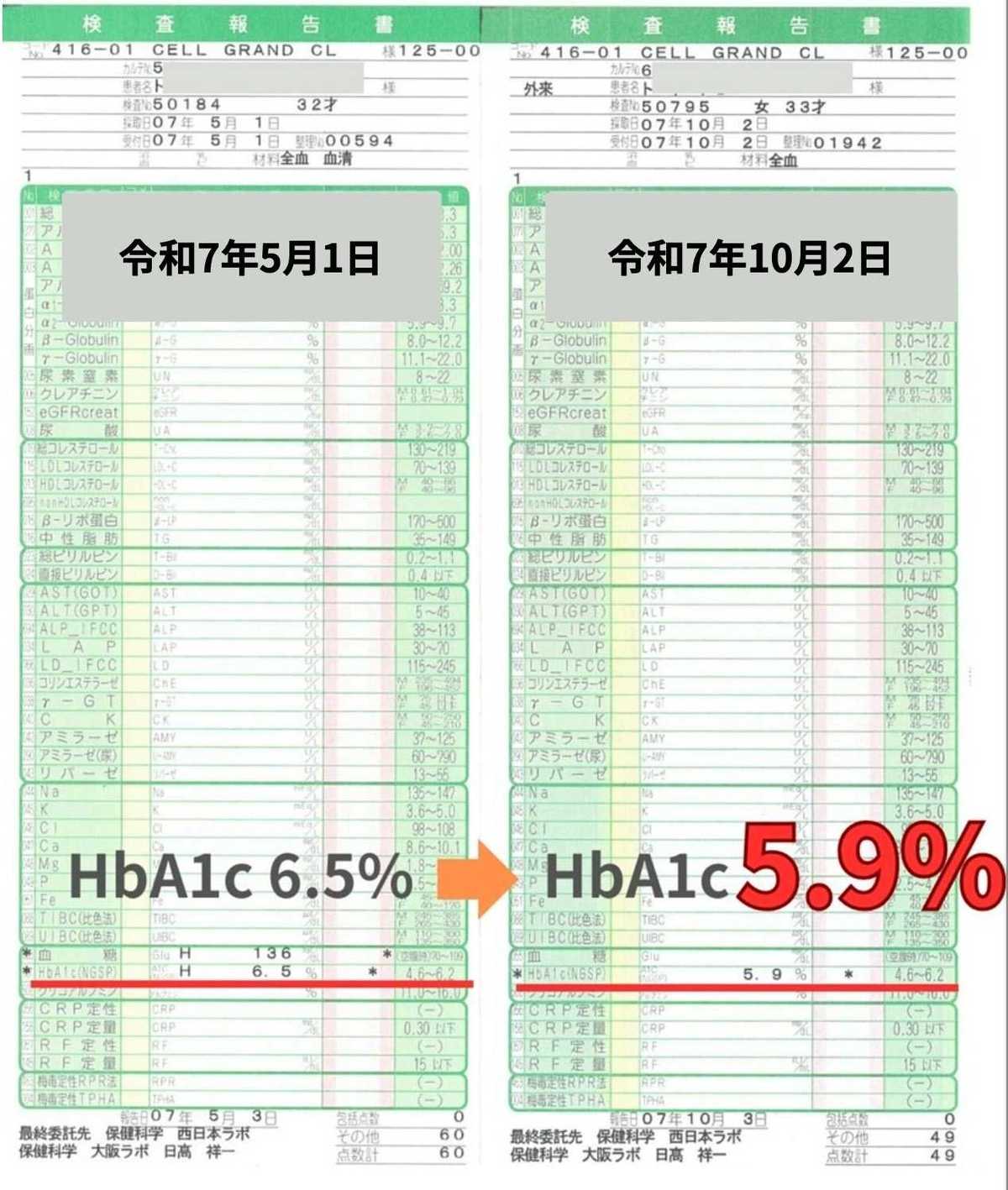
Patients exploring regenerative medicine for diabetes often hope to improve disease management or support metabolic health. However, outcomes vary and depend on diabetes type, disease duration, overall health, treatment approach, and individual response.
- Some patients may experience changes in certain health measurements after treatment.
- Results vary between individuals and cannot be guaranteed.
- Stem cell therapy should not be considered a replacement for established diabetes care.
- Continued blood glucose monitoring and medical follow-up remain important.
- Patients should discuss realistic expectations with qualified healthcare professionals.
About Cell Grand Clinic in Osaka, Japan
Cell Grand Clinic in Osaka, Japan provides regenerative medicine services with a focus on stem cell-based treatment approaches. The clinic works with patients exploring regenerative medicine options through medical consultation, individualized treatment planning, cell processing procedures, and follow-up support.
Patients considering regenerative medicine for diabetes should understand that diabetes is a complex metabolic condition requiring ongoing care. Treatment decisions should be based on medical evaluation, current diabetes management, individual health factors, and discussions with qualified healthcare professionals.
Key Information About Cell Grand Clinic
- Location: Osaka, Japan.
- Medical Focus: Regenerative medicine and stem cell-based treatment approaches.
- Treatment Approach: The diabetes package uses an autologous approach involving the patient's own adipose-derived stem cells.
- Patient Evaluation: Treatment planning is based on medical history, diabetes condition, health assessment, and physician recommendations.
- Regenerative Medicine Framework: Treatment is provided within Japan's regenerative medicine environment and clinical requirements.
- International Patient Support: The clinic assists patients through consultation, treatment scheduling, and follow-up communication.
About Dr. Yuichi Wakabayashi, M.D., Ph.D.
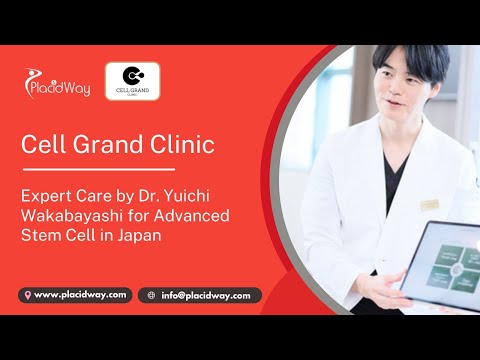
Dr. Yuichi Wakabayashi is the founder and clinic director of Cell Grand Clinic in Osaka, Japan. He focuses on regenerative medicine, stem cell-based treatment approaches, longevity medicine, and preventive healthcare.
Dr. Wakabayashi develops individualized treatment plans based on each patient's medical history, health condition, and treatment goals. For patients exploring regenerative medicine for diabetes, consultations include reviewing current health information, existing treatments, medical records, and treatment suitability.
Professional Highlights of Dr. Yuichi Wakabayashi
- Position: Founder and Clinic Director, Cell Grand Clinic, Osaka, Japan.
- Degree: M.D., Ph.D. from Kobe University Graduate School.
- Specialty: Regenerative Medicine and Longevity Medicine.
- Additional Expertise: Anti-aging medicine, preventive medicine, and cellular therapies.
- Certifications: Certified Specialist by the American Board of Regenerative Medicine; Japanese Society of Anti-Aging Medicine Specialist.
- Languages: Japanese and English support for international patients.
- Associated Center: Cell Grand Clinic, Osaka, Japan.
Dr. Yuichi Wakabayashi's Role in Diabetes Regenerative Medicine
For patients considering regenerative medicine for diabetes, Dr. Wakabayashi evaluates diabetes history, current treatments, overall health, and available medical information before discussing whether an autologous stem cell-based approach may be appropriate.
The consultation process includes explaining the treatment pathway, discussing possible risks and limitations, and helping patients understand how regenerative medicine may fit alongside ongoing diabetes management.
Why Patients Consult Dr. Wakabayashi for Regenerative Medicine in Japan
- Experience in regenerative medicine and stem cell-based treatment approaches.
- Personalized treatment planning based on individual medical evaluation.
- Experience supporting international patients seeking regenerative medicine in Japan.
- English communication support for overseas patients.
- Focus on medical assessment before treatment decisions.
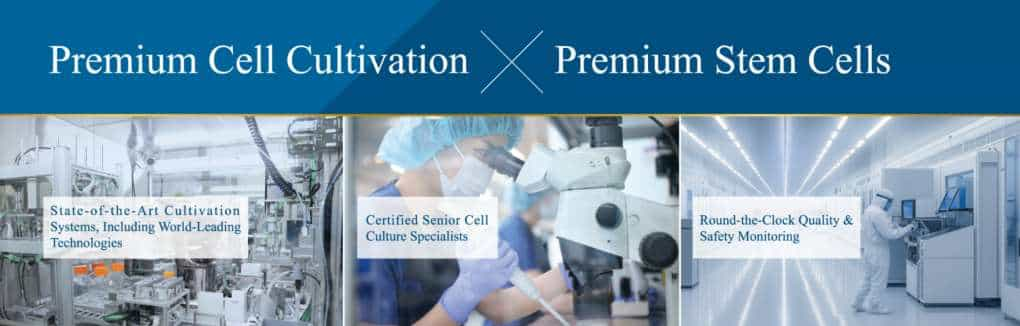
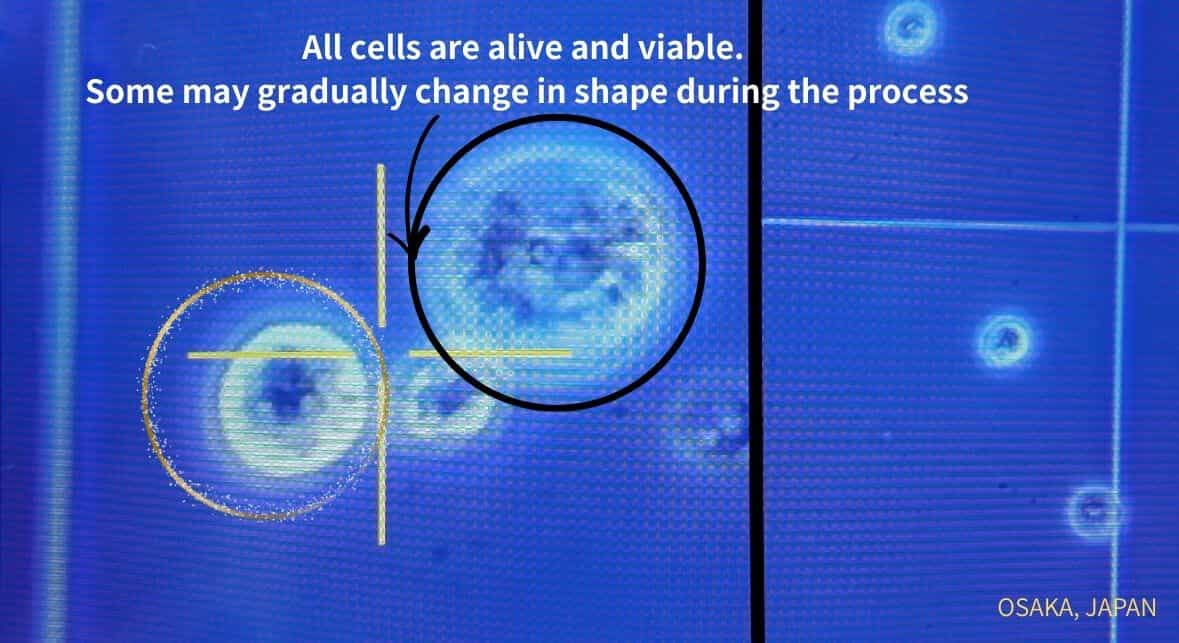
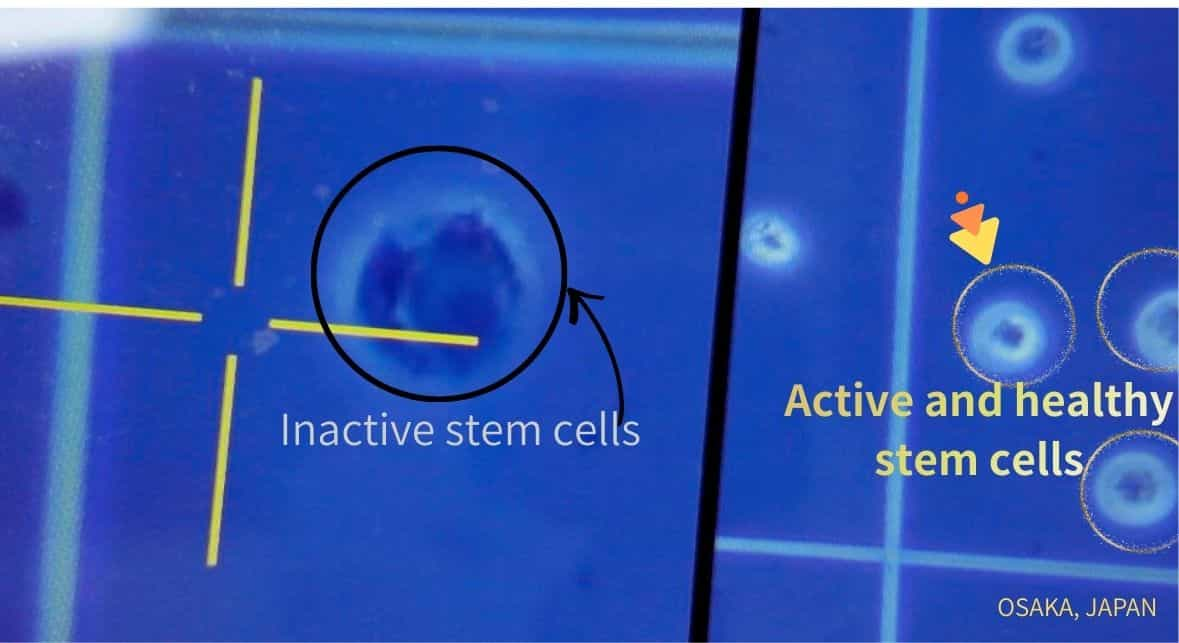
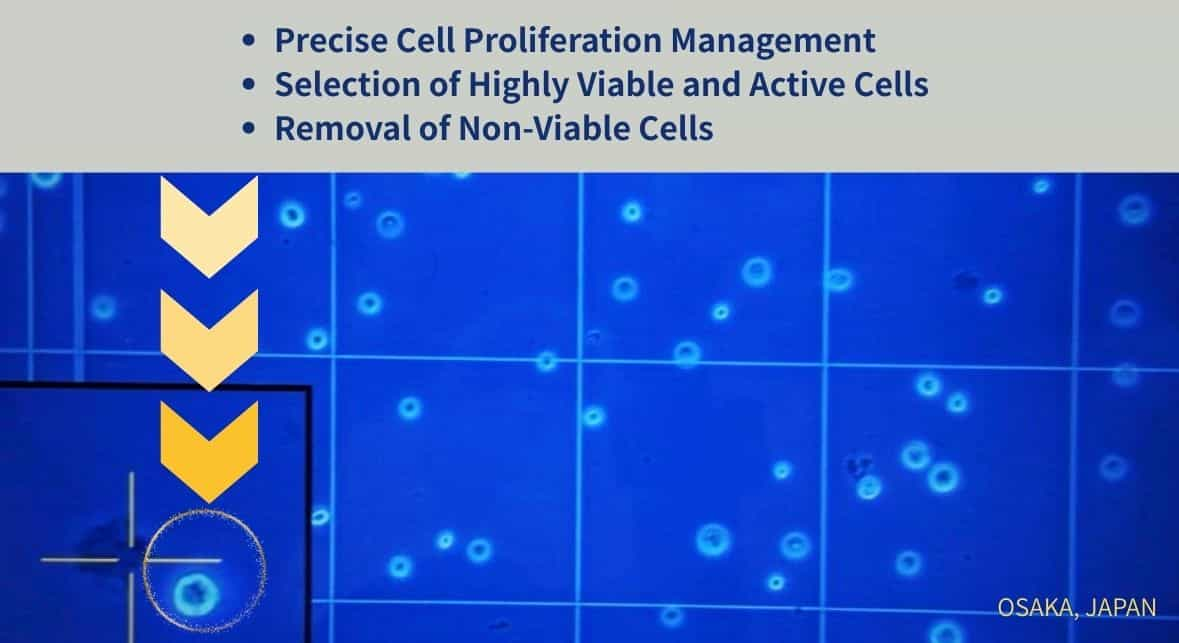
Stem Cell Gallery at Cell Grand Clinic
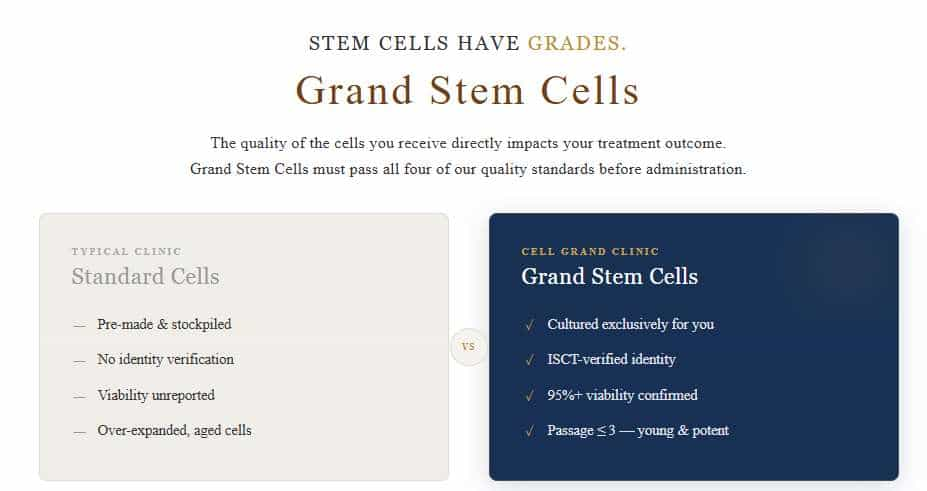


Diabetes DM Cases
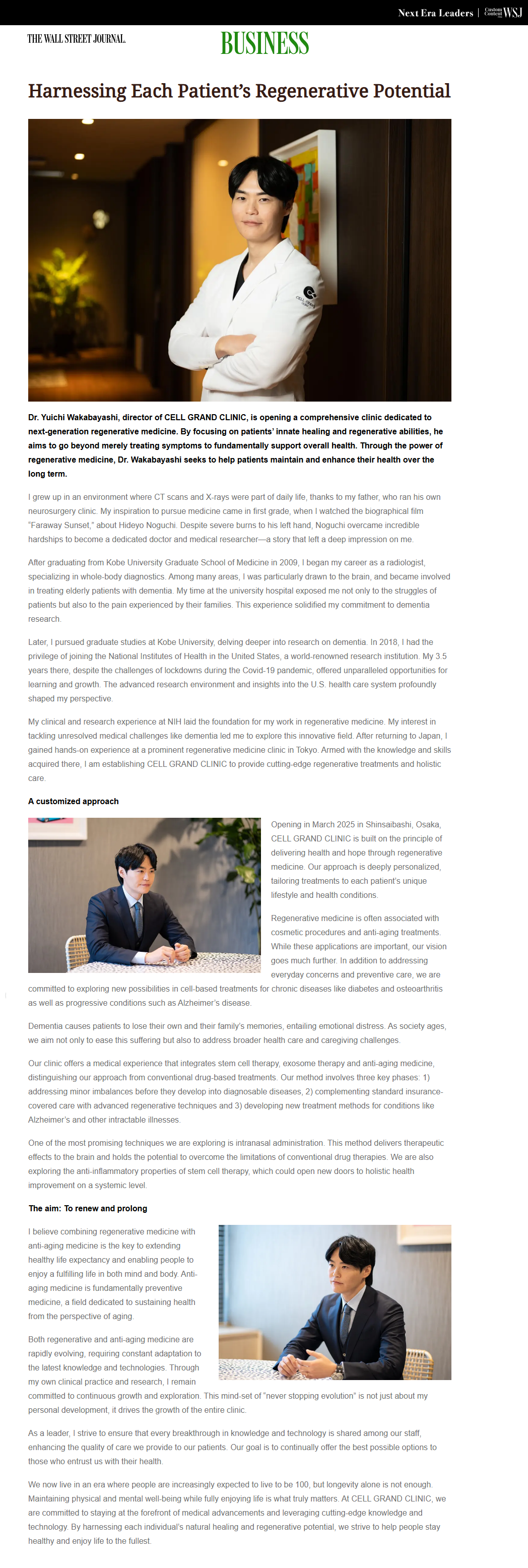
Cell Grand Clinic has earned international recognition for its leadership in regenerative medicine and commitment to advancing patient-centered care. The clinic's founder, Dr. Yuichi Wakabayashi, was featured in the Business section of The Wall Street Journal, highlighting his pioneering work and innovative vision in the field of regenerative medicine.
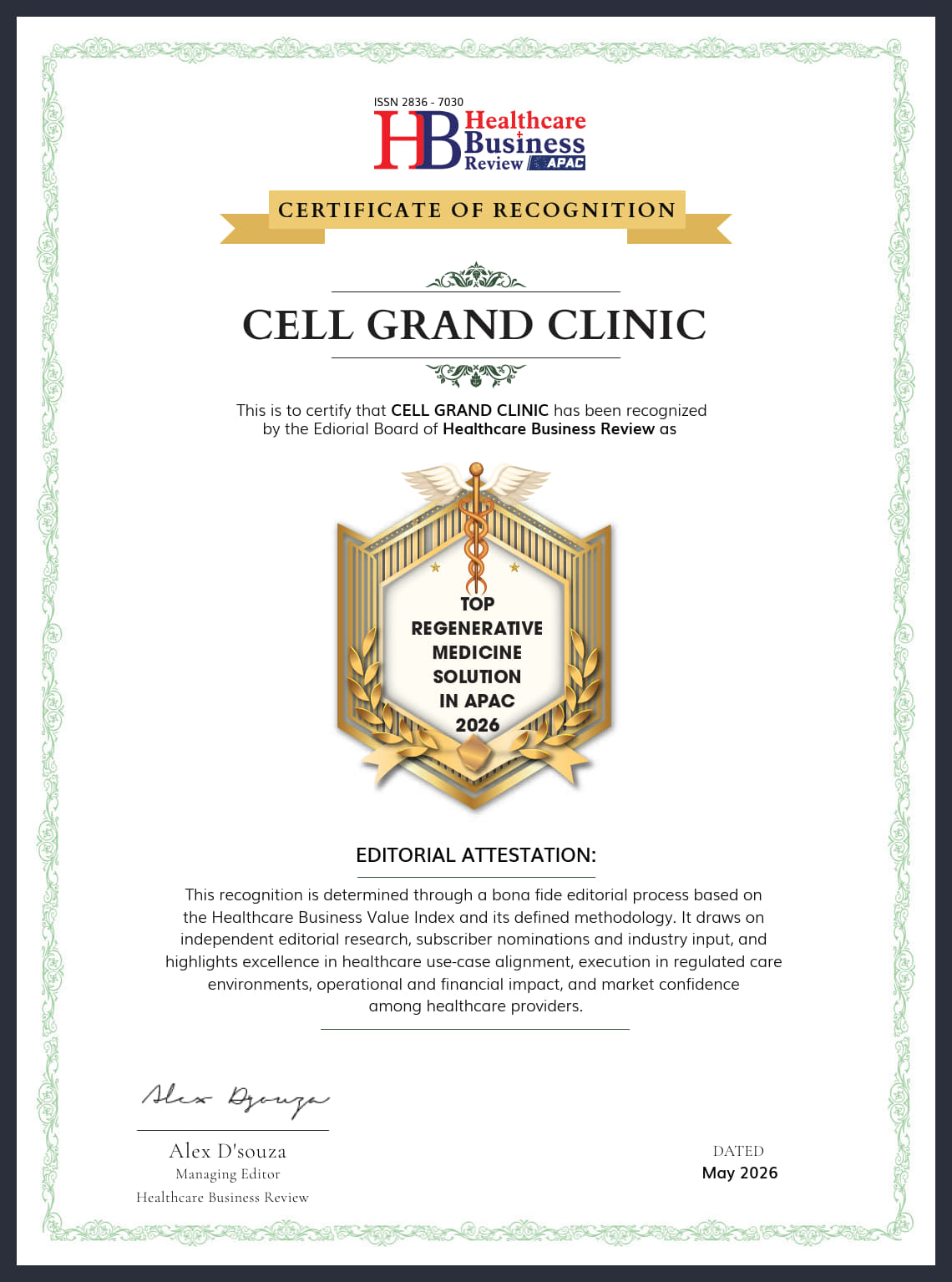
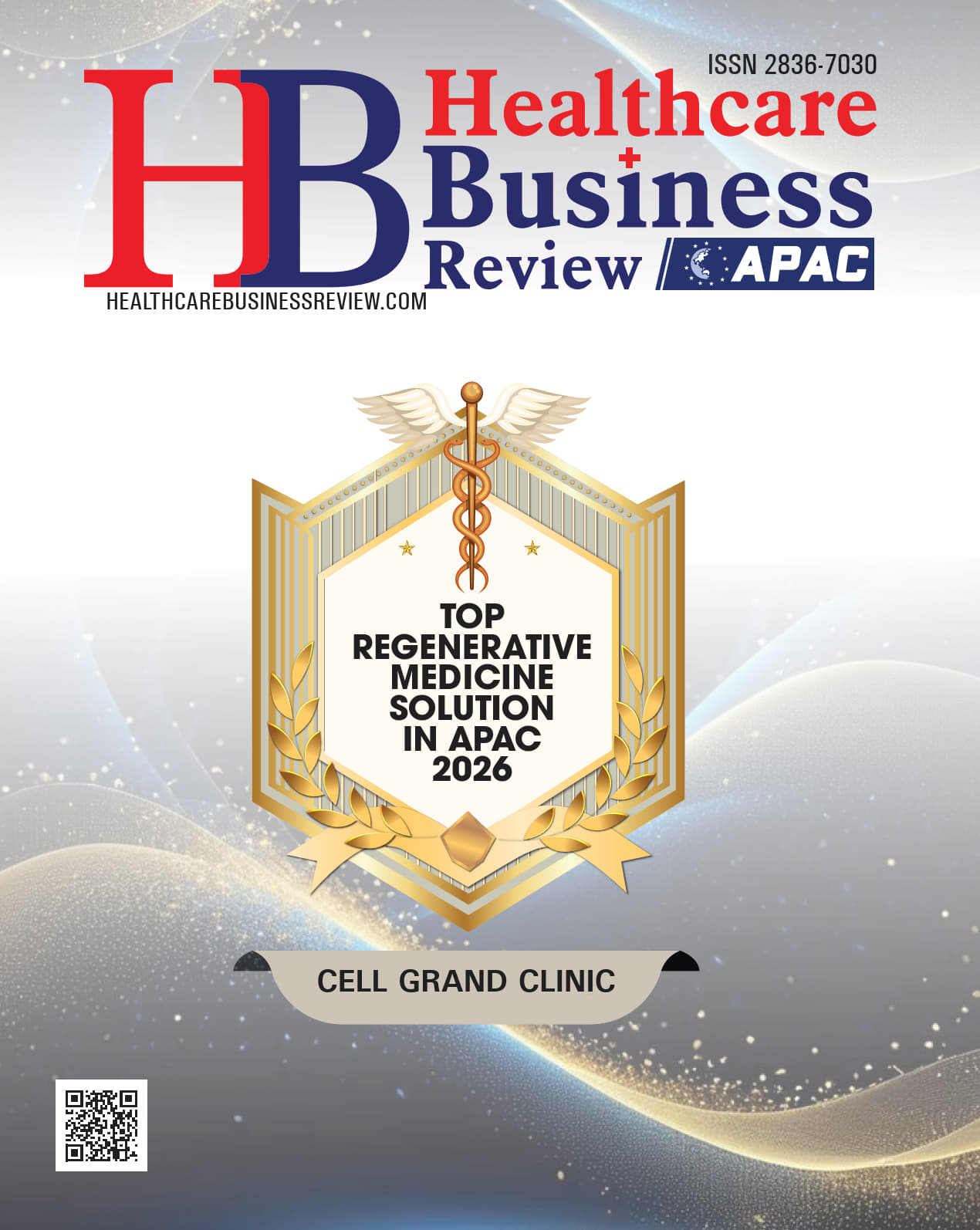
Further demonstrating its dedication to clinical excellence, the clinic's leadership holds the prestigious American Board of Regenerative Medicine Certificate, reinforcing its reputation as an Advanced Stem Cell Clinic in Japan. Adding to these achievements, Cell Grand Clinic was recognized by Healthcare Business Review APAC as a Top Regenerative Medicine Solution in APAC for 2026, reflecting its growing influence and excellence in delivering cutting-edge regenerative healthcare solutions.
Recognized by Healthcare Business Review APAC as a Top Regenerative Medicine Solution in APAC (2026).
The Wall Street Journal Feature Dr. Yuichi Wakabayashi
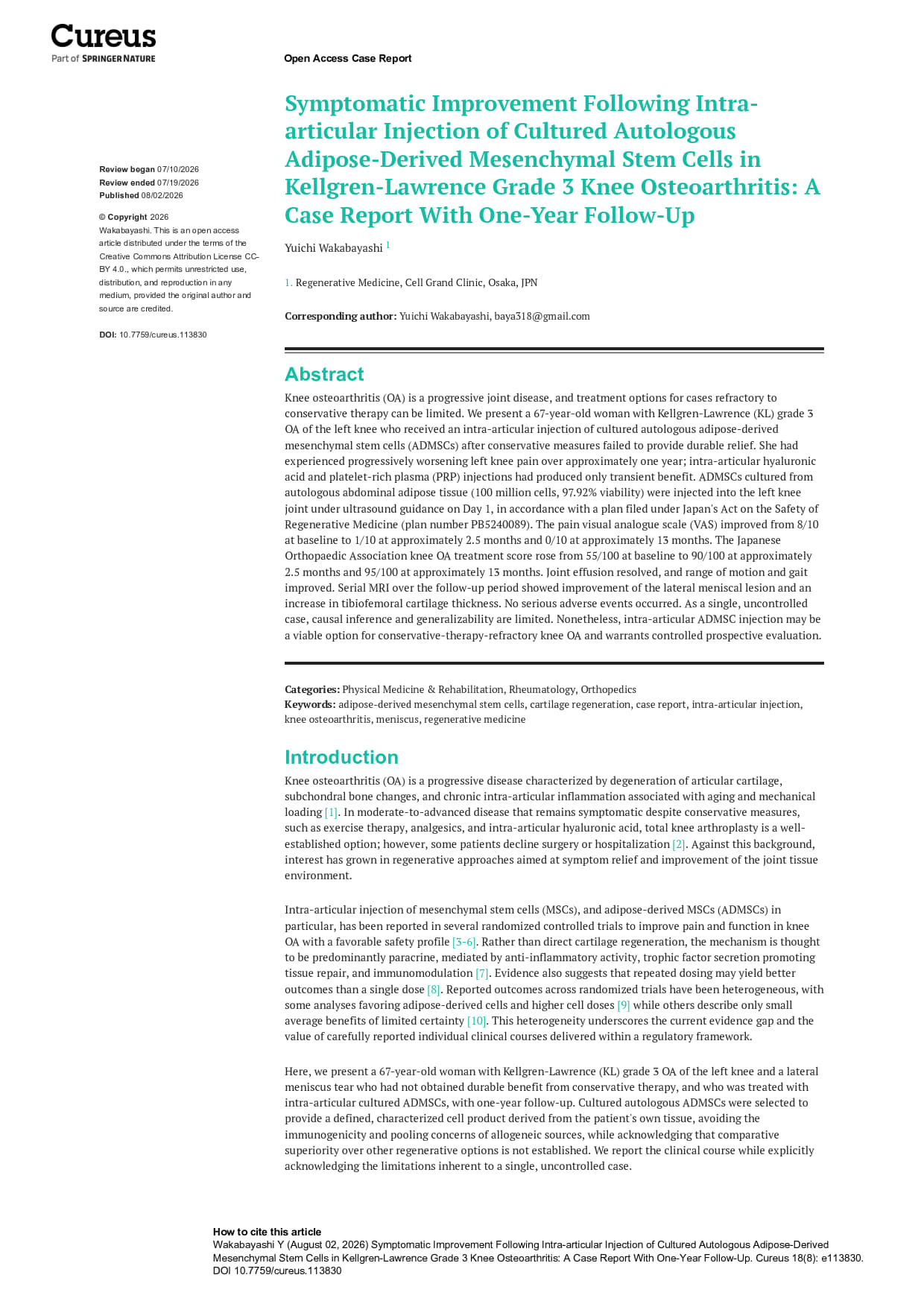
Peer-Reviewed Publication
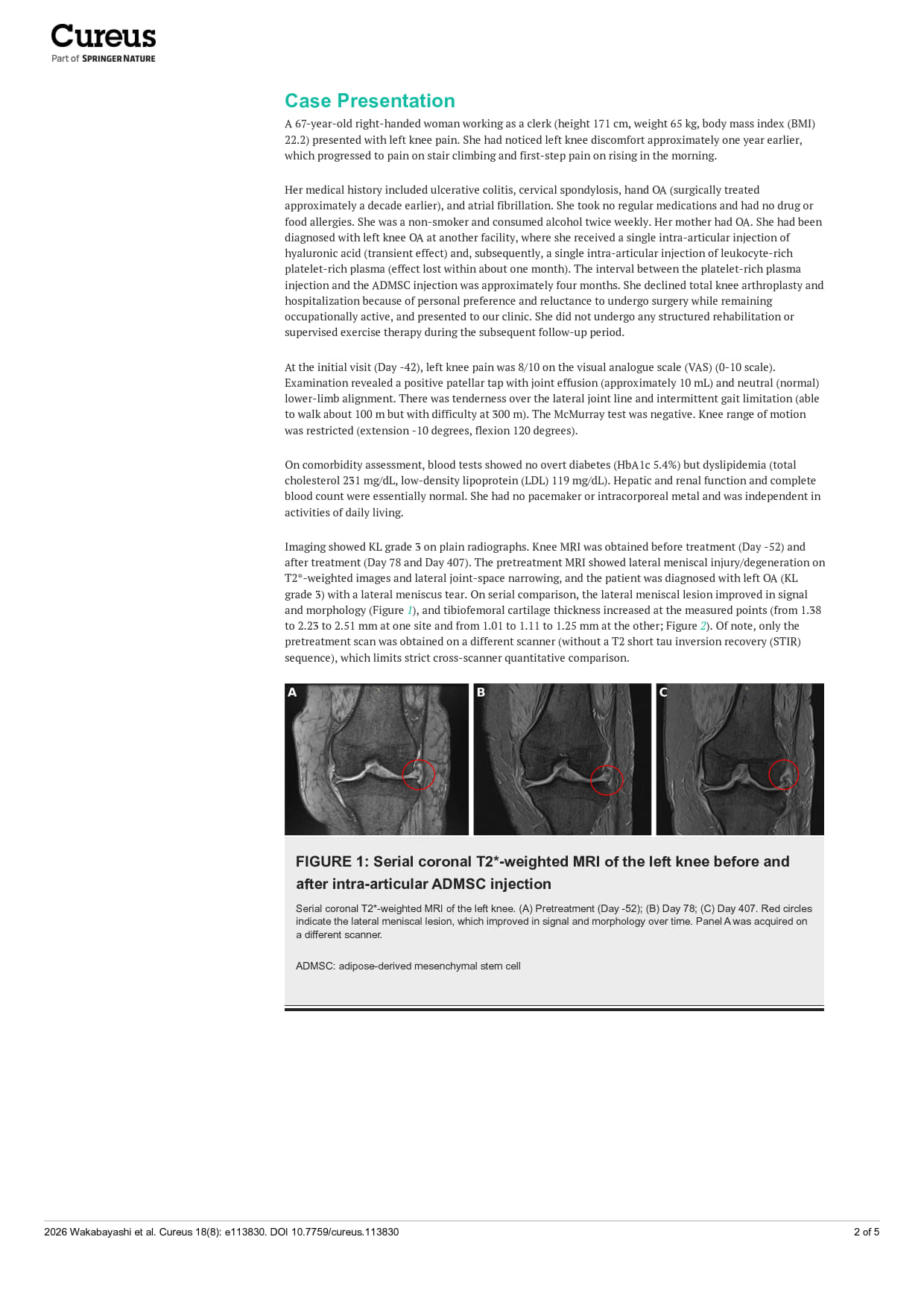
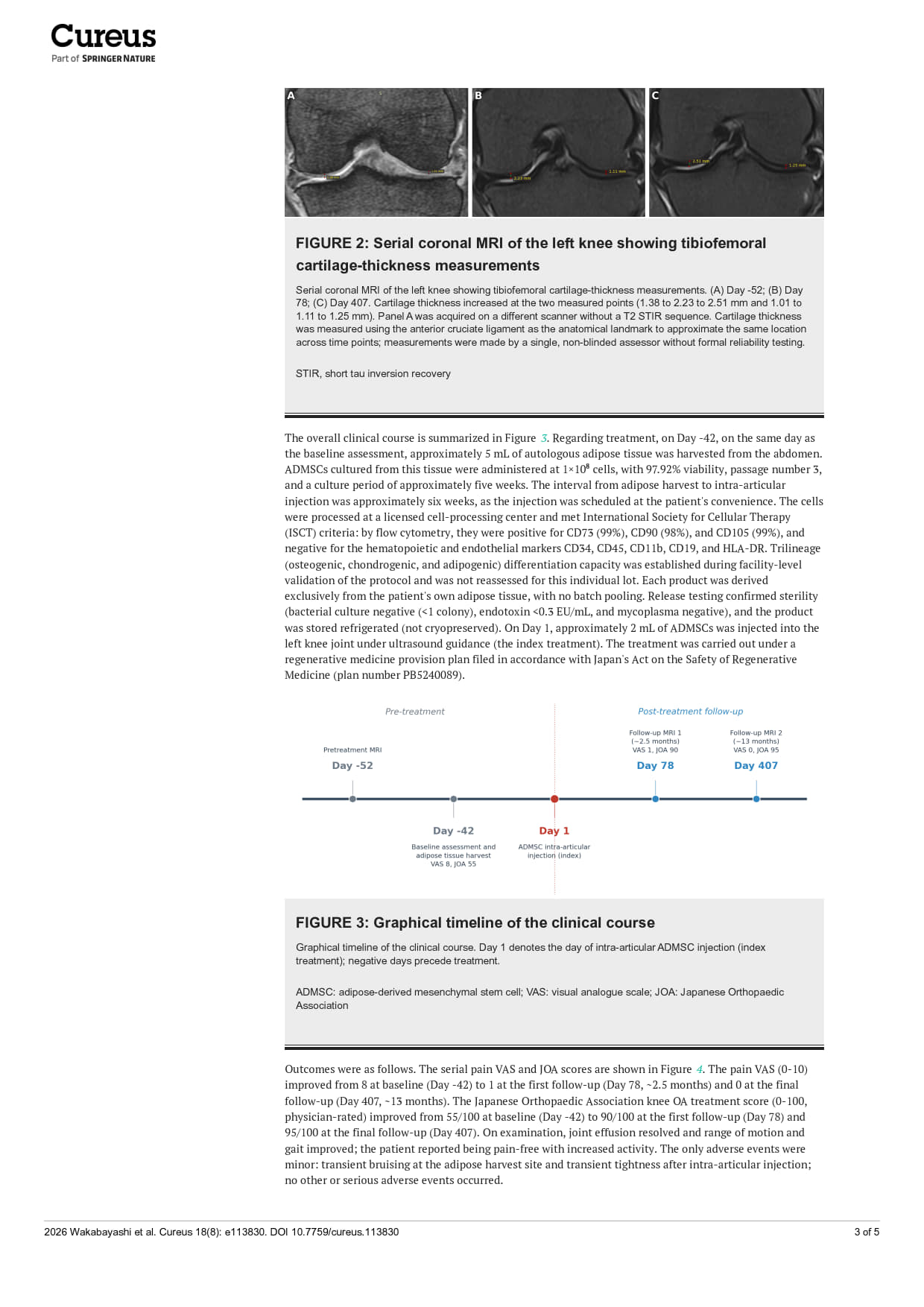
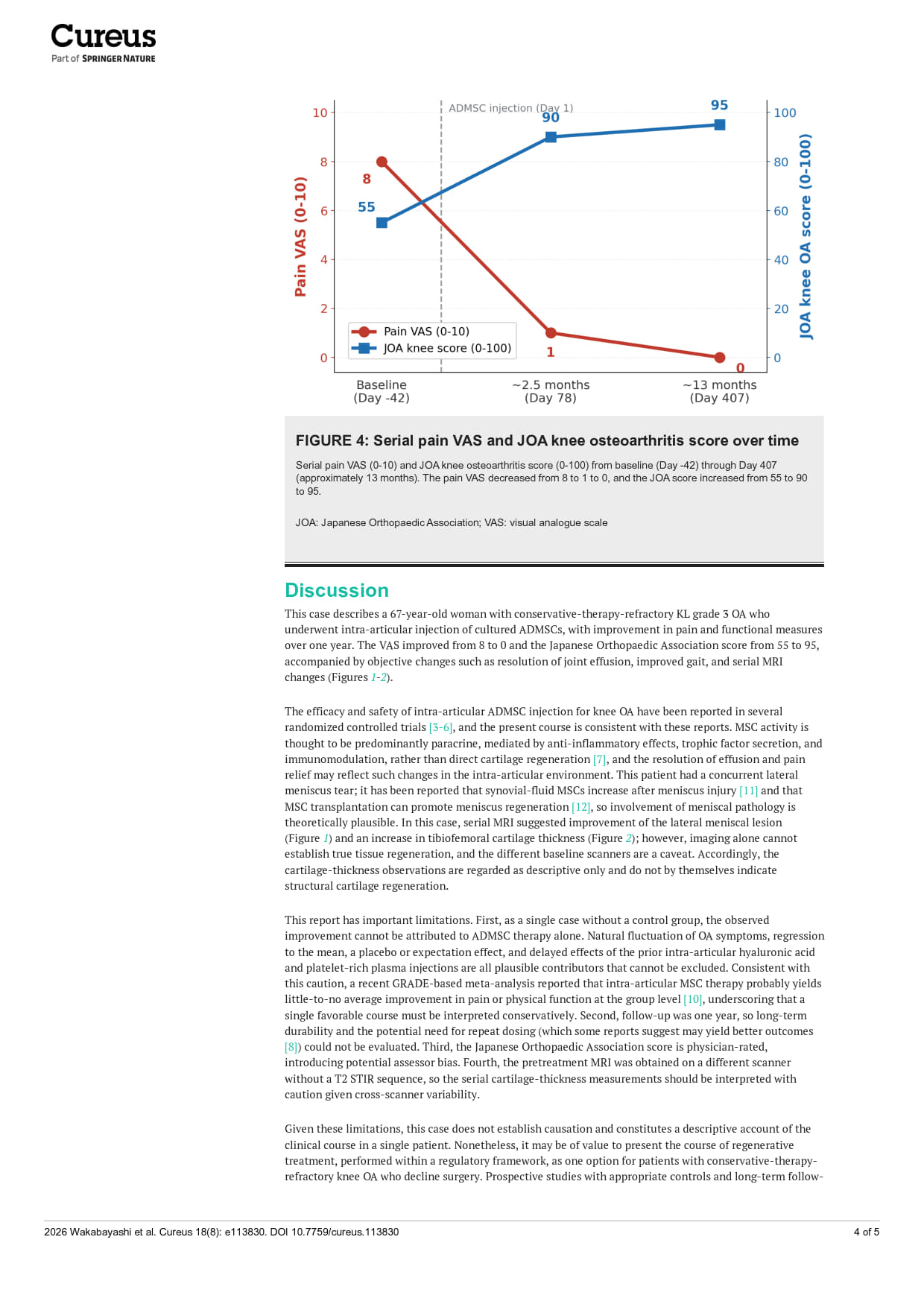
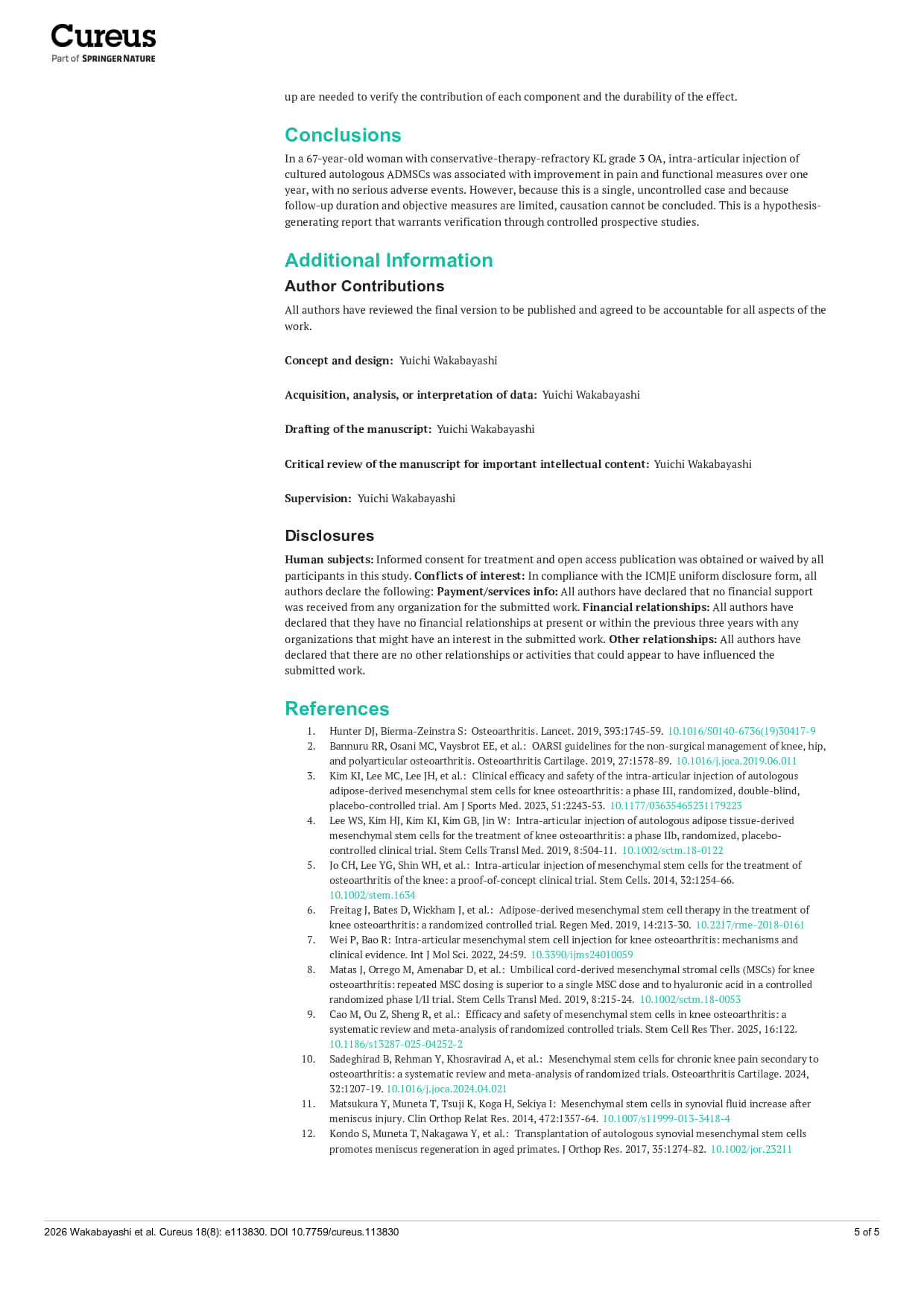
Reflecting this commitment to transparency, Dr. Wakabayashi’s one-year outcome report on adipose-derived stem cell therapy for knee osteoarthritis was published in the peer-reviewed medical journal Cureus in 2026 (DOI: 10.7759/cureus.113830), adding independently verifiable clinical documentation to the clinic’s growing body of research.
Symptomatic Improvement Following Intra-articular Injection of Cultured Autologous Adipose-Derived Mesenchymal Stem Cells in Kellgren-Lawrence Grade 3 Knee Osteoarthritis: A Case Report With One-Year Follow-Up
 Page 1
 Page 2
 Page 3
 Page 4
 Page 5
Author: Yuichi Wakabayashi
Affiliation: Regenerative Medicine, Cell Grand Clinic, Osaka, Japan
Journal: Cureus
Year: 2026
Volume/Issue: 18(8)
Article: e113830
DOI: 10.7759/cureus.113830
Frequently Asked Questions About Stem Cell Therapy for Diabetes in Japan
1. What is diabetes regenerative medicine?
Diabetes regenerative medicine refers to emerging medical approaches that investigate how regenerative technologies, including stem cell-based therapies, may support research into diabetes treatment. These approaches are still being studied, and outcomes vary depending on the treatment method and individual patient factors.
2. How much does diabetes regenerative medicine cost in Japan?
The starting cost for the Diabetes Regenerative Medicine Package at Cell Grand Clinic in Osaka, Japan is approximately $19,800. Final costs may vary depending on medical evaluation, treatment requirements, and individual patient circumstances.
3. Can stem cell therapy cure diabetes?
No. Stem cell therapy is not a guaranteed cure for diabetes. Diabetes management requires ongoing medical care, monitoring, and treatment decisions based on individual health needs.
4. Who may be evaluated for diabetes regenerative medicine?
Patients with diabetes who are interested in exploring regenerative medicine options may be evaluated based on diabetes type, medical history, current treatments, laboratory results, and overall health condition.
5. Should patients stop insulin or diabetes medications before treatment?
Patients should not stop or adjust insulin or diabetes medications without guidance from their diabetes specialist or treating physician. Regenerative medicine should be discussed as part of a complete diabetes care plan.
6. What medical records are needed before travelling to Osaka?
Patients may need diabetes diagnosis records, HbA1c results, medication history, blood glucose information, previous treatment reports, and other relevant medical records for evaluation.
7. How long does diabetes regenerative medicine treatment take in Japan?
The treatment involves multiple stages. Patients typically complete an initial visit for evaluation and adipose tissue collection, followed by a cell preparation period of approximately seven weeks before returning for administration.
8. What are the possible risks of regenerative medicine for diabetes?
Possible risks may include complications related to tissue collection, infection, inflammatory reactions, limited treatment response, and uncertainty regarding long-term outcomes. Individual risks should be discussed with qualified healthcare professionals.
9. Will patients still need diabetes monitoring after treatment?
Yes. Patients should continue diabetes monitoring and follow recommendations from their healthcare providers. Regenerative medicine does not replace routine diabetes care.
10. What should patients ask before choosing a regenerative medicine clinic?
Patients should ask about physician qualifications, treatment protocols, scientific evidence, safety procedures, regulatory compliance, possible risks, total costs, and follow-up plans.
Explore Stem Cell Therapy for Diabetes in Osaka, Japan
Choosing a regenerative medicine approach for diabetes requires careful evaluation, realistic expectations, and a clear understanding of available evidence. If you are exploring treatment in Osaka, sharing your diabetes history and medical records can help healthcare professionals better understand your individual situation. A medical consultation can help you discuss eligibility, treatment steps, possible risks, and how regenerative medicine may fit alongside your existing diabetes management plan.
Request a Free Quote






























Share this listing