


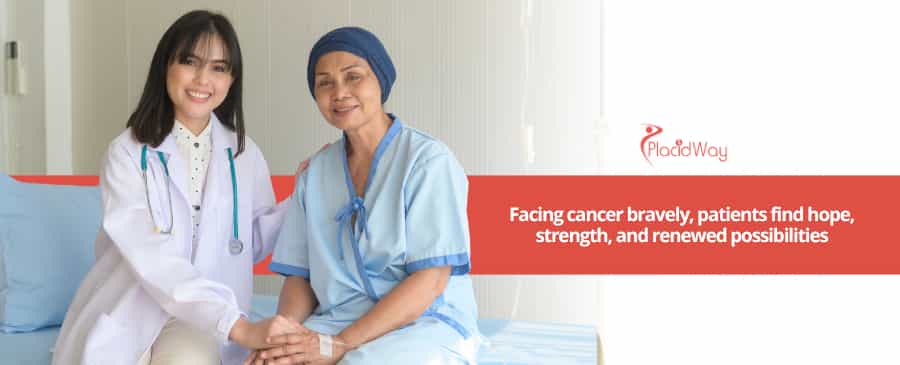
The pursuit of effective oncological care has led many international patients to explore advanced stem cell therapy in Japan. Osaka has rapidly emerged as a prominent hub for these innovative medical procedures, offering hope through cutting-edge regenerative medicine. For Filipino patients facing complex oncological challenges, navigating the landscape of modern medicine often requires looking beyond local borders. Japanese researchers and clinicians have dedicated decades to refining cellular therapies that target malignant cells while attempting to preserve healthy tissue.
In the context of oncology, these therapies typically involve specialized immune cells or hematopoietic stem cells designed to rebuild a patient's compromised immune system. The fundamental goal is to enhance the body's natural defense mechanisms against malignancies, which is generally achieved through highly regulated laboratory processes. Most patients experience these protocols as complementary approaches meant to work alongside traditional therapies like radiation or chemotherapy. Understanding the biological mechanisms behind these treatments is the first step toward making an informed medical travel decision.
Japan was one of the first countries to implement a specialized regulatory framework specifically designed to accelerate the safe clinical application of regenerative medicines and cellular therapies.
Why Filipinos Choose Medical Tourism in Japan for Cancer Care
Accessing specialized oncological treatments can be highly challenging, prompting a significant rise in medical tourism in Japan among Southeast Asian populations. Filipino patients, in particular, face unique healthcare hurdles, including limited local access to ultra-modern cellular laboratories and prolonged waiting times for advanced biological therapies. Osaka presents a compelling alternative, blending world-class medical infrastructure with a culture renowned for precision, cleanliness, and patient-centric care. The geographical proximity between Manila and Osaka also makes medical travel highly feasible for those requiring immediate intervention.
Furthermore, the Japanese healthcare system places a strong emphasis on holistic, minimally invasive care strategies that prioritize a patient's quality of life. This philosophy resonates deeply with Filipino families who are seeking compassionate, comprehensive medical attention during highly stressful times. Medical tourists typically benefit from streamlined international patient departments that help bridge cultural and linguistic gaps. The combination of technological superiority and dedicated hospitality makes Osaka a leading destination for complex healthcare needs.
The flight from Manila to Osaka takes approximately four hours, making it one of the most accessible top-tier medical hubs for Filipino patients requiring frequent follow-ups.
How Japanese Innovation Enhances Stem Cell Therapy Outcomes
The global medical community widely recognizes Japanese innovation in cancer care as a driving force behind modern immunotherapy and regenerative treatments. Research institutions in Osaka continuously pioneer novel methods for isolating, cultivating, and multiplying specific cellular structures with remarkable precision. This technological advantage means that cell cultures can typically be expanded more efficiently and safely than in regions with less advanced biotechnology infrastructure. Consequently, the cellular products administered to patients generally exhibit higher viability and targeted efficacy.
Innovation extends beyond the laboratory and directly into the patient treatment rooms, where state-of-the-art monitoring systems are utilized to track patient responses in real-time. These advanced diagnostic tools allow oncologists to dynamically adjust treatment protocols based on the patient's unique physiological reactions. Most patients experience a highly personalized treatment pathway that is continually optimized for safety and potential effectiveness. By integrating artificial intelligence and advanced genomics, Japanese clinics strive to maximize the therapeutic potential of every cellular infusion.
Japan currently hosts hundreds of active clinical trials related to regenerative medicine, representing a significant percentage of global research into cellular therapies for chronic and malignant diseases.
Affordable Stem Cells for Cancer Treatment Cost in Osaka
When considering international healthcare, understanding the stem cells for cancer treatment cost in Osaka is vital for proper financial planning. While regenerative medicine is an investment, many Filipino patients find that the pricing in Japan is highly competitive when compared to equivalent treatments in North America or Western Europe. The transparency in Japanese medical billing generally ensures that patients receive comprehensive cost breakdowns prior to their arrival, mitigating the risk of unexpected financial burdens. It is important to note that overall costs typically depend on the specific type of cellular therapy and the duration of the required protocol.
Comparing costs between home and the medical destination highlights the value proposition of traveling for care. In the Philippines, access to equivalent highly regulated cellular expansion facilities is incredibly limited, often forcing patients to consider more expensive overseas options anyway. By choosing Osaka, patients are generally accessing tier-one medical technology at a realistic market range. Below is a structured cost comparison reflecting typical market ranges for advanced cellular and immune therapies.
| Procedure Name | Average Cost in Osaka (USD) | Cost Comparison: Philippines (USD) |
|---|---|---|
| Hematopoietic Stem Cell Transplant | $25,000 - $45,000 | $35,000 - $60,000 (Often requires offshore travel) |
| NK (Natural Killer) Cell Therapy | $15,000 - $22,000 | Limited availability / $25,000+ abroad |
| Dendritic Cell Vaccine Therapy | $18,000 - $28,000 | Highly restricted / Not widely available |
| Comprehensive Immune Profiling | $2,000 - $4,000 | $3,500 - $5,000 |
Always request a detailed, itemized medical quote before traveling. This quote should clearly separate clinical fees, laboratory cell cultivation costs, and specialized specialist consultations.
The Role of Cell Grand Clinic in Osaka Cancer Care
Finding a reputable facility is the cornerstone of any successful medical journey, which is why understanding the cancer treatment clinics in Japan is essential. Specialized centers are dedicated to bridging the gap between rigorous scientific research and practical patient applications. One notable institution in this landscape is Cell Grand Clinic, which integrates advanced biotechnology with highly personalized oncological support. Facilities of this caliber typically feature in-house cell processing centers that adhere strictly to international cleanroom standards.
Choosing an established center means patients gain access to multidisciplinary teams comprising oncologists, immunologists, and regenerative medicine specialists. These experts collaborate to design protocols that aim to maximize patient safety while pursuing optimal therapeutic responses. For international patients looking for top-tier care, researching the best stem cell clinic in Japan can provide vital insights into available therapies. The integration of advanced diagnostics and cellular treatments generally provides a comprehensive approach to managing complex health conditions.
- Dedicated Cleanrooms: Facilities utilize highly sterile environments for cell cultivation to prevent contamination.
- Multidisciplinary Teams: Care is directed by a collaborative group of medical specialists.
- Personalized Protocols: Treatments are strictly tailored to individual patient biomarkers and genetic profiles.
- International Patient Support: Translators and medical coordinators assist with seamless communication.
Types of Stem Cell Cancer Therapies Available in Japan
The landscape of stem cell cancer therapies in Japan encompasses several distinct modalities, each designed to target malignancies through different biological pathways. Hematopoietic stem cell transplantation remains a standard for certain blood-related cancers, aiming to restore healthy bone marrow after intensive chemotherapy. Beyond this, advanced immune-oncology heavily utilizes dendritic cells and Natural Killer (NK) cells, which are often grouped under the broader regenerative and cellular therapy umbrella. These immune cells are extracted from the patient, multiplied, and fortified in a laboratory before being reintroduced to the body.
Another innovative approach generally offered in Osaka includes T-cell therapies, which involve genetically modifying a patient's cells to better recognize and attack specific tumor markers. Most patients experience these procedures as intravenous infusions, requiring careful monitoring rather than invasive surgical intervention. While these modalities represent the forefront of medical science, their application typically depends on the specific cancer stage, type, and the patient's overall physiological health. A comprehensive medical evaluation is strictly required to determine which cellular modality is most appropriate.
Dendritic cells act as the "generals" of the immune system, presenting cancer antigens to T-cells so the body can initiate a targeted attack against malignant tumors.
Safety and Efficacy of Cancer Stem Cell Treatments in Osaka
Patient safety remains the absolute highest priority when undertaking safe stem cell cancer treatment in Osaka. Japanese medical authorities mandate rigorous clinical guidelines, ensuring that all cellular therapies are administered under stringent ethical and safety protocols. However, it is vital to acknowledge that these treatments carry inherent risks, and strict contraindications apply, particularly for patients with severe active infections or certain autoimmune conditions. Most patients experience mild to moderate side effects, such as low-grade fever or fatigue following an infusion, which are typically managed with standard supportive care.
Regarding efficacy, it is crucial to maintain realistic expectations, as results generally vary from patient to patient, and medical outcomes can never be guaranteed. While some individuals experience significant improvements in their condition or a stabilized disease state, others may see less pronounced effects. Medical teams in Osaka are highly transparent about potential outcomes and will generally refuse to treat candidates if the medical risks outweigh the potential benefits. Continuous monitoring and comprehensive pre-treatment screenings are mandatory to mitigate adverse immunological reactions.
Stem cell and immune therapies are not suitable for every patient. Strict contraindications include severe organ failure, specific active viral infections, and certain end-stage disease progressions. Always undergo a rigorous assessment by a qualified oncologist.
Preparing for Your Stem Cell Procedure in Japan
Proper preparation is critical for a smooth and successful experience when preparing for cancer treatment in Japan. Before departing the Philippines, patients must compile a comprehensive medical dossier, including recent imaging (PET/CT scans), detailed biopsy reports, and a complete history of previous oncological treatments. This documentation is typically reviewed by the Japanese medical team to formulate a preliminary treatment strategy before the patient even books a flight. Clear communication between the patient's local oncologist and the receiving clinic in Osaka ensures continuity of care.
Logistical preparation is equally important, as patients generally need to secure a specific medical stay visa for treatments that extend beyond standard tourist durations. Most patients experience a smoother journey when they organize their financial resources, medical documents, and local support systems well in advance. Upon arrival in Osaka, an initial in-person consultation and fresh blood work are strictly required to verify the patient's current baseline health. This meticulous preparation phase helps prevent unexpected delays once the cellular processing begins.
Translate your most critical medical records into English or Japanese before submitting them. High-quality translations prevent misinterpretations of complex oncological terminology during the initial medical review.
The Patient Journey: Overcoming Cancer with Japanese Medicine
Many individuals have navigated the complex path of cancer survival with Japanese medicine, finding renewed hope through customized cellular therapies. The journey typically begins with a mixture of anxiety and optimism, as patients leave their home country seeking advanced medical interventions. Throughout their stay in Osaka, patients are frequently touched by the meticulous nature of Japanese healthcare, where every vital sign and subjective feeling is carefully documented and addressed. The focus is not solely on the disease, but on preserving the dignity and comfort of the individual.
Hearing about the experiences of others can provide emotional support and realistic perspectives for prospective medical tourists. Below are summarized accounts of patients who have traveled to Japan for specialized cellular therapies. While these summaries reflect typical patient journeys, it is important to remember that individual medical results generally vary based on pathology and overall health.
Maria’s Experience with Immune Therapy
Maria, a 54-year-old from Manila, traveled to Osaka after conventional treatments yielded limited results. She underwent a structured cycle of Dendritic cell therapy. She noted the incredible cleanliness of the clinic and the deep compassion of the nursing staff, which greatly reduced her treatment anxiety.
Carlos’s Integrated Treatment Journey
Facing a complex diagnosis, Carlos opted for a combined approach of low-dose chemotherapy and NK cell infusions in Japan. He appreciated the transparent communication regarding his prognosis. While his recovery required patience, the personalized care plan allowed him to maintain a higher quality of life during treatment.
Elena’s Path to Rebuilding Immunity
Following rigorous oncology treatments at home, Elena sought regenerative therapy in Osaka to help rebuild her compromised immune system. She experienced mild fatigue after infusions but was closely monitored. She felt highly supported by the international coordination team who guided her through every step.
Roberto’s Advanced Care Perspective
Roberto traveled to Japan seeking cutting-edge cellular medicine not available locally. He was deeply impressed by the high-tech laboratory facilities visible from the clinic. The meticulous pre-screening process reassured him that safety was the clinic's absolute priority.
Post-Treatment Care and Recovery in Osaka
The phase immediately following cellular infusion is critical for optimal cancer recovery in Osaka. Patients generally remain in the city for a designated observation period, allowing medical staff to conduct follow-up blood panels and monitor for any delayed immunological responses. During this time, patients are typically advised to rest, maintain a highly nutritious diet, and avoid crowded areas to protect their immune systems. The serene environment of Osaka provides a calming backdrop for this essential recovery phase.
Before returning to the Philippines, patients receive a comprehensive discharge summary outlining the exact cellular protocols administered and detailed instructions for local follow-up. Japanese specialists typically establish a communication channel with the patient's hometown oncologist to ensure long-term monitoring is seamless. Most patients experience a gradual return to their baseline energy levels over several weeks, and continuous lifestyle management is strongly recommended to support the therapy's effects.
Post-treatment monitoring for cellular therapies often includes tracking specific lymphocyte counts and tumor markers over a 3 to 6-month period to evaluate the body's ongoing immunological response.
Comparing Cancer Treatment Clinics in Osaka vs. The Philippines
When evaluating international healthcare options, a direct comparison of cancer treatment in Osaka vs Philippines highlights distinct differences in technological availability. While the Philippines boasts highly skilled oncologists and excellent standard care facilities, the infrastructure required for advanced, mass cellular expansion is still developing. Consequently, specialized regenerative immunotherapies are often unavailable or highly restricted locally. This technological gap is the primary driver for patients seeking medical intervention abroad.
Conversely, Osaka has heavily invested in integrating advanced biotechnology directly into clinical settings. Clinics in Japan typically possess proprietary cell cultivation technologies and benefit from rapid government approvals for safe regenerative practices. For the patient, this generally means faster access to the latest generation of cellular therapies under highly regulated, ultra-sterile conditions. The disparity in technological infrastructure often justifies the commitment of medical travel for those requiring complex interventions.
Japan is globally recognized for having one of the highest densities of certified cell processing centers (CPCs) in Asia, ensuring that biologic materials are handled under the strictest global standards.
Legal and Ethical Standards for Stem Cell Therapy in Japan
A major factor in choosing Japan is the assurance of highly regulated stem cell therapy in Japan. The Japanese government, through the Ministry of Health, Labour and Welfare (MHLW), enforces the Act on the Safety of Regenerative Medicine (ASRM). This comprehensive legal framework strictly dictates how cellular products are harvested, cultivated, and administered. Clinics must undergo rigorous inspections and maintain official certification to legally offer these advanced biological treatments.
Ethical considerations are deeply woven into these regulations, mandating full patient informed consent and transparent disclosure of all potential risks and benefits. Furthermore, Japanese medical ethics typically require that biological treatments are only administered when scientifically justifiable based on the patient's specific diagnostic profile. This strict regulatory environment protects international patients from unproven or hazardous medical practices, ensuring a high standard of clinical trustworthiness.
Under Japanese law, facilities that process cells for human regenerative medicine must report their clinical outcomes to regulatory bodies, ensuring ongoing national surveillance of treatment safety and efficacy.
How PlacidWay Assists Your Stem Cell Therapy Medical Tourism Journey in Osaka
Embarking on a cross-border healthcare journey can be highly complex, which is why having an experienced facilitator is crucial. PlacidWay specializes in connecting Filipino patients with highly vetted, accredited medical institutions in Japan. By streamlining the research and initial connection phases, patients can focus entirely on their health and preparation. The goal is to provide a seamless bridge between you and advanced Japanese medical expertise.
Our dedicated platform offers structured support to help you navigate the intricacies of international medical tourism. From acquiring accurate information to understanding complex medical quotes, PlacidWay is committed to empowering your healthcare decisions. Here is how we facilitate your medical journey to Osaka:
- Verified Medical Providers: Access to a curated network of accredited clinics in Japan specializing in cellular and regenerative medicine.
- Direct Clinic Communication: We facilitate direct consultations between you and the Japanese medical specialists to ensure clinical clarity.
- Transparent Quote Procurement: Assistance in acquiring detailed, itemized cost estimates directly from the medical facilities for better financial planning.
- Medical Document Transfer: Secure and organized transmission of your health records, scans, and biopsy reports to the receiving clinic for preliminary evaluation.
- Patient Education Resources: Comprehensive information and guides to help you understand the specific treatments and medical protocols offered.
Frequently Asked Questions About Stem Cell Cancer Treatment in Japan
When considering international medical care, patients naturally have numerous concerns regarding safety, logistics, and expected medical outcomes. Gathering accurate information is a vital step in making an empowered healthcare decision. Understanding the nuances of Japanese medical protocols helps mitigate anxiety and prepares the patient for the journey ahead.
Below are some of the most common inquiries Filipino patients have regarding regenerative oncology in Osaka. These answers are designed to provide clear, concise insights into the medical tourism experience.
Am I a suitable candidate for stem cell cancer treatment in Japan?
Suitability generally depends on your specific cancer type, current health status, and previous treatments. A thorough evaluation by a Japanese oncologist is typically required before approval.
How long do I need to stay in Osaka for cancer treatment?
Most patients experience a stay ranging from three to eight weeks, depending on the specific protocol. Your medical team will provide a tailored timeline during your initial consultation.
Do Japanese clinics provide English-speaking medical staff?
Yes, many facilities catering to international medical tourists offer English-speaking coordinators and medical translators. This ensures clear communication regarding your treatment plan and recovery.
Are stem cell treatments for cancer guaranteed to work?
No medical procedure can guarantee a complete cure, and results typically vary among individuals. These therapies are generally used to support conventional treatments or improve quality of life.
What is the cost of stem cell therapy in Osaka compared to the Philippines?
While costs vary, patients often find that Japanese treatments offer competitive pricing given the advanced technology. A full cellular therapy cycle in Osaka may range from $15,000 to $30,000.
Do Filipinos need a special medical visa to receive treatment in Japan?
Yes, Filipinos traveling for medical purposes typically require a Medical Stay Visa. This visa allows for longer stays and multiple entries if ongoing treatment is necessary.
Can stem cell therapy replace traditional chemotherapy?
Stem cell and immune therapies are generally utilized as complementary treatments rather than strict replacements for chemotherapy. They aim to strengthen the immune system and support overall oncological care.
How safe are regenerative cancer treatments in Japan?
Japan enforces strict regulatory standards under its Act on the Safety of Regenerative Medicine. While generally safe when protocols are followed, patients must be aware of potential immune reactions.
What happens if I experience side effects after returning to the Philippines?
Japanese clinics typically coordinate with your local oncologists to ensure a smooth transition of care. You will receive detailed post-treatment documentation to guide any necessary follow-up management.
How soon can I travel back home after my stem cell procedure?
Travel clearance is usually granted a few days to a week after the final infusion, provided you are stable. Your medical team will monitor you closely to ensure you are fit for international travel.
Ready to explore advanced cellular therapies in Japan? Let PlacidWay guide your medical journey to Osaka today.
References
- National Cancer Institute. Immunotherapy to Treat Cancer. https://www.cancer.gov/about-cancer/treatment/types/immunotherapy4
- National Institutes of Health (NIH). Regenerative Medicine. .https://pmc.ncbi.nlm.nih.gov/articles/PMC6581824/
- International Society for Stem Cell Research (ISSCR). Patient Guide to Stem Cell Treatments. https://www.isscr.org/treatment-guide
.png)


















Share this listing