
What treatment


4+ Leading Medical Clinics for Stem Cell Therapy in Japan
Trusted Medical Tourism Platform Since 2007
What are the best Stem Cell Therapy Clinics in Japan?
The best stem cell therapy clinics in Japan are: 1. Cell Grand Clinic (Osaka), 2. HELENE - Stem Cell Clinic (Tokyo), 3. Azabu Skin Clinic (Tokyo), 4. Riso Clinic (Tokyo), and 5. Clinique Haru Osaka Umeda (Osaka).
These facilities operate under strict Japanese Ministry of Health, Labour and Welfare (MHLW) regulations and utilize GMP-certified cell processing centers. They specialize in autologous mesenchymal stem cells (MSCs) and exosome therapies to treat knee osteoarthritis, diabetes, Parkinson's disease, and anti-aging. Advanced regenerative treatment costs range from $8,000 to $45,000 USD depending on the specialized condition and therapy protocol.
 100.00% Patient Recommend
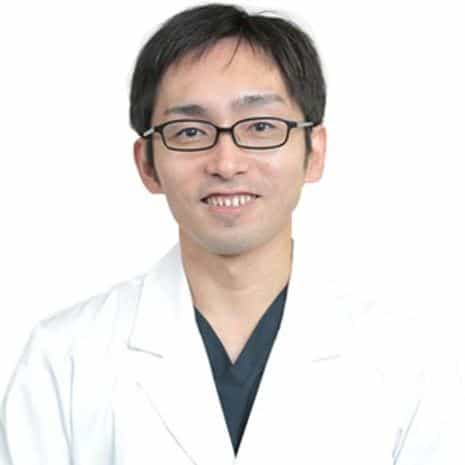
Cell Grand Clinic - Japan’s Best Stem Cell Clinic


Overview
Explore stem cell therapy in Osaka, Japan at Cell Grand Clinic with physician-led care, international patient support, and personalized plans. Request a quote.
Read more details

 82.81% Patient Recommend
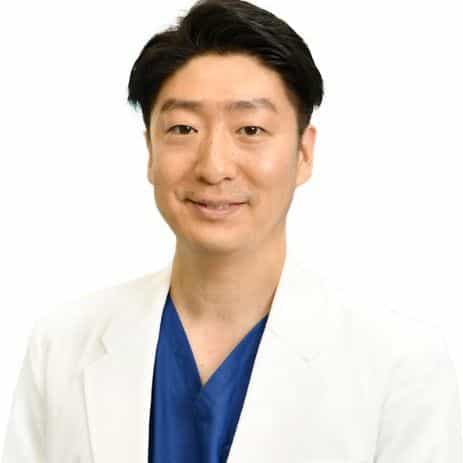
Helene Clinic - Stem Cell Therapy in Tokyo, Japan
Overview
Explore stem cell therapy in Tokyo, Japan at HELENE Clinic, including MSC treatment options, eligibility and international patient support. Request a quote.
Read more details
 100.00% Patient Recommend
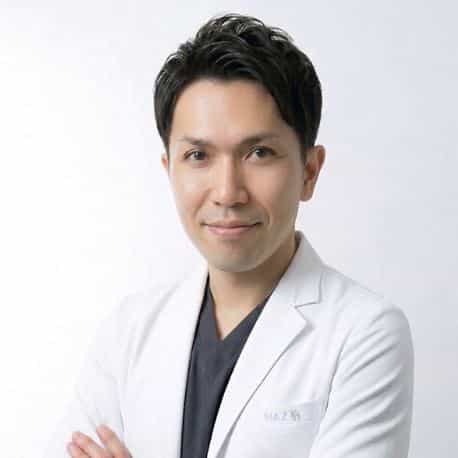
Azabu Skin Clinic - Dermatology and Stem Cell Therapy in Japan
Overview
Azabu Skin Clinic in Tokyo offers advanced stem cell treatments, regenerative treatments, dermatology, and aesthetic care. Book your consultation today.
Read more details
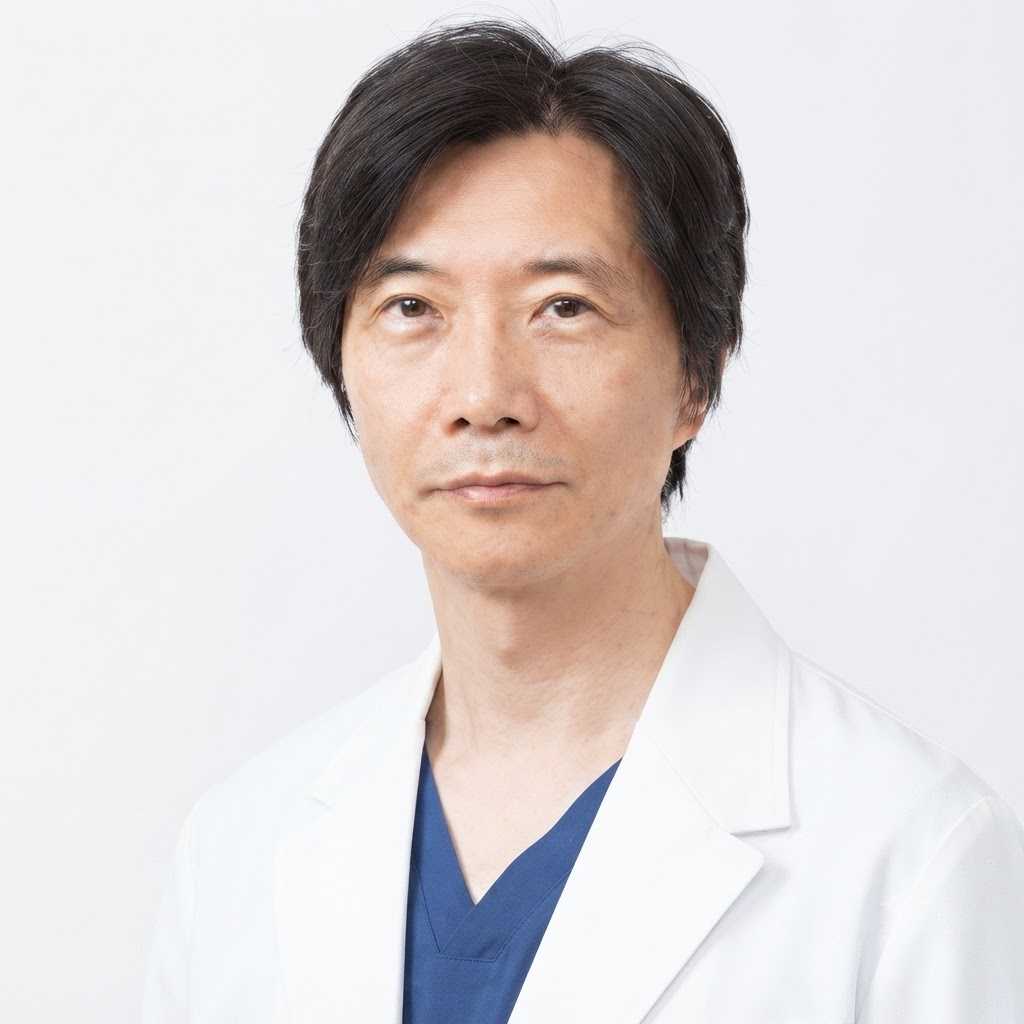
Riso Clinic - Japan Stem Cell Therapy
Overview
Explore Japan stem cell therapy at Riso Clinic in Tokyo. Advanced regenerative treatments for knee osteoarthritis, joint injuries, and cartilage repair.
Read more details
Discover your treatment options with a free, no-obligation quote!
Get your quote now!
Clinique Haru Osaka Umeda - Japan Stem Cell Treatment
Overview
Clinique Haru Osaka Umeda specializes in Japan stem cell treatments for joint and musculoskeletal conditions using advanced regenerative medicine.
Read more detailsWhy is Japan the Global Benchmark for Stem Cell Therapy?
Japan has established itself as the world leader in regenerative medicine, supported by groundbreaking research and unparalleled governmental oversight. Here is why international patients choose Japan for safe, cutting-edge cellular treatments.
Strict Legal and Ethical Regulations
Japan is uniquely governed by the Act on the Safety of Regenerative Medicine (ASRM). This strict governmental framework mandates rigorous safety standards, ensuring that every clinic and cell processing center operates at the highest level of clinical safety and ethical compliance in the world.
Pioneering Cellular Innovation
As the birthplace of Nobel Prize-winning induced pluripotent stem cell (iPS) research, Japan houses the world's top biomedical scientists. This legacy of innovation means patients have access to highly refined cell culturing techniques that yield healthier, more robust stem cells for treatment.
Advanced Lab Processing
Unlike destinations that offer same-day, uncultured treatments, top Japanese clinics utilize highly advanced Cell Processing Centers (CPCs). These labs carefully isolate and multiply your cells over several weeks, maximizing their vitality and therapeutic potential before reintroduction.
Precision Medical Care (Omotenashi)
Japanese healthcare is renowned for its meticulous attention to detail and patient safety. Integrated with the cultural concept of "Omotenashi" (ultimate hospitality), medical tourists experience a stress-free, deeply respectful, and ultra-clean clinical environment conducive to healing.
Stem Cell Therapy Costs in Japan vs. United States (2026)
While Japan represents the premium tier of medical tourism, its highly regulated stem cell treatments remain significantly more affordable than out-of-pocket, experimental costs in Western nations. Review the projected 2026 cost comparison below.
| Procedure | Japan Price | US / UK Price | You Save | Savings % |
|---|---|---|---|---|
| Orthopedic / Joint Therapy (Cultured) | $9,000–$14,000 | $20,000–$30,000 | $11,000+ | 55% |
| Systemic Anti-Aging & Wellness IV | $15,000–$22,000 | $35,000–$50,000 | $20,000+ | 57% |
| Neurological Regenerative Protocol | $20,000–$28,000 | $45,000–$70,000 | $25,000+ | 55% |
| Cosmetic / Facial Stem Cell Rejuvenation | $6,000–$9,500 | $15,000–$22,000 | $9,000+ | 60% |
* Prices are 2026 estimates based on verified PlacidWay partner clinics in Japan. Total costs vary based on whether cells are autologous (your own) or allogeneic, the specific laboratory culturing time, and the volume of cells administered. Request a free quote for customized treatment pricing.
Compare Top Destinations for Stem Cell Therapy in Japan
Japan features multiple biomedical hubs, each offering distinct advantages for regenerative medicine patients. Explore the top cities to decide which location suits your medical journey.
Tokyo
Metropolitan Excellence
The capital city hosts the highest concentration of internationally accredited stem cell clinics. Tokyo is ideal for patients seeking luxury medical concierges, seamless English-language support, and highly advanced systemic and anti-aging treatments.
Kyoto
The Heart of Cellular Science
Home to Kyoto University, where the Nobel-winning iPS cells were discovered. Clinics here are deeply intertwined with university-level research, making it perfect for patients seeking highly specialized neurological or orthopedic regeneration in a culturally rich environment.
Kobe
Kobe Biomedical Innovation Cluster
Kobe is Japan's premier dedicated medical and biotechnology zone. Patients traveling to Kobe benefit from cutting-edge clinical trials, state-of-the-art cell processing centers, and an atmosphere purely dedicated to medical advancement.
Osaka
Commercial & Medical Powerhouse
Offering slightly more competitive pricing than Tokyo without compromising ASRM standards, Osaka is a major hub for regenerative orthopedics and wellness therapies. Its international airport makes it highly accessible for medical tourists.
Advanced Stem Cell Procedures Available in Japan
Japanese clinics specialize in highly targeted and systemic cellular applications, utilizing strictly regulated culturing processes to treat chronic conditions, injuries, and aging.
Orthopedic Joint Regeneration
$9,000 – $14,000Designed for severe osteoarthritis and cartilage degradation. Autologous cells are harvested, rigorously expanded in a certified lab, and injected directly into the knee, hip, or shoulder joints under advanced imaging to stimulate cartilage repair and reduce inflammation.
Save $11,000+ vs. US prices
Systemic Anti-Aging IV Therapy
$15,000 – $22,000A full-body revitalization protocol using highly viable mesenchymal stem cells delivered intravenously. This treatment targets systemic inflammation, boosts immune function, repairs endothelial tissue, and significantly improves energy and vitality markers.
Save $20,000+ vs. US prices
Neurological Condition Protocols
$20,000 – $28,000Comprehensive, multi-phase treatments aimed at supporting patients with neurodegenerative conditions or spinal cord injuries. Utilizing rigorous intrathecal or specialized IV delivery methods, these protocols focus on neuroprotection and modulating the central nervous system.
Save $25,000+ vs. US prices
Cosmetic Cellular Rejuvenation
$6,000 – $9,500Far exceeding basic PRP, this facial procedure uses specialized cultured stem cells and highly concentrated exosomes injected into the dermis. It drastically improves collagen synthesis, repairs sun damage, and creates long-lasting skin thickening and tightening.
Save $9,000+ vs. US prices
How to Choose a Stem Cell Clinic in Japan?
Despite Japan's overall high standards, selecting the right facility requires careful evaluation. Follow this 5-step checklist to ensure a safe, legally compliant, and successful regenerative therapy experience.
Verify ASRM Approval Status
Ensure the clinic is explicitly approved under Japan's Act on the Safety of Regenerative Medicine. The facility must possess a government-issued certification for providing specific classes of cellular therapies to international patients.
Evaluate Lab and Culturing Standards
Ask where and how the cells are multiplied. The best Japanese clinics either have highly advanced in-house Cell Processing Centers (CPCs) or partner with prestigious national laboratories to ensure maximum cell count and viability without contamination.
Check the Doctor's Sub-Specialty
Stem cell administration is highly condition-specific. For a knee issue, ensure the doctor is a board-certified orthopedist. For systemic anti-aging, the specialist should be certified in internal medicine or regenerative immunology.
Clarify Autologous vs. Allogeneic Protocols
Understand whether the clinic will be harvesting your own cells (autologous) which requires a longer culturing period, or using carefully screened donor cells (allogeneic). Your specific medical condition should dictate the protocol chosen.
Use an Experienced Medical Facilitator
Navigating Japanese medical paperwork and language barriers can be incredibly complex. Utilizing a facilitator like PlacidWay ensures you receive translated documents, concierge support, and connections only to elite, legally vetted clinics.
Your Stem Cell Therapy Timeline in Japan
Because Japan prioritizes precision and highly regulated culturing, your medical journey is meticulously planned. Here is the standard timeline for international patients.
Step 1: Virtual Consultation & Clearance
Submit your medical records and lab results to PlacidWay. Japanese specialists will conduct a thorough virtual review to ensure you are a safe, viable candidate for cell therapy under Japanese health regulations before finalizing your treatment plan.
Step 2: Arrival & Comprehensive Health Screening
Upon arriving in Tokyo or Osaka, you will visit the clinic for an extensive physical exam and blood work. This rigorous screening ensures your body is in an optimal state to receive regenerative therapies without complications.
Step 3: Harvesting & Lab Culturing (If Autologous)
If using your own cells, a small sample of fat or bone marrow is painlessly extracted. The Japanese laboratory then spends 3 to 4 weeks carefully multiplying these cells in a sterile, government-certified environment to achieve millions of highly active stem cells.
Step 4: The Treatment Day
Once the cells are ready (or immediately, if using allogeneic cells), the infusion or localized injection is performed. The procedure is typically outpatient, completed within hours, in a relaxing, highly advanced clinical suite.
Step 5: Follow-Up & Long-Term Monitoring
After a short resting period in Japan, you are cleared to travel home. The clinic's medical team maintains a scheduled telemedicine follow-up schedule at 3, 6, and 12 months to carefully track your regenerative progress and health markers.
Stem Cell Therapy in Japan FAQ
Get detailed answers regarding the costs, safety standards, and logistical details of pursuing regenerative treatments in Japan.
Transformations Experienced in Japan
Discover how international patients have reclaimed their health and vitality by accessing Japan's unparalleled cellular technology.
"My severe knee arthritis made walking almost unbearable, and knee replacement felt too invasive. Traveling to Tokyo for autologous cell therapy was the best decision of my life. The level of clinical precision in Japan was astounding. Six months post-injection, the inflammation is entirely gone, and I am back to hiking without pain."
"I sought out systemic IV cell therapy for profound chronic fatigue and immune dysfunction. I chose Osaka because of Japan's strict government lab regulations. The doctors treated me with immense respect, and the results have been remarkable. My energy markers have stabilized, and I feel ten years younger inside and out."
Why Choose PlacidWay for Japanese Medical Access?
Entering Japan's highly regulated medical landscape requires deep local expertise. PlacidWay connects you safely to Japan's most elite, government-approved regenerative medicine centers.
Strict ASRM Compliance
We exclusively partner with Japanese clinics that hold active certifications under the Act on the Safety of Regenerative Medicine. Your safety and legal protection are our absolute highest priorities.
Direct Specialist Access
Bypass complex international hospital switchboards. We facilitate direct virtual introductions between you and top Japanese biomedical specialists to review your specific clinical needs prior to travel.
Unbiased Global Vetting
We are an independent patient advocate. Our goal is to provide you with transparent, comparative options across Tokyo, Osaka, and Kyoto so you can select the laboratory protocol that best aligns with your health goals.
Seamless Medical Coordination
From translating your MRIs and blood panels into Japanese medical formatting to ensuring all post-treatment follow-ups are scheduled, our team advocates for your care from the first inquiry to your final recovery phase.
Experience the Pinnacle of Regenerative Healing
Do not settle for unproven therapies. Access Japan's world-class, government-regulated stem cell technology and save over 50% compared to equivalent treatments in the US. Connect with elite Japanese specialists today.
Get Free QuoteDisclaimer: PlacidWay is a medical tourism facilitator and does not provide medical advice, diagnosis, or treatment. We connect patients with independently verified clinics abroad. Always consult with a qualified healthcare provider regarding your specific medical condition.
List of Best Stem Cell Therapy Clinics in Japan
Unlock the Best Stem Cell Therapy Packages Just for You
Discover the ultimate Stem Cell Therapy packages designed to meet your health and wellness goals. Choose the perfect fit for your journey.

Price starting from $68,000
Advanced Autologous Stem Cell Treatment for Diabetes Package in Tokyo, Japan by HELENE Clinic
Helene Clinic - Stem Cell Therapy in Tokyo, Japan
- Stem Cell Therapy
Tokyo, Japan
.png)
Price starting from $19,800
Diabetes Regenerative Medicine Package in Osaka, Japan by Cell Grand Clinic
Cell Grand Clinic - Japan’s Best Stem Cell Clinic
- Stem Cell Therapy
Osaka, Japan
Price starting from $19,800
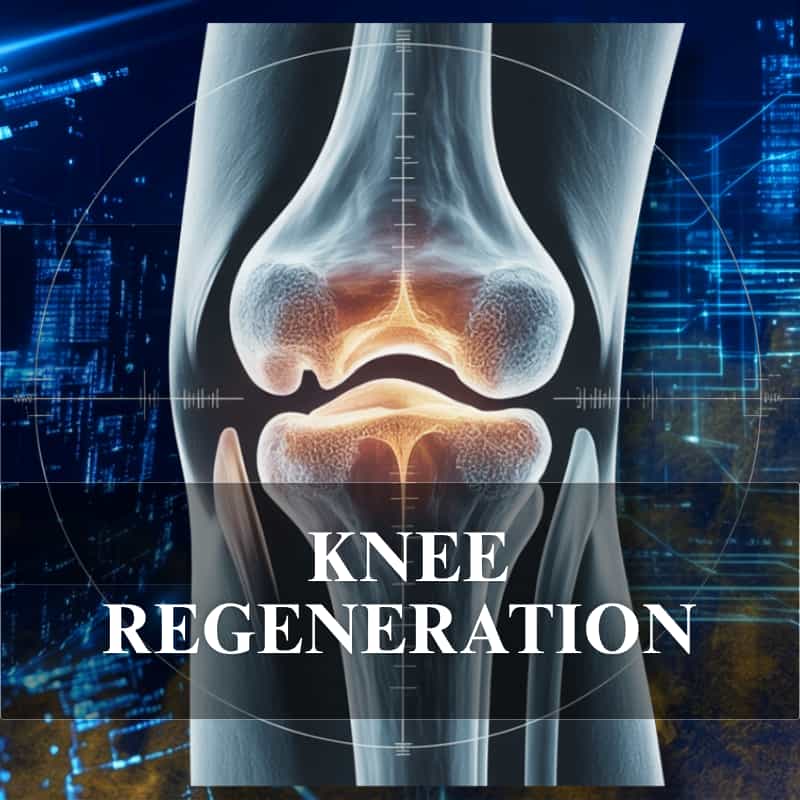
Stem Cell Therapy for Knee Osteoarthritis in Osaka Japan by Cell Grand Clinic
Cell Grand Clinic - Japan’s Best Stem Cell Clinic
- Stem Cell Therapy
Osaka, Japan

Price starting from $10,000
Stem Cell Therapy for Knee Osteoarthritis Package in Tokyo, Japan by HELENE Clinic
Helene Clinic - Stem Cell Therapy in Tokyo, Japan
- Stem Cell Therapy
Tokyo, Japan
Transformative Stem Cell Therapy Experiences: Dive into Procedure Insights
Discover the power of Stem Cell Therapy through compelling patient experiences. Uncover detailed insights into procedures, recovery journeys, and life-changing results.
-(2).png)
.png)
Stem Cell for Knee Osteoarthritis in Osaka, Japan
- Stem Cell Therapy for Osteoarthritis, Stem Cell Therapy
Osaka, Japan
.png)
Price starting from $10,000
Stem Cell Therapy for Diabetes in Tokyo, Japan
- Stem Cell Treatment for Diabetes, Stem Cell Therapy
Tokyo, Japan
.png)
Price starting from $10,000
Stem Cell Therapy for Parkinson’s Disease in Japan
- Stem Cell Treatment for Parkinsons Disease, Stem Cell Therapy
Japan
Explore Stem Cell Therapy: Stories, Testimonials, and Procedures
Watch in-depth videos covering everything from Stem Cell Therapy success stories to detailed procedure explanations. Learn what to expect and hear from real patients.
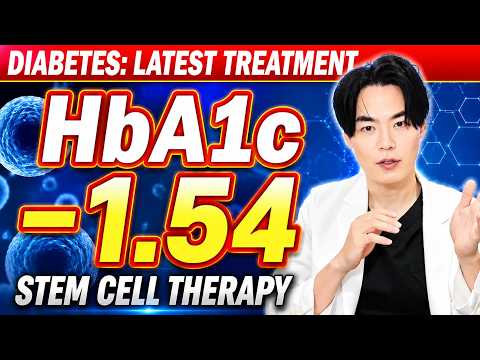
Type 2 Diabetes Reversed? Stem Cells Lowered HbA1c by 1.54 — Doctor Explains | Cell Grand Clinic, Japan
Stem Cell Therapy
Cell Grand Clinic - Japan’s Best Stem Cell Clinic
Japan
Minimally Invasive Stem Cell Therapy and Advanced Cultivation
Stem Cell Therapy
Helene Clinic - Stem Cell Therapy in Tokyo, Japan
Japan
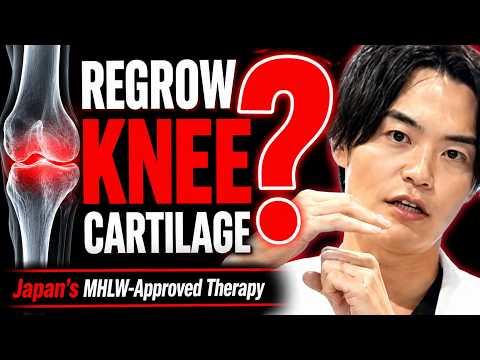
Stem Cell Therapy for Knee Osteoarthritis | Non-Surgical Knee Treatment in Japan
Stem Cell Therapy
Cell Grand Clinic - Japan’s Best Stem Cell Clinic
Japan
How Stem Cell Therapy Works at Cell Grand Clinic in Osaka, Japan
Stem Cell Therapy
Cell Grand Clinic - Japan’s Best Stem Cell Clinic
Japan
Learn More with These Stem Cell Therapy Articles
Take a look at these interesting articles, stories and research that will help you learn more about Stem Cell Therapy.

Encephalopathy Treatment: How Southeast Asians Are Finding Stem Cell Solutions in Tokyo
PlacidWay Medical Tourism
- Stem Cell Therapy
Japan
.jpg)
Stem Cell Facial Rejuvenation in Japan: A Patient's Five-Entry Diary
PlacidWay Medical Tourism
- Stem Cell Therapy for Longevity
Japan

Tokyo Set to Emerge as Philippine’s Premier Destination for Regulated Autism Stem Cell Therapy
PlacidWay Medical Tourism
- Stem Cell Therapy
Japan
.png)
Stroke Stem Cell Treatment in Japan: A Comprehensive Guide to Regenerative Recovery
PlacidWay Medical Tourism
- Stem Cell Therapy
Japan
Stem Cell Therapy Solutions Near You: Explore Top Medical Centers
Discover how Stem Cell Therapy is transforming lives at leading medical centers in , Japan. Dive into center profile, specialties, doctors, reviews, etc. and explore the best options tailored to your needs in this region.

Helene Clinic - Stem Cell Therapy in Tokyo, Japan
Tokyo, Japan
Cell Grand Clinic - Japan’s Best Stem Cell Clinic
Osaka, Japan
Riso Clinic - Japan Stem Cell Therapy
Tokyo, Japan









The treatment has really made a difference for me. My condition has improved significantly, and I’m now getting close to the point where I may be able to come off my diabetes medication under my doctor’s supervision. I’m very happy with the progress so far.
Read More