



Contents
Reclaim Long-Term Recovery: Regenerative Medicine in Japan
Restoring vitality and addressing degenerative conditions through advanced medical science has become a reality for many international patients. Stem Cell Therapy in Japan has emerged as a premier destination for those seeking to harness the body's natural healing potential with precision and care. Known for its rigorous safety standards and clinical innovation, Japan combines a tradition of excellence with a sophisticated infrastructure for medical research, making Stem Cell Therapy in Japan a top choice for patients worldwide.
The country is home to an elite community of researchers and clinicians who focus on Regenerative Medicine Japan. These practitioners are often pioneers in the field, working within a regulatory framework that is among the most advanced globally. When considering Stem Cells Japan, the nation stands out because it offers a high-end medical experience with facilities that utilize Induced Pluripotent Stem Cells (iPSCs) and other breakthrough Advanced Cell Therapy Japan techniques.
Regenerative Therapy in Japan is not just about medical intervention; it is about restoring quality of life through cellular repair. Whether you are looking to treat orthopedic injuries, neurological disorders, or anti-aging concerns, the specialists here prioritize safety and long-term efficacy. By choosing this technologically advanced nation, patients can undergo transformative procedures while experiencing the unique culture and hospitality of one of the world's most innovative societies.
What Is Stem Cell Therapy?
Stem cell therapy is a form of regenerative medicine that uses specialized cells to support the body's natural repair and healing processes. Depending on the patient's condition and treatment goals, physicians may use stem cells derived from carefully screened sources to help reduce inflammation, promote tissue regeneration, and improve cellular function. In Japan, stem cell therapy is primarily offered as part of regenerative medicine programs designed to support recovery, healthy aging, and quality of life under strict medical supervision. Stem cell therapy may be used to support:
-
Joint and orthopedic conditions
-
Sports injuries
-
Neurological disorders
-
Autoimmune conditions
-
Chronic inflammatory diseases
-
Healthy aging and wellness programs
Why Japan? The Regulatory Framework
Japan is recognized as one of the global leaders in regenerative medicine due to its comprehensive regulatory framework. The country's regenerative therapies operate under the Act on the Safety of Regenerative Medicine (ASRM), which establishes strict standards for patient safety, clinical oversight, and treatment quality. Clinics offering stem cell therapy must submit treatment plans for review, follow standardized protocols, and maintain rigorous laboratory and quality control procedures, giving patients greater confidence in the care they receive. Japan's regulatory advantages include:
-
Government-regulated regenerative medicine framework
-
Independent review of treatment plans
-
Strict laboratory quality standards
-
Physician oversight throughout treatment
-
Continuous monitoring of patient safety
-
Emphasis on evidence-based clinical practice
What Conditions Can Be Treated?
Stem cell therapy in Japan is used across a wide range of regenerative medicine applications, although treatment eligibility depends on each patient's diagnosis, medical history, and physician evaluation. While research continues to expand, many clinics offer therapies designed to support patients with orthopedic, neurological, autoimmune, and degenerative conditions, as well as wellness and anti-aging programs. Treatment recommendations are always individualized based on clinical findings. Conditions commonly evaluated include:
-
Osteoarthritis and joint pain
-
Tendon and ligament injuries
-
Spinal disorders
-
Parkinson's disease
-
Stroke recovery
-
Autoimmune diseases
-
Diabetes-related complications
-
Chronic pain syndromes
-
Healthy aging support
The Treatment Process — From Consultation to Recovery
The treatment journey begins with a detailed medical consultation, during which physicians review your health history, diagnostic imaging, laboratory results, and treatment objectives. Once a personalized treatment plan is developed, stem cells are prepared according to established laboratory standards before being administered through the appropriate method, such as intravenous infusion or targeted injection. Follow-up appointments help physicians monitor progress and adjust recommendations as needed. The treatment process typically includes:
-
Initial medical consultation
-
Review of medical records
-
Diagnostic testing if required
-
Personalized treatment planning
-
Stem cell preparation
-
Treatment administration
-
Observation and recovery
-
Follow-up assessments
Is It Safe? Risks and Side Effects
When performed by qualified physicians under Japan's regulatory framework, stem cell therapy is generally considered to have a favorable safety profile. However, like any medical procedure, regenerative treatments may involve potential risks and side effects. Most reported reactions are mild and temporary, but patients should always discuss the benefits, limitations, and possible complications with their physician before beginning treatment. Possible risks and side effects may include:
-
Temporary soreness at the injection site
-
Mild swelling or redness
-
Fatigue for a short period after treatment
-
Minor discomfort during recovery
-
Rare allergic or immune reactions depending on the treatment protocol
Patients should disclose their complete medical history to ensure the safest possible treatment plan.
Japan vs. Other Countries
Japan stands out in regenerative medicine because of its mature regulatory system, advanced biotechnology infrastructure, and commitment to physician-led care. Compared with many other destinations, Japan places a strong emphasis on standardized clinical protocols, laboratory quality assurance, and government oversight. While treatment costs may be higher than in some countries, many patients value the additional regulatory safeguards and medical expertise available through Japanese clinics. Factors patients often compare include:
-
Regulatory oversight
-
Physician expertise
-
Laboratory standards
-
Treatment protocols
-
Technology and research
-
Cost and overall value
-
International patient services
How to Choose a Clinic in Japan
Selecting the right clinic is one of the most important decisions when considering stem cell therapy in Japan. Patients should evaluate more than just pricing by reviewing physician qualifications, regulatory compliance, laboratory standards, treatment transparency, and patient support services. A reputable clinic will provide clear information about treatment options, expected outcomes, potential risks, and follow-up care before therapy begins. When comparing clinics, consider:
-
Physician credentials and regenerative medicine experience
-
Compliance with Japan's regenerative medicine regulations
-
Accredited laboratory and cell processing standards
-
Transparent consultation and treatment planning
-
Comprehensive follow-up care
-
International patient coordination services
-
Clear pricing and treatment inclusions
Did You Know?
Japan has transformed into a global hub for medical innovation, particularly in the cellular field. This evolution was accelerated by the Nobel Prize-winning discovery of iPS cells by Dr. Shinya Yamanaka, leading to significant investment in Regenerative Medicine Japan. This ensures that patients have access to the most strictly regulated and scientifically validated Regenerative Therapy in Japan available in the global market today.
Key Insights at a Glance
Expect the highest levels of safety as Stem Cell Therapy in Japan is governed by the Act on the Safety of Regenerative Medicine (ASRM).
Top doctors are leaders in Stem Cells Japan research, ensuring comprehensive expertise for complex chronic conditions.
Specialists here use proprietary cell expansion methods, perfect for achieving high-potency Regenerative Medicine Japan outcomes.
Japan maintains strict ethical guidelines for Advanced Cell Therapy Japan, ensuring patients receive legitimate and scientifically backed treatments.
Premier medical teams provide dedicated coordinators to support your Regenerative Therapy in Japan journey from start to finish.
Patients benefit from an environment that emphasizes precision and cleanliness, promoting a serene atmosphere for recovery after Stem Cells Japan treatments.
The Precision Culture
While you focus on your health, you are in a country where precision is a way of life. From the famous punctuality of its bullet trains to the meticulous care in its laboratories, Japan's dedication to excellence provides a unique backdrop for a medical journey, offering a sense of reliability that truly aids in the healing process.
To streamline your medical journey, many top clinics in Tokyo and Osaka offer comprehensive packages designed specifically for international patients. These bundles typically include the medical consultation, laboratory testing, cell processing in specialized facilities, and the administration of the treatment. Below, we have curated a selection of information to help you understand the advantages of choosing this innovative nation for Stem Cell Therapy in Japan and your specific Regenerative Medicine Japan goals.
Note: When booking Regenerative Therapy in Japan, many patients choose to utilize Advanced Cell Therapy Japan protocols to ensure the highest quality of Stem Cells Japan for their recovery and long-term health results.
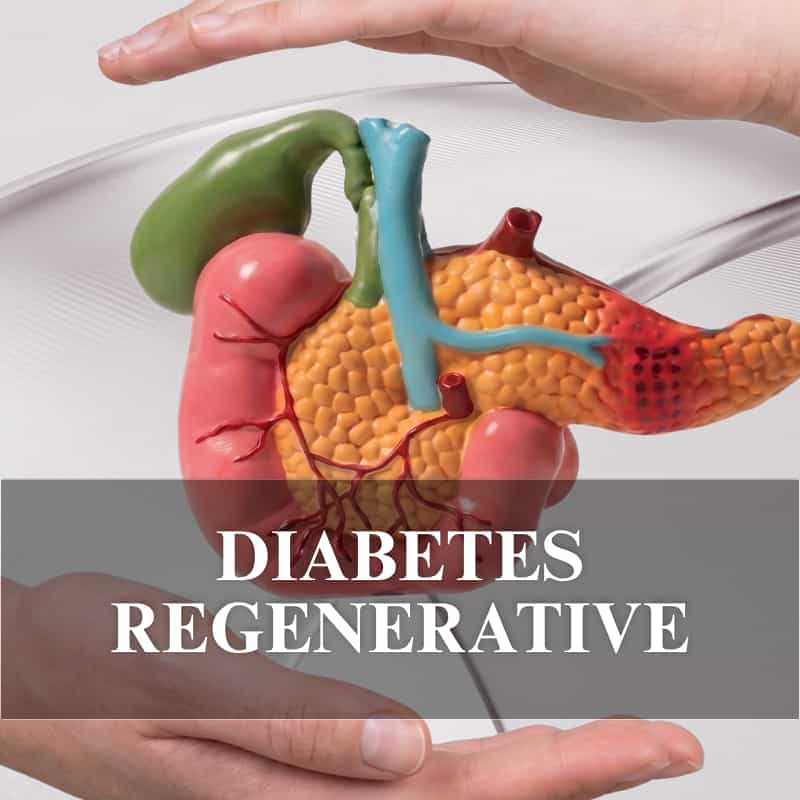
Price starting from $19,800
Diabetes Regenerative Medicine Package in Osaka, Japan by Cell Grand Clinic
Cell Grand Clinic - Best Stem Cell Clinic in Japan
- Stem Cell Therapy
Osaka, Japan
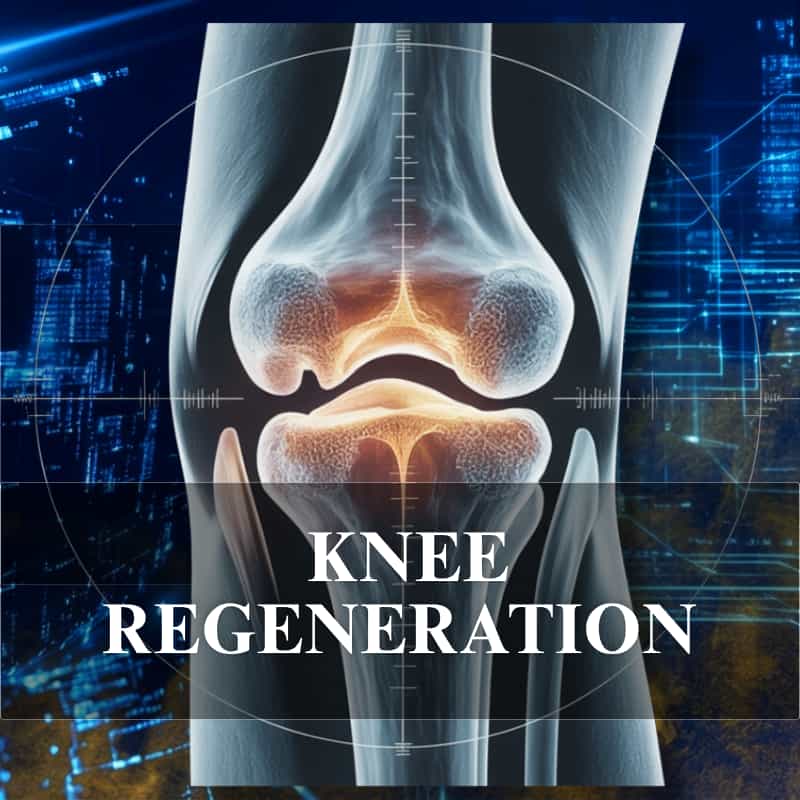
Price starting from $19,800
Knee Regenerative Medicine Package in Osaka, Japan by Cell Grand Clinic
Cell Grand Clinic - Best Stem Cell Clinic in Japan
- Stem Cell Therapy
Osaka, Japan

Price starting from $19,800
Erectile Dysfunction Stem Cell Therapy Package in Osaka, Japan by Cell Grand Clinic
Cell Grand Clinic - Best Stem Cell Clinic in Japan
- Stem Cell Therapy
Osaka, Japan
.png)
Price starting from $10,000
Stem Cell Therapy for Knee Osteoarthritis Package in Tokyo, Japan by HELENE Clinic
HELENE - Stem Cell Clinic
- Stem Cell Therapy
Tokyo, Japan

Price starting from $10,000
Stem Cell Therapy for Parkinson’s Disease Package in Tokyo, Japan by HELENE Clinic
HELENE - Stem Cell Clinic
- Stem Cell Therapy
Tokyo, Japan
Price starting from $10,000
Stem Cell Therapy for Diabetes Package in Tokyo, Japan by Helene Clinic
HELENE - Stem Cell Clinic
- Stem Cell Therapy
Tokyo, Japan
Understanding the investment for Stem Cell Therapy in Japan involves looking at the average prices for Regenerative Medicine Japan, which typically range from $12,000 to $25,000 depending on the condition being treated. This represents a competitive value for the high level of regulation and safety found in Japan, especially when compared to other nations offering Advanced Cell Therapy Japan. These costs cover the sophisticated cultivation processes required for Stem Cells Japan in licensed cell processing centers. The final price for your Regenerative Therapy in Japan will depend on the source of the cells, the number of injections required, and the specific clinical protocol designed for your recovery. Use this data to plan your budget for specialized medical care with confidence.
Tip: Remember to factor in the cost of initial diagnostic imaging and a stay of 5-7 days for the cell cultivation period when calculating your total budget.
Stem Cell Therapy Centers Cost Comparison in Japan
| Provider | Procedure | Price |
|---|---|---|
| HELENE - Stem Cell Clinic | Stem Cell Treatment for Diabetes, Stem Cell Therapy | $10000 |
| HELENE - Stem Cell Clinic | Stem Cell Treatment for Knee Osteoarthritis Abroad, Stem Cell Therapy | $8000 |
| Cell Grand Clinic - Best Stem Cell Clinic in Japan | Stem Cell Therapy for Osteoarthritis, Stem Cell Therapy | $19800 |
| Cell Grand Clinic - Best Stem Cell Clinic in Japan | Stem Cell Treatment for Diabetes, Stem Cell Therapy | $19800 |
| HELENE - Stem Cell Clinic | Stem Cell Therapy for Stroke, Stem Cell Therapy | $10000 |
| HELENE - Stem Cell Clinic | Stem Cell Treatment for Parkinsons Disease, Stem Cell Therapy | $10000 |
Stem Cell Therapy Cost Comparison in Japan
| Country | Procedure | Price |
|---|---|---|
| United States | Stem Cell Treatment for Diabetes, Stem Cell Therapy | $22000 |
Japan has emerged as a premier destination for Stem Cell Therapy in Japan due to its combination of board-certified researchers and state-of-the-art medical infrastructure. Patients seeking Stem Cells Japan can choose from high-end medical centers that offer advanced techniques such as mesenchymal stem cell treatments and Regenerative Medicine Japan. These facilities are designed to provide a seamless experience for international patients, blending medical excellence with the precision and hospitality that is characteristic of Advanced Cell Therapy Japan.
Beyond the procedure itself, choosing Regenerative Therapy in Japan allows patients to access world-class care at the forefront of biological innovation. When planning your Stem Cell Therapy in Japan, it is essential to research the credentials of your medical team and the accreditation of the facility to ensure the highest standards of safety and functional results for your journey into Stem Cells Japan.
Safety First: Verify that the clinic is licensed by the Japan Ministry of Health, Labour and Welfare under the Act on the Safety of Regenerative Medicine to ensure they meet strict national safety and ethical standards.
Cell Grand Clinic - Best Stem Cell Clinic in Japan
Osaka, Japan

HELENE - Stem Cell Clinic
Tokyo, Japan

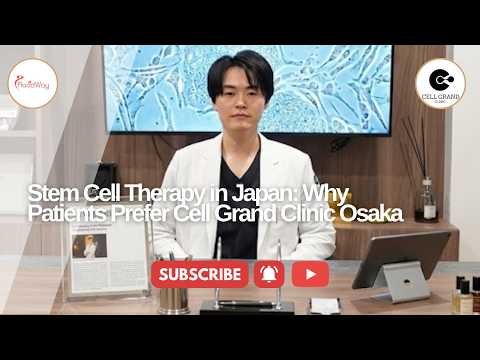
Seeing the transformation firsthand can provide the clarity and confidence you need when considering Stem Cell Therapy in Japan. In this section, we have curated a gallery of patient videos that showcase real results and personal journeys. These videos offer a transparent look at Regenerative Medicine Japan, documenting everything from the arrival at the clinic to the final health outcomes. By watching these testimonials, you can gain a better perspective on the quality of Advanced Cell Therapy Japan and the personalized care provided by local specialists for Stem Cells Japan and Regenerative Therapy in Japan.
Insight: When viewing videos for Regenerative Medicine Japan, pay close attention to the long-term recovery milestones mentioned by patients to help set realistic expectations for your own healing timeline after Stem Cell Therapy in Japan.


Below, you will find verified reviews and ratings from patients who have undergone Stem Cell Therapy in Japan with our partner clinics. These reviews offer insights into the results of Regenerative Medicine Japan, the professionalism of the medical staff, and the overall experience of traveling for Stem Cells Japan. Reading these testimonials can provide clarity on what to expect from Advanced Cell Therapy Japan and Regenerative Therapy in Japan, helping you choose the right specialist for Stem Cell Therapy in Japan.
Review Tip: Look for mentions of the initial consultation depth and the clinic’s transparency regarding the specific types of cells used and the expected timeline for functional improvements.

Is Stem Cell Therapy in Japan safe?
Yes, Stem Cell Therapy in Japan is considered among the safest in the world due to the country's strict regulatory framework. The Act on the Safety of Regenerative Medicine ensures that all clinics providing Regenerative Medicine Japan adhere to rigorous standards for cell processing and patient care. Patients choosing Advanced Cell Therapy Japan can trust in a system that prioritizes clinical safety and ethical transparency.
What conditions are commonly treated with Stem Cells Japan?
Medical providers use Stem Cells Japan to treat various conditions, including osteoarthritis, spinal cord injuries, and cardiovascular diseases. Regenerative Therapy in Japan is also being utilized for autoimmune disorders and anti-aging treatments. Each center for Advanced Cell Therapy Japan specializes in different protocols, ensuring patients receive targeted care for their specific medical needs.
What makes Regenerative Medicine Japan unique?
Japan is a global leader because it was the first country to implement a fast-track approval system specifically for Regenerative Medicine Japan. This allows patients to access Advanced Cell Therapy Japan much earlier than in many other nations. Furthermore, the integration of cutting-edge technology and high-quality laboratory standards makes Stem Cell Therapy in Japan a premier choice for international patients.
What is the cost of Stem Cell Therapy in Japan?
The cost varies based on the type of cells used and the complexity of the condition, but Stem Cell Therapy in Japan offers competitive pricing for its high level of technology. While it may be more expensive than in some developing regions, the expertise found in Regenerative Therapy in Japan provides significant value. Advanced Cell Therapy Japan is often viewed as a long-term investment in health and mobility.
How long is the treatment stay for Regenerative Therapy in Japan?
Most patients receiving Regenerative Therapy in Japan should plan for a stay of 5 to 10 days. This duration allows for the initial consultation, the cell administration procedure, and necessary monitoring before departure. For certain types of Stem Cell Therapy in Japan that require cell cultivation, patients may need to visit twice or arrange for a longer single stay for their treatment cycle.
Are autologous or allogeneic cells used in Stem Cells Japan?
Both types are available, but Stem Cells Japan often focuses on autologous treatments, where the patient's own cells are used to minimize the risk of rejection. This is a key component of Regenerative Medicine Japan, ensuring high compatibility. However, ongoing research in Advanced Cell Therapy Japan also includes high-quality allogeneic options for specific clinical applications.
Is there a recovery period after Advanced Cell Therapy Japan?
The recovery period for Advanced Cell Therapy Japan is typically very short compared to traditional surgery. Many patients undergoing Stem Cell Therapy in Japan experience minimal downtime, often returning to light activities within a few days. The non-invasive nature of most Regenerative Therapy in Japan procedures allows for a gradual and natural healing process that improves over several months.
How do I know if I am a candidate for Regenerative Medicine Japan?
Candidates for Regenerative Medicine Japan are generally individuals looking for alternatives to invasive surgery or those with chronic conditions that haven't responded to standard care. A detailed medical review by specialists in Stem Cells Japan is necessary to determine eligibility. Most providers of Stem Cell Therapy in Japan will require recent medical records and imaging to provide an accurate assessment.
What are the success rates for Regenerative Therapy in Japan?
Success rates for Regenerative Therapy in Japan vary by condition but are generally high for pain management and functional improvement. Patients who choose Advanced Cell Therapy Japan often report a significant reduction in symptoms and an improved quality of life. The clinical expertise in Stem Cell Therapy in Japan ensures that patients receive the most effective protocols available today.
How can I book Stem Cell Therapy in Japan?
You can book Stem Cell Therapy in Japan by connecting with certified clinics through PlacidWay. The platform helps you find the best specialists in Regenerative Medicine Japan, compare treatment packages, and schedule consultations. Whether you are interested in Stem Cells Japan or the latest Advanced Cell Therapy Japan, the booking process is streamlined for international patients.
How Much Does Stem Cell Therapy Cost in Japan?
The cost of stem cell therapy in Japan typically ranges from $10,000 to over $40,000 USD per treatment, depending on the condition, cell type, and clinic. Thinking about exploring advanced medical treatments abroad? Japan has become a global leader in regenerative medicine, particularly stem cell therapy. This reputation for high-tech innovation and strict safety standards makes it a top destination for patients worldwide. But the big question on everyone's mind is: how much does it actually cost? The price for stem cell therapy in Japan isn't a single number; it's a range influenced by many factors, from the specific condition you're treating to the type of stem cells used. This guide is here to break down those costs for you. We'll dive into what you're paying for, what kinds of treatments are available, and why Japan's approach is considered so cutting-edge. Whether you're considering treatment for joint pain, anti-aging, or more complex conditions, understanding the financial side is the first step. Let's explore what you can expect to invest in your health at some of the world's most advanced Japanese stem cell clinics. What is the average cost of stem cell therapy in Japan? The average cost for a single stem cell therapy session in Japan typically falls between $10,000 and $40,000 USD (approximately 1.5 to 6 million JPY). Comprehensive anti-aging or neurological packages can be higher. This price range is a general estimate. For example, a localized treatment, like an injection for knee osteoarthritis, will be on the lower end of that scale. In contrast, a systemic intravenous (IV) treatment for anti-aging, longevity, or autoimmune conditions will be at the higher end. This is because systemic treatments often require a much higher number of cultured cells, and the lab work involved is more extensive. Many clinics in Japan offer packages that might include the initial consultation, blood work, cell harvesting (if using your own cells), cultivation, and the final administration. Always get a detailed quote that outlines exactly what is included to avoid any surprises. What factors influence the final price? Several key factors determine the total cost of stem cell therapy in Japan: the type of stem cells used (e.g., adipose, umbilical), the number of cells administered, the condition being treated, the clinic's reputation, and the number of sessions required. Source of Stem Cells: Cells can be autologous (your own) or allogeneic (from a donor). Autologous cells from your own fat (adipose) or bone marrow require harvesting and a cultivation period (often 4-6 weeks), which adds to the cost. Allogeneic cells, like those from umbilical cord tissue, are often "off-the-shelf" but have their own associated sourcing and screening costs. Cell Count: The number of cells, often counted in the millions (e.g., 100 million vs. 250 million), directly impacts the price. More cells mean more extensive lab cultivation. Treatment Complexity: A simple joint injection is less complex and cheaper than an IV infusion or a multi-site injection protocol. Clinic & Location: Top-tier clinics in major cities like Tokyo or Osaka with advanced research facilities and leading doctors may charge more. Cost Comparison: Stem Cell Therapy in Japan (Estimates) A detailed cost comparison shows that anti-aging and systemic treatments are generally the most expensive, while localized joint treatments are more affordable. Prices can range from 1,000,000 JPY for a single knee to over 6,000,000 JPY for systemic IV therapies. Here is a sample table of estimated costs for common treatments available at Japanese stem cell clinics. These prices are estimates and can vary significantly between clinics. (Note: USD conversions are approximate and subject to currency fluctuation). Treatment Type Condition Treated Estimated Cost (JPY) Estimated Cost (USD) Local Injection (Knee) Osteoarthritis (One Knee) ¥1,000,000 - ¥1,500,000 $6,500 - $9,700 Local Injection (Knees) Osteoarthritis (Both Knees) ¥1,400,000 - ¥2,000,000 $9,000 - $13,000 Local Injection (Joints) Erectile Dysfunction (ED) ¥2,200,000 - ¥2,800,000 $14,200 - $18,000 Aesthetic / Skin Facial Rejuvenation (Skin) ¥1,000,000 - ¥1,600,000 $6,500 - $10,300 Systemic IV Infusion Anti-Aging / Longevity ¥3,400,000 - ¥6,000,000+ $22,000 - $38,800+ Systemic IV Infusion Motor Function / Neurological ¥1,300,000 - ¥4,500,000 $8,400 - $29,000 Systemic IV Infusion (Package) Autoimmune / Degenerative ¥4,400,000 - ¥9,900,000+ $28,400 - $64,000+ Why is stem cell therapy in Japan considered so advanced? Japan's reputation in regenerative medicine is built on its pioneering research, especially in Induced Pluripotent Stem Cells (iPS cells), and its strict regulatory framework. The government fast-tracks promising therapies, fostering rapid innovation in a safe, controlled environment. In 2014, Japan's government revised its laws to create a unique, fast-track approval system for regenerative medicine. This allows clinics to offer therapies to patients on a conditional basis after safety and efficacy have been shown, rather than waiting for decades of large-scale trials. This environment, combined with Japan’s pioneering research on induced pluripotent stem cells (iPS cells), has positioned the country’s stem cell clinics at the forefront of medical science. These clinics operate with advanced laboratory technology and under strict oversight from the Ministry of Health, Labour and Welfare (MHLW). Is stem cell therapy legal and safe in Japan? Yes, stem cell therapy in Japan is legal and operates under one of the world's most comprehensive regulatory frameworks. The "Act on the Safety of Regenerative Medicine" ensures that clinics meet stringent standards for cell processing, administration, and patient safety. This law requires all clinics to submit their treatment plans to the MHLW for approval. This means the government is aware of what treatments are being offered and monitors them for safety. This is a key reason why international patients trust Japan for these advanced procedures. While all medical procedures carry some risk (like infection or treatment failure), Japan's strict oversight minimizes these risks significantly compared to countries with little to no regulation. What types of stem cells are used in Japanese clinics? The most common types used in Japanese stem cell clinics are Mesenchymal Stem Cells (MSCs). These are sourced from the patient's own adipose (fat) tissue or bone marrow, or from a donor's umbilical cord tissue. Adipose-Derived Stem Cells (ADSCs): These are autologous (from your own body). A doctor performs a mini-liposuction to collect a small amount of fat. These cells are then isolated and cultured for several weeks to multiply into the millions before being reinjected. Bone Marrow-Derived Stem Cells (BMDSCs): Also autologous, these are collected from the hip bone. This method is slightly more invasive than fat collection. Umbilical Cord-Derived Stem Cells (UCSCs): These are allogeneic (from a donor) and are collected from the tissue of donated umbilical cords after a healthy birth. They are highly potent and versatile, and using them avoids a harvesting procedure for the patient. What is the stem cell therapy process like in Japan? The typical process involves an initial consultation, pre-treatment testing, cell harvesting (if autologous), cell cultivation in a lab, and finally, the administration of the cells via injection or IV infusion, followed by a brief recovery and follow-up. Here’s a step-by-step look: Consultation: You'll speak with a specialist (often remotely at first) to discuss your medical history and goals. Pre-Treatment: Once in Japan, you'll undergo blood tests and a physical exam to ensure you're a good candidate. Harvesting (if needed): If using your own cells, a doctor will collect fat or bone marrow. This is a minor outpatient procedure. Cultivation: This is the waiting period. Your cells are sent to a specialized lab (a "Cell Processing Center") where they are grown for 4-6 weeks. Many international patients return home during this time. Administration: You'll return to the clinic to receive your cultured cells. This is usually a simple procedure (a joint injection or an IV drip) that takes 30-60 minutes. Follow-up: You'll be monitored for a short period before being cleared to leave. The clinic will typically schedule follow-up calls or visits. Does Japanese health insurance cover stem cell therapy? Generally, no. For most conditions like anti-aging, aesthetic treatments, and osteoarthritis, stem cell therapy in Japan is considered an elective, out-of-pocket expense and is not covered by Japanese national health insurance or most international insurance plans. While Japan has approved specific stem cell-based products for certain critical diseases (like stroke or graft-versus-host disease) which may be covered by their national insurance, the treatments sought by medical tourists fall outside of this. You should always assume you will be paying for the procedure yourself. What conditions are treated with stem cell therapy in Japan? Japanese stem cell clinics treat a wide range of conditions, with the most common being osteoarthritis (especially knees and hips), anti-aging and longevity, aesthetic concerns (skin rejuvenation and hair loss), sports injuries, and some autoimmune and degenerative conditions. The anti-inflammatory and regenerative properties of stem cells are what make them so versatile. For joints, they can help reduce pain and inflammation, potentially repairing cartilage. For anti-aging, systemic IV infusions are believed to reduce inflammation throughout the body, improve energy levels, and enhance overall wellness. Research is also active for more complex conditions like Parkinson's, stroke recovery, and diabetes. What are stem cell 'supernatants' or 'exosomes'? Exosomes, or the 'culture supernatant,' are byproducts of stem cell cultivation. They are not cells, but tiny vesicles that contain the growth factors, proteins, and signaling molecules that stem cells use to communicate. These are often offered as a separate, more affordable acellular (cell-free) therapy. Think of it this way: if stem cells are the "factory," exosomes are the "packages" they send out that tell other cells what to do (e.g., "reduce inflammation" or "build new tissue"). These treatments are popular for aesthetics and skin quality, as they provide many of the regenerative signals without the cells themselves. This can be a good, lower-cost alternative for some patients. How long do I need to stay in Japan for treatment? It depends on the treatment. If you use donor (allogeneic) cells, you may only need to be in Japan for 3-7 days for the consultation and treatment. If you use your own (autologous) cells, you will need to make two trips: one short trip for harvesting, and a second trip 4-6 weeks later for the administration. Many patients prefer the two-trip protocol. The first trip is just 2-3 days for the consultation and fat harvesting. They then fly home and return for another 2-3 day trip for the injection or infusion. This breaks up the travel and is very efficient. Clinics are very experienced with international patients and can help coordinate this schedule. How do I choose a good stem cell clinic in Japan? Look for clinics that are officially registered with the Japanese Ministry of Health, Labour and Welfare (MHLW). A reputable clinic will be transparent about its registration, the source and type of its cells, and its pricing. Patient reviews and a direct consultation are also crucial. Here's what to check for: MHLW Approval: Ask the clinic for its "Notification Number" from the MHLW. This is proof they are legally permitted to perform regenerative medicine. Experienced Staff: Check the credentials of the doctors and specialists. In-House or Certified Lab: Do they have their own high-grade "Cell Processing Center" (CPC) or use a certified partner? This is critical for cell quality. Transparency: They should provide a clear, itemized quote and patiently answer all your questions about the procedure, risks, and realistic outcomes. What are the risks or side effects? Side effects from stem cell therapy in Japan are generally minimal and rare, especially when performed at a certified clinic. The most common are temporary pain, swelling, or bruising at the injection site. With IV infusions, some patients report mild, flu-like symptoms or fatigue for a day. Because Japan's regulations are so strict, the risk of serious complications like infection or contamination is extremely low. If using autologous cells (your own), the risk of rejection or allergic reaction is virtually zero. Using donor cells (allogeneic) carries a theoretical, but very low, risk of reaction, which is why all donor cells are rigorously screened. How soon will I see results? This varies by patient and condition. Some patients report feeling reduced pain and inflammation within a few weeks. However, because stem cells work by regenerating tissue, the full, significant results often develop over 3 to 6 months as the cells work to repair and rebuild the damaged area. Regenerative medicine is not an instant fix. It's a biological process. For joint pain, you might feel initial relief quickly, but the more substantial, lasting improvement in mobility and pain reduction builds over several months. For anti-aging or systemic treatments, benefits like improved energy, better sleep, and enhanced skin quality are also typically reported gradually over months. Is Japan cheaper than the US for stem cell therapy? Yes, often significantly. While stem cell therapy is available in the US, the FDA has not approved it for most conditions, so treatments are limited and can be extremely expensive, often $20,000 to $50,000 or more for procedures that are still considered experimental. Japan's regulatory environment allows for these therapies to be offered more widely and, in many cases, at a more competitive price point. Patients travel to Japan not just for the lower cost, but because they are getting access to highly advanced, government-regulated therapies that simply aren't available in their home country. Ready to explore your options for high-quality, advanced healthcare? Don't let uncertainty hold you back. PlacidWay connects you with a network of world-class, accredited medical facilities in Japan and around the globe.
Is Stem Cell Therapy Legal in Japan?
Yes, stem cell therapy is legal in Japan. It is regulated under a specific national law, the "Act on the Safety of Regenerative Medicine" (ASRM), which was passed in 2014. When you hear about cutting-edge medical treatments, "stem cell therapy" and "Japan" often come up in the same sentence. Japan has positioned itself as a world leader in regenerative medicine, attracting patients from all over the globe. But with so much conflicting information online, one of the first and most important questions people ask is: "Is stem cell therapy even legal in Japan?" The simple answer is a resounding yes. Not only is it legal, but it's also regulated by a comprehensive, forward-thinking legal framework that sets it apart from almost every other country. This isn't a medical "wild west." The Japanese government has created specific laws to safely fast-track promising therapies. This means that treatments that might be considered "experimental" and only available in restrictive clinical trials in the US or Europe can be legally offered in Japanese stem cell clinics. This guide will walk you through exactly what makes it legal, what the regulations are, and what you need to know to safely navigate your options for stem cell therapy in Japan. What makes stem cell therapy legal in Japan? Stem cell therapy is legal in Japan under the "Act on the Safety of Regenerative Medicine" (ASRM), which was passed in 2014. This law creates a specific regulatory framework for offering these treatments outside of conventional, long-term clinical trials. This law is what makes Japan unique. Instead of the long, multi-decade approval process required by agencies like the US Food and Drug Administration (FDA), Japan's ASRM creates a different pathway. It allows clinics to offer regenerative therapies to patients after their treatment plan has been reviewed for safety and rationale by an independent, government-accredited committee. This system is designed to accelerate the availability of safe, promising treatments. The trade-off is that clinics must meticulously track patient data and safety outcomes and report them to the Ministry of Health, Labour and Welfare (MHLW). This allows the government to gather real-world evidence on these therapies while giving patients access to them sooner. What is the "Act on the Safety of Regenerative Medicine" (ASRM)? The ASRM is a Japanese law enacted in 2014 that allows clinics to provide stem cell therapies after a government-accredited committee reviews their treatment plan for safety and efficacy, creating a fast-track, regulated pathway. This law classifies regenerative medicine treatments into three risk categories (Class I, II, and III). Most treatments offered to medical tourists, like using a patient's own fat-derived stem cells, fall into the lower-risk categories (Class II or III). To offer any of these treatments, a clinic can't just open its doors and start injecting. They must first submit a detailed "treatment plan" to an independent review board. This plan outlines: What kind of cells they will use (e.g., adipose-derived, umbilical cord-derived). How the cells will be processed and grown. What condition they are treating (e.g., knee osteoarthritis). All the safety protocols involved. Only after this committee approves the plan and it's registered with the MHLW can the clinic legally offer that specific therapy. Is stem cell therapy in Japan safe and regulated? Yes, stem cell therapy in Japan is highly regulated for safety. The MHLW requires all clinics to report on their procedures, use certified cell processing centers, and track patient outcomes, ensuring a high standard of care. The legality of the therapy is directly tied to its safety. The ASRM mandates that all cell processing (the separating, growing, and storing of stem cells) must be done in a Cell Processing Center (CPC). A CPC is a highly specialized, clean-room laboratory that must meet stringent government standards for quality control, purity, and safety. This is a crucial point. It prevents clinics from processing cells in an unsterile back room, which is a major risk in unregulated markets. This focus on a sterile, high-quality "product" is a cornerstone of Japan's safety regulations and a key reason why patients trust the system. Why is Japan a leader in stem cell research? Japan is a leader in regenerative medicine thanks to strong government support, major investment in research, and the groundbreaking 2012 Nobel Prize-winning discovery of induced pluripotent stem cells (iPS cells). The 2012 Nobel Prize in Medicine marked a turning point for Japan, sparking national enthusiasm and pride in regenerative medicine. This milestone led to significant government and private investment in the field. The resulting research momentum ultimately inspired the creation of the ASRM, designed to safely and efficiently translate scientific breakthroughs into real-world patient treatments. What are iPS cells (induced pluripotent stem cells)? iPS cells are a type of stem cell "created" in a lab, typically from a patient's own skin or blood cells. They are "reprogrammed" back into a blank-slate state, allowing them to become any other cell type in the body. Think of it this way: an adult skin cell is "specialized" and can only be a skin cell. Dr. Yamanaka discovered how to hit a "factory reset" button on that cell, turning it back into a "pluripotent" stem cell—one that is just like an embryonic stem cell and has the potential to become a heart cell, brain cell, or cartilage cell. This discovery is the future, but it's important to know that most legal therapies offered to patients today use Mesenchymal Stem Cells (MSCs), not iPS cells. What's the difference between Japanese and US stem cell regulations? The main difference is the pathway to approval. Japan has a conditional, fast-track approval system (ASRM) that allows patients to access therapies sooner. In the US, the FDA generally requires long, large-scale clinical trials before a therapy is approved for wide use. In the United States, most stem cell therapies (outside of a few specific bone marrow and cord blood uses) are classified as "investigational new drugs." This means they must go through the same rigorous, multi-phase clinical trial process as any new pharmaceutical, which can take 10-15 years and hundreds of millions of dollars. Because of this, most stem cell treatments in the US are only legally available to patients who are enrolled in a clinical trial. Japan's system, in contrast, says that if a therapy has shown a strong safety profile and has a logical scientific basis, it can be offered to paying patients *while* the clinic gathers more data. This is a fundamental shift in philosophy, prioritizing patient access alongside safety and data collection. How do I know if a Japanese stem cell clinic is legitimate? A legitimate clinic in Japan will be registered with the Ministry of Health, Labour and Welfare (MHLW) and have an official "Notification Number" for their specific treatment plan. Always ask for this proof of registration. Here are a few things to check to verify a clinic is legal and reputable: Ask for their MHLW Notification Number: This is non-negotiable. A legal clinic will have this and should be transparent about it. Confirm they use a certified CPC: Ask them where your cells will be processed. A legitimate clinic will proudly name their certified lab partner. Look for transparency: They should provide a clear, itemized quote and patiently answer all your questions about risks and realistic outcomes. Beware of "Miracle Cures": Reputable doctors are scientific and cautious. Be wary of any clinic that guarantees 100% success or claims to cure everything. What types of stem cell therapies are legal and common in Japan? The most common legal therapies in Japan use Mesenchymal Stem Cells (MSCs). These are typically sourced from the patient's own adipose (fat) tissue, bone marrow, or from a donor's umbilical cord tissue. These MSCs are "adult" stem cells, which are non-controversial and have a strong safety profile. They are known for their powerful anti-inflammatory and regenerative signaling abilities. They work by quieting inflammation and signaling your body's own repair mechanisms to get to work. What conditions do Japanese clinics legally treat with stem cells? Japanese clinics legally treat a wide range of conditions, most commonly osteoarthritis (especially knees), anti-aging and wellness, sports injuries, skin rejuvenation, and are researching treatments for autoimmune and neurological conditions. Because the law is flexible, clinics can submit treatment plans for many different conditions. The most common and well-established treatments you will find are for orthopedic issues like knee, hip, or shoulder pain. Systemic IV infusions for general wellness, anti-aging, and to support autoimmune conditions are also very common. How much does legal stem cell therapy cost in Japan? The cost of legal stem cell therapy in Japan varies widely, from around $6,500 for a single joint injection to over $40,000 for comprehensive anti-aging or neurological IV treatments. The price depends on the cell type and quantity. The high cost is a direct reflection of the strict legal and safety standards. The price includes the doctor's expertise, the minor harvesting procedure (if needed), and, most importantly, the expensive work done at the certified Cell Processing Center (CPC) to isolate, culture, and test your cells for purity and viability. Cost Comparison of Legal Stem Cell Treatments in Japan (Estimates) Prices for legal treatments range from approximately 1,000,000 JPY for localized injections to over 6,000,000 JPY for systemic IV infusions, reflecting the high safety and lab standards required by Japanese law. Treatment Type Condition Treated Estimated Cost (JPY) Estimated Cost (USD) Local Injection (Adipose MSCs) Osteoarthritis (One Knee) ¥1,000,000 - ¥1,500,000 $6,500 - $9,700 Systemic IV Infusion (Adipose MSCs) Anti-Aging / Wellness ¥3,400,000 - ¥6,000,000 $22,000 - $38,800 Local Injection (Fibroblasts) Skin Rejuvenation (Face) ¥1,000,000 - ¥1,600,000 $6,500 - $10,300 Systemic IV Infusion (Umbilical MSCs) Autoimmune Support ¥4,400,000 - ¥9,900,000+ $28,400 - $64,000+ Is it safe for a foreigner to get stem cell therapy in Japan? Yes, it is generally very safe for foreigners. Reputable Japanese clinics are accustomed to international patients and must adhere to the same strict MHLW safety regulations for all patients, regardless of origin. The legal framework protects everyone, not just Japanese citizens. Top-tier clinics often have dedicated international patient coordinators and English-speaking staff to ensure a smooth and safe experience. You are protected by the same laws and quality controls as a local patient. What are the risks of stem cell therapy, even if it's legal? Even though it's legal and regulated, minimal risks exist. These are typically minor, such as temporary pain, swelling, or bruising at the injection or harvesting site. The risk of serious complications like infection is extremely low due to Japan's strict lab standards. A reputable doctor will discuss these with you. With autologous (your own) cells, there is no risk of rejection. With allogeneic (donor) cells, they are carefully screened, but a very small risk of allergic reaction could exist. The most significant risk in the global stem cell market—contamination—is the very thing Japan's CPC system is designed to prevent. Does "legal" mean "guaranteed to work"? No. "Legal" means the therapy is permitted and regulated for safety. It does not mean it is a guaranteed cure. Efficacy varies from patient to patient, and reputable clinics will provide realistic expectations. This is a critical distinction. The Japanese system allows these treatments to be offered because they have a strong scientific basis and a high safety profile. However, medicine is complex. A 30-year-old athlete with a minor cartilage tear will likely have a different result than an 80-year-old with severe, bone-on-bone arthritis. A good clinic will assess your specific case and be honest about the potential outcomes. Can I get iPS cell therapy in Japan? Generally, no. While Japan leads iPS cell research, these therapies are almost exclusively in the clinical trial phase for very specific, serious conditions (like macular degeneration or Parkinson's) and are not yet available as a commercial treatment in clinics. This is a common point of confusion. The legal treatments you can pay for as a patient at a private clinic almost always use Mesenchymal Stem Cells (MSCs). The revolutionary iPS cell therapies are still largely in the research and trial stage at major university hospitals and are not yet available to the public. Ready to explore the safe, legal, and advanced options for Do stem cell therapy in Japan? PlacidWay connects you with a network of world-class, accredited medical facilities in Japan and around the globe.
Can Stem Cells Help Recover from Paralysis in Japan?
Yes, recent breakthroughs in Japan show that stem cell therapy, particularly using iPS-derived cells, has helped some patients with spinal cord injuries regain motor function, offering new hope for paralysis recovery. Hello, and welcome! If you or a loved one are facing the challenges of paralysis, you've likely heard whispers of groundbreaking medical advancements. One of the brightest beacons of hope is coming from Japan, a country at the forefront of stem cell therapy. The big question on everyone's mind is, "Does it actually work?" The short answer is that it's showing incredible promise. We're not talking about a far-off science fiction concept anymore; we're talking about real clinical studies where patients with severe spinal cord injuries have regained movement. It's a journey, not a magic wand, but the progress is undeniable and exciting. Japan has uniquely positioned itself as a global leader in this field, thanks to supportive government regulations and world-class research institutions. This has created an environment where cutting-edge treatments can be developed and, in some cases, offered to patients sooner than in other parts of the world. This doesn't mean it's a free-for-all; the process is still carefully regulated, but the focus is on accelerating hope and healing. In this post, we're going to dive deep into what's really happening with stem cell therapy for paralysis in Japan. We'll cut through the hype and look at the facts. What types of treatments are available? What do the studies *actually* say about success rates? Who is a good candidate? And, of course, what is the cost of stem cell therapy? We'll answer the questions you've been searching for, so you can get a clearer picture of what's possible. What is stem cell therapy for paralysis? Stem cell therapy for paralysis is a regenerative treatment that uses special cells (stem cells) to help repair damaged nerve tissue in the spinal cord, reduce inflammation, and potentially restore lost motor or sensory function. At its core, stem cell therapy for paralysis is a form of regenerative medicine. When a spinal cord injury (SCI) occurs, the vital connection between the brain and the rest of the body is damaged or severed. This blocks signals, leading to paralysis. Traditional treatments focus on stabilization and rehabilitation, but they can't repair the damaged spinal cord itself. This is where stem cells come in. Stem cells are like the body's master builders. They have the amazing ability to develop into different types of cells and can also self-renew. When used to treat paralysis, the idea is that these cells can be introduced to the injury site to: Replace damaged nerve cells: Some stem cells can be coaxed into becoming new neurons or the support cells (glia) that help neurons function. Reduce inflammation: Inflammation at the injury site can cause further damage. Many stem cells, particularly Mesenchymal Stem Cells (MSCs), are powerfully anti-inflammatory. Release protective factors: Stem cells secrete special proteins (growth factors) that can protect the surviving nerve cells from dying and encourage them to grow. Modulate the immune system: They can help calm the body's immune response, which sometimes attacks its own tissue after an injury. The goal isn't just to patch a hole. It's to create a more supportive environment for healing, to rebuild broken circuits, and to give the body a chance to repair itself in ways it couldn't on its own. Can stem cells really help paralysis recovery? Yes, clinical studies, particularly in Japan, have shown that stem cells can help some patients with paralysis recovery. In a recent trial, patients with spinal cord injuries regained the ability to stand or use their arms. This is the most important question, and the answer is a cautious but optimistic "yes." For a long time, spinal cord injuries were considered permanent. However, recent breakthroughs are challenging that grim prognosis. The most compelling evidence comes from a clinical trial at Keio University in Tokyo. In this landmark study, researchers treated patients with "subacute" spinal cord injuries (meaning their injury was recent, typically within a few weeks). They injected millions of special stem cells, called iPS-derived neural stem cells, directly into the injury site. The results, published in 2022, were remarkable: out of four patients, two showed significant improvement. One patient, who was fully paralyzed, regained the ability to stand and even practice walking. Another regained the ability to move their arms and feed themselves. This is considered a massive leap forward. It's important to be realistic. This was a small, early-phase study focused primarily on safety. The success rate was "50%" in this tiny group, and the other two patients did not see the same level of improvement. It also works best on recent injuries. However, it provides concrete, human proof that paralysis recovery is no longer an impossible dream. It shows that, with the right cells in the right environment, regeneration is possible. Why is Japan known for stem cell therapy for paralysis? Japan is known for stem cell therapy because of its advanced research, particularly in iPS cells (a Nobel Prize-winning Japanese discovery), and its unique regulatory system that allows for the fast-tracking of promising regenerative treatments. Japan's reputation as a stem cell hub isn't an accident. It's built on two key pillars: scientific innovation and supportive regulation. First, the innovation: the technology behind induced Pluripotent Stem Cells (iPS cells) was developed at Kyoto University, earning a Nobel Prize in 2012. This discovery allows scientists to take adult skin or blood cells and "reprogram" them into an embryonic-like state, from which they can become any cell type—including nerve cells. This bypasses the ethical debates around embryonic stem cells and is a cornerstone of Japanese research. Second, the regulation. In 2014, Japan passed new laws—the "Act on the Safety of Regenerative Medicine (ASRM)" and the "PMD Act"—to create a special, fast-track pathway for regenerative medicine. This system allows for "conditional approval" of treatments that show promising early data. This means that, unlike in the US or Europe where it can take 10-15 years, a promising therapy can be made available to patients in Japan much more quickly, provided they are monitored and data is collected. This has turned Japan into a "living laboratory" for regenerative medicine, attracting patients and researchers from all over the world. What is the legal status of stem cell therapy in Japan? Stem cell therapy is legal in Japan, operating under a specific regulatory framework. The "Act on the Safety of Regenerative Medicine" allows clinics to offer approved treatments, but many are still considered experimental and are not the same as fully approved drugs. This is a crucial point to understand. "Legal" doesn't mean "universally approved and covered by insurance." Japan's system is tiered. On one hand, you have fully approved medical products, like Stemirac, which has conditional approval for treating subacute spinal cord injuries. On the other hand, you have many private clinics that operate under the ASRM law. Under the ASRM, a clinic can submit a detailed treatment plan (e.g., "Use the patient's own fat-derived stem cells to treat osteoarthritis") to a government-certified committee. If the committee approves the plan based on its safety and rationale, the clinic is legally allowed to offer that treatment, even if it's still considered experimental. This is why you'll see a wide variety of stem cell therapies offered in Japan that may not be available elsewhere. It's a system designed to balance patient access with safety, but it places a lot of responsibility on the patient to research the specific clinic and treatment plan. It's also important to note that treatments using iPS cells (like the Keio University trial) are still largely in the clinical trial phase and not available commercially in private clinics. What's typically offered in clinics are treatments using Mesenchymal Stem Cells (MSCs) derived from a patient's own fat or bone marrow. What types of stem cells are used in Japan for paralysis? The two main types are induced Pluripotent Stem Cells (iPS cells), used in cutting-edge clinical trials, and Mesenchymal Stem Cells (MSCs), which are more commonly used in clinics and for the approved product "Stemirac." Understanding the "ingredients" is key. Not all stem cells are the same. In Japan, the treatments for paralysis generally involve two different types: Induced Pluripotent Stem Cells (iPS cells): This is the "high-tech" option. As mentioned, these are adult cells reprogrammed to be pluripotent (meaning they can become *any* cell). In the Keio trial, they were turned into neural precursor cells—the building blocks of the nervous system. The hope is that they will directly integrate into the spinal cord and become new, functional neurons. This is a highly complex, targeted approach primarily seen in major university hospitals and clinical trials. Mesenchymal Stem Cells (MSCs): This is the more common type used in clinics, including for the conditionally approved product Stemirac. MSCs are "adult" stem cells, typically harvested from the patient's own (autologous) bone marrow or fat tissue. Their main power isn't necessarily becoming new neurons. Instead, they act as the "paramedics" of the body. When infused, they home in on the injury, powerfully reduce inflammation, release a flood of protective growth factors, and help modulate the immune system. They create a healthy, supportive environment that allows the body's own repair mechanisms to work better. So, you can think of iPS cells as trying to rebuild the road, while MSCs are like the crew that cleans up the crash site, puts out the fires, and directs traffic so repair trucks can get through. What is the difference between iPS cells and MSCs for paralysis? iPS cells are used to create new nerve cells to directly replace damaged ones (a "regenerative" approach). MSCs are used to manage the injury site by reducing inflammation and releasing growth factors (a "reparative" and "supportive" approach). Let's dig a little deeper into this. The approach you might receive in Japan depends heavily on this difference. The iPS cell approach is one of direct replacement. The theory is that the paralysis is due to lost nerve cells, so the solution is to add new ones. This is a highly complex process, with risks like the cells not integrating correctly or, in early fears, forming tumors (a risk that has been greatly reduced with new techniques). This is the cutting edge and is mostly found in research trials for very specific patients, like those with recent injuries. The MSC approach is more about support and modulation. It's less about rebuilding the spinal cord from scratch and more about saving what's left. Most of the long-term damage from a spinal cord injury comes from the secondary cascade—swelling, inflammation, and cell death that spreads from the initial impact. MSCs are brilliant at stopping this secondary damage. By calming inflammation and protecting existing neurons, they can preserve function that would otherwise be lost. This is why Stemirac (which uses MSCs) is approved for *subacute* injuries—to stop that secondary damage wave in its tracks. What is the "Stemirac" treatment in Japan? Stemirac is a conditionally approved stem cell product in Japan for treating subacute spinal cord injuries. It uses the patient's own (autologous) bone marrow-derived mesenchymal stem cells (MSCs) delivered through an intravenous (IV) infusion. Stemirac is a big deal because it was one of the first stem cell products to receive any kind of government approval for spinal cord injury. It was developed by a company called Nipro and received conditional, time-limited approval in 2018. This approval was based on a small study of 13 patients. The process is specific: It is intended for patients with subacute SCI (generally within 14-40 days of injury). Doctors harvest bone marrow from the patient's hip. The MSCs are isolated from the marrow and grown in a lab for several weeks to get a very large dose (hundreds of millions of cells). This large dose is then infused back into the patient through a simple IV drip. The cells are thought to travel through the bloodstream, detect the "danger signals" from the spinal cord injury, and accumulate there to do their work. The approval was controversial because the trial was small and not double-blinded (the "gold standard"). However, supporters argue that for patients with no other options, this accelerated access is a humane and necessary step. What is the cost of stem cell therapy for paralysis in Japan? The cost of stem cell therapy for paralysis in Japan can vary dramatically, from $15,000 to over $50,000 USD. This depends on the type of cells, the number of treatments, the clinic, and the patient's specific condition. This is the question on everyone's mind, and unfortunately, the answer is complex. The cost of stem cell therapy is not a single, fixed price. It depends on many factors. Treatments in major university hospitals as part of a trial (like the Keio iPS cell study) may be covered by research funds, but these are extremely difficult to get into. For private clinics offering MSC treatments, you are paying out-of-pocket. The price range is wide, but here’s a general breakdown of what you might see. Please note these are *estimates* to give you an idea, not exact quotes. Treatment Type Estimated Cost Range (USD) What It Typically Includes Single IV Infusion (MSCs) $15,000 - $25,000 Consultation, cell harvesting (if autologous), lab processing, and a single high-dose IV infusion of MSCs. Multi-Session Program (MSCs) $25,000 - $60,000+ A comprehensive package that may include 3-5 infusions over several weeks, plus associated therapies like physiotherapy. Direct Injection (Clinical Trial) Varies (Often covered by trial) This is for treatments like the iPS cell trial. It's not a commercial product. Costs are for the surgery, hospital stay, and monitoring, which may be covered by the research grant or national health insurance if it's an approved trial. Stemirac (Approved Product) Covered by Japanese Insurance* *If you are a resident of Japan and meet the extremely specific criteria (e.g., subacute SCI), the product itself is conditionally covered. Foreigners would likely not have access to this coverage. These costs typically do *not* include travel, accommodation, or long-term follow-up care. It's a significant financial undertaking, which is why it's so important to have a clear consultation with a clinic beforehand. Does Japanese national insurance cover stem cell therapy for paralysis? Only in very specific cases. The approved product "Stemirac" has conditional insurance coverage for Japanese residents with subacute spinal cord injuries. Most other stem cell treatments in private clinics are not covered and must be paid out-of-pocket. This is a common point of confusion. The headlines about Stemirac being "covered by insurance" are true, but they apply to a very narrow slice of the population: Japanese citizens or residents who are part of the national health insurance system and who suffer a spinal cord injury, and are treated within the "subacute" window. For international patients, or for patients with chronic (old) injuries, this coverage does not apply. Almost all treatments offered to medical tourists in private clinics are self-pay. You should operate under the assumption that you will be responsible for 100% of the cost. How successful is stem cell therapy for paralysis in Japan? Success rates are still being studied and are not guaranteed. The famous Keio University iPS cell trial showed significant improvement in 2 out of 4 patients (a 50% rate in a tiny group). Other studies show more modest, but still meaningful, improvements in sensation or motor function. This is where we must be both hopeful and realistic. "Success" can mean different things. For one person, it might mean regaining the ability to breathe without a ventilator. For another, it might mean regaining bladder control. For another, it's walking. The Keio University trial is the most dramatic example, with a 50% success rate in its first four patients. But it's a tiny, tiny sample size. The 13-patient study for Stemirac also showed that 12 of the 13 patients improved by at least one grade on the ASIA impairment scale (a standard for measuring SCI). However, critics pointed out that some spontaneous recovery is expected in subacute injuries, and there was no placebo group to compare against. Most clinics will not—and should not—promise a "cure." What they are offering is a *chance* at improvement. The success depends heavily on: The type of injury: A complete severing of the spinal cord is much harder to treat than a contusion or partial injury. The age of the injury: Subacute (recent) injuries generally respond much better than chronic (old) injuries, as there is less scar tissue. The patient's health: Overall health and commitment to rehabilitation play a huge role. The treatment protocol: The type of cells, the dose, and the delivery method all matter. What does the stem cell therapy procedure for paralysis involve? The procedure varies. It can be a non-invasive IV infusion (like for Stemirac), where cells travel to the injury, or a more complex surgical procedure involving direct injection of cells into the spinal cord (like the iPS cell trials). Your experience in Japan would be very different depending on the treatment you receive. For an IV Infusion (Common in clinics with MSCs): Consultation & Harvest: You'll have an initial consultation, blood tests, and scans. If using your own (autologous) cells, there will be a procedure to harvest them, often a "mini-liposuction" to get fat tissue or a bone marrow draw. Cell Processing: The harvested tissue is sent to a lab, where the MSCs are isolated and cultured. This can take 2-4 weeks. Infusion: You'll return to the clinic for the infusion. This is often as simple as sitting in a chair with an IV in your arm for 30-60 minutes. You are monitored for a short time after and then are free to leave. Repeat: This process might be repeated several times over a number of weeks. For a Direct Injection (Common in clinical trials with iPS cells): Screening: This is an extensive process to see if you are a perfect match for the trial's criteria (e.g., must be 3 weeks post-injury, ASIA-A grade, etc.). Surgery: This is a major neurosurgical procedure. The surgical team will carefully expose the injured part of your spinal cord. Injection: Using micro-needles and advanced imaging, the surgeons inject millions of prepared neural stem cells directly into and around the injury site. Recovery & Rehab: You will have a significant hospital stay for recovery, followed by months or even years of intensive, monitored physiotherapy. You will also need to take immune-suppressing drugs to prevent your body from rejecting the new cells. Who is a good candidate for this treatment in Japan? The best candidates are often those with "subacute" spinal cord injuries (a few weeks to a few months old). However, clinics may also treat "chronic" injuries (older than 6 months), though expectations for recovery may be more modest. This is one of the most important factors. The "timing" of the injury is critical. Most of the dramatic success stories, and the approved treatments like Stemirac, are for subacute spinal cord injuries. This is the "sweet spot" after the initial swelling has gone down but before dense, impenetrable scar tissue has formed. In this window, the stem cells have the best chance of stopping secondary damage and promoting repair. What about chronic injuries (e.g., someone who has been in a wheelchair for 5 years)? This is a much tougher challenge. The scar tissue at the injury site is a major physical barrier, and the neural pathways have been dormant for a long time. Many clinics in Japan *will* treat chronic patients, usually with high-dose IV infusions of MSCs. The goal here is less about "rebuilding" the spine and more about "optimizing" it—reducing chronic inflammation, improving nerve signaling, and potentially waking up dormant pathways. Improvements are often more subtle: a recovery of some sensation, reduced pain, or slight improvements in motor control, rather than walking again. It's about improving quality of life. What is a "subacute" spinal cord injury and why does it matter? A "subacute" spinal cord injury is one that is no longer in the initial, acute phase (first few days) but is not yet chronic. This period, typically from 2 weeks to 6 months post-injury, is considered the prime window for stem cell intervention. Think of a spinal cord injury like a major car crash on a highway. Acute Phase (First 0-14 days): This is the crash itself. There's chaos, fire, and explosions (swelling, inflammation, cell death). It's too dangerous and chaotic to start repairs. The focus is on stabilization. Subacute Phase (2 weeks - 6 months): The fires are out, but the wreckage is still smoldering. This is the critical window. If you can get a cleanup crew (MSCs) in *now*, you can clear the debris, stop smoldering fires (inflammation), and prevent the whole highway from being permanently blocked. This is when Stemirac is used. Chronic Phase (6+ months): The wreckage has been left for so long that a giant, permanent concrete barrier (scar tissue) has been built across the highway. Now, just cleaning up isn't enough. You have to somehow break through that barrier, which is much, much harder. This is why all the most promising research and approved treatments target that subacute window. It's the moment of greatest opportunity for intervention. What are the risks or side effects of this therapy? The risks are generally considered low for MSC infusions, with the most common side effects being temporary headache, fever, or fatigue. The risks for surgical injection (iPS cell trials) are higher, as they include the risks of major spinal surgery and immune-suppressing drugs. No medical procedure is zero-risk, but the safety profile for MSC therapy is one of its biggest advantages. Because the cells are often your own (autologous), there is no risk of rejection. The Keio University iPS cell trial, which used donor cells, reported no serious adverse effects. The Mayo Clinic's similar trial in the U.S. also concluded the procedure was safe, with minor side effects like headaches. For MSC IV infusions, the risks are minimal and may include: Headache or fever, which usually resolves within 24 hours. Fatigue after the infusion. Risk of infection at the IV site (same as any IV). For iPS cell surgical injections, the risks are more significant because it's a major operation: Standard risks of anesthesia. Risk of infection at the surgical site. Risk of bleeding or spinal fluid leak. Risks from the immune-suppressing drugs (like high blood pressure or increased risk of infection), which are required for donor cells. An early fear with iPS cells was the risk of them forming tumors (teratomas). However, researchers have gotten much better at purifying the cells, and this risk is now considered very low and is watched for intensely in all trials. How long is the recovery period after treatment? For an IV infusion, there is virtually no recovery period. For surgical injections, hospital recovery is several weeks. However, the "recovery" in terms of neural function takes many months, or even years, and requires intensive, ongoing rehabilitation. This is a critical point: the stem cells are not a "fix." They are the *start* of a new recovery process. You don't get the infusion and walk the next day. The stem cells create the *potential* for repair, but the brain still needs to relearn how to use those new or repaired pathways. Think of the stem cells as planting a seed. You still have to water it, give it sunlight, and protect it. That "watering" is rehabilitation. Every successful stem cell study has been paired with intensive physiotherapy. The patient in the Keio trial who can now stand has been in active training to relearn how to walk. You must be prepared for a long-term, dedicated rehabilitation program to take advantage of any openings the stem cells create. What is the process for a foreigner to get stem cell therapy in Japan? Foreigners can get stem cell therapy in Japan by contacting private clinics or medical tourism facilitators. The process involves submitting medical records for review, an online consultation, and then traveling to Japan for the treatment, which is paid for out-of-pocket. Japan's system is open to international patients, but it requires careful planning. Research: This is the most important step. You need to find reputable clinics. Look for clinics that are transparent about their treatment, have clear pricing, and are registered with the Ministry of Health, Labour and Welfare (MHLW). Consultation: You will typically start with an online consultation. You (or a medical facilitator) will send all your medical records, MRIs, and a history of your injury. The clinic's doctors will review your case and determine if you are a candidate. Treatment Plan & Cost: If you are accepted, the clinic will propose a detailed treatment plan (e.g., "Three infusions of 200 million adipose-derived MSCs") and a clear cost estimate. Travel & Logistics: You will need to arrange a medical visa (if required), flights, and accessible accommodation. Many clinics or their partner agencies (like PlacidWay) can help with these logistics. Treatment: You will travel to Japan for the treatment, which could take anywhere from a few days for a single infusion to several weeks for a multi-session protocol. Follow-up: The clinic will provide follow-up instructions, and you will typically be monitored remotely after you return home. What should I look for in a Japanese stem cell clinic? Look for a clinic that is officially registered with the Japanese Ministry of Health, Labour and Welfare (MHLW). They should be transparent about their treatment plan, the source and number of cells, the risks, and the cost, and they should not make unrealistic promises of a "cure." This is your most important task as a patient. Because this field is so new, and there is so much hope, it can be a target for bad actors. Here's a checklist of what to look for: Government Registration: This is non-negotiable. Ask for proof that the clinic and its treatment plan are registered with the MHLW under the ASRM. Transparency: Do they clearly explain the *type* of cells (MSCs? iPS?), the *source* (your own fat? a donor?), and the *dose* (how many million cells)? If they are vague, this is a red flag. Realistic Claims: Be very wary of any clinic that "guarantees" results or promises a "cure for paralysis." Reputable doctors are hopeful but cautious. They will talk about "potential for improvement" and "quality of life." Specialization: Do they have experience with neurological conditions and spinal cord injuries, or do they just treat wrinkles and sore knees? Look for specialists. Clear Pricing: You should receive a detailed, itemized quote with no hidden fees. Good Communication: Do they have English-speaking staff? Do they answer your questions patiently and completely? You must be able-to communicate clearly about your health. Finding the right path to recovery can feel overwhelming, but you don't have to do it alone. The world of regenerative medicine is complex, but it's filled with new possibilities. If you're ready to explore your options for stem cell therapy in Japan or other leading destinations, PlacidWay is here to help. We connect patients with a global network of accredited clinics and hospitals. Let us help you get a free, no-obligation consultation and find the solution that's right for you.
Can Stem Cells Slow Parkinson’s Progression in Japan?
Recent clinical trials in Japan using induced pluripotent stem (iPS) cells have shown significant promise. This therapy has demonstrated it can be done safely and may slow Parkinson's progression by replacing lost dopamine-producing neurons, with some patients showing improved motor function. Hello! If you or a loved one are navigating the challenges of Parkinson's disease, you've likely heard whispers and hopeful reports about stem cell therapy, particularly from Japan. It's a topic filled with complex science but also immense hope. For decades, Parkinson's treatment has focused on managing symptoms, primarily replacing the brain's lost dopamine with medications. While these drugs are essential, they don't stop the underlying disease from progressing. This is where the groundbreaking work in Japan comes in, offering a completely different approach. Instead of just managing the deficit, scientists are working to *replace* the very cells that Parkinson's destroys. Japan has become a global leader in this field, largely due to the discovery of induced pluripotent stem cells (iPS cells), which earned a Nobel Prize. These are not embryonic stem cells; they are adult cells (like skin or blood) reprogrammed to become any cell in the body, including the specific dopamine-producing neurons that are lost in Parkinson's. Recent clinical trials from prestigious institutions like Kyoto University are moving this from theory to reality. They are not just asking if it's possible, but if it's safe and effective at slowing, or perhaps one day even reversing, the relentless progression of this disease. We're going to dive into exactly what this treatment is, what the latest 2025 findings show, how much it might cost, and what it could mean for patients around the world. This isn't about miracle cures, but about real, tangible scientific progress. We'll break down the common questions, separate the hype from the reality, and give you the clear, expert answers you're searching for. Let's explore the current landscape of stem cell therapy for Parkinson's in Japan together. What is stem cell therapy for Parkinson's disease? Stem cell therapy for Parkinson's is a regenerative treatment that aims to replace the dopamine-producing brain cells (neurons) destroyed by the disease. The goal is to restore the brain's ability to produce its own dopamine, thereby reducing symptoms and potentially slowing disease progression. Traditional Parkinson's treatments, like Levodopa, essentially provide the brain with the dopamine it's no longer making. This stem cell therapy is different; it's a form of regenerative medicine. The core idea is to transplant new, healthy cells—grown from stem cells—directly into the specific brain regions (like the putamen) where the original neurons have died off. Once transplanted, these new cells are intended to mature into functional dopamine-producing neurons. If successful, they integrate into the brain's existing circuitry, start producing dopamine, and restore the communication pathways that control movement. This is a fundamental repair strategy, which is why it holds the potential to not just mask symptoms but to create a lasting, biological change and slow progression. How does Parkinson's disease affect the brain? Parkinson's disease primarily affects a small area of the brain called the substantia nigra. In this area, nerve cells that create a vital chemical called dopamine begin to die off. This loss of dopamine disrupts signals to brain regions that control movement, leading to the classic motor symptoms of Parkinson's. Think of dopamine as a crucial messenger that allows for smooth, coordinated muscle movement. When you decide to walk, type, or smile, dopamine relays that signal efficiently. In a person with Parkinson's disease, the cells producing this messenger are progressively lost. As dopamine levels drop, the signals become weak and erratic. This disruption is what causes the hallmark symptoms: Tremor: Shaking, often beginning in a hand or finger. Bradykinesia: Slowness of movement, making simple tasks difficult. Rigidity: Stiffness in the limbs or trunk. Postural Instability: Problems with balance and coordination. Because the disease is progressive, this cell loss continues over time, and symptoms worsen. The goal of stem cell therapy is to directly replenish this specific population of lost cells. Can stem cell therapy really slow the progression of Parkinson's? Yes, evidence from recent clinical trials in Japan suggests it is possible. By transplanting new, healthy dopamine-producing cells, the therapy aims to restore the brain's depleted dopamine system. This could functionally halt or slow the progression of symptoms, as the new cells are not affected by the disease in the same way. This is the central question and the most exciting part of the research. The Kyoto University trial, with results published in 2025, provides the strongest evidence to date. Researchers observed that among the patients evaluated, several showed measurable improvements in their motor function scores even when they were off their standard medications. This is a key indicator that the treatment is having a genuine effect. Furthermore, brain scans (specifically PET scans) confirmed that the transplanted iPS cells were surviving, integrating, and—most importantly—producing dopamine two years after the procedure. This suggests the treatment can create a new, lasting source of dopamine. While no one is using the word "cure," this is the first therapeutic approach that has demonstrated a potential to create a long-term biological repair, fundamentally changing the disease's trajectory for a patient. What are iPS cells, and why are they used in Japan? Induced Pluripotent Stem Cells (iPS cells) are adult cells (like skin or blood) that are genetically reprogrammed back into an embryonic-like, "pluripotent" state. This means they can be coaxed into becoming any cell type, including the dopamine neurons needed for Parkinson's treatment. Japan is the birthplace of iPS cell technology, discovered by Dr. Shinya Yamanaka at Kyoto University. This discovery is a source of national pride and a focus of intensive government and academic research. Using iPS cells cleverly sidesteps the ethical and logistical hurdles of using embryonic stem cells. There are two main advantages: No Ethical-Sourcing Issues: Since they come from adult donors (or even the patient themselves, known as "autologous"), they avoid the controversy associated with embryos. Reduced Rejection Risk: The Kyoto trial used iPS cells from healthy donors whose immune profiles (HLA-matched) are compatible with a large portion of the Japanese population. This makes them "off-the-shelf" cells that are less likely to be rejected by the patient's immune system, reducing the need for heavy immunosuppressant drugs. Is stem cell therapy for Parkinson's approved in Japan? As of late 2025, there is no *fully* approved and commercially marketed stem cell therapy for Parkinson's in Japan. However, the system is unique. Some treatments are available under Japan's "Act on the Safety of Regenerative Medicine (ASRM)," which allows clinics to offer experimental therapies with regulatory oversight. This is a critical distinction. The groundbreaking iPS cell treatment from the Kyoto University trial is not yet available to the public. Sumitomo Pharma, the company that manufactured the cells, has filed for regulatory approval in Japan based on the trial's promising results. It is currently under a priority review, meaning a decision could come relatively soon. Separately, some private clinics in Japan offer other types of stem cell treatments (often using stem cells from fat or bone marrow) for Parkinson's. These treatments are offered under the ASRM framework, which means the government has accepted their treatment plan as meeting safety standards, but it does *not* mean the treatment has been proven effective. These are still considered experimental and are typically very expensive. What is the status of clinical trials for Parkinson's stem cell therapy in Japan? Clinical trials are active and producing very promising results. The most significant is the physician-led Phase I/II trial at Kyoto University Hospital, which transplanted iPS cell-derived dopamine neurons into seven patients. The results, published in April 2025, confirmed the treatment's safety and showed potential efficacy. This trial is the one generating global headlines. Its primary goal was to check for safety, and it passed with flying colors: no serious adverse events, no tumors, and no uncontrolled movements (dyskinesias) were reported over the two-year follow-up period. This safety profile is a massive achievement. The trial also looked at efficacy. As mentioned, four of the six evaluated patients showed improved motor function, and PET scans confirmed the cells were alive and working. Based on this success, the pharmaceutical company Sumitomo Pharma is also running trials in the U.S. and is seeking approval in Japan. This marks a major step from academic research toward a widely available, approved medical treatment. Is it safe to get stem cell therapy for Parkinson's in Japan? Safety depends heavily on the treatment type. The iPS cell clinical trials at Kyoto University have demonstrated a strong safety profile over two years. However, treatments at private, for-profit clinics operating under the ASRM are still experimental, and their long-term safety and efficacy are not as rigorously proven. The main concerns with any stem cell therapy, especially in the brain, are: Tumor Formation: The risk that transplanted stem cells could grow uncontrollably. The iPS cells used in the Kyoto trial are carefully differentiated into neurons *before* transplantation to minimize this risk, and no tumors were seen. Uncontrolled Movements (Dyskinesias): This was a major side effect in older trials using fetal tissue. The new iPS cell-derived neurons appear to be much safer, with no graft-induced dyskinesias reported. Rejection: The patient's immune system could attack the new cells. This is managed by using HLA-matched donor cells and a temporary course of immunosuppressant drugs. While Japan's top research institutions are world-class, patients must be cautious about "stem cell tourism" and clearly understand the difference between a rigorous clinical trial and an experimental treatment offered at a private clinic. How is the stem cell procedure for Parkinson's performed in Japan? In the advanced iPS cell clinical trials, the procedure is a form of neurosurgery. Using precise imaging, surgeons transplant millions (e.g., 5 to 10 million) of lab-grown dopamine-producing neurons directly into the putamen, a deep brain structure severely affected by Parkinson's. This is not a simple injection. It is a highly specialized surgical procedure. The cells are delivered using a very fine needle, guided by MRI, to ensure they are placed in the exact locations where they are needed most. The patient is under anesthesia, and the procedure is performed by a team of neurosurgeons and neurologists. Some private clinics, however, may offer different, less-proven methods, such as intravenous (IV) infusions or injections into the spinal fluid. These methods are not believed to be effective for Parkinson's disease because the stem cells are unlikely to cross the blood-brain barrier and turn into the specific neurons needed in the correct location. What is the cost of stem cell therapy for Parkinson's in Japan? The cost of stem cell therapy for Parkinson's in Japan varies dramatically. Treatments in formal clinical trials (like the Kyoto University study) are typically funded by the research body or government and are not a direct cost to the patient. However, experimental treatments at private clinics are very expensive, often ranging from $25,000 to $100,000 USD or more. These private clinic costs are paid out-of-pocket and are not covered by insurance, as the treatments are not yet approved as a standard of care. The price can depend on the type of stem cells used (e.g., adipose-derived), the number of cells, the number of infusions, and the clinic's reputation. It's vital to get a clear, itemized quote before considering such a treatment. Here is a general cost comparison for context, though prices for experimental treatments are not standardized: Treatment Type Location Estimated Cost (USD) Notes iPS Cell Clinical Trial Japan (e.g., Kyoto University) $0 (for patient) Funded by research. Not open to the public; strict eligibility. Adipose/Mesenchymal Stem Cell (MSC) Therapy Private Clinic (Japan) $25,000 - $80,000+ Experimental (ASRM regulated). Efficacy for Parkinson's is not well-proven. MSC Therapy Clinics in Other Countries (e.g., Panama, Mexico) $15,000 - $50,000 Regulatory standards vary widely. High risk of unproven treatments. Standard Parkinson's Medication (Annual) USA / Europe $2,500 - $10,000+ Ongoing cost for symptom management. Does not slow progression. Who is an eligible candidate for this treatment? Eligibility is extremely specific. For the iPS cell clinical trials in Japan, participants were highly selected. Criteria included being between 50-69 years old, having Parkinson's for at least five years, and still being responsive to standard dopamine medication. These strict criteria are used to ensure the trial can accurately measure safety and efficacy. Patients with very advanced Parkinson's or those who no longer respond to Levodopa were generally excluded. Some trials were also limited to residents of Japan. For private clinics offering experimental treatments, the eligibility criteria are often much looser. This may seem appealing, but it also reflects the less rigorous, non-standardized nature of the therapy being offered. Reputable providers will still require a thorough medical evaluation to rule out contraindications. What is the recovery process like? The recovery process involves two phases. First is the short-term recovery from the neurosurgery, which involves a hospital stay. Second is the long-term monitoring, which includes a temporary course of immunosuppressant drugs (for about 6-12 months) to prevent rejection of the new cells. This is not an "in-and-out" procedure. After the brain surgery, patients are monitored closely in the hospital for several days. Once discharged, they begin the immunosuppression regimen. This is a critical period, as these drugs lower the body's overall immune defense, increasing the risk of infection. Patients must be careful and have regular follow-up appointments. It's also important to manage expectations. The benefits are not instant. The transplanted cells need months, or even a year or more, to fully mature, integrate, and start producing a significant amount of dopamine. The Kyoto trial followed patients for two years to properly assess the long-term effects. What is the success rate of stem cell therapy for Parkinson's in Japan? It is too early to state a "success rate" in percentages. However, the results from the Kyoto iPS cell trial are a strong indicator of success. In that small study, four out of six evaluated patients showed measurable improvements in motor function, and PET scans confirmed cell survival and dopamine production in the brain. This is a remarkable outcome for a Phase I/II trial, which is primarily focused on safety. "Success" here is defined as: Safety: The treatment did not cause harm. (Achieved) Cell Survival: The transplanted cells lived. (Achieved, confirmed by scans) Efficacy: The cells produced dopamine and reduced symptoms. (Achieved in a majority of the small group) This is a "proof-of-concept" success. It shows the therapy *can* work. Larger Phase III trials will be needed to determine *how well* it works across a larger, more diverse population and to establish a true statistical success rate. What is the difference between iPS cell therapy and adult stem cell (e.g., adipose) therapy? iPS cell therapy for Parkinson's involves creating *new* dopamine-producing neurons in a lab and surgically transplanting them to replace what was lost. Adult stem cell (MSC) therapy, often using cells from fat (adipose) tissue, does not create new neurons. Instead, these cells are typically infused intravenously to reduce inflammation and provide supportive "growth factors," which may protect existing neurons. This is the most important difference for a patient to understand. The iPS cell approach is a *replacement* strategy. It's like planting new trees in a forest that burned down. The adult stem cell (Mesenchymal Stem Cell or MSC) approach is a *support* strategy. It's like adding fertilizer and water to the remaining trees to help them survive longer. While reducing inflammation (the support strategy) may be beneficial, only the iPS cell replacement strategy directly addresses the core problem of Parkinson's disease: the massive loss of dopamine-producing cells. This is why the scientific community is so focused on the iPS cell trials in Japan. How do I find a reputable clinic for stem cell therapy in Japan? Finding a reputable clinic means looking for transparency, a connection to formal research, and adherence to Japan's ASRM regulations. Be wary of clinics that make "cure" promises, lack published data, or downplay risks. The safest route is often through major university hospitals and research institutions. Here's what to look for: Affiliation: Is the clinic part of a major university hospital (like Kyoto University Hospital) or research institute? Transparency: Do they clearly state what *type* of stem cells are used (i.e., iPS cells vs. adipose)? Do they explain the exact procedure? Data: Can they provide data, ideally published in peer-reviewed journals, for their specific treatment? ASRM Approval: Do they clearly show their treatment plan is approved by Japan's Ministry of Health, Labour and Welfare under the ASRM? Realistic Claims: Reputable doctors will be very cautious with their language. They will say "experimental," "shows promise," or "may slow progression." They will not say "cure" or "reverse." Be extremely skeptical of any clinic that relies heavily on patient testimonials instead of scientific data or that pressures you into making a quick decision. This is a major medical procedure, not a simple commodity. What is Japan's ASRM (Act on the Safety of Regenerative Medicine)? The ASRM is a unique Japanese law passed in 2014 that creates a framework for offering regenerative medicine treatments (like stem cell therapy) outside of the traditional, lengthy clinical trial process. It allows certified clinics to offer experimental therapies to paying patients, as long as the treatment plan is submitted to and approved by a government committee. This law is why Japan has so many clinics offering these advanced treatments. However, ASRM approval is *not* the same as full marketing approval from the PMDA (Japan's FDA). The ASRM committee primarily judges the *safety* of the proposed treatment and the clinic's ability to perform it, not its *effectiveness*. This "fast-track" system is designed to accelerate innovation, but it places a greater burden on the patient to understand that they are paying for an experimental treatment, not a proven one. How long does the treatment take? The iPS cell transplant is a single neurosurgical procedure that takes several hours. However, the total commitment is much longer, including a hospital stay of several days, and a follow-up period of immunosuppression and monitoring that lasts at least one to two years. This is not a quick trip. Patients traveling for this treatment would need to plan for an extended stay in Japan for the initial procedure and recovery. They would also need to coordinate long-term follow-up care with their neurologists back home, in communication with the Japanese medical team. Will I have to stop my Parkinson's medication? No, you will not stop your existing Parkinson's medication. In the Kyoto trial, patients continued their standard Levodopa regimen. The goal of the stem cell therapy is to supplement and restore the brain's own dopamine production, which may eventually allow for a *reduction* in medication, but this is a long-term goal. In fact, the trial measured success by testing patients' motor function *off* their medication, demonstrating the new cells were providing a benefit independent of their normal drugs. Any adjustments to your medication would be made very slowly and carefully by your neurology team long after the procedure. What are the next steps for this research? The next steps are regulatory approval and larger, double-blind Phase III clinical trials. Sumitomo Pharma has already applied for manufacturing and marketing authorization in Japan. If approved, this would be the world's first "off-the-shelf" iPS cell therapy for Parkinson's disease. A successful Phase III trial would be the final step to confirm the treatment's efficacy and safety in a larger, more diverse group of patients. This would move the therapy from an experimental procedure to a new standard of care, paving the way for it to become available to patients worldwide. Ready to Explore Your Healthcare Options? Navigating advanced medical treatments like stem cell therapy can be complex. PlacidWay is here to help you find and compare high-quality, safe, and reputable healthcare solutions around the world. Explore our network of accredited clinics and find the expert care you deserve. Explore PlacidWay Today
What Kinds of Stem Cells are Used for Knees Treatment in Japan?
The main kinds of stem cells used for knee treatment in Japan are Mesenchymal Stem Cells (MSCs), most often sourced from the patient's own (autologous) adipose (fat) tissue or bone marrow. Dealing with chronic knee pain, especially from knee osteoarthritis, can be incredibly frustrating. It can feel like it slowly steals away your favorite activities, from hiking to simply playing with your kids. You've likely tried the usual routes—painkillers, physical therapy, maybe even steroid injections—but the relief is often temporary. This is where the field of regenerative medicine in Japan is offering new hope. Japan has become a global leader in this area, not just because of its technology, but because of its strong regulatory framework that prioritizes patient safety. So, what's all the buzz about? At the heart of this revolution are stem cells, your body's own master repair cells. When it comes to stem cells for knees treatment in Japan, the most common and well-studied types are Mesenchymal Stem Cells (MSCs). These powerful cells are typically taken from your own body, either from a small sample of fat (adipose tissue) or from bone marrow. This is called an "autologous" treatment. In some cases, donor (allogeneic) cells from sources like umbilical cords are also used. These cells are special because they can help reduce inflammation, signal your body to heal itself, and potentially even support the repair of damaged cartilage. This isn't science fiction. This is a real, regulated treatment option that's helping people regain their mobility. But as with any advanced medical treatment, you probably have a lot of questions. What are the different types? Is it safe? How much does it cost? What is the process actually like? We're going to dive in and answer all of those important questions, giving you the clear, direct information you need to understand this cutting-edge treatment. What kinds of stem cells are used for knee treatment in Japan? Japan primarily uses Mesenchymal Stem Cells (MSCs) for knee treatment. These are most commonly autologous (from the patient's own body) and sourced from either adipose (fat) tissue or bone marrow. When you start researching, you'll see a few different terms. Let's break them down. The vast majority of treatments for knee osteoarthritis use Mesenchymal Stem Cells (MSCs). These are adult stem cells that are known for their strong anti-inflammatory properties and their ability to secrete "growth factors"—signals that tell your body's tissues to start repairing themselves. The key difference lies in where these MSCs come from: Adipose-Derived Stem Cells (ADSCs): These are taken from your own fat tissue, usually from the abdomen or thigh. This is a very popular source because fat is easy to access with a simple mini-liposuction procedure and is incredibly rich in MSCs—much more so than bone marrow. Bone Marrow-Derived Stem Cells (BM-MSCs): These are taken from your bone marrow, typically from the back of your hip bone (iliac crest). This has been a traditional source for stem cells, though the harvesting procedure can be more uncomfortable than fat collection. Both of these are typically "autologous," meaning they use your own cells, which eliminates any risk of rejection or immune system reaction. Some clinics may also offer "allogeneic" treatments, which use cells from a healthy, screened donor (like from an umbilical cord), but autologous fat-derived cells are the most common for orthopedic use in Japan. What are Mesenchymal Stem Cells (MSCs)? Mesenchymal Stem Cells (MSCs) are adult stem cells found in tissues like fat, bone marrow, and umbilical cords. They are used in knee treatments because they can powerfully reduce inflammation, release growth factors to promote healing, and signal other cells to repair damaged tissue. Think of Mesenchymal Stem Cells as your body's own specialized "repair crew." They aren't the same as embryonic stem cells, which can turn into any cell in the body. Instead, MSCs are adult stem cells that are smarter and more focused on their job: managing and repairing their local environment. Their power in treating knee osteoarthritis comes from a few key abilities: They are powerfully anti-inflammatory: Much of the pain from arthritis comes from chronic inflammation. MSCs are experts at calming this inflammation down, which can lead to significant and rapid pain relief. They release growth factors: MSCs act like a general contractor, releasing a cocktail of signaling molecules (growth factors) that tell your body's existing cells to get to work repairing cartilage, managing fluid, and improving the overall joint environment. They can modulate the immune system: They help balance the local immune response, stopping it from attacking the joint tissue. It's important to know that the primary benefit isn't from the stem cells "turning into" new cartilage. While they have the *potential* to, their main benefit in knee treatment is this powerful signaling and anti-inflammatory effect. They essentially help the knee heal itself by creating a much healthier environment within the joint. What is the difference between autologous and allogeneic stem cells? Autologous stem cells are taken from your own body (e.g., your own fat or bone marrow). Allogeneic stem cells are taken from a healthy, screened donor (e.g., an umbilical cord). Most knee treatments in Japan use autologous cells to avoid any risk of rejection. These two terms are fundamental to understanding your treatment options. Autologous means "from oneself." In this type of treatment, the process involves harvesting your *own* cells. For knee treatments, this means a doctor will take a small sample of your fat or bone marrow. These cells are then processed (and sometimes cultured to grow more of them) before being injected back into your knee. The huge advantage here is safety: there is virtually zero risk of your body rejecting the cells or having an allergic or immune reaction, because they are 100% your own. Allogeneic means "from another." These are stem cells that come from a compatible, healthy donor. The most common source is from the umbilical cord blood or tissue of a healthy newborn, which is ethically collected after birth. These cells are "immunoprivileged," meaning they are less likely to cause an immune reaction than other types of donor cells. They are processed, screened, and stored in a lab. The main advantage is that it's an "off-the-shelf" treatment—there is no harvesting procedure needed from you. However, most top Japanese clinics for orthopedic issues prefer using autologous cells due to the unmatched safety profile. Why are adipose-derived stem cells (ADSCs) so common? Adipose-derived stem cells (ADSCs) are very common because fat tissue is extremely easy to access and contains a much higher concentration of Mesenchymal Stem Cells (MSCs)—up to 500 times more—than bone marrow does. The harvesting procedure is also minimally invasive and less painful. For a long time, bone marrow was the "gold standard" source for stem cells. However, in the last decade, science has shown that adipose (fat) tissue is an incredibly potent and abundant source of MSCs. This has made it the preferred choice for many leading regenerative medicine Japan clinics. Here’s why ADSCs are so popular: High Cell Count: Fat is packed with MSCs. Per volume, it can contain 100 to 500 times more regenerative cells than an equal amount of bone marrow. This means doctors can get a very high-quality, high-quantity dose of cells for your treatment. Easy Harvesting: A small amount of fat (often just 20-50cc) can be harvested with a simple, quick mini-liposuction procedure done under local anesthetic. It's far less invasive and more comfortable for the patient than a bone marrow draw. High Quality Cells: The stem cells found in fat are robust and high-quality. They also don't seem to decline in quantity as much with age, which is a significant factor when treating older patients with osteoarthritis. Is stem cell therapy for knees legal and safe in Japan? Yes, stem cell therapy is legal and highly regulated in Japan. In 2014, Japan passed the Act on the Safety of Regenerative Medicine (ASRM). This law requires all clinics to get approval from the Ministry of Health, Labour and Welfare (MHLW) for their specific treatment plan, ensuring high standards of safety and oversight. This is one of the most important reasons Japan is considered a world leader. Unlike in some countries where clinics can operate in a "gray area," Japan's government has taken a proactive, positive stance. The Act on the Safety of Regenerative Medicine (ASRM) provides a clear legal framework for clinics to offer these advanced treatments. Under this law, a clinic can't just decide to start offering stem cell therapy. They must submit a detailed treatment plan to a government-accredited committee. This plan outlines: Exactly what kind of cells they will use (e.g., autologous adipose-derived). How the cells will be collected, processed, and (if applicable) cultured. The condition they are treating (e.g., knee osteoarthritis). All safety protocols and patient monitoring procedures. Only after this plan is approved and registered with the Ministry of Health, Labour and Welfare (MHLW) can the clinic legally offer the treatment. This system ensures that any clinic you visit is held to a high standard of safety, uses certified cell processing centers, and is required to track and report patient outcomes. This oversight provides a level of patient safety and trust that is unmatched. How much does stem cell therapy for knees cost in Japan? The cost of stem cell therapy for knees in Japan typically ranges from $6,500 to $13,000 USD (approximately ¥1,000,000 to ¥2,000,000 JPY). The final price depends on whether one or both knees are treated and if the cells are cultured to increase their number. This is a key question for anyone considering treatment. It's important to know that stem cell therapy is considered an elective, private treatment and is not covered by standard insurance. The cost can vary significantly based on several factors, but here is a general breakdown of what you might expect at a reputable Japanese clinic. The main factors influencing the price are whether you are treating one or two knees, and the "type" of treatment. Some treatments use a simple, same-day concentrate (called Stromal Vascular Fraction, or SVF), while others involve "culturing" the cells, which means taking the initial sample and growing them into many millions of new cells in a lab over several weeks. Culturing is a more complex and expensive process but provides a much higher number of cells for the injection. Estimated Cost Comparison: Stem Cell Knee Treatment in Japan Treatment Type Condition Treated Estimated Cost (JPY) Estimated Cost (USD) Local Injection (One Knee) Osteoarthritis (Mild to Moderate) ¥1,000,000 - ¥1,500,000 $6,500 - $9,700 Local Injection (Both Knees) Osteoarthritis (Mild to Moderate) ¥1,400,000 - ¥2,000,000 $9,000 - $13,000 Systemic IV Infusion + Local Systemic Anti-Aging / Wellness ¥3,400,000 - ¥6,000,000+ $22,000 - $38,800+ *Note: Prices are estimates and can vary based on the clinic, the complexity of your case, and currency exchange rates. Systemic infusions are often for anti-aging or autoimmune conditions and are not typically the primary treatment for an isolated knee issue. What factors influence the final cost? The final cost is mainly affected by: 1) The source of the cells (fat vs. bone marrow), 2) Whether the cells are cultured to increase numbers (which is more expensive), 3) The number of joints being treated (one knee vs. both), and 4) The reputation and location of the clinic. When you receive a quote from a clinic, it's important to know what's included. The price isn't just for the injection. It covers a comprehensive, high-tech medical process: Consultation & Diagnostics: Initial specialist consultation, blood work, and imaging like X-rays or MRIs. Cell Harvesting: The medical procedure to collect your fat or bone marrow. Cell Processing/Culturing: This is a major factor. Processing the cells for a same-day (SVF) injection is cheaper. Culturing them over 3-4 weeks in a certified lab (a CPC, or Cell Processing Center) to get 50-100 million cells is more expensive but provides a more potent therapy. The Injection: The final procedure where the doctor injects the cells into your knee, often using ultrasound guidance for perfect placement. Follow-up: Any follow-up appointments to monitor your progress. Always ask for a detailed quote that outlines exactly what is and is not included. A good clinic will be transparent about its pricing. Who is a good candidate for stem cell knee treatment? The ideal candidate has mild to moderate knee osteoarthritis (Grade 2-3), is experiencing chronic pain, and wants to avoid or delay knee replacement surgery. It is less effective for "bone-on-bone" (Grade 4) arthritis, as there is little remaining cartilage. This therapy is a fantastic option, but it's not a miracle cure for every person. The best results are seen in patients who are in the "treatment gap"—their arthritis is too advanced for simple pain-killers, but not yet severe enough to warrant a total knee replacement. You may be a good candidate if you: Have been diagnosed with mild to moderate (Grade 2-3) osteoarthritis. Experience daily knee pain that limits your activities. Are not getting enough relief from other treatments like physical therapy or injections. Are motivated to delay or avoid the need for major joint replacement surgery. Are in general good health (no active cancer, no systemic infections). It's important to have realistic expectations. Stem cell therapy is generally *not* effective for "bone-on-bone" (Grade 4) osteoarthritis. At that stage, there isn't enough remaining joint structure for the cells to work with, and a knee replacement is often the only viable solution. A reputable doctor will be honest with you about your chances of success. What is the process for getting stem cell therapy in Japan? The process for autologous (cultured) stem cells involves 2-3 visits. Visit 1: Consultation, tests, and fat collection (a 1-hour procedure). Lab Phase: Your cells are cultured for 3-6 weeks. Visit 2: The cultured stem cells (millions) are injected into your knee. For an international patient, the process is streamlined. Let's assume you are getting the most common type: cultured autologous adipose-derived stem cells. Step 1: Remote Consultation. You will start by sending your medical records, including MRIs and X-rays, to the clinic. You will have a video consultation with the doctor to discuss your case and determine if you are a good candidate. Step 2: Visit 1 (First Trip to Japan - approx. 1 week). You will have an in-person consultation, physical exam, and final blood tests. You will have the fat harvesting procedure. This is a simple, 30-60 minute procedure done under local anesthetic. A tiny incision is made, and about 20ml (a small spoonful) of fat is collected from your abdomen. Your fat sample is then sent to a certified Cell Processing Center (CPC) to begin the culturing process. You can fly home after a day or two. Step 3: The Lab Phase (3-6 weeks). This is when you are back home. In the lab, technicians isolate your MSCs from the fat and grow them in a special, safe medium. They multiply over several weeks until they reach a target number, often between 50 million and 100 million cells. Step 4: Visit 2 (Second Trip to Japan - approx. 1 week). You return to the clinic. Your new, powerful stem cells are ready. The treatment itself is a simple injection. The doctor injects the cells directly into your knee joint. The entire appointment takes less than an hour. You can walk out of the clinic and typically fly home the next day. What is the recovery time after a stem cell knee injection? Recovery is very fast. You can walk out of the clinic immediately after the injection. You may have some minor discomfort or swelling for 2-3 days. You should rest and avoid heavy activity for the first 1-2 weeks, but you can return to normal daily life right away. This is one of the biggest advantages over surgery. There is no lengthy, painful rehabilitation. The injection itself is the final step. Day 1-3: You may feel some soreness, fullness, or mild swelling in the knee. This is normal. You'll be advised to take it easy, rest, and ice the knee. Week 1-2: You should avoid high-impact exercise (running, jumping) and heavy lifting. However, gentle walking and normal daily activities are perfectly fine. Week 3-4: You can usually resume light exercise, like swimming or cycling. Many clinics will also provide a gentle physical therapy plan to help you get the best results. After 1 Month: Most patients can return to all their usual activities. Improvement is not instant. The cells need time to work, reduce inflammation, and signal healing. Most patients start to notice significant improvements in pain and mobility around the 3-week mark, with continuous improvement over the next 3-6 months. What are the risks or side effects of stem cell therapy for knees? When using your own (autologous) cells, the risks are extremely low. The most common side effects are minor and temporary, such as pain, swelling, or bruising at the injection site or the fat collection site. The risk of infection is very low in a certified clinic. Because the treatment uses your body's own cells, it is exceptionally safe. The primary risks are the same as any needle-based procedure: Pain/Swelling: Temporary discomfort at the injection site in the knee or the (also temporary) soreness at the fat harvest site. Infection: This is a risk with any injection, but in Japan's highly regulated, sterile clinics, this risk is extremely rare. No Improvement: The biggest "risk" is not a safety one, but one of efficacy. There is a chance the treatment may not work for you, especially if your arthritis is very advanced. There is no risk of rejection, allergic reaction, or immune response when you use your own autologous cells. This is what makes it such a safe alternative to surgery or long-term medication use. What is the success rate of stem cell knee treatment in Japan? Success is defined by pain reduction and functional improvement, not by "regrowing" a new knee. Most clinical studies and patient reports from Japanese clinics show that 70-80% of patients with mild-to-moderate osteoarthritis experience a significant reduction in pain and an increase in mobility. It's crucial to define "success." We are not (yet) at the stage of "regrowing" a brand new cartilage cap, like a new tire on a car. The goal and the measured success of this treatment are about: 1. Significant pain reduction. 2. Improved function and mobility. 3. Delaying or eliminating the need for knee replacement surgery. By these measures, the success rate is very high. Most published data and clinic reports show that 70-80% of carefully selected patients (those with mild-to-moderate OA) see a major improvement in their quality of life. Many patients are able to get back to activities they thought they had lost for good. This is not a 100% guarantee. A small percentage of patients may not respond to the treatment. This is why the initial consultation with an honest doctor is so important, so they can give you a realistic assessment of your individual case. How is this different from PRP (Platelet-Rich Plasma) therapy? PRP (Platelet-Rich Plasma) uses concentrated platelets from your blood to release growth factors and signal healing. Stem cell therapy uses actual stem cells, which not only release growth factors but are also powerfully anti-inflammatory and can signal a much broader and more profound healing response. Stem cell therapy is considered a more powerful and advanced regenerative treatment. You may have heard of PRP, as it's more widely available and less expensive. Both are "regenerative" treatments, but they work differently. PRP Therapy: This involves drawing your blood, spinning it in a centrifuge to concentrate the platelets, and then injecting this "platelet-rich plasma" into your knee. Platelets are full of growth factors. Think of PRP as a "signal flare" that calls for healing. It's very good for mild arthritis or acute injuries like tendonitis. Stem Cell Therapy: This uses the stem cells themselves. Stem cells don't just send the signal; they *are* the "repair crew." They release a much wider and more sustained array of growth factors, are far more powerfully anti-inflammatory, and can manage the joint environment in a way PRP cannot. For moderate, chronic knee osteoarthritis, stem cell therapy is a much more powerful and comprehensive treatment. How do I choose a good stem cell clinic in Japan? To choose a good clinic, you must verify that it is legally registered with the Japanese Ministry of Health, Labour and Welfare (MHLW) under the ASRM law. Ask for their "Notification Number" and confirm they use a certified Cell Processing Center (CPC). This is your most important piece of homework. Any clinic can have a fancy website, but only legitimate clinics will have the proper government approvals. Here is your checklist: Ask for their MHLW Approval: This is non-negotiable. Ask for their "Notification Number" for their regenerative medicine plan. A reputable clinic will be proud to provide this. If they are vague, walk away. Confirm they use a certified CPC: Ask them *where* your cells will be processed. It should be in a certified "Cell Processing Center" (CPC) that meets strict government standards for safety and quality. Speak to the Doctor: You should have a consultation (even if remote) with the actual orthopedic doctor or specialist who will be treating you, not just a salesperson. Ask About Their Specialization: Do they specialize in orthopedics? A clinic that treats everything from "anti-aging" to "knees" may not have the same orthopedic expertise as a dedicated joint clinic. Look for Transparency: They should be open about costs, realistic about success rates, and honest about who is *not* a good candidate. Choosing a clinic that is properly regulated by the MHLW is your single greatest guarantee of safety and quality. Ready to explore your options for knee pain relief? Don't let knee pain hold you back. Discover the world-class regenerative medicine solutions available today. Explore top-tier, fully-regulated medical centers with PlacidWay.
When Will I See Results After Stem Cell Therapy for Hair Loss in Japan?
Most patients begin to see initial results after stem cell therapy for hair loss in Japan, such as reduced hair shedding, around 2 to 3 months. Significant, visible results in hair density and thickness typically appear between 6 and 12 months post-treatment. Watching your hair thin over time can be a deeply personal and frustrating experience. You've probably noticed more hair in the shower drain or on your brush and tried countless "solutions" that promise the world but deliver very little. It's a journey that can really impact your confidence. But in the field of hair restoration, there's a genuine shift happening, and Japan is at the forefront. We're moving beyond temporary fixes and into the realm of true regeneration. Stem cell therapy for hair loss in Japan is not a gimmick; it's an advanced medical treatment backed by a strong, safety-focused regulatory system. So, you're wondering, if I take this step, when will I *actually* see a difference? It's the most important question, and the answer is all about patience and understanding your body's natural hair growth cycle. Unlike a hair transplant, which moves hair, stem cell therapy works to *reactivate* your own dormant follicles. This process doesn't happen overnight. You can expect the first encouraging signs, like less shedding, to show up around the 2 to 3-month mark. The really exciting, visible changes in density—the kind you see in photos—start to become noticeable around 6 months and continue to improve for a full year or more. It's a process of healing and rebirth for your follicles. This guide will walk you through everything you need to know, from that all-important results timeline to the types of cells used, the cost, and what to expect from this cutting-edge hair regrowth results treatment in Japan. We'll answer all the questions you've been searching for, so you can make an informed and confident decision. What is stem cell therapy for hair loss? Stem cell therapy for hair loss is an advanced, non-surgical hair restoration treatment. It uses a patient's own (autologous) stem cells, typically from their fat tissue, to reactivate dormant hair follicles, reduce inflammation, and stimulate new hair growth in thinning areas. This treatment is a game-changer because it's *regenerative*. It's not a cover-up and it's not a transplant (like FUE or FUT), which simply moves follicles from one place to another. Instead, this therapy aims to fix the problem at its source: the weak, sleepy, or "miniaturized" hair follicles that are no longer producing healthy hair. The treatment involves injecting your scalp with a high concentration of your body's own master repair cells—specifically, Mesenchymal Stem Cells (MSCs). These cells are known as the "conductors" of your body's orchestra of healing. When placed in an area of thinning hair, they don't just sit there; they get to work, signaling your follicles to wake up and function properly again. It's about healing the scalp environment to support natural, healthy growth. How does stem cell therapy work for hair regrowth? Stem cell therapy works for hair regrowth by injecting millions of Mesenchymal Stem Cells (MSCs) into the scalp. These cells release a powerful cocktail of growth factors and anti-inflammatory signals that "wake up" dormant hair follicles, improve blood flow to the area, and reset the follicle's growth (anagen) phase. The science behind this is fascinating. Hair loss, particularly common androgenetic alopecia (male/female pattern baldness), is often caused by inflammation and a hormone called DHT, which makes follicles shrink. Stem cells fight this in several ways: Paracrine Signaling: The stem cells release hundreds of different growth factors and proteins (a "paracrine" effect) that act like a code, telling the shrunken follicles to restart the growth cycle. Anti-Inflammatory Action: They calm the chronic "micro-inflammation" around the follicles that contributes to hair loss. Angiogenesis: They promote the formation of new, tiny blood vessels, which increases the supply of oxygen and nutrients to the struggling follicles. Essentially, you are creating a much healthier, more fertile environment in your scalp, giving your existing (but dormant) follicles the best possible chance to start producing hair again. What types of stem cells are used for hair loss in Japan? The most common and effective type of stem cells used for hair loss in Japan are Adipose-Derived Stem Cells (ADSCs). These are Mesenchymal Stem Cells (MSCs) taken from a small sample of the patient's own (autologous) fat tissue, which is incredibly rich in these powerful regenerative cells. While stem cells can be found in bone marrow, the preferred source for most Japanese hair loss clinics is adipose (fat) tissue. There are a few key reasons for this: Higher Concentration: Fat tissue contains up to 500 times more MSCs per volume than bone marrow. This means a small, simple harvest can yield a very high and potent dose of cells. Easy Harvest: The "harvest" is a simple mini-liposuction procedure done under local anesthetic. It's minimally invasive, quick, and much more comfortable for the patient than a bone marrow draw. Some clinics may also offer treatments using allogeneic (donor) cells, such as from an umbilical cord bank. However, the standard for safety and efficacy in Japan is often autologous ADSCs, as using your own cells eliminates all risk of rejection or allergic reaction. When will I see results after stem cell therapy for hair loss in Japan? Patients typically see initial hair regrowth results from stem cell hair therapy in Japan within 2 to 3 months. This first sign is usually a reduction in hair shedding. More noticeable improvements in hair density and thickness become visible from 6 months onwards, with peak results often seen at the 12-month mark. This is the most critical question, and the answer lies in the human hair growth cycle. This cycle is naturally slow, and stem cell therapy works *with* it. The treatment "resets" the cycle for many dormant follicles, pushing them into a new "anagen" or growth phase. But that new hair has to grow from the root up. Here is a typical timeline of what to expect: Month 0-2 (The "Quiet" Phase): You've had the treatment. On the surface, nothing is happening. But beneath the skin, the stem cells are working, reducing inflammation and signaling follicles. The very first sign of success, often seen in month 2, is a significant decrease in hair shedding. Month 2-4 (The "First Fuzz" Phase): This is when the first new hairs, called vellus hairs, may begin to appear. They will likely be very fine, soft, and light in color, like "peach fuzz." This is a fantastic sign! It means the follicles are "on" again. Month 6-12 (The "Visible" Phase): This is when the magic happens. Those new vellus hairs, as well as other existing miniaturized hairs, begin to mature. They grow thicker, darker, and longer, becoming "terminal" hairs. This is when you and your barber or stylist will notice a real, visible increase in density and scalp coverage. This is why follow-up photos are so important. The change is so gradual that you might not notice it day-to-day, but a 6-month comparison photo can be dramatic. What do the first results look like? The very first results are often not new hair, but a significant reduction in hair shedding. You'll simply notice less hair in the shower drain or on your brush. This is followed by the appearance of fine, soft, "peach fuzz" (vellus) hairs in the treated areas. Managing expectations is key. You will not wake up a month after treatment with a full, thick head of hair. This is a biological process, not a cosmetic one. The first positive sign to look for is a stabilization of your hair loss. For many people, just stopping the shedding is a huge win. Following this stabilization, you'll enter the new growth phase. In addition to the new vellus hairs, you might also notice your *existing* hair looks healthier. The stem cells' growth factors can improve the quality and thickness of the "miniaturized" hairs you already have, making your hair look fuller even before the new growth fully matures. When will I see the *peak* results from the treatment? Peak hair regrowth results for stem cell therapy are typically observed between 12 and 18 months after the procedure. This extended timeline allows for multiple hair growth cycles to complete, giving new hairs time to mature from vellus hairs into strong, thick, terminal hairs. The stem cells themselves don't live in the scalp forever, but the healing cascade they initiate continues for a very long time. The cells release their growth factors, and your body's own repair systems continue the work. Because hair grows slowly (about 1/2 inch per month), it simply takes that long for the full effect of the "rebooted" follicles to become visible to the naked eye. This is why clinics in Japan will schedule follow-up appointments at 6, 12, and even 18 months. They are tracking this long-term improvement. Your 12-month photo will almost always look significantly better than your 6-month photo. How many stem cell treatment sessions are needed for hair loss? This depends on the clinic and the patient's condition. Some advanced Japanese hair loss clinics use high-dose, cultured stem cells, which often requires only one main treatment session. Other protocols may recommend a series of 2-3 smaller injections spaced a few months apart. There are two main approaches: High-Dose Cultured Cells: This is an advanced technique common in Japan. After your fat harvest, your cells are sent to a certified lab (CPC) and are "cultured" or grown for several weeks. This multiplies your 5-10 million harvested cells into 50 million, 100 million, or more. You then return for *one* very high-dose injection. This is often a "one and done" approach (for several years, at least). Non-Cultured Cells (SVF): This is a same-day procedure where the harvested fat is processed in a machine to isolate the stem cells (called Stromal Vascular Fraction, or SVF). This is a lower dose of cells, and some doctors may recommend a series of treatments to achieve the desired result. In either case, because hair loss is an ongoing genetic condition, your doctor may recommend a single "maintenance" treatment every 2-5 years to keep the results fresh. Is stem cell therapy for hair loss in Japan safe and legal? Yes, stem cell therapy for hair loss is legal and highly regulated in Japan. In 2014, Japan passed the "Act on the Safety of Regenerative Medicine" (ASRM). This law ensures that all clinics are approved by the Ministry of Health, Labour and Welfare (MHLW), guaranteeing high standards of safety, cell processing, and patient oversight. This is precisely *why* Japan is a top destination for this treatment. Unlike in many countries where clinics can operate in a regulatory gray area, the Japanese government has a clear, legal framework. This framework (the ASRM) requires any clinic offering stem cell therapies to: Furthermore, when using autologous (your own) cells, the treatment is exceptionally safe. There is no risk of rejection, immune reaction, or allergic response. It is your own body's healing mechanism, simply concentrated and redirected. What is the cost of stem cell therapy for hair loss in Japan? The cost of stem cell therapy for hair loss in Japan typically ranges from $4,000 to $10,000 USD (approximately ¥600,000 to ¥1,500,000 JPY). The price varies significantly depending on the source of the cells, whether they are cultured (a more complex process), and the clinic's protocol. This treatment is considered an elective procedure and is not covered by national health insurance. The price reflects the highly advanced technology, the cost of the certified lab processing, and the expertise of the specialists. Here is a general breakdown of what you might expect. "SVF" refers to the non-cultured, same-day procedure, while "Cultured ADSCs" refers to the more advanced, high-dose treatment that requires two visits. Estimated Cost Comparison: Stem Cell Hair Loss Treatment in Japan Treatment Type Estimated Cost (JPY) Estimated Cost (USD) Notes Single Treatment (SVF, non-cultured) ¥600,000 - ¥900,000 $4,000 - $6,000 Same-day procedure. Lower cell count. Single Treatment (Cultured ADSCs) ¥1,000,000 - ¥1,500,000 $6,500 - $10,000 High cell count (e.g., 50M+ cells). Requires 2 visits. Multi-Session Package (SVF) ¥1,200,000 - ¥1,800,000 $8,000 - $12,000 A series of 2-3 injections over several months. *Note: Prices are estimates and can vary based on the clinic, the size of the treatment area, and currency exchange rates. What factors influence the final cost? The main factors influencing the final cost are: 1) Cell Culturing (growing cells to a high number in a lab is more expensive than a same-day procedure), 2) The number of cells used (a 100-million cell dose costs more than 20 million), 3) The number of sessions, and 4) The clinic's reputation and technology. When you get a quote, it's not just for the injection. The price covers a comprehensive medical service, including: While a same-day SVF procedure is cheaper, many specialists in Japan prefer the cultured cell method as it delivers a much more potent, high-count dose, which may lead to more significant hair regrowth results. Who is a good candidate for this treatment? The best candidates are individuals in the early to moderate stages of hair loss (e.g., Norwood scale 2-5 for men, Ludwig scale 1-2 for women). This treatment works best when there are still "miniaturized" or dormant follicles that can be reactivated. This therapy is ideal for people who: Submit their entire treatment plan to a government-accredited committee for approval. Detail the cell source, processing method, and safety protocols. Use only certified, government-inspected Cell Processing Centers (CPCs). Track patient outcomes and report all data, including any adverse effects. The specialist consultation. The mini-liposuction (fat harvest) procedure. The complex, sterile lab work at the Cell Processing Center (CPC). The injection procedure, often done by a skilled doctor. All follow-up appointments. Are just beginning to see significant thinning and want to be proactive. Have "diffuse thinning," where the hair is weaker all over, rather than in one bald spot. Still have hair, even if it's very fine (this means the follicles are "asleep," not "dead"). Want a non-surgical, natural hair restoration option with no downtime. Are in general good health. Who is *not* a good candidate? This treatment is not effective for individuals with "slick bald" areas (e.g., Norwood 6-7), where the hair follicles have been completely lost for many years. It also does not work for scarring (cicatricial) alopecia or hair loss from active autoimmune diseases like alopecia areata. It's crucial to be realistic. Stem cells can "wake up" a sleepy follicle, but they cannot create a new follicle from scratch or revive one that is "dead" and gone. A reputable doctor will be honest with you. If your scalp is smooth and shiny, with no fine hairs visible at all, the follicles are likely gone, and a hair transplant (FUE) would be a more appropriate discussion. What is the treatment process like in Japan? For the advanced cultured stem cell method, it is a two-visit process. Visit 1 (1-2 days): This involves your consultation and the simple, 30-minute fat harvest procedure. You can then fly home. Visit 2 (3-6 weeks later): You return for the final treatment, which is a series of simple injections of your cultured cells into the scalp. Step 1: Consultation & Harvest (Visit 1). You'll meet the doctor and confirm you're a candidate. Then, under local anesthetic, a small amount of fat (about 20cc) is taken from your abdomen or flank. It's a quick procedure with no stitches. Your sample is then sent to the lab. Step 2: Cell Culturing (The "Wait"). For the next 3-6 weeks, you are back home. In the lab, technicians isolate your MSCs and grow them until they have a high-purity, high-count dose of millions of new cells. Step 3: Injection (Visit 2). You return to Japan. The doctor takes your new, powerful cells and injects them with a very fine needle into the areas of thinning on your scalp. The process is quick (about 30-60 minutes) and relatively painless (local anesthetic or numbing cream is used). You can walk out of the clinic and go to dinner. There is no downtime. What is the recovery time after a stem cell hair treatment? There is virtually no downtime. You can return to work and most normal activities immediately. You may have some minor scalp tenderness, redness, or swelling for 24-48 hours, but this is mild. You'll be advised to avoid heavy exercise or washing your hair for one day. This is one of the biggest advantages over surgical options. You don't have to "hide" for a week. The fat harvest site is tiny and just requires a small bandage. The scalp injections are done with such a fine needle that they are unnoticeable. You can fly home the day after your procedure. Are the results of stem cell hair therapy permanent? The hair regrowth results are long-lasting but not considered "permanent." The treatment does not stop the underlying genetic or hormonal cause of hair loss. A single treatment can show results for several years (e.g., 2-5 years), but your doctor may recommend a smaller "maintenance" session to maintain the results. Think of it like tending a garden. The stem cell therapy is like tilling the soil and adding a powerful, rich fertilizer, causing a beautiful bloom. But the underlying conditions (your genetics) are still there. Over time, the effects can fade as the aging and hair loss process continues. The good news is, a single, powerful treatment can "reset the clock" for years, and a simple maintenance injection can keep the results going strong. How does this compare to PRP (Platelet-Rich Plasma) therapy? Stem cell therapy is a more powerful and advanced treatment. PRP (from your blood) uses platelets, which are "signal flares" that release growth factors. Stem cell therapy (from your fat) uses the actual Mesenchymal Stem Cells (MSCs), which are the "master repair cells." These MSCs are far more anti-inflammatory and release a much wider, more potent range of growth factors for a longer period. PRP is a great, less-expensive option, but it often requires 3-5 sessions to see results. Stem cell therapy, especially the cultured cell method, is a much more robust, "heavy-duty" intervention. Many people see PRP as a good "maintenance" therapy after a more powerful stem cell treatment. How does it compare to a hair transplant (FUE/FUT)? They are completely different treatments. A hair transplant (FUE/FUT) is a surgical procedure that moves hair follicles from the back of your head (the donor area) to the front, bald area. Stem cell therapy is a non-surgical, regenerative treatment that reactivates your *existing* dormant follicles in the thinning area. You can't transplant hair to an area that is just "thinning." You need to shave the area. This is where stem cells shine—they are perfect for "diffuse thinning" to increase density *without* surgery. In fact, the two treatments work incredibly well together. Many of the world's best surgeons now use stem cell therapy *in combination* with a transplant. They will transplant hair to the bald spots and use stem cell injections in the thinning areas *behind* the transplant to increase overall density and protect the native hair. This is considered the "gold standard" for a complete hair restoration. What are the side effects of stem cell therapy for hair? Side effects are extremely rare, mild, and temporary, especially when using your own (autologous) cells. The most common side effects are temporary soreness, slight swelling, or redness at the injection sites on the scalp or at the small fat harvest site. Because you are using your own tissue, there is no risk of rejection, allergy, or transmitting disease. The entire process is "autologous." The main risks are the same as any needle-based procedure: a tiny risk of bruising or infection. In a high-end, MHLW-regulated Japanese clinic, this risk is negligible as they operate under the strictest sterile standards, just like a hospital. How do I choose a reputable hair loss clinic in Japan? You must choose a clinic that is legally registered with the Japanese Ministry of Health, Labour and Welfare (MHLW) under the ASRM (Act on the Safety of Regenerative Medicine). Always ask for their "Notification Number" and confirm they use a certified Cell Processing Center (CPC). This is the most important step you can take. Any clinic can have a flashy website, but only the best are compliant with Japan's strict laws. Here is your checklist: Ask for their MHLW approval. If they can't provide it, walk away. Ask where the cells are processed. It *must* be a certified CPC lab, not a machine in the office back room. Look for transparency. They should be honest about the cost, the timeline, and who is *not* a good candidate. Check their specialty. Look for a clinic that specializes in hair restoration and regenerative orthopedics, not just a general anti-aging clinic. Ready to take the next step in your hair restoration journey? Don't let hair loss define you. Discover the world-class regenerative medicine solutions available in Japan. Explore top-tier, MHLW-regulated medical centers with PlacidWay
Choosing the right specialist for Stem Cell Therapy in Japan is a critical step toward accessing the world's most advanced biological treatments. We have curated a selection of experienced doctors in Tokyo, Osaka, and beyond who are recognized for their expertise in Stem Cells Japan and comprehensive Regenerative Medicine Japan. These physicians are evaluated based on their adherence to strict Japanese safety laws, clinical research, and patient outcomes, helping you identify the most suitable expert for your regenerative needs.
Certified Regenerative Specialists
Verified Regulatory Compliance
Doctors providing Regenerative Therapy in Japan operate under the stringent guidelines of the Ministry of Health, Labour and Welfare. Their credentials confirm advanced training in handling autologous and allogeneic materials, offering patients confidence when pursuing Stem Cell Therapy in Japan under high-standard medical supervision and ethical protocols.
Advanced Cell Culture Expertise
State-of-the-Art Processing
Many specialists offering Advanced Cell Therapy Japan utilize world-class CPC (Cell Processing Center) facilities to ensure the purity and potency of Stem Cells Japan. These experts focus on precision-based isolation and expansion techniques, ensuring that every Regenerative Medicine Japan protocol is optimized for maximum therapeutic potential and safety.
Personalized Regenerative Protocols
Individualized Biological Solutions
Leading doctors in Stem Cell Therapy in Japan emphasize a tailored approach, designing treatment plans specific to orthopedic, neurological, or anti-aging goals. From the initial cell harvest to the final administration, Regenerative Therapy in Japan focuses on the long-term cellular health and functional improvement of each individual patient.

Yuichi Wakabayashi
Cell Grand Clinic – Japan’s Best Stem Cell Clinic
- Longevity Specialist
Osaka, Japan
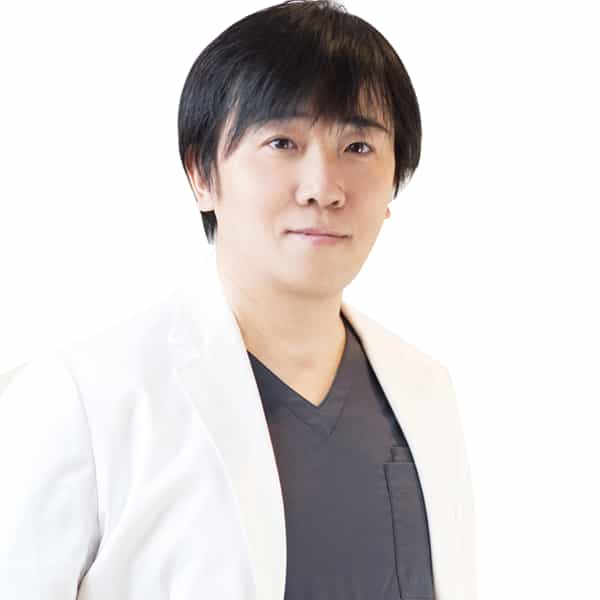
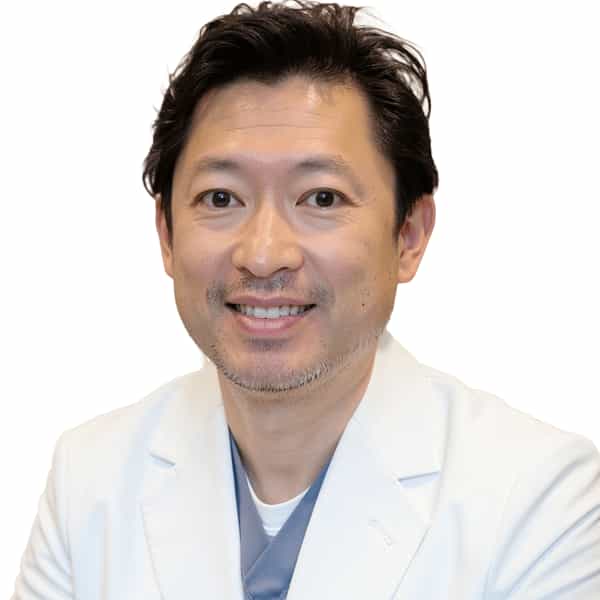
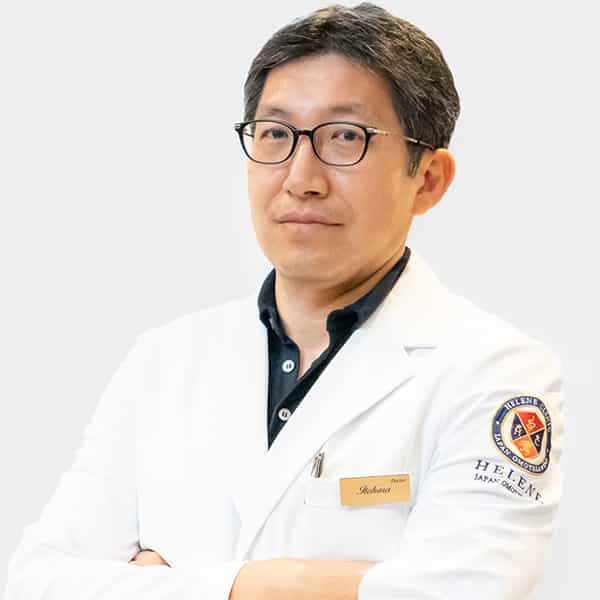
Global Leadership in Regenerative Care
Japan has established itself as a premier global hub for Stem Cell Therapy in Japan, driven by pioneering research and a robust regulatory framework. The country’s medical institutions are at the forefront of Regenerative Medicine Japan, offering patients access to groundbreaking treatments for a variety of degenerative and chronic conditions.
Those seeking Stem Cells Japan benefit from a healthcare system that prioritizes safety and innovation. By integrating Advanced Cell Therapy Japan into clinical practice, Japanese hospitals provide a level of scientific rigor and technical sophistication that attracts patients from all over the world.
Innovative Biological Treatment Options
One of the primary benefits of choosing Japan is the availability of specialized Regenerative Therapy in Japan. These procedures focus on repairing damaged tissues and restoring organ function using the body’s own healing potential, often serving as an alternative to more invasive traditional surgeries.
Whether addressing orthopedic injuries, autoimmune disorders, or anti-aging goals, Stem Cell Therapy in Japan utilizes high-purity cell processing techniques. This dedication to precision ensures that Regenerative Medicine Japan remains a highly effective and sought-after solution for patients looking to improve their quality of life.
High Standards of Clinical Safety
The application of Advanced Cell Therapy Japan is strictly monitored by national health authorities, ensuring that every clinic adheres to stringent quality control protocols. This oversight guarantees that Stem Cells Japan are processed in certified laboratories that meet the highest international bio-safety standards.
In addition to medical excellence, Japan offers a supportive environment for recovery, characterized by world-class hospitality and efficient infrastructure. For international patients, pursuing Regenerative Therapy in Japan represents a secure and reliable pathway toward advanced healing in a country renowned for its medical integrity and technological prowess.
Choosing a treatment abroad is a big decision. PlacidWay acts as your trusted partner, connecting you with vetted, top-tier clinics for Stem Cell Therapy in Japan to ensure your journey to recovery is safe, transparent, and seamless.
Strict Vetting
We verify specialist credentials and hospital accreditation so you can book your Advanced Cell Therapy Japan with confidence, knowing you are in expert hands.
Customized Quotes
Get detailed, no-obligation quotes from multiple top clinics for Regenerative Medicine Japan. We help you compare packages to ensure you get the best value without hidden costs.
Video Consultations
We facilitate direct video calls with specialists, allowing you to discuss your Stem Cells Japan treatment goals and assess their communication style before you fly.
Travel Support
We assist with coordinating your arrival, hotel booking, and transfer schedules, acting as your logistical guide on the ground for your Regenerative Therapy in Japan trip.
Patient Advocacy
From your initial inquiry to your post-treatment follow-up, our team is available to support you and ensure effective communication with the clinic during your stay.
Verified Reviews
Access genuine testimonials and success stories from previous patients to verify results and set realistic expectations for your Advanced Cell Therapy Japan journey.
Experience the future of healthcare today. Contact PlacidWay for a free, personalized quote and start planning your path to wellness through Stem Cell Therapy in Japan.
Get Your Free Personalized Quote
.png)
.png)
.png)









Share this listing