
Stem Cell Therapy for Cartilage Regeneration in Tokyo, Japan
Osteoarthritis and cartilage damage can cause persistent joint pain, stiffness, and reduced mobility, making everyday activities increasingly difficult. Traditional treatment options may include pain management, injections, physical therapy, or joint replacement surgery, depending on the severity of the condition.
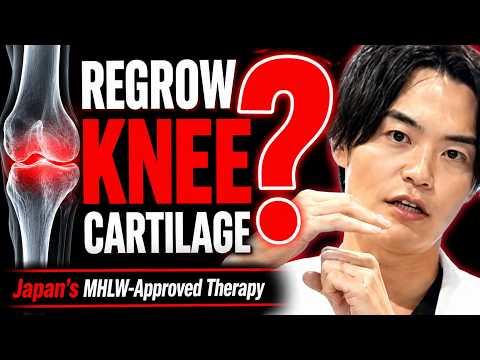
This video explores stem cell therapy for cartilage regeneration in Tokyo, Japan at Helene Clinic. It explains how autologous stem cells are collected from the patient's own adipose tissue, cultivated in a specialized laboratory, and administered into the affected joint as part of a regenerative medicine approach for people with osteoarthritis and cartilage degeneration.
Watch the video to learn about the treatment process at Helene Clinic, why international patients consider regenerative medicine in Japan, how stem cells are prepared, the differences between stem cell therapy and joint replacement surgery, the patient journey in Tokyo, treatment costs, and post-treatment care.
Video Chapters & Quick Navigation
Joint Pain, Osteoarthritis, and Cartilage Degeneration
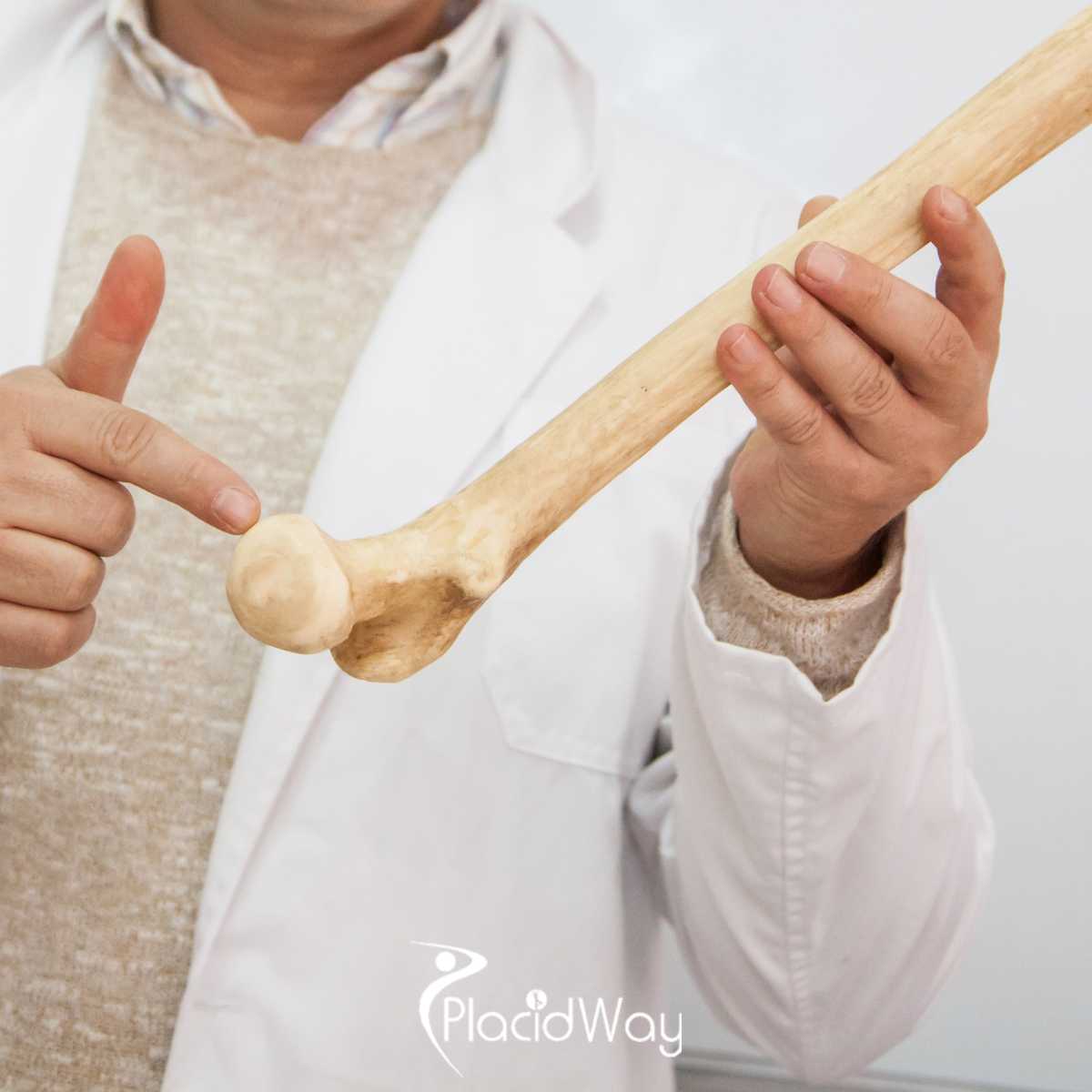
Osteoarthritis is a degenerative joint condition in which the protective cartilage covering the ends of bones gradually deteriorates. As cartilage becomes damaged, people can experience increasing joint pain, stiffness, inflammation, and reduced mobility.
Conventional care can include pain medication, physical therapy, corticosteroid injections, and other treatments intended to manage symptoms. Corticosteroid injections may provide temporary relief from inflammation, but they do not restore damaged cartilage.
When joint degeneration becomes severe and conservative treatment is no longer effective, some patients may be advised to consider joint replacement surgery. Joint replacement involves replacing damaged joint surfaces with prosthetic components and generally requires hospitalization and a substantial rehabilitation period.
Interest in regenerative medicine has grown among patients looking for less invasive approaches to managing cartilage damage and osteoarthritis. This video focuses on one such approach: autologous stem cell therapy at Helene Clinic in Tokyo.
Understanding Stem Cell Therapy for Cartilage Regeneration
Stem cell therapy is a regenerative medicine approach that uses biological material obtained from the patient's own body. In the treatment described in this video, mesenchymal stem cells (MSCs) are collected, processed, cultivated, and later administered into the affected joint.
Mesenchymal stem cells are multipotent cells studied for their role in tissue repair and regenerative medicine. They can interact with the biological environment surrounding damaged tissues and are used in regenerative treatment protocols aimed at supporting joint health.
At Helene Clinic, the treatment described in the video uses autologous stem cells obtained from adipose tissue. After collection, the cells are cultivated in a specialized laboratory before being administered into the affected joint.
A Non-Surgical Approach to Knee Cartilage Treatment
Patients with knee cartilage damage and osteoarthritis often search for alternatives to major orthopedic surgery. Stem cell therapy is minimally invasive compared with joint replacement and is performed without removing the patient's natural joint.
Because the treatment described by Helene Clinic uses the patient's own cells, it is considered an autologous treatment. The patient's individual condition, imaging, medical history, and overall health are reviewed before the treatment process begins.
Why Patients Consider Stem Cell Therapy in Tokyo, Japan
Japan has developed a structured regulatory environment for regenerative medicine. In 2014, the country introduced the Act on the Safety of Regenerative Medicine, establishing a framework for providing regenerative medicine treatments while placing requirements on treatment plans and cell-processing procedures.
This environment has supported the development of clinics and specialized cell-processing facilities offering regenerative medicine in Japan. For international patients researching stem cell therapy for cartilage regeneration in Japan, Tokyo has become an important destination because of its medical infrastructure and experience with regenerative treatments.
Advanced Cell Processing and Medical Care in Tokyo
Tokyo is known for advanced healthcare facilities and medical technology. Regenerative medicine treatment requires controlled cell processing, appropriate laboratory conditions, and carefully planned administration of the cultivated cells.
International patients also consider Tokyo because of Japan's emphasis on organized medical care, detailed treatment planning, and patient hospitality. These factors can be particularly important for people traveling from another country for treatment.
Stem Cell Therapy at Helene Clinic in Tokyo
Helene Clinic is located in Omotesando, Tokyo, Japan, and provides regenerative medicine treatments including stem cell therapy. The clinic works with patients seeking regenerative approaches for conditions such as joint degeneration and osteoarthritis.
According to the information presented in the video, Helene Clinic operates within Japan's regenerative medicine framework and provides individualized treatment planning for patients considering stem cell therapy.
Before treatment, the medical team reviews the patient's medical history, diagnostic imaging, and general health. This assessment helps the clinic determine whether the regenerative medicine protocol discussed in the video is appropriate for the individual patient.
How Autologous Stem Cell Treatment Works
The term autologous stem cell treatment means that the biological material used for treatment comes from the patient's own body. Helene Clinic uses adipose-derived mesenchymal stem cells as part of the treatment process described in this video.
A small amount of adipose tissue is collected from the abdominal area using a minimally invasive procedure. The collected tissue is then sent for specialized cell processing.
In the laboratory, stem cells are isolated from the adipose tissue and cultivated. The cultivation process described in the video takes approximately three to four weeks, allowing the cells to be expanded before treatment.
Stem Cell Injection Into the Affected Joint
After the cultivation stage is complete, the prepared cells are administered into the affected joint. The treatment described in the video uses ultrasound guidance to help the physician accurately deliver the injection into the targeted joint area.
Stem cells are being used and studied in regenerative medicine for their interaction with inflammation, cellular signaling, and tissue-repair processes. The purpose of the treatment described by Helene Clinic is to support the biological environment of the affected joint through an autologous regenerative medicine approach.
Joint Replacement Surgery vs. Stem Cell Therapy
Joint replacement surgery and stem cell therapy are different medical approaches. Joint replacement is a major orthopedic procedure that replaces damaged joint surfaces with artificial components, while the stem cell treatment shown in this video uses the patient's own biological material and does not replace the natural joint.
| Comparison Factor | Total Joint Replacement Surgery | Stem Cell Therapy |
|---|---|---|
| Procedure | Major surgical procedure involving removal and replacement of damaged joint surfaces. | Minimally invasive cell collection and joint injection process. |
| Anesthesia | May require general anesthesia or a spinal block. | The process described uses local anesthesia for adipose-tissue collection. |
| Recovery | Usually requires an extended period of rehabilitation. | Less invasive procedure with post-treatment activity guidelines. |
| Treatment Approach | Damaged joint surfaces are replaced with prosthetic components. | Uses autologous cells as part of a regenerative medicine protocol. |
| Hospitalization | Typically involves a hospital stay. | The treatment described by Helene Clinic is performed on an outpatient basis. |
The appropriate treatment depends on the severity of joint damage, the patient's health, previous treatments, imaging findings, and medical assessment. Patients considering regenerative medicine should discuss their individual treatment options with qualified medical professionals.
Stem Cell Therapy Process at Helene Clinic Tokyo
International patients considering stem cell treatment in Tokyo need to understand both the medical process and the timing involved. The video presents the treatment journey at Helene Clinic as a structured five-step process.
1. Initial Remote Consultation and MRI Review: Patients provide their medical history and recent MRI scans for review before traveling to Japan. The medical team evaluates the information to assess whether the treatment may be suitable for the patient's joint condition.
2. Arrival in Tokyo and Medical Evaluation: After arriving in Tokyo, the patient visits Helene Clinic for an in-person examination and blood testing as part of the preparation for treatment.
3. Adipose Tissue Collection: A small amount of adipose tissue is collected from the abdominal area using local anesthesia. The sample is then prepared for stem cell isolation and cultivation.
4. Three-to-Four-Week Cell Cultivation: The stem cells are cultivated in the laboratory for approximately three to four weeks. International patients may return home during this period or remain in Japan according to their travel plans.
5. Stem Cell Injection: After cultivation is complete, the patient returns to Helene Clinic for the targeted intra-articular stem cell injection. The procedure described in the video is performed using ultrasound guidance.
Cost of Stem Cell Therapy for Osteoarthritis in Tokyo
Cost is an important consideration for international patients researching stem cell therapy for osteoarthritis in Tokyo. According to the information presented on this page, treatment at Helene Clinic may range from approximately $10,000 to $20,000, depending on the treatment protocol and the number of joints being treated.
The treatment described at Helene Clinic includes a multi-stage process involving medical evaluation, adipose-tissue collection, laboratory cultivation of the patient's stem cells, and administration of the prepared cells into the affected joint.
Patients comparing regenerative medicine options should consider not only the treatment price but also the type of cells being used, the cell-processing process, the number of joints being treated, the medical evaluation involved, and the overall treatment schedule.
Post-Treatment Care and Joint Mobility
The treatment process does not end immediately after the stem cell injection. Post-treatment activity and rehabilitation can form an important part of the overall regenerative medicine plan.
According to the treatment information presented on this page, patients are advised to perform gentle, low-impact movement following the injection while avoiding strenuous or high-impact activities such as running and heavy lifting for several weeks.
The biological response to regenerative treatment develops over time. Patients may be advised to follow individualized activity recommendations and physical therapy guidance intended to support joint mobility and the surrounding muscles.
Results can vary according to the patient's condition, degree of cartilage damage, age, overall health, and other individual factors. Stem cell therapy should therefore be considered after a personalized medical assessment rather than as a guaranteed replacement for other orthopedic treatments.
Regenerative Medicine for International Patients in Japan
Regenerative medicine offers another treatment pathway for patients researching options for osteoarthritis and cartilage degeneration. The stem cell therapy shown in this video uses the patient's own adipose-derived cells and combines medical assessment, laboratory cultivation, and targeted joint administration at Helene Clinic in Tokyo.
For patients considering stem cell therapy for cartilage regeneration in Tokyo, Japan, the first step is to understand the treatment process and have their medical condition reviewed by the treating team. The video provides an overview of how Helene Clinic approaches autologous stem cell treatment for joint conditions and international patient care.
Explore Stem Cell Therapy at Helene Clinic in Tokyo
If you are researching stem cell therapy for osteoarthritis or cartilage degeneration in Japan, connect with PlacidWay to learn more about treatment at Helene Clinic in Tokyo, the patient evaluation process, treatment options, and current pricing.
GET A FREE QUOTE TODAY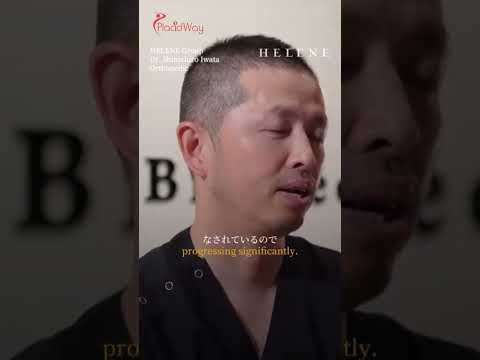

.png)




.png)
.png)
-(5).png)


.jpg)










Share this listing