


Regenerative Medicine for Neurological Recovery in Tokyo Japan by Helene Clinic
When facing debilitating nervous system conditions, finding effective regenerative medicine for neurological recovery in Tokyo Japan by Helene Clinic offers unprecedented hope. Traditional medical approaches often focus solely on managing symptoms without addressing the underlying cellular damage. Today, advanced stem cell therapies are completely reshaping the future of neuro-rehabilitation.
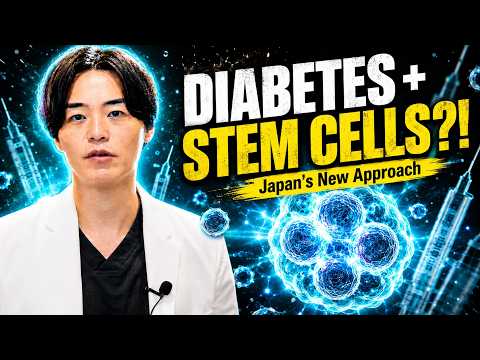
Patients from across the globe are bypassing domestic healthcare limitations to access highly regulated, cutting-edge therapies in Asia. Watch to understand how pioneering treatments in Japan can help restore lost bodily function, enhance cellular repair, and significantly improve your long-term quality of life.
Video Chapters & Quick Navigation
The Growing Challenge of Neurological Disorders
Millions of people worldwide suffer from progressive neurological conditions that drastically alter their daily lives. Conditions such as Parkinson's disease, multiple sclerosis, and the aftermath of severe strokes create complex medical hurdles. As mentioned in the video at , patients often find themselves trapped in a cycle of managing deteriorating symptoms rather than experiencing true healing.
The human central nervous system possesses an incredibly limited capacity for natural self-repair compared to other bodily tissues. When neural pathways are damaged by trauma, autoimmune responses, or degenerative diseases, the resulting scar tissue prevents the brain from transmitting vital signals. Conventional pharmacology relies heavily on masking these systemic failures rather than regenerating the damaged cellular structures.
Patients are increasingly frustrated by these limitations, leading them to seek out alternative medical interventions that prioritize cellular regeneration. This pursuit of fundamental healing has driven a massive surge in global medical tourism for advanced stem cell therapy. People are no longer willing to accept that their condition is permanently untreatable.
Japan: The Global Epicenter for Regenerative Medicine
When discussing stem cell therapies, safety and regulatory oversight are the most critical factors for international patients. Japan stands completely distinct from other nations due to its highly progressive, government-backed regulatory frameworks. As highlighted at , Tokyo has positioned itself as the undisputed global leader in advanced regenerative protocols.
In 2014, the Japanese government passed the Act on the Safety of Regenerative Medicine (ASRM), which revolutionized how these treatments are administered. This legislation created a fast-track approval system for clinical therapies while maintaining the absolute highest standards of patient safety and laboratory sterility. Because of this law, highly vetted clinics can offer treatments that are heavily restricted or mired in decades of red tape in North America and Europe.
For patients suffering from neurological diseases, this means accessing life-changing, legally sanctioned treatments years before they become widely available elsewhere. Japan's unique ecosystem combines intense governmental regulation with unparalleled technological innovation. The country provides a safe haven for those seeking high-quality stem cell treatments for neurological disorders in a fully transparent medical environment.
Pioneering Excellence at Helene Clinic Tokyo
Among the numerous medical facilities in Japan, Helene Clinic has emerged as a prestigious pioneer in the field of stem cell therapy. Operating in the heart of Tokyo, the clinic is recognized internationally for its stringent adherence to both domestic and international medical standards. As noted at , their dedicated medical experts utilize groundbreaking techniques to promote tangible neurological recovery.
Helene Clinic was the very first facility to receive specific government licenses under Japan's rigorous ASRM regulations to cultivate and administer stem cells. This historical milestone grants them an unmatched level of clinical experience and proprietary laboratory knowledge. Their state-of-the-art, GMP-certified cell cultivation facility ensures that every single cellular product meets impeccable viability and sterility metrics before patient administration.
The clinic takes a highly personalized approach to regenerative medicine, rejecting the one-size-fits-all methodology seen in lesser facilities. Every patient undergoes comprehensive neurological diagnostics and blood work to tailor the cell cultivation process to their specific physiological needs. This dedication to precision medicine is what sets Helene Clinic apart as a premium destination for international medical travelers.
The Science of Mesenchymal Stem Cells (MSCs)
The core technology driving neurological recovery at Helene Clinic involves the use of autologous Mesenchymal Stem Cells (MSCs). These specialized adult stem cells are harvested directly from the patient's own body, eliminating any risk of immune rejection or ethical controversies. As detailed at , MSCs are exceptionally adept at repairing damaged neural pathways and drastically reducing systemic inflammation.
Once introduced into the body, MSCs act as intelligent biological repair vehicles that home in on areas of tissue damage. They release a highly concentrated mixture of growth factors, cytokines, and exosomes in a process known as the paracrine effect. This biological cascade encourages the brain's native cells to survive, multiply, and begin rebuilding critical neural connections that were previously considered permanently lost.
Furthermore, MSCs possess powerful immunomodulatory properties that are essential for treating autoimmune neurological conditions like multiple sclerosis. By resetting the body's erratic immune response, the stem cells halt the active destruction of the myelin sheath that protects nerve fibers. This dual action of halting disease progression while stimulating localized neurogenesis makes MSC therapy a truly revolutionary tool in modern medicine.
Autologous vs. Allogeneic Therapies
Helene Clinic strictly focuses on autologous treatments, meaning the cells are derived from your own adipose (fat) tissue or bone marrow. Adipose-derived stem cells are particularly advantageous because they yield a significantly higher volume of viable MSCs with minimally invasive extraction methods. This protocol completely removes the risk of graft-versus-host disease, providing total peace of mind for the patient.
Targeted Neurological Conditions for Regenerative Therapy
The regenerative protocols developed at Helene Clinic are not generalized treatments; they are specifically calibrated for distinct neurological challenges. Clinical data and patient testimonials have shown remarkable improvements across a variety of historically stubborn conditions. Understanding which diseases respond best to MSCs is crucial for patients evaluating their medical tourism options.
Stroke Recovery and Rehabilitation
Ischemic and hemorrhagic strokes cause immediate and devastating cellular death within localized regions of the brain. Traditional physical therapy can only achieve so much when the underlying hardware is permanently damaged. Stem cell therapy for stroke recovery focuses on promoting angiogenesis, which is the formation of new blood vessels, to restore vital oxygen and nutrient flow to the damaged cerebral areas.
Parkinson's Disease Management
Parkinson's disease is characterized by the progressive death of dopamine-producing neurons in the substantia nigra. MSC therapy aims to protect the surviving dopaminergic neurons through the secretion of neurotrophic factors. While it is not a cure, the regenerative medicine for Parkinson's disease offered in Tokyo has been shown to significantly reduce tremors, improve motor control, and delay overall disease progression.
Multiple Sclerosis (MS) Treatment
Multiple sclerosis turns the body's immune system into a weapon that attacks the protective myelin sheath of the spinal cord and brain. By utilizing the immunomodulatory power of stem cells, Helene Clinic's protocols aim to calm the central nervous system's aggressive inflammatory response. Patients undergoing stem cell therapy for MS frequently report decreased fatigue, improved mobility, and extended periods of disease remission.
| Neurological Condition | Primary Mechanism of Action (MSC Therapy) | Expected Clinical Improvements |
|---|---|---|
| Stroke | Angiogenesis and neurogenesis stimulation | Enhanced motor function, improved speech, cognitive clarity |
| Parkinson's Disease | Neuroprotection and dopamine preservation | Reduction in tremors, better balance, decreased muscle rigidity |
| Multiple Sclerosis | Immunomodulation and myelin repair support | Halted disease progression, reduced neuropathic pain, energy return |
The Helene Clinic Treatment Protocol: Step-by-Step
Embarking on a journey for regenerative medicine requires a clear understanding of the clinical process. Patients from around the world are traveling to Tokyo to experience these comprehensive, personalized care protocols, as mentioned at . Helene Clinic has perfected a streamlined, patient-centric workflow that ensures maximum comfort and medical efficacy.
Step 1: Initial Remote Consultation
The process begins long before the patient ever boards a flight to Japan. Through PlacidWay's coordination, patients submit their medical records, MRI scans, and specialist reports to the Japanese medical board for extensive review. The experts at Helene Clinic determine the patient's eligibility and design a bespoke stem cell cultivation strategy.
Step 2: Tissue Extraction in Tokyo
Upon arriving at the luxurious Tokyo facility, the patient undergoes a minimally invasive tissue extraction procedure. A highly skilled surgeon removes a small sample of adipose tissue, usually from the abdominal area, under local anesthesia. This process is virtually painless and takes less than an hour, allowing the patient to return to their hotel immediately.
Step 3: Laboratory Cultivation
The extracted tissue is immediately transported to Helene Clinic's onsite, government-approved GMP laboratory. Over the course of three to four weeks, the mesenchymal stem cells are isolated, purified, and multiplied by the tens of millions. The clinic utilizes proprietary culture mediums to ensure the cells remain incredibly robust and highly active.
Step 4: Intravenous Infusion and Targeted Injection
Once the cells reach optimal density, the patient returns to the clinic for the administration phase. Depending on the specific neurological condition, the stem cells are delivered via a slow intravenous (IV) drip or targeted localized injections. The entire infusion process is monitored in real-time by dedicated cardiovascular and neurological specialists to ensure absolute patient safety.
Evaluating the Investment: Cost and Medical Value
Navigating the financial aspects of advanced medical tourism is a crucial step for prospective patients and their families. While regenerative medicine is a significant investment, the cost of stem cell therapy in Tokyo is highly competitive when compared to the ongoing, lifelong expenses of chronic neurological care. Furthermore, accessing treatments that have genuine restorative potential provides a value that cannot be strictly quantified by money.
In regions like the United States, experimental stem cell treatments are often poorly regulated, shockingly expensive, and rarely covered by traditional insurance providers. Conversely, the transparent pricing models at Helene Clinic provide a comprehensive package that includes lab fees, medical consultations, cell cultivation, and post-procedure monitoring. Patients are shielded from hidden costs and predatory medical billing practices.
When factoring in the cost of long-term prescription medications, physical therapy, specialized mobility equipment, and potential in-home care, the initial investment in regenerative medicine becomes highly logical. By addressing the root cause of cellular degradation, patients are investing in their long-term independence and mitigating future healthcare expenditures.
Planning Your Medical Journey with PlacidWay
Traveling across the globe for complex medical procedures can seem like a daunting logistical challenge, especially for those dealing with mobility issues. This is where specialized medical tourism facilitators become absolutely indispensable. Coordinating a trip for neurological stem cell therapy in Japan requires careful orchestration of visas, medical clearances, and comfortable accommodations.
PlacidWay removes the stress from this process by acting as your dedicated medical concierge from start to finish. They assist with obtaining necessary medical visas, translating complex medical documents, and scheduling VIP airport transfers in Tokyo. Their deep-rooted partnership with Helene Clinic ensures that international patients receive priority booking and uninterrupted communication channels.
Tokyo itself is an incredibly safe, clean, and accessible city, making it the perfect environment for medical recovery. Patients and their companions can enjoy the serene atmosphere of Japanese hospitality while benefiting from the most advanced medical technology on earth. Do not let neurological barriers dictate the remainder of your life; take the definitive step toward healing today.
Take the First Step Toward Neurological Recovery
PlacidWay Medical Tourism directly connects you with the prestigious Helene Clinic in Tokyo, providing seamless access to world-class regenerative medicine. Reach out today to evaluate your eligibility and begin planning your life-changing medical journey to Japan.
GET A FREE QUOTE



















Share this listing