


Latest Treatment for Diabetes: Navigating the Future with Stem Cell Therapy
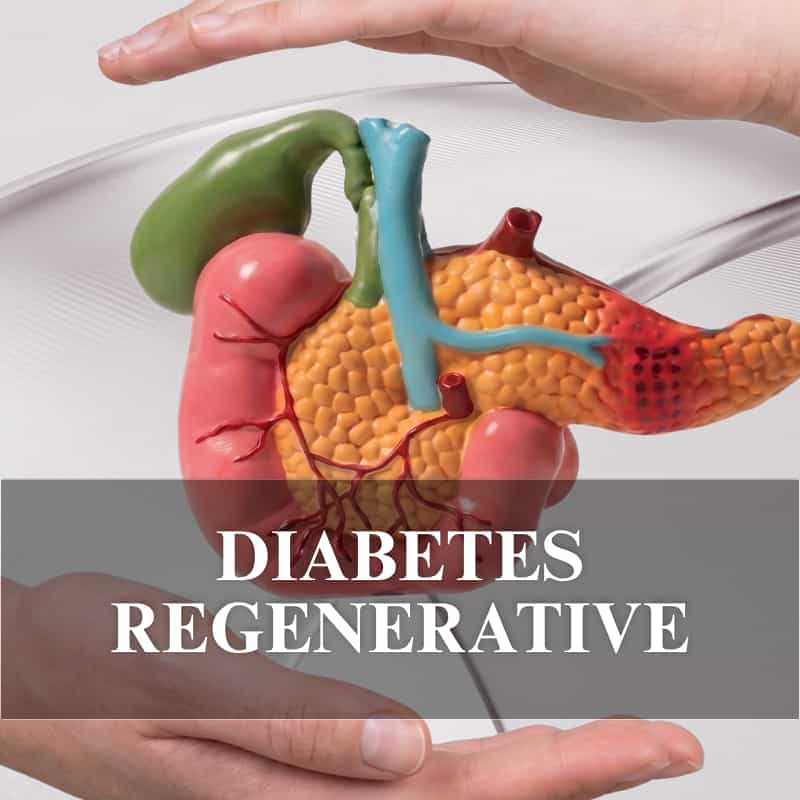
Diabetes mellitus remains one of the most significant global health challenges of the 21st century, affecting over 537 million people worldwide. While traditional management through insulin and oral medications has saved countless lives, these methods often focus on symptom control rather than addressing the root cause of the disease. Today, a revolutionary shift is occurring in medical science. The latest treatment for diabetes stem cell therapy is offering new hope by utilizing the body's own regenerative capabilities to repair pancreatic function and mitigate debilitating complications.
In this comprehensive guide, we explore how regenerative medicine, specifically fat-derived stem cell therapy, is changing the landscape for both Type 1 and Type 2 diabetic patients. By focusing on cellular repair and the reduction of chronic inflammation, this cutting-edge approach aims to move beyond daily injections toward a more permanent solution for metabolic health.
Video Chapters & Quick Navigation
The Power of Data: HbA1c Reduction and Clinical Evidence
For any patient considering the latest treatment for diabetes, data is the most critical factor. In a significant meta-analysis conducted in 2020 [01:33], researchers integrated results from 21 clinical trials involving patients with Type 2 diabetes who received mesenchymal stem cells (MSCs). The results were nothing short of remarkable.
The primary marker of long-term glucose control, Hemoglobin A1c (HbA1c), showed an average decrease of 1.5 points. To put this into perspective, for most diabetic patients, a 1-point drop in HbA1c significantly reduces the risk of cardiovascular disease, kidney failure, and retinopathy. This evidence suggests that stem cells are not just managing the condition but are actively influencing the body's metabolic environment.
Sustained Improvements and Insulin Independence
One of the most life-altering findings in recent research involves the potential for insulin independence. In one specific study of 64 Type 2 diabetic patients [02:06], approximately 31%—or one out of every three people—were able to completely stop their insulin injections following stem cell therapy. Furthermore, 42% of participants were able to reduce their daily insulin requirements by more than half.
Stem Cell Breakthroughs for Type 1 and Type 2 Diabetes
While Type 2 diabetes is often characterized by insulin resistance, Type 1 is an autoimmune condition where the body's immune system attacks its own beta cells. Historically, Type 1 was thought to be much harder to treat with regenerative medicine. However, the latest treatment for diabetes stem cell therapy is showing incredible promise for recently diagnosed Type 1 patients.
In a clinical observation period [02:16], a group of eight Type 1 diabetic patients underwent stem cell treatment. Within just three months, two of these patients were able to discontinue insulin injections entirely. This suggests that stem cells can help modulate the overactive immune system and potentially protect remaining pancreatic function.
Why Type 2 Patients See 3x Higher Success
Statistical analysis from 2023 research indicates that Type 2 patients are three times more likely to experience positive outcomes compared to Type 1 patients [03:04]. This is largely because Type 2 diabetes benefits from the dual-action of stem cells: improving insulin sensitivity in the muscles and liver while simultaneously reducing the chronic inflammation that plagues the entire body.
Ensuring Safety: A 15-Year Longitudinal Perspective
The foremost concern for any patient is safety. Is injecting millions of stem cells into the body dangerous? Does it lead to tumor growth or severe immune reactions? To address these concerns, we look at 15 years of accumulated data [03:15].
A comprehensive review of 62 Randomized Controlled Trials (RCTs) involving over 3,500 patients revealed that there have been no reports of stem cell therapy directly causing serious adverse events like death or chronic infection. While minor temporary reactions like a brief fever can occur, the long-term safety profile of mesenchymal stem cells is exceptionally high, especially when using the patient's own (autologous) cells.
| Adverse Event Category | Reported Direct Link to Stem Cells | Clinical Observations |
|---|---|---|
| Tumor Formation | Zero | No malignant transformations in autologous MSC trials. |
| Severe Infection | Zero | Strict sterilization in culture facilities prevents contamination. |
| Fever/Fibrillation | Minor/Temporary | Short-term mild fever may occur in less than 3% of cases. |
Treating the "Real Enemy": Diabetic Complications
Diabetes is often called the "silent killer" because of its complications. High blood sugar gradually destroys small blood vessels and nerves. Stem cell therapy excels where conventional medicine often fails: repairing the damage already done [03:35].
Neuropathy and Nerve Regeneration
Diabetic neuropathy causes numbness and excruciating pain in the hands and feet. By promoting blood flow and triggering nerve regeneration, stem cells can significantly ease these symptoms. Clinical markers have shown improvements in nerve conduction velocity by an average of +2.2 m/s after treatment [03:46].
Kidney Health (eGFR)
The kidneys are notoriously difficult to heal once damaged. However, the latest treatment for diabetes includes stem cell protocols that statistically improve eGFR (estimated Glomerular Filtration Rate), the primary indicator of kidney function [04:05]. This offers a potential shield against the progression toward dialysis.
Diabetic Foot Ulcers
Foot ulcers are a leading cause of amputation for diabetics. Regenerative medicine has shown a 56% improvement in the complete healing rate of these ulcers [04:43]. On average, healing occurs 19 days faster than with standard treatments, drastically reducing the window of time for dangerous infections to take hold.
The Cell Grand Clinic Approach: Why Japan is the Global Hub
Japan has emerged as the world leader in regenerative medicine due to its strict yet supportive legal framework established in 2014 [05:02]. The "Act on the Safety of Regenerative Medicine" ensures that only certified clinics can provide these treatments, providing patients with unparalleled peace of mind.
Fat-Derived Stem Cells: The Gold Standard
While stem cells can be harvested from umbilical cords or bone marrow, fat-derived stem cells are often preferred for diabetes treatment [05:54]. The benefits include:
- Ease of Collection: Harvested via a minor 30-minute procedure under local anesthesia.
- Higher Potency: Adipose tissue contains a massive quantity of MSCs compared to bone marrow.
- Safety: Using your own cells eliminates the risk of rejection or allergic reactions.
The Cultivation Secret: 98% Survival Rate
The success of the treatment depends heavily on the quality of the cells. At Cell Grand Clinic in Osaka, cells are cultivated for approximately seven weeks [06:51]. They use "fresh" cells with less than three passages to ensure vitality. This meticulous process results in a survival rate of over 98%, meaning the cells are highly active and ready to begin repair upon infusion.
How Stem Cells Actually "Fix" Diabetes
Understanding the mechanism of action is vital for appreciating why this is the latest treatment for diabetes. Stem cells work through three primary pathways [08:13]:
- Pancreatic Beta Cell Regeneration: Stem cells release growth factors (VGF and IGF-1) that act as "repair workers," helping damaged beta cells recover their ability to produce insulin.
- Improving Insulin Resistance: They increase the number of "glucose entry points" (GLUT4) in muscle and liver cells, effectively unclogging the pathways that allow sugar to leave the bloodstream.
- Resetting Chronic Inflammation: Diabetes is a state of constant inflammation. Stem cells switch aggressive "M1" immune cells into reparative "M2" cells, calming the systemic fire that causes tissue damage.
Are You a Candidate for Stem Cell Therapy?
While this is a breakthrough treatment, it is not a "magic cure" for everyone. Detailed assessment is required to ensure suitability [09:37].
Ideal Candidates
- Type 2 patients not well-controlled by oral medication.
- Patients suffering from neuropathy (numbness/pain).
- Patients with early-stage kidney decline but still possessing reserve capacity.
- Non-healing foot ulcers.
- Recently diagnosed Type 1 patients (within 1-2 years).
Who Should Wait or Seek Other Options?
Certain conditions make stem cell therapy unsafe or ineffective [10:06]. Patients with active infectious diseases (like Hepatitis B or HIV), active cancer, or those currently undergoing chemotherapy are not candidates for this specific regenerative approach.
Ready to Restore Your Smile in Egypt?
PlacidWay Medical Tourism connects you with top-rated dental clinics in Egypt, offering world-class care at unbeatable prices. Let us handle the details while you focus on your new smile.
GET A FREE QUOTE


















Share this listing