



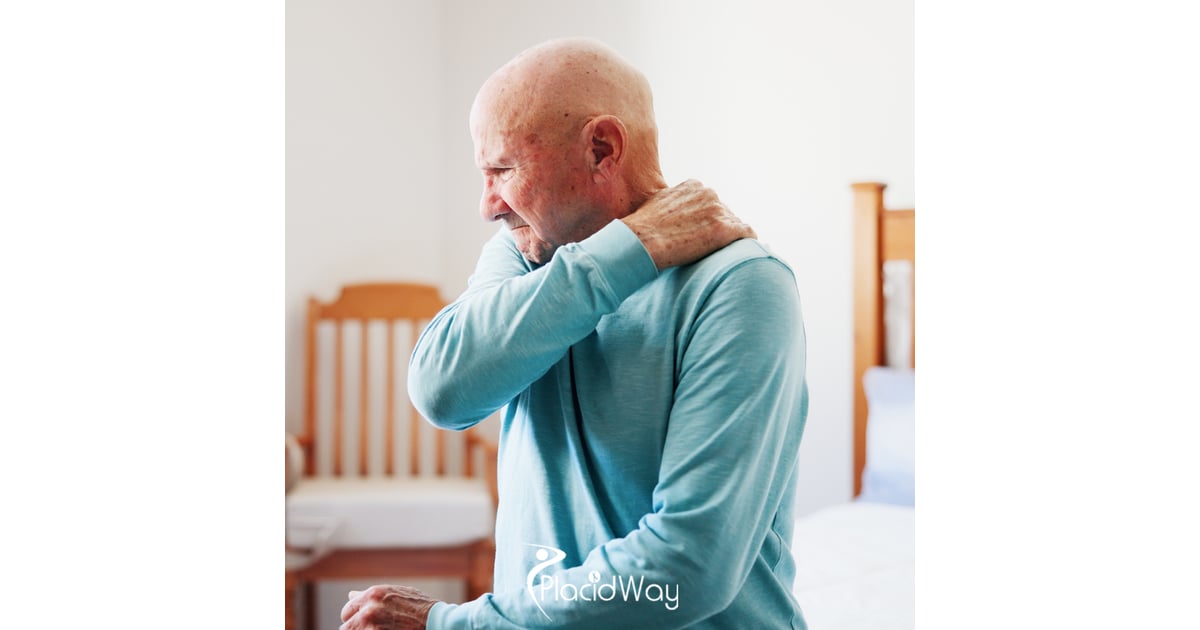
Joint pain affects millions globally, prompting many to look beyond conventional medicine for lasting relief and structural repair. Advanced osteoarthritis regeneration in Tokyo represents a profound shift in how orthopedic specialists approach degenerative joint disease on a cellular level. Instead of merely masking symptoms with medication, these cutting-edge therapies aim to address the underlying cellular matrix of the deteriorating joint. Patients who have exhausted local conservative options frequently explore international hubs renowned for regenerative excellence.
Japan has successfully established itself as a global leader in regenerative medicine, supported by progressive healthcare frameworks and meticulous clinical standards. When considering medical tourism in Tokyo, individuals find a healthcare ecosystem dedicated to precision, rigorous safety protocols, and biological innovation. The therapeutic options available focus on biological healing, utilizing the body's natural mechanisms to potentially restore joint function. This innovative approach offers renewed hope for those seeking to regain their mobility and significantly improve their daily quality of life.
- Focuses on modifying the disease environment rather than just symptom management.
- Utilizes advanced biologics to support natural tissue healing.
- Integrates comprehensive diagnostics to tailor treatments to specific joint matrix deficiencies.
- Offers minimally invasive alternatives to traditional total joint replacement surgeries.
Understanding Osteoarthritis Stem Cell Therapy in Japan
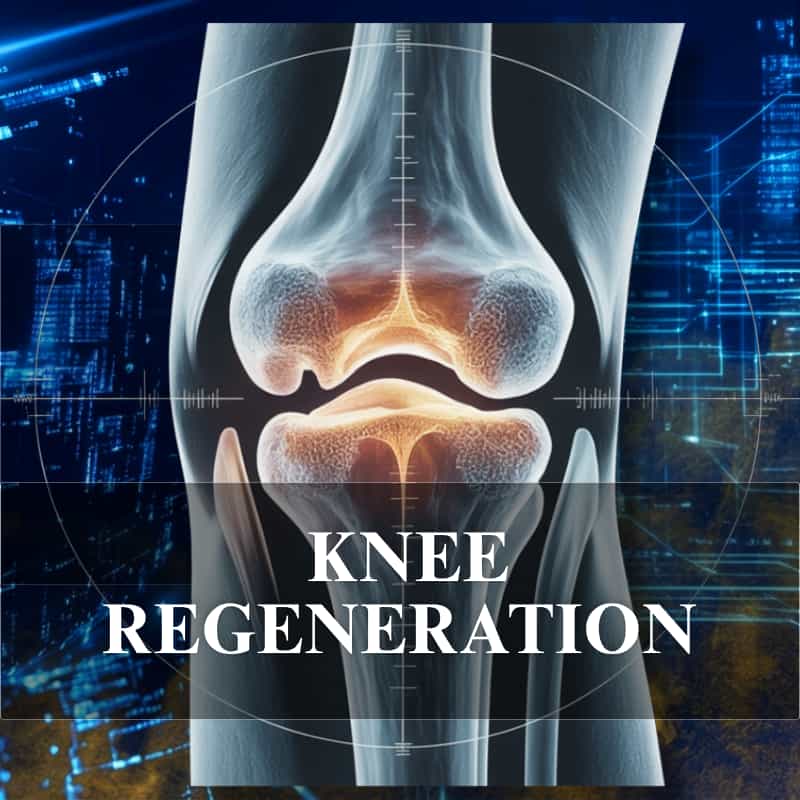
The science driving regenerative orthopedics relies heavily on the unique properties of biological cells to modulate inflammation and promote tissue repair. Osteoarthritis stem cell therapy in Japan typically utilizes mesenchymal stem cells (MSCs) derived from the patient's own adipose tissue or bone marrow. These specialized cells have the remarkable capacity to communicate with the surrounding joint environment to encourage natural healing processes. By introducing these concentrated biologics into a damaged joint, specialists aim to alter the progressive nature of cartilage degradation.
Navigating the complex terminology of regenerative medicine is vital for patients considering treatment abroad. The core objective of these therapies is to restore the "joint matrix," the structural framework that supports healthy cartilage and synovial fluid production. While results generally vary among individuals, the goal is to decrease chronic inflammation and potentially stimulate cartilage preservation. Patients are typically closely evaluated to ensure they possess the necessary physiological baseline to respond positively to these advanced cellular interventions.
Japan enacted specific legislation, the Act on the Safety of Regenerative Medicine, which strictly regulates cellular therapies. This ensures that any clinic offering biological treatments adheres to some of the highest safety and ethical standards in the world.
Why Choose Medical Tourism for Joint Regeneration in Tokyo
Making the decision to travel overseas for medical care requires careful consideration of the destination's technological capabilities and healthcare reputation. Choosing osteoarthritis regeneration clinics in Tokyo allows patients access to highly specialized medical professionals who dedicate their practice entirely to cellular orthopedics. The city boasts state-of-the-art facilities equipped with proprietary cell culturing laboratories that are often unavailable in Western countries due to regulatory bottlenecks. This unique environment fosters rapid clinical innovation while maintaining uncompromising patient safety standards.
Beyond the medical expertise, the overall experience of pursuing healthcare in Japan is characterized by immense cultural respect and precision. Patients engaging in medical tourism in Tokyo routinely report feeling profoundly cared for, with medical teams emphasizing clear communication and holistic patient well-being. The integration of advanced biological therapies with traditional values of hospitality creates a highly supportive environment for healing. Consequently, individuals facing debilitating joint conditions find immense value in combining world-class healthcare with a deeply respectful patient experience.
The World Health Organization ranks the Japanese healthcare system among the top globally for overall efficiency and clinical outcomes. This systemic excellence extends directly into their private regenerative medicine sector.
Cost of Advanced Osteoarthritis Treatment in Tokyo vs. Global Averages
A primary catalyst for international medical travel is the stark financial disparity in accessing cutting-edge therapies across different healthcare systems. The cost of advanced osteoarthritis treatment in Tokyo is remarkably competitive when compared to similar unregulated or experimental protocols in North America. This affordability does not correlate with a reduction in quality; rather, it reflects a more streamlined regulatory pathway and efficient healthcare economics. Patients can often fund their entire medical journey, including the procedure, for a fraction of domestic healthcare quotes.
Understanding the precise financial landscape is crucial for patients budgeting for regenerative orthopedics abroad. It is important to note that the affordable osteoarthritis regeneration in Tokyo typically encompasses highly sophisticated cell culturing and advanced imaging diagnostics. While global pricing fluctuates based on the specific biological formulation required, international tourists generally realize substantial savings. Below is a comparative overview highlighting the financial advantages of selecting Japan for cellular joint therapies.
| Procedure Name | Average Cost in Tokyo | Average Cost in USA/UK |
|---|---|---|
| Platelet-Rich Plasma (PRP) Therapy | $800 - $1,500 | $1,500 - $3,000 |
| Bone Marrow Aspirate Concentrate (BMAC) | $3,500 - $6,000 | $7,000 - $12,000 |
| Cultured Adipose Stem Cell Therapy | $6,000 - $10,000 | $15,000 - $30,000+ |
Types of Cartilage Repair and Osteoarthritis Regeneration in Tokyo
The field of regenerative orthopedics encompasses several distinct modalities, each tailored to different stages of joint degeneration. Cartilage repair and osteoarthritis regeneration in Tokyo typically utilize a customized approach, combining various biological agents to maximize therapeutic potential. Medical professionals carefully analyze a patient's imaging and symptoms to determine the most effective regenerative formula for their specific joint matrix. This personalized methodology is vital, as a universal approach rarely yields optimal results in complex degenerative conditions.
Prospective patients will discover a comprehensive suite of therapies designed to mitigate inflammation and promote tissue stability. The diverse options for osteoarthritis regeneration in Tokyo ensure that treatment plans are intricately aligned with the patient's physiological needs. Advanced therapies are generally minimally invasive, focusing on injection-based delivery systems guided by high-resolution imaging. Understanding these specific modalities empowers patients to engage in informed discussions with their international healthcare providers.
- Autologous Cultured MSCs: Millions of cells are extracted, multiplied in a lab over several weeks, and reintroduced to the joint.
- Advanced PRP and PRF: Next-generation platelet therapies that provide concentrated growth factors to stimulate local healing.
- Exosome Therapy: Utilizing cell-derived vesicles to deliver powerful anti-inflammatory signals directly to the damaged cartilage.
Always request a detailed breakdown of the exact biological modality being proposed. Understanding the difference between cultured cells and simple aspirates is crucial for evaluating treatment expectations.
The Patient Experience: Regenerative Medicine for Knee Osteoarthritis in Japan
The journey from initial consultation to therapeutic intervention is designed to be seamless for international visitors. Engaging in regenerative medicine for knee osteoarthritis in Japan involves highly structured protocols to ensure maximum patient comfort and clinical safety. Most patients are pleasantly surprised by the meticulous nature of the diagnostic process, which often involves advanced MRI assessments and detailed biomechanical evaluations. This thoroughness guarantees that the regenerative agents are delivered to the precise location within the joint matrix.
International patients typically follow a well-coordinated timeline managed by dedicated bilingual healthcare liaisons. Pursuing osteoarthritis regeneration clinics in Tokyo means you will be guided step-by-step through clinical intake, the extraction procedure, and the final injection phase. Medical teams prioritize minimizing discomfort and anxiety, ensuring the entire outpatient experience is profoundly supportive. Following the procedure, patients are provided with comprehensive post-care instructions essential for protecting the newly treated joint environment.
- Initial Tele-Consultation: Remote review of medical history and localized joint imaging.
- On-Site Diagnostics: Comprehensive blood work and high-resolution joint mapping upon arrival.
- Harvesting Phase: A minimally invasive procedure to collect adipose tissue or bone marrow under local anesthesia.
- Culturing or Processing: Laboratory preparation of the biologics (duration depends on the specific therapy type).
- Precision Delivery: Ultrasound-guided injection of the regenerative matrix directly into the target joint space.
Technology and Innovation in Tokyo Osteoarthritis Clinics
A major draw for global medical tourists is the unparalleled integration of state-of-the-art technology within Japanese orthopedic facilities. Technology and innovation in Tokyo osteoarthritis clinics surpass many global standards, specifically regarding sterile cell processing and real-time imaging guidance. Cleanroom environments used for cell culturing adhere to the strictest international pharmaceutical standards, minimizing contamination risks to near zero. This level of technological investment is a cornerstone of the exceptional safety record associated with Japanese regenerative medicine.
Furthermore, the precision of biologic delivery is dramatically enhanced by utilizing advanced fluoroscopy and dynamic ultrasound imaging. When undergoing advanced osteoarthritis regeneration in Tokyo, patients benefit from techniques that ensure regenerative cells are deposited exactly where cartilage damage is most severe. Without this pinpoint accuracy, the therapeutic potential of cellular treatments is severely diminished. The commitment to using the best available medical technology solidifies the city's reputation as a premier destination for joint preservation.
Research indicates that ultrasound-guided joint injections possess an accuracy rate exceeding 95%, compared to non-guided "blind" injections which can miss the intra-articular space in up to 30% of cases.
Preparing for Orthopedic Regenerative Therapy in Tokyo
Proper physical and logistical preparation is essential for maximizing the potential benefits of biological joint therapies. Patients preparing for orthopedic regenerative therapy in Tokyo are generally advised to optimize their underlying health before boarding their flight. This often involves adopting an anti-inflammatory diet, ceasing the use of specific non-steroidal anti-inflammatory drugs (NSAIDs), and maintaining appropriate hydration. Because regenerative treatments rely on the patient's own biological mechanisms, a healthy internal environment is paramount for cellular vitality.
Equally important is the administrative preparation required for a smooth medical tourism experience. Successfully navigating medical tourism in Tokyo entails gathering all comprehensive medical records, previous MRI scans, and specialist notes in advance. Communicating transparently with your chosen medical facility about existing health conditions ensures that treatment protocols are accurately customized. Proper preparation ultimately alleviates travel-related stress, allowing the patient to focus entirely on their upcoming healing process.
Most clinics require patients to stop taking NSAIDs (like Ibuprofen) at least 7 to 14 days prior to biological injections, as these medications can severely inhibit the natural inflammatory healing response needed for the therapy to work.
Recovery Expectations After Osteoarthritis Regeneration in Japan
Understanding the timeline for biological healing is critical for maintaining realistic expectations post-treatment. Following osteoarthritis regeneration in Japan, patients typically experience mild to moderate soreness at the injection sites, which generally subsides within a few days. Unlike surgical joint replacements that require extensive rehabilitation, cellular therapies are minimally invasive, allowing most patients to walk independently shortly after the procedure. However, the internal healing of the joint matrix is a gradual process that unfolds over several months.
It is crucial to recognize that cellular regeneration does not yield immediate structural changes or instant pain relief. Most individuals undergoing knee osteoarthritis treatment abroad are advised to engage in specific, low-impact physical therapy to support joint mechanics as the biologics take effect. The most significant improvements in pain reduction and functional mobility are typically reported between the three and six-month marks. Patients must strictly adhere to the post-treatment protocols provided by their specialists to safeguard their investment in joint health.
Strict Contraindications: Regenerative joint therapies are generally not recommended for individuals with active systemic infections, certain blood-borne diseases, active malignancies, or those with entirely "bone-on-bone" advanced osteoarthritis with severe structural deformities. Always undergo a comprehensive medical evaluation to determine safety and candidacy.
Legal Framework and Safety of Stem Cell Treatment in Tokyo
The global landscape of regenerative medicine can sometimes be fraught with under-regulated clinics offering unproven therapies. However, the legal framework overseeing the safety of stem cell treatment in Tokyo is among the most robust and patient-centric in the world. The Japanese Ministry of Health, Labour and Welfare mandates that any clinic providing cellular treatments undergo rigorous certification and continuous auditing processes. This stringent oversight ensures that cellular extraction, processing, and reinjection adhere to meticulous clinical safety guidelines.
For international patients, this regulatory environment provides immense peace of mind when seeking advanced healthcare. Engaging with osteoarthritis regeneration clinics in Tokyo guarantees that the biologics utilized are processed in certified laboratory settings to prevent contamination or cellular degradation. Clinics are required to report patient outcomes and adverse events, fostering a culture of transparency and continuous medical improvement. Consequently, Japan stands as a beacon of trustworthiness in the often-complex field of medical tourism for regenerative orthopedics.
Under Japanese medical law, every specific type of regenerative therapy a clinic wishes to offer must be independently reviewed and approved by certified institutional review boards (IRBs) before it can be administered to patients.
Real Patient Success Stories with Joint Matrix Therapy in Tokyo
While statistical success rates are important, hearing the personal experiences of others can profoundly impact a patient's decision-making process. The real patient success stories with joint matrix therapy in Tokyo highlight the transformative potential of regenerative orthopedics for individuals suffering from chronic pain. These summaries reflect the typical journeys of international patients who sought alternatives to invasive joint replacement surgeries. By understanding their experiences, prospective patients can better visualize their own potential path to improved mobility.
It is essential to remember that while these stories are encouraging, medical outcomes generally vary based on individual physiology and disease severity. Those pursuing affordable osteoarthritis regeneration in Tokyo often share common themes of feeling highly supported by the medical staff and experiencing gradual, meaningful pain reduction. The following testimonial-style summaries illustrate the potential benefits of engaging in advanced cellular treatments within Japan's esteemed healthcare system.
A Return to the Golf Course
An avid 62-year-old golfer from Australia struggled with moderate knee osteoarthritis that made walking 18 holes agonizing. After opting for cultured stem cell therapy in Tokyo, he typically experienced a significant reduction in inflammation by month four. He credits the advanced imaging and precision injections for allowing him to return to his favorite sport with vastly improved joint mobility.
Delaying Invasive Surgery
Facing a recommendation for a total hip replacement, a 55-year-old patient from the UK sought alternative options. She traveled for advanced PRP and biological treatments. While she understood results are not guaranteed, the therapy generally helped preserve her joint function, dramatically decreasing her daily reliance on pain medications and allowing her to delay major surgery.
Overcoming Bilateral Knee Pain
A former marathon runner from Canada was sidelined by debilitating bilateral knee degradation. Choosing medical tourism in Tokyo due to the sophisticated regulatory environment, he underwent a comprehensive regenerative matrix protocol. By the six-month mark, he typically found himself able to engage in light jogging and strenuous hiking without the severe swelling he previously endured.
Reclaiming Daily Independence
A 68-year-old teacher from the United States found daily tasks like climbing stairs nearly impossible due to joint stiffness. The cost of advanced osteoarthritis treatment in Tokyo made specialized cellular therapy accessible to her. Post-treatment, she generally experienced a slow but steady improvement in joint lubrication and flexibility, vastly improving her overall quality of life.
Comparing Tokyo to Other Destinations for Osteoarthritis Regeneration
When researching international medical options, patients frequently compare various hubs known for advanced medical therapies. Comparing Tokyo to other destinations for osteoarthritis regeneration reveals distinct advantages regarding safety regulations and the purity of biological processing. While countries in Latin America or Eastern Europe may offer lower prices, they often lack the stringent government oversight seen in Japanese healthcare. For treatments involving cellular manipulation, prioritizing meticulous laboratory standards is vastly more important than seeking the absolute lowest price point.
Furthermore, Japan's emphasis on scientific validation sets it apart in the global landscape of medical tourism in Tokyo. Clinics here are heavily invested in ongoing clinical research, ensuring that therapeutic protocols are continually refined based on concrete medical data. This commitment contrasts sharply with destinations that may market unproven or overly aggressive "cure-all" stem cell packages. Patients prioritizing safety, cutting-edge technology, and evidence-based regenerative care consistently find Japan to be the premier destination.
Japan was the birthplace of induced pluripotent stem cell (iPSC) technology, a breakthrough that won the Nobel Prize in Medicine in 2012. This scientific legacy drives the continuous high-level innovation found in the nation's regenerative clinics today.
How PlacidWay Assists Your Osteoarthritis Regeneration Medical Tourism Journey in Tokyo
Navigating international healthcare systems can initially feel overwhelming for patients seeking specialized treatments abroad. We simplify the process of accessing osteoarthritis regeneration clinics in Tokyo by connecting you directly with vetted, globally recognized medical facilities. Our focus is on providing transparent, value-driven guidance tailored to your specific orthopedic and regenerative needs. We empower patients to make informed, confident choices about their specialized biological therapies.
By bridging the gap between international patients and top-tier medical providers, we streamline your path to high-quality healthcare. We assist in gathering necessary medical documentation, facilitating initial remote consultations, and securing precise, individualized treatment plans. You are never alone when managing the logistics of your medical journey, as our comprehensive support ensures a smooth patient experience. Ultimately, our goal is to help you access the most appropriate therapeutic options without unnecessary clinical stress.
- Connecting you with highly certified, specialized orthopedic regenerative clinics.
- Facilitating the seamless transfer of your medical records and imaging for specialist review.
- Coordinating comprehensive remote consultations to establish clinical candidacy.
- Providing transparent details regarding treatment protocols and anticipated medical expenses.
- Offering continuous patient advocacy and communication support throughout your healthcare journey.
Frequently Asked Questions About Osteoarthritis Regeneration in Tokyo
Gathering accurate information is a critical step for anyone considering international medical travel for advanced joint health. Our comprehensive guide to osteoarthritis regeneration in Tokyo naturally generates detailed questions regarding treatment specifics, biological recovery, and general logistics. We have compiled the most common inquiries to help you thoroughly understand the nuances of these advanced therapies. Being well-informed allows you to approach your healthcare decisions with greater confidence and much-needed clarity.
The following section addresses vital aspects of the patient journey, from initial candidacy to expected post-treatment rehabilitation protocols. While individual experiences generally vary, these answers provide a foundational understanding of what to expect when pursuing medical tourism in Tokyo. Reviewing these frequently asked questions will assist you in having more productive, targeted discussions with your selected healthcare providers. Always remember that a personalized medical consultation remains essential for definitive clinical guidance.
Am I a suitable candidate for osteoarthritis regeneration in Tokyo?
Candidates generally include individuals with mild to moderate osteoarthritis who have not found relief through conservative treatments. A thorough medical evaluation is required to determine if regenerative therapies are appropriate for your specific joint condition.
How long does the regenerative joint treatment take?
The procedure itself is typically completed on an outpatient basis within a few hours. However, international patients are generally advised to stay in the city for one to two weeks for initial follow-up and monitoring.
Is stem cell therapy for osteoarthritis painful?
Most patients experience only mild discomfort during the extraction and injection processes, as local anesthesia is typically utilized. Mild soreness at the injection site is common for a few days post-procedure.
When will I notice improvements in my joint pain?
Biological healing requires time, and initial improvements are generally noticed within four to six weeks following the procedure. Maximum therapeutic benefits typically develop progressively over three to six months.
Do I need a special medical visa for treatment in Japan?
Depending on your country of origin and the duration of your stay, you may need a specialized medical visa. Healthcare coordinators typically assist patients in securing the necessary medical documentation for immigration authorities.
Are the results of osteoarthritis regeneration guaranteed?
No medical procedure can offer guaranteed results, as individual healing responses vary significantly based on age, lifestyle, and disease severity. While many patients experience substantial relief, expectations must be managed carefully with your physician.
Can I combine this therapy with traditional orthopedic treatments?
Yes, regenerative approaches are frequently integrated with physical therapy and bracing to optimize joint stability and functional recovery. Your specialist will typically design a comprehensive plan that utilizes multiple modalities.
Why is the cost of advanced osteoarthritis treatment in Tokyo competitive?
The competitive pricing stems from efficient regulatory pathways, high domestic adoption of the technology, and streamlined clinical protocols. Despite the lower costs compared to the US, medical standards remain exceptionally high.
What type of follow-up care is required after returning home?
Patients are typically required to participate in structured physical therapy and attend periodic virtual check-ins with their international medical team. Local general practitioners may also be engaged to monitor ongoing recovery progress.
Is it safe to travel long distances after joint therapy?
Flying is generally safe a few days after the procedure, provided you take precautions like wearing compression garments and moving frequently. Your medical provider will clear you for travel based on your individual post-treatment assessment.
References
- National Center for Biotechnology Information (NCBI). Mesenchymal Stem Cell Therapy for Knee Osteoarthritis. https://pubmed.ncbi.nlm.nih.gov/21518322/
- World Health Organization (WHO). Osteoarthritis fact sheet. https://www.who.int/news-room/fact-sheets/detail/osteoarthritis
- Mayo Clinic. Stem cell research and joint treatments. https://www.mayoclinic.org/tests-procedures/bone-marrow-transplant/in-depth/stem-cells/art-20048117
.png)



.png)
.png)
.png)
.png)
-(5).png)
.png)
-(10).png)








Share this listing