

Regenerative Medicine Research & Clinical Review
Treatment Insights, Research, Progress: Stem Cell Therapy in Japan
When standard immunosuppressants fail to halt chronic flare-ups, global clinical evidence across 1,136 trials reveals how adipose-derived mesenchymal stem cells are reshaping care for autoimmune and inflammatory disorders.
Patient Burden & Therapeutic Evolution
Introduction: New possibilities in the treatment of autoimmune and inflammatory diseases
Living with a chronic autoimmune condition often feels like fighting an invisible battle against your own body. For millions of people diagnosed with rheumatoid arthritis, systemic lupus erythematosus (SLE), Crohn’s disease, or multiple sclerosis (MS), daily life is dictated by unpredictable flare-ups, debilitating fatigue, persistent joint or gastrointestinal pain, and progressive tissue damage. Even after cycling through corticosteroids, conventional disease-modifying drugs, and targeted biologic therapies, a substantial share of patients face diminishing drug efficacy, harsh systemic side effects, and exhausting relapse cycles that never truly resolve the underlying immune dysfunction.
Because conventional protocols primarily focus on suppressing symptoms rather than restoring biological balance, regenerative medicine has emerged as a compelling area of clinical investigation. Among cellular therapies, mesenchymal stem cells (MSCs) stand out for their dual ability to calm overactive immune responses and support damaged tissue repair. Instead of simply blunting immunity across the entire body, MSCs interact dynamically with inflammatory signals to help re-establish cellular equilibrium.
A landmark 2025 review published in Medical Science Monitor—titled “Global clinical trial landscape of stem cell therapies for autoimmune and inflammatory diseases”—systematically mapped 1,136 clinical trials worldwide. Drawing on those findings, this overview examines the rapid clinical ascent of adipose-derived MSCs (AD-MSCs), evaluating their real-world efficacy, safety profile, and the road ahead for patients seeking advanced options such as Stem Cell Therapy for Autoimmune Diseases in Tokyo Japan.
Evidence Base · Two Decades of Research
Data from over 20 years and 1,136 clinical trials worldwide.
To move beyond isolated case reports and understand how cellular medicine is maturing globally, researchers analyzed 1,136 registered clinical trials targeting autoimmune and inflammatory pathologies in the TrialTrove database through October 2024. Since the early 2000s, trial registrations have climbed steadily, peaking at 73 newly initiated trials in a single year (2019)—a clear indicator of sustained international investment in cellular immunomodulation.
Rather than isolating a single condition, the review evaluated the broader therapeutic ecosystem across seven core dimensions:
Trial Velocity & Structure
- Longitudinal growth in global trial registrations
- Phase-by-phase advancement and attrition rates
- Geographic concentration and regional momentum
- Sponsor breakdown (academic vs. commercial)
Clinical & Biological Metrics
- Disease-specific therapeutic response rates
- Comparative performance across cell tissue sources
- Pooled safety outcomes across 36 randomized controlled trials (2,076 participants)
By synthesizing over twenty years of multi-disease trial data, the review establishes a clear benchmark for where cellular therapies succeed today and what regulatory and manufacturing hurdles remain before widespread routine adoption.
Cellular Source Advantage
Why are adipose-derived MSCs (AD-MSCs) attracting attention?
Mesenchymal stem cells can be isolated from several adult and perinatal tissues—most notably bone marrow, umbilical cord tissue, and subcutaneous adipose (fat) tissue. While bone marrow was historically the standard source, adipose-derived MSCs (AD-MSCs) have rapidly gained clinical preference for chronic inflammatory conditions due to both biological potency and practical harvesting advantages.
Extracting stem cells from bone marrow requires an invasive aspiration procedure that yields a relatively low concentration of progenitor cells. By contrast, adipose tissue is abundant, accessible via minimally invasive lipoaspiration under local anesthesia, and contains a significantly higher density of viable mesenchymal stem cells per gram of tissue.
| Clinical Attribute | Adipose-Derived MSCs (AD-MSCs) | Clinical Impact for Patients |
|---|---|---|
| Collection Invasiveness | Minimally invasive subcutaneous harvest | Lower procedural discomfort and faster donor-site recovery |
| Cell Collection Efficiency | High initial stromal cell yield per tissue volume | Reduces excessive ex-vivo passaging to reach therapeutic doses |
| Proliferation & Culture | Robust expansion stability in GMP laboratory conditions | Practical scalability for consistent clinical-grade cell preparation |
| Paracrine & Immune Action | Strong secretion of anti-inflammatory cytokines & exosomes | Supports broad tissue repair across autoimmune, orthopedic, and neurological indications |
Beyond direct cell-to-cell signaling, contemporary research highlights the therapeutic role of AD-MSC-derived exosomes and bioactive cytokines. These microscopic messengers help downregulate pro-inflammatory T-cells while encouraging regulatory immune pathways—a mechanism driving growing interest in Stem Cell Therapy for Inflammatory Diseases in Tokyo Japan as well as international orthopedic and neuro-regenerative programs.
Clinical Milestone · Real-World Validation
“darvadstrocel (Cx601),” an AD-MSC product attracting attention in the field of Crohn’s disease.
One of the clearest demonstrations of AD-MSC clinical translation highlighted in the 2025 review is darvadstrocel (Cx601), an allogeneic expanded adipose-derived stem cell therapy developed for complex perianal fistulas in patients with refractory Crohn’s disease—a painful, debilitating complication that frequently resists antibiotics, immunomodulators, and anti-TNF biologics.
AD-MSC Group Remission
56.3%
Placebo Control Group
38.6%
Statistical Significance
P = 0.010
Achieving combined clinical and radiological fistula closure in more than half of treatment-resistant patients underscores how targeted adipose-derived stem cell administration can promote mucosal healing where conventional drugs reach their ceiling.
Patient Safety & Risk Evaluation
Safety data: Favorable profile in a meta-analysis of 2,076 RCTs.
For patients already managing complex immune conditions, treatment safety is just as critical as symptom relief. The 2025 review incorporated a rigorous meta-analysis of 36 randomized controlled trials encompassing 2,076 patients, confirming an overall favorable short-to-medium-term safety profile for mesenchymal stem cell administration, with low rates of severe treatment-related adverse events compared to control arms.
Four Priorities for Ongoing Long-Term Surveillance:
- Long-term immunological effects: Monitoring how infused MSCs interact with host immune memory over multi-year timelines.
- Cellular behavior under chronic inflammation: Understanding how severe, persistent inflammatory microenvironments influence cell survival and signaling.
- Safety during repeated administration: Evaluating optimal dosing intervals and cumulative immune tolerance when booster infusions are required.
- Extended post-trial tracking: Expanding registry follow-up beyond standard 12-to-24-month clinical trial endpoints.
International Trial Landscape
Globally expanding research and development
Geographically, clinical trial activity is anchored by China, the United States, and Europe, with Asia exhibiting the steepest acceleration in recent years—supported by dedicated regenerative medicine legislation such as Japan’s Act on the Safety of Regenerative Medicine, which governs clinical protocols for Autoimmune Disease Treatment in Japan.
48.0%
Academic Institutions
University hospitals and public research centers driving foundational clinical discovery.
25.9%
Commercial Industry
Biotechnology enterprises scaling standardized cell processing and therapeutic pipelines.
23.8%
Joint Collaborations
Public-private partnerships bridging early academic breakthroughs with clinical delivery.
Despite strong early-stage momentum, the review identified a critical bottleneck: only 10.2% of trials successfully transition from Phase II to Phase III. High GMP manufacturing expenses, batch-to-batch biological variability, and fragmented cross-border regulatory standards remain the primary barriers slowing late-stage commercialization.
Strategic Roadmap
Future outlook: Standardization and technological integration will be key.
To bridge the gap between promising Phase II outcomes and universal clinical availability, the authors outline four strategic pillars shaping the next decade of stem cell medicine:
Standardization of manufacturing protocols
Establishing uniform donor screening, automated cell expansion, potency assays, and strict Good Manufacturing Practice (GMP) compliance so every patient receives consistent, verifiable cellular viability.
Overcoming the Phase II Bottleneck
Designing adaptive trial frameworks, refining patient stratification biomarkers, and securing multi-center funding mechanisms to help validated therapies advance efficiently into confirmatory Phase III trials.
Integration with AI and gene editing technologies
Leveraging artificial intelligence to predict patient responsiveness and utilizing precision gene-editing platforms such as CRISPR to enhance homing efficiency and anti-inflammatory cytokine expression.
Coordination of international regulations
Harmonizing clinical trial endpoints, safety reporting standards, and approval criteria across regulatory agencies in Asia, North America, and Europe to accelerate global patient access.
Featured Regenerative Medicine Provider & Accreditation
Helene Clinic, Tokyo, Japan
Operating under Japan’s regulated regenerative medicine framework, this specialized Tokyo facility provides individualized Mesenchymal Stem Cell Therapy in Japan utilizing autologous adipose-derived stem cells processed in dedicated cell-culturing facilities.

Helene Clinic, Tokyo, Japan
Licensed Regenerative Medicine Center in Omotesando, Tokyo
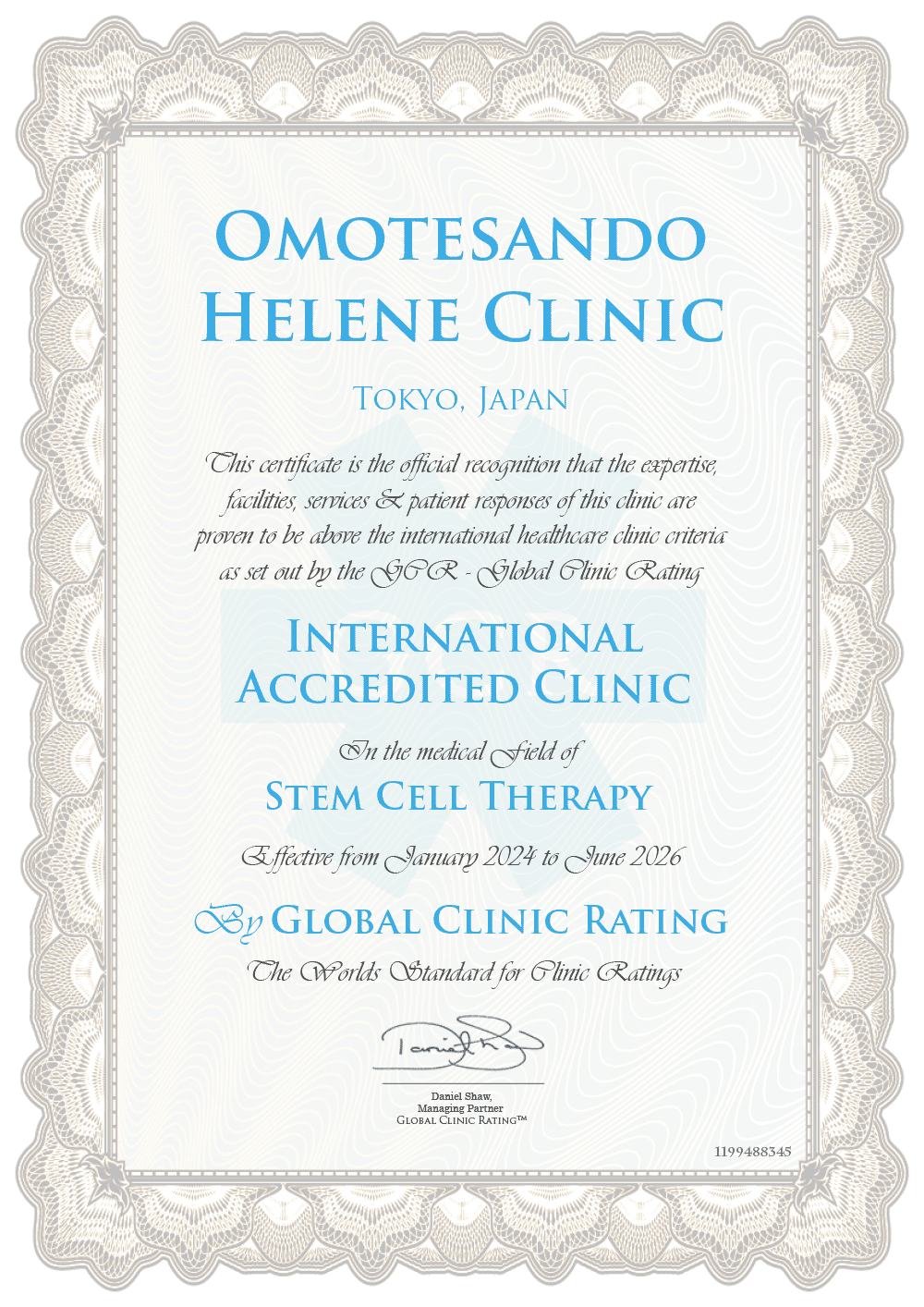
Helene Clinic Certificate
Official Regenerative Medicine Compliance & Quality Certification
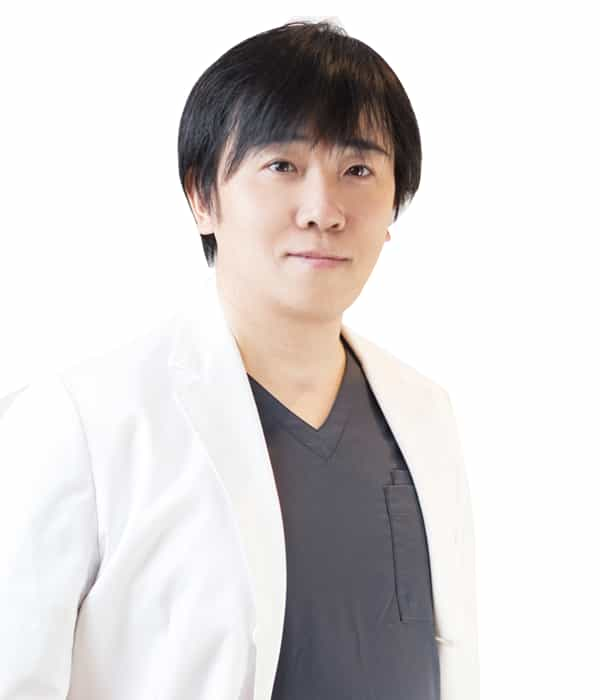
Dr. Takaaki Matsuoka
Group CEO and Chief Medical Officer
Patient Questions & Clinical Clarity
Frequently Asked Questions (FAQs)
1. How do adipose-derived mesenchymal stem cells (AD-MSCs) help manage autoimmune diseases?
AD-MSCs regulate overactive immune cells by releasing anti-inflammatory cytokines and exosomes. Rather than broadly suppressing the entire immune system like traditional immunosuppressants, they help calm chronic inflammatory cascades and support cellular repair in damaged tissues.
2. Why are fat-derived stem cells often preferred over bone marrow stem cells?
Adipose tissue contains a substantially higher concentration of mesenchymal stem cells than bone marrow and can be collected through a minimally invasive procedure under local anesthesia, resulting in high cell yield and robust expansion capacity.
3. Which autoimmune and inflammatory conditions were examined in the 1,136 clinical trials?
The 2025 global review covered a broad spectrum of immune-mediated disorders, including rheumatoid arthritis, systemic lupus erythematosus (SLE), Crohn’s disease, multiple sclerosis (MS), type 1 diabetes, and systemic sclerosis.
4. What did clinical studies show about darvadstrocel (Cx601) for Crohn’s disease?
In clinical trials for refractory Crohn’s-related perianal fistulas, patients treated with the AD-MSC therapy darvadstrocel achieved a 56.3% remission rate compared to 38.6% in the placebo group (P=0.010), demonstrating statistically significant tissue healing.
5. Is mesenchymal stem cell therapy considered safe according to randomized controlled trials?
A meta-analysis of 36 randomized controlled trials involving 2,076 patients reported a favorable overall safety profile with low rates of serious treatment-related complications, though researchers emphasize ongoing multi-year tracking for repeated dosing.
6. Why do only 10.2% of stem cell clinical trials advance from Phase II to Phase III?
The transition bottleneck reflects the high financial cost of large-scale Phase III trials, challenges in standardizing cell manufacturing across multiple centers, and differing international regulatory approval pathways rather than widespread safety failures.
7. How does Japan regulate regenerative medicine and stem cell treatments?
Japan enforces the Act on the Safety of Regenerative Medicine (ASRM), requiring clinics and cell-processing facilities to submit treatment protocols for government-certified committee review and adhere to strict sterility and quality-control rules.
8. What are MSC-derived exosomes and why are researchers studying them?
Exosomes are nanosized extracellular vesicles secreted by stem cells that carry proteins, lipids, and genetic signals. They play a central role in intercellular communication, helping reduce inflammation and stimulate tissue regeneration.
9. Should I stop taking my current autoimmune medications before considering stem cell therapy?
Never discontinue prescribed immunosuppressants, biologics, or corticosteroids on your own. Any adjustment to baseline medication must be coordinated directly between your primary rheumatologist or specialist and the regenerative medicine physician.
10. How can I request an eligibility evaluation for stem cell therapy in Tokyo?
You can submit your medical history, current diagnosis, and recent laboratory or imaging summaries through the inquiry link above to receive a preliminary physician review and protocol outline. Click here to submit your inquiry.

























Share this listing