
Stem Cell Therapy in Tokyo, Japan at HELENE Clinic
Stem cell therapy in Tokyo, Japan at HELENE Clinic focuses on autologous adipose-derived stem cells, regenerative medicine, personalized treatment planning, cell cultivation, medical administration, follow-up care and support for international patients.
Japan has become an important destination for regenerative medicine because of its scientific research, specialized medical facilities and structured regulatory framework for regenerative treatments. International patients considering stem cell treatment in Tokyo can access specialized medical care while receiving support with treatment planning, medical travel and post-treatment follow-up.
Introduction to Stem Cell Therapy in Tokyo, Japan
Stem cell therapy is one area of regenerative medicine available to patients researching specialized treatment options in Japan. At [00:00], the video introduces stem cell therapy and the regenerative medicine approach discussed by HELENE Clinic.
Regenerative Medicine and Stem Cell Therapy in Japan
Japan has established a strong position in cellular science and regenerative medicine. Scientific research, medical innovation and government involvement have contributed to the development of regenerative treatments for patients exploring medical options related to age-related changes, degenerative conditions and other health concerns.
An important part of Japan's regenerative medicine environment is the Act on the Safety of Regenerative Medicine. This regulatory framework establishes requirements for regenerative medicine providers and creates a structured system under which specialized clinics can provide qualifying regenerative treatments.
For international patients considering stem cell treatment in Japan, Tokyo offers access to specialized medical facilities, regulated regenerative medicine protocols, clinical monitoring and treatment planning within Japan's healthcare framework.
Understanding Autologous Stem Cell Therapy
Autologous stem cell therapy uses biological material obtained from the patient's own body rather than from a separate donor.
Using a patient's own cells may reduce concerns associated with donor-cell compatibility and immune rejection. However, stem cell therapy remains a medical procedure, and individual risks, suitability and expected benefits should always be discussed with a qualified physician before treatment.
HELENE Clinic primarily focuses on mesenchymal stem cells (MSCs) obtained from adipose, or fat, tissue. Adipose tissue can provide a source of MSCs and can generally be collected through a relatively small tissue-extraction procedure.
Mesenchymal stem cells are studied in regenerative medicine because of their biological signaling properties and their relationship with processes involving inflammation and tissue repair. Treatment involves collecting the patient's cells, cultivating them to increase the available cell quantity and later administering them according to the patient's individualized treatment plan.
Stem Cell Therapy Applications at HELENE Clinic
Patients from different countries consider regenerative medicine in Tokyo for a range of health and wellness objectives. Cultivated MSC-based treatments may be considered in areas involving healthy aging, joint degeneration and certain inflammatory or immune-related concerns.
Suitability for treatment varies from patient to patient. A medical evaluation is necessary before determining whether stem cell therapy may be appropriate for a specific condition or treatment goal.
Stem Cell Therapy for Healthy Aging and Vitality
HELENE Clinic provides systemic regenerative treatment for patients interested in healthy aging and overall vitality. The treatment involves administering cultivated autologous cells with the goal of supporting regenerative processes within the body.
Patients exploring this type of treatment may be interested in areas such as energy, cognitive wellness, physical vitality and skin health. Individual responses can vary, and treatment should not be considered a guaranteed method of reversing aging or producing a particular outcome.
Osteoarthritis and Joint Degeneration
Regenerative treatment may also be considered for patients experiencing joint degeneration and osteoarthritis. Depending on the patient's condition and medical assessment, stem cells may be administered through targeted injections as part of an individualized regenerative medicine plan.
The goal of this approach is to support biological processes associated with inflammation and tissue repair. Patients considering stem cell treatment for joint pain should discuss expected benefits, limitations, alternative treatments and potential risks with the treating medical team.
Autoimmune and Inflammatory Conditions
Mesenchymal stem cells are studied for their immunomodulatory properties. This has created interest in regenerative medicine among patients with certain inflammatory and immune-related conditions.
Treatment suitability depends on the specific diagnosis, medical history and individual health status. Patients should undergo an appropriate medical assessment before considering regenerative therapy for an autoimmune or inflammatory disorder.
Decades of Experience and Regenerative Medicine Care
Experience is an important consideration when evaluating a regenerative medicine provider. At [00:15], Dr. Ueda Nobuhito discusses the clinic’s experience with stem cell therapy and regenerative medicine.
Why Consider HELENE Clinic for Stem Cell Therapy in Tokyo?
HELENE Clinic in Tokyo focuses on regenerative medicine and autologous adipose-derived stem cell treatment. Its specialized approach allows the medical team to concentrate on regenerative procedures involving cells obtained from the patient's own adipose tissue.
HELENE Clinic operates within Japan's regenerative medicine regulatory system and follows requirements associated with the Japanese Ministry of Health, Labour and Welfare. These requirements are designed to establish standards for medical facilities, treatment protocols, cell handling and patient care.
The clinic also uses specialized Cell Processing Centers (CPCs), where biological material is processed and cultivated under controlled conditions. Controlled laboratory environments are especially important in regenerative medicine because cell-processing protocols must minimize contamination risks while preserving the quality of cultivated cells.
Stem Cell Therapy Process at HELENE Clinic in Tokyo
HELENE Clinic's stem cell treatment process includes medical evaluation, adipose-tissue collection, cell cultivation and therapeutic administration. Each stage is planned around the patient's individual medical needs and treatment goals.
1. Initial Medical Consultation and Patient Evaluation
Before treatment, the patient's medical information and health history are reviewed. A consultation helps the medical team assess candidacy, understand the patient's treatment objectives and develop an individualized regenerative medicine plan.
2. Adipose-Tissue Collection in Tokyo
After arriving at the clinic, a small amount of adipose tissue is collected from the patient. The procedure is minimally invasive and is typically performed under local anesthesia, with tissue commonly obtained from the abdominal area.
3. Cell Processing and Cultivation
The collected biological material is transferred to a specialized Cell Processing Center. The stem cells are then cultivated and expanded. This cultivation stage generally takes approximately three to four weeks and is intended to produce an appropriate quantity of cells for treatment.
4. Stem Cell Administration
Once cultivation is complete, the patient returns for administration. Depending on the individual treatment plan and medical objective, the cultivated cells may be administered through an intravenous infusion or targeted localized injections.
The exact protocol, number of cells, route of administration and treatment schedule should be determined by the medical team according to the patient's clinical circumstances.
Health Checks and Blood Tests Before Stem Cell Therapy
Patient screening is an important stage before regenerative treatment. At [00:30], the video discusses reviewing the patient's health and conducting blood tests before treatment begins.
Before treatment, the patient's medical information and health history are reviewed. A consultation helps the medical team assess candidacy, understand the patient's treatment objectives and develop an individualized regenerative medicine plan.
Health screening can help identify medical factors that could affect eligibility, treatment planning or precautions required before regenerative therapy.
Why Pre-Treatment Evaluation Matters
Suitability for treatment varies from patient to patient. A medical evaluation is necessary before determining whether stem cell therapy may be appropriate for a specific condition or treatment goal.
Patients should provide relevant information about existing medical conditions, current medications, previous procedures and other health concerns so the treating physician can evaluate whether additional screening or testing is necessary.
International patients should complete the required medical evaluation before making final travel arrangements whenever possible so that the medical team can review eligibility and treatment planning in advance.
Ensuring Optimal Safety During Stem Cell Therapy
Safety is a central consideration in regenerative medicine. At [00:45], the video emphasizes the importance of evaluating patients carefully before treatment to reduce avoidable medical risks.
Stem Cell Therapy Safety and Japanese Medical Regulations
Regulation is an important consideration when comparing regenerative medicine providers internationally. Stem cell therapies vary widely between countries, and patients should carefully evaluate the clinic, regulatory environment, treatment protocol and medical supervision before proceeding.
HELENE Clinic operates under a Class II regenerative medicine framework in Japan. Its procedures and cell-processing practices are carried out within Japan's regulatory structure for regenerative medicine.
The treatment process includes documentation of clinical procedures, laboratory protocols and patient care. Controlled cell-processing environments are also used to reduce contamination risks during cultivation.
HELENE Clinic uses a cell-cultivation approach that avoids animal-derived serum and instead uses human-compatible growth media as part of its cell-processing protocol. This approach is intended to reduce concerns associated with exposing cultured cells to animal-derived biological components.
Stem Cell Therapy Cost and Treatment Value in Japan
Cost is an important consideration for patients researching stem cell therapy in Japan. Regenerative medicine can represent a substantial financial investment because treatment may involve specialist consultations, biological sample collection, laboratory cell cultivation and medical administration.
Tokyo gives international patients access to regenerative medicine within a structured medical environment. Patients should obtain an individualized quotation before traveling because final costs can vary according to the treatment protocol, number of cells, administration method and medical needs.
| Medical Destination | Regulatory Environment | Treatment Considerations | Patient Value Considerations |
|---|---|---|---|
| Tokyo, Japan – HELENE Clinic | Regenerative medicine regulated under Japanese requirements | CPC-cultivated autologous MSC treatment | Specialized treatment with individualized pricing |
| United States | Strict regulatory environment with limited availability for some regenerative applications | Availability depends on the therapy and regulatory status | Treatment accessibility and costs can vary considerably |
| Unregulated International Providers | Regulatory standards may vary considerably | Patients should carefully assess cell-processing and medical standards | Lower advertised pricing may not reflect quality, safety or included services |
International patients should compare more than the advertised price. Important considerations include the clinic's regulatory status, laboratory standards, physician oversight, cell-processing protocol, treatment inclusions and post-treatment follow-up.
Contact PlacidWay About Stem Cell Treatment in Tokyo
International patients considering regenerative medicine in Japan may need help understanding treatment eligibility, medical evaluation, travel arrangements and communication with the clinic. At [00:53], the video directs patients to contact PlacidWay for additional information about treatment options.
Traveling to Tokyo, Japan for Stem Cell Therapy
For international patients, treatment is only one part of the overall medical journey. Tokyo combines specialized healthcare with transportation infrastructure, accommodation options, Japanese hospitality and access to a wide range of services for overseas visitors.
Japanese hospitality is often associated with the concept of Omotenashi, which emphasizes attentive and respectful service. Within the medical setting, international patients may particularly value clear communication, organized treatment scheduling and assistance during their stay.
HELENE Clinic provides international patients with access to medical concierge and translation support, helping patients communicate with the medical team and navigate their appointments.
Outside the clinic, Tokyo offers a broad range of accommodation, dining and cultural options. Patients may have access to Japanese cuisine, quiet gardens and comfortable accommodation during their medical stay, depending on their treatment schedule and physician recommendations.
Post-Treatment Care and Follow-Up After Stem Cell Therapy
Follow-up is an important part of regenerative medicine, especially for international patients who may return home after treatment. HELENE Clinic's treatment approach includes post-treatment monitoring intended to evaluate patient progress over time.
Depending on the patient's treatment goals, follow-up may involve monitoring areas such as energy, mobility or relevant clinical markers. Changes following regenerative treatment may develop gradually rather than immediately, and individual experiences can differ substantially.
Stem cell therapy should be viewed as an individualized medical treatment rather than a guaranteed solution. Patients should maintain realistic expectations and follow the medical team's recommendations for monitoring, lifestyle, rehabilitation and ongoing medical care.
Planning Your Stem Cell Treatment in Tokyo
International medical travel requires careful coordination. Patients considering HELENE Clinic should review their medical eligibility, treatment plan, expected schedule, potential risks, costs and travel arrangements before confirming treatment.
Medical tourism coordinators can assist with practical arrangements such as securing clinic appointments, organizing treatment itineraries, discussing medical visa requirements and helping patients evaluate accommodation options in Tokyo.
This allows patients to focus on their medical consultation and treatment while receiving support with the logistical aspects of traveling to Japan for regenerative medicine.
Considering Stem Cell Therapy at HELENE Clinic in Tokyo?
PlacidWay can help you connect with HELENE Clinic and learn more about treatment eligibility, the proposed stem cell therapy process, expected costs and medical-travel arrangements for Japan.
Request information before making travel plans so the medical team can review your individual case and determine whether treatment may be appropriate for you.
REQUEST A FREE CONSULTATION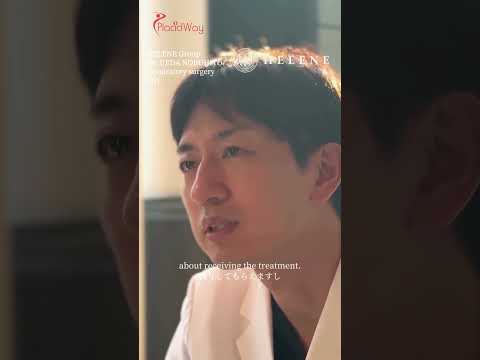

























Share this listing