
Cell Grand Clinic: Regenerative Medicine for Erectile Dysfunction in Japan
About this video: For millions of middle-aged men, intimacy is overshadowed by the frustrating reality of impotence. While temporary medications have dominated the market for decades, patients are increasingly seeking long-term cures rather than quick fixes. Enter the revolutionary field of Erectile Dysfunction Treatment Options in Japan.
Through the expertise of specialists at Cell Grand Clinic, advanced regenerative medicine is changing the landscape of male sexual health. By utilizing cutting-edge stem cell treatments and exosomes, doctors are no longer just treating the symptoms of erectile dysfunction; they are actively repairing damaged blood vessels, rejuvenating spongy tissues, and regenerating essential nerves to restore natural, spontaneous function.
For decades, the standard protocol for treating male impotence has relied heavily on pharmaceutical interventions. However, the medical community is currently experiencing a monumental paradigm shift.
Pioneering clinics in Tokyo are now leveraging the body's intrinsic healing capabilities to offer long-lasting relief for severe erectile dysfunction. By focusing on cellular repair rather than temporary chemical stimulation, regenerative medicine is providing hope to men who have exhausted all other therapeutic avenues.
The Hidden Epidemic: Understanding Erectile Dysfunction in Middle-Aged Men
Erectile dysfunction is not merely a physical inconvenience; it is a profound psychological burden that can severely impact a man's quality of life, self-esteem, and intimate relationships. As Dr. Wakabayashi notes at [00:23], ED is arguably the most significant lifestyle and health concern for middle-aged men today.
The symptoms of this condition exist on a spectrum. Some men experience a complete inability to achieve an erection, while others struggle with achieving sufficient rigidity or suffer from premature loss of erection during intimacy. These vascular and neurological failures often trigger a vicious cycle of performance anxiety, which subsequently exacerbates the physical symptoms through stress-induced adrenaline release.
Biologically, a healthy erection relies on a complex, perfectly synchronized symphony of psychological triggers, neurological signaling, and robust vascular blood flow. When any component of this delicate system begins to degrade due to age, poor diet, cardiovascular disease, or hormonal imbalances, the physical manifestation is impotence. Recognizing that ED is a multi-faceted systemic failure is the first step toward finding a viable, permanent cure.
The Limitations of Conventional ED Pills: The "Leaky Bucket" Phenomenon
When men first encounter signs of impotence, the immediate instinct is to turn to highly marketed oral medications. Pharmaceutical solutions like PDE5 inhibitors (such as Viagra, Cialis, and Levitra) have been the unquestioned gold standard since the late 1990s.
However, these medications are far from a cure. At [00:51], the discussion highlights that relying solely on medication is akin to temporary physiological "doping." These drugs function by artificially forcing vasodilation—relaxing the blood vessels to allow a temporary rush of blood into the penile tissues. They do absolutely nothing to repair the underlying cellular damage that caused the vascular restriction in the first place.
Dr. Wakabayashi uses a powerful analogy at [02:12], comparing the use of traditional ED medication to pouring water into a leaky bucket. As long as you keep pouring the water (taking the pill), the bucket appears full. But the moment the medication wears off, the systemic leaks remain. Furthermore, many men eventually develop a tolerance to these medications, finding that the pills lose their efficacy over time or produce unbearable side effects like severe migraines, vision disturbances, and extreme facial flushing.
Diabetes and Nerve Damage: The Complex Underlying Causes of ED
For a significant portion of the male population, erectile dysfunction is not simply an issue of poor blood circulation. As explained at [01:59], middle-aged men frequently suffer from underlying chronic conditions, with diabetes mellitus being the most destructive culprit regarding sexual health.
Chronic high blood sugar levels associated with diabetes wreak havoc on the body's delicate vascular network, specifically severely damaging the endothelial cells that line the interior of blood vessels. When these cells are compromised, they fail to produce adequate amounts of nitric oxide (NO), the crucial chemical messenger responsible for signaling blood vessels to expand during arousal. Furthermore, diabetes induces severe peripheral neuropathy, progressively destroying the intricate nerve endings required to transmit sexual arousal signals from the brain to the pelvic region.
This dual destruction of both blood vessels and nerves explains why traditional ED medications are notoriously ineffective for diabetic men. If the neurological wiring is severed and the structural integrity of the tissue is heavily degraded, simply forcing blood into the area will not yield a sustainable rigid erection. Patients who have undergone invasive prostate surgeries also face similar neurogenic erectile dysfunction due to the unavoidable surgical trauma inflicted on the surrounding pelvic nerves.
The Paradigm Shift: Stem Cell Therapy for Erectile Dysfunction in Japan
Recognizing the glaring limitations of pharmaceutical treatments, men are increasingly seeking out advanced medical tourism options. Japan has rapidly emerged as the undisputed global pioneer in regenerative medicine, offering strictly regulated, cutting-edge therapies that are often unavailable in Western countries.
At [02:37], the clinical experts detail the two primary modalities of regenerative treatment utilized for ED. The first is Autologous Stem Cell Therapy, an advanced procedure where mesenchymal stem cells are carefully extracted from a patient's own adipose (fat) tissue, cultivated in a highly specialized laboratory to multiply their numbers exponentially, and then reintroduced into the patient's body. These master cells have the unique biological ability to differentiate into various cell types, directly replacing damaged vascular and neural tissues.
The second, and highly popular modality, involves the use of Stem Cell Culture Supernatant (often referred to as exosome therapy). During the laboratory cultivation of stem cells, the cells secrete a powerful biological broth teeming with vital growth factors, cytokines, and exosomes. This cell-free liquid is incredibly potent and can dramatically stimulate the body's own dormant healing mechanisms without requiring an invasive fat extraction procedure.
The Three-Pillar Mechanism of Regenerative ED Treatment
What makes advanced stem cell treatments for ED so revolutionary is their ability to address the root physiological causes of impotence through a comprehensive, multi-faceted healing approach. The therapy fundamentally operates on three distinct pillars of biological restoration.
1. Vascular Regeneration and Angiogenesis
Blood flow is the fundamental mechanical requirement for a successful erection. At [03:10], the discussion highlights the critical role of Vascular Endothelial Growth Factor (VEGF). The stem cell supernatant is immensely rich in VEGF, a potent signaling protein that specifically promotes angiogenesis—the physiological process through which new, healthy blood vessels form from pre-existing vessels. By flooding the compromised pelvic region with VEGF, the therapy actively rebuilds the dense microvascular network that has degraded over time, allowing for profound and sustained engorgement.
2. Restoration of the Corpus Cavernosum
The penis is primarily composed of twin cylinders of spongy tissue known as the corpus cavernosum. During an erection, this highly specialized tissue traps the incoming arterial blood under immense pressure. As highlighted at [03:30], aging and disease cause this once-elastic spongy tissue to become fibrotic, stiff, and damaged. Regenerative medicine directly targets this structural degradation by introducing powerful cytokines that break down pathological fibrotic scarring, essentially "softening" and rejuvenating the spongy tissue to restore critical elasticity.
3. Neurological Repair and Signal Transmission
Perhaps the most groundbreaking aspect of this therapy is its capacity for neurogenesis. At [03:35], the focus shifts to Nerve Growth Factor (NGF). For patients suffering from diabetic neuropathy or post-surgical nerve trauma, NGF acts as a vital catalyst for nerve repair, healing the damaged neural pathways responsible for transmitting sexual arousal signals from the brain and effectively curing neurogenic erectile dysfunction at its source.
Administration Protocols: Intravenous Drip vs. Direct Local Injection
Because every patient presents with a unique medical history and varying severities of ED, top-tier Japanese clinics offer highly customized administration protocols. The delivery method profoundly impacts how the regenerative factors interact with the body, as detailed at [05:25].
The first option is the Intravenous (IV) Drip. This systemic approach infuses the potent stem cell supernatant directly into the general bloodstream. This method is extraordinarily beneficial for patients whose ED is a secondary symptom of a broader systemic illness, such as advanced diabetes or severe cardiovascular disease. The regenerative factors circulate throughout the entire body, aggressively reducing systemic inflammation, repairing widespread endothelial damage, and improving global metabolic health, which indirectly restores erectile function.
The second option is Direct Localized Injection. For patients whose primary, overarching concern is immediately resolving their impotence, doctors administer the growth factors directly into the penile tissues. Understandably, the prospect of a localized injection causes significant apprehension. However, at [05:59], it is heavily emphasized that the procedure utilizes ultra-fine micro-needles. Combined with effective topical anesthetics, the vast majority of patients report that the procedure is remarkably tolerable, equating the sensation to a minor pinch rather than a painful surgical intervention.
Safety Profile and Mitigating Risks in Stem Cell Treatments
When considering medical tourism for advanced therapeutic procedures, patient safety and the mitigation of adverse immunological reactions are paramount concerns. Many men mistakenly fear that receiving stem cell treatments, especially those derived from donor sources, could trigger a massive immune rejection or severe allergic anaphylaxis.
These valid concerns are directly addressed at [07:05]. When utilizing stem cell culture supernatant, the risk profile drops precipitously. Because the supernatant is entirely cell-free—meaning all cellular matter, DNA, and surface antigens have been meticulously filtered out—there is virtually nothing present to trigger an aggressive response from the patient's immune system. The fluid contains only the pure, universally compatible signaling proteins and growth factors.
Furthermore, Japan operates under some of the most stringent and highly regulated medical frameworks in the world. The Act on the Safety of Regenerative Medicine (ASRM) ensures that clinics like Cell Grand Clinic adhere to immaculate laboratory standards, rigorous sterilization protocols, and comprehensive patient monitoring systems. Minor side effects are exceedingly rare and generally limited to slight, temporary localized swelling at the injection site, which dissipates rapidly within a few days.
Real-World Results: Reclaiming Vitality and Morning Erections
The ultimate metric of success for regenerative medicine is the tangible, objective improvement in a patient's quality of life. Clinical data from Japanese facilities consistently demonstrate substantial statistical improvements in standardized erection hardness scores. Patients routinely report a profound return to baseline functionality, noting significant enhancements in rigidity, endurance, and overall sexual confidence.
A particularly compelling piece of anecdotal evidence is shared at [09:24]. The physician himself notes the remarkable subjective effects of receiving regular intravenous supernatant therapy. He highlights a dramatic resurgence in the frequency and intensity of "morning wood" (nocturnal penile tumescence). In the medical community, the presence of robust morning erections is widely considered the ultimate biological barometer of excellent vascular health and intact neurological function.
While some patients experience noticeable revitalization after a single, concentrated session, the cumulative effects of tissue regeneration typically compound over time. Doctors highly recommend a strategically scheduled series of treatments to maximize angiogenesis and ensure the comprehensive, long-term repair of the compromised pelvic infrastructure.
Stem Cell Therapy for Erectile Dysfunction in Japan: Cost, Packages, and What to Expect
Patients considering medical travel for erectile dysfunction treatment usually want to understand the expected investment before scheduling a consultation. The total cost depends on the treatment approach, medical evaluation, and services included in the individual care plan.
Before traveling to Japan, patients should confirm the complete treatment plan directly with Cell Grand Clinic.
- Treatment cost depends on the selected regenerative medicine approach, the number of treatments recommended, and individual medical requirements.
- Patients should request a personalized quotation because ED treatment plans are determined after reviewing medical history and treatment goals.
- Confirm whether the quoted package includes consultation, examinations, treatment procedures, follow-up care, and medical coordination services.
- International patients should also consider travel-related expenses such as flights, accommodation, transportation, and time away from work.
- A medical consultation is important before treatment to discuss eligibility, possible benefits, limitations, and potential risks.
Who Is a Candidate for ED Stem Cell Therapy at Cell Grand Clinic?
Stem cell therapy for erectile dysfunction may be considered for patients whose ED is associated with underlying vascular, tissue, or nerve-related factors. The appropriate treatment approach depends on each patient's health condition and medical evaluation.
Eligibility should always be determined by a qualified healthcare professional.
- Patients with vascular-related erectile dysfunction may require assessment of blood flow and tissue health.
- Patients with diabetes-related nerve damage may need evaluation of how underlying conditions affect erectile function.
- Patients experiencing ED after prostate surgery may require assessment of nerve-related factors.
- Current medications, medical history, and previous ED treatments should be reviewed before considering regenerative therapy.
- Patients should discuss expected outcomes, risks, and alternative treatments with their physician.
Your Treatment Journey: Consultation, Procedure, and Follow-Up in Japan
International patients often need clear information about what happens before, during, and after treatment. A structured treatment journey helps patients prepare for medical travel and communicate effectively with their healthcare provider.
The exact process depends on the patient's condition and treatment plan.
Patient medical history and ED-related concerns are reviewed.
The healthcare team determines whether regenerative treatment may be appropriate.
Doctors discuss the recommended approach, procedure details, and expected timeline.
The page describes treatment approaches including intravenous administration and localized injection methods.
Patients should confirm monitoring, aftercare instructions, and communication plans after returning home.
Traveling to Japan for Erectile Dysfunction Treatment
Patients traveling internationally for ED treatment should prepare both medically and logistically. Japan-based treatment requires planning around consultations, procedures, accommodation, and follow-up communication.
International patients should confirm travel requirements before booking treatment.
• Ask the clinic about recommended arrival dates and appointment scheduling.
• Confirm whether translation or international patient support services are available.
• Plan accommodation close to the treatment facility when appropriate.
• Discuss follow-up communication after returning to your home country.
• Prepare medical records and previous treatment information for physician review.
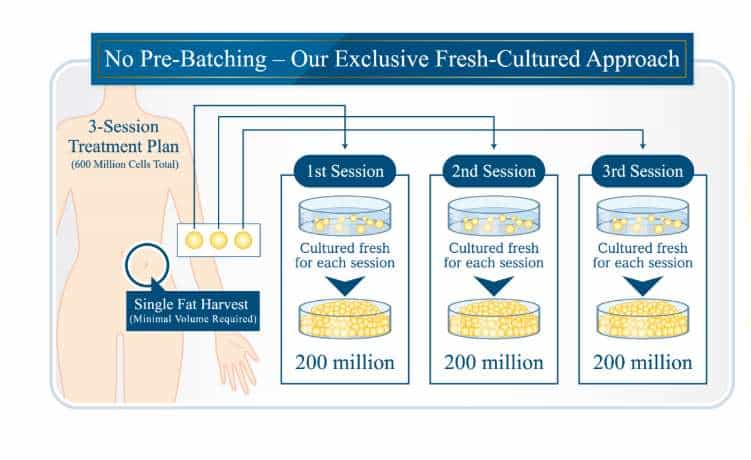
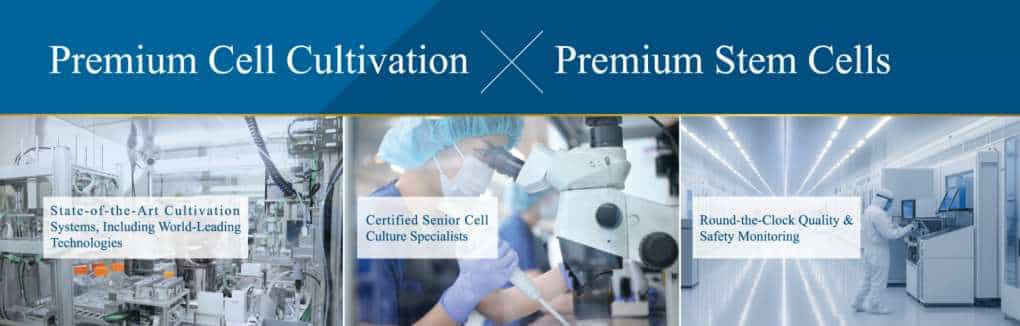
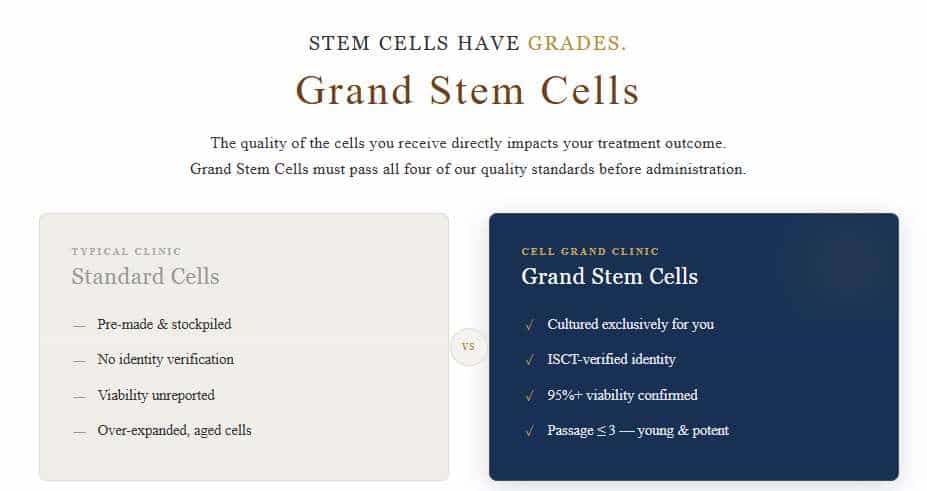
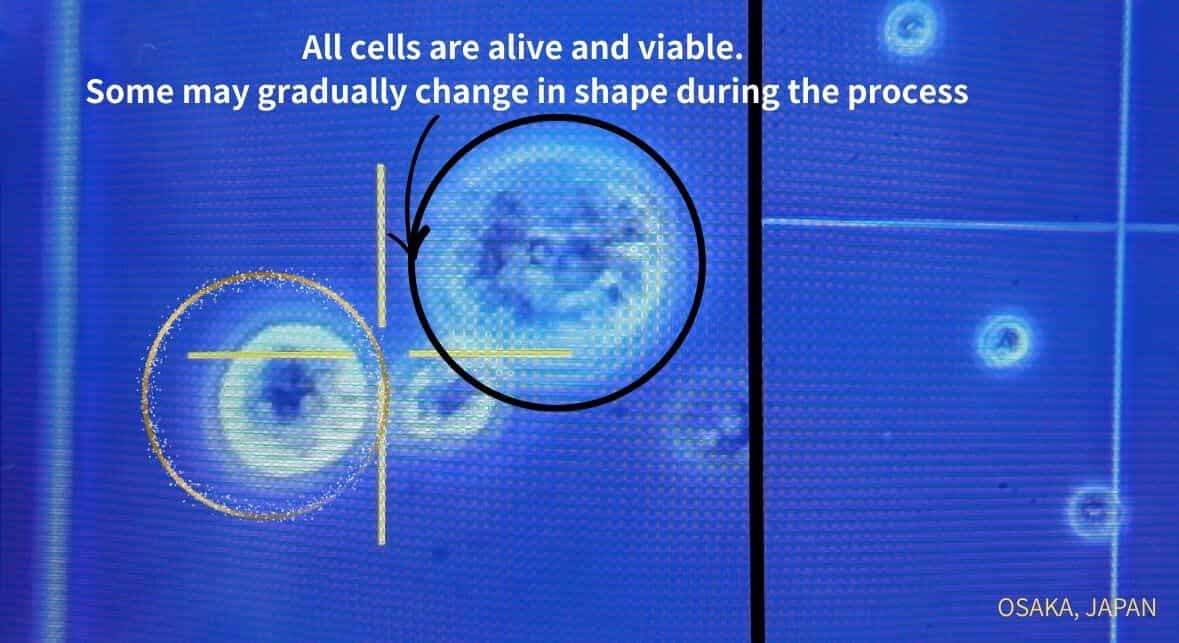
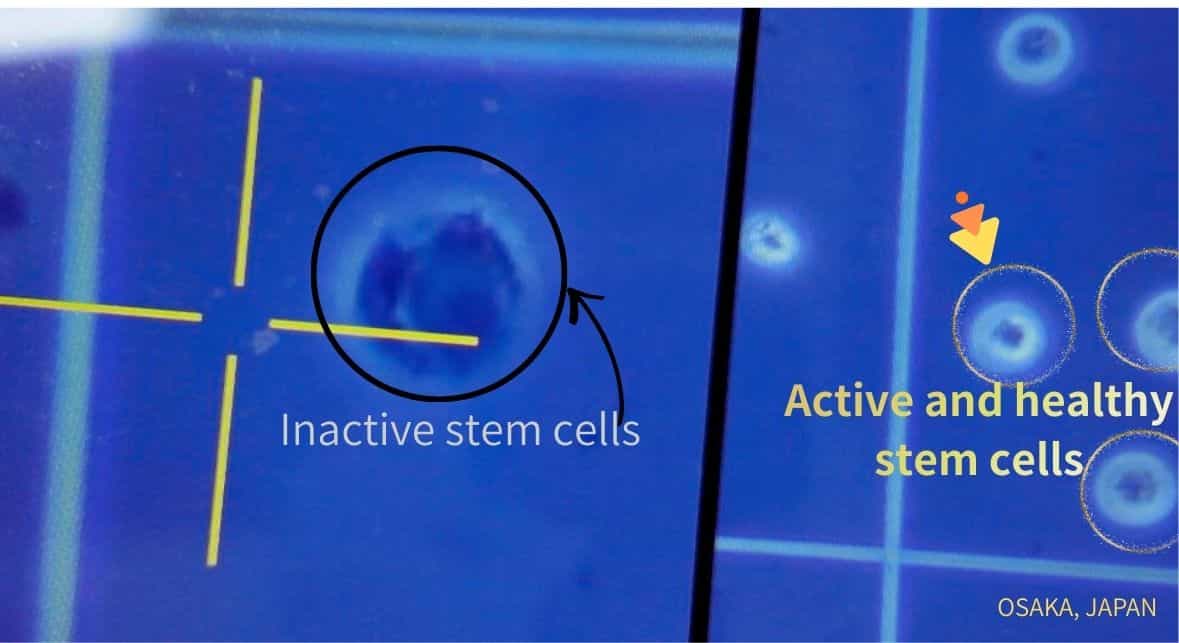
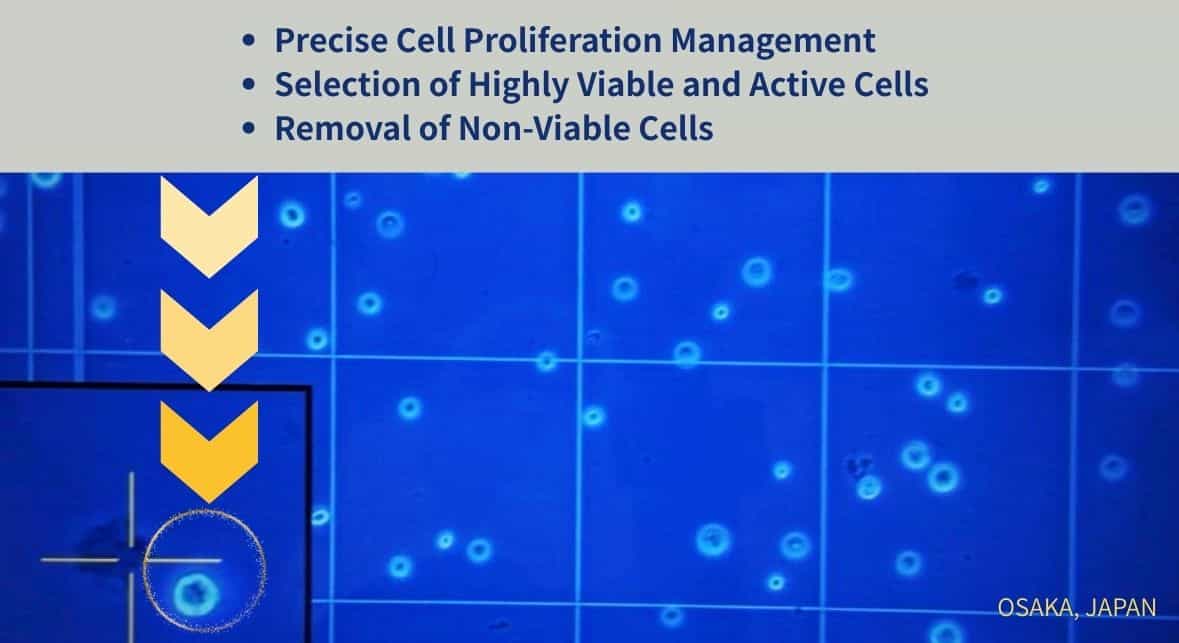
Stem Cell Gallery at Cell Grand Clinic


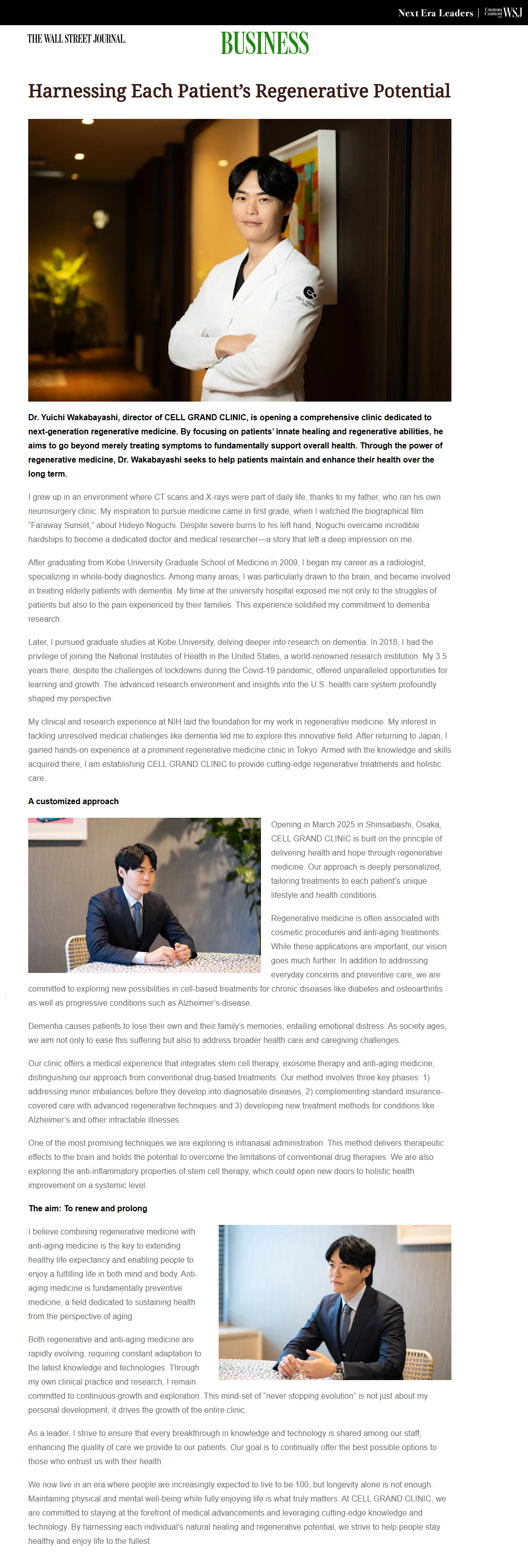
Cell Grand Clinic has earned international recognition for its leadership in regenerative medicine and commitment to advancing patient-centered care. The clinic's founder, Dr. Yuichi Wakabayashi, was featured in the Business section of The Wall Street Journal, highlighting his pioneering work and innovative vision in the field of regenerative medicine.
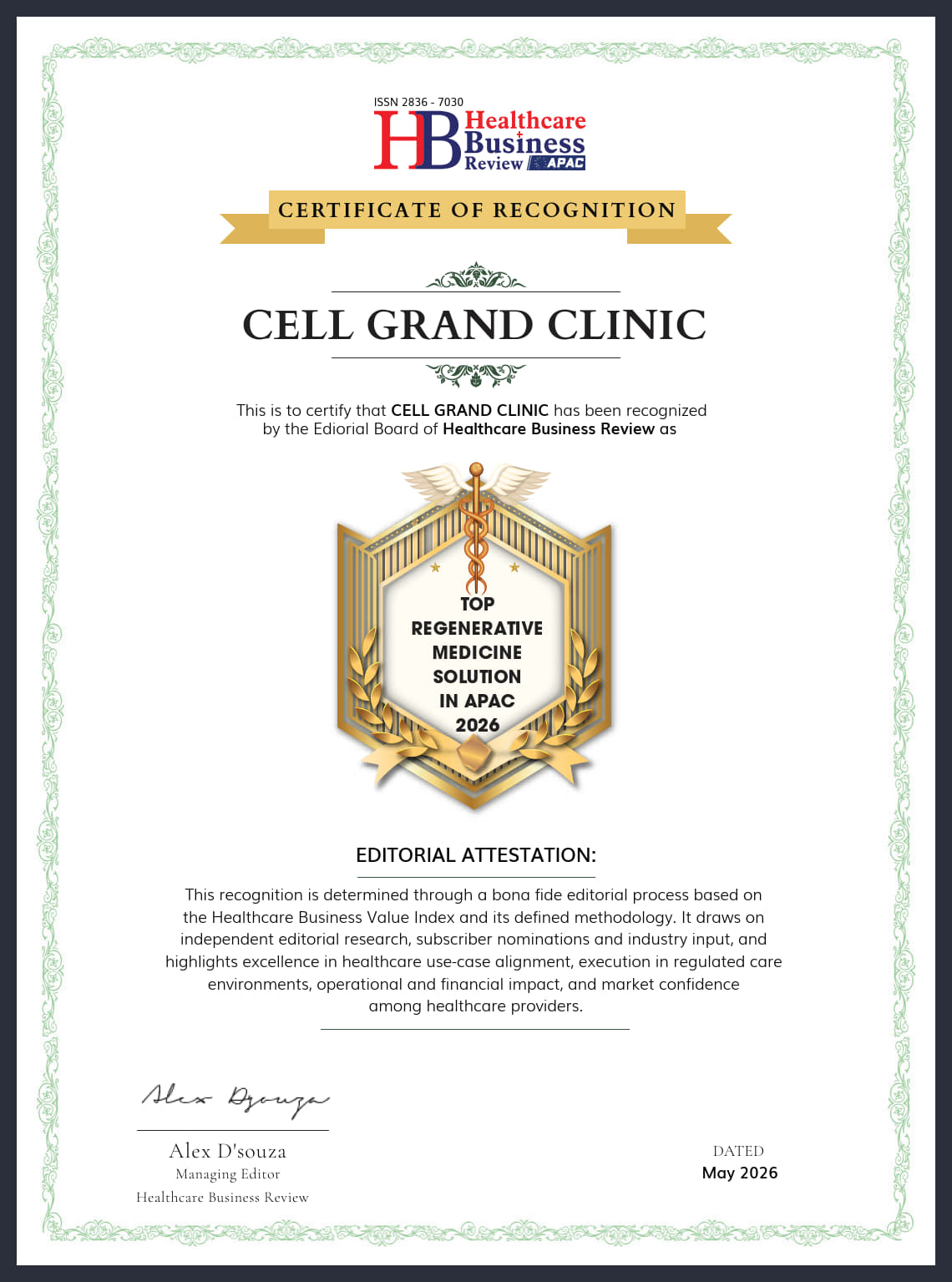
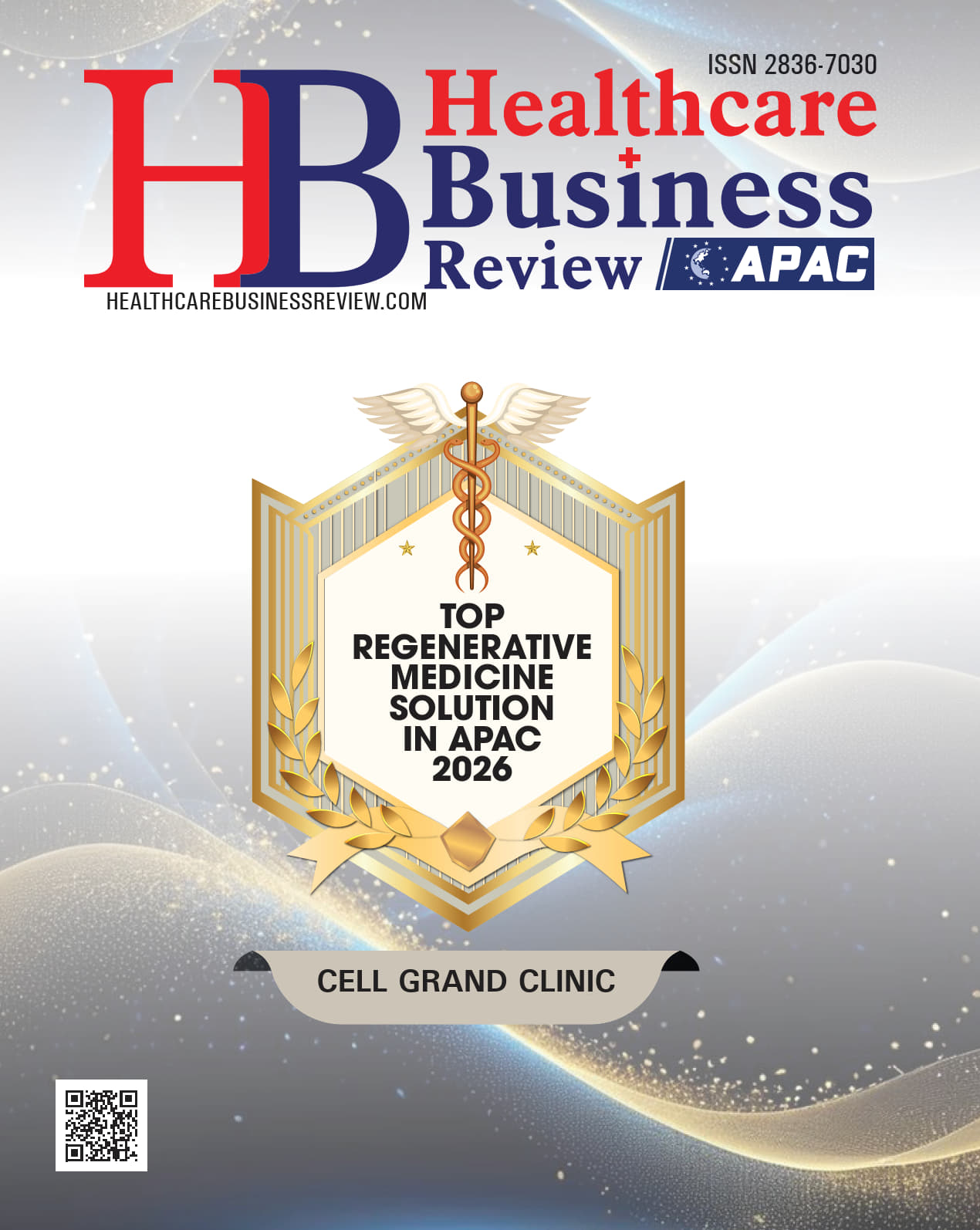
Further demonstrating its dedication to clinical excellence, the clinic's leadership holds the prestigious American Board of Regenerative Medicine Certificate, reinforcing its reputation as an Advanced Stem Cell Clinic in Japan. Adding to these achievements, Cell Grand Clinic was recognized by Healthcare Business Review APAC as a Top Regenerative Medicine Solution in APAC for 2026, reflecting its growing influence and excellence in delivering cutting-edge regenerative healthcare solutions.
Recognized by Healthcare Business Review APAC as a Top Regenerative Medicine Solution in APAC (2026).
The Wall Street Journal Feature Dr. Yuichi Wakabayashi
Peer-Reviewed Publication
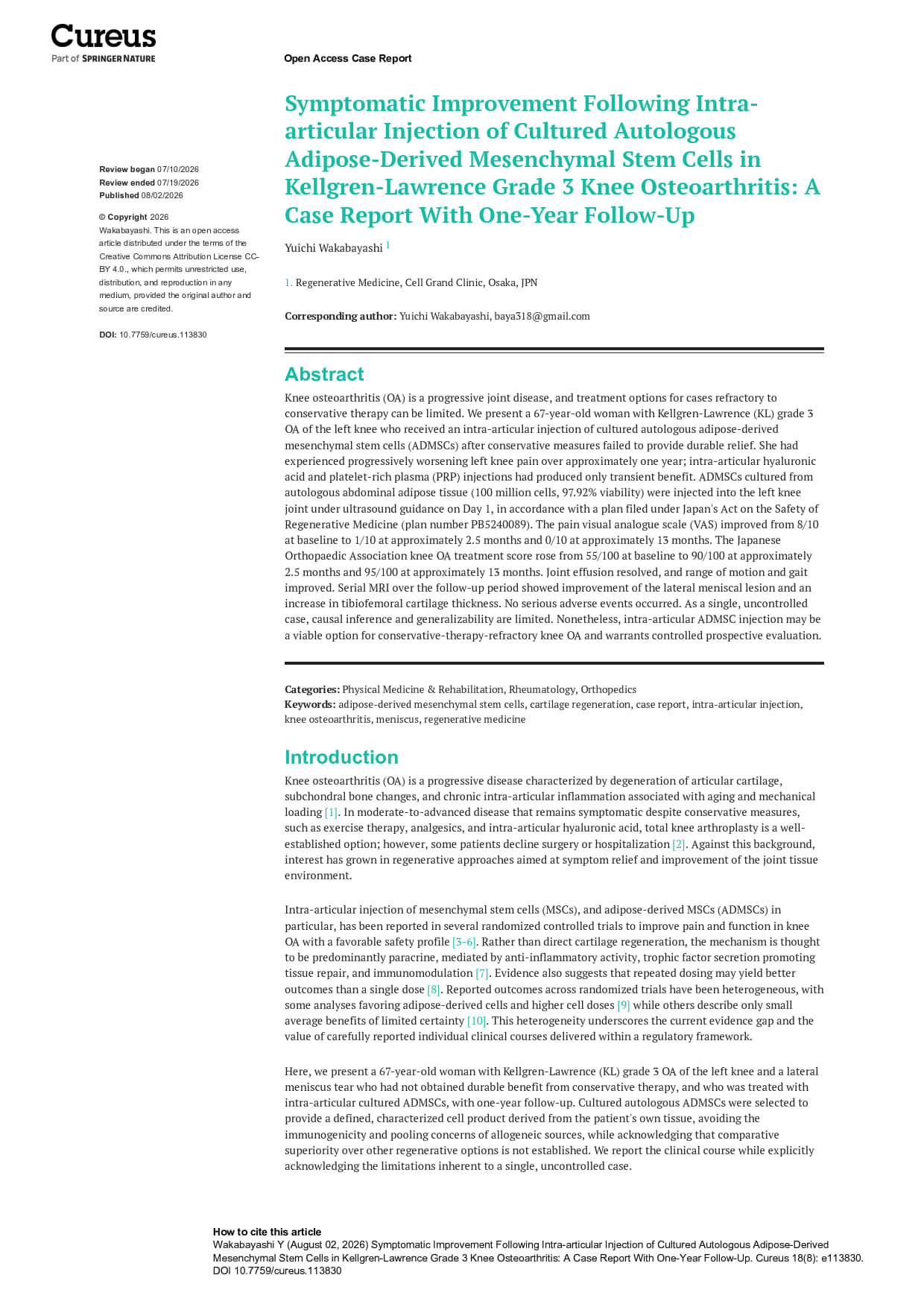
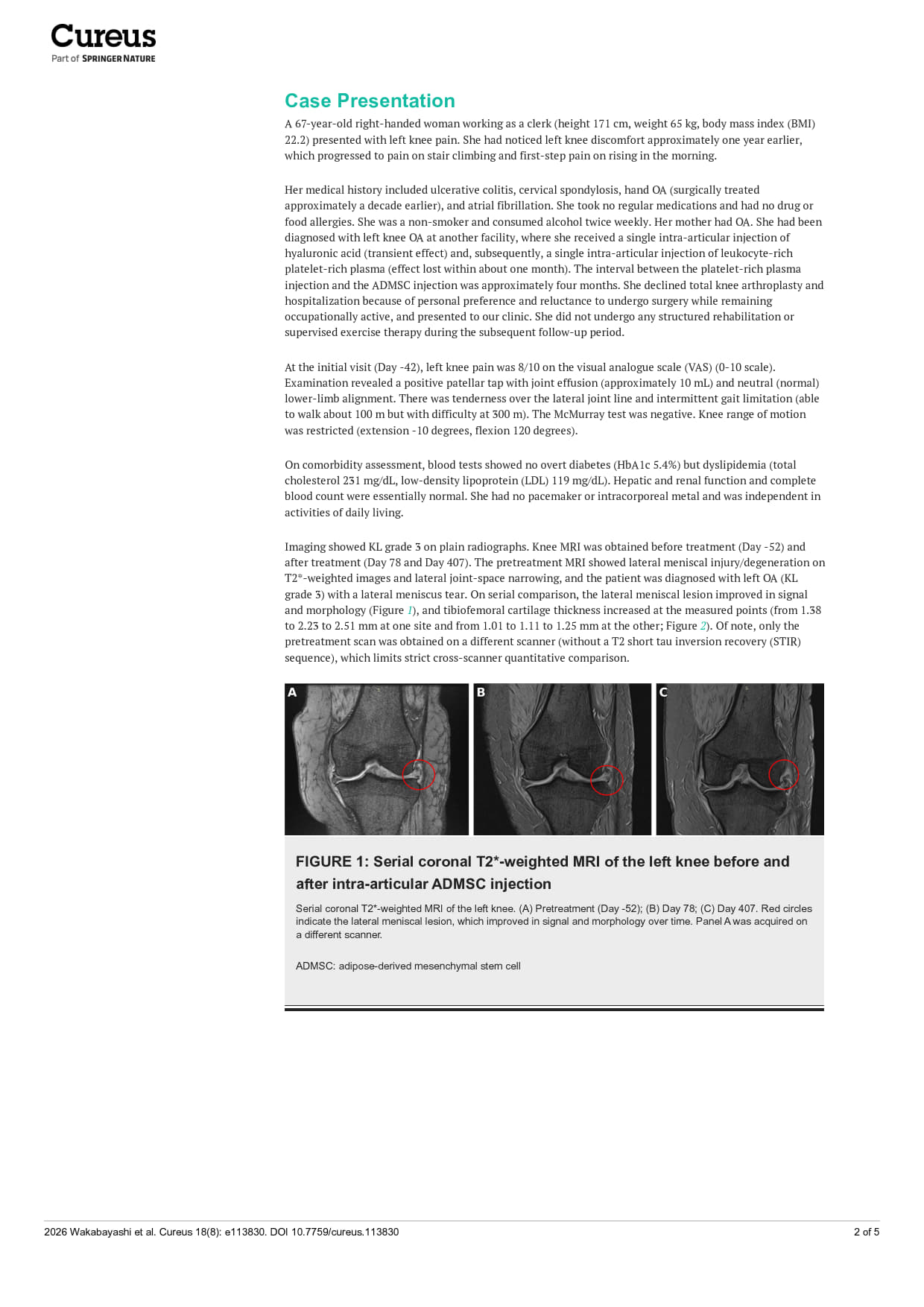
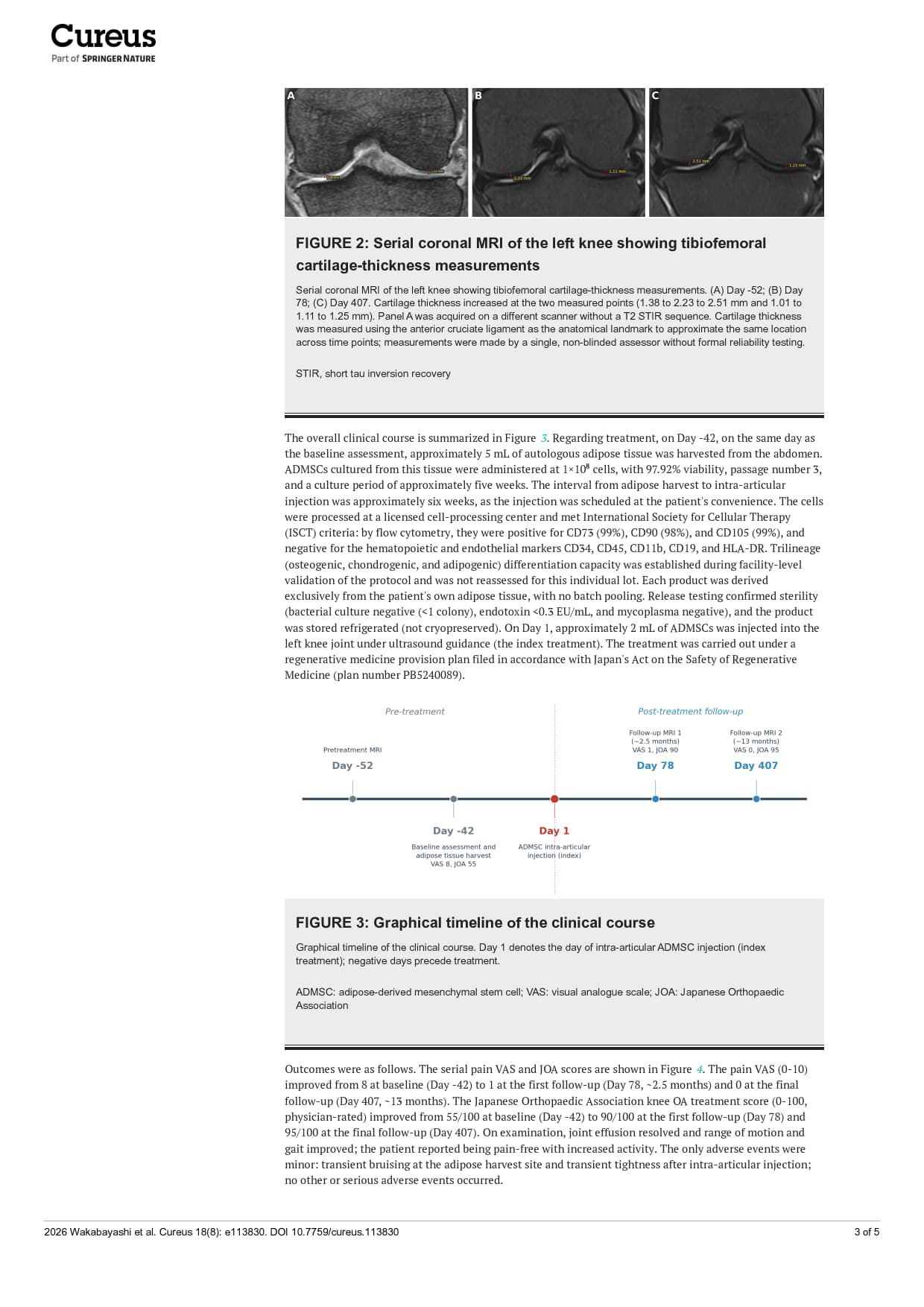
Reflecting this commitment to transparency, Dr. Wakabayashi’s one-year outcome report on adipose-derived stem cell therapy for knee osteoarthritis was published in the peer-reviewed medical journal Cureus in 2026 (DOI: 10.7759/cureus.113830), adding independently verifiable clinical documentation to the clinic’s growing body of research.
Symptomatic Improvement Following Intra-articular Injection of Cultured Autologous Adipose-Derived Mesenchymal Stem Cells in Kellgren-Lawrence Grade 3 Knee Osteoarthritis: A Case Report With One-Year Follow-Up
 Page 1
 Page 2
 Page 3
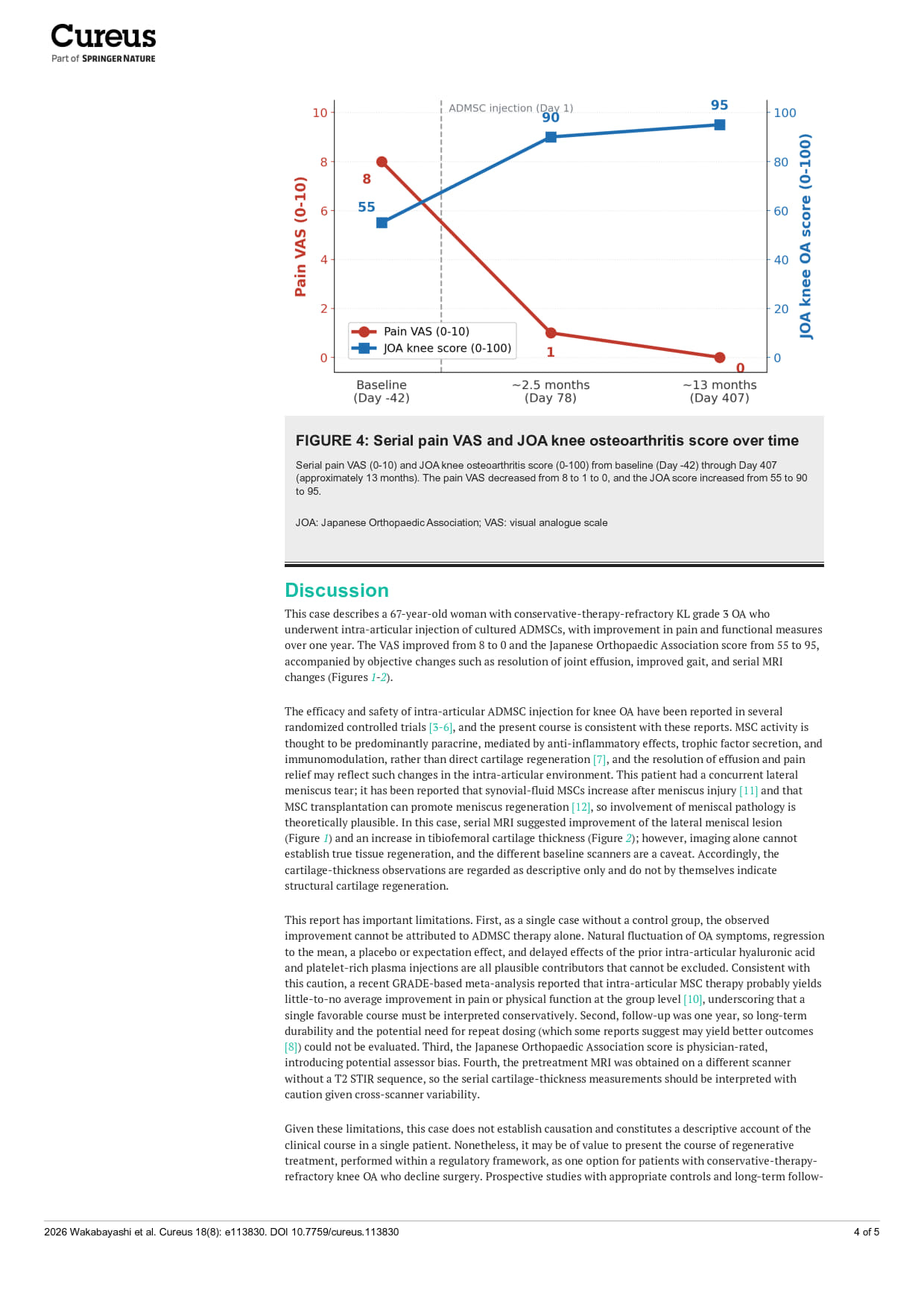 Page 4
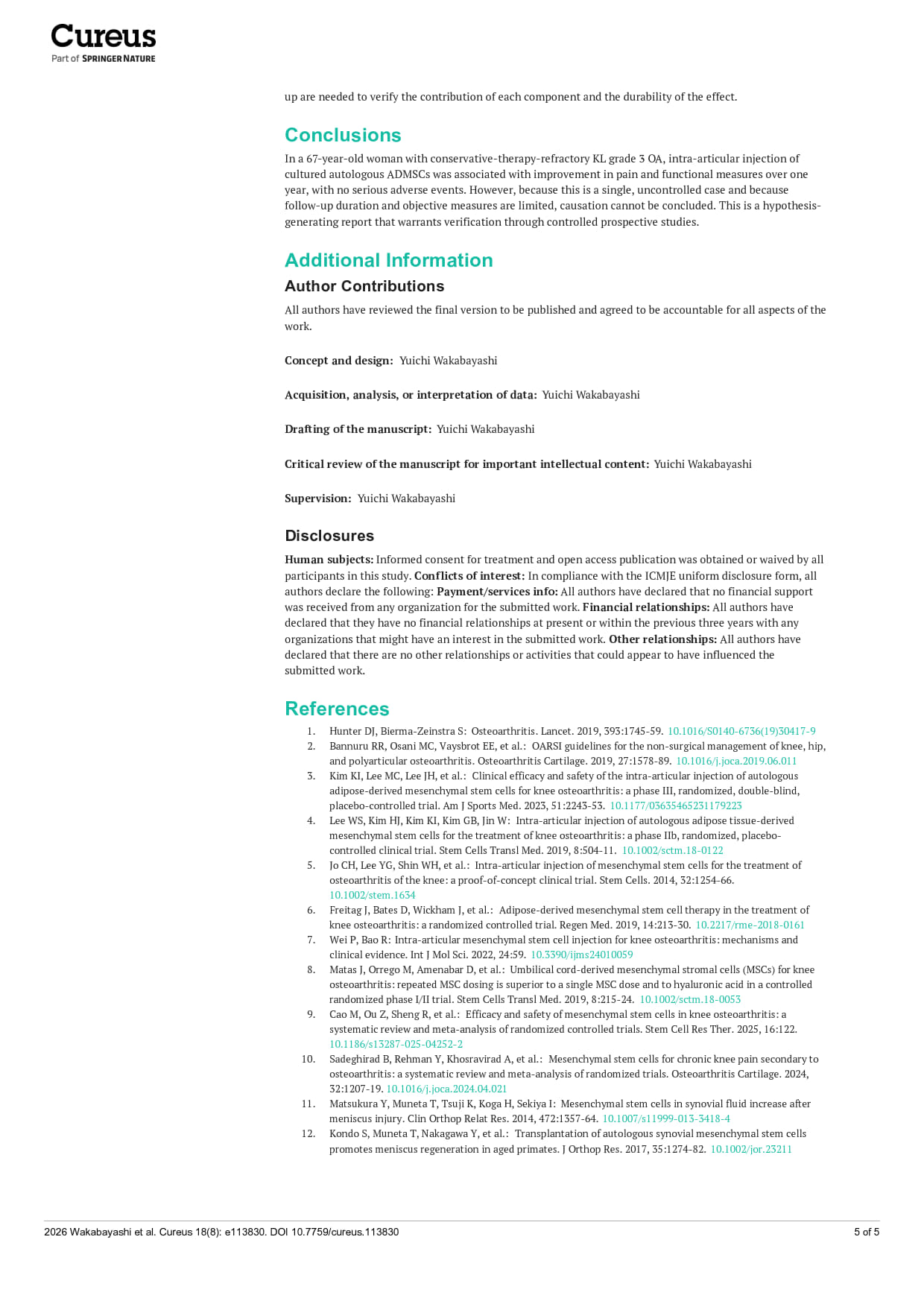 Page 5
Author: Yuichi Wakabayashi
Affiliation: Regenerative Medicine, Cell Grand Clinic, Osaka, Japan
Journal: Cureus
Year: 2026
Volume/Issue: 18(8)
Article: e113830
DOI: 10.7759/cureus.113830
Frequently Asked Questions About Stem Cell Therapy for Erectile Dysfunction in Japan
What is stem cell therapy for erectile dysfunction in Japan?
Stem cell therapy for erectile dysfunction in Japan is a regenerative medicine approach that aims to support damaged blood vessels, erectile tissue, and nerve pathways associated with ED. At Cell Grand Clinic, the treatment discussed includes stem cell therapy and stem cell-derived secretome approaches. Suitability depends on each patient's medical history and should be evaluated by a qualified healthcare professional.
How does stem cell therapy help erectile dysfunction?
Stem cell therapy for ED is designed to target factors involved in erectile function, including blood circulation, cavernous tissue condition, and nerve signaling. The page explains that regenerative approaches may focus on supporting vascular repair, tissue regeneration, and nerve-related mechanisms. Individual outcomes vary depending on the cause and severity of erectile dysfunction.
Who may be a candidate for ED stem cell therapy at Cell Grand Clinic?
Potential candidates may include patients whose erectile dysfunction is related to factors such as vascular issues, diabetes-related nerve damage, or previous prostate surgery. A medical consultation is required to determine whether regenerative treatment is appropriate based on health history, current medications, and the specific cause of ED.
How much does stem cell therapy for erectile dysfunction cost in Japan?
The cost of stem cell therapy for erectile dysfunction in Japan depends on the treatment plan, procedure type, number of sessions, and services included. The current page does not provide an ED-specific treatment price. Patients should request a personalized quote from Cell Grand Clinic or the medical coordinator for confirmed pricing.
What treatments are discussed for erectile dysfunction at Cell Grand Clinic?
The page discusses stem cell therapy and stem cell-derived secretome therapy as regenerative approaches for ED. It also describes different administration methods, including intravenous treatment and localized injection. The recommended approach depends on each patient's condition and should be determined during medical consultation.
Are there risks associated with stem cell therapy for erectile dysfunction?
Yes. As with any medical procedure, stem cell therapy may involve risks and side effects. The page discusses concerns including injection-related risks and emphasizes that patients should understand potential risks before treatment. A physician should review individual risks, benefits, and alternatives before treatment.
How long do international patients need to stay in Japan for ED treatment?
The page does not provide a specific stay duration. The required time in Japan may depend on consultation scheduling, examinations, treatment type, and follow-up requirements. International patients should confirm the expected timeline directly with Cell Grand Clinic before arranging travel.
How can international patients arrange stem cell therapy for ED in Japan?
International patients can begin by requesting a medical consultation and sharing their health information for evaluation. The page provides a free quote request option through PlacidWay. Treatment decisions should be made after consultation with qualified medical professionals.
Ready to Permanently Restore Your Sexual Vitality?
Stop relying on temporary pills and experience the cutting-edge power of Stem Cell Therapy in Japan. PlacidWay Medical Tourism connects you directly with top-tier, certified clinics in Japan specializing in advanced stem cell therapy for erectile dysfunction. Reclaim your confidence, repair your health, and transform your life today.
GET A FREE CLINICAL CONSULTATIONView Full Video Transcript
[00:00:00] The effects of regenerative medicine are aimed at improving conditions at the root level. There is something called an erection score, and we have seen significant improvement in it. Many people develop ED due to the effects of diabetes. Hello everyone, this is Dr. Wakabayashi, also known as “Dr. Wakaba.” Thank you for joining me again today. Today’s video is about a concern that many middle-aged and older men face, and I hope many of you will watch it. The theme today is...
[00:00:23] Erectile Dysfunction (ED). ED is considered one of the biggest concerns in the daily lives of middle-aged men.
[00:00:28] For example, difficulty getting an erection, erections that are too soft, or losing firmness during intercourse.
[00:00:32] If you experience any of these symptoms, I recommend watching today’s video.
[00:00:37] Some people say that if men take medications like Viagra, they can get and maintain an erection, so that should be enough. What do you think about that?
[00:00:47] Using medication to control ED is the basic treatment approach.
[00:00:51] However, some people do not want to take medication because of side effects, some find that the medication stops working, and others have causes of ED beyond the penis itself.
[00:00:59] Today, I would like to talk about how regenerative medicine can help improve ED in these three types of patients.
[00:01:03] First, could you briefly explain what ED is?
[00:01:13] The penis is made of cavernous tissue, which functions like a sponge.
[00:01:18] Blood gathers in this sponge-like tissue, causing the penis to become firm.
[00:01:31] ED occurs when blood flow does not gather properly, when the cavernous tissue is damaged, or when the nerves in the tissue are damaged.
[00:01:36] Many people think ED medications simply improve blood flow. Is that correct?
[00:01:43] Yes, that is correct. However, the problem is that ED is not always just about blood flow. Some people have issues with the cavernous tissue itself, and others have nerve damage.
[00:01:59] In middle-aged men, nerve-related ED is often caused by diabetes.
[00:02:12] When ED medication does not work, it may be because nerves or tissues are damaged. Regenerative medicine focuses on repairing those underlying causes.
[00:02:32] Why does regenerative medicine work for ED and help improve it at the root level?
[00:02:37] There are two types of regenerative treatments we use.
[00:02:45] The first is stem cell therapy, where stem cells taken from abdominal fat are cultured and then administered into the body.
[00:02:49] The second is stem cell-derived secretions that are produced during the culture process.
[00:02:55] These two treatments have similar effects.
[00:02:59] They act on three key factors: blood flow, cavernous tissue, and nerves.
[00:03:10] For example, growth factors such as VEGF improve blood flow by stimulating the formation of new blood vessels.
[00:03:21] Second, they help regenerate cavernous tissue and improve its flexibility.
[00:03:30] Third, they support nerve regeneration.
[00:03:35] Nerves produce nitric oxide, which sends signals for erection. When nerves are damaged due to diabetes or prostate surgery, nerve growth factors can help repair them.
[00:03:58] From a medical data perspective, stem cell therapy has shown improvements in erection scores, even in patients after prostate surgery.
[00:04:13] Diabetic patients have also shown improved erectile function after receiving stem cell therapy.
[00:04:22] The effect of regenerative medicine is aimed at treating the root cause.
[00:04:34] How does this differ from medication?
[00:04:38] Medication works quickly and is very effective in the short term.
[00:04:51] However, when there is an underlying cause, the effect can be limited, and long-term use may bring side effects.
[00:05:08] Stem cell therapy aims to repair the “hole in the bucket,” addressing the root problem.
[00:05:13] It may be particularly suitable for people with diabetes or other underlying diseases.
[00:05:18] For milder symptoms, secretome therapy may be a good first option.
[00:05:25] How is the treatment actually performed?
[00:05:29] It can be administered either through an intravenous drip or by local injection into the penis.
[00:05:35] IV treatment is more suitable if the condition affects the whole body.
[00:05:51] Local injection directly targets the affected area.
[00:05:59] The needle used is very thin, and many patients say the pain is less than they expected.
[00:06:04] Of course, experiences vary by individual, but most people find it manageable.
[00:06:12] What about safety?
[00:06:17] The risk is considered very low based on international data.
[00:06:32] There is a small risk when injecting near blood vessels, but this largely depends on the skill of the doctor.
[00:06:39] Severe swelling or inflammation after injection is rare.
[00:06:47] Some people worry about using donor-derived materials.
[00:06:57] However, secretome treatments do not contain living cells, so the risk of blockage or allergic reactions is extremely low.
[00:07:15] Of course, any medical treatment carries some risk, so patients should understand that.
[00:07:28] In our clinic, many patients have seen significant improvements in their erectile function scores.
[00:07:39] Many report stronger erections and less loss of firmness.
[00:07:46] Some patients see results after one treatment, but repeated treatments can enhance the effects.
[00:07:54] To summarize today’s discussion, we talked about regenerative treatments for ED as an alternative to medication.
[00:08:03] Stem cell therapy and secretome therapy work on blood flow, cavernous tissue, and nerves.
[00:08:15] Stem cell therapy may be suitable for people with underlying conditions such as diabetes or after prostate surgery.
[00:08:30] Secretome therapy can also provide similar benefits and may be suitable for milder cases.
[00:08:46] If you are struggling with ED, cannot take medication, or medications are no longer effective, you may want to consider regenerative medicine.
[00:08:50] If you found this video helpful, please like and subscribe to the channel.
[00:08:54] Thank you very much for watching today.
[00:09:01] One final note: a healthcare professional mentioned that they personally receive stem cell IV therapy once or twice a month.
[00:09:24] They noticed stronger morning erections after treatment.
[00:09:29] Morning erections are often considered a sign of good male health.
[00:09:45] However, please note that this is just a personal experience.







.png)
.png)
.png)
.png)













Share this listing