
Optimizing Stem Cell Therapy with Lifestyle Support in Tokyo Japan by Helene Clinic
Patients considering regenerative medicine often focus on the stem cell procedure itself, but broader health factors such as nutrition, sleep, physical activity, stress, and existing medical conditions may also be part of treatment planning. At Helene Clinic in Tokyo, Japan, lifestyle support may be discussed alongside regenerative medicine to help patients prepare for treatment and maintain healthier habits during recovery.
This approach does not mean that lifestyle changes can guarantee better stem cell survival or treatment results. Instead, nutrition, exercise, sleep, stress management, and appropriate medical follow-up may support overall health while the patient undergoes regenerative treatment.
Video Chapters & Quick Navigation
Regenerative Medicine and Stem Cell Therapy in Japan
Japan has developed a formal regulatory framework for regenerative medicine. The Act on the Safety of Regenerative Medicine provides requirements related to treatment review, cell processing, clinical oversight, and patient safety.
International patients researching stem cell therapy in Tokyo should still verify the regulatory status of the specific treatment being offered. A therapy being provided under Japan’s regenerative medicine framework does not automatically mean that it has been proven to cure or reverse a particular disease.
Why Lifestyle Support May Be Discussed With Stem Cell Therapy
The original page describes a move away from viewing cellular therapy as a completely isolated procedure. Instead, clinics may also review factors that influence general health, including nutrition, sleep, physical activity, stress, metabolic health, and chronic medical conditions.
These areas can be important for overall recovery and health. However, they should not be described as guaranteeing superior stem cell engraftment, proliferation, or clinical outcomes.
How Helene Clinic Approaches Stem Cell Therapy With Lifestyle Support
Helene Clinic is located in Tokyo and provides regenerative medicine consultations that may include assessment of both medical and lifestyle factors.
Rather than applying the same plan to every patient, the clinic may review medical history, current diagnoses, laboratory findings, previous treatment, medications, health goals, nutrition, sleep patterns, and physical activity before discussing a regenerative treatment plan.
Medical Assessment Before Stem Cell Treatment
Before cell collection or administration, patients may undergo laboratory testing and medical evaluation. The original page describes testing that can include inflammatory markers, hormone-related measurements, immune-related findings, and other health indicators.
These results can help physicians identify health issues that may require attention before treatment and determine whether a proposed regenerative procedure is appropriate.
Why Overall Health Matters During Regenerative Treatment
The original page uses the term “cellular microenvironment” to describe the biological conditions surrounding cells and tissues.
Stem cells interact with immune signals, blood flow, inflammatory processes, and other biological factors within the body. This is one reason physicians may consider overall health when assessing a patient for regenerative treatment.
Poor nutrition, limited physical activity, uncontrolled metabolic disease, smoking, excessive alcohol use, and poor sleep can negatively affect general health. Improving these areas may support overall recovery, even though the direct effect on administered stem cells may not be fully established.
| Treatment Element | Procedure-Focused Care | Integrated Lifestyle Support |
|---|---|---|
| Stem Cell Procedure | Focuses mainly on collection, processing, and administration. | Combines medical treatment with broader health planning. |
| Nutrition | May involve only general dietary guidance. | May include individualized nutritional recommendations. |
| Movement | Focuses on activity restrictions after treatment. | May include rehabilitation, mobility work, or appropriate exercise planning. |
| Sleep and Stress | May receive limited attention. | May be discussed as part of general recovery and wellness. |
Nutrition Before and After Stem Cell Therapy in Tokyo
Nutrition can support general health before and after medical treatment. Adequate calories, protein, healthy fats, vitamins, minerals, and hydration may help patients maintain strength and support recovery.
The original page describes dietary guidance that focuses on reducing heavily processed foods while emphasizing nutrient-dense choices.
Nutrients Commonly Included in Lifestyle Planning
- Omega-3 Fatty Acids: Found in foods such as fish and some plant-based sources and commonly discussed in relation to cardiovascular and inflammatory health.
- Fruits and Vegetables: Provide fiber, vitamins, minerals, and naturally occurring plant compounds.
- Protein: Supplies amino acids needed for muscle and tissue maintenance.
- Hydration: Supports normal physiological function and general recovery.
Diet should be individualized according to the patient’s medical condition. People with diabetes, kidney disease, cardiovascular disease, food allergies, or other conditions may require specific nutritional recommendations.
IV Nutrient Therapy
The original page also discusses intravenous therapies such as vitamin C, glutathione, and NAD+.
These treatments should be evaluated separately from stem cell therapy. They should not automatically be assumed to improve stem cell survival, engraftment, or treatment effectiveness.
Patients should ask why an IV treatment is being recommended, what evidence supports it, what dose will be used, and whether it may interact with existing medications or health conditions.
How Stress and Sleep Can Affect Recovery
Stress and inadequate sleep can affect energy, mood, cardiovascular health, immune function, concentration, and general recovery from medical procedures.
Some lifestyle programs therefore include practices such as meditation, breathing exercises, relaxation techniques, or biofeedback.
These strategies can support emotional well-being, but they should not be presented as guarantees that stem cells will proliferate or repair tissue more effectively.
Sleep During Medical Travel to Japan
International patients may also experience jet lag when traveling to Tokyo. Changes in time zone can affect sleep, appetite, energy, and daily routines.
General sleep-hygiene strategies may include maintaining consistent sleep times, reducing late-night screen exposure, creating a comfortable sleep environment, and gradually adapting to the local time zone.
Supplements such as magnesium should only be used when appropriate and after discussion with the medical team.
Exercise and Physical Conditioning Around Stem Cell Therapy
Appropriate physical activity can support cardiovascular fitness, muscle strength, mobility, balance, and circulation.
The type of exercise recommended should depend on the patient's diagnosis and treatment. A person receiving treatment for joint degeneration may require a different activity plan than someone receiving intravenous cellular therapy.
The original page emphasizes gentler forms of activity such as physical therapy, mobility exercises, and yoga during early recovery rather than intensive exercise.
Patients should follow their physician’s instructions regarding exercise restrictions and return to normal activity.
Hyperbaric Oxygen Therapy and Stem Cell Treatment
Hyperbaric oxygen therapy, or HBOT, involves breathing oxygen in a pressurized chamber. It is an established medical treatment for certain conditions.
The original page discusses HBOT as a possible supportive therapy around regenerative treatment. However, its role in improving the clinical outcome of stem cell therapy should be evaluated separately.
Patients should ask whether HBOT is medically indicated for their condition, what evidence supports combining it with stem cell treatment, and what risks or contraindications may apply.
Planning Medical Travel to Tokyo for Stem Cell Therapy
Traveling to Japan for regenerative treatment requires both medical and logistical planning. International patients should confirm appointment dates, medical-record requirements, treatment duration, accommodation, local transportation, and follow-up arrangements.
Interpretation services may also be important during consultations. Patients should confirm whether professional medical interpretation is available in their preferred language.
Transportation from Narita or Haneda airport and accommodation may need to be planned carefully, especially for patients with mobility limitations or post-treatment activity restrictions.
Understanding the Cost of an Integrated Treatment Plan
Stem cell therapy in Japan can involve a significant financial commitment. Total cost may depend on diagnostic testing, cell collection, laboratory processing, cell expansion, administration, treatment sessions, supportive services, accommodation, and travel.
Patients should request a detailed written quotation and ask which services are medically necessary and which are optional.
Higher cell numbers, higher package prices, or additional wellness services should not automatically be interpreted as proof of better clinical outcomes.
Maintaining Lifestyle Changes After Stem Cell Therapy
Healthy lifestyle habits remain important regardless of whether a patient undergoes regenerative medicine.
After returning home, patients may continue recommendations related to nutrition, activity, sleep, stress management, and medical follow-up.
These habits may help support general health, but patients should not expect them to guarantee that stem cell treatment will remain effective for a specific period or reverse the aging process.
Questions to Ask About Lifestyle Support With Stem Cell Therapy
- Which lifestyle changes are medically necessary? Ask which recommendations are specific to your diagnosis and which are general wellness advice.
- What evidence supports each recommendation? Ask whether the intervention supports general health or has evidence of changing stem cell treatment outcomes.
- Do I need supplements? Ask whether laboratory testing shows a deficiency before adding supplements.
- How should I exercise? Confirm activity restrictions before and after treatment.
- Is IV nutrient therapy necessary? Ask about evidence, cost, risks, and whether it is optional.
- Is HBOT appropriate? Ask whether there is a medical indication for combining hyperbaric oxygen therapy with your treatment plan.
- What should continue after I return home? Request a clear long-term lifestyle and medical follow-up plan.
Making an Informed Decision About Stem Cell Therapy and Lifestyle Support
Combining regenerative medicine with attention to nutrition, physical activity, sleep, stress, and general health can create a more comprehensive patient experience.
Patients should still separate evidence-based health recommendations from claims suggesting that lifestyle optimization can guarantee superior stem cell survival, reverse biological aging, regenerate damaged tissue, or permanently improve treatment outcomes.
A responsible treatment plan should clearly explain what the stem cell therapy is intended to address, which supportive services are recommended, what evidence supports those recommendations, what risks are involved, and how progress will be monitored.
Explore Stem Cell Therapy With Lifestyle Support in Tokyo
If you are considering stem cell therapy at Helene Clinic, review your diagnosis, medical history, current treatment, lifestyle factors, and recovery goals with qualified medical professionals before deciding whether a regenerative treatment plan may be appropriate.
REQUEST TREATMENT INFORMATION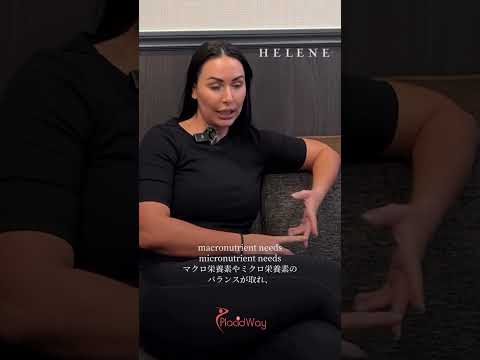






















Share this listing