


The Complete Guide to Japan Stem Cell Treatment to Regrow Your Cartilage
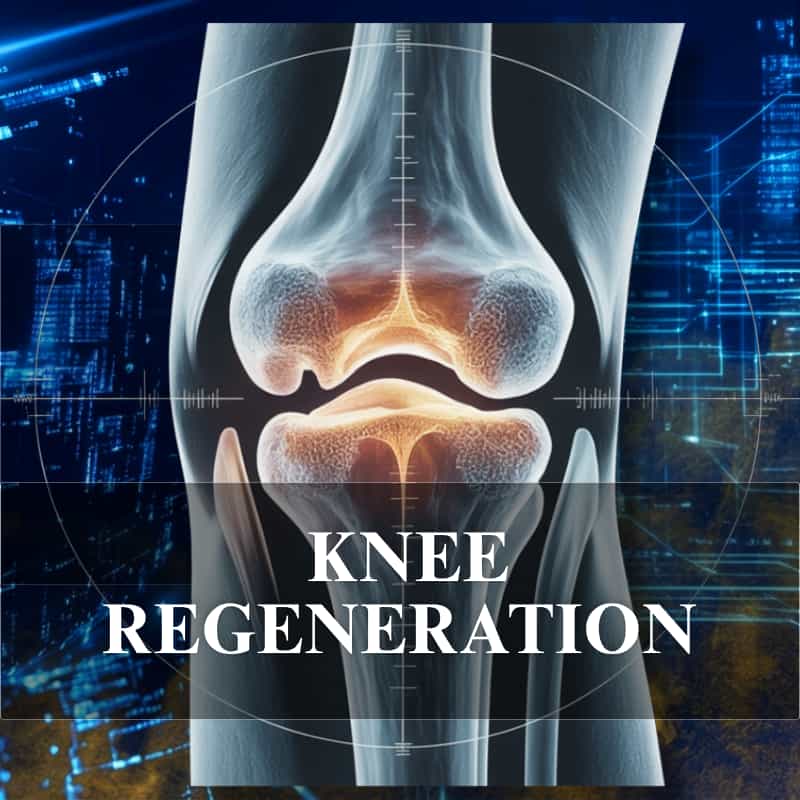
For millions of people suffering from chronic joint pain and osteoarthritis, the traditional medical advice has always been bleak: manage the pain with medication until you inevitably need highly invasive joint replacement surgery. But what if your body could simply heal itself? Groundbreaking advancements in regenerative medicine have turned this medical fantasy into a scientifically backed reality. This Japan stem cell treatment could regrow your cartilage and entirely change the trajectory of your orthopedic health.
By leveraging highly advanced cellular therapies, specialized clinics in Japan are offering patients an alternative to total knee replacement surgery. Japanese medical researchers have pioneered protocols that utilize your own body's building blocks to repair damaged tissue, reduce chronic inflammation, and actively stimulate the regrowth of articular cartilage. Watch to explore how this revolutionary non-surgical approach is restoring mobility and hope for patients around the globe.
Video Chapters & Quick Navigation
The human body is an incredibly resilient machine, but it has distinct limitations. One of the most frustrating biological realities is that cartilage—the smooth, rubbery tissue that cushions your joints—lacks a direct blood supply. This means that once cartilage is damaged by age, sports injuries, or degenerative conditions, it cannot simply heal itself like a cut on your skin.
The Global Burden of Cartilage Loss and Joint Pain
As highlighted in the video at , millions of adults suffer from osteoarthritis, a condition where the protective cartilage at the ends of bones wears down over time. Without this crucial cushioning, bone rubs directly against bone. This terrifying biological friction leads to severe inflammation, bone spurs, and debilitating chronic pain that can rob you of your independence.
For decades, orthopedics offered only temporary band-aids. Corticosteroid injections might mask the pain for a few months, and hyaluronic acid can provide temporary lubrication. However, neither of these common treatments addresses the root cause: the physical absence of healthy cartilage. Eventually, patients are pushed toward total joint replacement, a highly invasive surgery requiring months of painful physical therapy and carrying significant risks of infection and blood clots.
This is where high volume long tail keywords like "non-surgical alternative to knee replacement" and "stem cell treatment for knee osteoarthritis" have dominated medical searches. Patients are desperate for a solution that repairs the body rather than replacing it with metal and plastic hardware.
Why Japan is the Undisputed Leader in Regenerative Medicine
You might wonder why this breakthrough is so heavily associated with Japan. The answer lies in a unique combination of Nobel Prize-winning scientific heritage and progressive, highly regulated medical legislation. As discussed at , Japan made a strategic national decision to prioritize regenerative medicine.
The Act on the Safety of Regenerative Medicine
In 2014, the Japanese government implemented the Act on the Safety of Regenerative Medicine (ASRM). This groundbreaking legal framework created a fast-track approval system specifically designed for cellular therapies. Unlike the FDA in the United States, which often requires decades of red tape for biological treatments, Japan’s PMDA (Pharmaceuticals and Medical Devices Agency) allows conditional approval for stem cell therapies that prove safe and show early signs of efficacy.
This does not mean the treatments are experimental or unsafe. On the contrary, Japanese clinics operate under some of the strictest laboratory and culturing standards in the world. Clinics must be certified by the Ministry of Health, Labour and Welfare to legally cultivate and administer stem cells. This provides international patients with immense peace of mind when seeking stem cell treatment for joint pain in Tokyo or Osaka.
A Legacy of Cellular Innovation
Furthermore, Japan is the birthplace of the iPS cell (induced pluripotent stem cell). Dr. Shinya Yamanaka’s Nobel Prize-winning discovery in 2012 revolutionized how scientists understand cellular programming. This deep-rooted national expertise in cell manipulation has trickled down to specialized orthopedic clinics that have perfected the art of cartilage regeneration.
The Science: How Stem Cells Actually Regrow Your Cartilage
To understand the miracle of this treatment, we have to look at cellular biology. Stem cells are the body's "master cells." They possess the unique ability to differentiate—or transform—into various specialized cell types depending on the environment they are placed in. As the video explains around , when these highly concentrated cells are injected into a damaged knee, hip, or shoulder, a multi-phased healing process begins.
Phase 1: Deep Anti-Inflammatory Action
Upon injection, the stem cells immediately get to work by releasing powerful anti-inflammatory proteins called cytokines. Chronic inflammation is the enemy of healing; it actively destroys healthy tissue. By shutting down the localized inflammation in the joint capsule, the stem cells create a healthy, stable biological environment where new tissue can actually survive.
Phase 2: Cellular Communication and Exosomes
Stem cells act as cellular managers. They secrete exosomes, which are tiny vesicles filled with growth factors. These exosomes send signals to your body's existing, dormant cells, essentially waking them up and instructing them to begin the repair process. This signaling mechanism drastically amplifies your body’s natural healing capabilities.
Phase 3: Differentiation into Chondrocytes
The most critical phase occurs when the stem cells recognize the damaged environment and begin to differentiate into chondrocytes. Chondrocytes are the specific metabolic cells responsible for producing and maintaining the cartilaginous matrix. Over the course of several months, these newly formed cells slowly build fresh, smooth cartilage over the damaged bone, completely restoring the joint's natural gliding motion.
Types of Stem Cells Used in Japanese Orthopedic Clinics
Not all stem cell treatments are created equal. The success of cartilage regeneration heavily depends on the source and quality of the biological material used. Top-rated regenerative medicine clinics in Japan predominantly utilize Mesenchymal Stem Cells (MSCs), which are specifically primed for orthopedic repair.
- Adipose-Derived Stem Cells (ADSCs): Extracted from the patient’s own fat tissue through a very minor mini-liposuction procedure. Fat tissue is incredibly rich in MSCs. Because they come from your own body (autologous), there is zero risk of rejection or allergic reaction.
- Bone Marrow-Derived Stem Cells (BMSCs): Extracted from the bone marrow, usually from the pelvic bone. While highly effective for bone and cartilage repair, the extraction process is slightly more invasive than harvesting from fat.
- Cultured vs. Uncultured: This is where Japan truly shines. In many Western countries, doctors are legally prohibited from expanding or multiplying stem cells in a lab. In Japan, doctors can harvest a small number of your cells, culture them in a highly regulated laboratory for a few weeks, and multiply them into the tens of millions. Injecting 50 million healthy, potent stem cells yields vastly superior cartilage regrowth compared to injecting uncultured cells.
The Patient Journey: What to Expect During Your Treatment
Traveling halfway across the world for a medical procedure can feel daunting. However, Japanese clinics that cater to international medical tourists have perfected a seamless, concierge-level patient experience. The video outlines this process perfectly near .
Step 1: The Initial Consultation and Diagnostics
Before any procedure begins, patients undergo high-resolution MRI scans and detailed blood work. Japanese orthopedic specialists use these diagnostics to precisely map the areas of cartilage degradation. This ensures that the treatment is only recommended for patients who are genuine candidates for successful regeneration.
Step 2: The Harvest Procedure
If utilizing adipose-derived cells, a specialized surgeon performs a minimally invasive extraction, typically taking a small amount of fat from the abdomen or thigh under local anesthesia. The procedure takes less than an hour, and patients can walk out of the clinic the very same day.
Step 3: Cell Culturing (The Waiting Period)
The extracted tissue is sent to a sterile, government-certified Cell Processing Center (CPC). Over the next three to four weeks, laboratory technicians meticulously isolate the most robust stem cells and cultivate them in specialized incubators. This wait time is a perfect opportunity for patients to return home or enjoy an extended cultural vacation in Japan.
Step 4: The Injection
Once the cells have been multiplied into the millions, the patient returns to the clinic. Using advanced ultrasound guidance, the specialist precisely injects the highly concentrated stem cell serum directly into the damaged joint capsule. The injection itself takes only minutes.
Comparing Traditional Surgery to Advanced Regenerative Repair
To truly grasp the value of stem cell treatment for knee joints in Japan, one must compare it to the standard of care offered in most Western hospitals. The differences in downtime, risk, and long-term joint functionality are staggering.
| Feature | Total Joint Replacement | Japan Stem Cell Treatment |
|---|---|---|
| Invasiveness | Highly invasive; bone amputation required. | Minimally invasive; localized injection only. |
| Anesthesia | General anesthesia. | Local anesthesia. |
| Recovery Time | 3 to 6 months of intense physical therapy. | Immediate mobility; full tissue healing in 3-6 months. |
| Joint Preservation | Removes natural tissue entirely. | Preserves and regrows natural tissue. |
| Hospital Stay | 1 to 3 days inpatient. | Outpatient; return to hotel same day. |
The Cost Factors: Investing in Your Mobility
A common barrier for patients exploring regenerative medicine is the lack of insurance coverage. Because these advanced cell culturing techniques are categorized as elective or experimental by many Western insurance providers, patients usually pay out of pocket. As discussed at , understanding the cost of stem cell therapy in Japan is vital for proper planning.
While the initial price tag might seem high, ranging typically from $15,000 to $25,000 depending on the number of joints treated and the specific cellular expansion protocol used, the return on investment is profound. When patients calculate the hidden costs of a knee replacement—including insurance deductibles, copays, months of lost wages during recovery, extensive physical therapy bills, and the cost of ongoing pain management—the financial scales often tip in favor of stem cell regeneration.
Furthermore, Japanese medical packages facilitated by agencies like PlacidWay often include comprehensive care. This means the quoted price typically covers the initial consultations, the harvest procedure, the specialized laboratory culturing, the final ultrasound-guided injection, and post-procedure follow-ups. You are paying for a premium, highly regulated medical service executed by leading global experts in cellular biology.
Combining Cutting-Edge Medical Care with Japanese Culture
Medical tourism is not just about the procedure; it is heavily influenced by the recovery environment. Choosing Japan for your orthopedic regenerative treatment offers a recovery experience unlike any other. The serene, deeply respectful culture of Japan provides the perfect stress-free environment required for optimal cellular healing.
Many patients utilize the three-to-four-week cell culturing window to experience the country. You can explore the tranquil bamboo forests of Kyoto, relax in the mineral-rich hot springs (onsen) of Hakone, or enjoy the world-class culinary scene in Tokyo. Importantly, the traditional Japanese diet is naturally anti-inflammatory. Rich in omega-3 fatty acids from fresh fish, antioxidant-loaded green tea, and fermented foods, dining in Japan actually supports your systemic health and prepares your body to receive the new stem cells.
Preparing for Your Stem Cell Trip to Japan
If you are considering this life-changing procedure, proper preparation is key. First, gather all recent medical records, particularly MRI scans from the last six months, as these are crucial for your initial remote consultation. Specialized medical tourism facilitators will take these records and directly connect you with top-tier orthopedic stem cell doctors in Tokyo or Osaka.
Prior to your trip, specialists will advise you to stop taking non-steroidal anti-inflammatory drugs (NSAIDs) like ibuprofen, as these can interfere with the stem cells' natural healing signals. You will also be advised to adopt a clean, nutrient-dense diet to ensure your harvested cells are as robust and healthy as possible before the culturing process begins.
Chronic pain does not have to be your permanent reality. The advanced stem cell treatments available in Japan represent the absolute pinnacle of modern orthopedic science. By choosing to regrow your cartilage through regenerative medicine, you are actively choosing a future of pain-free mobility, independence, and a vastly improved quality of life.
Ready to Regrow Your Cartilage in Japan?
PlacidWay Medical Tourism connects you with Japan's most advanced, government-certified regenerative medicine clinics. Stop living with joint pain and discover if you are a candidate for revolutionary stem cell cartilage repair.
GET A FREE QUOTE TODAY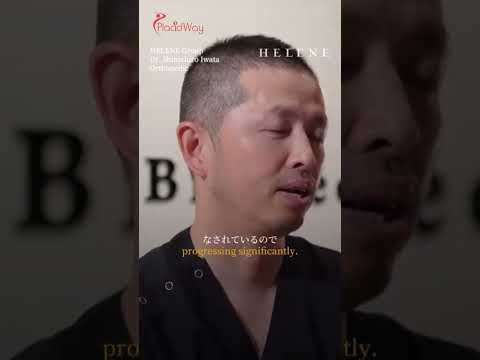
.png)




-(2).png)
.png)
.png)
.png)




-(9).png)








Share this listing