



Knee osteoarthritis is a debilitating condition that severely impacts daily mobility and overall quality of life for millions globally. In recent years, a growing number of patients from Southeast Asia have been proactively seeking alternative orthopedic solutions abroad. Specifically, Thais are turning to Osaka for regenerative orthopedic care due to the city's exceptional medical infrastructure and rigorous safety protocols. The strategic integration of advanced biological therapies provides an innovative, minimally invasive approach to managing chronic joint pain.
By utilizing the body's own biological healing mechanisms, regenerative medicine in Japan aims to address the root causes of cartilage degradation rather than merely masking the symptoms. These advanced protocols involve extracting healthy cells, expanding them in highly regulated laboratories, and reintroducing them into the damaged joint. This method generally helps in modulating internal inflammation and may promote tissue stabilization. Consequently, many international travelers view this approach as a highly viable alternative to immediate surgical intervention.
Japan enacted the Act on the Safety of Regenerative Medicine (ASRM) to ensure that all biological treatments meet the absolute highest standards of scientific and clinical safety globally.
Why Thai Medical Tourists Choose Japanese Orthopedic Care
The healthcare dynamic between Thailand and Japan has evolved significantly, with Japanese clinics becoming premier destinations for highly specialized biological treatments. While Thailand boasts a robust medical tourism industry of its own, Japanese medical facilities are often globally recognized as pioneers in cellular research and engineering. Thai patients who require sophisticated stem cell therapy for knee arthritis in Osaka frequently travel to access proprietary cultivation techniques that are exclusively patented in Japan. The close geographical proximity and favorable travel logistics further solidify Japan as an accessible medical hub.
Furthermore, the cultural emphasis on meticulous patient care and precise clinical execution resonates deeply with international medical tourists seeking trustworthy environments. Japanese clinics consistently invest in state-of-the-art laboratory environments, ensuring that the processing of biological materials is handled with flawless accuracy. Most patients experience a highly structured, transparent, and respectful consultation process that builds profound trust. This combination of groundbreaking science and exemplary clinical hospitality makes Osaka an ideal location for comprehensive joint rehabilitation.
Osaka is widely considered the commercial and medical research capital of Western Japan, housing numerous internationally accredited research institutes dedicated strictly to joint preservation.
How Regenerative Medicine Targets Knee Joint Degeneration
Osteoarthritis is characterized by the progressive wearing away of the articular cartilage that acts as a vital cushion between the knee bones. Traditional conservative treatments, such as corticosteroid injections and physical therapy, focus largely on temporary symptom relief rather than joint environment modification. Conversely, innovative arthritis treatments in Japan are specifically designed to introduce potent anti-inflammatory properties directly into the compromised joint capsule. These biological agents work synergistically to potentially alter the degenerative progression.
When healthy, cultured biological materials are injected into the knee, they typically initiate complex cellular signaling that instructs the body to halt aggressive tissue breakdown. While it cannot magically grow brand-new cartilage in severe bone-on-bone cases, the therapy generally creates a healthier, less hostile environment within the synovial fluid. This biological reset is what ultimately leads to the reduction of debilitating friction and persistent swelling. Patients pursuing medical tourism in Osaka often report that this functional improvement allows them to delay major surgical interventions.
Clinical observations indicate that patients with moderate osteoarthritis (Grades 2-3) generally demonstrate the highest response rates to intra-articular biological therapies.
Cost of Stem Cell Knee Arthritis Treatment in Osaka vs. Thailand
Understanding the financial implications is a crucial step for patients planning international medical travel for complex biological procedures. The cost of stem cell therapy in Osaka reflects the advanced laboratory protocols, stringent regulatory compliance, and elite medical expertise required to execute the procedure safely. While the initial price point may be higher compared to neighboring Asian nations, the meticulous Japanese quality control often provides invaluable peace of mind. Patients must evaluate these costs comprehensively against the potential longevity of the therapeutic results.
When comparing international healthcare expenses, it is essential to look at the specific technology being utilized rather than just baseline consultation fees. In Thailand, standard regenerative therapies are available, but they may utilize different cultivation methods or possess varying regulatory oversight compared to Japanese standards. The table below outlines a generalized cost comparison for patients researching affordable regenerative treatments in Japan. Please note that these are average estimates, and final costs depend entirely on individualized treatment plans.
| Procedure Name | Average Cost in Osaka, Japan | Cost Comparison with Thailand |
|---|---|---|
| Initial Orthopedic Consultation & MRI | $300 - $600 | $150 - $350 |
| Adipose-Derived Cellular Therapy (Single Knee) | $8,000 - $12,000 | $5,000 - $8,000 |
| Advanced Cultured Cellular Therapy (Both Knees) | $15,000 - $22,000 | $9,000 - $14,000 |
| PRP Therapy (Often used adjunctively) | $800 - $1,500 | $400 - $900 |
Leading Technologies in Japanese Regenerative Orthopedics
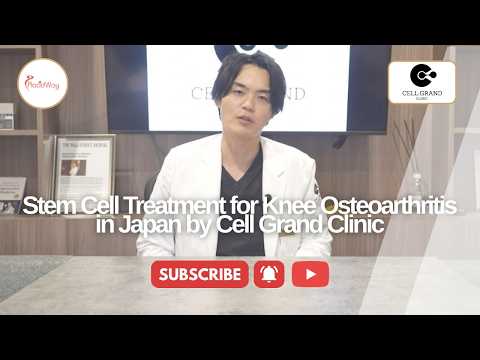
The technological landscape of Japanese medicine is characterized by a relentless pursuit of cellular optimization and patient-specific precision. Clinics across Osaka utilize cutting-edge cell processing centers (CPCs) that adhere strictly to cleanroom standards rivaling those used in pharmaceutical manufacturing. Many international patients seek out an advanced stem cell clinic in Japan like the renowned Cell Grand Clinic in Osaka, Japan to benefit from these meticulous laboratory practices. These facilities ensure that harvested biological materials remain completely uncontaminated and reach maximum viability before reinjection.
Beyond the laboratories, the diagnostic technology utilized prior to treatment ensures that the therapy is targeted accurately. High-resolution MRI imaging and sophisticated biomechanical mapping allow Japanese specialists to evaluate the exact degree of cartilage loss and joint misalignment. This precise mapping ensures the best knee arthritis treatment in Japan is administered directly into the damaged fissures of the joint. By combining elite laboratory cultivation with pinpoint injection accuracy, Japanese specialists maximize the biological potential of the procedure.
Japanese cell processing centers use proprietary enzyme-free cultivation methods, which help maintain the robust natural integrity of biological materials during laboratory expansion.
Patient Eligibility for Stem Cell Therapy in Osaka Japan
Not every individual suffering from joint pain is an ideal candidate for biological regenerative treatments, and comprehensive medical screening is mandatory. Ideal candidates for stem cell clinics in Osaka are typically individuals suffering from mild to moderate osteoarthritis who have not found relief through conventional medications. Patients must generally possess enough residual cartilage to provide a foundation for the regenerative materials to interact with effectively. Those with severe, end-stage bone-on-bone arthritis are often advised that biological therapy may yield extremely limited results.
Furthermore, Japanese medical regulations require a thorough evaluation of the patient's overall systemic health prior to authorizing any procedure. Individuals with active systemic infections, certain autoimmune disorders, or a recent history of specific cancers are strictly contraindicated for these therapies. Age is also a factor, as biological vitality naturally decreases over time, potentially affecting the quality of the harvested materials. Medical teams in Osaka rely on transparent, evidence-based assessments to ensure patients have realistic expectations regarding their eligibility.
Patients with active malignancies, severe blood disorders, or profound joint deformities are generally contraindicated for regenerative cellular therapies. Always undergo a rigorous preliminary MRI evaluation before traveling abroad.
The Step-by-Step Medical Tourism Process for Thai Patients
Embarking on a cross-border medical journey requires systematic planning to ensure a stress-free and clinically successful experience. The process typically begins with a remote tele-consultation where Thai patients submit their local medical records and recent MRI scans to Japanese orthopedic specialists. Once deemed a viable candidate for medical tourism in Japan, the patient schedules their travel, usually requiring a stay of roughly one to two weeks. This duration comfortably accommodates the initial physical examination, the harvesting procedure, and the subsequent laboratory processing phase.
Upon arriving in Osaka, the patient visits the clinic for the minimally invasive extraction of biological materials, generally sourced from localized adipose (fat) tissue. Over the next several days, while the patient enjoys the serene environment of Japan, the laboratory meticulously isolates and expands the beneficial cells. The final step involves a carefully guided intra-articular injection of the newly concentrated materials back into the affected knee joint. Following a brief observation period, the patient is usually cleared to return to Thailand with a structured rehabilitation plan.
Request a translated copy of your medical records and imaging reports before your initial telehealth consultation to expedite the Japanese specialist's preliminary evaluation.
Comparing Traditional Knee Replacement Surgery to Regenerative Methods
For decades, total knee arthroplasty (knee replacement surgery) has been the gold standard for resolving severe, incapacitating joint degeneration. However, it is a highly invasive procedure that involves the permanent removal of natural bone and requires extensive, often painful, physical rehabilitation. In contrast, regenerative medicine in Osaka presents a joint-preserving alternative aimed specifically at patients hoping to avoid metallic and plastic implants. This biological approach utilizes needles rather than scalpels, resulting in drastically reduced immediate downtime.
While surgery physically removes the arthritic problem, biological therapies aim to heal and soothe the existing anatomical structures from within. Knee replacements inherently carry risks associated with general anesthesia, major surgical infections, and the possibility of future implant failure requiring revision. Regenerative therapies carry their own risks, primarily related to injection site discomfort, but typically avoid the severe complications linked to major joint reconstruction. Ultimately, the choice between these methodologies depends entirely on the clinical severity of the patient's arthritis.
- Invasiveness: Surgery requires bone resection; biological therapy utilizes minimally invasive guided injections.
- Recovery Time: Surgery demands months of intense rehab; cellular therapy generally requires minimal initial downtime.
- Materials Used: Surgery relies on artificial prosthetics; regenerative methods utilize your body's own biological cells.
- Ideal Timing: Surgery is best for end-stage degeneration; regenerative medicine is typically optimal for mild to moderate cases.
Success Rates and Realistic Expectations for Joint Regeneration
Managing patient expectations is a cornerstone of ethical medical practice, especially within the rapidly evolving field of biological orthopedics. It is imperative to understand that advanced knee treatments in Japan do not produce immediate, overnight relief, as biological healing is a gradual physiological process. Patients typically begin to notice a tangible reduction in joint stiffness and inflammatory pain between four to twelve weeks post-injection. Clinical literature suggests that the majority of appropriately selected candidates experience sustained improvements for several years.
Success rates are heavily influenced by the patient's adherence to post-treatment physical therapy, dietary habits, and overall lifestyle choices. Weight management plays a critical role, as excessive biomechanical stress on a newly treated joint can severely hinder the regenerative process. Specialists consistently emphasize that while these treatments can significantly enhance quality of life, they cannot completely reverse the aging process. Most patients experience highly satisfactory outcomes when they view the therapy as a powerful tool in a broader joint preservation strategy.
International clinical surveys indicate that up to 75% of patients with moderate knee osteoarthritis report meaningful pain reduction and improved mobility following targeted autologous cellular treatments.
Regulatory Standards Governing Stem Cell Clinics in Japan
The safety of international medical tourists is fiercely protected by Japan's globally renowned, highly stringent healthcare regulatory bodies. Any facility providing certified stem cell therapy in Osaka must undergo rigorous inspections and secure explicit approval from the Ministry of Health, Labour and Welfare (MHLW). These legal frameworks dictate every facet of the process, from the initial harvesting technique to the exact environmental controls within the cell cultivation laboratories. Such uncompromising standards ensure that rogue or scientifically unproven practices are effectively eliminated from the market.
For Thai patients, this regulatory environment provides an unparalleled level of clinical reassurance that is difficult to find elsewhere. Japanese law categorizes biological treatments by risk level, requiring distinct safety committees to constantly review treatment outcomes and ethical compliance. Furthermore, the use of autologous materials—meaning cells derived directly from the patient's own body—drastically minimizes the risk of immunological rejection or disease transmission. This comprehensive dedication to medical safety is a primary driver behind Japan's status as a top-tier regenerative destination.
Under Japanese law, specialized independent review boards must independently audit and approve every single regenerative medicine protocol before a clinic is permitted to offer it to international patients.
Recovery Timeline and Post-Treatment Care for International Patients
The immediate recovery period following a biological joint injection is generally mild, allowing medical tourists to navigate their return journey comfortably. Following the procedure at a premier orthopedic clinic in Osaka, patients are typically advised to rest the joint for 48 to 72 hours. Some localized swelling and minor discomfort at the injection site are considered normal and usually subside quickly with simple rest and ice application. Patients are strongly cautioned against engaging in high-impact activities, such as running or heavy lifting, for several weeks.
Long-term recovery relies heavily on carefully calibrated physiotherapy designed to support the newly altered joint environment without causing undue stress. Japanese specialists usually provide a detailed post-care protocol that can be seamlessly handed over to the patient's local physical therapist in Thailand. Routine follow-up consultations are typically conducted via secure telehealth platforms, allowing doctors to monitor clinical progress remotely. This collaborative approach ensures that the biological materials have the optimal mechanical environment to exert their full therapeutic potential.
While the initial injection takes less than an hour, the biological remodeling phase within the knee joint can continue actively for up to six to nine months post-treatment.
Authentic Patient Experiences from Thai Medical Tourists
Understanding the firsthand experiences of others can profoundly assist prospective patients in making informed decisions regarding cross-border healthcare. The surge of Thais seeking an alternative to knee replacement surgery in Japan is heavily fueled by positive word-of-mouth and documented clinical successes. Patients frequently praise the meticulous attention to detail, the pristine clinic environments, and the compassionate nature of Japanese medical professionals. These personal narratives highlight the tangible impact that restored mobility can have on an individual's independence and happiness.
While every medical outcome is unique, common themes emerge from those who have completed their therapeutic journeys in Osaka. Many express profound relief at having successfully avoided highly invasive surgical interventions and the lengthy rehabilitations associated with them. Below are summarizing accounts reflecting the typical experiences of international travelers who utilized biological orthopedic care. Please remember that these are individualized summaries, and clinical results generally vary based on personal health factors.
A Return to Golfing
A 58-year-old executive from Bangkok struggled with persistent right knee pain that prevented him from playing golf. After opting for biological therapy in Osaka, he reported a significant reduction in joint stiffness within three months. He has now returned to the course with improved mobility and minimal discomfort.
Delaying Major Surgery
Facing a total knee replacement recommendation, a 62-year-old Thai patient researched regenerative options abroad. The Japanese clinic's strict protocols gave her confidence to proceed. Six months post-injection, she happily reported being able to navigate stairs comfortably without relying on daily anti-inflammatory medications.
Overcoming Bilateral Knee Pain
A retired teacher suffering from grade 2 osteoarthritis in both knees traveled to Osaka for simultaneous bilateral treatment. She appreciated the seamless coordination of her medical tourism itinerary. Today, she generally enjoys her morning walks without the agonizing friction that previously limited her life.
Confidence in Japanese Standards
A 55-year-old active runner chose Japan specifically for its rigorous regulatory oversight. He felt the comprehensive pre-treatment MRI analysis was the most thorough he had ever experienced. The targeted therapy allowed him to generally resume light jogging safely under the guidance of his local physiotherapist.
Preparing for Your Medical Journey to Osaka for Joint Care
Thorough preparation is the key to a seamless and stress-free international medical experience. When planning your orthopedic medical trip to Japan, ensure that all necessary health documentation, including high-quality digital copies of recent MRIs, is organized well in advance. Thai citizens should verify their current visa status, as short-term stays for preliminary treatments are often easily accommodated under standard tourism exemptions. However, it is always prudent to consult with your chosen clinic regarding specific medical visa requirements if a longer stay is anticipated.
Additionally, consider the logistical aspects of traveling with compromised knee mobility. Osaka is an incredibly accessible city with excellent public transportation, but organizing a comfortable medical transfer service from the airport to your clinic or hotel is highly advisable. Communicate openly with your clinical coordinator regarding your dietary needs, language translation requirements, and post-procedure mobility constraints. Proper pre-departure planning ensures that you can focus entirely on your biological recovery upon arrival in Japan.
Pack comfortable, loose-fitting clothing that easily accommodates potential knee bandages, and bring sturdy, supportive walking shoes to ensure joint stability during your time in Osaka.
How PlacidWay Assists Your Stem Cell Therapy Medical Tourism Journey in Osaka
Navigating the complexities of international healthcare can be daunting, particularly when seeking highly specialized regenerative treatments abroad. PlacidWay serves as an essential bridge, connecting discerning international patients with fully vetted, world-class medical facilities in Japan. By leveraging an extensive global network, we empower Thai patients to make informed, confident decisions regarding their orthopedic health. Our goal is to streamline the initial discovery process so you can focus entirely on achieving optimal joint recovery.
We understand that transparency, safety, and clear communication are paramount when selecting a foreign medical provider. Our dedicated platform is designed to provide you with the critical resources necessary to evaluate elite Japanese biological clinics effectively. From facilitating initial clinical introductions to providing comprehensive procedural overviews, PlacidWay is committed to guiding you at every step. Let us assist you in transforming your pursuit of joint preservation into a seamless reality.
- Providing direct access to verified, internationally accredited regenerative medicine clinics in Osaka.
- Facilitating initial remote consultations between you and top-tier Japanese orthopedic specialists.
- Assisting in the secure transfer of your medical records and MRI imaging for accurate clinical evaluation.
- Offering transparent overviews of individualized treatment plans and associated clinical procedures.
- Connecting you with multilingual patient coordinators to ensure clear communication throughout your journey.
- Empowering your medical choices through comprehensive resources and authentic patient education.
Frequently Asked Questions
What is stem cell therapy for knee arthritis?
Stem cell therapy is a regenerative treatment that uses the body's own biological materials to potentially reduce inflammation and promote joint healing. It is typically utilized to manage chronic pain and improve mobility in patients with osteoarthritis.
Why do Thai patients travel to Osaka for this procedure?
Osaka is globally recognized for its highly regulated and technologically advanced regenerative medicine sector. Thai patients often seek out these rigorous Japanese medical standards to access cutting-edge orthopedic treatments not widely available at home.
How long does the stem cell treatment process take in Japan?
The entire process generally requires patients to stay in Japan for one to two weeks, depending on the specific protocol. This timeframe covers the initial consultation, cell harvesting, laboratory processing, and the final injection.
Are the results of stem cell knee therapy guaranteed?
No medical procedure can offer guaranteed results, and outcomes vary significantly based on the patient's age and arthritis severity. However, most patients experience a noticeable reduction in pain and improved joint function over several months.
Is stem cell therapy a complete replacement for knee surgery?
Regenerative medicine is generally viewed as an alternative for mild to moderate osteoarthritis, potentially delaying the need for invasive surgery. Severe cases of bone-on-bone joint degeneration may still ultimately require a traditional knee replacement.
What is the typical recovery period after the injection?
Patients are typically advised to rest for a few days immediately following the procedure and avoid strenuous activities for several weeks. Gradual physical therapy is usually incorporated to support joint strengthening as the biological materials take effect.
Do Thai citizens need a special medical visa for Japan?
Thai citizens generally enjoy short-term visa exemptions for brief visits to Japan, which often covers the duration of a standard regenerative therapy trip. For extended medical stays or complex treatments, a specific Japanese Medical Stay Visa may be required.
Is stem cell treatment in Osaka safe?
Japan has implemented some of the strictest regulatory frameworks in the world regarding regenerative medicine, prioritizing patient safety. Procedures utilizing autologous cells naturally carry a lower risk of rejection, though standard injection risks still apply.
Can I receive follow-up care when I return to Thailand?
Yes, many international clinics in Osaka collaborate closely with your local healthcare providers to ensure seamless post-treatment monitoring. Patients generally undergo remote telehealth check-ins and share local MRI scans to track their joint progress.
How much does stem cell therapy for knees cost in Osaka?
The cost typically ranges between $8,000 and $15,000, depending on the complexity of cell cultivation and the specific clinic's technology. While this represents a significant investment, many patients find the stringent Japanese quality standards justify the overall expense.
Ready to Explore Revolutionary Knee Arthritis Treatments in Osaka?
Medical Disclaimer: This article is for informational purposes only and is not medical advice. Always consult a qualified healthcare provider before any medical decisions. Results may vary. Read Full Disclaimer here.
References
- National Center for Biotechnology Information (NCBI). Mesenchymal Stem Cell Therapy for Osteoarthritis. https://pmc.ncbi.nlm.nih.gov/articles/PMC4949411/
- Mayo Clinic. Osteoarthritis Diagnosis and Treatment. https://www.mayoclinic.org/diseases-conditions/osteoarthritis/diagnosis-treatment/drc-20351930
- World Health Organization (WHO). Osteoarthritis Fact Sheet. https://www.who.int/news-room/fact-sheets/detail/osteoarthritis




.png)













Share this listing