
.png)
Stem Cell Therapy for Knee Arthritis in Japan: Advanced Non-Surgical Joint Repair
Japan has emerged as the global leader in regenerative medicine, offering stem cell therapy for knee arthritis in Japan that far exceeds the capabilities available in many Western nations. Thanks to progressive legislation known as the "Act on the Safety of Regenerative Medicine," international patients can access high-dose, culture-expanded stem cell treatments in Tokyo and Osaka. For those suffering from chronic knee pain, osteoarthritis, or cartilage damage, Japan offers a scientifically advanced, non-surgical pathway to restored mobility.
Key Takeaways: Regenerative Care in Japan
Japan represents the gold standard for cell potency. Unlike clinics in the US restricted to "same-day" procedures with low cell counts, Japanese facilities are licensed to culture your cells for weeks, multiplying them into the hundreds of millions for maximum therapeutic effect. This massive dosage difference is the key driver of superior outcomes for international patients seeking knee repair.
Before planning your trip to Tokyo or Osaka, consider these core insights:
- High-Dose Potency: Japanese laws allow Adipose-Derived Stem Cells (ADSCs) to be cultured to 100 million+ cells, compared to ~50,000 in standard US treatments.
- Cost Efficiency: Advanced cultured packages in Japan ($6,500–$15,000) are often 40-50% cheaper than experimental trials in the West.
- Two-Step Protocol: The most effective treatment requires two visits: one for fat harvesting and a second (3-5 weeks later) for the high-dose injection.
- Safety Assurance: All cell processing occurs in Ministry of Health-licensed Cell Processing Centers (CPCs), ensuring 99.9% purity and safety.
Estimated Costs by Country:
- Japan (Cultured 100M+ Cells): $6,500 – $15,000 USD
- USA (Uncultured/Minimal): $5,000 – $10,000 USD
- Mexico (Cultured): $3,000 – $8,000 USD
Why Choose Japan for Knee Stem Cell Therapy?
Japan's regulatory environment is unique globally, prioritizing patient access to advanced regenerative technologies while maintaining rigorous safety standards through government oversight.
The primary reason patients fly to Japan for knee osteoarthritis treatment is the "Act on the Safety of Regenerative Medicine" (ASRM). Enacted in 2014, this law created a legal framework that categorizes regenerative treatments based on risk. Crucially, it allows medical institutions to partner with off-site, high-tech Cell Processing Centers (CPCs).
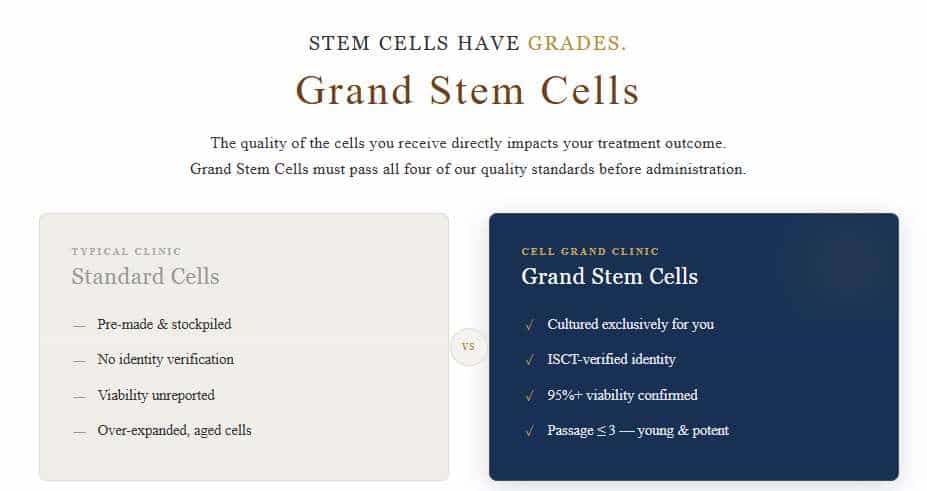
In many other countries, strict "minimal manipulation" laws prohibit doctors from growing stem cells in a lab, forcing them to reinject only what they can harvest in a single sitting (often a low number). In Japan, doctors can legally harvest your fat, send it to a CPC, and expand the stem cell population by 1,000x or more. This results in a therapeutic dose of Mesenchymal Stem Cells (MSCs) capable of delivering a powerful anti-inflammatory signal to damage knee joints.
Expert Insight
"The 'numbers game' is critical in regenerative medicine. A standard bone marrow concentrate procedure in the West might deliver 30,000 to 50,000 stem cells to your knee. In Japan, through culture expansion, we routinely deliver 100 million to 200 million cells. This exponential difference in cell volume allows for a more profound biological response, essential for repairing Grade II and III cartilage defects."
Types of Stem Cell Procedures Available in Japan
From adipose-derived options to advanced supernatant therapies, Japanese clinics offer a spectrum of regenerative treatments tailored to the severity of your joint degeneration.
1. Culture-Expanded Adipose-Derived MSCs (The Gold Standard)
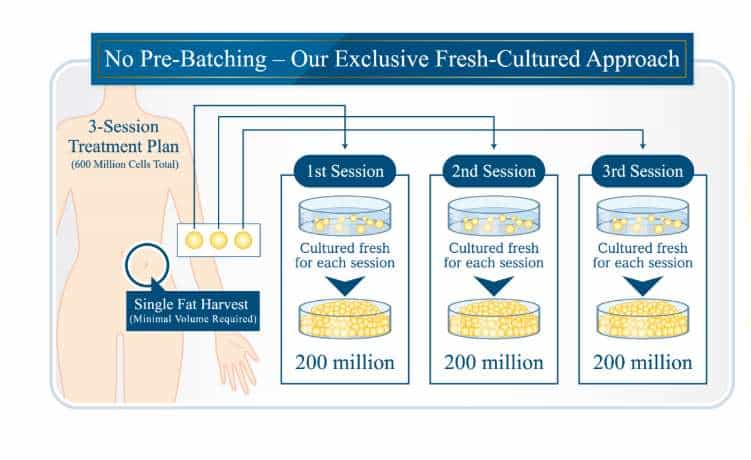
This is the most common and effective procedure for knee arthritis in Japan. Doctors perform a "mini-liposuction" to harvest a small amount of fat (adipose tissue) from the abdomen. Fat is rich in Mesenchymal Stem Cells (MSCs)—up to 500 times more concentrated than bone marrow. These cells are then cultured in a lab for 3-5 weeks to multiply their numbers before being injected into the knee joint.
2. Stem Cell Culture Supernatant (Exosomes)
For patients who cannot wait weeks for cell culturing, Supernatant therapy is a powerful alternative. This fluid contains the growth factors, cytokines, and exosomes secreted by stem cells during the culture process. It is acellular (contains no live cells) but carries the "instruction messages" that trigger repair. It can be administered immediately and is often used to reduce acute inflammation.
3. Synovial MSCs and Bone Marrow
While less common than adipose tissue due to lower cell yields, some specialized university hospitals in Japan offer synovial-derived stem cells (harvested from the knee lining) or bone marrow aspirate. These are typically reserved for specific orthopedic research protocols or patient preference.
Cost of Stem Cell Knee Therapy: Japan vs. Global Prices
While Japan offers premium medical care, the cost of stem cell therapy is surprisingly competitive when compared to the high out-of-pocket costs for inferior treatments in the US or UK.
Pricing for stem cell therapy in Japan varies based on the number of cells (e.g., 100 million vs. 200 million) and the exclusivity of the clinic. However, packages are generally comprehensive.
| Destination | Procedure Type | Est. Cost (USD) | Cell Count |
|---|---|---|---|
| Japan (Tokyo/Osaka) | Culture-Expanded Adipose MSCs | $6,500 – $15,000 | 100M – 200M+ |
| USA | Same-Day Bone Marrow/Fat | $5,000 – $12,000 | < 50,000 (Low) |
| Mexico | Cultured Allogeneic (Donor) | $3,000 – $8,000 | 25M – 100M |
| South Korea | Cultured Adipose MSCs | $4,500 – $8,000 | 50M – 100M |
Did You Know?
Many Japanese clinics offer "Cell Banking" (Cryopreservation) services included in your initial package. Once your fat is harvested and cells are cultured, extra cells can be frozen and stored for years. This means if you need a "booster" injection for your knees (or even for anti-aging) 2 years later, you don't need another liposuction—you simply fly in for the injection at a fraction of the original cost.
Step-by-Step Treatment Journey in Japan
Understanding the logistics is crucial for international patients, as the high-dose protocol typically involves two separate trips to Japan spaced several weeks apart.
Before booking flights, you submit MRI scans and medical history to the clinic. Specialists in Tokyo or Osaka review your case to ensure you are a candidate (typically Grade I-III osteoarthritis).
You arrive in Japan for the initial procedure (2-3 days). Under local anesthesia, a doctor performs a mini-liposuction to collect ~20ml of fat. Blood is drawn for testing. You can fly home the next day.
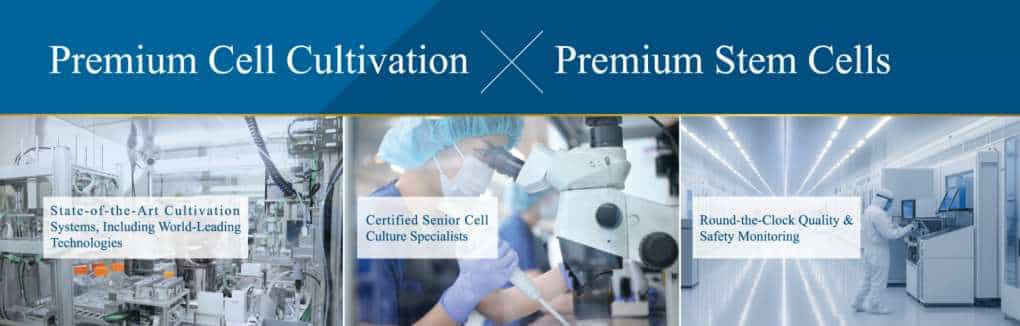
This is the "magic" phase (3-5 weeks). Your fat tissue is sent to a CPC where technicians isolate and nurture stem cells, growing them to hundreds of millions with strict quality checks.
You return to the clinic (2-3 days). High-viability stem cells are injected directly into the knee joint under ultrasound guidance. The procedure takes under an hour with no hospitalization.
Top Medical Hubs: Tokyo & Osaka
Japan’s regenerative medicine landscape is centered around its major metropolises, offering world-class infrastructure and ease of access for global travelers.
Tokyo: The Innovation Capital
As the epicenter of Japan's medical research, Tokyo hosts numerous JCI-accredited clinics specializing in regenerative therapies. Facilities here often collaborate with major universities, ensuring access to the absolute latest protocols. It is the preferred destination for patients seeking luxury medical tourism experiences combined with high-tech care.
Osaka: The Kansai Medical Hub
Osaka is renowned for its practical, patient-centric approach. Clinics here are often more affordable than their Tokyo counterparts while maintaining the same rigorous Ministry of Health standards. Osaka is an excellent choice for patients looking for value without compromising on the quality of their stem cell knee repair.
Success Rates & Candidate Eligibility
While stem cell therapy is revolutionary, it is not a magic wand for everyone. Understanding who benefits most is key to setting realistic expectations.
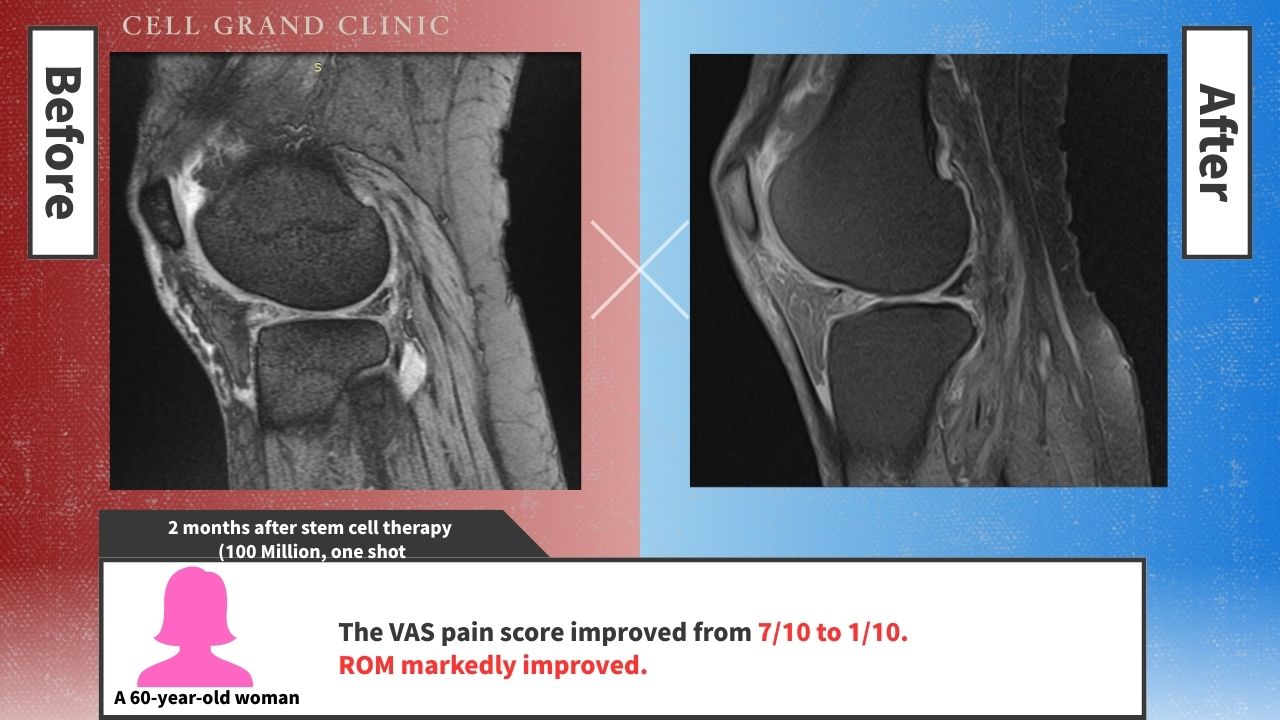
Ideal Candidates: Patients with mild to moderate (Grade II-III) osteoarthritis, meniscus tears, or early cartilage degeneration see the best results. These patients often experience:
- Reduction in pain scores by 70-80%.
- Improved range of motion and walking distance.
- Delay or elimination of the need for knee replacement surgery.
Grade IV (Severe) Cases: For patients with "bone-on-bone" arthritis, stem cells cannot regrow a completely new cartilage surface. However, they can serve as a potent anti-inflammatory, managing pain and improving quality of life for those who are medically unfit for surgery.
Stem Cell Gallery at Cell Grand Clinic

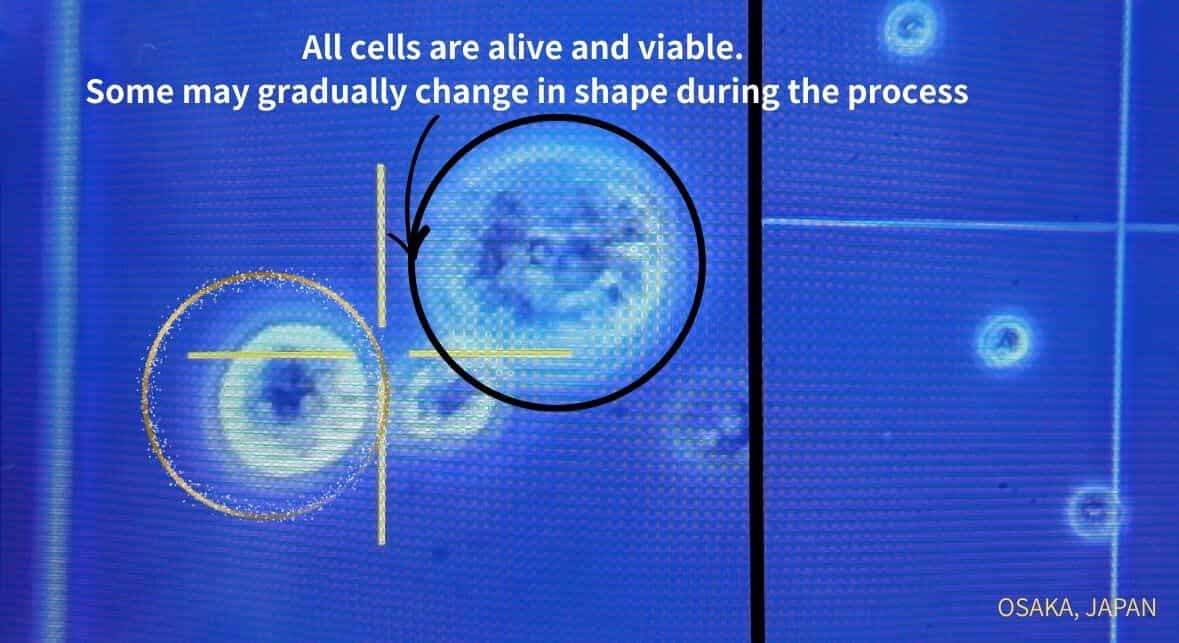
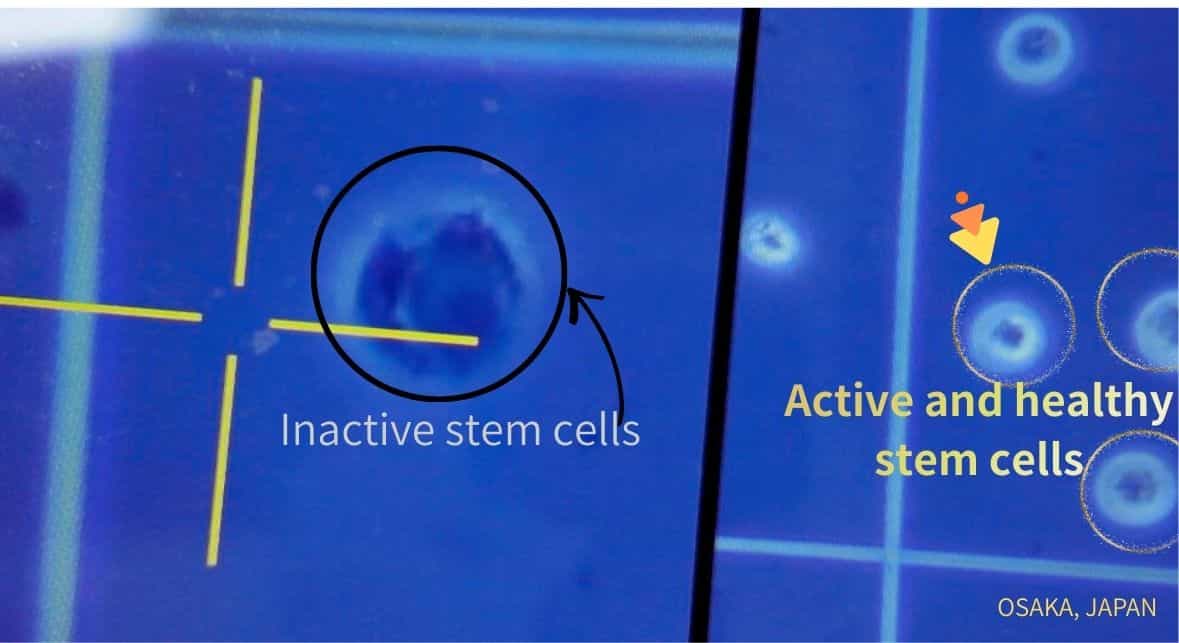
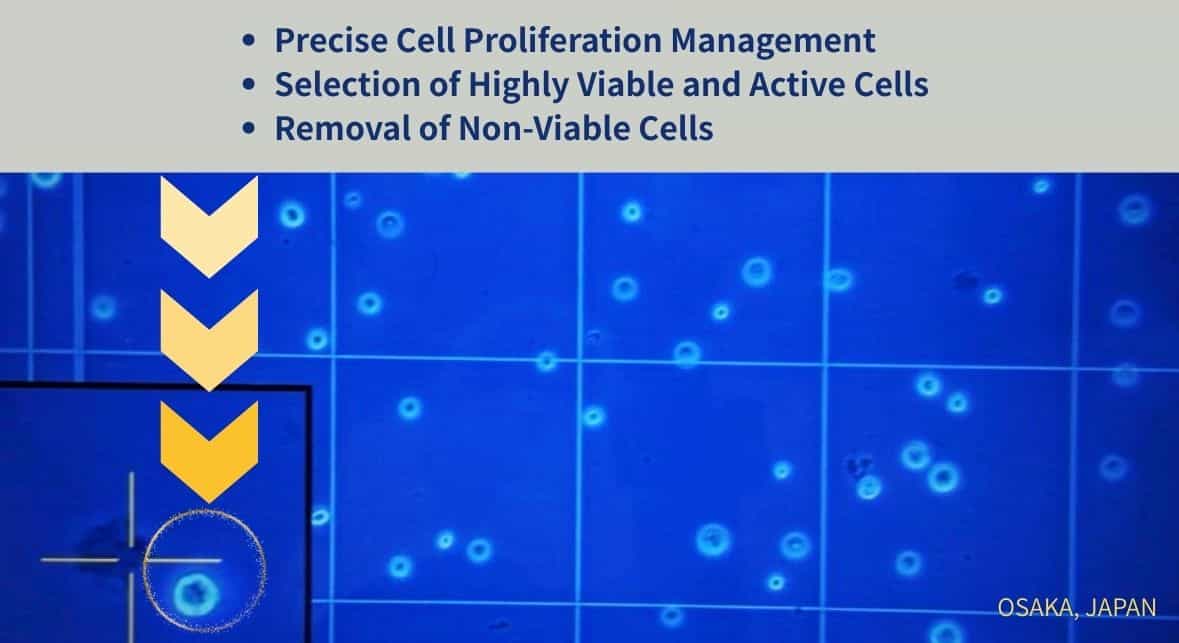
Knee Pain Cases
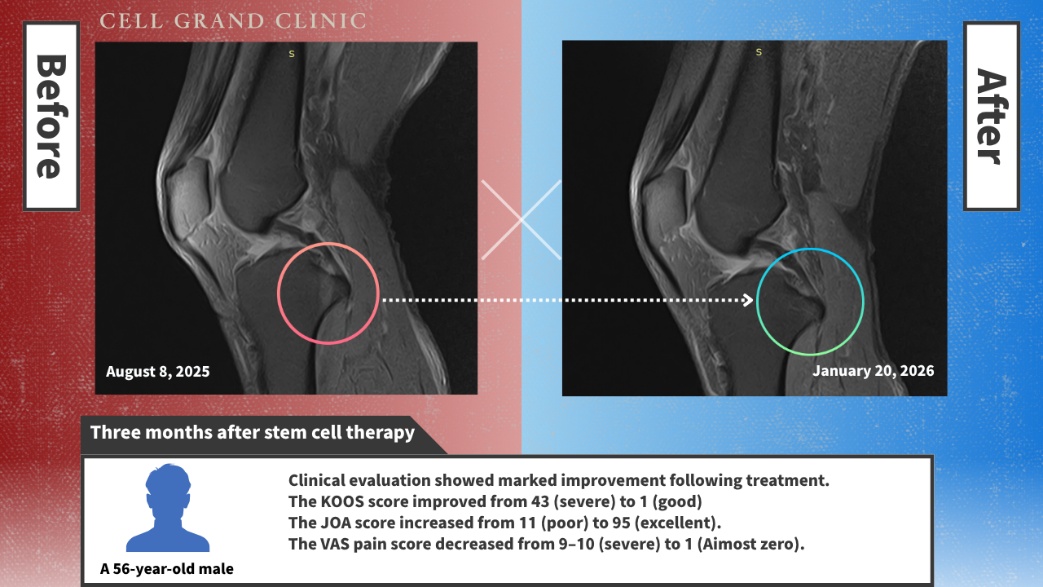
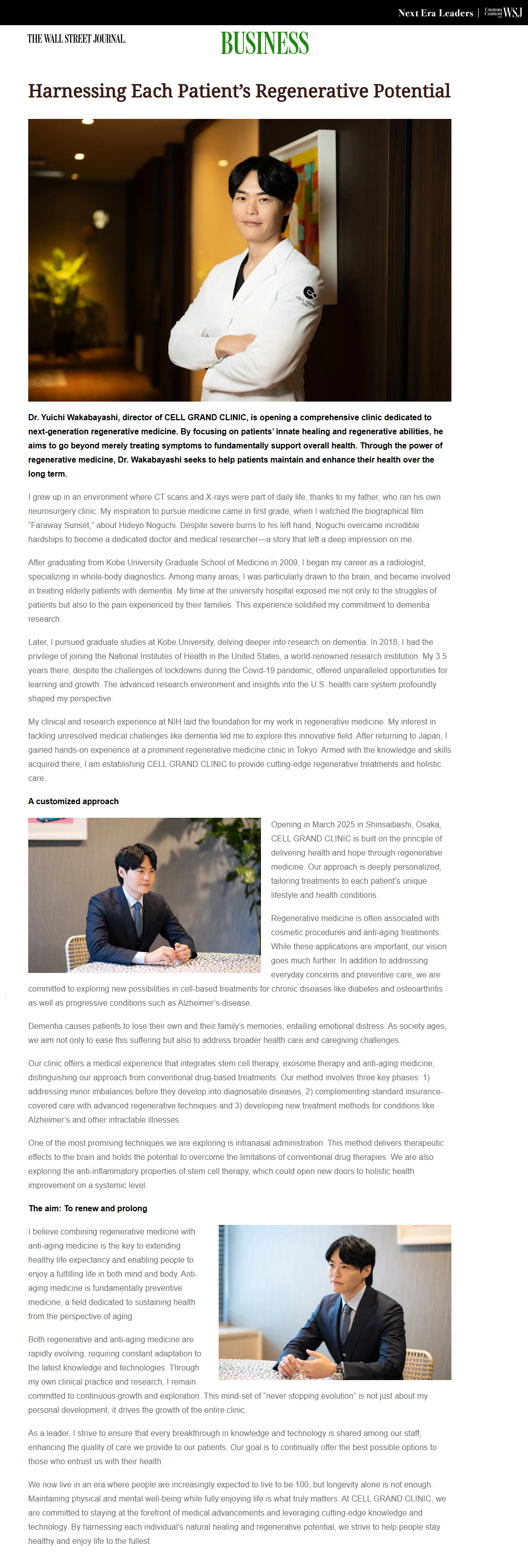
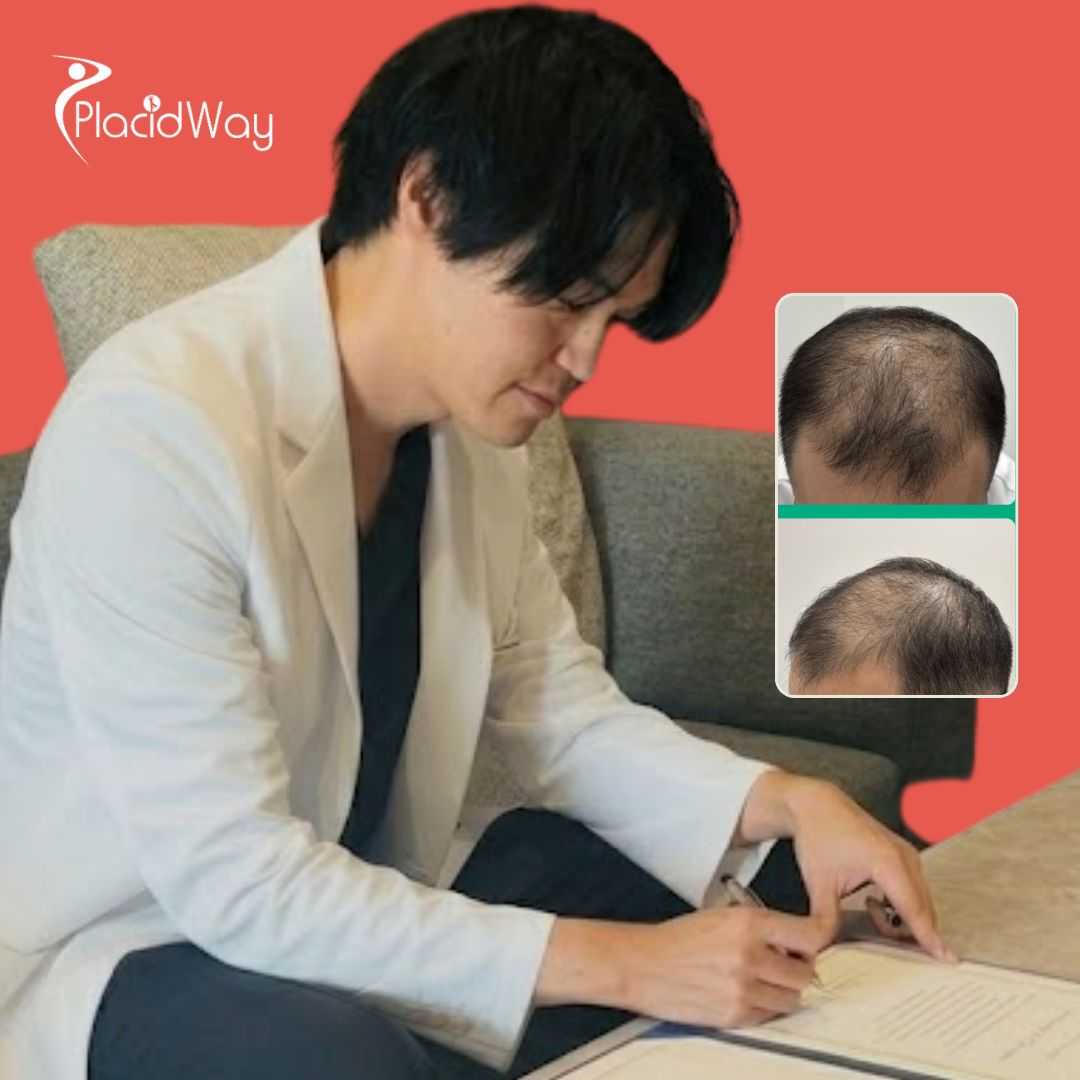
Cell Grand Clinic has earned international recognition for its leadership in regenerative medicine and commitment to advancing patient-centered care. The clinic's founder, Dr. Yuichi Wakabayashi, was featured in the Business section of The Wall Street Journal, highlighting his pioneering work and innovative vision in the field of regenerative medicine.
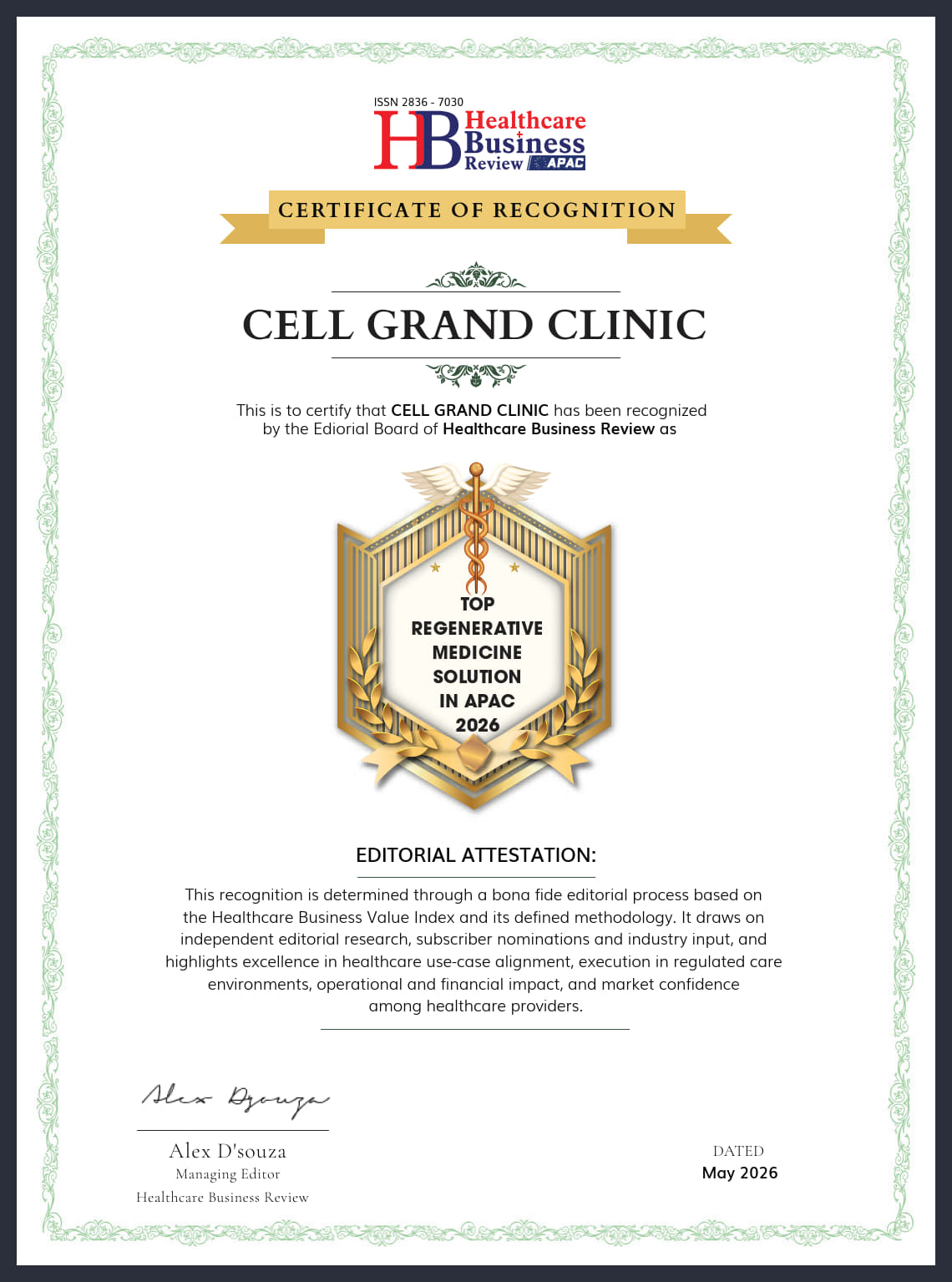
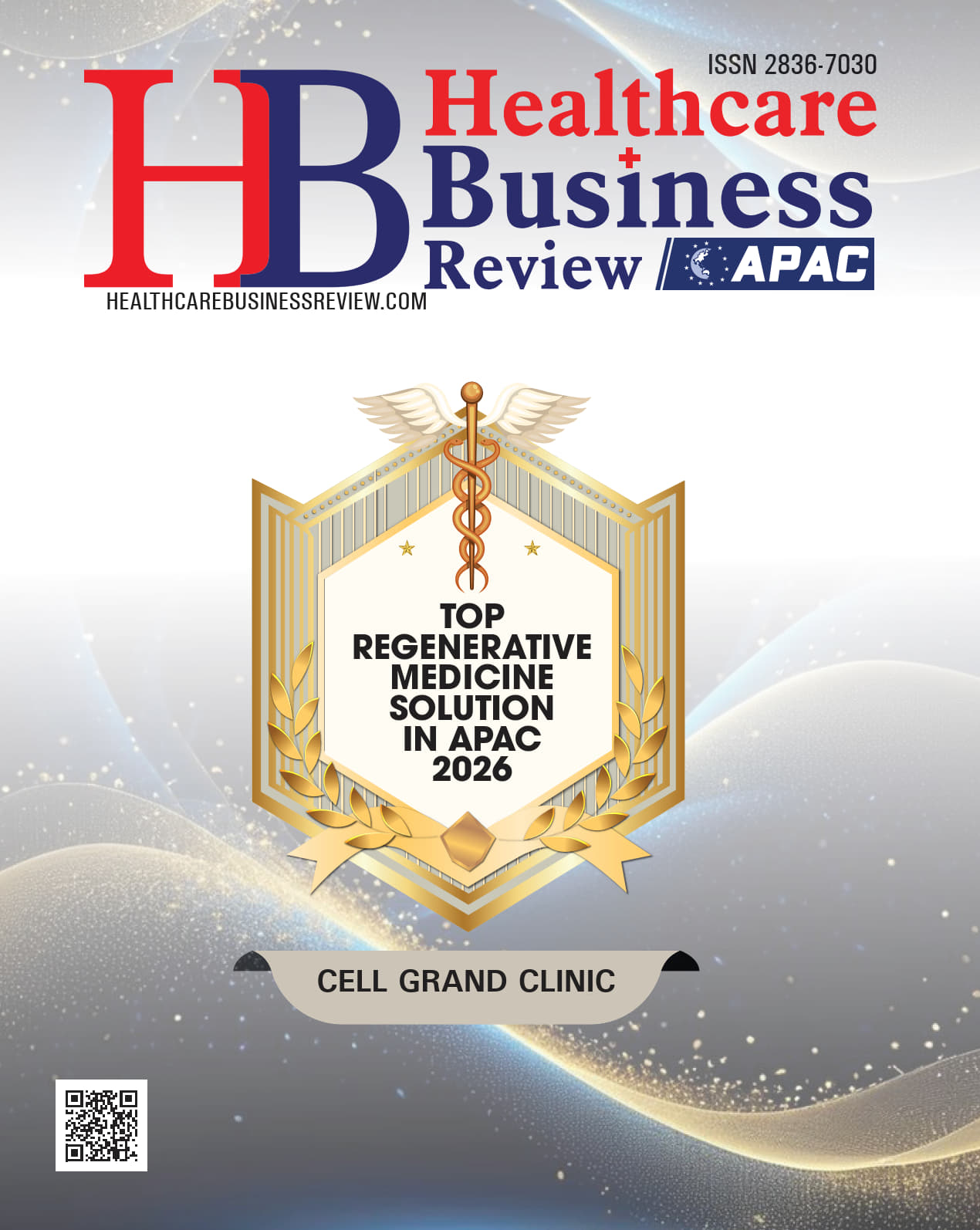
Further demonstrating its dedication to clinical excellence, the clinic's leadership holds the prestigious American Board of Regenerative Medicine Certificate, reinforcing its reputation as an Advanced Stem Cell Clinic in Japan. Adding to these achievements, Cell Grand Clinic was recognized by Healthcare Business Review APAC as a Top Regenerative Medicine Solution in APAC for 2026, reflecting its growing influence and excellence in delivering cutting-edge regenerative healthcare solutions.
Recognized by Healthcare Business Review APAC as a Top Regenerative Medicine Solution in APAC (2026).
The Wall Street Journal Feature Dr. Yuichi Wakabayashi
Peer-Reviewed Publication
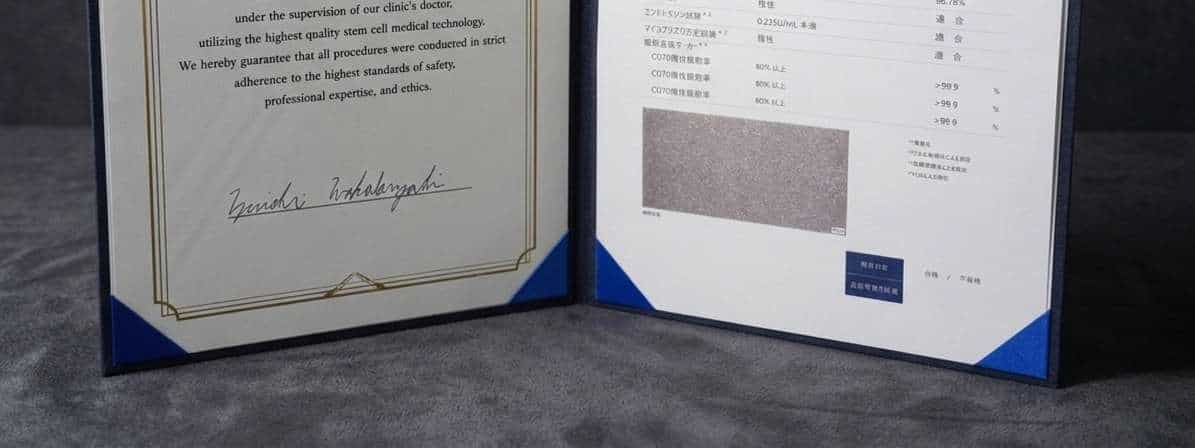
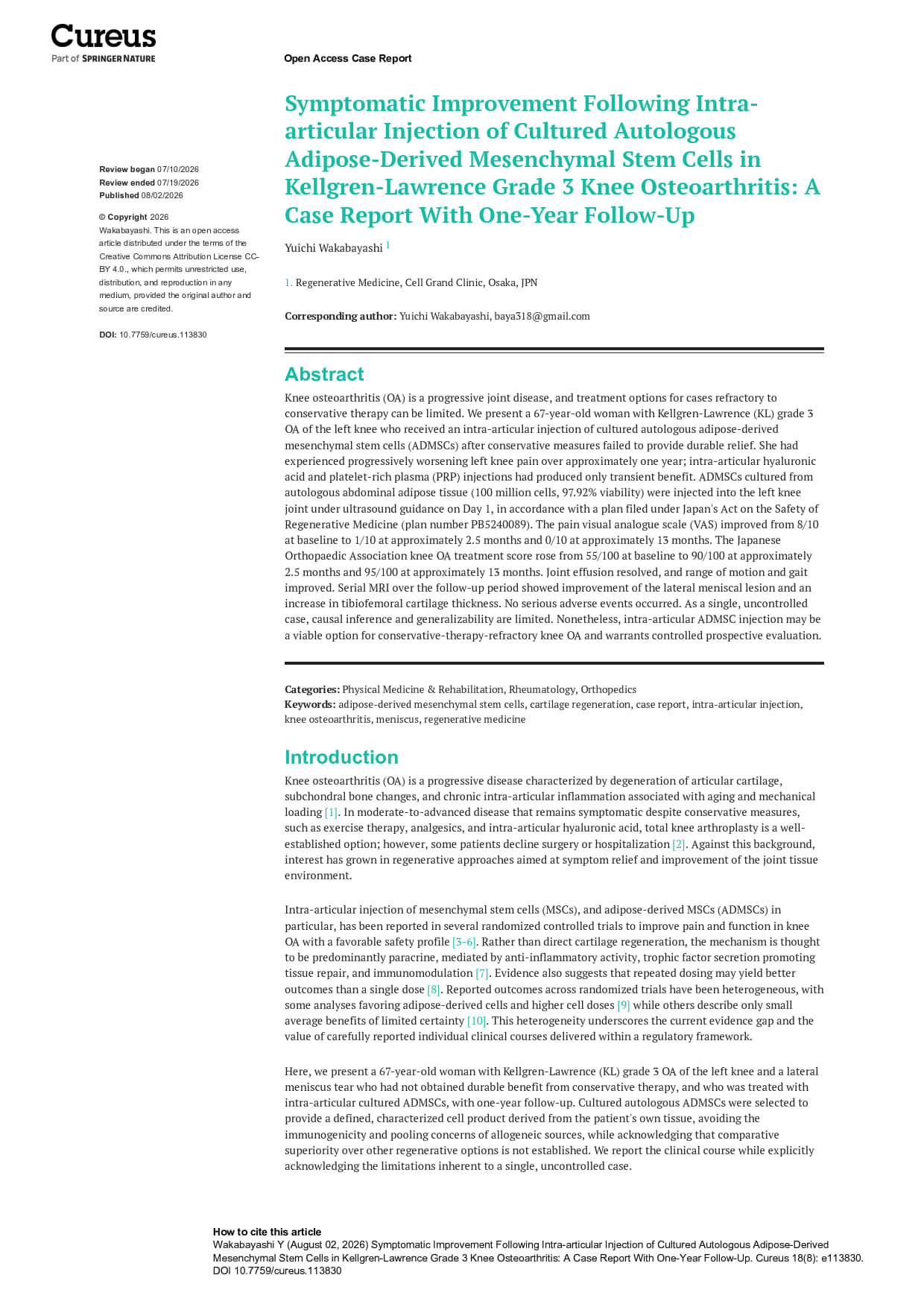
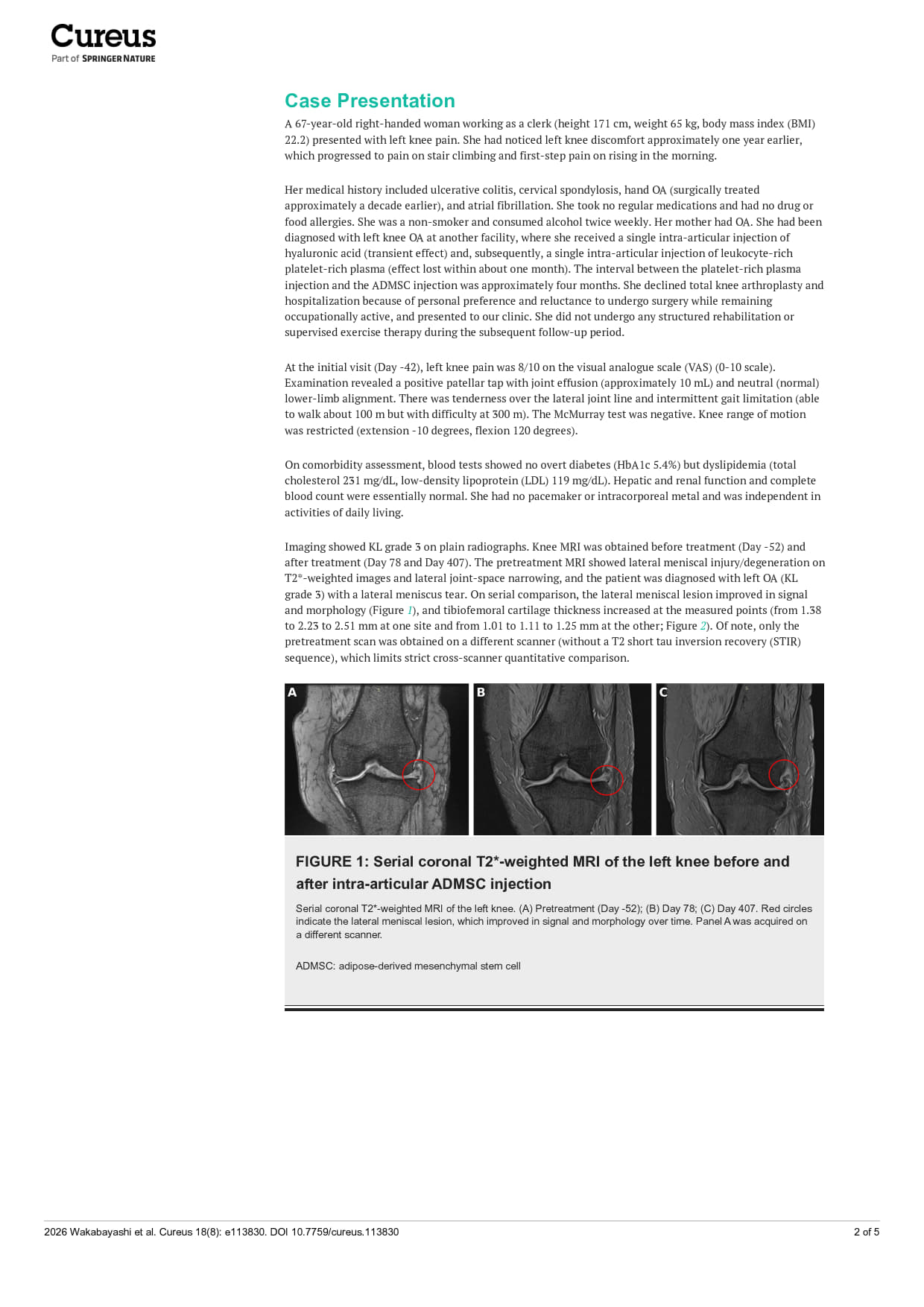
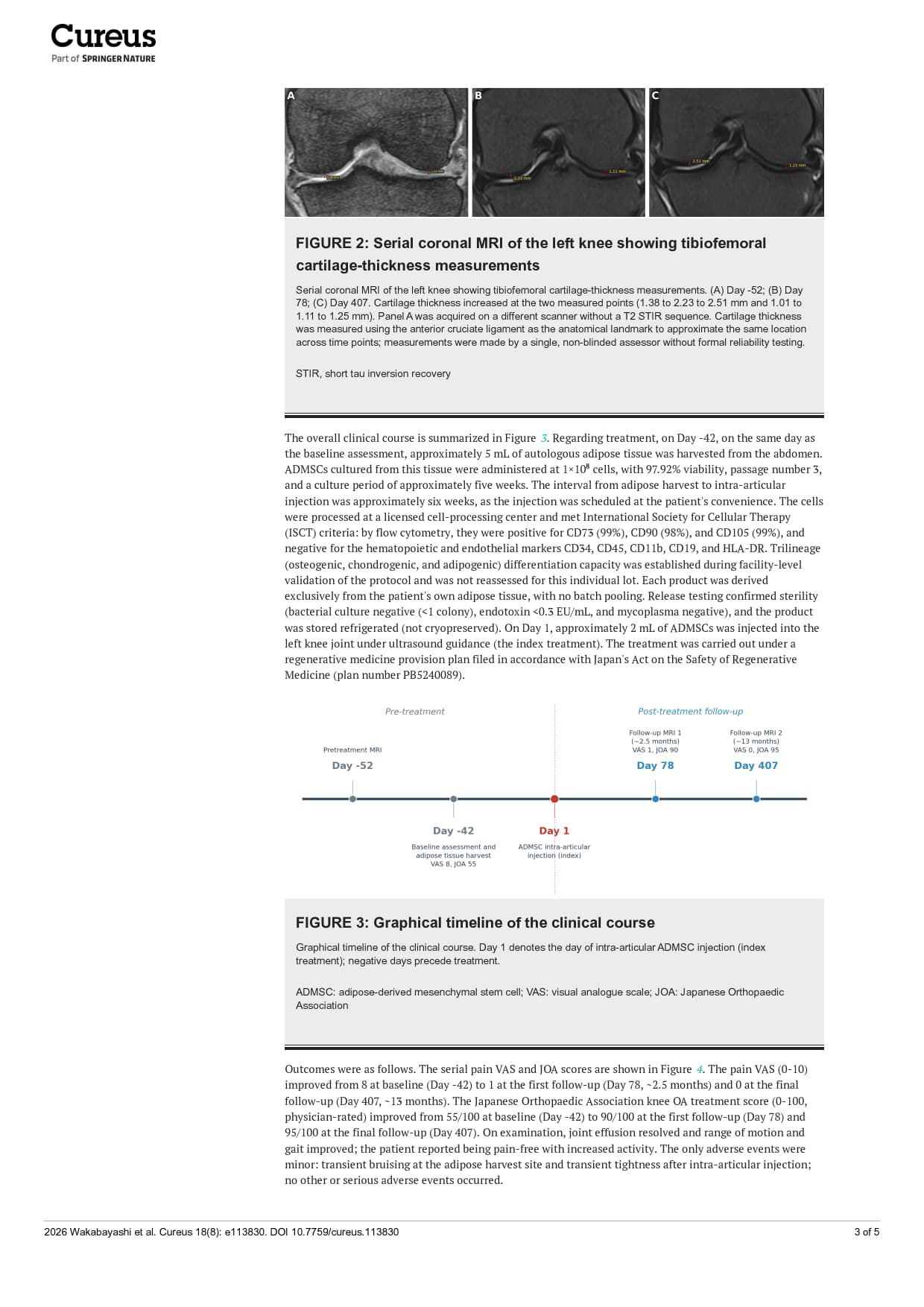
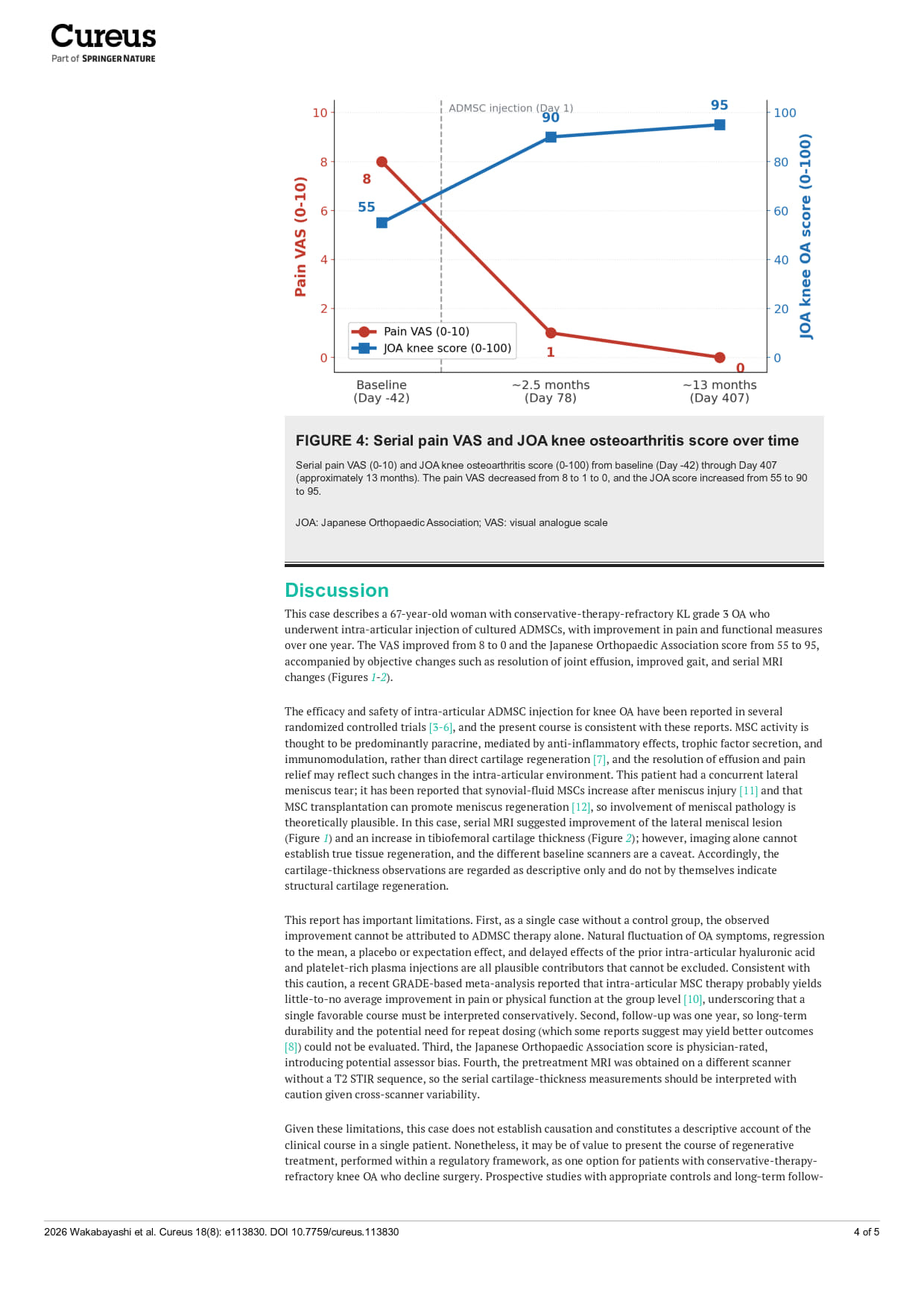
Reflecting this commitment to transparency, Dr. Wakabayashi’s one-year outcome report on adipose-derived stem cell therapy for knee osteoarthritis was published in the peer-reviewed medical journal Cureus in 2026 (DOI: 10.7759/cureus.113830), adding independently verifiable clinical documentation to the clinic’s growing body of research.
Symptomatic Improvement Following Intra-articular Injection of Cultured Autologous Adipose-Derived Mesenchymal Stem Cells in Kellgren-Lawrence Grade 3 Knee Osteoarthritis: A Case Report With One-Year Follow-Up
 Page 1
 Page 2
 Page 3
 Page 4
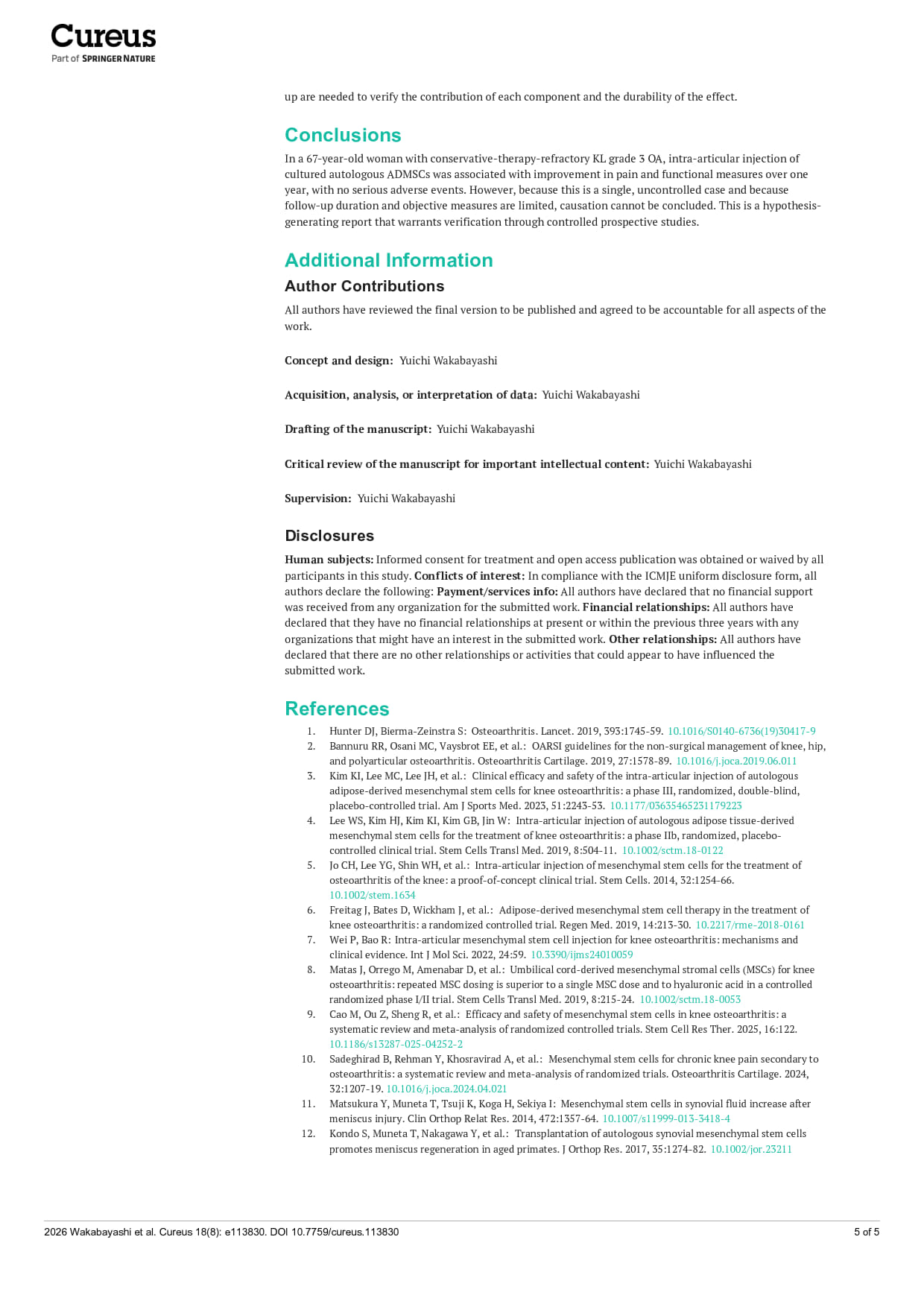 Page 5
Author: Yuichi Wakabayashi
Affiliation: Regenerative Medicine, Cell Grand Clinic, Osaka, Japan
Journal: Cureus
Year: 2026
Volume/Issue: 18(8)
Article: e113830
DOI: 10.7759/cureus.113830
Frequently Asked Questions
Why is stem cell therapy in Japan different from the US?
Japan's "Act on the Safety of Regenerative Medicine" allows clinics to legally culture and expand stem cells to therapeutic doses (over 100 million cells). In contrast, US regulations typically restrict treatments to "minimal manipulation," resulting in significantly lower cell counts.
How much does stem cell knee therapy cost in Japan?
Comprehensive packages for culture-expanded stem cell therapy in Japan typically range from $6,500 to $15,000 USD per knee. This includes cell harvesting, weeks of laboratory expansion, and the final injection procedure.
How many visits are required for treatment in Japan?
The standard high-dose protocol requires two visits. The first visit involves a mini-liposuction to harvest fat tissue. You then return 3-5 weeks later for the injection after your cells have been expanded in a Cell Processing Center (CPC).
What is the success rate for knee osteoarthritis in Japan?
Clinical data from top Japanese facilities suggests an 80-85% success rate for patients with Grade II to Grade III osteoarthritis, reporting significant pain reduction and improved mobility within 3 to 6 months.
Is the procedure painful?
The procedure is minimally invasive. The fat harvesting is done under local anesthesia with minimal discomfort, and the knee injection is comparable to a standard cortisone shot. Most patients resume walking immediately.
Are the stem cells safe?
Yes. Japan primarily uses autologous Mesenchymal Stem Cells (MSCs) derived from your own fat, eliminating the risk of rejection. Processing is conducted in government-licensed Cell Processing Centers under strict sterility protocols.
Can stem cells cure "bone-on-bone" arthritis?
For severe Grade IV (bone-on-bone) arthritis, stem cells cannot regrow a full cartilage cap. However, they can significantly reduce inflammation and pain, potentially delaying the need for total knee replacement surgery.
How long do the results last?
Results vary by patient lifestyle and disease severity, but relief typically lasts between 2 to 5 years. Many patients choose to bank (cryopreserve) their cells for affordable booster injections in the future.
Does insurance cover stem cell therapy in Japan?
Generally, no. Stem cell therapy for osteoarthritis is considered an elective regenerative procedure and is not covered by international health insurance or Medicare.
Ready to Regenerate Your Knees in Japan?
Don't let chronic knee pain dictate your mobility. PlacidWay partners with Japan's top Ministry of Health-licensed clinics to bring you advanced, culture-expanded stem cell packages that are unavailable elsewhere.
Get a free, no-obligation quote today and speak directly with our medical care team to check your eligibility for treatment in Tokyo or Osaka.
Get a Free Quote for Treatment in JapanReferences:
- Pharmaceuticals and Medical Devices Agency (PMDA) Japan - Regenerative Medicine Regulations
- Ministry of Health, Labour and Welfare (MHLW) - Act on the Safety of Regenerative Medicine
- International Society for Stem Cell Research (ISSCR) - Patient Handbook on Stem Cell Therapies
- National Center for Biotechnology Information (NCBI) - Clinical Outcomes of Autologous Adipose-Derived Mesenchymal Stem Cells in Knee Osteoarthritis
- American Academy of Orthopaedic Surgeons (AAOS) - Treatment of Osteoarthritis of the Knee Evidence-Based Guideline
- Japanese Society for Regenerative Medicine (JSRM) - Clinical Standards and Safety Protocols









.png)


.png)

.png)

.png)



.png)
.jpg)
-(10).png)








Share this listing