


Comparing Japanese Clinics and Treatment Packages
Medical Disclaimer: All provided figures are estimates. Actual costs vary based on case complexity, individual patient requirements, and facility policies. This content is for informational purposes and does not replace professional medical advice.
Key Takeaways
- Treatments in East Asia are heavily regulated, ensuring high laboratory standards and procedural safety.
- Autologous treatments and allogeneic cord cell therapies carry distinct financial and medical profiles.
- Systemic intravenous infusions generally demand a significantly higher budget than localized joint injections.
- Patients must account for airfare, lodging, and extended observation periods when planning their trip.
- Comprehensive pre-treatment evaluation is mandatory before any clinical facility approves an international candidate.
What Factors Influence The Stem Cell Therapy Cost In Japan?
Cellular source plays a significant role in determining the final price. Autologous treatments using a patient own adipose tissue or bone marrow require specialized surgical extraction procedures. Conversely, allogeneic therapies utilizing donor cells involve rigorous third-party laboratory screening and advanced cultivation techniques, which also command a premium.
The total cell count administered acts as another primary driver of the financial estimate. Treating localized joint degeneration requires fewer cells than addressing systemic autoimmune or neurological conditions. Producing tens of millions of viable, high-quality cells demands extended sterile laboratory time and sophisticated equipment, which naturally increases the overall investment.
Finally, the specific stem cell therapy clinic in Japan chosen by the patient influences the budget. Facilities maintaining in-house certified cell processing centers or partnering with highly accredited external laboratories often charge higher fees reflecting their elevated safety and strict quality control standards.
How Do Prices Differ Between Joint Injections And Systemic Stem Cell Therapy In Japan?
- Orthopedic procedures targeting a single knee or shoulder use smaller cellular volumes, keeping laboratory processing costs on the lower end of the spectrum.
- Systemic therapies for neurological or autoimmune challenges require massive cellular expansion to attempt system-wide immune modulation.
- Intravenous infusions demand advanced monitoring and sometimes multi-day administration protocols, increasing facility and medical staff fees.
- Joint injections are often completed in a single outpatient visit, minimizing the total time spent in the clinical setting.
- Comprehensive multi-session packages for severe chronic conditions consistently sit at the highest tier of the pricing scale.
| Treatment Category | Estimated JPY | Estimated USD |
|---|---|---|
| Localized Joint Injection (Single) | ¥1,000,000 - ¥1,500,000 | $6,500 - $9,700 |
| Localized Joint Injection (Bilateral) | ¥1,400,000 - ¥2,000,000 | $9,000 - $13,000 |
| Systemic IV Infusion (Neurological) | ¥3,000,000 - ¥6,000,000 | $20,000 - $40,000+ |
Which Conditions Are Commonly Treated By A Stem Cell Therapy Clinic In Japan?
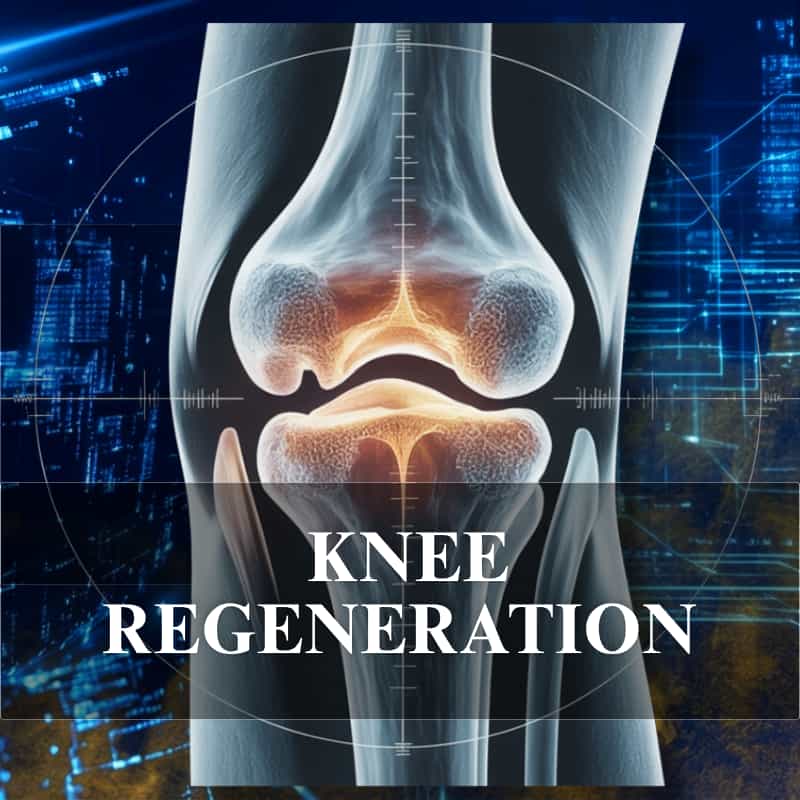
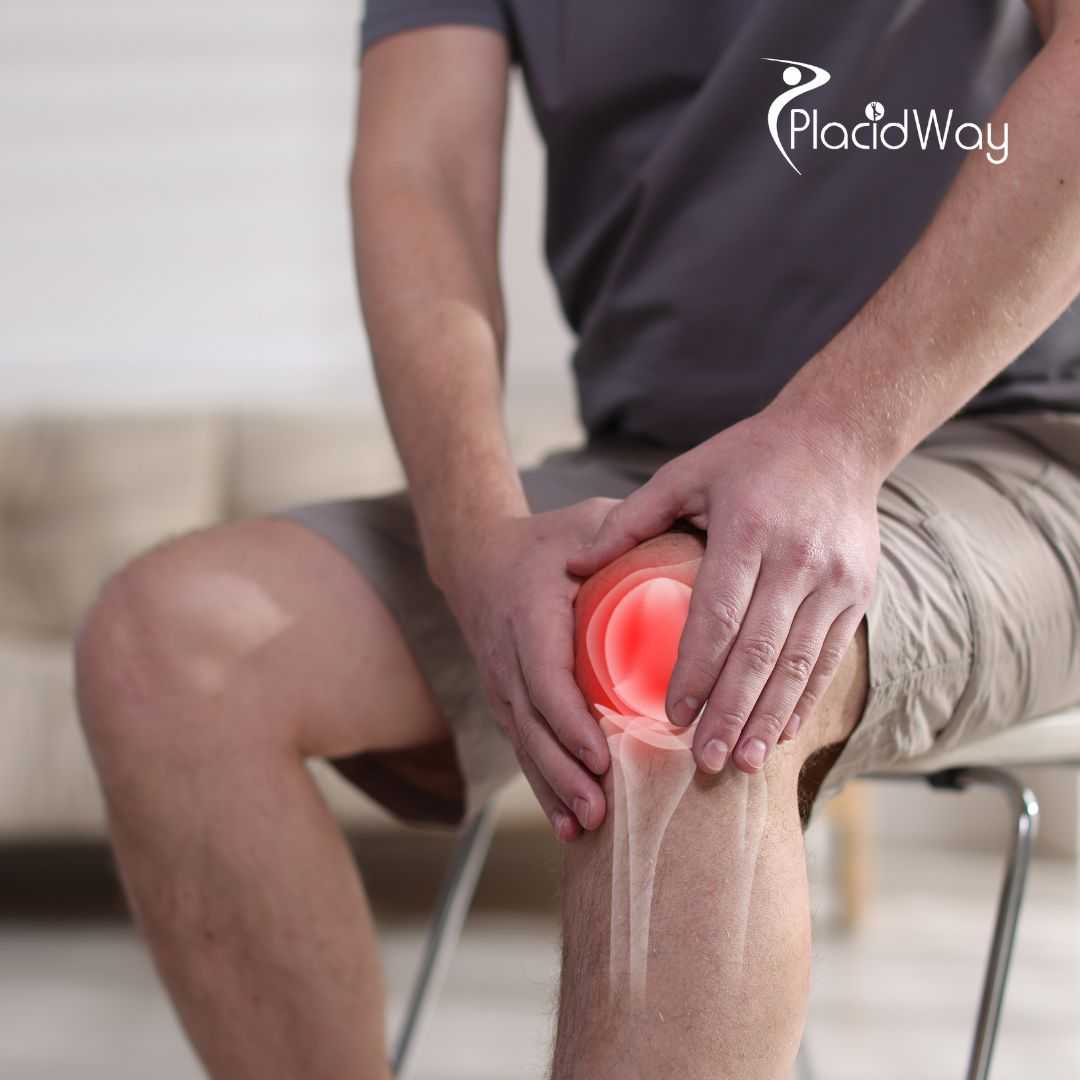
Orthopedic applications remain highly sought after by international patients. Physicians frequently utilize regenerative protocols to address knee osteoarthritis, cartilage degeneration, and sports-related joint injuries, aiming to reduce localized inflammation and promote natural tissue repair in suitable candidates.
Neurological and autoimmune conditions represent another major focus for these specialized centers. While outcomes vary significantly from patient to patient, clinics offer targeted systemic protocols for individuals facing chronic degenerative diseases, seeking to modulate the immune system and potentially slow symptom progression.
Additionally, numerous facilities provide comprehensive anti-aging and longevity therapies. These systemic wellness protocols focus on cellular rejuvenation and generalized inflammatory reduction across the body. However, these complex preventative regimens often represent the highest tier of the stem cell therapy cost in Japan.
What Types Of Cells Are Utilized For Stem Cell Therapy In Japan?
Adipose-derived cells are harvested directly from the patient fat tissue through a minor surgical procedure. This autologous approach is highly popular because it typically yields a robust number of viable cells and eliminates the risk of tissue rejection, making it suitable for various orthopedic and systemic applications.
Bone marrow extraction serves as another autologous option. While the harvesting procedure from the hip bone is slightly more invasive than fat extraction, bone marrow contains specialized cells that physicians often prefer for specific orthopedic repairs and complex bone-related regenerative treatments.
Umbilical cord-derived cells offer an allogeneic alternative. These donated cells are ethically sourced from healthy, full-term pregnancies. They are heavily screened for safety and disease, providing a potent treatment option without requiring the patient to undergo an invasive extraction procedure.
How Does The Act On The Safety Of Regenerative Medicine Impact Stem Cell Therapy In Japan?
Implemented to promote safe cellular therapies, this comprehensive legislation classifies biological procedures into distinct risk categories. High-risk and moderate-risk protocols require extensive prior review and approval by certified regenerative medicine committees before any facility can legally offer them to patients.
The law also heavily regulates the cultivation of biological materials. Facilities must either process cells in strictly audited in-house laboratories or outsource to state-certified cell processing centers. This dual-pathway requirement ensures all cellular materials meet exceptional sterility and viability standards.
For individuals pursuing medical tourism in Japan, this robust legal framework offers significant peace of mind. The mandatory continuous reporting of adverse events to the Ministry of Health ensures a highly monitored, transparent, and patient-focused clinical environment.
Are There Hidden Expenses When Planning Medical Tourism In Japan?
When calculating the total stem cell therapy cost in Japan, travel logistics represent a substantial secondary budget. Flights to major hubs like Tokyo or Osaka fluctuate heavily based on the season, and patients should strongly consider flexible ticketing in case their physical recovery timeline shifts slightly.
Accommodation is another critical financial factor. Because many regenerative protocols require a multi-day observation period after the infusion, securing a comfortable, accessible hotel near the facility is essential. Major city hospitality can be expensive, so early booking and budget planning are highly recommended.
Patients must also account for specialized travel health insurance. Standard domestic health policies do not cover international care, and a dedicated medical travel policy provides vital financial protection against unexpected logistical disruptions or non-related health emergencies during the trip.
Does Health Insurance Cover The Stem Cell Therapy Cost In Japan?
Navigating insurance for regenerative medicine remains challenging globally. Most standard North American and European health insurance policies explicitly deny coverage for cellular therapies targeting joints, aging, or neurological conditions, viewing them as falling outside standard institutional care protocols.
Even when engaging in medical tourism in Japan, international medical insurance rarely absorbs the clinical fees associated with the primary therapy. Patients must arrange alternative funding, utilize personal savings, or secure specialized medical financing before committing to an international treatment plan.
However, patients should still maintain robust international travel health insurance. While it will not fund the cellular procedure itself, it remains crucial for covering standard medical emergencies, sudden accidents, or unavoidable travel interruptions while navigating a foreign healthcare system.
What Recovery Protocols Are Required After Stem Cell Therapy In Japan?
- Following localized joint injections, physicians consistently instruct patients to avoid bearing heavy weight on the treated area.
- Systemic intravenous treatments often require aggressive hydration and prolonged rest to manage temporary mild fatigue.
- Most clinics mandate a follow-up consultation a few days post-procedure to accurately assess initial healing and stability.
- Patients must generally avoid standard anti-inflammatory medications unless explicitly approved by their treating specialist.
- Prematurely stressing the body can severely compromise the potential biological benefits of the entire cellular investment.
What Makes Medical Tourism In Japan Favorable For Stem Cell Therapy?
The country consistently stands at the forefront of global regenerative research. Supported by aggressive government initiatives and strict health ministry oversight, a stem cell therapy clinic in Japan operates under some of the most rigorous safety and quality control standards existing in the world today.
Beyond clinical excellence, the nation offers an exceptionally safe and highly hospitable environment for international visitors. The national infrastructure is highly efficient, public transportation is pristine, and major medical centers frequently provide professional translation services to ensure clear patient communication.
Ultimately, patients choose this destination because it combines cutting-edge biological science with unparalleled procedural safety frameworks. While the stem cell therapy cost in Japan may be higher than in some developing nations, the regulatory guarantees provide invaluable clinical confidence.
Why Choose PlacidWay For Finding A Stem Cell Therapy Clinic In Japan?
Navigating international healthcare requires reliable information and structured, factual guidance. PlacidWay connects patients with verified medical options worldwide through a transparent, informational framework.
Access to Transparent Pricing Structures
PlacidWay provides clear, upfront pricing estimates for various procedures, helping patients compare the stem cell therapy cost in Japan without encountering hidden clinical fees during their initial research.
Detailed Provider Profiles
The platform offers extensive digital profiles on international facilities, allowing users to review physician credentials, verify facility certifications, and explore specific medical specialty areas.
Streamlined Clinic Communication
PlacidWay facilitates the initial communication channels between patients and international medical teams, making it significantly easier to request specific medical consultations and share basic health histories.
Educational Patient Resources
Users gain immediate access to a comprehensive library of informative articles, detailed treatment explanations, and procedural expectations to support an empowered, knowledgeable decision-making process.
Global Facility Connections
The network includes connections to established medical centers across numerous highly regulated countries, giving patients the complete freedom to evaluate different regional clinical environments safely.
Frequently Asked Questions
Is stem cell therapy in Japan safe for international patients?
Patient safety is highly prioritized. The government heavily regulates every stem cell therapy clinic in Japan through the Act on the Safety of Regenerative Medicine, ensuring strict compliance with laboratory sterility and clinical protocols.
How long do I need to stay for medical tourism in Japan?
Treatment timelines vary significantly by protocol. Most individuals engaging in medical tourism in Japan stay between five to ten days to allow for initial consultations, the procedure, and post-treatment observation.
What is the average recovery time for stem cell therapy in Japan?
Recovery fluctuates based on the specific condition and cellular administration route. Localized joint treatments may require weeks of physical restriction, while systemic infusions usually involve only a few days of mild fatigue.
Are umbilical cord cells legal for stem cell therapy in Japan?
Yes, the use of ethically sourced, heavily screened allogeneic cord cells is permitted when administered by licensed professionals under the strict regulatory frameworks managed by the local health ministries.
How soon can I see results from a stem cell therapy clinic in Japan?
Clinical outcomes remain highly individualized. Some patients report gradual improvements in mobility or energy levels over several months, while others may experience minimal clinical changes following their procedure.
Is English spoken widely during medical tourism in Japan?
Major medical centers catering to international visitors typically employ bilingual staff or utilize professional medical translators to ensure clear communication regarding care and informed consent.
Do I need a special visa for a stem cell therapy clinic in Japan?
Citizens of many North American and European countries can enter on a standard short-term visitor visa. However, verifying exact entry requirements based on nationality before booking is essential.
Are there age limits for stem cell therapy in Japan?
Age limitations depend entirely on the clinical protocol and the overall health baseline of the patient. Facilities evaluate each candidate individually, assessing organ function before granting approval.
Can I combine other treatments with stem cell therapy in Japan?
Combining therapies depends entirely on medical compatibility. Clinicians generally advise against simultaneous intensive procedures to avoid overwhelming the immune system during the cellular integration phase.
What is the success rate for stem cell therapy in Japan?
Success rates fluctuate heavily based on the specific condition, patient health, and cellular quality. No reputable facility can guarantee a specific medical outcome, and results vary significantly among suitable patients.
Compare Regenerative Care Options
Review verified international clinical facilities, access transparent pricing estimates, and request factual information to support your medical journey.
Request Treatment InformationReferences
- Act on the Safety of Regenerative Medicine – Japanese Law Translation
- Regenerative Medical Products Guidelines – Pharmaceuticals and Medical Devices Agency (PMDA) Japan
- FDA Warns About Unapproved Therapies – U.S. Food and Drug Administration
- Medical Tourism Safety Guidelines – Centers for Disease Control and Prevention
- Mesenchymal Stem Cells: Clinical Applications – National Institutes of Health
- Stem Cells: What They Are and What They Do – Mayo Clinic
- Patient Safety and Quality of Care – World Health Organization
.png)

.png)

.png)
.png)













Share this listing