
What treatment


20+ Key FAQs on Stem Cell Therapy in Japan
Questions About Stem Cell Therapy in Japan? Start Here
Trusted Medical Tourism Platform Since 2007
.png)
How Much Does Stem Cell Treatment for Periodontal Disease Cost in Japan?
The stem cell treatment for periodontal disease cost in Japan typically ranges from $3,000 to $8,000 per treated area. This estimate fluctuates based on cellular extraction methods, advanced laboratory processing requirements, and disease severity. Medical Disclaimer: All provided figures are estimates. Actual costs vary based on case complexity, individual patient requirements, and facility policies. This content is for informational purposes and does not replace professional medical advice. Key Takeaways Regenerative dental therapies aim to restore damaged gum and bone tissues caused by advanced periodontitis. The Act on the Safety of Regenerative Medicine strictly governs all clinical protocols and laboratory standards. Biological materials are frequently sourced from dental pulp or adipose tissue, depending on the specialized facility. Standard health insurance policies generally classify these interventions as investigational, requiring complete self-funding. Patients must plan for multiple visits or extended stays to accommodate laboratory cell cultivation timelines. What Factors Influence the Stem Cell Treatment for Periodontal Disease Cost in Japan? Financial requirements depend heavily on the cellular source utilized, the extent of jawbone degradation, and the fees associated with operating certified cleanroom laboratories. The primary factor driving the overall clinical invoice is the cellular harvesting method. Utilizing dental pulp often involves extracting a compromised or wisdom tooth and sending it to a highly specialized cellular bank. Alternatively, gathering adipose-derived materials requires a minor liposuction procedure. Both extraction methods carry unique surgical and facility fees that contribute to the baseline financial estimate. Laboratory processing represents another significant portion of the patient budget. Expanding robust, viable cells requires multi-week cultivation within heavily regulated, sterile environments. Facilities must purchase expensive single-use consumables, conduct rigorous multi-phase sterility testing, and maintain highly calibrated equipment to ensure the biological material meets national safety standards before clinical administration. Finally, the clinical severity of the condition dictates the required cellular volume and surgical complexity. Addressing a single localized osseous defect demands far fewer laboratory resources than attempting widespread regeneration across the entire oral cavity. Comprehensive full-mouth protocols require extensive surgical time and maximum cellular expansion, pushing estimates into the highest pricing tiers. Dental Procedure Type Estimated Cost Range (USD) Clinical Details Simple Growth Factor Gel $500 - $1,200 Per localized site, non-cultured biological support. Cultured Cellular Therapy $3,000 - $8,000 Includes harvesting, multi-week culture, and surgical application. Single Dental Implant $3,000 - $5,000 Traditional surgical alternative for unsalvageable teeth. How Does the National Regulatory Framework Ensure Patient Safety? The government mandates that every medical facility adheres to stringent regulatory acts, requiring independent committee approvals and the use of certified laboratory processing centers. The national healthcare landscape operates under the Act on the Safety of Regenerative Medicine. This comprehensive legal framework strictly prohibits unregulated clinical applications. Before any specialized dental provider can offer advanced cellular therapies to patients, they must submit a highly detailed clinical provision plan to the national health ministry for rigorous review. This submitted plan undergoes meticulous evaluation by an independent, government-certified committee composed of leading scientific experts. They scrutinize the proposed cell harvesting techniques, the targeted medical conditions, and the established adverse event reporting systems. Only after receiving formal authorization can a facility legally administer these biological materials. Furthermore, all cellular cultivation must take place within an officially certified Cell Processing Center. These specialized cleanrooms feature advanced air filtration and continuous environmental monitoring to eliminate contamination risks. This exceptional level of traceability ensures that regulators can track the biological materials from the initial extraction phase through to final patient administration. Did You Know? The national regulatory agencies classify biological therapies into distinct risk tiers, ensuring that highly manipulated cultured cells undergo far more rigorous oversight than simple uncultured protein extracts. Are Dental Pulp Cells or Adipose Cells Better for Jawbone Regeneration? Both cellular sources possess strong regenerative potential, but specialists select the appropriate material based on the desired clinical outcome and the patient specific physiological baseline. Dental pulp cells naturally originate from the neural crest and possess an inherent biological affinity for developing into specialized dental structures, including jawbone tissue and periodontal ligaments. Because they are biologically predisposed to oral environments, many specialists prefer them for highly targeted localized bone defect repairs. Harvesting typically requires the extraction of a healthy wisdom tooth. Adipose-derived cells offer distinct advantages regarding volume and accessibility. These cells are harvested from localized fat deposits via a minimally invasive extraction procedure. Adipose tissue generally yields a significantly higher baseline cell count than a single tooth, which expedites the laboratory cultivation process and provides ample material for treating widespread periodontal damage. Ultimately, a qualified specialist will determine the optimal cellular source following a comprehensive diagnostic review. The clinical decision hinges on the severity of the alveolar bone loss, the overall health of the patient, and the specific cultivation technologies available at their designated laboratory processing center. Does National Health Insurance Cover Advanced Dental Regeneration? Standard international and domestic health policies classify these advanced procedures as free medical practice, requiring patients to fund the entire treatment out of their personal savings. Navigating the financial realities of biological dentistry often requires careful planning. Within the national healthcare system, these complex regenerative protocols are generally designated as Jiyu shinryo, which translates to free medical practice. This classification means they fall entirely outside the scope of standardized, government-subsidized medical coverage. For individuals traveling from abroad, the financial burden is absolute. Standard international travel insurance policies explicitly exclude coverage for elective or investigational procedures. Consequently, foreign visitors must prepare to absorb one hundred percent of the clinical fees, laboratory costs, and specialized surgical facility charges independently. Prospective patients should also budget for essential auxiliary expenses. Comprehensive treatment plans routinely mandate advanced 3D diagnostic imaging, specialized blood panels, and post-operative medications. Requesting a fully itemized clinical quote prior to booking international travel prevents unexpected financial strain during the dental journey. How Do Regenerative Therapies Compare to Traditional Dental Implants? Biological interventions aim to salvage the natural tooth structure through tissue repair, whereas implants require extracting the compromised tooth and replacing it entirely with artificial components. The primary objective of undergoing stem cell treatment for periodontal disease in Japan is the preservation of native biology. By attempting to regenerate lost alveolar bone and periodontal ligaments, specialists strive to stabilize a loose tooth within its natural socket. Preserving the natural tooth root helps maintain the organic proprioception and physical stress distribution of the jawline. Traditional dental implants present an alternative mechanical solution. This well-established procedure involves extracting the failing tooth, potentially grafting synthetic bone, and placing a titanium post to support an artificial crown. While highly successful, implants lack natural shock absorption and cannot adapt biologically to ongoing changes within the surrounding gum tissue. From a long-term financial perspective, attempting regeneration may prove cost-effective for suitable candidates. While biological therapy requires a significant initial investment, preventing an extraction can eliminate the future need for multi-stage implant surgeries, prosthetic maintenance, and the potential complications associated with placing artificial hardware into compromised bone. Important Consideration: Biological therapies are not universally successful. Patients with severe, end-stage bone loss may be advised that traditional extraction and immediate implant placement represents the most predictable clinical path forward. What Diagnostic Tests Are Required Before Undergoing Treatment? Medical professionals require comprehensive 3D cone beam imaging, detailed localized periodontal probing, and extensive blood panels to verify physiological suitability before treatment approval. Accurate anatomical visualization remains critical for predictable outcomes. Clinicians routinely utilize 3D Cone Beam Computed Tomography scans to evaluate the precise three-dimensional architecture of the jawbone. This advanced imaging allows specialists to measure the exact volume of bone loss and identify the optimal spatial positioning for the cellular injection or grafting material. Systemic health significantly influences regenerative potential. Patients must undergo comprehensive blood testing to screen for underlying active infections, severe immune deficiencies, or undiagnosed metabolic conditions like diabetes. Poor systemic health severely impairs the ability of the body to support new vascular growth and integrate the administered biological materials safely. Additionally, meticulous physical periodontal charting is mandatory. Dentists carefully measure the depth of the gingival pockets surrounding the affected teeth to establish a clinical baseline. This detailed mapping is essential for tracking long-term tissue attachment progress and evaluating the objective success of the procedure during follow-up visits. How Should International Patients Plan for Medical Tourism in Japan? Organizing an international medical journey requires coordinating flexible travel logistics, budgeting for extended accommodations, and navigating potential language barriers proactively. Logistical preparation forms the foundation of a successful clinical experience. Because cellular cultivation often requires several weeks, patients must choose between making two separate short trips or planning one extended stay. The initial visit involves diagnostic confirmation and cellular extraction, while the subsequent visit focuses entirely on the surgical administration procedure. Accommodations must support proper post-operative recovery. Booking a comfortable, quiet hotel in close proximity to the medical center reduces physical strain following the dental surgery. Patients should select lodging that allows for easy preparation of soft foods and provides a restful environment during the mandatory localized observation window. Finally, individuals engaging in medical tourism in Japan must prioritize clear communication. While many renowned medical professionals comprehend English medical terminology, conversational fluency varies. Selecting a facility that provides dedicated bilingual patient coordinators ensures accurate comprehension of complex informed consent documents and critical post-operative hygiene protocols. What Recovery Protocols Apply After Receiving Dental Cellular Injections? Optimal tissue integration requires strict adherence to dietary modifications, specialized oral hygiene practices, and the avoidance of activities that disrupt the healing surgical site. Protecting the newly administered biological material is paramount during the initial healing phase. Patients are consistently instructed to maintain a strict soft-food diet for several days to weeks, depending on the procedural complexity. Avoiding hard, crunchy, or excessively hot foods prevents mechanical disruption of the delicate cellular matrix integrating into the jawbone. Standard oral hygiene routines require significant temporary modification. Forceful brushing or rigorous flossing near the surgical site can dislodge the biological graft and invite unwanted bacterial contamination. Dentists typically prescribe specialized antimicrobial mouth rinses to maintain localized sterility without applying detrimental physical friction to the healing gum tissue. Managing mild post-operative symptoms involves careful medication usage. While minor swelling and localized tenderness are expected, patients must avoid certain over-the-counter anti-inflammatory drugs unless explicitly approved by their specialist, as some common medications can inadvertently suppress the natural inflammatory cascade required to trigger new cellular growth. How Can Individuals Locate a Reputable Clinic? Prospective patients must diligently verify facility regulatory licenses, review the clinical credentials of the attending specialists, and request comprehensive transparency regarding laboratory partnerships. Identifying a compliant medical facility requires independent verification. Patients should explicitly ask the clinic to provide their official Regenerative Medicine Provision Plan registration number. Reputable centers readily share this documentation, proving their clinical protocols have successfully passed the rigorous national committee review process. Evaluating clinical expertise is equally critical. The attending physician should possess advanced board certifications in periodontics or oral surgery, rather than functioning simply as a general dental practitioner. Experience managing complex bone grafting and soft tissue manipulation drastically improves the probability of a safe and successful biological intervention. Transparency regarding cellular processing is non-negotiable. A trustworthy stem cell treatment for periodontal disease clinic in Japan will clearly disclose whether they operate a certified in-house cleanroom or partner with an external state-audited laboratory. If a facility hesitates to discuss their specific cultivation methods or sterility testing protocols, patients should immediately seek alternative care providers. Why Choose PlacidWay for Your International Dental Journey? PlacidWay offers a structured, data-driven platform designed to help patients evaluate complex global healthcare options and connect with verified international medical teams safely. Transparent Pricing Comparisons: Users can easily access baseline financial estimates across multiple highly regulated regions, facilitating objective budget planning without hidden clinical fees. Detailed Provider Profiles: The platform supplies comprehensive overviews of facility certifications, clinical specialties, and specific physician credentials to support informed decision-making. Educational Patient Resources: A robust library of articles helps individuals understand complex biological terminology, regulatory standards, and realistic procedural expectations before committing to care. Streamlined Clinic Communication: Patients can utilize secure digital channels to share preliminary medical histories and request direct professional consultations efficiently. Global Facility Connections: The network encompasses established clinical centers worldwide, allowing individuals to research medical environments that best align with their specific healthcare requirements. Frequently Asked Questions Is regenerative dentistry legal for international patients traveling abroad? Yes, regenerative dental procedures are completely legal for foreign visitors when performed at authorized facilities. These medical centers must operate under the strict guidelines mandated by the national health ministry to ensure patient safety. How long does the cellular cultivation process take in the laboratory? The laboratory expansion phase typically requires three to four weeks. During this time, extracted cells are carefully multiplied in a sterile cleanroom environment until they reach the required volume for successful clinical application. Can receding gums be fully restored with this biological therapy? While regenerative treatments aim to stimulate tissue growth, outcomes vary significantly among individuals. Physicians cannot guarantee full restoration, as success depends on baseline oral health, systemic conditions, and post-procedure hygiene. Do I need a specific visa to receive dental care in Tokyo or Osaka? Citizens of many North American and European countries can typically enter using a standard short-term visitor visa. However, individuals must always verify exact entry requirements based on their specific nationality before booking international flights. Are there age limits for receiving dental tissue regeneration? Medical professionals evaluate physiological health rather than relying on strict chronological age limits. Candidates must possess adequate immune function and manageable systemic comorbidities to safely undergo cellular extraction and administration. What are the primary risks associated with biological gum treatments? Potential adverse events include localized injection site inflammation, minor bleeding, or temporary oral discomfort. Additionally, there remains a clinical risk that the biological material may fail to integrate, resulting in minimal therapeutic benefit. How long must I stay in the country following the administration procedure? Patients are generally advised to remain locally available for five to seven days after the cellular injection. This mandatory observation window allows the clinical team to monitor early healing and manage any unexpected localized swelling. Will my local dentist be able to manage my follow-up care effectively? Yes, provided you securely transfer your international medical records and operative reports. Local dental professionals require this documentation to safely monitor ongoing tissue integration during your routine cleaning appointments. Can specialists combine bone grafting with these advanced biological therapies? Physicians frequently utilize biological materials alongside physical structural scaffolds or traditional bone grafts. This synergistic approach may help provide necessary structural support while the administered cells promote natural tissue regeneration. Are English speaking coordinators available at major international dental centers? Reputable facilities catering to foreign visitors typically employ bilingual staff or provide professional medical translation services. Clear communication is essential for obtaining informed consent and delivering accurate post-operative instructions. Compare Dental Regenerative Options Evaluate global clinical facilities, review detailed pricing estimates, and request transparent information to support your healthcare journey safely. Request Treatment Information References Regenerative Medical Products Guidelines – Pharmaceuticals and Medical Devices Agency (PMDA) Mesenchymal Stem Cells: Clinical Applications and Biological Characterization – National Institutes of Health (NIH) FDA Warns About Unapproved Therapies – U.S. Food and Drug Administration (FDA) Guidelines for Stem Cell Research and Clinical Translation – International Society for Stem Cell Research (ISSCR) Medical Tourism Safety Guidelines – Centers for Disease Control and Prevention (CDC) Patient Safety and Quality of Care – World Health Organization (WHO)...
Read more details

.png)
How Much Does Stem Cell Therapy Cost in Japan?
The stem cell therapy cost in Japan typically ranges from $10,000 to $40,000 per treatment. This pricing depends on the specific condition, cellular protocol, and the stem cell therapy clinic in Japan administering care. Medical Disclaimer: All provided figures are estimates. Actual costs vary based on case complexity, individual patient requirements, and facility policies. This content is for informational purposes and does not replace professional medical advice. Key Takeaways Treatments in East Asia are heavily regulated, ensuring high laboratory standards and procedural safety. Autologous treatments and allogeneic cord cell therapies carry distinct financial and medical profiles. Systemic intravenous infusions generally demand a significantly higher budget than localized joint injections. Patients must account for airfare, lodging, and extended observation periods when planning their trip. Comprehensive pre-treatment evaluation is mandatory before any clinical facility approves an international candidate. What Factors Influence The Stem Cell Therapy Cost In Japan? The stem cell therapy cost in Japan depends on the condition being treated, the source of the biological material, and the laboratory processing time required. Complex systemic therapies naturally incur higher expenses. Cellular source plays a significant role in determining the final price. Autologous treatments using a patient own adipose tissue or bone marrow require specialized surgical extraction procedures. Conversely, allogeneic therapies utilizing donor cells involve rigorous third-party laboratory screening and advanced cultivation techniques, which also command a premium. The total cell count administered acts as another primary driver of the financial estimate. Treating localized joint degeneration requires fewer cells than addressing systemic autoimmune or neurological conditions. Producing tens of millions of viable, high-quality cells demands extended sterile laboratory time and sophisticated equipment, which naturally increases the overall investment. Finally, the specific stem cell therapy clinic in Japan chosen by the patient influences the budget. Facilities maintaining in-house certified cell processing centers or partnering with highly accredited external laboratories often charge higher fees reflecting their elevated safety and strict quality control standards. How Do Prices Differ Between Joint Injections And Systemic Stem Cell Therapy In Japan? Localized joint injections generally cost between $6,500 and $13,000, while systemic intravenous protocols often range from $20,000 to over $40,000. This variance reflects the differing cellular volumes required. Orthopedic procedures targeting a single knee or shoulder use smaller cellular volumes, keeping laboratory processing costs on the lower end of the spectrum. Systemic therapies for neurological or autoimmune challenges require massive cellular expansion to attempt system-wide immune modulation. Intravenous infusions demand advanced monitoring and sometimes multi-day administration protocols, increasing facility and medical staff fees. Joint injections are often completed in a single outpatient visit, minimizing the total time spent in the clinical setting. Comprehensive multi-session packages for severe chronic conditions consistently sit at the highest tier of the pricing scale. Treatment Category Estimated JPY Estimated USD Localized Joint Injection (Single) ¥1,000,000 - ¥1,500,000 $6,500 - $9,700 Localized Joint Injection (Bilateral) ¥1,400,000 - ¥2,000,000 $9,000 - $13,000 Systemic IV Infusion (Neurological) ¥3,000,000 - ¥6,000,000 $20,000 - $40,000+ Which Conditions Are Commonly Treated By A Stem Cell Therapy Clinic In Japan? A qualified stem cell therapy clinic in Japan typically addresses osteoarthritis, various autoimmune disorders, and specific neurological challenges. Treatment eligibility depends entirely on thorough individual medical evaluation. Orthopedic applications remain highly sought after by international patients. Physicians frequently utilize regenerative protocols to address knee osteoarthritis, cartilage degeneration, and sports-related joint injuries, aiming to reduce localized inflammation and promote natural tissue repair in suitable candidates. Neurological and autoimmune conditions represent another major focus for these specialized centers. While outcomes vary significantly from patient to patient, clinics offer targeted systemic protocols for individuals facing chronic degenerative diseases, seeking to modulate the immune system and potentially slow symptom progression. Additionally, numerous facilities provide comprehensive anti-aging and longevity therapies. These systemic wellness protocols focus on cellular rejuvenation and generalized inflammatory reduction across the body. However, these complex preventative regimens often represent the highest tier of the stem cell therapy cost in Japan. Did You Know? The nation has established specialized regulatory tracks to accelerate the safe clinical application of regenerative technologies, placing it at the global forefront of biological medicine research. What Types Of Cells Are Utilized For Stem Cell Therapy In Japan? Medical professionals primarily utilize adipose-derived, bone marrow-derived, or umbilical cord tissue cells. The exact cellular selection depends entirely on the patient diagnosis, age, and clinical protocol. Adipose-derived cells are harvested directly from the patient fat tissue through a minor surgical procedure. This autologous approach is highly popular because it typically yields a robust number of viable cells and eliminates the risk of tissue rejection, making it suitable for various orthopedic and systemic applications. Bone marrow extraction serves as another autologous option. While the harvesting procedure from the hip bone is slightly more invasive than fat extraction, bone marrow contains specialized cells that physicians often prefer for specific orthopedic repairs and complex bone-related regenerative treatments. Umbilical cord-derived cells offer an allogeneic alternative. These donated cells are ethically sourced from healthy, full-term pregnancies. They are heavily screened for safety and disease, providing a potent treatment option without requiring the patient to undergo an invasive extraction procedure. How Does The Act On The Safety Of Regenerative Medicine Impact Stem Cell Therapy In Japan? The Act on the Safety of Regenerative Medicine establishes strict regulatory frameworks for every stem cell therapy clinic in Japan. It mandates rigorous safety measures, ethical considerations, and clinical reporting. Implemented to promote safe cellular therapies, this comprehensive legislation classifies biological procedures into distinct risk categories. High-risk and moderate-risk protocols require extensive prior review and approval by certified regenerative medicine committees before any facility can legally offer them to patients. The law also heavily regulates the cultivation of biological materials. Facilities must either process cells in strictly audited in-house laboratories or outsource to state-certified cell processing centers. This dual-pathway requirement ensures all cellular materials meet exceptional sterility and viability standards. For individuals pursuing medical tourism in Japan, this robust legal framework offers significant peace of mind. The mandatory continuous reporting of adverse events to the Ministry of Health ensures a highly monitored, transparent, and patient-focused clinical environment. Are There Hidden Expenses When Planning Medical Tourism In Japan? While medical quotes cover the clinical procedure, patients must independently budget for international airfare, extended lodging accommodations, specialized dietary needs, and ground transportation during their stay. When calculating the total stem cell therapy cost in Japan, travel logistics represent a substantial secondary budget. Flights to major hubs like Tokyo or Osaka fluctuate heavily based on the season, and patients should strongly consider flexible ticketing in case their physical recovery timeline shifts slightly. Accommodation is another critical financial factor. Because many regenerative protocols require a multi-day observation period after the infusion, securing a comfortable, accessible hotel near the facility is essential. Major city hospitality can be expensive, so early booking and budget planning are highly recommended. Patients must also account for specialized travel health insurance. Standard domestic health policies do not cover international care, and a dedicated medical travel policy provides vital financial protection against unexpected logistical disruptions or non-related health emergencies during the trip. Important Consideration: Always request an itemized clinical quote before traveling. Clarify whether pre-procedure diagnostic blood panels or specialized imaging scans are included in the bundled price or billed separately. Does Health Insurance Cover The Stem Cell Therapy Cost In Japan? Major health insurance networks and national programs typically classify these cellular procedures as investigative. Consequently, patients almost always pay the entire stem cell therapy cost in Japan out of pocket. Navigating insurance for regenerative medicine remains challenging globally. Most standard North American and European health insurance policies explicitly deny coverage for cellular therapies targeting joints, aging, or neurological conditions, viewing them as falling outside standard institutional care protocols. Even when engaging in medical tourism in Japan, international medical insurance rarely absorbs the clinical fees associated with the primary therapy. Patients must arrange alternative funding, utilize personal savings, or secure specialized medical financing before committing to an international treatment plan. However, patients should still maintain robust international travel health insurance. While it will not fund the cellular procedure itself, it remains crucial for covering standard medical emergencies, sudden accidents, or unavoidable travel interruptions while navigating a foreign healthcare system. What Recovery Protocols Are Required After Stem Cell Therapy In Japan? Post-procedure care typically involves mandated physical rest, temporary activity restrictions, and a monitored clinical observation period before the patient receives medical clearance to travel home. Following localized joint injections, physicians consistently instruct patients to avoid bearing heavy weight on the treated area. Systemic intravenous treatments often require aggressive hydration and prolonged rest to manage temporary mild fatigue. Most clinics mandate a follow-up consultation a few days post-procedure to accurately assess initial healing and stability. Patients must generally avoid standard anti-inflammatory medications unless explicitly approved by their treating specialist. Prematurely stressing the body can severely compromise the potential biological benefits of the entire cellular investment. What Makes Medical Tourism In Japan Favorable For Stem Cell Therapy? Medical tourism in Japan offers access to highly regulated clinical environments, advanced laboratory technology, and renowned medical expertise, making it a premier destination for complex cellular care. The country consistently stands at the forefront of global regenerative research. Supported by aggressive government initiatives and strict health ministry oversight, a stem cell therapy clinic in Japan operates under some of the most rigorous safety and quality control standards existing in the world today. Beyond clinical excellence, the nation offers an exceptionally safe and highly hospitable environment for international visitors. The national infrastructure is highly efficient, public transportation is pristine, and major medical centers frequently provide professional translation services to ensure clear patient communication. Ultimately, patients choose this destination because it combines cutting-edge biological science with unparalleled procedural safety frameworks. While the stem cell therapy cost in Japan may be higher than in some developing nations, the regulatory guarantees provide invaluable clinical confidence. Why Choose PlacidWay For Finding A Stem Cell Therapy Clinic In Japan? Navigating international healthcare requires reliable information and structured, factual guidance. PlacidWay connects patients with verified medical options worldwide through a transparent, informational framework. Access to Transparent Pricing Structures PlacidWay provides clear, upfront pricing estimates for various procedures, helping patients compare the stem cell therapy cost in Japan without encountering hidden clinical fees during their initial research. Detailed Provider Profiles The platform offers extensive digital profiles on international facilities, allowing users to review physician credentials, verify facility certifications, and explore specific medical specialty areas. Streamlined Clinic Communication PlacidWay facilitates the initial communication channels between patients and international medical teams, making it significantly easier to request specific medical consultations and share basic health histories. Educational Patient Resources Users gain immediate access to a comprehensive library of informative articles, detailed treatment explanations, and procedural expectations to support an empowered, knowledgeable decision-making process. Global Facility Connections The network includes connections to established medical centers across numerous highly regulated countries, giving patients the complete freedom to evaluate different regional clinical environments safely. Frequently Asked Questions Is stem cell therapy in Japan safe for international patients? Patient safety is highly prioritized. The government heavily regulates every stem cell therapy clinic in Japan through the Act on the Safety of Regenerative Medicine, ensuring strict compliance with laboratory sterility and clinical protocols. How long do I need to stay for medical tourism in Japan? Treatment timelines vary significantly by protocol. Most individuals engaging in medical tourism in Japan stay between five to ten days to allow for initial consultations, the procedure, and post-treatment observation. What is the average recovery time for stem cell therapy in Japan? Recovery fluctuates based on the specific condition and cellular administration route. Localized joint treatments may require weeks of physical restriction, while systemic infusions usually involve only a few days of mild fatigue. Are umbilical cord cells legal for stem cell therapy in Japan? Yes, the use of ethically sourced, heavily screened allogeneic cord cells is permitted when administered by licensed professionals under the strict regulatory frameworks managed by the local health ministries. How soon can I see results from a stem cell therapy clinic in Japan? Clinical outcomes remain highly individualized. Some patients report gradual improvements in mobility or energy levels over several months, while others may experience minimal clinical changes following their procedure. Is English spoken widely during medical tourism in Japan? Major medical centers catering to international visitors typically employ bilingual staff or utilize professional medical translators to ensure clear communication regarding care and informed consent. Do I need a special visa for a stem cell therapy clinic in Japan? Citizens of many North American and European countries can enter on a standard short-term visitor visa. However, verifying exact entry requirements based on nationality before booking is essential. Are there age limits for stem cell therapy in Japan? Age limitations depend entirely on the clinical protocol and the overall health baseline of the patient. Facilities evaluate each candidate individually, assessing organ function before granting approval. Can I combine other treatments with stem cell therapy in Japan? Combining therapies depends entirely on medical compatibility. Clinicians generally advise against simultaneous intensive procedures to avoid overwhelming the immune system during the cellular integration phase. What is the success rate for stem cell therapy in Japan? Success rates fluctuate heavily based on the specific condition, patient health, and cellular quality. No reputable facility can guarantee a specific medical outcome, and results vary significantly among suitable patients. Compare Regenerative Care Options Review verified international clinical facilities, access transparent pricing estimates, and request factual information to support your medical journey. Request Treatment Information References Act on the Safety of Regenerative Medicine – Japanese Law Translation Regenerative Medical Products Guidelines – Pharmaceuticals and Medical Devices Agency (PMDA) Japan FDA Warns About Unapproved Therapies – U.S. Food and Drug Administration Medical Tourism Safety Guidelines – Centers for Disease Control and Prevention Mesenchymal Stem Cells: Clinical Applications – National Institutes of Health Stem Cells: What They Are and What They Do – Mayo Clinic Patient Safety and Quality of Care – World Health Organization...
Read more details.png)
Is Stem Cell Therapy Legal in Japan?
Yes, stem cell therapy is legal in Japan under the Act on the Safety of Regenerative Medicine. The Ministry of Health, Labour and Welfare tightly regulates clinics and certified cell processing centers to ensure rigorous patient safety standards. Medical Disclaimer: All provided figures are estimates. Actual costs vary based on case complexity, individual patient requirements, and facility policies. This content is for informational purposes and does not replace professional medical advice. Key Takeaways The Act on the Safety of Regenerative Medicine establishes strict regulatory frameworks for biological treatments. The Ministry of Health, Labour and Welfare oversees all clinical approvals and facility inspections. Biological materials must be processed in strictly audited, certified Cell Processing Centers. Treatments are classified by risk levels, ensuring tailored safety protocols for different cellular applications. International patients must undergo comprehensive medical evaluation prior to receiving preliminary treatment approval. How Does The ASRM Regulate A Stem Cell Therapy Clinic In Japan? Every stem cell therapy clinic in Japan must adhere to the Act on the Safety of Regenerative Medicine, requiring detailed treatment plan registration and independent committee approval before treating any patient. The regulatory landscape transformed significantly when the national government implemented the Act on the Safety of Regenerative Medicine (ASRM) in 2014. This dedicated legal framework was designed to safely accelerate the availability of biological therapies while maintaining uncompromising patient safety. Under this law, a clinic cannot simply decide to offer regenerative treatments; they must navigate a multi-tiered approval process managed by the Ministry of Health, Labour and Welfare (MHLW). Before any clinical administration occurs, the medical facility must submit a comprehensive Regenerative Medicine Provision Plan. This detailed document outlines the specific cell types utilized, the exact laboratory processing methods, the targeted medical condition, and the strict safety monitoring protocols in place. This plan is then rigorously reviewed by an independent, government-certified committee composed of medical and scientific experts. Furthermore, the ASRM mandates that all cellular cultivation and preparation occur within certified Cell Processing Centers (CPC). Clinics must either construct highly regulated in-house laboratories that pass government inspection or contract with external, state-certified facilities. This level of traceability ensures that regulators can track biological materials from initial harvesting through sterile expansion to final patient administration, preventing unauthorized or unsafe practices. Did You Know? The creation of this purpose-built regulatory framework was heavily motivated by the desire to lead global biological research following Dr. Shinya Yamanaka receiving the Nobel Prize for his work on induced pluripotent stem cells. What Is The Average Stem Cell Therapy Cost In Japan? The stem cell therapy cost in Japan generally ranges between $10,000 and $40,000. This estimate varies drastically depending on the medical condition, required cellular volume, and laboratory cultivation time. Financial estimates for biological care depend primarily on the complexity of the clinical protocol. Procedures addressing localized joint degeneration require fewer viable cells and less laboratory processing time. Consequently, these orthopedic applications sit at the lower end of the pricing spectrum, often ranging from $8,000 to $15,000. The administration is typically straightforward, minimizing extended facility utilization fees. Conversely, protocols designed for systemic neurological or autoimmune challenges require massive cellular expansion. Cultivating tens of millions of robust, sterile cells demands specialized laboratory equipment, expensive consumables, and extended multi-day viability testing. Due to this intense resource requirement, systemic intravenous packages frequently exceed $25,000 to $40,000. Patients must also account for secondary expenses beyond the clinical invoice. Engaging in cross-border healthcare requires budgeting for international flights, specialized travel health insurance, and extended hotel accommodations, as most clinics mandate a multi-day post-procedure observation window before medical travel clearance is granted. Treatment Category Primary Administration Method Estimated Cost Range (USD) Orthopedic / Joint Degeneration Localized Intra-articular Injection $8,000 - $15,000 Autoimmune Modulations Systemic Intravenous Infusion $15,000 - $25,000 Neurological Challenges Systemic IV / Specialized Delivery $25,000 - $40,000+ Which Medical Conditions Can Be Addressed Through Medical Tourism In Japan? Physicians managing medical tourism in Japan frequently evaluate patients facing severe osteoarthritis, targeted autoimmune disorders, and specific neurological challenges, though suitability depends entirely on individual health baselines. Orthopedic medicine represents a major focus for international patients seeking care. Clinical specialists utilize regenerative protocols to address chronic knee osteoarthritis, persistent cartilage defects, and severe sports injuries. In suitable candidates, these localized therapies aim to modulate joint inflammation and potentially support the natural tissue healing environment, often pursued by patients hoping to delay invasive joint replacement surgeries. Facilities also provide complex systemic protocols aimed at specific autoimmune and neurological conditions. These treatments involve administering high volumes of expanded cells intravenously to attempt immune system modulation. It is crucial to understand that outcomes for these systemic interventions vary significantly among individuals, and success depends heavily on disease progression and overall patient vitality. Furthermore, specialized clinics offer comprehensive anti-aging and cellular wellness regimens. These protocols focus on generalized inflammatory reduction and cellular rejuvenation. However, patients pursuing these therapies must maintain highly realistic expectations regarding measurable physiological changes, as long-term efficacy remains under continuous scientific evaluation globally. Are Laboratory Processing Standards Safe For International Patients? Yes, laboratory processing adheres to strict national regulations. Facilities must operate certified Cell Processing Centers that enforce rigorous Good Gene, Cellular, and Tissue-based Products Manufacturing Practice guidelines. The safety of any biological therapy relies entirely on the environment where the cells are cultivated. Under national law, all processing must occur in facilities that comply with specialized manufacturing practice standards dictated by the Pharmaceuticals and Medical Devices Agency. These cleanrooms feature advanced air filtration systems and highly controlled environmental parameters to eliminate contamination risks. Every cellular batch undergoes meticulous quality control before it is cleared for clinical use. Technicians perform comprehensive endotoxin assays, multi-day sterility cultures, and precise viability counting. This traceable documentation ensures that physicians administer a known quantity of robust, living cells, which is essential for both patient safety and potential clinical efficacy. This stringent oversight is a primary reason why international patients choose this specific destination for care. The mandatory continuous reporting of adverse events and regular facility audits by regulatory authorities create a transparent, highly monitored clinical environment that actively protects foreign visitors from substandard biological processing. Important Consideration: When evaluating a clinic, patients should explicitly request the facility MHLW treatment plan registration number and confirm the name of their certified Cell Processing Center to ensure legal compliance. What Are The Known Risks And Side Effects Of Regenerative Treatments? While strict regulations minimize laboratory dangers, patients may experience localized injection site pain, temporary fatigue, rare immune reactions, or a complete lack of measurable clinical improvement following the procedure. Biological interventions carry inherent risks that patients must carefully weigh. The most common side effects are directly related to the physical administration method. Following an intra-articular joint injection, patients frequently report temporary localized swelling, mild stiffness, or minor discomfort at the injection site that typically resolves naturally within a few days. Systemic intravenous treatments present different potential reactions. As the body processes the large cellular influx, patients may experience temporary fatigue, low-grade fevers, or mild flu-like symptoms during the immediate post-procedure observation window. While severe systemic infections are exceptionally rare due to stringent cleanroom standards, unpredictable immune responses remain a medical possibility. The most significant clinical risk remains varying efficacy. Ethical medical professionals cannot guarantee specific health outcomes. Some highly suitable candidates may invest substantial financial resources into a comprehensive cellular protocol only to experience minimal or transient symptom relief. Honest consultations that transparently discuss these realities are a hallmark of compliant clinical practice. How Do Physicians Determine If A Patient Is A Suitable Candidate? Specialists require comprehensive pre-treatment evaluations, involving detailed health history reviews, recent diagnostic imaging, and recent blood panels to ensure the patient can safely tolerate the specific biological intervention. Clinics mandate the submission of translated medical records before issuing any preliminary travel approval or financial estimate. Patients must provide recent laboratory blood panels to identify underlying contraindications, such as active infections or severe immune deficiencies. Physicians meticulously review current MRI or CT scans to assess the exact severity of joint degeneration or targeted neurological damage. A thorough evaluation of existing comorbidities ensures the patient systemic health can manage the physiological stress of the procedure. Detailed clinical consultations are conducted to manage expectations and discuss the variable probability of clinical success. Individuals who fail to meet strict physiological safety criteria are ethically denied treatment to protect their long-term health. What Does A Standard Treatment Protocol Entail For Foreign Visitors? A typical international protocol involves remote diagnostic clearance, immediate in-person consultations upon arrival, the cellular administration, and a mandatory localized observation period before medical clearance for air travel. The clinical journey begins long before the patient boards a flight, starting with meticulous remote medical vetting. Once preliminary approval is granted and the patient arrives in the country, the clinic conducts a final in-person diagnostic assessment. This vital step confirms the remote findings and ensures the patient remains in an optimal health state after experiencing international travel stress. The administration process itself is generally performed in an outpatient clinical setting under local anesthesia or mild sedation, depending on the route of delivery. For orthopedic concerns, specialists often utilize advanced ultrasound guidance for precise joint targeting. For systemic conditions, the cells are delivered via a monitored intravenous line over several hours. Following the procedure, facilities strictly enforce a localized observation window. Patients must remain nearby for follow-up examinations over a few days. This protocol allows the medical team to accurately monitor for any immediate adverse reactions and confirm patient stability before issuing authorization for a long-haul return flight. What Types Of Biological Materials Are Permitted For Stem Cell Therapy In Japan? The national regulatory framework classifies biological therapies by risk, permitting the use of autologous somatic cells, allogeneic donor materials, and heavily monitored induced pluripotent stem cells under specific committee approvals. The national classification system organizes cellular treatments into three distinct risk categories to appropriately gauge regulatory oversight. Class III (Low Risk) encompasses minimally manipulated materials, such as platelet-rich plasma (PRP), often used in standard sports medicine recovery. These procedures require less intense regulatory review but still mandate strict facility processing standards. Class II (Medium Risk) includes the most commonly sought treatments involving somatic cells, such as adipose-derived mesenchymal stem cells (MSCs). These materials are either extracted directly from the patient fat tissue or ethically sourced from umbilical cord donors. Because these cells undergo significant laboratory expansion, they require robust independent committee review and continuous safety reporting. Class I (High Risk) treatments utilize highly complex materials like embryonic cells or induced pluripotent stem cells (iPSCs). While the nation is a pioneer in iPSC research, these therapies are generally restricted to highly controlled clinical settings and specific experimental protocols, representing the forefront of advanced regenerative medical science. How Do Japanese Regulations Compare To Other Countries? Unlike regions that require multi-decade clinical trials for all biologicals, the local framework provides a fast-track pathway for therapies to be offered safely after rigorous independent safety review. The global regulatory landscape for regenerative medicine varies wildly. In the United States, regulatory bodies often classify heavily expanded cellular materials similarly to traditional pharmaceutical drugs, requiring exhaustive, multi-phase clinical trials that can take decades and cost millions before a therapy becomes publicly available. Alternatively, some developing nations possess minimal specific legislation regarding biological therapies. This lack of oversight enables cheaper treatments but exposes patients to significant risks regarding uncertified laboratory processing, unverified cellular viability, and a lack of formalized adverse event reporting protocols. The local regulatory approach strikes a unique balance. By creating purpose-built legislation, the government allows clinics to offer advanced therapies outside of traditional long-term trials, provided they prove the rationale and safety of their methods to a government-certified committee. This system accelerates patient access to promising treatments while maintaining uncompromised scientific accountability. Why Choose PlacidWay For Finding Regenerative Healthcare Options? PlacidWay provides a structured informational platform designed to help patients evaluate complex global healthcare options, compare transparent clinical pricing, and connect directly with verified international medical teams safely. Transparent Pricing Comparisons: Users can easily access and evaluate baseline cost estimates for various medical protocols across multiple highly regulated global regions without hidden fees. Detailed Provider Profiles: The platform offers comprehensive overviews of facility certifications, clinical specialties, and physician credentials to support informed decision-making. Streamlined Clinic Communication: Patients can utilize secure channels to share preliminary medical histories and request direct consultations with international specialists efficiently. Educational Patient Resources: A robust library of articles and procedure guides helps users understand complex medical terminology and realistic procedural expectations before committing to care. Global Facility Connections: The network encompasses established clinical centers worldwide, allowing individuals to research medical environments that best align with their specific healthcare requirements. Frequently Asked Questions Is it safe to undergo cellular treatments in Japanese medical centers? Patient safety is heavily prioritized under national law. When individuals receive care at a regulated facility utilizing a certified cell processing center, the procedures adhere to stringent clinical safety and laboratory sterility protocols. How long do international patients need to stay in the country for care? Most clinical protocols require foreign visitors to remain locally available for five to ten days. This timeframe accommodates initial diagnostic testing, the medical procedure itself, and a mandatory post-treatment observation period. Do I require a specific medical visa to receive treatment? Citizens from many North American and European countries can typically enter on a standard short-term visitor visa for medical consultations. However, verifying exact entry requirements based on your specific nationality is essential before booking travel. Does health insurance cover these procedures performed abroad? Standard global health insurance networks generally classify these specialized regenerative protocols as investigational. Consequently, international patients almost always pay the entire clinical fee out of their personal funds. Are umbilical cord derivatives allowed under current national laws? Yes, ethically sourced and heavily screened allogeneic materials, such as umbilical cord derivatives, are permitted for therapeutic use when processed in authorized laboratories under the supervision of licensed medical committees. How soon might someone notice physiological changes post-treatment? Clinical outcomes fluctuate significantly among suitable candidates. Some individuals report gradual improvements in mobility or comfort over several months, while others may experience minimal to no therapeutic changes. Can I receive complementary therapies alongside my cellular infusions? Medical professionals usually advise against combining systemic cellular therapies with other intensive interventions simultaneously. All complementary protocols must be individually assessed to ensure they do not compromise the healing process. Are medical translators available for foreign visitors? Major facilities dedicated to international patient care typically employ bilingual medical staff or utilize professional translators to ensure clear communication regarding informed consent, procedural risks, and recovery instructions. What is the standard recovery protocol for joint injections? Following localized joint injections, physicians consistently instruct patients to avoid bearing heavy weight on the treated area for several weeks to allow optimal tissue integration and minimize localized inflammation. Are there specific age constraints for undergoing these protocols? Age restrictions depend entirely on the specific medical protocol and the overall health baseline of the patient. Clinicians evaluate organ function, systemic vitality, and existing comorbidities rather than relying solely on a strict chronological limit. Compare Regenerative Care Options Evaluate global clinical facilities, review detailed pricing estimates, and request transparent information to support your healthcare journey. Request Treatment Information References Regenerative Medical Products Guidelines – Pharmaceuticals and Medical Devices Agency (PMDA) Amendment of the Act on the Safety of Regenerative Medicine – National Center for Biotechnology Information (NCBI) Guidelines for Stem Cell Research and Clinical Translation – International Society for Stem Cell Research (ISSCR) Medical Tourism Safety Guidelines – Centers for Disease Control and Prevention (CDC) Patient Safety and Quality of Care – World Health Organization (WHO)...
Read more detailsDiscover your treatment options with a free, no-obligation quote!
Get your quote now!
Is Stem Cell Treatment for Type 1 Diabetes Available in Japan?
Yes, Stem Cell Treatment for Type 1 Diabetes in Japan is available under some of the world's strictest regenerative medicine regulatory frameworks. Governed by the Act on the Safety of Regenerative Medicine (ASRM), licensed Japanese clinics utilize advanced mesenchymal stem cell (MSC) protocols aimed at modulating autoimmune responses, preserving surviving pancreatic beta cells, and significantly reducing daily exogenous insulin dependency for qualified international patients. Key Takeaways: Stem Cell Therapy for Diabetes in Japan Regulatory Quality: Japan operates under class-defined government approvals (ASRM), ensuring world-leading clinical safety and laboratory purity standards. Immunomodulatory Focus: Treatments target the root autoimmune destruction in Type 1 Diabetes, helping protect remaining insulin-producing pancreatic cells. Cost Efficiency: Patients save between 30% to 50% compared to equivalent experimental cellular therapies and long-term care management in the United States. Autologous Safety Profile: Using the patient's own adipose-derived stem cells minimizes risks of immune rejection, graft-versus-host disease, or severe adverse events. Comprehensive Travel Care: Elite clinics in Tokyo and Osaka offer full international patient support, from visa invitation letters to English medical coordination. Can Stem Cell Therapy Cure My Diabetes? While stem cell therapy is one of the most promising frontiers in modern endocrinology, medical science currently does not classify it as an absolute permanent "cure" for Type 1 Diabetes. Instead, it serves as a powerful regenerative disease-modifying treatment designed to restore functional pancreatic activity and drastically improve metabolic regulation. Type 1 Diabetes is fundamentally a complex autoimmune disorder where the host's immune system erroneously targets and destroys insulin-producing beta cells situated within the pancreatic islets of Langerhans. Stem cell interventions in Japan focus primarily on halting this auto-aggressive cascade through advanced immunomodulation. By infusing high-purity autologous mesenchymal stem cells (MSCs), physicians aim to reset aberrant T-cell responses and create a protective microenvironment that prevents further destruction of viable pancreatic tissue. Furthermore, regenerative therapies work to stimulate endogenous cell survival and encourage microvascular tissue repair throughout the pancreas. While patients should remain cautious of any clinic claiming an immediate end to all diabetic management, clinical evidence demonstrates that successful therapy can significantly decrease daily exogenous insulin needs, stabilize fluctuating blood glucose spikes, and decrease long-term glycated hemoglobin (HbA1c) levels over extended periods. Managing clinical expectations is crucial for every prospective international patient evaluating regenerative treatment options. Stem cell therapy should be viewed as a foundational regenerative tool that works synergistically with tailored nutrition, lifestyle optimization, and continuous endocrinological follow-up to maximize long-term metabolic health and quality of life. Autoimmune Modulation: MSCs suppress hyperactive T-lymphocytes, helping protect surviving functional pancreatic islet cells. Paracrine Signaling: Excreted growth factors promote microvascular formation and reduce chronic systemic inflammation. Insulin Reduction: Most responsive patients report a substantial decrease in required units of daily basal and bolus insulin. Glycemic Stabilization: Treatment helps minimize sharp blood sugar spikes, reducing dangerous nocturnal hypoglycemic episodes. Long-Term Maintenance: Periodic booster protocols or comprehensive lifestyle Integration help maintain therapeutic benefits over time. Can Stem Cell Therapy Reverse Type 1 Diabetes or Reduce Insulin Dependence? Stem cell therapy can significantly reduce insulin dependence and reverse functional metabolic decline in eligible Type 1 Diabetes patients, particularly when administered during earlier stages of disease progression or when residual beta-cell mass is preserved. The core mechanism behind reducing insulin dependence lies in restoring residual pancreatic islet capacity. In Type 1 Diabetes, even after clinical onset, many patients retain a small fraction of functional beta cells—a state often reflected by measurable C-peptide levels. Autologous adipose-derived stem cells secret biological factors (such as TGF-beta, VEGF, and anti-inflammatory cytokines) that suppress active autoantibodies and support the biological rehabilitation of these dormant or struggling cells. Clinical observations in Japanese specialized institutions indicate that patients receiving expanded mesenchymal stem cell infusions frequently experience a notable reduction in daily exogenous insulin units. While complete, permanent insulin independence remains rare, partial reversal of insulin dependency provides immense clinical value by flattening glycemic volatility and curbing acute hypoglycemic unawareness, which significantly lowers long-term cardiovascular and neurological risks. Reversing the metabolic impact of diabetes also means shielding peripheral organs from chronic hyperglycemia. Elevated blood sugar damages microvascular endothelial cells in the eyes, kidneys, and peripheral nerves. By decreasing overall inflammatory burdens and improving overall systemic insulin sensitivity, stem cell protocols play a vital protective role against diabetic neuropathy, nephropathy, and retinopathy over the patient's lifetime. Did You Know? Japan was awarded the Nobel Prize in Physiology or Medicine in 2012 for pioneer Dr. Shinya Yamanaka's breakthrough discovery of Induced Pluripotent Stem Cells (iPSCs). Today, Japan maintains the world's most comprehensive government regulation for stem cell banking and regenerative medicine safety through its Ministry of Health, Labour and Welfare (MHLW). How Much Does Stem Cell Therapy for Diabetes Cost in Japan Compared to the USA? Stem cell treatment for diabetes in Japan generally ranges from $15,000 to $35,000 USD, depending on cell expansion requirements and protocol duration. In contrast, unapproved experimental stem cell therapies or clinical trial access in the United States often exceeds $45,000 to $70,000 USD out-of-pocket with minimal regulatory protection for non-FDA approved autologous procedures. The cost structure in Japan is highly transparent due to strict government oversight under the Act on the Safety of Regenerative Medicine. Patients receive fully itemized packages that typically include initial physician consultations, cell harvesting via minor lipoaspirate biopsy, certified laboratory culturing and expansion in cleanroom cell processing centers (CPC), intravenous stem cell infusions, and post-treatment monitoring assessments. When comparing costs globally, it is crucial to account for what is included in the package. In the US, experimental or off-label cellular treatments are rarely covered by private insurance or Medicare, forcing patients into expensive cash-pay arrangements with unpredictable secondary charges. Japanese clinics often bundle medical concierge, multilingual translation support, and detailed follow-up diagnostic plans directly into their international patient fees. Moreover, the favorable exchange rate for the Japanese Yen in recent years has made receiving medical care in Japan significantly more accessible for international medical travelers. Below is an estimated cost breakdown comparing key stem cell therapy parameters between Japan, the USA, and broader global averages. Medical Service / Parameter Estimated Cost (USA Private Out-of-Pocket) Estimated Cost (Japan Specialized Clinic) Initial Regenerative Evaluation & Biomarker Panel $2,500 - $4,500 $800 - $1,500 Adipose Tissue Harvesting & Cell Processing (CPC) $18,000 - $25,000 $8,000 - $14,000 Expanded MSC Infusion Protocol (100M+ Stem Cells) $25,000 - $40,000+ $12,000 - $20,000 Full Treatment Package (Consult, Harvest, Infusions & Follow-Up) $45,000 - $70,000 $20,000 - $35,000 Is Autologous Stem Cell Therapy for Diabetes Safe? Autologous stem cell therapy—which utilizes the patient's own biological cells—boasts an exceptional safety profile with minimal risk of immune rejection, graft-versus-host disease (GVHD), or pathogen transmission, especially when performed within Japan's strictly regulated clinical environment. Safety in cell-based therapies is heavily dictated by the source of the stem cells and the purity of cell culturing processes. Because autologous mesenchymal stem cells (ADMSCs) are derived directly from the patient's own adipose tissue (fat cells), the body naturally recognizes them upon reinfusion. This completely eliminates the severe immunological rejection risks associated with donor-derived (allogeneic) tissues or unvetted biological products. Japan's regulatory framework further elevates safety standard requirements. Under the ASRM, every clinic offering stem cell treatments must submit specific treatment plans to a certified Regenerative Medicine Committee for rigorous peer review. Furthermore, cell culture and expansion must occur exclusively in Ministry-accredited Cell Processing Centers (CPCs) adhering to strict Good Manufacturing Practice (GMP) protocols to prevent bacterial or viral contamination. Reported side effects from autologous adipose-derived stem cell infusions are generally mild, temporary, and self-limiting. Patients may experience minor soreness or bruising at the lipoaspirate harvest site, transient low-grade fatigue, or minor localized warmth following IV administration. Long-term safety follow-ups across accredited Japanese centers consistently demonstrate zero tumorigenic risks when using non-genetically modified adult autologous MSCs. How Do I Choose the Best Stem Cell Clinic for Diabetes Treatment in Japan? Selecting a premier stem cell center in Japan requires verifying official Ministry of Health accreditation under the Act on the Safety of Regenerative Medicine (ASRM), reviewing physician endocrinology credentials, assessing cell processing laboratory standards, and ensuring clear international patient support. First and foremost, patients must confirm that the medical institution holds an active Class II or Class III Regenerative Medicine Plan License issued by Japan's Ministry of Health, Labour and Welfare (MHLW). Licensed facilities proudly display their registration numbers and regulatory approvals. Working with an accredited center guarantees that cell harvesting, culture handling, and administration procedures meet rigorous national health standards. Second, evaluate the clinical expertise of the medical team. Top institutions feature board-certified specialists in endocrinology, internal medicine, and cell biology who possess specialized experience in managing Type 1 Diabetes autoimmune profiles. Leading clinics customize cell cell dosage and administration schedules based on comprehensive laboratory evaluation—including fasting C-peptide levels, HbA1c tracking, autoantibody titers, and vascular health checks. Finally, consider the clinic's dedicated infrastructure for international healthcare travelers. Leading centers in Tokyo and Osaka provide end-to-end medical concierge services, including pre-arrival remote video evaluations, English-speaking clinical translators, airport transfers, and structured remote follow-up schedules once you return home. Helene Clinic - Tokyo, Japan Helene Clinic is a globally recognized pioneer in regenerative medicine located in the prestigious Minato-ku district of Tokyo. Operating under full MHLW licensing, Helene Clinic was the first facility in Japan to receive official approval for expanded autologous stem cell treatments. Featuring state-of-the-art CPC cell culturing labs, the clinic specializes in high-density MSC therapies tailored for autoimmune modulation, diabetic rehabilitation, and vascular revitalization for international patients. Cell Grand Clinic - Osaka, Japan Situated in Osaka's medical technological corridor, Cell Grand Clinic is a premier center of excellence for autologous adipose-derived stem cell treatments. The facility integrates precision endocrinological evaluations with advanced cell culturing capabilities. Renowned for its patient-centric approach, Cell Grand Clinic delivers targeted biological therapies aimed at halting metabolic deterioration, promoting vascular health, and improving overall glycemic control in patients with Type 1 and Type 2 diabetes. Who Is Not a Candidate for Stem Cell Therapy for Diabetes? While stem cell therapy offers significant metabolic potential, it is not universally suitable for every individual. Patients with active malignancies, unmanaged severe systemic infections, acute heart failure, or complete absence of pancreatic reserve tissue are generally disqualified from treatment. Proper candidate selection is essential to ensuring both treatment efficacy and clinical safety. Japanese medical guidelines strictly screen out candidates with underlying risks that could impair cellular recovery or lead to adverse events. For instance, because stem cells produce growth factors that encourage angiogenesis (new blood vessel growth), patients with active or recent oncological conditions cannot undergo MSC therapy until full medical clearance and prolonged remission are established. Furthermore, candidates with end-stage multi-organ failure—such as advanced unmanaged diabetic nephropathy requiring active hemodialysis or acute decompensated heart failure—must first be stabilized under conventional medical management. Stem cells require a relatively stable systemic environment to exert their paracrine regenerative effects effectively. Additionally, realistic biological potential must be evaluated prior to travel. Patients with long-standing Type 1 Diabetes who test negative for any measurable serum C-peptide may have lower recovery response rates compared to those with retained residual beta-cell activity. Comprehensive pre-screening of blood work allows Japanese physicians to establish realistic prognosis expectations before patients commit to international travel. Active Malignancies: History of active cancer within the past 5 years contraindicates stem cell growth factor administration. Severe Acute Infections: Active systemic bacterial or viral infections must be fully resolved before harvesting cells. Unstable Cardiovascular Disease: Recent heart attack, unstable angina, or severe heart failure increases procedure risk. Severe Coagulopathy: Uncontrolled bleeding disorders interfere with safe lipoaspirate tissue harvesting. Pregnancy or Breastfeeding: Regenerative stem cell protocols are strictly avoided during pregnancy due to hormonal influences. Why Do International Patients Choose Japan for Stem Cell Therapy? International patients choose Japan for diabetes stem cell therapy due to its unparalleled combination of government-backed safety regulations, cutting-edge laboratory infrastructure, renowned medical expertise, and highly structured patient care protocols. Japan stands as a world leader in regenerative medicine legal frameworks. Unlike many unregulated offshore destinations that offer unverified stem cell cocktails without safety tracking, Japan passed comprehensive legislation—the Act on the Safety of Regenerative Medicine—to standardize every step of cell handling. This legal rigor provides international patients with complete peace of mind, knowing their care complies with strict Ministry standards. In addition to safety oversight, Japanese clinics are famous for their technological sophistication. Cell Processing Centers (CPCs) in Tokyo and Osaka utilize automated cleanroom monitoring, single-use sterile closed systems, and high-precision flow cytometry to verify cell viability, purity, and count before every infusion. This level of quality control ensures optimal cell function and biological potency. Finally, Japanese hospitality—known as Omotenashi—defines the international patient experience. Medical travel coordinators assist patients through every phase of their medical journey, from securing medical visas and providing bilingual translation during physician consultations to arranging seamless luxury transport and customized hotel accommodations. Regulatory Oversight: Direct Ministry of Health oversight guarantees transparent, safe, and legal treatment standards. Purity & Viability: Advanced CPC cleanroom culturing achieves high stem cell expansion purity and cell survival rates. Pioneering Research: Japanese scientists lead global innovations in cellular engineering and regenerative endocrinology. Transparent Pricing: All-inclusive treatment costs eliminate hidden fees or sudden unexpected hospital billings. Omotenashi Concierge: World-class Japanese hospitality ensures smooth, stress-free care for international visitors. How Long Should International Patients Stay in Japan for Diabetes Stem Cell Treatment? International patients typically need to plan for a total stay of 10 to 14 days in Japan for a complete expanded autologous stem cell protocol, or opt for a two-visit strategy separated by 3 to 4 weeks depending on laboratory cell expansion requirements. The timeline of treatment is dictated by the biological process of harvesting and culturing autologous stem cells. On Day 1 or Day 2 following arrival, the patient undergoes baseline laboratory testing, an endocrinological consultation, and a brief, minimally invasive lipoaspirate procedure under local anesthesia to collect fat tissue. The collected tissue is immediately delivered to the accredited Cell Processing Center for cellular separation and culture expansion. Cellular culturing typically requires approximately 10 to 12 days to expand the isolated mesenchymal stem cells to therapeutic counts (often exceeding 100 million to 200 million viable MSCs). During this incubation window, international patients are free to rest, enjoy leisure sightseeing across Tokyo or Osaka, and experience Japan's rich cultural heritage while maintaining light activity. Once cell culturing meets stringent quality control checks, the patient returns to the clinic for intravenous stem cell administration, followed by a short post-infusion observation period. Alternatively, some international patients choose a "two-trip model," staying 3 days for the initial tissue harvest, returning home, and flying back to Japan 3 to 4 weeks later for a brief 2-day trip to receive their expanded stem cell infusions. What Results Can I Realistically Expect After Stem Cell Therapy for Diabetes? Realistic outcome goals for Type 1 Diabetes stem cell therapy focus on stabilized glycated hemoglobin (HbA1c), reduced exogenous insulin dosages, enhanced endogenous C-peptide production, improved energy levels, and long-term protection against microvascular complications. Primary clinical improvements typically begin with a noticeable reduction in blood glucose variability. Patients who previously experienced unpredictable hyper- and hypoglycemic swings often report smoother, more consistent continuous glucose monitoring (CGM) traces. As the systemic inflammatory load decreases and immunomodulation takes effect, insulin requirements may gradually drop by 20% to 50% over the first six months post-treatment. Secondary benefits heavily center on peripheral microvascular health and nerve revitalization. Diabetic patients struggling with early-stage peripheral neuropathy frequently report decreased numbness, tingling, or burning sensations in their feet and hands. Improved endothelial function also supports kidney filtration efficiency and retinal vascular stability, mitigating long-term organ damage risks. It is crucial to emphasize that outcome degrees vary based on individual age, diabetes duration, baseline pancreatic function, and adherence to healthy metabolic lifestyle choices. Japanese endocrinologists emphasize that stem cell therapy functions best as a powerful catalyst alongside continuous glucose tracking, targeted clinical nutrition, and regular physical activity. Insulin Unit Reduction: Most responsive patients experience a 20% to 50% decrease in daily required exogenous insulin units. HbA1c Stabilization: Clinical studies show noticeable baseline reductions in long-term glycated hemoglobin levels. Neuropathy Relief: Reduced inflammation leads to diminished nerve pain, tingling, and sensory loss in limbs. Enhanced Vitality: Patients routinely report improved physical energy, better sleep quality, and faster exercise recovery. Vascular Protection: Microvascular improvements safeguard renal function, eye vision, and cardiovascular health. How Soon Can I Expect Results After Stem Cell Therapy for Diabetes? Initial biological effects—such as reduced systemic inflammation and improved energy—may appear within 2 to 4 weeks, while major endocrine improvements like insulin dosage reductions and HbA1c shifts typically peak between 3 to 6 months post-infusion. The timeline for stem cell therapy response follows a progressive biological sequence. During the first month immediately following intravenous MSC administration, stem cells migrate toward inflammatory signals in the pancreas and vascular bed. In this early immunomodulatory phase, patients often notice subtle improvements in energy levels, sleep patterns, and overall systemic well-being before major metabolic metrics shift. Between months 2 and 6 post-treatment, paracrine signaling stimulates microvascular repair and resets autoantibody activity. It is during this crucial window that endocrinologists and patients observe measurable changes on Continuous Glucose Monitors (CGM), such as fewer extreme glycemic spikes and a gradual, safe decrease in required daily insulin units under medical supervision. Long-term tissue remodelling and tissue stabilization continue for 6 to 12 months post-infusion. Japanese clinics schedule remote follow-up assessments at 1, 3, 6, and 12-month intervals to review blood glucose logs, HbA1c panels, and C-peptide metrics, ensuring that progress is closely monitored and optimized over time. Ready to Explore Advanced Stem Cell Therapy in Japan? Take control of your metabolic health with world-leading regenerative protocols. Connect with licensed medical specialists and top-rated stem cell centers in Japan for Stem Cell Treatment for Diabetes in Japan. Let our global medical coordination team organize your free, confidential consultation today. Get a Free Custom Quote Today...
Read more details.png)
Is Stem Cell Therapy for Erectile Dysfunction in Osaka, Japan Safe?
Stem cell therapy for erectile dysfunction in Osaka, Japan is very safe. It uses your own autologous cells to prevent immune rejection. Clinics strictly follow Japanese regenerative medicine laws to ensure maximum patient safety and optimal outcomes. Erectile dysfunction is a deeply personal medical condition that affects millions of men worldwide, often diminishing quality of life and self confidence. While pharmaceutical solutions like PDE5 inhibitors provide temporary symptom relief, they fail to address the underlying vascular or neurological decay causing the impotence. Today, men seeking a permanent, structural cure are increasingly turning to advanced regenerative medicine. Osaka has rapidly emerged as a global powerhouse for biomedical innovation. The city combines centuries of meticulous Japanese medical tradition with cutting edge biotechnology. By exploring stem cell therapy for erectile dysfunction in Japan, international patients gain access to highly regulated, ethically sound, and scientifically proven restorative treatments that are fundamentally changing the landscape of mens health. Key Takeaways: ED Regenerative Treatments in Osaka Exceptional Safety Profile: Procedures rely on autologous tissue, meaning the biological material comes entirely from your own body, completely eliminating the risk of disease transmission or immune rejection. Root Cause Resolution: Unlike daily oral medications, cellular therapy physically repairs damaged blood vessels and regenerates smooth muscle tissue within the penile chambers. Strict Legal Oversight: Every certified facility in Osaka operates under the highly demanding Act on the Safety of Regenerative Medicine, ensuring world class clinical standards. Minimal Downtime: The minimally invasive nature of the extraction and injection process allows international patients to resume normal non strenuous activities almost immediately. Comprehensive Diagnostics: Japanese medical protocols mandate extensive vascular and hormonal testing prior to the procedure to ensure you are a perfect candidate for optimal results. How does stem cell therapy for erectile dysfunction in Osaka work to restore male potency? The procedure involves extracting mesenchymal stem cells from your adipose tissue or bone marrow. These cells are then purified and carefully injected into the penile tissues to stimulate cellular regeneration and improve blood flow. Painless Tissue Extraction: The process begins with a minor liposuction procedure, typically performed on the abdomen or flanks. Utilizing advanced local anesthesia, the medical team gently aspirates a small amount of fat tissue which contains a massive concentration of dormant regenerative cells. Advanced Centrifugation: The harvested fat is immediately transferred to an on site sterile laboratory. Here, sophisticated centrifuge technology spins the biological material at high speeds to separate the highly potent mesenchymal stem cells from the surrounding lipid and blood cells. Precision Micro Injections: Once the cellular serum is purified and concentrated, the specialist applies a strong topical anesthetic to the genital region. Using an ultra fine micro needle, the biological serum is carefully injected directly into the corpus cavernosum, the spongy tissue responsible for erections. Angiogenesis Stimulation: Upon entering the penile tissue, the injected cells immediately begin releasing powerful growth factors including Vascular Endothelial Growth Factor. This specific protein triggers angiogenesis, which is the rapid creation of entirely new, healthy blood vessels to replace decayed vascular networks. Smooth Muscle Restoration: Beyond creating new blood vessels, the therapy actively repairs the smooth muscle lining the existing vascular walls. Healthy smooth muscle is absolutely critical for trapping blood inside the penis during arousal, effectively preventing the frustrating condition known as venous leak. Did You Know? Mesenchymal stem cells possess a unique biological feature called homing. Once introduced into the penile tissue, these intelligent cells naturally detect areas of inflammation and cellular decay, migrating directly to the most damaged blood vessels to begin their restorative work. What is the average stem cell therapy for erectile dysfunction cost in Japan compared to other nations? The stem cell therapy for erectile dysfunction cost in Japan typically ranges between $8,000 and $15,000 USD depending on the specific protocol. This investment reflects the advanced biotechnology and stringent regulatory standards of Japanese medical facilities. When evaluating the financial commitment required for this restorative procedure, patients must understand that they are investing in highly advanced, customized biomedical technology. The baseline pricing in Osaka generally covers the comprehensive initial consultation, the mandatory pre operative vascular diagnostics, the minor liposuction harvesting procedure, the laboratory processing of the cellular matrix, and the final physician administered micro injections. While a price tag of up to fifteen thousand dollars represents a significant upfront medical investment, it becomes highly cost effective when compared to lifetime alternatives. Men suffering from chronic impotence often spend thousands of dollars annually on prescription PDE5 inhibitors, specialized vacuum erection devices, or invasive penile implant surgeries that require future mechanical revisions. Cellular regeneration offers a potential permanent exit from this expensive, lifelong symptom management cycle. Compared to clinics in the United States or Western Europe where similar highly regulated regenerative procedures can easily exceed twenty thousand dollars, Osaka provides exceptional medical value. The favorable exchange rates and the highly competitive biomedical market in Japan allow international patients to access tier one regenerative technology at a fraction of the cost they would incur in their home countries. Treatment Modality Average Global Cost Duration of Results Biological Mechanism Oral Medications (PDE5) $500 - $1,500 Annually 4 to 36 Hours Temporary vasodilation masking symptoms Penile Implant Surgery $15,000 - $25,000 10 to 15 Years Mechanical prosthesis requiring total tissue destruction Stem Cell Therapy in Osaka $8,000 - $15,000 Total Long Term Restorative True structural repair of blood vessels and nerves How long is the recovery period after receiving treatment at a stem cell therapy for erectile dysfunction clinic in Japan? Patients visiting a stem cell therapy for erectile dysfunction clinic in Japan usually experience a very short recovery time. Most men can resume basic daily activities within 48 hours after the localized injection procedure. One of the most appealing aspects of this regenerative protocol is the incredibly fast physical recovery. Immediately following the procedure, patients rest in a private observation suite for roughly one hour before being discharged. You will leave the clinic with a small bandage over the minor liposuction site and instructions to keep the genital area clean and dry. Pain is generally minimal, easily managed with standard over the counter analgesics provided by the medical staff. During the first seventy two hours, patients are advised to wear loose fitting clothing and avoid any rigorous cardiovascular exercise or heavy lifting. This resting period is crucial to allow the newly injected biological material to properly settle into the penile tissues without disruption. Men visiting Osaka often use these few days to enjoy the citys gentle cultural sights, partaking in relaxed walking tours and experiencing the renowned local culinary scene. While physical recovery from the micro injections is swift, the actual tissue regeneration is a steady biological process. Medical specialists universally require patients to abstain from all sexual intercourse and masturbation for a minimum of four to six weeks. This absolute abstinence is biologically necessary; premature engorgement of the penile tissues can aggressively disrupt the delicate formation of new blood vessels, severely compromising your final clinical results. What makes Osaka a premier destination for medical tourism in Japan regarding regenerative therapies? Osaka stands out for medical tourism in Japan due to its concentration of advanced biomedical research centers. The city combines cutting edge healthcare infrastructure with more accessible treatment pricing compared to Tokyo. Biomedical Innovation Hub: Osaka hosts some of Asias most prestigious medical universities and biotechnology research laboratories. This dense concentration of scientific talent ensures that local clinics are always utilizing the absolute latest advancements in cellular harvesting and purification protocols. Uncompromising Regulatory Oversight: The Japanese Ministry of Health enforces spectacularly strict regulations regarding cellular medicine. Facilities in Osaka must pass rigorous governmental inspections to maintain their operating licenses, providing international patients with total confidence in their medical safety. Cost Accessible Excellence: While offering the exact same elite medical technology as facilities in Tokyo, clinics located in Osaka generally operate with lower overhead costs. These financial savings are routinely passed directly to the patient, making top tier regenerative treatments highly accessible. World Class Clinical Hygiene: Japanese healthcare facilities are globally renowned for their fanatical dedication to cleanliness and infection control. The surgical suites and processing laboratories in Osaka maintain sterility standards that drastically minimize any risk of post operative complications. Patient Centric Hospitality: Omotenashi, the Japanese philosophy of wholehearted hospitality, extends deeply into their medical sector. International patients in Osaka receive incredibly respectful, discreet, and attentive care from medical staff dedicated entirely to their physical comfort and psychological well being. Are the results from stem cell therapy for erectile dysfunction in Japan considered permanent? The results from stem cell therapy for erectile dysfunction in Japan offer long lasting restorative benefits rather than temporary fixes. While individual longevity varies, many patients report sustained erectile function for several years. To accurately understand the longevity of this treatment, patients must differentiate between symptom management and structural repair. Oral medications artificially force blood vessels to dilate for a few hours. In stark contrast, cellular therapy physically builds brand new vascular pathways and restores damaged nerve endings. Because the therapy creates actual healthy biological tissue, the improvements you gain are structurally permanent within your body. However, it is vital to maintain realistic medical expectations regarding the natural aging process. While the new blood vessels created by the therapy are healthy and robust, they are still susceptible to the same environmental and biological factors that caused your initial erectile decline. If a patient continues smoking heavily, maintains a poor diet, or suffers from uncontrolled diabetes, the newly formed vascular network will eventually degrade over time. To maximize the permanence of the regenerative results achieved in Osaka, specialists strongly emphasize comprehensive lifestyle optimization. Patients who combine their cellular therapy with cardiovascular exercise, proper nutritional management, and healthy sleep hygiene frequently enjoy powerful, spontaneous erectile function that lasts for many years, significantly delaying or entirely eliminating the need for future medical interventions. Did You Know? Many cutting edge clinics in Osaka now combine cellular injections with Low Intensity Extracorporeal Shockwave Therapy. Applying gentle acoustic waves to the penile tissue weeks after the cellular injection creates micro trauma that forces the newly implanted stem cells to work even harder, drastically amplifying the final regenerative results. Who is the ideal candidate for regenerative ED treatments in Osaka facilities? The ideal candidate is a male experiencing mild to moderate erectile dysfunction caused by vascular issues or diabetes. Men seeking natural structural repair rather than relying on pharmaceutical medications are excellent fits for this therapy. Vascular ED Sufferers: Men whose impotence stems primarily from poor blood flow, atherosclerosis, or cardiovascular disease respond exceptionally well, as the therapy is specifically designed to rapidly generate fresh vascular networks. Diabetic Patients: Diabetes systematically destroys the micro blood vessels and delicate nerves inside the penis. Cellular therapy actively repairs this specific neuropathic and vascular damage, offering hope to men who have become completely unresponsive to traditional pills. Medication Non Responders: If you have found that maximum doses of Viagra or Cialis no longer provide rigid erections, you are likely experiencing severe structural decay. Cellular treatments intervene by rebuilding the tissue that these medications require to function. Post Prostatectomy Men: Individuals recovering from nerve sparing prostate cancer surgery often suffer from severe post operative impotence. Early intervention with regenerative injections in Osaka can dramatically accelerate nerve healing and restore natural sexual function. Health Conscious Individuals: Men who prefer natural, biological healing modalities over synthetic chemicals or invasive mechanical prosthetics are the most common demographic seeking out these advanced holistic treatments in Japanese clinics. What diagnostic tests are required before undergoing ED stem cell procedures in Osaka? Patients must undergo comprehensive blood panels and penile Doppler ultrasound testing before the procedure. These diagnostics help Osaka specialists assess penile blood flow and verify that the patient is healthy enough for cell harvesting. Japanese medical protocol is famous for its meticulous attention to diagnostic detail. Before any regenerative treatment is approved, clinics in Osaka conduct an exhaustive baseline health assessment. The cornerstone of this evaluation is the Pharmacopenile Duplex Ultrasonography. During this painless test, a specialist uses high frequency sound waves to visually map the internal vascular structure of the penis, measuring the exact speed of arterial blood flowing in and detecting any venous blood leaking out. In addition to vascular imaging, comprehensive serological testing is mandatory. The medical team will draw blood to analyze critical hormonal markers, specifically focusing on total and free testosterone, estradiol, and thyroid function. Correcting underlying hormonal imbalances is absolutely essential, as stem cells require an optimized biochemical environment within the body to successfully multiply and differentiate into healthy penile tissue. Finally, rigorous safety screenings are conducted to ensure the patient is a viable candidate for the minor liposuction procedure. This includes checking cardiac enzymes, liver function, and comprehensive coagulation profiles. By mapping out your exact biological blueprint, Osaka specialists can precisely calibrate the cellular dosage and tailor the injection protocol to address your unique physiological deficits. How do Osaka clinics ensure the quality and viability of harvested stem cells for ED? Clinics ensure cellular viability by processing harvested tissue in highly advanced, strictly regulated sterile laboratories immediately after extraction. They utilize specialized automated cellular counting technology to guarantee a potent dosage. The ultimate success of any regenerative therapy relies entirely on the survival rate and concentration of the biological material injected. In Osaka, medical facilities utilize closed loop processing systems. This means that from the exact moment your adipose tissue is extracted, it remains entirely sealed from the outside environment, drastically reducing the risk of airborne contamination and cellular degradation. To separate the vital mesenchymal stem cells from the raw fat matrix, Japanese laboratories utilize cutting edge enzymatic digestion and advanced multi stage centrifugation. These high tech machines are precisely calibrated to isolate the stromal vascular fraction without placing destructive mechanical stress on the delicate cellular walls. Preserving the structural integrity of these cells ensures they remain highly active upon reintroduction to your body. Before the final serum is prepared for injection, top tier Osaka clinics employ digital cell counters and flow cytometry. These sophisticated diagnostic tools physically count the exact number of live, viable stem cells suspended in the serum. This stringent quality control guarantees that the physician is injecting a scientifically proven, therapeutically potent dose, rather than relying on outdated guesswork. Why choose PlacidWay to book your regenerative ED treatment in Osaka? PlacidWay provides specialized guidance to connect you with top tier, fully accredited regenerative medicine facilities in Osaka. We ensure transparent pricing and advocate for your medical needs throughout your entire healthcare journey. Strict Clinical Vetting: We absolutely refuse to partner with unverified facilities. PlacidWay meticulously authenticates every Osaka clinic, ensuring they hold active governmental certifications and employ internationally recognized, board certified regenerative specialists. Absolute Financial Transparency: Navigating foreign medical costs can be highly stressful. Our team provides comprehensive, itemized price quotations prior to your commitment, guaranteeing you never encounter hidden laboratory fees or unexpected clinical surcharges upon arrival in Japan. Direct Specialist Communication: Before making any major healthcare decisions, PlacidWay facilitates secure, direct virtual consultations between you and the lead biomedical researchers in Osaka, allowing you to ask highly specific clinical questions directly to the experts. Comprehensive Record Review: Our dedicated medical coordinators assist in securely compiling and translating your complex urological records and Doppler ultrasound results, ensuring the Japanese medical team has a perfect understanding of your unique physiological history before consultation. Fierce Patient Advocacy: We operate strictly as your personal medical advocate. Throughout your entire clinical experience in Osaka, PlacidWay remains in constant contact, ensuring your treatment protocols are followed exactly as promised and addressing any medical concerns instantly. Frequently Asked Questions About Regenerative ED Care in Osaka Is regenerative medicine strictly regulated for patients seeking ED treatments in Osaka Japan? Yes, Japan enforces the Act on the Safety of Regenerative Medicine. This stringent national law requires all Osaka clinics providing cellular treatments to undergo rigorous committee reviews and obtain explicit certification from the Ministry of Health, Labour and Welfare, ensuring unparalleled patient safety. Can diabetic men successfully receive stem cell therapy for erectile dysfunction in Osaka? Absolutely, diabetic men are often excellent candidates. Diabetes damages the microvascular network within the penis. The cellular treatments offered in Osaka specifically target and rebuild these damaged blood vessels and nerves, addressing the root cause of diabetic induced impotence rather than just treating symptoms. How many days should I plan to stay in Osaka for my complete ED cellular treatment protocol? A standard clinical itinerary requires a four to five day stay in Osaka. This timeframe comfortably accommodates your initial medical consultations, mandatory pre operative blood and vascular diagnostics, the actual cellular extraction and injection procedure, and a final post operative follow up examination. Will I experience immediate sexual performance results after the injection in an Osaka facility? Results are never immediate because true biological healing takes time. The tissue regeneration process, including the formation of new blood vessels, typically requires four to twelve weeks. Patients generally notice a progressive improvement in firmness and spontaneity during this crucial cellular growth phase. Are there strict age limits for receiving cellular ED treatments in Japanese clinics? There is no strict upper chronological age limit for this restorative procedure in Osaka. Medical specialists evaluate candidacy based on your overall cardiovascular health, underlying medical conditions, and cellular viability, meaning healthy men in their seventies can still achieve significant clinical benefits. Do medical facilities in Osaka utilize expanded or unexpanded cells for treating impotence? Depending on the specific license held by the Osaka facility, patients can access both same day unexpanded stromal vascular fraction procedures and culturally expanded therapies. Expanded therapies involve cultivating your cells in a laboratory over several weeks to multiply their regenerative potency before injection. Are the penile injections required for this regenerative therapy in Osaka highly painful? The procedure is completely tolerable and virtually painless. Osaka specialists utilize highly potent topical numbing creams combined with specialized local nerve blocks. Many clinics also provide mild oral sedation to ensure you remain entirely relaxed and comfortable throughout the brief injection process. Can cellular therapy successfully cure Peyronies disease alongside erectile dysfunction in Osaka? Many regenerative specialists in Osaka successfully treat both conditions simultaneously. The injected biological material actively helps break down the fibrous scar tissue plaques responsible for the painful penile curvature of Peyronies disease while simultaneously restoring the vascular health needed for strong erections. What clinical options exist in Japan if I have extremely low body fat for harvesting? If you lack sufficient abdominal adipose tissue for a fat derived procedure, Japanese medical experts can seamlessly pivot to harvesting potent regenerative cells from your bone marrow. This alternative extraction method ensures that even highly athletic or lean men can receive optimal restorative treatments. How do Osaka clinical standards compare to Western medical systems regarding regenerative therapies? The regulatory framework governing advanced therapies in Japan is universally recognized as one of the most progressive and stringent globally. Osaka facilities often surpass Western clinical standards by utilizing highly advanced centrifugation technology and adhering to meticulous laboratory sterilization protocols. Restore Your Vitality in Osaka Today Do not let erectile dysfunction dictate your quality of life. PlacidWay connects you exclusively with Osakas fully accredited regenerative medicine pioneers. Secure your confidential consultation, review detailed treatment pricing, and take the first step toward a permanent, natural solution. Get Your Free Quote * Patient privacy strictly guaranteed. Rapid specialized responses....
Read more details.png)
Why Is Stem Cell Therapy Highly Regulated in South Korea but Fully Legal in Japan for Korean Patients?
South Korea classifies patient-derived stem cells as highly regulated "pharmaceutical drugs," requiring up to 10 years of Phase 1-3 clinical trials for approval. Japan, conversely, passed the Regenerative Medicine Law in 2014, legally defining autologous cell therapy as a safe "medical procedure," allowing clinics to offer it to patients immediately with a 90% faster regulatory process. Hearing that standard cancer treatments are no longer working is a conversation no one should ever have to face. If you are reading this, you are likely feeling exhausted, overwhelmed, and frustrated by the bureaucratic red tape keeping you or your loved one from advanced medical options. You want to fight, but it feels like the laws in your own country are standing in your way. You might be asking, Why Is Stem Cell Therapy Highly Regulated in South Korea but Fully Legal in Japan for Korean Patients? It is the exact question countless families ask when they realize the very treatment that could offer hope and potentially extend life is just a short two-hour flight away across the sea, yet strictly off-limits at home. You are not alone in your frustration. In this comprehensive guide, we are going to honestly unpack the difference in medical laws between Korea and Japan, explore the safety of these treatments, and give you a clear roadmap. Take a deep breath; you finally have a place to find the answers you need. Quick Facts: Cell Therapy Regulations South Korea vs Japan Legal Status Banned for commercial use (South Korea) vs. Fully Legal & Regulated (Japan) Regulatory Classification Pharmaceutical Drug (South Korea) vs. Medical Procedure (Japan) Time to Market/Approval 5 to 10+ years via trials (South Korea) vs. 3 to 6 months facility check (Japan) Patient Accessibility Less than 1% of patients qualify (South Korea) vs. Open to all eligible patients globally (Japan) Average Severe Complication Rate Unknown/Data restricted (South Korea) vs. 1% to 2% highly safe (Japan) What Is Advanced Immunotherapy and How Does It Work? Advanced stem cell therapy (like NK cell therapy Japan offers) takes your body's own natural cancer-fighting cells, multiplies them by the millions in a highly sterile lab, and then reinfuses them into your bloodstream to attack cancer cells without harming healthy tissue. Think of your immune system as an army. Natural Killer (NK) cells and T-cells are your frontline soldiers, constantly looking for mutated, cancerous cells to destroy. However, cancer is deceptive; it can hide from your immune system, or the sheer volume of cancer cells can simply overwhelm your natural defenses. Here is how the procedure changes the game for Korean patients seeking cancer treatment in Japan: Blood Collection: A specialist in Japan draws a small amount of your blood (usually around 40-50ml). It feels just like a standard medical blood test. Isolation: In an advanced, government-approved laboratory, scientists isolate your specific immune cells (such as NK cells or Dendritic cells). Cultivation and Activation: Over the course of 2 to 3 weeks, these cells are heavily multiplied and "activated." Your army of a few thousand tired soldiers becomes a highly aggressive force of billions. Reinfusion: You return to the clinic, and these supercharged cells are reintroduced to your body via a simple IV drip. Cancer Targeting: Because these are your own biological cells (autologous), your body accepts them instantly, and they go straight to work hunting down cancer cells. Unlike chemotherapy, which acts like a carpet bomb destroying both healthy and sick cells, stem cell therapy is like a guided missile. It specifically targets cancer while leaving your healthy organs intact. Why Do Korean Cancer Patients Travel to Japan for Treatment? Patients choose legal stem therapy for Koreans in Japan because it offers a 0% chance of cellular rejection, causes almost no side effects compared to chemotherapy, significantly boosts overall quality of life, and is highly convenient to access with a short flight. Zero risk of rejection (Health): Because the therapy uses your own autologous cells, your body will never reject the treatment. You do not have to worry about graft-versus-host disease. Minimal side effects (Function): Chemotherapy causes hair loss, severe nausea, and profound weakness. Stem cell therapy typically only causes a mild, temporary fever as the immune system activates. Synergy with existing treatments (Duration): You do not necessarily have to quit your current treatments. Many patients use stem cell therapy alongside lower-dose chemotherapy to increase overall success rates. Quality of life (Appearance & Function): Patients report feeling energetic, maintaining their appetite, and looking healthy. You can live your life rather than spending it bedridden. Speed of access (Convenience): Instead of waiting years to be accepted into a rare clinical trial in Seoul, you can schedule an appointment in Tokyo or Fukuoka and begin treatment within weeks. How Much Does Stem Cell Therapy Cost in Japan? Because stem cell therapy is highly regulated in South Korea outside of trials, patients often look globally. By choosing Japan over the United States for advanced immunotherapies, Korean patients save 70% to 80%. A cycle in Japan costs $15,000-$30,000 compared to $100,000+ in the West. Navigating the cost of cancer treatment is stressful, especially when it is not covered by national insurance. Because South Korea has effectively banned commercial access to these therapies, Korean patients only have two realistic choices: travel to Western countries (like the US or Germany) or travel to Japan. Let's look at why Japan is the financially viable choice for so many families. Advanced Therapy Type US / Global Average Cost Japan Average Cost Savings % NK Cell Therapy (1 Cycle) $80,000 - $120,000 $15,000 - $25,000 75% - 80% Dendritic Cell Therapy $90,000 - $130,000 $18,000 - $30,000 75% - 80% T-Cell Therapy Options $150,000 - $400,000+ $20,000 - $40,000 85% - 90% Initial Consultation & Blood Work $2,000 - $5,000 $500 - $1,500 70% - 75% Why are the prices so vastly different? It all comes down to the legal framework. In countries where cell therapy is classified strictly as a pharmaceutical drug, companies must spend billions on clinical trials, passing that massive overhead cost to the patient. Because Japan legally classifies it as a medical procedure, clinics avoid pharmaceutical markups. You are paying for the highly skilled laboratory labor, the sterile facility, and the doctor's expertise not paying off a pharmaceutical company's research debt. Is the Safety of NK Cell Therapy in Japan Guaranteed? Yes. Japanese stem cell therapy is exceptionally safe. Clinics in Japan must be strictly registered and audited by the Japanese Ministry of Health, Labour and Welfare (MHLW). The infection and complication rate is less than 2%, matching or beating global standards. I know what you are thinking. If South Korea restricts it, there must be a safety reason, right? The truth is, South Korea's restriction is based on legal definitions, not a lack of safety. Autologous stem cell therapy is fundamentally one of the safest treatments available because you cannot be allergic to yourself. Let's compare the safety environments directly. Quality Metric South Korea (Restricted) Japan (Legal Access) Notes Regulatory Body KFDA (Drug Law) PMDA & MHLW (Procedure Law) Japan regulates the facility, not the "drug" Lab Sterilization GMP standards CPC (Cell Processing Center) standard Identical high-level clean room environments Clinical Experience Limited to small trials Over 10 years of commercial practice Japan has vast data on real-world outcomes Infection Rates 1-2% 1-2% Extremely rare in both nations Cell Viability Testing Strict lab audits Strict lab audits Cells are tested for purity before reinfusion Here is what gives you peace of mind: Strict Auditing: The Japanese government regularly inspects the specialized Cell Processing Centers (CPCs) where your blood is cultivated. If a clinic fails an audit, they lose their license immediately. No Foreign Substances: Reputable clinics do not mix your cells with animal products or untested chemicals. It is purely your own biology, optimized. Decade of Proof: Since 2014, thousands of international patients have safely undergone this treatment in Japan. They are not testing something new on you; they are applying a proven protocol. Total Transparency: Before any reinfusion, clinics provide data showing exactly how many viable cells they cultivated, ensuring you get the quality you paid for. The key is choosing an officially registered provider. When you do, the safety profile is exceptional. How to Travel to Japan for Cell Therapy: Your Timeline The process requires 2 trips over a span of 3 to 4 weeks. Trip 1 (1-2 days) is for consultation and blood draw. Trip 2 (1-2 days) happens 2-3 weeks later for the IV reinfusion of your multiplied stem cells. Traveling while dealing with cancer sounds daunting, but this route is incredibly streamlined for Korean patients seeking cancer treatment. Here is your step-by-step timeline: Initial Virtual Consultation (Home): You send your Korean medical records, PET scans, and blood tests to the Japanese clinic via a secure medical coordinator. They assess your case to ensure you are a valid candidate. Phase 1 Trip - Blood Draw (1-2 Days in Japan): You take a short flight (often just 1.5 to 2.5 hours). You meet the doctor, have a final consultation, and provide the small blood sample. You can fly home the same afternoon. The Cultivation Period (2-3 Weeks at Home): You rest at home in Korea while the Japanese lab scientists multiply your immune cells from a few million to several billion. Phase 2 Trip - Reinfusion (1-2 Days in Japan): You return to the clinic. The IV drip takes about 30 to 60 minutes. You rest briefly, and then you are clear to fly home. Crucial considerations to plan for: Language barrier: Reputable medical tourism clinics provide dedicated Korean-speaking coordinators who stay by your side during every medical appointment. Travel fatigue: Keep travel arrangements simple. Book hotels extremely close to the clinic to minimize walking and stress. Follow-up: Obtain all translated medical reports from the Japanese clinic to hand over to your local Korean oncologist for continuous monitoring. Current medications: Inform the Japanese doctors of every medication you take, as certain strong steroids can inhibit the growth of your immune cells. Who Qualifies for Legal Stem Therapy for Koreans in Japan? Ideal candidates have solid tumors, possess enough baseline stem strength to provide a viable blood sample, and are cleared to travel by airplane. Patients with advanced leukemia or those on extremely high doses of immunosuppressants may not qualify. We want to be completely honest: this is not a miracle cure for every single person. It is a highly advanced scientific tool. Knowing if you qualify is your most important hurdle. You are likely a great candidate if you: Have solid tumors (such as lung, breast, prostate, liver, or colon cancer). Are looking for therapies to prevent recurrence after surgery. Are concurrently undergoing standard chemotherapy and want to boost its effectiveness while protecting your immune system. Have been told you have exhausted standard options in South Korea but still maintain basic mobility and bodily functions. Have sufficient white blood cell counts (assessed via your blood tests). Can safely endure a 2-hour commercial flight. You may need to reconsider if you: Have severe blood cancers: Certain types of leukemia and lymphoma are harder to treat with autologous cell therapy because the stem cells themselves may be compromised. Are currently taking high-dose steroids: Immunosuppressants halt the ability of your cells to multiply in the lab. You may need to safely taper off under a doctor's supervision first. Have active, severe autoimmune diseases: Supercharging the immune system can sometimes exacerbate conditions like severe Lupus or Rheumatoid Arthritis. Are bedridden and cannot travel: If a 2-hour flight poses a critical risk to your life, international medical travel is not advised. Have an active, severe infection: Issues like sepsis or severe pneumonia must be treated before extracting and multiplying stem cells. Have zero viable immune cells left: If extreme, prolonged chemotherapy has completely decimated your white blood cell count, the lab may not have enough baseline material to cultivate. Frequently Asked Questions When you are navigating cancer laws across borders, you are bound to have highly specific questions. We have compiled the 12 most critical questions Korean patients ask regarding cost, recovery, safety, and logistics when planning their trip to Japan. How much does stem cell therapy cost in Japan? Stem cell therapy in Japan typically costs between $15,000 and $30,000 per treatment cycle, compared to $100,000+ for similar advanced therapies in the US or Europe. The exact price depends on the specific cell type (NK, T-cell, or Dendritic) and the number of infusions required. These lower costs are due to Japan's regulatory framework, which classifies it as a medical procedure rather than a pharmaceutical drug. Is the quality comparison between Japanese and Korean hospitals significant? Both countries have world-class medical standards. However, because Japan's ASRM framework allows legal commercialization of cell therapies, Japanese clinics have over a decade of practical, clinical experience with these specific treatments that Korean hospitals cannot legally match outside of strict trials. You are getting experienced, specialized care in Japan. What is the recovery time for stem cell therapy? Because the treatment uses your own cells, recovery is incredibly fast. Most patients experience mild fatigue or a low-grade fever for 24 to 48 hours as the immune system revs up. You can usually return to your normal daily activities, including travel, within 1 to 2 days after the infusion. What happens if there are complications during the procedure? Severe complications are exceedingly rare (less than 1-2%). If an allergic reaction or fever occurs, Japanese clinics are fully equipped to manage it immediately with standard medical protocols. They also provide comprehensive medical records for your doctors back home to ensure continuity of care in the unlikely event of a delayed reaction. Can I get stem cell therapy if I have bone loss from cancer treatments? Yes. Many cancer patients experience bone density loss or bone metastasis from aggressive chemotherapy. Because stem cell therapy is administered intravenously (through an IV) and does not require bone surgery, bone loss does not disqualify you from receiving this life-extending treatment. Which Japanese cities are best for cell therapy? Tokyo, Osaka, and Fukuoka are the premier hubs for legal stem therapy for Koreans. Fukuoka is particularly popular due to its short 1.5-hour flight time from Seoul, minimizing travel stress for immunocompromised patients while still offering top-tier, MHLW-registered laboratories. Will my Korean oncologist do follow-up care? While Korean oncologists cannot legally administer the cell therapy, most will continue your standard cancer monitoring (blood tests, PET scans) upon your return. It is crucial to provide them with the translated medical records from your Japanese clinic so they can accurately track your tumor markers. How do I know if a Japanese clinic is reputable and verified? Look for clinics officially registered under Japan's Ministry of Health, Labour and Welfare (MHLW). Reputable clinics will prominently display their Regenerative Medicine Provision Number and operate out of highly sterilized, ISO-certified Cell Processing Centers. Medical tourism agencies can help verify these credentials for you. Is it safe to travel to Japan for medical work alone? Yes, Japan is one of the safest countries in the world. However, for cancer patients undergoing medical treatment, bringing a companion is highly recommended to assist with luggage, emotional support, and navigating transportation during the first 24 hours post-treatment when you might feel slightly fatigued. How many trips to Japan will I need? Patients typically need 2 to 3 trips. The first trip (1-2 days) is for the initial consultation and blood draw. The second trip, usually 2-3 weeks later, is for the actual cell reinfusion. Some specific cancer protocols require multiple infusion trips spread over a few months for maximum efficacy. Can I finance stem cell therapy in Japan? Because it is international medical tourism, Korean national health insurance will not cover the cost, and most patients pay out-of-pocket using savings. Some specialized medical travel agencies offer phased payment plans, allowing you to pay per trip rather than all at once, easing the financial burden. Why do Korean cancer patients travel to Japan for treatment? Korean patients travel to Japan because it is the closest, safest jurisdiction where advanced autologous stem cell therapy is legally available. It offers a lifeline for patients who have exhausted standard chemotherapy options in Korea and cannot afford to wait years for local clinical trials to approve the drugs. Stop Waiting for Hope. Take Action Today. You have done the research. You understand why it is banned at home but safe and legal abroad. The only thing left is taking the first step. Request a free consultation today to see if you qualify and get a personalized treatment timeline. Get My Free Quote No obligation. No pressure. Just honest answers about your treatment options. References Pharmaceuticals and Medical Devices Agency (PMDA) Japan. "Regulatory Framework for Regenerative Medical Products." Ministry of Food and Drug Safety (MFDS) South Korea. "Advanced Regenerative Bio Act and Pharmaceutical Regulations." National Institutes of Health (NIH). "Clinical Applications of NK Cell Therapy in Solid Tumors." PlacidWay Medical Tourism. "Regenerative Medicine and Cell Therapy Options in Japan" Medical Disclaimer Important: This article is for informational and educational purposes only and does not constitute medical advice. Immune cell therapy regulations and efficacies vary by individual condition. Always consult a licensed oncologist or specialized physician before pausing current treatments or undergoing any advanced cellular therapy. Individual results vary. Seek immediate medical attention if you experience severe fever, swelling, or difficulty breathing after any medical procedure....
Read more details.jpg)
Can stem cell therapy in Osaka effectively treat carpal tunnel syndrome without surgery?
Yes, stem cell therapy in Osaka offers a highly effective, non-surgical alternative for carpal tunnel syndrome. By injecting regenerative cells directly into the wrist, it reduces nerve inflammation, repairs tissue, and restores hand function quickly. Key Takeaways: Non-Surgical Nerve Repair in Osaka Minimally Invasive Healing: The procedure completely avoids cutting the transverse carpal ligament, preserving normal joint anatomy. Rapid Recovery Times: Patients return to light daily activities and computer work within just a few days rather than weeks. Autologous Safety: Treatments utilize your own biological material, dropping the risk of allergic reactions or tissue rejection to zero. Advanced Diagnostics: Japanese specialists rely on high-definition ultrasound to deliver cells with absolute pinpoint precision. Cost-Effective Care: Bundled medical packages often prove more economical than long-term surgical rehabilitation in Western countries. How does stem cell therapy for carpal tunnel in Japan work? Regenerative medicine targets the median nerve directly to reduce inflammation and promote tissue healing. Doctors inject concentrated regenerative cells into the affected wrist area to repair damaged nerve sheaths naturally. Doctors begin with a comprehensive diagnostic ultrasound to pinpoint the exact location of median nerve compression within the wrist joint. Mesenchymal cells are harvested locally from your own body fat or bone marrow through a minimally invasive, virtually painless extraction process. The harvested tissue undergoes a specialized centrifugation process to isolate and concentrate the most potent regenerative elements available. Under precise ultrasound guidance, these cells are injected directly into the tight carpal tunnel space surrounding the irritated median nerve. The cells release powerful anti-inflammatory proteins that immediately begin to reduce swelling and relieve pressure on the underlying nerve. Over several weeks, these biological agents actively rebuild damaged myelin sheaths and restore healthy blood flow to the affected wrist area. What is the average stem cell therapy cost in Japan? The average cost typically ranges from $4,500 to $9,000 depending on the specific biological protocol used. This investment covers pre-operative diagnostics, cell harvesting, the injection procedure, and basic follow-up care. When evaluating the financial investment for regenerative treatments, patients find that Japanese healthcare offers exceptional value for money. The total price heavily depends on whether doctors utilize adipose-derived tissue or bone marrow concentrate. Facilities located in major metropolitan areas might charge slightly higher rates due to maintaining advanced laboratory infrastructure and providing premium patient amenities. Comparing this cost to traditional surgical interventions reveals significant long-term financial savings. Surgical options often involve hidden fees for general anesthesia, extensive physical therapy, and extended time away from work due to lengthy recovery periods. Regenerative injections eliminate expensive hospital stay fees and allow patients to return to their daily professional activities much faster. Many international patients combine their treatment with a restorative vacation, making the overall expense highly cost-effective and enjoyable. Comprehensive medical packages often bundle the primary treatment costs with specialized post-care physical therapies to maximize the healing potential of the injected cells while keeping budgets completely predictable. Feature Stem Cell Therapy Traditional Release Surgery Anesthesia Type Local Numbing General or Regional Block Incision Size Pinpoint Needle Mark Large Surgical Cut Return to Work 3 to 5 Days 4 to 6 Weeks Scar Tissue Risk Virtually Zero High Risk of Re-compression How to choose the best stem cell clinic in Japan? Selecting a top facility requires verifying government accreditation and evaluating the technology used for cell processing. You should seek specialized centers that focus extensively on orthopedic and neurological regenerative medicine. Japan regulates regenerative medicine extremely strictly through its Ministry of Health, Labour and Welfare. Any reputable facility must hold a specific government license to cultivate and administer human cells safely. Patients must always verify these medical credentials before booking any consultation or transferring funds for a procedure. Advanced technological capabilities are crucial for achieving optimal results in nerve repair. Top facilities, such as the Cell Grand Clinic in Osaka, Japan, utilize state-of-the-art laboratory equipment to ensure maximum cell viability and concentration. High cell survival rates directly correlate with better healing outcomes for painful median nerve compression. Patient reviews and transparent clinical success rates also play a vital role in the decision-making process. Ethical practitioners will provide detailed explanations of expected outcomes and potential biological risks rather than promising guaranteed miraculous cures. Partnering with a recognized facilitator helps bypass language barriers and ensures access to fully vetted institutions. Did You Know? The Japanese government introduced the Act on the Safety of Regenerative Medicine to fast-track safe biological treatments. This progressive legal framework makes Osaka one of the safest and most advanced cities globally for receiving cellular injections. What are the benefits of medical tourism in Japan for nerve treatments? Traveling for care provides access to globally recognized regenerative medicine pioneers and cutting-edge laboratory techniques. Patients benefit from a healthcare system renowned for exceptional hygiene, precision, and patient safety. The nation passed progressive medical laws allowing rapid clinical application of thoroughly tested, safe cellular therapies. Medical facilities maintain rigorous infection control protocols ensuring virtually zero risk of hospital-acquired infections during the extraction process. International visitors receive highly personalized concierge care including professional medical translation services throughout their clinical visits. Doctors employ highly precise ultrasound-guided injection techniques learned through years of intense specialized orthopedic training. The serene cultural environment and renowned Japanese hospitality create a stress-free atmosphere that significantly promotes faster physical healing. Patients can seamlessly combine their advanced medical treatments with a restorative holiday exploring beautiful historical landmarks around Osaka. How long is the recovery time for regenerative wrist treatments? Recovery from cellular injections is remarkably fast compared to invasive wrist surgeries. Most patients experience significant symptom relief within three to four weeks and can resume light daily activities almost immediately. The initial post-procedure period involves absolutely minimal downtime. Patients typically wear a lightweight supportive wrist brace for the first few days to protect the injection site and minimize excessive joint movement. Mild soreness or localized swelling at the injection area is entirely normal and usually resolves completely within forty-eight hours. Unlike surgical release procedures that require weeks of rigid immobilization and intensive physical therapy, cellular therapy allows for a rapid return to normal life. Office workers can often return to typing and computer work within just a few days. Doctors strongly advise avoiding heavy lifting or repetitive forceful gripping for approximately four weeks to let the biological materials integrate properly. The internal biological healing process continues long after the initial procedure concludes. The maximum regenerative benefits and structural repairs to the median nerve sheath typically peak around three to six months post-injection. Regular follow-up consultations help track grip strength improvements and the steady reduction of nighttime finger numbness. Are stem cell injections painful for carpal tunnel patients? The procedure involves minimal discomfort because doctors utilize local anesthesia to completely numb the wrist area prior to treatment. The cellular extraction process is also performed under local numbing to ensure total patient comfort. Medical staff apply a powerful topical numbing cream to the wrist half an hour before the actual injection procedure begins. A precise local anesthetic block is administered to desensitize the entire median nerve pathway temporarily. The extraction of adipose tissue feels like a very mild pressure rather than sharp pain due to the localized numbing fluid used on the abdomen or flank. The actual delivery of the regenerative concentrate takes less than five minutes to complete under continuous ultrasound guidance. Post-procedure discomfort is easily managed with basic over-the-counter pain relievers rather than heavy prescription narcotics. Patients consistently report that the minor pinch of the injection is vastly preferable to enduring the chronic burning pain of nerve compression. What types of stem cells are used for nerve regeneration in Osaka? Medical professionals primarily utilize autologous mesenchymal cells derived from the patient body fat or bone marrow. These specific cells possess unique biological capabilities to repair nerve tissue and modulate hyperactive immune responses. Adipose-derived mesenchymal cells remain the most popular choice for treating peripheral nerve entrapment conditions. Human body fat contains an incredibly high concentration of these versatile healing cells compared to other bodily tissues. The extraction process via mini-liposuction is minimally invasive and yields millions of highly viable cells ready for immediate clinical processing. Bone marrow aspirate concentrate provides another powerful biological tool for orthopedic specialists. Extracted safely from the hip bone, this fluid is rich in growth factors and hematopoietic cells that actively stimulate new blood vessel formation around the damaged median nerve. Enhanced blood flow is absolutely critical for long-term tissue survival and nerve sheath repair. Japanese clinics lead the world in advanced cell culturing techniques. In some specialized protocols, doctors extract a small sample of cells and multiply them in a highly controlled laboratory environment over several weeks. This meticulous cultivation process creates a massive dose of customized regenerative elements designed specifically for severe or chronic cases of nerve degeneration. Expert Insight The beauty of using autologous mesenchymal cells lies in their homing ability. Once injected into the carpal tunnel, these cells naturally detect inflammatory signals from the damaged median nerve and migrate directly to the injury site to begin the reconstruction process. Who is an ideal candidate for non-surgical carpal tunnel therapy? The best candidates are individuals experiencing mild to moderate nerve compression who wish to avoid the risks associated with traditional surgery. It is highly recommended for patients suffering from wrist pain, hand numbness, and decreased grip strength. Individuals who have tried conservative treatments like nocturnal wrist splinting or physical therapy without achieving any lasting relief. Patients who simply cannot afford the extended downtime and complete wrist immobilization required after a surgical ligament release. People experiencing painful nighttime tingling in their fingers that severely disrupts their normal sleep patterns and daily energy levels. Professionals whose livelihoods depend heavily on fine motor skills and cannot risk the potential scar tissue formation associated with scalpels. Diabetic patients who face significantly higher risks of post-surgical infections and delayed wound healing from traditional open procedures. Those who have previously received multiple synthetic corticosteroid injections and now want a long-term healing solution rather than temporary symptom masking. How does the success rate compare to traditional wrist surgery? Cellular therapy boasts an impressive success rate of over eighty percent for treating mild to moderate median nerve compression. It effectively addresses the root biological cause of nerve damage rather than simply severing the transverse carpal ligament. Traditional release surgery focuses entirely on expanding the physical space within the wrist by mechanically cutting the restraining ligament. While this relieves physical pressure, it does absolutely nothing to actively heal the already damaged nerve fibers inside the tunnel. Furthermore, cutting this important ligament can permanently alter the biomechanical stability of the entire hand and wrist complex. Regenerative treatments take a profoundly different biological approach. By bathing the injured nerve in concentrated healing factors, the therapy repairs the damaged myelin sheath and reduces chronic swelling inside the tunnel completely naturally. This biological restoration preserves normal wrist anatomy while delivering significant long-term pain relief and functional improvement. Long-term clinical observations show that cellular injections carry a vastly lower risk of secondary complications compared to surgery. Surgical patients frequently battle painful post-operative scar tissue formation that can actually re-compress the nerve months later. Cellular therapy avoids scar tissue creation entirely and promotes healthy, highly elastic tissue regeneration throughout the joint. Why choose PlacidWay for your regenerative medicine journey? PlacidWay connects you with globally accredited healthcare providers ensuring absolute safety and transparent pricing. Our dedicated team provides continuous advocacy and helps you navigate complex international medical systems effortlessly. Strict Facility Verification: We maintain an extensive network of rigorously vetted medical facilities verified for exceptional safety, ethical clinical practices, and advanced technological capabilities. Complete Financial Transparency: Our platform guarantees complete transparency in medical pricing by eliminating hidden clinical fees and providing comprehensive, easy-to-understand cost estimates upfront. Access to Elite Specialists: We provide direct communication access to highly experienced board-certified medical specialists who possess specific expertise in advanced cellular therapies. Personalized Care Coordination: Our dedicated patient coordination team assists closely with gathering and securely transmitting your local medical records for the overseas clinical team to review. Tailored Treatment Planning: We ensure you receive highly personalized treatment plans tailored exactly to your unique medical history, current symptoms, and specific future health goals. Continuous Post-Treatment Support: Our dedicated post-treatment support system keeps you smoothly connected with your chosen clinic to monitor your long-term healing progress securely from home. Frequently Asked Questions Is stem cell therapy for carpal tunnel in Japan covered by international health insurance? Most standard health insurance policies consider regenerative medicine elective or experimental. Therefore, patients typically pay out of pocket. However, the affordable stem cell therapy cost in Japan often makes self-funding highly viable for international travelers. How many injection sessions are required to cure carpal tunnel syndrome? The majority of patients achieve optimal nerve healing with just a single concentrated injection session. Severe or highly chronic cases might require a secondary booster treatment six months later depending on the initial healing response and symptom resolution. Can cellular injections reverse severe muscle atrophy in the hands? While cellular treatments excel at repairing nerve sheaths and reducing inflammation, reversing severe muscle wasting is highly challenging. Patients with extreme atrophy might experience stabilized symptoms but should maintain realistic expectations regarding complete muscle regrowth. Do Japanese clinics use ethically sourced biomaterials for treatments? Yes, the vast majority of facilities strictly utilize autologous cells harvested directly from your own body. This completely eliminates the ethical concerns and rejection risks associated with embryonic or donor-derived cellular products. How soon can I type on a keyboard after the wrist procedure? Most patients can comfortably resume light typing and standard computer work within three to five days following the injection. You should take frequent breaks and maintain ergonomically correct wrist posture to support the ongoing healing process. What are the primary side effects of regenerative wrist injections? The most common side effects are strictly temporary and localized to the injection site. These include mild bruising, temporary stiffness, and a feeling of fullness in the wrist that naturally dissipates within forty-eight hours. Is the Japanese healthcare system welcoming to international patients? The healthcare sector actively embraces international patients through specialized concierge departments. Facilities provide comprehensive language support and culturally sensitive care to ensure a seamless and comfortable medical experience for visitors. Does the therapy require general anesthesia or hospitalization? No, the entire extraction and injection protocol is an outpatient procedure performed safely under local anesthesia. You can walk out of the medical facility shortly after the treatment concludes without requiring any overnight hospital stays. Can I receive treatments in both wrists during the same clinical visit? Yes, bilateral treatments are highly common and incredibly efficient. Doctors can easily harvest enough tissue during a single extraction to process and inject therapeutic cells into both affected wrists simultaneously. How long do the healing effects of the cellular treatment last? Clinical studies indicate that the structural repairs to the median nerve can last for several years. Patients who maintain healthy wrist ergonomics and avoid extreme repetitive stress often experience permanent relief from their compression symptoms. Start Your Nerve Healing Journey in Osaka Today Stop enduring daily wrist pain and avoid the risks of invasive surgery. PlacidWay connects you with globally recognized specialists for safe, highly effective regenerative care. Get a free, no-obligation evaluation and discover exclusive medical packages tailored to your exact healing needs. Get Your Free Medical Quote * Patient care coordinators typically respond within 24 hours. Complete privacy guaranteed....
Read more detailsDiscover your treatment options with a free, no-obligation quote!
Get your quote now!.jpg)
Is stem cell therapy in Osaka a proven non-surgical cure for chronic lower back pain?
Stem cell therapy in Japan offers a highly effective, non-surgical treatment for chronic lower back pain. While not an absolute cure, regenerative medicine in Osaka utilizes advanced cultivated cells to repair damaged tissues and restore mobility. Key Takeaways: Regenerative Back Pain Relief Minimally Invasive: Eliminates the need for extensive spinal fusion surgery or hardware implantation. Advanced Biology: Uses your bodys own cultured mesenchymal cells to actively repair degenerated spinal discs. Strict Safety Standards: Governed by rigorous Japanese Ministry of Health regulations ensuring top-tier medical ethics. High Success Rates: Ideal for patients suffering from early to moderate degenerative disc disease and joint inflammation. Global Hub: Osaka has become a premier destination for international patients seeking cutting-edge orthopedic healing. How does stem cell therapy in Japan treat chronic lower back pain without surgery? Cells are injected directly into the damaged spinal discs or facet joints to promote natural tissue regeneration. This reduces chronic inflammation and repairs cellular damage entirely without surgical incisions. Chronic lower back pain is frequently caused by degenerative disc disease, where the soft, shock-absorbing discs between the vertebrae lose hydration and break down over time. Traditional medicine often treats this with temporary steroid injections or highly invasive spinal fusion surgery. However, stem cell therapy in Japan approaches the problem biologically. By isolating mesenchymal stem cells from the patients own body, doctors can introduce powerful healing agents directly into the site of the degeneration. Once introduced into the damaged disc space, these specialized cells perform two critical functions. First, they release powerful anti-inflammatory proteins that significantly reduce the swelling and nerve irritation that causes acute daily pain. This immunomodulatory effect often provides the first wave of symptom relief for the patient. Second, they interact with the existing local cells, signaling them to begin the slow process of rebuilding the extracellular matrix and restoring hydration to the desiccated disc. Because the procedure is administered via targeted injection under fluoroscopic or ultrasound guidance, there is no cutting of muscle tissue, no removal of bone, and no hardware implanted. This non-surgical approach preserves the natural biomechanics of the spine. Patients maintain their full range of motion while their body undergoes a profound biological healing process over several months. Expert Insight The true power of this treatment lies in cell proliferation. Unlike standard injections that simply mask pain, cultivated cells actively differentiate and signal surrounding tissues to rebuild cartilage and disc material, addressing the root mechanical cause of the back pain. What makes a stem cell therapy clinic in Japan different from facilities in other countries? Japanese facilities operate under some of the strictest regenerative medicine laws globally. They utilize highly advanced cell culturing laboratories to ensure maximum cell viability, purity, and patient safety. When evaluating international options for regenerative spine care, a stem cell therapy clinic in Japan stands out due to the countrys unparalleled commitment to quality control and legal oversight. In many regions of the world, regenerative clinics operate in legal gray areas, sometimes administering unproven or unpurified treatments. Japan, however, has established a clear, rigorous legal framework dedicated specifically to the advancement and safety of cellular therapies. A key differentiator is the cell culturing process. Rather than simply extracting and re-injecting cells on the same day—a method which yields a relatively low cell count—top Japanese clinics extract a small sample of fat tissue and send it to specialized Cell Processing Centers. Here, the cells are cultivated over several weeks in highly sterile, GMP-compliant environments. This expansion process multiplies the cells from millions to tens of millions, drastically increasing the potency and healing potential of the final injection. Facilities such as the renowned Cell Grand Clinic in Osaka, Japan Clinic operate at the forefront of this medical frontier, offering unparalleled precision. Furthermore, Japanese medical facilities invest heavily in comprehensive pre-operative diagnostics. Before any cells are harvested, patients undergo extensive blood panels, MRI evaluations, and infectious disease screenings. If you are looking for highly advanced stem cell therapy for chronic back pain, the clinical infrastructure in Osaka provides a level of scientific rigor and hygienic assurance that is incredibly difficult to match elsewhere. What is the average stem cell therapy cost in Japan for lower back pain treatment? The stem cell therapy cost in Japan typically ranges between $15,000 and $25,000 depending on the cell count and culturing process. This investment covers comprehensive testing, cell expansion, and the final injection. Understanding the financial commitment is crucial for patients considering traveling abroad for medical care. The stem cell therapy cost in Japan reflects the premium nature of the biotechnology involved. Unlike routine steroid shots, this therapy requires specialized laboratory technicians, state-of-the-art clean rooms, and weeks of careful biological monitoring to ensure the cells grow correctly without contamination. The price generally encompasses several phases of the treatment protocol. Initially, it covers the comprehensive medical consultation and the minor surgical procedure required to extract the adipose tissue. The majority of the cost is attributed to the complex laboratory cultivation phase, where your cells are isolated, purified, and multiplied. Finally, the fee includes the preparation of the final serum and the precise, image-guided injection back into your spinal discs. While the upfront cost is substantial, many patients view it as a long-term investment in their mobility and quality of life. When compared to the expenses associated with spinal fusion surgery—which includes lengthy hospital stays, extensive physical therapy, and potential loss of income during a prolonged recovery—regenerative medicine often presents a cost-effective alternative for preserving spine health. Treatment Component Estimated Cost Range (USD) What is Included Initial Diagnostics & Extraction $3,000 - $5,000 Blood tests, MRI review, local anesthesia, and fat tissue harvesting. Cell Cultivation (4 Weeks) $8,000 - $12,000 Laboratory processing, cell multiplication, purity testing, and sterile storage. Targeted Spinal Injection $4,000 - $8,000 Image-guided injection procedure, doctor fees, and immediate post-op care. Are there strict regulations for medical tourism in Japan regarding regenerative medicine? The Japanese government mandates rigorous safety standards under specific regenerative health laws. All clinics catering to medical tourism in Japan must hold specialized certifications to operate legally. Patient safety is the cornerstone of the Japanese healthcare system. For individuals engaging in medical tourism in Japan, this provides massive peace of mind. The country enacted the Act on the Safety of Regenerative Medicine to strictly control how human cells are harvested, processed, and administered. This law prevents unauthorized clinics from offering experimental treatments without proper scientific backing. Under these regulations, any facility wishing to provide cellular therapies must submit exhaustive treatment protocols to a certified special committee and obtain direct approval from the Ministry of Health, Labour and Welfare. The laboratory facilities where the cells are multiplied must also comply with stringent government standards, undergoing regular inspections to ensure completely sterile environments free from bacterial or viral contamination. For international patients, this means you are receiving care in a highly regulated environment. Clinics that cater to foreign visitors often go above and beyond these legal requirements, employing dedicated medical coordinators to ensure all health records, legal consent forms, and treatment plans meet both national laws and international medical standards. Did You Know? Japan is considered a global pioneer in regenerative sciences. In fact, the discovery of induced pluripotent stem cells, a massive breakthrough in cellular biology, was achieved by a Japanese researcher who subsequently won the Nobel Prize for his work. Who is an ideal candidate for lower back pain stem cell treatment in Osaka? Patients suffering from degenerative disc disease, mild to moderate osteoarthritis, or chronic spinal inflammation are excellent candidates. It is highly recommended for individuals seeking to avoid invasive spine surgery. Identifying the right candidate is crucial for the success of regenerative therapies. The ideal candidate is someone experiencing chronic lower back pain primarily caused by the early to moderate stages of disc degeneration or facet joint arthritis. These patients often experience stiffness, aching, and reduced mobility that has not responded adequately to conservative treatments like physical therapy, rest, or standard pain medications. Medical specialists in Osaka will require recent MRI scans to thoroughly evaluate the spine structure. They look for specific indicators, such as disc desiccation (loss of fluid), minor disc bulging, or localized joint inflammation. If the structural integrity of the spine is still relatively intact, the introduced cells have an excellent environment in which to attach, proliferate, and begin the healing process. Conversely, patients with severe spinal conditions may not be suitable candidates. Individuals with complete bone-on-bone collapse, severe spinal stenosis causing major nerve compression, or active systemic infections are usually disqualified. In such advanced cases, the biological scaffolding required for the cells to rebuild tissue is completely gone, making traditional surgical intervention the more appropriate medical route. What types of stem cells are utilized for orthopedic conditions in Japanese clinics? Most orthopedic treatments in Japan utilize autologous mesenchymal stem cells derived from the patients own fat tissue. These cells are highly potent and specialize in repairing bone, cartilage, and damaged disc material. In the realm of regenerative medicine for the spine, Adipose-Derived Mesenchymal Stem Cells are the gold standard. Japanese clinics heavily favor this type of cell over others because fat tissue contains a remarkably high concentration of these powerful healing agents. By using the patients own biological material, doctors completely eliminate the risk of disease transmission or immune rejection that could occur with donor cells. Mesenchymal cells are uniquely suited for orthopedic applications because of their specific differentiation capabilities. When they are introduced into a damaged spinal disc, they naturally want to transform into the types of cells that build cartilage, bone, and connective tissue. They act as biological contractors, assessing the damage in the lower back and initiating the localized repair sequence needed to restore tissue volume. Historically, bone marrow was the primary source for these cells. However, modern Japanese protocols have shifted toward adipose tissue. Extracting fat from the abdomen or thighs is far less painful and invasive than drilling into the hip bone to extract marrow. Furthermore, the yield of viable regenerative cells from a small fat sample is significantly higher, making the subsequent laboratory cultivation process much more efficient and successful. How long does the recovery process take after receiving stem cell injections in Japan? Initial recovery is minimal, with patients resuming light activities within a few days. However, the internal biological tissue regeneration process takes several weeks to months to provide complete pain relief. Days 1 to 3: Patients may experience mild soreness, localized swelling, or stiffness at the injection site in the lower back. Rest and hydration are strongly recommended during this immediate post-procedure phase. Weeks 1 to 4: The acute inflammation subsides. Patients are encouraged to engage in gentle walking and light mobility exercises. Anti-inflammatory medications must be avoided as inflammation is a necessary part of the early healing cascade. Months 1 to 3: The cultivated cells are actively repairing the extracellular matrix of the spinal discs. Many patients begin noticing a distinct reduction in chronic daily pain and an improvement in spinal flexibility during this window. Months 3 to 6: Structural healing continues. Physical therapy is often integrated at this stage to strengthen the core muscles supporting the spine, maximizing the long-term benefits of the cellular therapy. Long-Term Outcome: Full restorative benefits are typically realized around the six-month mark. Patients often report sustained relief and a successful return to activities they had previously abandoned due to chronic back pain. What are the potential risks or side effects of regenerative spine treatments in Osaka? Because the procedure uses the patients own biological material, the risk of immune rejection is practically zero. Minor side effects are generally limited to temporary soreness or mild swelling at the injection site. Safety is a primary concern for any medical procedure, particularly those involving the spine. Fortunately, autologous cellular therapy boasts an exceptionally high safety profile. By utilizing your bodys own natural cells, there is no risk of your immune system attacking the treatment as a foreign substance. This fundamentally eliminates the severe allergic reactions or rejection complications associated with donor tissue transplants. The most commonly reported side effects are mild and highly transient. Following the fat extraction, patients may notice minor bruising or tenderness around the abdomen. After the final spinal injection, it is normal to experience a temporary increase in back stiffness or localized discomfort as the body initiates the inflammatory healing response. This discomfort typically resolves on its own within a few days without the need for heavy prescription painkillers. The risks typically associated with surgery, such as deep vein thrombosis, severe bleeding, or complications from general anesthesia, are completely avoided. Furthermore, Japanese clinics maintain rigorous sterilization protocols during the cell expansion process, ensuring the injected serum is completely free from bacterial contaminants, thereby drastically minimizing the risk of spinal infections. How does regenerative medicine compare to traditional spinal fusion surgery? Regenerative treatments heal the root cause of disc degeneration while preserving spinal mobility. Traditional fusion permanently locks vertebrae together, which can limit movement and accelerate wear on adjacent discs. Traditional spinal fusion is a major orthopedic surgery designed to stop movement at a painful vertebral segment. Surgeons remove the damaged disc entirely and insert bone grafts and metal screws to weld the adjacent bones into a single, solid piece. While effective at stopping localized pain, this permanence alters the natural biomechanics of the back. It often places excessive mechanical stress on the discs immediately above and below the fusion site, leading to accelerated degeneration in those areas—a phenomenon known as adjacent segment disease. In stark contrast, biological injections aim to preserve and repair the existing anatomical structure. By rehydrating the damaged disc and reducing inflammation, the therapy allows the spine to maintain its natural shock-absorbing capabilities and full range of flexibility. Patients do not have to live with permanently restricted mobility or the burden of internal metal hardware. Additionally, the downtime associated with these two approaches is vastly different. A spinal fusion requires days in the hospital, months of restrictive bracing, and intensive rehabilitation, often keeping patients away from work for an extended period. Regenerative therapies are performed on an outpatient basis, allowing patients to walk out of the clinic the same day and resume a normal, albeit gently modified, routine almost immediately. Why Choose PlacidWay for your regenerative medicine journey to Japan? PlacidWay connects patients globally with internationally accredited regenerative medicine facilities. We ensure complete transparency regarding treatment protocols, doctor credentials, and procedural pricing. Strict Facility Vetting: We partner exclusively with clinics that hold valid certifications from the Japanese Ministry of Health, ensuring they adhere to the highest global standards for cellular cultivation and patient safety. Access to Leading Specialists: Our network includes board-certified orthopedic specialists and leading biological researchers in Osaka who possess decades of focused experience in treating severe degenerative spinal conditions. Remote Medical Evaluations: Before you commit to the journey, we facilitate the secure transfer of your MRI scans and medical history, allowing Japanese doctors to provide a comprehensive preliminary assessment of your candidacy. Transparent Financial Quotes: We provide detailed, all-inclusive pricing structures that break down laboratory fees, doctor consultations, and injection costs, ensuring you face absolutely no hidden medical fees upon arrival. Dedicated Patient Advocacy: Our care coordinators act as your personal medical advocates, ensuring seamless communication between you and the clinical staff, and coordinating necessary follow-up care schedules. Frequently Asked Questions Is stem cell therapy in Japan legal for foreign patients seeking back pain relief? Yes, international patients can legally receive regenerative treatments under strict government regulations. Clinics must hold specific licenses from the Japanese Ministry of Health to treat foreign patients, ensuring the highest standards of safety and medical ethics are maintained throughout your visit. How many days do I need to stay in Osaka for lower back pain regenerative treatment? The entire process usually requires two separate visits. The first visit for consultation and fat tissue harvesting takes about three to five days. After the cells are cultivated in a laboratory for approximately four weeks, you will return for a second visit of three to four days for the actual injection procedure. Will my health insurance cover regenerative medicine procedures in Japan? Most international health insurance plans do not currently cover regenerative procedures abroad because they are classified as elective or experimental by many Western insurers. Patients should expect to pay out of pocket, although some clinical consultation fees might be partially reimbursable depending on your specific policy. How long do the pain relief effects of stem cell injections last for spinal conditions? Results vary depending on the severity of the spinal degeneration, but many patients experience significant pain relief lasting several years. Because the therapy physically repairs damaged tissues rather than just masking pain, the restorative effects are long-lasting provided the patient maintains a healthy lifestyle and proper spinal posture. Do Japanese doctors speak English at regenerative medicine centers in Osaka? Top-tier facilities catering to international patients typically employ English-speaking specialists or provide dedicated medical interpreters. This ensures seamless communication regarding your medical history, the procedure details, and post-operative care instructions without any language barriers. Can I receive treatment for both my lower back and my knees at the same time? Yes, if sufficient adipose tissue is harvested during the initial extraction, the laboratory can cultivate enough cells to treat multiple joint areas simultaneously. Many patients choose to address lower back pain and knee osteoarthritis in a single injection session to maximize the value of their medical journey. What is the success rate of stem cell therapy for degenerative disc disease in Japan? Clinical data from leading Japanese facilities indicates that approximately seventy to eighty percent of carefully selected patients report a meaningful reduction in pain and improvement in mobility. Success relies heavily on proper patient screening, ensuring the spinal condition is not too far advanced for cellular repair. Is the fat extraction process painful during the stem cell harvesting phase? The extraction is a minor minimally invasive procedure performed under local anesthesia, similar to a very small-scale liposuction. Patients typically feel only mild pressure during the extraction and might experience minor bruising or tenderness at the abdominal extraction site for a few days afterward. Are there any age limits for receiving stem cell therapy in Osaka? While there is no strict upper age limit, the quality and proliferation capability of a persons own cells naturally decline with advanced age. Doctors will evaluate each patients overall health, cellular viability, and specific spinal condition to determine if the treatment will be clinically beneficial, regardless of their chronological age. How quickly can I fly back home after receiving spinal stem cell injections? Patients are generally cleared to fly internationally within forty-eight to seventy-two hours after the injection procedure. Doctors advise taking short walks down the airplane aisle during the flight to promote circulation and avoid any stiffness in the newly treated lower back area. Overcome Chronic Back Pain with Advanced Japanese Medicine Stop letting lower back pain dictate your life. PlacidWay connects you with Japans most prestigious, government-accredited regenerative medicine facilities. Submit your medical details today to receive a comprehensive remote evaluation and a personalized treatment quote from leading orthopedic specialists. Request Your Free Consultation * Secure medical reviews. Responses typically provided within 24 to 48 hours....
Read more details.jpg)
How do stem cells in Osaka treat atherosclerosis and prevent heart disease complications?
Stem cell therapy in Japan treats atherosclerosis by utilizing mesenchymal stem cells to repair damaged blood vessels, reduce arterial inflammation, and promote new blood vessel growth. This naturally prevents severe heart disease complications. Key Takeaways: Atherosclerosis Regenerative Care in Osaka Vascular Repair: Stem cells actively rebuild the endothelial lining of damaged arteries. Plaque Stabilization: Anti-inflammatory properties prevent vulnerable plaques from rupturing. Regulatory Safety: Japanese clinics operate under strict Ministry of Health regulations. Neoangiogenesis: Therapy stimulates the growth of new collateral blood vessels around blockages. Outpatient Convenience: The procedure utilizes minimally invasive autologous cell extraction. Atherosclerosis is a chronic, progressive condition characterized by the buildup of cholesterol, fats, and cellular debris within the arterial walls. Over time, these plaques harden and narrow the arteries, drastically restricting blood flow and setting the stage for severe cardiovascular events like myocardial infarctions and ischemic strokes. Traditional medicine typically relies on lifelong pharmaceutical management or invasive surgical interventions like stents and bypasses. However, regenerative medicine has introduced a groundbreaking paradigm shift. By harnessing the bodies own healing mechanisms, doctors are now addressing the root cause of vascular deterioration. Patients from across the globe are turning to stem cell therapy in Japan to not only halt the progression of arterial disease but to actively reverse endothelial dysfunction, offering a profound sense of hope for those facing severe heart disease complications. How do stem cells physically repair plaque-damaged arteries in atherosclerosis? Stem cells repair arteries by migrating to damaged areas and differentiating into endothelial cells. They rebuild the inner lining of blood vessels, restoring smooth blood flow and natural vascular elasticity. The physical repair of arteries begins at the microscopic level through a process called endothelial regeneration. The endothelium is the delicate inner lining of blood vessels. In patients with atherosclerosis, this lining becomes highly dysfunctional due to oxidative stress and lipid accumulation. When mesenchymal stem cells are introduced into the bloodstream, they exhibit a unique homing mechanism. They act like biological paramedics, detecting chemical distress signals emitted by the damaged vascular tissue and migrating directly to the sites of plaque buildup and arterial injury. Once they arrive at the damaged site, these cells perform dual functions. First, they can differentiate into endothelial progenitor cells, directly integrating into the vessel wall to replace dead or dying tissue. This structural rebuilding smooths out the inner surface of the artery, which improves hemodynamics and reduces the friction that leads to further plaque accumulation. The restored elasticity allows the arteries to dilate properly in response to the bodies oxygen demands. Furthermore, stem cells trigger neoangiogenesis, which is the formation of entirely new micro-blood vessels. If a major artery is heavily occluded by calcified plaque, the stem cells encourage the growth of collateral vessels that bypass the blockage. This natural biological bypass restores vital oxygen and nutrient delivery to ischemic heart muscle, drastically lowering the probability of tissue death during cardiac stress. Expert Insight Regenerative specialists note that the primary danger of atherosclerosis is not just the narrowing of the artery, but the instability of the plaque. Stem cell intervention helps form a thick, fibrous cap over existing plaques, transforming them from vulnerable, rupture-prone lesions into stable, safe structures. What makes Osaka a top destination for cardiovascular stem cell treatments? Osaka offers progressive regenerative medicine laws, state-of-the-art laboratory facilities, and highly specialized physicians focusing on preventative cardiovascular care and superior cell cultivation standards. Osaka has rapidly emerged as a global powerhouse in the field of regenerative medicine. The Japanese government implemented the Act on the Safety of Regenerative Medicine, which created a legal and ethical framework allowing rapid but highly regulated clinical application of cellular therapies. This forward-thinking legislation means that scientific breakthroughs move from the research phase to clinical availability much faster in Osaka than in North America or Europe, without compromising patient safety. The city is home to advanced cell processing centers that utilize cutting-edge technology to isolate, expand, and purify cells to the highest medical standards. Patients searching for an advanced stem cell clinic for atherosclerosis in Osaka frequently choose the renowned Cell Grand Clinic in Osaka, Japan. Facilities of this caliber maintain Class 10,000 cleanrooms and employ meticulous quality control protocols to ensure every infusion is robust, viable, and free from contamination. Beyond the technological supremacy, Osaka provides an environment of holistic medical excellence. The medical teams consist of interdisciplinary specialists, including cardiologists, vascular surgeons, and regenerative biologists who collaborate to create customized treatment plans. This comprehensive approach ensures that the underlying metabolic causes of atherosclerosis are addressed alongside the physical regeneration of the cardiovascular system. What is the average stem cell therapy cost in Japan for heart conditions? The stem cell therapy cost in Japan for atherosclerosis ranges from $15,000 to $25,000 depending on the cell expansion process, laboratory fees, and the specific number of intravenous administrations required. Understanding the financial investment is crucial for international patients. The stem cell therapy cost in Japan reflects the premium quality of care, the highly specialized laboratory culturing processes, and the strict regulatory oversight that ensures absolute safety. While it is a significant investment, it is often more cost-effective than enduring years of conventional treatments, repeated hospitalizations, or invasive cardiovascular surgeries in Western nations. The total price generally encompasses several critical phases of the treatment protocol. It includes the initial comprehensive medical evaluation, the localized fat harvesting procedure, the multi-week cell expansion process in an accredited laboratory, and the final intravenous administration. Some advanced protocols may also include hyperbaric oxygen therapy or specialized nutritional IVs designed to enhance cellular engraftment. When compared globally, Japan offers an exceptional balance of price and medical security. While some countries may advertise lower prices, they often lack the rigorous governmental oversight and advanced culturing technologies found in Osaka. Patients paying for treatments here are investing in certified purity and high cell viability counts, which directly correlate to better cardiovascular outcomes. Country / Region Estimated Cost Range (USD) Regulatory Standard Japan (Osaka) $15,000 - $25,000 Extremely High (Government Regulated) United States $25,000 - $40,000+ High (Strict FDA limits on cell expansion) Western Europe $20,000 - $35,000 High (EMA Regulated) Latin America $8,000 - $15,000 Variable (Requires careful clinic vetting) How does stem cell administration reduce overall cardiovascular inflammation? Mesenchymal stem cells secrete powerful anti-inflammatory cytokines that lower systemic inflammation, stabilizing dangerous arterial plaques and significantly reducing the risk of heart attacks. Atherosclerosis is fundamentally an inflammatory disease. It is not just about passive cholesterol buildup; it involves a continuous immune response where white blood cells attack the arterial walls. Stem cells possess profound immunomodulatory properties that effectively shut down this destructive inflammatory cycle. Through what is known as the paracrine effect, they release a complex symphony of healing proteins into the bloodstream. Cytokine Regulation: The cells release anti-inflammatory cytokines while simultaneously suppressing the production of pro-inflammatory markers that aggravate blood vessels. Macrophage Polarization: They instruct immune cells called macrophages to switch from a destructive state to a tissue-repairing state, clearing out cellular debris from plaques. Endothelial Soothing: The secreted exosomes protect the delicate endothelial cells from oxidative stress caused by high blood pressure or smoking. T-Cell Modulation: They calm overactive immune responses that mistakenly target healthy vascular tissue. Fibrosis Reduction: The treatment prevents the stiffening of heart muscle and blood vessels, maintaining crucial cardiovascular flexibility. Did You Know? The anti-inflammatory effects of mesenchymal stem cells can be measured through blood tests. Patients often see a dramatic decrease in their C-Reactive Protein (CRP) levels, a primary biomarker for cardiovascular inflammation, within just a few weeks of treatment. What types of stem cells are utilized for heart disease prevention in Japanese clinics? Japanese clinics primarily use autologous adipose-derived mesenchymal stem cells due to their high yield, absolute patient safety, and potent ability to regenerate vascular tissue and reduce inflammation. In the realm of cardiovascular regeneration, cell source matters immensely. The vast majority of top-tier facilities in Japan utilize Adipose-Derived Mesenchymal Stem Cells (AD-MSCs). These cells are harvested from the patients own fat tissue, usually from the abdominal area, via a very gentle, localized mini-liposuction procedure. Because they are autologous (derived from the patient), there is zero risk of immune rejection or the transmission of communicable diseases. Adipose tissue is heavily favored over bone marrow extraction for several reasons. First, the concentration of stem cells in fat tissue is hundreds of times higher than in bone marrow, providing a massive baseline number of cells for the laboratory to work with. Second, the harvesting procedure is practically painless and takes only a fraction of the time, making it exceptionally safe for patients who already have compromised heart function. Once harvested, Japanese laboratories excel at the cultivation phase. Over a period of three to four weeks, the cells are isolated, fed with specialized nutrients, and multiplied into the tens or hundreds of millions. This massive expansion is critical; introducing a high volume of highly viable, youthful cells into the vascular system ensures they have enough restorative power to tackle widespread atherosclerosis and instigate meaningful cardiac repair. How do I choose the right stem cell therapy clinic in Japan for vascular health? Selecting a stem cell therapy clinic in Japan requires verifying Ministry of Health and Welfare certification, assessing the cell processing laboratory quality, and reviewing the cardiovascular expertise of the medical team. The safety and efficacy of your treatment depend entirely on the facility you select. When researching a stem cell therapy clinic in Japan, the absolute first step is to verify their legal standing. The clinic must hold a specific provision number issued by the Japanese Ministry of Health, Labour and Welfare, which confirms they are legally authorized to provide regenerative therapies under the strict national guidelines. Next, evaluate the cell processing capabilities. The highest standard clinics either have proprietary in-house laboratories or partner with elite cell processing centers. Inquire about their cleanroom standards and the specific cell viability guarantees they offer post-expansion. You want to ensure that the cells administered are alive, active, and capable of differentiating into vascular tissue. Finally, scrutinize the medical teams credentials. Atherosclerosis is a complex disease requiring specialized knowledge. The ideal clinic will have physicians with backgrounds in cardiology, internal medicine, or vascular surgery, not just general aesthetics. They should provide a comprehensive pre-treatment cardiovascular evaluation to tailor the stem cell dosage and delivery method precisely to your arterial condition. What are the long-term benefits of cardiovascular stem cell therapy in Japan? Patients undergoing cardiovascular stem cell therapy in Japan experience sustained improvements in blood pressure, increased exercise tolerance, and significantly reduced long-term risks of heart attacks and strokes. The fundamental advantage of stem cell therapy in Japan over traditional medicine is its focus on long-term disease modification rather than temporary symptom management. By physically repairing the endothelial lining and resolving chronic arterial inflammation, the treatment creates a lasting structural change within the cardiovascular system. Patients frequently report a noticeable reduction in angina (chest pain) and an enhanced ability to perform physical activities without shortness of breath. Another major long-term benefit is the stabilization of existing atherosclerotic plaques. Unstable plaques are the primary culprits behind sudden cardiac events; if a plaque ruptures, it causes an immediate blood clot. Stem cells promote the calcification and thickening of the fibrous caps over these plaques, essentially sealing them off and drastically reducing the statistical probability of a fatal heart attack or ischemic stroke. Furthermore, patients observe broad systemic improvements. Because the regenerative cells circulate throughout the entire body, they improve microcirculation in the brain, kidneys, and extremities. This holistic rejuvenation often leads to better cognitive function, improved renal health, and a profound increase in overall vitality and daily quality of life. How does medical tourism in Japan enhance the patient experience for regenerative care? Medical tourism in Japan provides international patients with seamlessly coordinated care, access to innovative cellular therapies unavailable in their home countries, and comprehensive health screenings in a highly safe environment. Participating in medical tourism in Japan is characterized by the concept of Omotenashi, which translates to deep, anticipatory hospitality. The medical system is geared toward providing international patients with a stress-free, luxurious healthcare experience. From the moment a patient lands, premium clinics ensure that every logistical detail is handled, allowing the individual to focus entirely on their cardiovascular recovery. The Japanese government facilitates this process through specialized medical visas, allowing patients and their families extended stays for multi-phase treatments. Clinics employ dedicated international departments equipped with fluent medical interpreters. This ensures that complex cardiovascular concepts, stem cell cultivation processes, and post-treatment lifestyle guidelines are communicated flawlessly, fostering deep trust between the patient and physician. Moreover, the medical tourism infrastructure in cities like Osaka allows patients to combine world-class healthcare with a restorative environment. The downtime required between cell harvesting and cell administration offers a unique opportunity to experience Japans serene culture, highly nutritious cuisine, and tranquil environments. This low-stress, restorative atmosphere actively supports the bodies healing processes during the regenerative journey. Why Choose PlacidWay for Cardiovascular Regenerative Medicine in Osaka? PlacidWay connects patients with fully accredited regenerative clinics in Osaka, ensuring transparent pricing, verified medical credentials, and comprehensive treatment planning without the stress of navigating a foreign medical system. Navigating international healthcare options for complex conditions like heart disease requires a trusted partner. PlacidWay serves as your dedicated medical advocate, streamlining the path to cardiovascular health. Here is why patients rely on our platform: Rigorous Facility Vetting: We partner exclusively with Japanese clinics that possess verifiable certifications from the Ministry of Health, Labour and Welfare, ensuring your stem cell therapy meets the highest global safety standards. Transparent Cost Structuring: We secure highly detailed, pre-negotiated package prices. You receive clear breakdowns of laboratory fees, doctor consultations, and treatment costs, protecting you from hidden medical expenses. Expert Medical Record Transfer: Our team facilitates the secure transmission of your cardiac imaging, angiograms, and blood panels directly to top specialists in Osaka for accurate, personalized pre-evaluations. Personalized Treatment Coordination: We align you with physicians who specifically specialize in atherosclerosis and endothelial repair, ensuring your therapeutic protocol matches your precise cardiovascular needs. Unwavering Patient Advocacy: From initial inquiry to post-treatment follow-up, our dedicated support staff remains available to address clinical concerns, ensuring you feel confident and supported throughout your medical journey. Frequently Asked Questions Is stem cell therapy for atherosclerosis approved by Japanese health authorities? Yes, regenerative medicine in Japan is heavily regulated and approved under the Act on the Safety of Regenerative Medicine. Clinics must undergo rigorous inspections and receive certification from the Ministry of Health, Labour and Welfare to legally cultivate and administer stem cells for cardiovascular conditions. How long does it take to see results after receiving stem cells for heart disease? While initial reductions in systemic inflammation can occur within the first few weeks, structural improvements in blood vessels and significant reductions in atherosclerosis symptoms typically manifest between three to six months post-treatment as the cells actively repair damaged tissue. Are there any age limits for undergoing vascular stem cell therapy in Osaka? There is no strict upper age limit for autologous stem cell treatments. Because the procedure uses the patients own cells, it is generally safe for older adults. However, a comprehensive medical evaluation is required to ensure the patient is healthy enough for the initial fat harvesting procedure. Can stem cell therapy completely cure atherosclerosis? Stem cell therapy is not considered a complete cure but rather a powerful disease-modifying treatment. It significantly reverses vascular damage, stabilizes dangerous arterial plaques, and restores blood flow, but patients must still maintain a healthy lifestyle to prevent future plaque buildup. What is the recovery time after a stem cell injection for arterial health? The recovery time is minimal. The initial mini-liposuction for fat harvesting requires a few days of mild rest, but the actual intravenous administration of stem cells is an outpatient procedure. Most international patients can resume normal non-strenuous activities within 24 to 48 hours. Do Japanese clinics use embryonic stem cells for cardiovascular treatments? No, reputable clinics in Japan strictly use adult autologous mesenchymal stem cells, typically derived from the patients own adipose tissue or bone marrow. This eliminates the ethical concerns and tumor risks associated with embryonic stem cells while guaranteeing perfect biological compatibility. How many stem cell sessions are required to treat severely blocked arteries? The number of required sessions depends on the severity of the arterial disease. Many patients achieve significant benefits from a single, high-dose intravenous infusion of millions of expanded cells. However, patients with advanced heart disease may be prescribed a multi-session protocol spaced over several months. Is it safe for cardiac patients to undergo fat extraction for stem cell harvesting? Yes, it is highly safe. The fat extraction is a minimally invasive procedure performed under local anesthesia, extracting only a small amount of tissue (usually 10 to 20 cc). This avoids the cardiovascular stress associated with general anesthesia, making it suitable for heart disease patients. Can international patients easily communicate with doctors in Osaka clinics? Top-tier medical facilities in Osaka cater specifically to international patients by providing dedicated medical interpreters and bilingual staff. This ensures all consultations, medical instructions, and post-operative guidelines are clearly understood without any language barriers. What dietary or lifestyle changes are required after receiving stem cells in Japan? To maximize the regenerative effects, physicians strongly advise adopting an anti-inflammatory diet, quitting smoking, managing stress, and engaging in light, regular cardiovascular exercise. These lifestyle modifications create an optimal environment for the stem cells to heal the arterial walls. Reclaim Your Cardiovascular Health in Japan Take control of your heart health with advanced regenerative medicine. PlacidWay connects you with government-accredited clinics in Osaka for safe, effective stem cell therapy. Get a free consultation, review transparent costs, and receive a customized treatment plan from top cardiovascular specialists. Get Your Free Quote Today * Secure, confidential, and no-obligation process. Responses typically within 24 hours....
Read more details.jpg)
Does stem cell therapy in Osaka actually help patients recover motor function after an injury or illness?
Yes, stem cell therapy in Japan effectively aids motor function recovery after stroke or spinal injuries. By regenerating damaged neural tissues and reducing inflammation, it improves mobility, strength, and overall quality of life for many patients. Key Takeaways: Motor Function Recovery in Asia Advanced Legislation: Japan leads globally with progressive laws allowing rapid, safe access to cellular medicine. Targeted Repair: Mesenchymal stem cells specifically home to injured neural tissues to promote healing. Synergistic Approach: Top clinics combine cellular infusions with intensive neuro-rehabilitation for maximum efficacy. Global Standards: Laboratory cultivation of cells occurs in government-monitored, ultra-sterile cleanrooms. Comprehensive Evaluation: Treatment success relies on rigorous pre-treatment medical screening and personalized protocols. How does stem cell therapy in Japan regenerate damaged tissues for motor recovery? The therapy works by utilizing specialized cells that secrete neurotrophic factors, which stimulate the body natural healing processes. These cells reduce scar tissue formation and encourage the growth of new blood vessels and neural pathways. When a patient experiences a stroke, spinal cord injury, or neurodegenerative illness, the central nervous system suffers severe damage resulting in localized cell death and immense inflammation. Traditional medicine often focuses solely on managing symptoms and physical therapy. However, stem cell therapy in Japan takes a regenerative approach. Administered cells possess a unique homing mechanism, allowing them to migrate directly to the sites of intense neurological damage and inflammation. Once these therapeutic cells reach the damaged area, they rarely replace the neurons directly. Instead, they act as powerful cellular managers. They release exosomes and critical growth factors that significantly reduce neuroinflammation, which is often the primary barrier to motor function recovery. By changing the toxic environment of the injury site into a healing environment, these cells protect surviving neurons from further degradation. Furthermore, this cellular intervention promotes angiogenesis, which is the formation of new blood vessels. Improved blood flow ensures that oxygen and essential nutrients reach the damaged nervous tissue. This optimized microenvironment stimulates neurogenesis, allowing the brain or spinal cord to form new neural connections, ultimately helping the patient regain lost motor controls and muscle strength over time. Expert Insight The paracrine effect is the true engine behind motor recovery. The infused cells act like tiny pharmacies, dispensing exactly the right anti-inflammatory and regenerative proteins needed to wake up dormant neural circuits that physical therapy alone cannot reach. What is the typical stem cell therapy cost in Japan for motor function treatments? Prices generally range between $15,000 and $30,000 depending on the cellular source, dosage, and required rehabilitation. While significant, it offers a highly competitive value compared to similar regulated treatments in Western countries. Understanding the financial commitment is vital for patients seeking regenerative care. The stem cell therapy cost in Japan is influenced by several highly technical factors. The primary cost driver is the laboratory expansion process. Growing high-quality, uncontaminated cells in a government-regulated cleanroom requires sophisticated technology, expensive reagents, and highly skilled biotechnologists. Additionally, the type of cells used—whether autologous adipose derived or allogeneic umbilical cord derived—alters the final price tag. Compared to unverified clinics in under-regulated regions, the cost in this country reflects strict medical safety, extensive pre-treatment diagnostic imaging, and post-infusion monitoring. Many comprehensive packages also include concurrent neuro-rehabilitation sessions, which are crucial for maximizing motor recovery. When evaluating quotes, patients must ensure the price includes all blood tests, cell culturing fees, specialist consultations, and the actual administration procedure. Region Average Cost Range (USD) Regulatory Environment United States $25,000 - $50,000+ Extremely strict, limited rapid access Europe $20,000 - $40,000 Varies widely by specific country Japan $15,000 - $30,000 Regulated, progressive ASRM framework Why are patients choosing medical tourism in Japan for neurological injuries? Patients choose this destination because of its groundbreaking legal framework that accelerates safe regenerative treatments. The combination of advanced biotechnology, exceptional clinical hygiene, and specialized neurologists makes it a global leader. The rise of medical tourism in Japan is heavily tied to its progressive healthcare legislation. In 2014, the government enacted the Act on the Safety of Regenerative Medicine. This groundbreaking law created a fast-track approval process for cellular therapies, allowing clinics to offer innovative treatments safely to patients long before they become available in North America or Europe. This legal structure gives patients access to cutting-edge science without compromising on medical safety. Beyond the legal framework, the nation is globally renowned for its meticulous attention to detail and unparalleled clinical hygiene. Medical tourists with severe motor function deficits require environments completely free of hospital-acquired infections. The medical infrastructure here boasts some of the lowest infection rates in the world, providing immense peace of mind for vulnerable patients undergoing complex neurological procedures. Finally, the holistic integration of technology and patient care is a massive draw. Facilities utilize state-of-the-art robotic rehabilitation tools and advanced diagnostic imaging alongside cellular therapies. This comprehensive, multi-disciplinary approach ensures that international patients receive a fully optimized recovery plan, blending the best of modern regenerative biotechnology with world-class physical therapy. Fun Fact The Nobel Prize in Physiology or Medicine was awarded to a Japanese researcher, Shinya Yamanaka, in 2012 for the discovery of induced pluripotent stem cells, cementing the country status as a pioneer in regenerative biotechnology. How do specialists at a stem cell therapy clinic in Japan ensure patient safety? Safety is guaranteed through rigorous government oversight. Clinics must utilize certified Cell Processing Centers, conduct extensive infectious disease screening, and follow standardized protocols approved by independent review boards. Any recognized stem cell therapy clinic in Japan operates under intensely strict regulatory scrutiny to prioritize patient safety above all else. Before any treatment can be offered, the clinic must submit a detailed therapeutic plan to a Certified Special Committee for Regenerative Medicine. This independent board evaluates the scientific validity, ethical considerations, and safety measures of the proposed treatment protocol. The handling of the cellular material is subject to extraordinary standards. Cellular expansion and preparation must take place in dedicated Cell Processing Centers. These facilities are highly controlled environments that monitor air quality, temperature, and sterility to prevent any microbial contamination. Biotechnologists working in these labs follow stringent protocols ensuring the viability and purity of the cells before they are ever administered to a patient. Furthermore, patient safety extends to the pre-operative and post-operative phases. Comprehensive blood panels and diagnostic scans are mandatory to rule out underlying conditions, such as active tumors, which could be negatively impacted by regenerative therapies. Continuous patient monitoring after the infusion ensures any rare adverse reactions are managed instantly by a team of highly qualified medical professionals. Which types of stem cells are most effective for restoring mobility? Mesenchymal stem cells derived from umbilical cord tissue or autologous adipose tissue are the most effective. They possess powerful anti-inflammatory properties and excellent regenerative capabilities specifically suited for neurological repair. When researching the best stem cell clinic in Japan, patients often discover facilities like Cell Grand Clinic in Osaka, Japan, which utilize highly potent cell types tailored for neurological recovery. The scientific consensus heavily favors Mesenchymal Stem Cells for motor function issues. These specific cells are exceptionally adept at crossing the blood-brain barrier and seeking out central nervous system damage. Umbilical cord-derived cells are particularly prized in modern regenerative medicine. Because they are harvested from ethically donated tissue immediately after healthy births, these cells are extremely young and vital. They have not been exposed to decades of environmental toxins or the natural aging process, making their capacity for rapid multiplication and healing protein secretion vastly superior to older adult cells. Alternatively, autologous adipose-derived cells are extracted directly from the patient own fat reserves. This eliminates any risk of immune rejection since the body recognizes the cells as its own material. Specialized physicians extract a small amount of tissue, isolate the regenerative cells, expand them in the laboratory, and reintroduce them into the patient via intravenous drip or localized injection to target motor function deficits effectively. How long does it take to see motor improvements after regenerative treatments? Recovery timelines vary greatly among patients. While some notice reduced spasticity and increased energy within weeks, significant improvements in motor function and muscle strength typically manifest gradually over three to six months. Patience is essential when undergoing regenerative therapies. Unlike pharmaceutical painkillers that offer immediate but temporary relief, cellular medicine initiates a complex biological rebuilding process. During the first few weeks post-treatment, the introduced cells are primarily focused on halting cellular death and aggressively reducing neuroinflammation. Patients might notice subtle changes during this phase, such as better sleep patterns, reduced neuropathic pain, or mild decreases in muscle spasticity. The true regenerative work happens in the following months. As the paracrine signals take effect, the body begins the slow process of angiogenesis and neurogenesis. It takes considerable time for new neural pathways to form and for the brain to learn how to communicate with paralyzed or weakened limbs again. Improvements in gross motor skills, balance, and fine motor coordination generally become more apparent between the three and six-month marks. It is important to maintain realistic expectations. Cellular therapy is a catalyst for healing, not an overnight miracle. The severity of the original injury, the age of the patient, and the duration the patient has suffered from the condition all heavily influence the speed and extent of motor function recovery. Continuous follow-ups with neurological specialists ensure progress is accurately tracked and supported. Did You Know? The therapeutic cells continue working in the body long after the initial infusion. Some clinical studies suggest the regenerative and anti-inflammatory effects can persist for up to a year, providing an extended window for profound motor recovery. Is rehabilitation required alongside stem cell procedures for optimal results? Yes, intensive physical rehabilitation is absolutely crucial. Cellular therapy provides the biological building blocks for repair, but physical therapy trains the newly formed neural pathways to execute specific motor functions effectively. Think of regenerative medicine as supplying the high-quality materials to rebuild a damaged bridge, while physical rehabilitation is the architect instructing how those materials should be arranged. Administering therapeutic cells reduces inflammation and promotes neurogenesis, but without targeted physical stimulation, the brain does not know how to optimally utilize these newly established connections. Neuroplasticity demands active engagement to be successful. Leading specialists insist on a dual-protocol approach. Following cellular infusions, patients engage in repetitive, task-specific exercises. Whether it is grasping objects, weight-bearing activities, or assisted walking, these exercises force the central nervous system to fire signals down the damaged pathways. This constant signaling dictates how the new neural networks mature, heavily reinforcing the restored motor controls. Many patients traveling to Asia for treatment find comprehensive programs that seamlessly integrate both modalities. By combining the biological boost of cellular therapy with advanced robotic exoskeletons or hydrotherapy, patients maximize their rehabilitative window. Skipping the hard work of physical therapy drastically reduces the overall effectiveness of the entire regenerative investment. Are there age limitations for patients seeking motor function recovery? While there is no strict universal age limit, the patient overall health dictates eligibility. Older patients may be recommended allogeneic therapies because younger, donor-derived cells possess a more robust regenerative capacity. Age plays a significant role in how the body responds to trauma and disease, and it also affects the quality of a person own biological materials. As humans age, the native cellular reserves naturally decline in both quantity and potency. For a younger patient recovering from a spinal cord injury, their own autologous cells might be perfectly adequate for cultivation and re-infusion to promote healing. However, for a senior patient suffering from stroke-induced motor deficits, using their own aged cells might yield suboptimal results. In these cases, highly skilled specialists often recommend utilizing umbilical cord-derived allogeneic cells. Because these cells are day zero biological material, they possess an incredible capacity for rapid division and secrete massive amounts of healing factors, bypassing the limitations of the older patient own biology. Ultimately, chronological age is less critical than biological age and overall organ health. Comprehensive pre-treatment assessments evaluate cardiac function, kidney health, and pulmonary capacity to ensure the patient can safely withstand the mild stress of international travel and the treatment protocol. If a patient is deemed medically stable, regenerative therapies can offer significant quality of life improvements regardless of their birth year. Why Choose PlacidWay for your regenerative medicine journey to Asia? PlacidWay connects you strictly with highly verified, government-accredited medical facilities. We ensure transparent pricing, dedicated case management, and seamless medical record coordination for complex neurological conditions. Embarking on a journey for advanced regenerative treatments requires a trusted partner to navigate complex international healthcare systems. PlacidWay serves as your dedicated medical liaison, focusing entirely on clinical excellence and patient safety. Here is why patients trust us for their restorative therapies: Strict Facility Vetting: We mandate that all partner facilities hold explicit government accreditation and adhere to the rigorous Act on the Safety of Regenerative Medicine, ensuring absolute medical compliance. Transparent Financial Quotations: We provide detailed, itemized cost structures. Patients receive clear breakdowns of laboratory fees, specialist consultations, and infusion costs with zero hidden medical expenses. Expert Medical Record Coordination: Our team facilitates the precise translation and secure transfer of your MRIs, CT scans, and neurological histories directly to top specialists for accurate pre-assessments. Personalized Treatment Pathways: We match each unique neurological case with the precise specialist and clinical protocol best suited to address specific motor function deficits and rehabilitative goals. Quality Assurance Verification: We only align with centers utilizing certified Cell Processing Centers and cleanrooms, guaranteeing that the biological materials administered meet the highest global standards for purity and viability. Frequently Asked Questions Do I need a specialized medical visa for regenerative treatments in Osaka? For treatments requiring short stays, many international patients can enter on a standard tourist visa. However, if your cellular therapy protocol and rehabilitation require a stay exceeding standard limits, you must apply for a specific Medical Stay Visa. This requires a recognized guarantor and an invitation letter from your registered medical facility. How long should I plan to stay in Osaka for neurological stem cell procedures? Patients should typically plan to stay for two to four weeks. This timeframe allows for initial consultations, necessary blood work, the cellular administration itself, and the crucial immediate post-treatment observation. Complex neurological cases combining cellular infusions with intensive physical rehabilitation may require longer stays. Are the regenerative treatments offered in Japanese clinics approved by the government? Yes, all facilities providing these treatments must operate under the strict guidelines of the Act on the Safety of Regenerative Medicine. Clinics must submit detailed treatment protocols to a certified institutional review board and the Ministry of Health, Labour and Welfare, ensuring exceptional safety standards for all patients. Can international patients receive translation support during their medical consultations? Top-tier facilities catering to international patients provide dedicated medical interpreters. These professionals are fluent in multiple languages and possess deep knowledge of medical terminology, ensuring you completely understand your cellular therapy protocol, risks, and expected outcomes without any miscommunication. What specific medical records are required before approval for cellular therapy? Before traveling, you must submit comprehensive medical records including recent MRI or CT scans, detailed reports from your primary neurologist, a complete medical history, and recent blood test results. Japanese specialists review these extensively to confirm you are a viable candidate for motor function cellular therapy. Are there dietary restrictions to follow before undergoing cellular regeneration treatments? Patients are generally advised to avoid alcohol, tobacco, and certain anti-inflammatory medications for several weeks prior to treatment. A clean, nutrient-rich diet is recommended to optimize your body internal environment, ensuring the administered cells have the highest possible chance of survival and integration. How do Japanese medical facilities source their mesenchymal stem cells? Cells are sourced either autologously from the patient own fat tissue or bone marrow, or allogeneically from ethically donated umbilical cord tissue. Allogeneic tissues are rigorously screened for infectious diseases and genetic abnormalities before being expanded in state-of-the-art, highly regulated laboratory cleanrooms. Can cellular treatments completely cure severe spinal cord injuries? It is crucial to understand that cellular medicine is not a guaranteed absolute cure for complete spinal cord severances. However, it serves as a powerful therapeutic tool to reduce neuroinflammation, stimulate dormant neural pathways, and significantly improve partial motor functions, sensation, and bladder control in many patients. What happens if a patient requires emergency care while recovering in Osaka? Reputable facilities have robust emergency protocols and partnerships with major local university hospitals. If any adverse reaction occurs, patients are immediately transferred to advanced emergency care units. The Japanese healthcare infrastructure is world-class, providing an immense safety net for international patients. Do international health insurance plans cover cellular therapies in Asia? Most standard international health insurance plans consider cellular regeneration therapies to be experimental and do not provide coverage. Patients should expect to pay out-of-pocket. However, it is always recommended to contact your specific insurance provider to check if any diagnostic tests or concurrent physical therapy might be reimbursable. Start Your Restorative Journey in Asia Today Do not leave your neurological recovery to chance. PlacidWay connects you with globally recognized, government-accredited regenerative specialists. Get a free, no-obligation assessment, receive a personalized protocol evaluation, and take the next step toward regaining your motor independence. Get Your Free Quote * Medical evaluations typically processed within 48 hours. Complete privacy guaranteed....
Read more details.jpg)
Can stem cell injections in Osaka fully heal a torn meniscus without knee surgery?
Stem cell injections in Osaka can significantly repair a torn meniscus, reduce inflammation, and restore mobility without invasive knee surgery. While complete regeneration depends on tear severity, many patients experience long-term pain relief. Key Takeaways: Knee Regeneration in Osaka Tissue Preservation: Unlike surgery, cellular therapy focuses on preserving and rebuilding your existing meniscus rather than cutting it away. Advanced Culturing: Japanese laboratories excel at expanding mesenchymal cells to highly concentrated, potent therapeutic doses. Autologous Safety: Using your own biological material eliminates the risk of rejection or adverse allergic reactions. Strict Regulations: The Japanese government meticulously regulates all regenerative clinics to ensure patient safety and efficacy. Minimal Downtime: Patients typically walk independently within days, avoiding the extensive rehabilitation associated with arthroscopy. How Exactly Does Stem Cell Therapy In Japan Repair A Torn Meniscus? Regenerative treatments utilize your bodys innate healing mechanisms by delivering concentrated cells straight into the damaged knee. This method triggers tissue regeneration and significantly lowers localized inflammation. When you opt for stem cell therapy in Japan, orthopedic specialists utilize Mesenchymal cells, which are unique biological building blocks capable of transforming into various types of musculoskeletal tissue. Once these highly concentrated cells are injected directly into the targeted meniscal tear under ultrasound guidance, they immediately begin to seek out localized inflammation and structural damage within the joint capsule. The repairing process is twofold. First, the injected cells release powerful growth factors and anti-inflammatory proteins that quickly soothe the irritated joint environment, providing patients with rapid pain relief. This shifting of the knee environment from a state of degradation to a state of healing is crucial for long-term recovery and preventing the onset of early osteoarthritis. Secondly, these specialized cells attach themselves to the frayed edges of the torn meniscus. Over the course of several weeks to months, they differentiate into chondrocytes, which are the cells responsible for creating new cartilage and meniscal tissue. This biological scaffolding process physically bridges the gap of the tear, thickening the pad and restoring the shock-absorbing capabilities of the knee without a single surgical incision. What Factors Determine The Stem Cell Therapy Cost In Japan For Knee Treatments? The financial requirement for knee regeneration depends heavily on extraction techniques, laboratory cultivation protocols, and the specific severity of your joint degradation. Advanced cell expansion procedures naturally increase the total investment. Understanding the financial aspects of regenerative joint care requires looking at the comprehensive medical protocols involved. The stem cell therapy cost in Japan is influenced by several highly specialized medical steps: Extraction Methodology: Harvesting cells from adipose tissue (fat) is generally more efficient and comfortable than bone marrow extraction, but requires specific purification equipment that can impact the base price. Laboratory Cultivation: The most significant cost factor is the clean-room culturing process. Expanding a few million cells into a therapeutic dose of tens of millions takes several weeks of meticulous laboratory work. Number of Joints Treated: Injecting a single knee for an isolated meniscus tear requires less biological material than treating both knees simultaneously for widespread osteoarthritis. Supplementary Biologics: Many protocols combine stem cells with Platelet-Rich Plasma to supercharge the growth factors, adding a secondary procedure to the overall cost. Clinical Expertise: Premium facilities employing board-certified orthopedic specialists and utilizing real-time fluoroscopy or ultrasound for precise needle placement command higher fees for their accuracy. Post-Injection Monitoring: Comprehensive packages often include follow-up MRI scans and physical therapy consultations to objectively track the regeneration of the meniscal tissue over time. Treatment Component Standard Impact on Cost Cell Harvesting Procedure Moderate (Covers surgical extraction time) Cell Expansion in Laboratory High (Requires weeks of clean-room monitoring) Image-Guided Injection Moderate (Ensures pinpoint accuracy into the tear) How Do I Find A Reputable Stem Cell Therapy Clinic In Japan For My Condition? Identifying a premier medical facility involves checking government certifications, reviewing laboratory hygiene standards, and evaluating historical patient success metrics. Exceptional centers maintain absolute transparency regarding their clinical protocols. When searching for a highly qualified stem cell therapy clinic in Japan, the most critical factor is verifying their compliance with national laws. The Japanese Ministry of Health, Labour and Welfare mandates that any clinic offering regenerative procedures must hold a specialized certification. You should always inquire if the facility possesses a valid notification number for their specific class of regenerative medicine, ensuring they pass rigorous, unannounced safety inspections. Beyond regulatory compliance, the sophistication of their laboratory determines the quality of your treatment. International patients frequently choose the Cell Grand Clinic in Osaka, Japan because it aligns perfectly with top-tier safety mandates while utilizing cutting-edge cell processing centers. Facilities of this caliber employ dedicated cell technicians whose sole focus is maintaining the vitality and purity of your biological material during the weeks of cultivation. Finally, a reputable center will always require a thorough review of your recent MRI scans before accepting you as a patient. They will offer a realistic consultation regarding your expected outcomes. Avoid any establishment that guarantees a one hundred percent cure rate without evaluating the specific grade and location of your meniscal tear, as ethical orthopedic specialists prioritize biological realities over marketing promises. Why Is Medical Tourism In Japan Becoming Popular For Regenerative Medicine? International visitors seek out this destination for its unparalleled medical technology, strict federal safety laws, and highly skilled orthopedic specialists. The environment provides a perfect blend of advanced science and holistic care. The exponential growth of medical tourism in Japan is largely driven by the countrys pioneering stance on biotechnology. Unlike many western nations where cellular therapies are still bogged down by slow clinical trial approvals, Japan passed specific legislation designed to fast-track safe regenerative treatments. This legal framework allows specialized clinics to offer the latest advancements in cell culturing legally and safely, drawing patients from around the globe. Osaka, in particular, has established itself as a beacon for biomedical excellence. The region is home to world-renowned research universities and high-tech biomedical hubs that continuously push the boundaries of orthopedic healing. When patients travel here, they are not just getting an injection; they are benefiting from decades of intensive, state-funded research into joint preservation and cellular biology. Furthermore, the Japanese approach to patient care is legendary for its meticulous attention to detail and hospitality. Medical facilities are designed to promote tranquility and stress reduction, which are vital components of the healing process. From flawless clinical hygiene to comprehensive English-speaking support staff, the entire ecosystem is optimized to provide international visitors with a seamless, world-class healthcare experience. Did You Know? Japan was the first country in the world to establish a dedicated legal framework specifically for regenerative medicine. This progressive legislation ensures that patients receiving cellular therapies in cities like Osaka are protected by some of the most rigorous clinical safety standards on the planet. What Is The Recovery Process Like After Stem Cell Knee Injections In Osaka? Healing begins immediately, allowing individuals to walk independently within a few days while resting the joint. Complete structural integration and maximum pain relief generally occur over a three to six month period. The post-procedure timeline is one of the primary reasons patients choose regenerative treatments over traditional joint surgery. The recovery phases are generally structured as follows: Immediate Post-Injection (Days 1-3): You may experience mild stiffness or a feeling of fullness in the knee due to the fluid volume. Resting, elevating the leg, and avoiding anti-inflammatory medications is crucial during this phase to let the cells initiate healing. Early Healing (Weeks 1-4): Most patients report a noticeable decrease in sharp meniscal pain. Normal walking and light daily activities are encouraged, but high-impact exercises like running or jumping are strictly prohibited. Cellular Proliferation (Months 2-3): This is the silent biological working phase. The injected cells are actively differentiating into cartilage-like tissue and bridging the meniscal tear. Physical therapy focused on joint stability is usually introduced here. Structural Maturation (Months 4-6): The newly formed tissue strengthens and matures. Patients typically experience significant improvements in joint load-bearing capacity and a vast reduction in chronic clicking or catching sensations. Long-Term Maintenance (Beyond 6 Months): Maximum therapeutic benefit is realized. To maintain the repaired meniscus, patients are advised to maintain a healthy weight and continue low-impact strengthening exercises to support the knee capsule. Who Is The Ideal Candidate For Non-Surgical Meniscus Repair In Japan? Individuals experiencing moderate meniscal tearing who prefer to avoid surgical intervention are the most suitable candidates. A comprehensive MRI review and orthopedic consultation determine if cellular therapy will be highly effective. Not every knee injury can be completely healed through regenerative medicine, which is why proper patient selection is vital. The ideal candidate is someone suffering from Grade 1 or Grade 2 meniscal tears. These are incomplete tears where the structural integrity of the knee is still relatively intact, providing an excellent scaffold for the injected cells to attach to and begin the rebuilding process. Age is less of a barrier than overall joint health. A patient in their sixties with a fresh meniscal tear and mild arthritis might be a much better candidate than a younger athlete with a completely shattered meniscus that requires mechanical reattachment. Candidates must have some existing cartilage remaining; if the joint has reached the severe bone-on-bone stage, cellular therapy can reduce pain but may not fully restore the lost shock absorbers. Furthermore, candidates should be in good general health. Conditions that severely compromise the immune system, active systemic infections, or a history of blood cancers may disqualify a patient from autologous cell treatments. A dedicated medical review prior to booking any travel ensures that the therapy aligns perfectly with your biological capability to heal. Are There Any Risks Associated With Stem Cell Injections For Joint Injuries? Because the procedure utilizes your own biological material, the danger of rejection or allergic response is essentially zero. Patients might experience mild, temporary swelling or stiffness right at the injection site. When discussing the safety profile of regenerative orthopedic treatments, it is important to emphasize the autologous nature of the therapy. Because the mesenchymal cells are harvested directly from your own fat or marrow, your immune system recognizes them as self. This completely eliminates the severe risks associated with donor tissue, such as graft-versus-host disease, immune rejection, or the transmission of foreign communicable diseases. The risks involved are primarily related to the physical injection itself, much like a routine cortisone shot. Minor bruising at the harvesting site (abdomen or thigh) is common and resolves within a week. At the knee injection site, there is a very small risk of localized infection, which is why top clinics in Osaka utilize strictly sterilized clean-room environments and image guidance to ensure precision and hygiene. Patients might also experience a temporary flare-up of pain or swelling in the joint for a few days post-procedure. This is actually a positive biological response, indicating that the cells have initiated the acute inflammatory healing cascade necessary to rebuild the meniscus. True complications are exceptionally rare when the procedure is performed by certified specialists following government-approved protocols. How Does Regenerative Medicine In Osaka Compare To Traditional Arthroscopic Surgery? Surgical methods involve removing torn tissue which can expedite future arthritis, whereas cellular injections focus on preserving and healing the joint. This regenerative approach offers a safer, less invasive pathway to mobility. The traditional approach to a torn meniscus is often arthroscopic partial meniscectomy. During this surgery, the orthopedic surgeon inserts cutting tools into the knee and snips away the torn, frayed edges of the meniscus. While this can provide quick mechanical relief from a catching joint, it permanently removes crucial shock-absorbing padding. Clinical data shows that removing meniscal tissue drastically accelerates the onset of osteoarthritis in the long term. Conversely, cellular therapy in Osaka represents a paradigm shift from amputation to regeneration. Instead of cutting away the damage, the injected mesenchymal cells attempt to bridge and repair the tear, maintaining the structural volume of the meniscus. This preserves the biomechanics of the knee, protecting the underlying bone from future friction and wear. Furthermore, the recovery burdens are vastly different. Surgery requires general anesthesia, crutches, and months of intensive physical therapy to regain muscle strength lost during postoperative immobilization. Regenerative injections are performed under local anesthesia, require no surgical incisions, and allow patients to maintain their baseline muscle mass through gentle movement almost immediately after the procedure. Feature Arthroscopic Surgery Stem Cell Therapy Primary Goal Remove torn tissue to smooth the joint Regenerate and preserve existing tissue Invasiveness Surgical incisions, cutting tools Minimally invasive needle injection Long-Term Impact Increases risk of early osteoarthritis Protects joint and delays arthritis onset Downtime Weeks of crutches, heavy rehab Walking in days, light activity quickly Why Choose PlacidWay For Booking Your Regenerative Knee Treatment? PlacidWay operates as your dedicated medical liaison by linking you with internationally accredited facilities and securing clear, upfront pricing. We guarantee your healthcare experience is professionally managed and entirely secure. Navigating international healthcare systems, especially for highly advanced procedures like regenerative joint care, requires specialized knowledge and trusted connections. PlacidWay bridges the gap between global patients and premium medical providers, ensuring a seamless experience based entirely on clinical excellence. Rigorous Facility Vetting: We partner exclusively with clinics that possess official government certifications for regenerative medicine, ensuring you are treated in environments that meet the highest global safety standards. Direct Medical Consultations: We facilitate immediate communication between you and board-certified specialists, allowing your MRI scans to be reviewed by experts before you ever commit to a procedure. Transparent Cost Structures: PlacidWay negotiates comprehensive medical packages, eliminating hidden clinical fees so you have a crystal clear understanding of your medical investment from day one. Secure Medical Record Sharing: Our platform ensures that your sensitive health history and diagnostic imaging are transferred securely to your chosen medical team in full compliance with privacy laws. Dedicated Patient Advocacy: From your initial inquiry through your post-procedure follow-ups, our medical coordinators act as your personal advocates, ensuring all your clinical questions are answered promptly. Frequently Asked Questions How long does it take to see results from stem cell knee injections in Japan? Most patients begin to notice a reduction in knee pain and inflammation within three to four weeks following the injection. However, actual cartilage and meniscus regeneration is a gradual biological process that continues to improve over three to six months. Maximum structural benefits are typically observed around the nine-month mark as the cells fully integrate into the joint tissue. Are stem cell treatments for meniscus tears legal and regulated in Japan? Yes, regenerative medicine is completely legal and strictly regulated by the Japanese government. The Ministry of Health, Labour and Welfare enforces the Act on the Safety of Regenerative Medicine, which requires all medical facilities to undergo rigorous inspections and obtain specific certifications before offering cellular therapies to patients. Can I fly immediately after receiving stem cell knee therapy in Osaka? While the procedure is minimally invasive, doctors generally advise against flying on the same day due to potential changes in cabin pressure and prolonged sitting, which can cause stiffness or deep vein thrombosis. It is recommended to wait at least forty-eight to seventy-two hours after the injection before taking a long-haul international flight. What type of stem cells are used for knee treatments in Japanese clinics? Japanese clinics predominantly use autologous mesenchymal stem cells for orthopedic treatments. These are adult cells harvested directly from the patients own adipose tissue or bone marrow. Adipose-derived cells are particularly popular because fat tissue yields a very high concentration of viable regenerative cells with minimal extraction discomfort. Does insurance cover stem cell therapy for joint pain in Japan? For international patients engaging in medical travel, standard health insurance typically does not cover regenerative procedures performed overseas. Stem cell therapy is largely considered an elective or out-of-pocket medical expense. Patients are advised to consult with their private insurance providers regarding potential partial reimbursements. How many stem cell sessions are needed for a torn meniscus? The vast majority of moderate meniscus tears require only a single, highly concentrated injection session. Because the cultured cells continue to multiply and heal the joint over several months, repeated treatments are rarely necessary unless the joint degradation is exceptionally severe or widespread osteoarthritis is also present. Is there an age limit for undergoing stem cell therapy in Japan? There is no strict upper age limit for receiving regenerative knee therapy. The primary determining factor is the overall health of the patient and the viability of their stem cells. While cellular vitality naturally decreases with advanced age, laboratory expansion techniques in Japan can multiply even older cells into effective, therapeutic numbers. What are the success rates for stem cell knee treatments in Osaka? Clinical studies and patient reports from top Osaka facilities indicate success rates ranging from seventy-five to eighty-five percent for meniscal and cartilage repair. Success is defined by a significant reduction in chronic pain, improved joint mobility, and MRI evidence showing halted degeneration or active tissue repair without the need for invasive surgery. How do Japanese clinics source the stem cells used for orthopedic treatments? Ethical medical providers in Japan exclusively use autologous sourcing, meaning the cells are taken entirely from the patient. This is usually done via a minor mini-liposuction procedure on the abdomen or thighs. The harvested fat is then processed in specialized clean-room laboratories to isolate and culture the regenerative cells before reinjection. What makes medical tourism in Osaka ideal for regenerative medicine? Osaka is a global hub for biomedical research and biotechnology. The city houses some of the most advanced cell-culturing laboratories in the world and boasts highly experienced orthopedic specialists. Additionally, the local hospitality, efficient public transportation, and serene recovery environments make it a highly desirable destination for international patients seeking healing. Start Your Joint Regeneration Journey Today Avoid unnecessary surgery and restore your mobility with cutting-edge cellular science. PlacidWay connects you with globally certified specialists for personalized, safe, and effective regenerative treatments. Get your free medical assessment and customized pricing package now. Get Your Free Quote * Medical reviews typically completed within 24 hours. Strict privacy guaranteed....
Read more details.jpg)
How successful are hematopoietic stem cell transplants in Osaka for treating blood disorders?
Hematopoietic stem cell transplants in Osaka show high success rates for blood disorders, frequently exceeding 70 percent for conditions like leukemia. Advanced protocols ensure exceptional patient survival outcomes and improved quality of life. Key Takeaways: Stem Cell Therapy in Osaka High Survival Rates: Five-year survival rates for hematological malignancies routinely beat global averages due to meticulous matching. Advanced Clean Rooms: Ultra-sterile bio-containment units prevent life-threatening post-transplant infections. Specialized Conditioning: Reduced-toxicity regimens allow older and more fragile patients to safely receive treatments. Comprehensive Monitoring: Intensive post-grafting observation ensures early detection of immune complications. Why are hematopoietic stem cell transplants in Japan considered highly effective for blood disorders? Hematopoietic stem cell transplants in Japan utilize pioneering cellular processing techniques and extremely rigorous clinical guidelines. This meticulous approach significantly reduces relapse rates and enhances the proliferation of healthy blood cells. The global medical community frequently looks to Japan for innovations in cellular therapy. Success in this field relies heavily on the quality of cell processing, genetic sequencing, and patient conditioning. Japanese hematologists dedicate years to mastering the precise calibration of pre-transplant chemotherapy and radiation, ensuring the diseased marrow is completely eradicated while minimizing damage to healthy organs. This precise balance is the cornerstone of their high success rates. Furthermore, post-transplant care in cities like Osaka involves hyper-vigilant immune monitoring. Because the newly transplanted cells must engraft and begin producing healthy red cells, white cells, and platelets, the risk period is critical. Japanese centers employ daily cytometric analysis to track immune reconstitution at a microscopic level, allowing them to adjust immunosuppressive medications dynamically rather than relying on static protocols. Finally, the genetic diversity and robust bone marrow registry databases available to Japanese medical professionals allow for incredibly accurate Human Leukocyte Antigen typing. A tighter genetic match translates directly to lower incidences of acute and chronic graft-versus-host disease, which is historically the primary barrier to long-term survival in blood disorder treatments. What is the average hematopoietic stem cell transplants cost in Japan compared to other countries? The hematopoietic stem cell transplants cost in Japan ranges between $80,000 and $150,000 depending on donor type and facility. This is significantly more affordable than the $300,000 to $800,000 typically charged in the United States. Autologous Transplant Pricing: Using the patient own cells is the most cost-effective route, usually landing at the lower end of the pricing spectrum due to the lack of donor search fees. Allogeneic Transplant Costs: Sourcing cells from a matched sibling or an unrelated registry donor increases the price due to extensive genetic typing, donor harvesting procedures, and complex cellular processing. Inpatient Ward Fees: A massive portion of the budget goes toward the mandatory four to six week stay in specialized positive-pressure sterile rooms, which are standard in Japanese oncology centers. Medication and Pharmacy: Post-treatment immunosuppressants, broad-spectrum prophylactic antibiotics, and antiviral medications are meticulously calculated and billed separately from the core surgical fee. Value Comparison: Despite offering parallel or superior survival outcomes compared to Western nations, government-regulated medical pricing frameworks keep complex hematological interventions accessible for international self-pay patients. How do patients select a reputable hematopoietic stem cell transplants clinic in Japan? Choosing a hematopoietic stem cell transplants clinic in Japan requires evaluating the facility accreditations, survival rate statistics, and their experience with international patients seeking complex hematology care. Identifying the right facility is a life-saving decision. Patients must prioritize hospitals that maintain stringent international accreditations, such as Joint Commission International status, or those recognized heavily by the Japanese Ministry of Health, Labour and Welfare. High-volume centers consistently demonstrate better patient outcomes because their nursing staff and laboratory technicians manage rare transplant complications on a daily basis. For those looking toward specialized regenerative medicine, seeking out dedicated private facilities is a viable pathway. A prominent example is the Cell Grand Clinic in Osaka, Japan, which focuses heavily on personalized cellular therapies and advanced immunological treatments. Facilities of this caliber offer tailored approaches that larger general hospitals might struggle to provide, bridging the gap between cutting-edge research and direct patient application. When investigating your options, it is highly recommended to seek guidance to find the best stem cell clinic in Japan for your specific diagnosis. You should request detailed consultations where the lead hematologist explains the proposed conditioning regimen, expected timeline, and their historical success rates with your exact subtype of blood disorder. Did You Know? Japanese researchers were awarded the Nobel Prize for their discovery of induced pluripotent stem cells. This deep-rooted national expertise in cellular biology directly translates to superior clinical protocols for all types of blood and marrow transplantations. What specific blood disorders respond best to stem cell therapy in Osaka? Stem cell treatments in Osaka yield remarkable results for severe hematological malignancies like Acute Myeloid Leukemia, Multiple Myeloma, Hodgkin Lymphoma, and severe Aplastic Anemia. Acute Leukemias: Both lymphoblastic and myeloid variants respond exceptionally well to allogeneic transplants, effectively replacing cancerous marrow factories with a healthy, aggressive immune system capable of destroying residual disease. Multiple Myeloma: Autologous transplants remain the gold standard for this plasma cell cancer. Japanese clinics utilize high-dose melphalan conditioning followed by stem cell rescue to grant patients prolonged remission periods. Non-Hodgkin Lymphoma: Relapsed or refractory lymphomas that resist standard chemotherapy lines are frequently cured using high-dose therapy followed by autologous or allogeneic stem cell infusion. Severe Aplastic Anemia: In cases where the bone marrow simply stops producing blood, infusing healthy donor stem cells offers a definitive cure, restoring normal blood counts and immune function completely. Myelodysplastic Syndromes: Often considered pre-leukemia, these bone marrow failure syndromes are aggressively treated in Osaka with curative stem cell therapy before they can transform into acute states. How does the Japanese medical system ensure patient safety during stem cell treatments? Patient safety is maintained through strict government oversight, mandatory use of Class 100 HEPA-filtered biocontainment rooms, and a multidisciplinary team approach that monitors every physiological metric continuously. The period immediately following a transplant is perilous because the patient possesses absolutely no immune system. To counter this, Japanese medical facilities employ extreme environmental controls. Patients are placed in specialized positive-pressure isolation rooms featuring High-Efficiency Particulate Air filtration. These rooms ensure that airborne pathogens, fungal spores, and environmental bacteria are entirely blocked from entering the patient space. Beyond environmental controls, safety relies on proactive pharmaceutical management. Japanese hematologists are notoriously meticulous regarding prophylactic protocols. Before symptoms of viral reactivation or bacterial infection even appear, patients receive a carefully calibrated cocktail of antimicrobial agents. Blood samples are drawn multiple times a day to detect the earliest microscopic signs of organ toxicity or infection, allowing for instant intervention. Furthermore, the culture of Japanese healthcare is deeply rooted in consensus and multidisciplinary collaboration. A stem cell patient is not managed by a single doctor, but rather a board of specialists including immunologists, infectious disease experts, specialized oncology nurses, and clinical pharmacists. This collaborative oversight drastically reduces the margin for human error and elevates the overall standard of safety. What are the key benefits of choosing medical tourism in Japan for complex hematological care? Medical tourism in Japan offers access to futuristic medical technology, highly disciplined clinical care, shortened wait times for critical treatments, and substantial cost savings compared to Western healthcare models. Zero Wait Times: Unlike socialized medical systems where patients might wait months for a transplant bed, international patients accessing private healthcare avenues in Japan can often begin life-saving conditioning within weeks. Technological Superiority: Japan invests heavily in medical robotics, high-definition cellular imaging, and automated stem cell expansion bioreactors, ensuring patients receive the most vital, healthy cells possible. Exceptional Nursing Care: The Japanese principle of Omotenashi translates into profound clinical hospitality. Oncology nurses provide hyper-attentive, compassionate care that significantly improves patient morale during gruelling treatments. Clean Healing Environment: Cities like Osaka are world-renowned for their safety, cleanliness, and excellent public infrastructure, creating an optimal, stress-free environment for out-patient recovery periods. Nutritional Excellence: Hospital dietary programs in Japan are specifically formulated for oncology patients, focusing on easily digestible, highly nutritious, and culturally comforting meals to combat treatment-induced nausea. What post-treatment recovery protocols are standard for stem cell transplant patients in Osaka? Recovery protocols involve prolonged protective isolation, strict dietary restrictions, intensive physical rehabilitation to prevent muscle atrophy, and long-term outpatient monitoring for immune engraftment success. The journey does not end when the stem cells are infused. In Osaka, the recovery protocol is divided into acute inpatient and prolonged outpatient phases. During the initial four to six weeks, the patient remains hospitalized while waiting for the new stem cells to migrate to the bone marrow cavities and begin producing healthy blood. This period requires total protective isolation, specialized neutropenic diets free of any fresh fruits or raw vegetables to prevent bacterial ingestion, and daily intravenous nutrition if mouth sores prevent eating. Once the absolute neutrophil count reaches a safe threshold, the patient transitions to the outpatient phase. However, recovery is an endurance marathon. Japanese clinics require patients to attend physical therapy sessions even while isolated. Prolonged bed rest leads to severe muscle wasting, so specialized oncology physiotherapists guide patients through tailored daily exercises to maintain cardiovascular health and muscular strength, which drastically improves long-term survival rates. Finally, immunological monitoring continues for months, if not years. The clinical team systematically tapers off immunosuppressive drugs while watching for any signs of donor cell rejection or disease relapse. Patients are provided with a comprehensive lifestyle manual dictating sun exposure limits, public gathering restrictions, and precise vaccination schedules to rebuild their entirely new immune system from scratch. How do technological advancements in Japanese medical centers improve transplant success rates? Innovations such as automated apheresis machines, rapid genomic sequencing, and targeted biologic therapies allow for highly purified stem cell harvesting and hyper-personalized conditioning regimens, directly boosting survival. Next-Generation Sequencing: Japanese laboratories utilize advanced DNA sequencing to perform high-resolution HLA typing, identifying microscopic genetic mismatches that older technology would miss, preventing lethal immune reactions. Cellular Purging Technology: For autologous transplants, proprietary magnetic bead technologies are used to scrub the harvested stem cell product, meticulously removing any microscopic cancer cells before freezing. Automated Apheresis: The machines used to collect peripheral blood stem cells from donors are incredibly efficient, ensuring maximum stem cell yield with minimal discomfort and time required from the donor. Cryopreservation Excellence: State-of-the-art liquid nitrogen storage facilities ensure that harvested stem cells remain perfectly viable for years, utilizing computer-controlled freezing rates to prevent cellular crystal damage. Targeted Biologics: Rather than relying solely on toxic total body irradiation, Japanese clinics incorporate monoclonal antibodies into the conditioning phase, acting like smart bombs to target only diseased marrow while sparing healthy organs. Why choose PlacidWay for organizing your stem cell treatment journey in Japan? PlacidWay removes the immense stress of navigating foreign medical systems by connecting patients exclusively with accredited hematology centers, securing transparent pricing, and facilitating seamless clinical communication. Stringent Clinic Vetting: We conduct rigorous background checks on our partner hospitals in Japan, ensuring they maintain valid international accreditations and possess proven, verifiable success rates in complex blood disorder therapies. Absolute Price Transparency: We negotiate comprehensive medical packages that clearly outline all clinical costs, including conditioning therapy, inpatient ward fees, and cellular processing, preventing hidden hospital bills. Dedicated Patient Advocacy: Our support coordinators act as your personal healthcare advocates, ensuring your questions are prioritized by busy oncology departments and your concerns are addressed promptly. Tailored Treatment Matching: Because blood disorders are highly specific, we cross-reference your exact diagnosis with the specific clinical strengths of our Japanese partners to find the absolute best medical fit. Medical Record Translation and Transfer: We manage the secure, confidential transfer of your complex hematology reports, bone marrow biopsy slides, and genetic typing data directly to the receiving specialists in Japan for preliminary evaluation. Frequently Asked Questions How long does a stem cell transplant procedure take in Osaka? The actual infusion of stem cells usually takes only a few hours, much like a standard blood transfusion. However, the entire process including pre-transplant conditioning, the infusion day, and the critical engraftment monitoring period requires a hospital stay of four to eight weeks to ensure complete safety and proper immune system recovery. Are international patients eligible for clinical trials in Japanese hospitals? Yes, international patients can sometimes participate in advanced clinical trials for blood disorders, provided they meet strict medical criteria. Japanese medical research institutes frequently lead global studies in regenerative medicine, offering access to breakthrough cellular therapies that might not yet be commercially available in the patient home country. What is the age limit for receiving a hematopoietic stem cell transplant in Japan? Traditionally, upper age limits were set around 60 to 65 years. Today, thanks to reduced-intensity conditioning regimens developed by Japanese specialists, patients in their 70s are routinely and safely undergoing these life-saving transplants. Eligibility is now determined more by overall biological health and organ function rather than chronological age. Do Japanese clinics provide English speaking medical coordinators for international patients? Top-tier hospitals in Osaka and Tokyo maintain dedicated international patient departments staffed with fluent English speaking medical coordinators. These professionals translate complex hematological terms, accompany patients to consultations, and ensure clear communication between the primary transplant oncologist and the patient throughout the entire treatment journey. What type of donor match is required for a stem cell transplant in Japan? For allogeneic transplants, a closely matched Human Leukocyte Antigen typing is necessary. Japanese facilities utilize highly sophisticated genomic sequencing to find perfect matches. When a perfect match is unavailable, they employ advanced haploidentical half-match techniques or umbilical cord blood transplants, areas where Japanese researchers hold significant global expertise. How long must a patient stay in Osaka after a stem cell transplant? Following discharge from the specialized sterile ward, patients are typically required to remain in Osaka for an additional 30 to 60 days. This proximity allows the hematology team to conduct bi-weekly blood tests, monitor for graft-versus-host disease, and rapidly respond to any opportunistic infections while the immune system remains fragile. Can medical insurance cover stem cell treatments for international patients in Japan? Japanese national health insurance does not cover medical tourists. However, many global private health insurance providers will reimburse costs for internationally performed transplants if the procedure is deemed medically necessary. Patients must secure pre-authorization from their provider and submit detailed treatment plans provided by their Japanese clinical team. What are the common side effects experienced after stem cell therapy in Japanese clinics? Standard side effects stem primarily from the pre-transplant chemotherapy and include severe fatigue, temporary hair loss, mucosal mouth sores, and gastrointestinal distress. Japanese protocols prioritize aggressive symptom management, utilizing advanced anti-nausea medications and specialized nutritional support to keep patients comfortable during the acute recovery phase. How do Japanese doctors manage graft versus host disease after a transplant? Japanese oncologists manage this immune complication through precise administration of immunosuppressive drugs like cyclosporine or tacrolimus. Furthermore, clinics in Osaka utilize extracorporeal photopheresis and novel targeted biologic therapies to calm the newly transplanted immune system, significantly reducing the severity and long-term impact of the disease. Is an international medical visa required to undergo stem cell treatment in Osaka? Yes, because the treatment and recovery timeline for stem cell therapy generally exceeds standard tourist visa limits, patients require a specific Medical Stay Visa. Medical facilities or registered guarantor agencies in Japan must provide a formal treatment certificate and letter of invitation to facilitate this extended visa application process. Start Your Path to Healing in Japan Today Do not wait to receive the world-class hematological care you deserve. PlacidWay connects you with top-rated, highly advanced stem cell clinics in Japan. Secure your free quote, receive personalized treatment evaluations from leading oncologists, and embark on a seamlessly organized medical journey. Get Your Free Quote Now * Secure, confidential, and completely free evaluation. We typically respond within 24 hours....
Read more details.jpg)
Is stem cell treatment in Osaka effective for severe knee pain and avoiding surgery?
Stem cell treatment in Japan provides a proven alternative to knee surgery. Using your regenerative cells this therapy repairs cartilage and significantly reduces severe joint pain allowing a fast return to active life without extensive downtime. Key Takeaways: Regenerative Knee Solutions Surgical Alternative: Effectively delays or completely prevents the need for total knee replacements. Advanced Cultivation: Japanese labs expand your cells for weeks to guarantee a massive therapeutic dose. Natural Healing: Utilizes autologous cells from your own body ensuring zero risk of tissue rejection. Cost Effective Care: Packages range from eight thousand to fifteen thousand dollars saving money over surgery. Rapid Recovery: Outpatient procedure allows you to walk immediately and resume normal life within weeks. How does stem cell therapy in Japan work for severe knee osteoarthritis? This therapy extracts your own regenerative cells and injects them directly into the damaged knee joint. These cells reduce inflammation and stimulate the natural healing of torn cartilage tissues. The procedure begins with a minimally invasive extraction of adult stem cells typically from adipose tissue located in the abdomen or from bone marrow. Medical professionals then process these harvested tissues in highly specialized laboratory environments to isolate and concentrate the most potent regenerative cells available in your body. This meticulous laboratory step is crucial for yielding a powerful serum capable of healing degenerative joint disease. Once concentrated these cells are carefully injected into the precise areas of the knee joint experiencing cartilage degradation. Stem cell therapy in Japan is renowned for utilizing advanced imaging guidance like real time ultrasound or fluoroscopy. This visual technology ensures the therapeutic injection reaches the exact site of tissue damage without harming surrounding healthy ligaments or tendons. Following the targeted injection the cells immediately begin communicating with your existing joint tissues to lower chronic inflammation. Over the subsequent weeks and months they promote the synthesis of new cartilage matrix and improve synovial fluid quality. This biological regeneration ultimately restores structural joint function and eliminates debilitating pain without the need for invasive and traumatic artificial joint replacements. What is the average stem cell treatment cost in Japan compared to other countries? The financial investment for regenerative knee procedures in Japanese facilities ranges between eight thousand and fifteen thousand dollars. This presents significant savings when compared to identical premium treatments in North America. Country Location Estimated Cost Range USD Technology Standard Japan $8,000 to $15,000 Advanced Lab Cultivation United States $15,000 to $25,000 Variable by State United Kingdom $12,000 to $18,000 Standard Centrifuge Australia $10,000 to $16,000 Highly Regulated Medical travelers frequently discover that the stem cell treatment cost in Japan provides extraordinary value given the incredibly high standards of medical care and superior laboratory processing. While exact prices vary based on the specific type of cellular therapy and the severity of joint degradation patients entirely avoid the massive hospital room fees general anesthesia costs and intensive physical therapy bills associated with traditional knee replacement surgeries. Furthermore specialized facilities often bundle these complex procedures into comprehensive transparent packages designed specifically for international visitors. These medical packages typically include preliminary health screenings the cellular extraction process weeks of laboratory cultivation joint injections and follow up consultations all clearly priced upfront to prevent any unexpected or hidden medical expenses. How long does it take to see results from knee stem cell treatment in Japan? Patients generally experience a noticeable reduction in knee pain within three to six weeks following the joint injection. Maximum cartilage regeneration and joint mobility improvements continue developing for up to six months. The biological healing timeline varies depending on the baseline severity of your knee osteoarthritis and your individual cellular health. During the first few weeks after the procedure the primary mechanism at work is powerful anti inflammatory action. Patients frequently report that the sharp grinding pain associated with bone on bone friction diminishes significantly during this crucial early phase making daily walking much easier. As the months progress the regenerative phase truly takes over. The injected cells stimulate the growth of new healthy tissue and enhance the overall structural integrity of the knee joint. By the third month many individuals can comfortably resume recreational activities like brisk walking golfing or climbing steep stairs which were previously impossible due to severe discomfort and joint stiffness. To optimize these long term results orthopedic specialists strongly recommend adhering to a structured physical therapy regimen upon returning home. Gentle continuous movement helps circulate synovial joint fluid and encourages the newly forming tissue to align properly ensuring long lasting mobility improvements and delaying or completely avoiding the future need for artificial joint replacement. Who is an ideal candidate for regenerative knee therapy in Japan? The most successful candidates are individuals suffering from mild to moderate knee osteoarthritis who wish to avoid total joint replacement. Those with localized cartilage tears also respond exceptionally well to this conservative approach. Before traveling abroad it is important to understand if your specific orthopedic condition aligns with the capabilities of biological treatments. The ideal profile for a patient seeking regenerative joint care includes the following characteristics: Chronic Joint Pain: Individuals experiencing daily knee discomfort that actively limits basic mobility and diminishes overall quality of life. Confirmed Diagnoses: Patients clinically diagnosed with degenerative joint disease osteoarthritis or acute meniscus tears via recent MRI scans. Surgical Aversion: People who strongly prefer natural biological healing mechanisms over synthetic titanium joint implants and heavy surgical trauma. Medical Constraints: Those who cannot undergo traditional surgery due to other underlying medical conditions that make general anesthesia dangerous. Failed Alternatives: Patients who have not found sustainable relief through standard cortisone steroid injections hyaluronic acid or physical therapy. Are there age limits for receiving stem cell therapy for knees in Japan? There is no strict upper age limit for undergoing regenerative joint treatments as long as the patient maintains reasonable overall health. The viability of the procedure depends more on cellular quality than chronological age. Many senior patients successfully undergo these joint preservation procedures well into their seventies and eighties. Japanese medical professionals conduct thorough preliminary blood panels and cellular viability tests to ensure your body possesses a sufficient number of active healthy cells to make the treatment completely worthwhile and highly effective. While it is scientifically true that cellular proliferation rates naturally decline as the human body ages advanced laboratory techniques can easily overcome this hurdle. By carefully cultivating and multiplying the extracted cells over a period of weeks in customized bioreactors scientists can create a incredibly potent therapeutic dose regardless of the patients exact age at the time of extraction. On the opposite end of the spectrum younger athletes dealing with premature cartilage wear from intense sports injuries are also excellent candidates. Early intervention with biological therapies can effectively halt the progression of joint degeneration preserving their natural knee anatomy and sporting careers for decades to come. Did You Know? In Japan regenerative medicine is heavily supported by government research grants. This national focus has led to some of the highest cell survival rates during laboratory cultivation meaning older patients receive treatments just as potent as those offered to much younger individuals. What specific technologies are used at a leading stem cell clinic in Japan? Premium facilities utilize state of the art clean rooms and advanced cell expansion bioreactors to maximize treatment efficacy. They also employ precise ultrasound guidance for absolute accuracy during the joint injection phase. When researching international facilities you will quickly find that a top tier stem cell clinic in Japan heavily invests in proprietary cell culturing technology. Unlike basic bedside centrifuge systems found in many western clinics Japanese laboratories often hold the extracted cells for several weeks in highly specialized sterile incubators. This complex process allows the medical team to exponentially multiply the millions of regenerative cells ensuring you receive the highest possible therapeutic dose required to combat severe knee degradation. One prime example of such outstanding medical excellence is the Cell Grand Clinic in Osaka, Japan. This facility is highly sought after by international orthopedic patients because they flawlessly combine rigorous safety protocols with innovative regenerative techniques. Patients looking to avoid major knee replacement surgery often seek out advanced stem cell therapies in Osaka for knee pain to directly benefit from these world class laboratory standards and elite medical expertise. Beyond the sterile laboratory environment the injection rooms feature incredibly high definition diagnostic ultrasound equipment. This vital technology allows the orthopedic specialist to visually track the needle entering the exact millimeter of damaged cartilage in real time. This absolute precision prevents any accidental damage to surrounding healthy tissues and maximizes the regenerative impact of the cellular serum exactly where your knee needs it most. Is medical tourism in Japan safe for international orthopedic patients? Traveling to this destination for medical care is exceptionally secure due to incredibly strict government regulations on healthcare facilities. The nation boasts some of the lowest medical complication rates globally. The Japanese Ministry of Health Labour and Welfare enforces rigorous relentless oversight on all clinics offering regenerative medicine to the public. Facilities must regularly pass comprehensive government audits regarding their laboratory cleanliness staff medical credentials and stringent patient safety protocols before they can legally treat any individual. This structural integrity makes medical tourism in Japan highly attractive and profoundly safe for foreign visitors. Beyond unmatched clinical safety the country itself offers a pristine secure and highly organized environment ideal for surgical recovery. International patients greatly benefit from immaculate public hygiene incredibly reliable transportation infrastructure and a deep cultural dedication to exceptional hospitality. These societal factors significantly reduce the physical stress and mental anxiety typically associated with traveling abroad for serious medical procedures. Furthermore language barriers are effectively managed and eliminated by dedicated international patient departments operating within these specialized clinics. Professional medical interpreters accompany foreign patients during every single consultation and medical procedure ensuring complete transparent understanding of the treatment plan and providing immense peace of mind throughout the entirety of the healing journey. How long should I plan to stay for knee stem cell treatment in Japan? Most treatment plans require international patients to remain in the country for seven to fourteen days. This timeframe allows for initial consultations tissue extraction cell processing and the final targeted injection. To properly plan your medical journey it helps to understand the typical itinerary required for advanced cell cultivation treatments. While schedules vary slightly by clinic the general timeline unfolds as follows: Day One: Arrival at the clinic for comprehensive medical evaluations blood tests and advanced joint imaging. Day Two: The medical team performs the minor outpatient procedure to extract the required biological tissues. Days Three through Ten: Patients enjoy local sightseeing and rest while the laboratory carefully processes and multiplies the cells. Day Eleven: Return to the clinic for the precise ultrasound guided knee injection procedure. Day Twelve: A mandatory follow up evaluation is conducted to monitor the joint and discuss home rehabilitation. Day Thirteen: Cleared by the medical team for safe comfortable departure back to your home country. What makes the aftercare process unique for stem cell therapy in Japan? Japanese medical protocols emphasize a heavily supervised gradual return to movement. Clinics provide detailed rehabilitation schedules tailored specifically to enhance cellular engraftment and joint stabilization. Unlike invasive replacement surgeries that require heavy narcotic pain medication and long frustrating periods of absolute immobility biological treatments require careful mechanical loading. Patients are actively encouraged to perform specific non weight bearing exercises almost immediately after the procedure. This gentle calculated movement stimulates the synovial joint fluid and provides vital necessary nutrients to the newly injected cells helping them thrive. Furthermore Japanese specialists typically provide comprehensive dietary guidelines alongside traditional physical therapy routines. These robust nutritional plans focus heavily on anti inflammatory foods and specific joint supporting supplements. This holistic dietary approach is expertly designed to create the absolute optimal biological environment for cellular regeneration and robust cartilage repair within the body. Remote digital monitoring is also a major cornerstone of the international aftercare experience. Orthopedic teams routinely schedule regular video consultations over the subsequent months to precisely track your pain reduction evaluate your mobility progress and adjust your physical therapy exercises as your knee joint grows progressively stronger over time. Why choose PlacidWay for your regenerative medicine journey to Japan? PlacidWay serves as your dedicated healthcare advocate connecting you with internationally accredited and ethically governed medical facilities. We ensure your journey toward joint preservation is secure transparent and completely stress free. Navigating an overseas healthcare system to find the best regenerative specialists can be incredibly complex. PlacidWay removes this burden by acting as your trusted medical liaison. Here is how we ensure your treatment experience is completely optimized for success: Rigorous Facility Vetting: We conduct exhaustive background checks on all partner clinics ensuring they hold proper official government accreditation for advanced regenerative medicine and laboratory cultivation. Absolute Price Transparency: Our dedicated team guarantees complete upfront pricing clarity so you fully understand the total financial investment without ever encountering hidden medical fees or surprise hospital bills. Tailored Medical Matchmaking: We provide highly personalized patient support purposefully connecting you with elite orthopedic specialists who focus specifically on treating severe joint conditions using cellular therapy. Preliminary Clinical Review: Our medical coordination team seamlessly facilitates the review of your current MRI scans and local health records by top Japanese specialists before you ever financially commit to a procedure. Flawless Bilingual Communication: We establish permanent open communication channels between you and the clinical staff bridging any potential cultural or language gaps effortlessly for supreme peace of mind. Frequently Asked Questions Do I need a medical referral to get stem cell therapy for knees in Japan? While a formal referral from your primary care physician is helpful for background context it is not strictly required. Clinics will conduct their own comprehensive independent evaluation including fresh MRI reviews and physical assessments to determine your eligibility for regenerative joint treatments. Can stem cells completely regenerate missing cartilage in the knee? Regenerative medicine is highly effective at repairing damaged tissue and thickening existing cartilage to reduce bone on bone friction. However if the joint is completely devoid of any cartilage matrix in an end stage condition results may be limited which is why early intervention is crucial. Are the stem cells used in Japanese clinics ethically sourced? Yes all authorized treatments utilize autologous cells meaning they are extracted directly from your own body usually from adipose fat tissue or bone marrow. This guarantees complete ethical compliance and eliminates the risk of tissue rejection or disease transmission. Will my domestic health insurance cover regenerative knee treatments in Japan? Most international health insurance providers currently classify regenerative cell therapies as elective or experimental procedures and do not provide direct coverage. Patients should expect to pay out of pocket though many find the overall expense lower than insurance deductibles for traditional joint replacement surgery. How many stem cell injections are typically required for severe joint pain? Due to the advanced laboratory expansion techniques utilized by specialized facilities a single highly concentrated injection is usually sufficient to initiate the healing process. In cases of extreme degeneration a booster treatment might be recommended six to twelve months later. Can I walk immediately after receiving knee stem cell injections in Japan? Yes patients are generally able to walk out of the clinic unassisted immediately following the joint injection. However specialists strongly advise minimizing weight bearing activities and avoiding strenuous exercise for the first few weeks to allow the cells to properly attach to the damaged cartilage. Are there any side effects to watch for after regenerative therapy in Japan? Because the procedure uses your own biological material severe adverse reactions are incredibly rare. The most common side effects are mild swelling stiffness and localized discomfort at both the extraction site and the knee joint which typically resolve within forty eight hours. Can bilateral knee osteoarthritis be treated during a single visit to Japan? Absolutely. If both knees suffer from cartilage degradation the laboratory can cultivate a larger volume of cells from a single extraction procedure. The specialist will then divide the concentrated therapeutic dose and perform injections on both knees during the same appointment. What translation services are available for foreign patients in Japanese clinics? Facilities catering to international medical travelers maintain dedicated multilingual patient coordinators. These professional medical interpreters accompany you to all consultations translate your medical documents and remain by your side during the procedures to ensure crystal clear communication with your orthopedic specialist. Is it safe to fly back home shortly after knee stem cell procedures? Flying is completely safe following the procedure. Doctors generally recommend waiting twenty four to forty eight hours post injection before taking a long haul flight. During the flight it is advised to stretch your legs frequently and stay well hydrated to promote healthy joint circulation. Start Your Joint Healing Journey in Japan Today Do not let severe knee pain control your life or push you toward unwanted surgery. PlacidWay connects you with Japans most advanced government accredited regenerative clinics. Get a free comprehensive quote receive a personalized treatment plan from top orthopedic specialists and unlock exclusive biological healing packages designed specifically for your joint health. Get Your Free Medical Quote Responses are typically provided within twenty four hours. Patient privacy is absolutely guaranteed....
Read more details.jpg)
Can stem cell therapy in Osaka permanently relieve chronic joint pain without surgery?
Stem cell therapy in Japan offers significant, long-lasting relief for chronic joint pain by regenerating cartilage and reducing inflammation without surgery. While results vary, many patients experience years of enhanced mobility and pain reduction. Key Takeaways: Joint Regeneration in Asia Minimally Invasive: Procedures rely on simple injections rather than complex surgical incisions, eliminating hospital stays. Advanced Protocols: Facilities utilize cutting-edge laboratory cultivation to maximize the potency of your biological material. High Safety Standards: The Ministry of Health mandates strict certification for all regenerative facilities. Cost Efficiency: Accessing top-tier care overseas often presents significant savings compared to domestic alternatives. Comprehensive Healing: Treatments not only mask symptoms but actively work to rebuild degraded tissue architectures. How does stem cell therapy in Japan work for chronic joint pain? The procedure targets joint pain by introducing highly concentrated, self-renewing biological materials directly into the damaged area. These materials reduce deep tissue inflammation and orchestrate the repair of degraded cartilage and ligaments. When you undergo stem cell therapy in Japan, the primary mechanism of action involves the extraordinary ability of mesenchymal cells to differentiate and heal. These specialized biological units are harvested from your own body, typically from adipose fat tissue or bone marrow, where they exist in abundance. Once extracted, laboratory technicians isolate and concentrate them to create a powerful regenerative serum tailored specifically to your biology. Upon injection into a damaged joint, such as an arthritic knee or a torn rotator cuff, these cells act as biological directors. They immediately begin releasing vital growth factors and exosomes. This chemical signaling drastically alters the microenvironment of the joint, shifting it from a state of chronic degradation and painful inflammation to an active state of cellular repair and regeneration. Furthermore, these biological units possess immunomodulatory properties. This means they can calm an overactive immune response that frequently exacerbates conditions like osteoarthritis. By simultaneously rebuilding lost cartilage structure and soothing the surrounding inflamed tissues, patients experience a profound restoration of mechanical function and a significant decrease in daily pain without needing joint replacement surgery. Did You Know? The cultivation process utilized in advanced laboratories can multiply your harvested biological material from a few million cells to over one hundred million cells in just a few weeks. This massive concentration ensures the highest possible therapeutic impact when re-injected into your joint. What is the expected stem cell therapy cost in Japan for joint treatments? The financial investment depends on the joint complexity and the required cell count, typically ranging between $6,000 and $15,000 USD. This pricing structure is highly competitive when compared to similar unregulated treatments in Western nations. Understanding the stem cell therapy cost in Japan requires looking at the comprehensive nature of the treatment packages. The baseline price includes the initial consultation, the minor harvesting procedure, the specialized laboratory cultivation period, and the final precision injection under ultrasound guidance. Because the technology and laboratory standards are world-class, the price reflects premium medical care rather than budget alternatives. Compared to the United States or the United Kingdom, where similar experimental procedures can exceed twenty thousand dollars with little regulatory oversight, the Asian market offers exceptional value. Patients benefit from transparent pricing structures that often bundle necessary pre-operative blood panels and post-operative follow-up consultations. There are rarely hidden hospital fees since the procedure is entirely outpatient. Below is a general comparative table illustrating why international patients find financial sense in travelling abroad for these advanced orthopedic solutions. Please note that prices fluctuate based on currency exchange rates and specific facility protocols. Treatment Type Cost in Japan (USD) Cost in USA (USD) Single Knee Injection $6,000 - $9,000 $10,000 - $15,000 Bilateral Joint (Both Knees) $9,000 - $13,000 $18,000 - $25,000 Hip Joint Regeneration $7,000 - $11,000 $12,000 - $18,000 Complex Multiple Joints $12,000 - $15,000+ $25,000 - $40,000+ How do patients find a reliable stem cell therapy clinic in Japan? Locating a trustworthy facility requires verifying governmental certifications and reviewing their laboratory cultivation capabilities. Opting for clinics with dedicated international patient departments ensures seamless communication and care. Selecting the right stem cell therapy clinic in Japan is paramount to ensuring safety and achieving optimal clinical outcomes. The foremost indicator of reliability is the possession of official certification from the Ministry of Health, Labour and Welfare. This certification guarantees that the facility operates a pristine, sterile laboratory environment and strictly adheres to national ethical guidelines regarding biological processing. Furthermore, evaluating a clinic involves looking at their specific orthopedic expertise. A premier establishment will feature specialists who exclusively focus on joint mechanics and regenerative interventions. To ensure optimal results, patients often seek the best stem cell clinic in Japan, such as Cell Grand Clinic in Osaka, Japan, which is renowned for its advanced regenerative protocols and state-of-the-art cell processing centers. International patients must also prioritize facilities that understand cross-cultural healthcare logistics. Reliable institutions provide comprehensive English documentation, transparent treatment timelines, and detailed post-care instructions. They will facilitate digital consultations before you book a flight, allowing their medical board to assess your MRI scans and confirm your candidacy for the procedure without unnecessary travel risks. What makes medical tourism in Japan ideal for regenerative medicine? The nation combines progressive legislative frameworks with unparalleled technological infrastructure. Patients travel here to access legally sanctioned, highly advanced treatments that remain restricted or unavailable in their home countries. Engaging in medical tourism in Japan for orthopedic regeneration presents a multitude of unique advantages. The ecosystem is designed to protect patients while pushing the boundaries of medical innovation. Progressive Legislation: The government passed specific laws in 2014 to fast-track safe regenerative therapies, making it a global pioneer in clinical application. Stringent Safety Oversight: Every procedure protocol must pass rigorous independent committee reviews before being offered to the public. Technological Superiority: The laboratories utilize proprietary cultivation techniques that yield incredibly dense and vibrant cellular batches. Impeccable Hygiene: The clinical environments are renowned worldwide for their immaculate cleanliness and zero-tolerance policies for hospital-acquired infections. Holistic Recovery: Patients can recover in a serene, respectful cultural setting, enjoying world-class hospitality and anti-inflammatory traditional diets. Expert Insight Many international patients face immense frustration when told joint replacement is their only option back home. Traveling abroad opens doors to joint preservation strategies that keep your natural anatomy intact, drastically altering the trajectory of your aging process and physical independence. Are the results of stem cell therapy in Japan considered permanent? While regenerative medicine creates profound long-term improvements by literally rebuilding tissue, classifying it as permanently immune to future wear and tear is medically inaccurate. Most patients experience relief lasting several years to over a decade. The concept of permanence in joint treatment must be viewed through the lens of human biology. Once the injected biological material successfully differentiates into new cartilage and suppresses the inflammatory cascade, the joint essentially turns back the clock. The newly formed tissue functions exactly like natural, healthy cartilage, providing robust cushioning and smooth mechanical gliding. However, just as your original joints experienced degradation over decades, the regenerated tissue is still susceptible to the natural aging process. The longevity of your results depends heavily on post-treatment lifestyle choices. Patients who maintain a healthy body mass index, engage in regular low-impact strengthening exercises, and consume an anti-inflammatory diet enjoy significantly longer periods of pain-free mobility. Conversely, returning to high-impact extreme sports or gaining excessive weight will accelerate the breakdown of the newly formed cartilage architectures. In cases of severe osteoarthritis, the treatment may completely halt disease progression and delay the need for invasive metal replacements by five to fifteen years. For many individuals, opting for a minor booster injection every few years is vastly preferable to undergoing major orthopedic surgery, making the regenerative approach a highly sustainable long-term management strategy. What types of joint conditions can stem cell therapy in Japan treat effectively? Regenerative protocols excel at treating degenerative diseases and sports-related injuries where tissue structure has been compromised. The most profound clinical successes are observed in conditions involving cartilage loss and chronic tendon inflammation. Advanced clinics comprehensively evaluate each patient to ensure their specific pathology will respond favorably to biological interventions. The therapy is particularly effective for the following structural issues: Knee Osteoarthritis: The most common application, effectively reversing mild to moderate cartilage thinning and providing massive pain relief. Meniscus Tears: Biological injections can heal minor to moderate tears without the need to surgically remove essential shock-absorbing tissue. Rotator Cuff Injuries: Accelerates the repair of shoulder tendons, restoring full range of motion for patients suffering from chronic shoulder impingement. Hip Degeneration: Provides a non-surgical alternative for early-stage hip arthritis, focusing on preserving the complex ball-and-socket mechanism. Chronic Tendonitis: Resolves stubborn conditions like tennis elbow or Achilles tendonitis by jump-starting the stalled healing processes in avascular areas. How long is the recovery period after receiving stem cell therapy in Japan? Unlike major orthopedic operations that require months of grueling rehabilitation, regenerative injections feature minimal downtime. Most patients resume basic daily activities within forty-eight hours of the procedure. The immediate post-procedure phase is highly manageable. Because there are no large surgical incisions or bone alterations, hospital stays are entirely unnecessary. Patients typically walk out of the clinic on their own. For the first two to three days, you might experience mild swelling or a feeling of fullness within the treated joint. This is a positive indicator that the biological material is initiating the inflammatory healing cascade. Simple rest and ice application are usually sufficient to manage any discomfort. During weeks two through six, the cellular matrix actively binds to the damaged areas and begins the rebuilding phase. While you will feel progressively better, physicians strongly advise against returning to heavy lifting or intense cardiovascular workouts during this critical window. Light walking and specialized physical therapy regimens are encouraged to promote healthy blood flow and ensure the new tissue aligns correctly with your natural biomechanics. Maximum clinical benefits become apparent between the third and sixth month post-injection. By this time, the newly synthesized cartilage is fully integrated, and the chronic inflammatory markers have completely subsided. Patients often report waking up without stiffness and returning to hobbies they had abandoned years prior due to debilitating joint constraints. Are there age limitations for undergoing stem cell therapy in Japan? There are no strict upper age limits for receiving autologous biological treatments. Medical professionals focus on your physiological health and tissue quality rather than your chronological age when determining candidacy. Many senior patients assume they are too old to benefit from advanced regenerative medicine. However, the advanced laboratory cultivation techniques utilized overseas solve this exact problem. While it is true that the absolute number of vital cells naturally decreases as humans age, extracting a small fat sample still yields millions of viable units. The specialized incubation process then multiplies these robust cells until the volume is sufficient for a powerful therapeutic dose. Physicians will evaluate your overall health profile through comprehensive blood panels to ensure your body can support the regeneration process. Conditions like uncontrolled diabetes or active systemic infections might delay treatment, but age alone is not a disqualifying factor. In fact, elderly patients facing extreme risks from general anesthesia required for joint replacements are often the ideal candidates for these minimally invasive outpatient injections. The goal for older demographics is frequently pain management and functional independence rather than athletic performance. Achieving a state where you can navigate stairs comfortably, tend to a garden, or play with grandchildren without relying on daily pain medication is a profoundly successful outcome that drastically elevates your overall quality of life. Why choose PlacidWay for your regenerative medicine journey? PlacidWay removes the overwhelming complexity of seeking healthcare overseas. We connect you directly with rigorously vetted, government-certified medical pioneers to ensure your treatment is safe, effective, and entirely transparent. Navigating international healthcare systems requires expertise and deep industry connections. Attempting to organize complex medical procedures independently can lead to miscommunications and suboptimal outcomes. Here is why patients globally trust PlacidWay to facilitate their orthopedic recovery: Uncompromising Verification: We only partner with facilities that have passed stringent governmental audits and maintain impeccable safety records. Your health is never compromised. Transparent Financials: We provide comprehensive, all-inclusive medical quotes upfront. You will understand every aspect of the clinical fees, eliminating any hidden medical costs upon arrival. Seamless Medical Coordination: Our team facilitates the secure transfer of your localized MRI scans and blood panels directly to the overseas specialists for accurate pre-evaluation. Dedicated Patient Advocacy: You receive continuous support from our representatives who act as your personal liaisons between you and the clinical staff, ensuring all your questions are answered clearly. Access to Global Pioneers: We grant you priority access to specialized orthopedic experts who have dedicated their entire careers to mastering joint preservation and tissue engineering. Frequently Asked Questions Is regenerative medicine regulated by the government in Tokyo and Osaka? Yes, regenerative medicine is strictly regulated under the Act on the Safety of Regenerative Medicine. Facilities must undergo rigorous inspections and receive official certification from the Ministry of Health, Labour and Welfare to ensure all protocols meet the highest global safety standards. Can I get regenerative treatments for both knees during the same visit? Yes, treating multiple joints during a single visit is very common. Because the physician extracts a sufficient volume of your tissue during the initial harvest, the laboratory can cultivate enough cells to address bilateral issues, which is highly convenient for international patients. Does insurance cover regenerative orthopedic treatments for international patients? Standard health insurance typically does not cover overseas regenerative procedures as they are considered elective or experimental in many home countries. Patients should be prepared to pay out of pocket, though health savings accounts can sometimes be utilized depending on your local regulations. How soon after the injection can I walk normally? Most patients can walk out of the facility on the same day. While mild soreness at the injection site is expected for a few days, normal walking is permitted immediately. Strenuous activities and heavy lifting should be avoided for several weeks to allow proper cellular integration. Are adipose tissue or bone marrow extractions painful? The extraction process involves local anesthesia to minimize discomfort. Patients may feel a slight pressure or tugging sensation during the harvest, but severe pain is extremely rare. Post-extraction soreness is similar to a mild bruise and subsides within a few days. Can I combine physical therapy with regenerative injections? Combining physical therapy with regenerative injections is highly encouraged. A tailored rehabilitation program helps strengthen the surrounding muscles, improves joint mechanics, and enhances blood flow, all of which create an optimal environment for tissue regeneration. What lifestyle changes maximize the success of joint regeneration? Maintaining a healthy weight reduces mechanical stress on the newly treated joints. Additionally, an anti-inflammatory diet rich in omega-3s, avoiding smoking, and engaging in low-impact exercises like swimming can significantly improve the longevity and effectiveness of your treatment. Are there any side effects associated with autologous cell injections? Because the procedure uses your own biological material, the risk of allergic reaction or rejection is practically zero. Minor side effects may include temporary swelling, redness, or localized stiffness at the injection site, which typically resolve within forty-eight hours. How do I transport my medical records to an overseas facility? Medical records, including MRI scans and X-rays, are usually transmitted securely via encrypted digital portals provided by your facilitator. These digital files allow the overseas specialists to review your joint condition thoroughly and formulate a personalized treatment plan before you arrive. What is the success rate of regenerative injections for severe osteoarthritis? Success rates vary based on the grade of osteoarthritis. For mild to moderate cases, patients frequently report significant pain reduction and improved function. In severe, bone-on-bone cases, the therapy focuses primarily on pain management and delaying surgical intervention rather than complete structural reversal. Start Your Path to Pain-Free Movement Today Do not let chronic joint pain limit your life. PlacidWay connects you with globally recognized specialists in regenerative medicine. Receive a comprehensive medical evaluation, discover transparent pricing, and explore minimally invasive alternatives to joint surgery. Get Your Free Quote * Secure and confidential. Our dedicated medical coordinators typically respond within 24 hours....
Read more details
Can stem cell therapy in Tokyo restore memory and cognitive function in Alzheimer's patients?
Stem cell therapy in Tokyo for Alzheimer's shows potential to slow cognitive decline and promote brain tissue regeneration, though full memory restoration is not guaranteed. Comprehensive treatment protocols typically range from $15,000 to $30,000. Key Takeaways: Cognitive Regenerative Medicine in Japan Regulatory Safety: Japan enforces the world-leading Act on the Safety of Regenerative Medicine, ensuring unparalleled treatment purity. Treatment Focus: Protocols aim to halt neurodegeneration, reduce neuroinflammation, and improve daily functioning rather than offering a miraculous cure. Cell Sourcing: Autologous Mesenchymal Stem Cells harvested from the patient's own fat or bone marrow are the gold standard. Global Hub: Excellent infrastructure makes medical tourism in Tokyo highly appealing for neurological patients. Holistic Care: Leading facilities like HELENE - Stem Cell Clinic in Tokyo, Japan integrate therapies for maximum efficacy. Alzheimer's disease remains one of the most challenging neurodegenerative conditions globally, characterized by progressive memory loss, cognitive decline, and a diminishing ability to perform daily tasks. As traditional pharmaceuticals often only manage symptoms temporarily, families are increasingly looking toward advanced regenerative medicine. Japan has emerged as a global pioneer in this field, offering highly regulated and technologically advanced options. Understanding how these therapies work, the realistic outcomes, and the logistical aspects of receiving care in Asia is crucial for making informed medical decisions. How does stem cell therapy in Tokyo target Alzheimer's disease progression? Regenerative treatments combat cognitive decline by targeting chronic brain inflammation and promoting neurogenesis. The infused cells secrete vital growth factors that help repair damaged neural networks. The primary pathology of Alzheimer's involves the accumulation of amyloid-beta plaques and tau protein tangles, which create a highly toxic and inflamed environment in the brain. This chronic neuroinflammation leads to the systematic death of neurons, particularly in the hippocampus, which governs memory and learning. When a patient undergoes stem cell therapy in Tokyo, the medical objective is not merely to replace dead cells, but to fundamentally alter the brain's hostile internal environment. Mesenchymal cells possess a unique ability known as immunomodulation. Once they cross the blood-brain barrier, they release anti-inflammatory cytokines that calm the aggressive immune response destroying healthy brain tissue. By reducing this inflammation, the remaining healthy neurons are protected from further degradation, effectively slowing the rapid progression of the disease. Furthermore, these cells exhibit profound paracrine effects. They act as microscopic biological factories, secreting neurotrophic factors that stimulate the brain's intrinsic repair mechanisms. This process encourages angiogenesis, which is the formation of new blood vessels, improving blood flow and oxygen delivery to compromised cortical regions. While this mechanism cannot resurrect long-dead neurons to restore forgotten memories from decades past, it can significantly strengthen existing neural connections, thereby improving short-term memory retention and cognitive clarity. What is the average stem cell therapy cost in Tokyo for neurological conditions? The financial investment for comprehensive neurological regenerative care typically ranges from $15,000 to $30,000. This pricing reflects the rigorous laboratory cultivation protocols and stringent safety measures required by Japanese law. Understanding the stem cell therapy cost in Tokyo requires looking at the comprehensive nature of the medical packages offered to international patients. Unlike standard clinical procedures, regenerative medicine involves complex, multi-step biological processes. A significant portion of the cost covers the specialized laboratory work required to harvest, isolate, and multiply the cells to a therapeutic volume, ensuring maximum vitality and sterility before administration. For a single round of autologous treatment, patients can expect baseline costs around $15,000. However, Alzheimer's patients often require multiple administrations or higher cell counts to effectively penetrate the central nervous system, pushing the investment closer to $25,000 or $30,000. These premium packages usually bundle essential auxiliary services such as extensive neurological mapping, MRI scans, comprehensive blood panels, and post-operative monitoring to track cognitive improvements accurately. While this represents a significant financial commitment, it is important to contextualize these figures globally. Comparable legitimate, highly-regulated treatments in North America or parts of Europe can exceed $40,000, often with longer waiting lists. The Japanese pricing model offers a balance of world-class scientific rigor, cutting-edge laboratory technology, and clinical accountability, providing genuine value for families seeking the highest standard of neurological care. Treatment Location Estimated Cost Range (USD) Regulatory Environment Tokyo, Japan $15,000 - $30,000 Highly Regulated (ASRM Law) United States $25,000 - $45,000+ Strict FDA Oversight Latin America $8,000 - $18,000 Variable per country Which types of stem cells are used at a stem cell clinic in Tokyo for memory care? Clinics in Japan predominantly utilize autologous Mesenchymal Stem Cells sourced from the patient's adipose tissue. These cells are celebrated for their ethical sourcing and powerful regenerative properties. When evaluating a stem cell clinic in Tokyo, patients will find that the medical community has reached a consensus on the safest and most effective cellular materials for neurological conditions. Mesenchymal cells, specifically Adipose-Derived Stem Cells, are the undisputed gold standard. Because these cells are extracted from the patient's own body fat, there are zero ethical concerns regarding embryonic tissue, and more importantly, there is absolutely no risk of graft-versus-host disease or immune rejection. Adipose tissue is heavily favored by Japanese researchers because it yields an incredibly high concentration of viable cells compared to bone marrow extraction. The harvesting process is minimally invasive, resembling a minor liposuction procedure performed under local anesthesia. Once collected, these cells are transported to state-of-the-art, government-certified cleanrooms where they are multiplied into the tens of millions over several weeks. In some advanced clinical scenarios, facilities may also incorporate exosomes into the treatment protocol. Exosomes are tiny extracellular vesicles secreted by stem cells that carry genetic information and proteins to target cells. They are highly efficient at crossing the blood-brain barrier. Combining cultivated autologous cells with concentrated exosomes creates a synergistic effect, maximizing the neuroprotective and anti-inflammatory benefits delivered to the deteriorating areas of the Alzheimer's patient's brain. Did You Know? Japanese scientists were awarded the Nobel Prize in Physiology or Medicine for their groundbreaking work in regenerative medicine, specifically regarding induced pluripotent stem cells. This legacy of excellence drives the entire nation's clinical standards today. What makes medical tourism in Tokyo ideal for Alzheimer's stem cell treatments? Tokyo combines cutting-edge biotechnological infrastructure with exceptional patient hospitality. The city offers a highly regulated, safe environment that caters specifically to the complex needs of international neurological patients. The landscape of medical tourism in Tokyo is uniquely structured to support patients dealing with severe cognitive impairments. Unlike typical health tourism destinations that focus primarily on cosmetic or dental procedures, Japan's capital has purposefully positioned itself as a global sanctuary for advanced biotechnology and regenerative therapeutics. The clinics here operate under some of the most rigorous healthcare standards in the developed world, ensuring absolute precision in every aspect of patient care. For families traveling with a loved one suffering from Alzheimer's, safety and accessibility are paramount concerns. Tokyo is renowned for its immaculate cleanliness, extremely low crime rate, and highly efficient public infrastructure. Medical centers dedicated to international patients are equipped with specialized sensory-friendly environments designed to reduce the anxiety and confusion often experienced by individuals with dementia when placed in unfamiliar settings. Additionally, the culture of Omotenashi, representing the Japanese philosophy of wholehearted hospitality, permeates the medical sector. International patients receive dedicated concierges, native-speaking medical interpreters, and personalized dietary planning. This comprehensive support system alleviates the enormous stress placed on caregivers, allowing them to focus entirely on their loved one's comfort and recovery during the treatment protocol. How quickly can patients see cognitive improvements after stem cell therapy in Japan? Cellular regeneration is a biological process that requires time. Most families begin to notice subtle improvements in mood and cognition within three to six months post-treatment. Weeks 1 to 4: The immediate post-treatment phase is categorized by internal systemic regulation. The cells are migrating to damaged areas and beginning to reduce neuroinflammation, though outward cognitive changes are rarely visible this early. Months 2 to 3: Families frequently report the first noticeable shifts during this window. These typically present as improvements in the patient's mood, a reduction in sundowning behaviors, and enhanced physical energy or appetite. Months 4 to 6: This is when primary cognitive benefits emerge. Caregivers often observe better short-term recall, increased verbal engagement, and a clearer ability to recognize familiar faces or follow simple daily routines. Months 6 to 12: The regenerative plateau is reached. The goal is that the patient's cognitive decline has stabilized significantly compared to their pre-treatment trajectory, preserving their current quality of life for an extended duration. Long-Term Monitoring: Continuous assessment is vital. Depending on the disease's aggressiveness, Japanese specialists may recommend a booster treatment after twelve to eighteen months to maintain the neuroprotective benefits. Are there specialized regulations for a stem cell clinic in Tokyo treating dementia? Yes, Japan enforces the Act on the Safety of Regenerative Medicine. This stringent legislation mandates that every clinic and cell processing center must pass rigorous government audits to operate legally. Unlike many destinations where regenerative medicine operates in a legal gray area, Japan has fully integrated these therapies into its national healthcare framework. In 2014, the Japanese government enacted pioneering legislation designed specifically to fast-track safe regenerative therapies while eliminating fraudulent or unsafe practitioners. Any facility offering these treatments must be officially certified by the Ministry of Health, Labour and Welfare. Under these regulations, a clinic cannot simply decide to inject cells into a patient. They must submit detailed scientific protocols for treating specific conditions like Alzheimer's to a specialized review board. Only after presenting substantial evidence of safety and potential efficacy will they receive permission to administer care. Furthermore, the laboratories where the cells are cultivated must adhere to standards equivalent to pharmaceutical manufacturing plants. This intense regulatory oversight provides unparalleled peace of mind for international patients. When visiting a certified Japanese facility, families are guaranteed that the cellular products being administered are sterile, genetically stable, and completely free from pathogens or contaminants. This legal framework has cemented Japan's reputation as the safest global destination for advanced cellular therapeutics. What medical evaluations are required before stem cell therapy in Tokyo? Comprehensive pre-treatment diagnostics are mandatory. These include advanced neuroimaging, extensive blood chemistry panels, and thorough cognitive assessments to ensure the patient is a viable and safe candidate. Ethical medical practice dictates that not every individual suffering from cognitive decline is an automatic candidate for cellular regeneration. To ensure patient safety and optimize clinical outcomes, specialists in Japan conduct an exhaustive pre-operative screening process. Long before travel arrangements are finalized, the patient's local medical records, including recent MRI or PET scans, must be submitted for preliminary review by the attending neurology board. Once approved for travel, the on-site evaluation begins. Physicians will perform high-resolution neuroimaging to map the precise areas of cortical atrophy and evaluate the integrity of the blood-brain barrier. Simultaneous blood work is conducted to screen for active infections, assess liver and kidney function, and evaluate tumor markers. Because regenerative cells promote growth, it is a strict contraindication to administer them to a patient with an active, undiagnosed malignancy. Additionally, formal psychometric testing is administered to establish a baseline of the patient's memory, language skills, and spatial awareness. This baseline is crucial, as it provides the quantifiable metric against which all post-treatment improvements will be measured. If the medical team determines the patient is in the terminal stages of dementia where cellular therapy would yield no measurable benefit, ethical guidelines require them to advise against the procedure. Expert Insight Proper patient selection is the cornerstone of success in regenerative neurology. Treating Alzheimer's in its mild to moderate stages allows the stem cells to protect existing neural architecture. Once complete structural devastation has occurred in late-stage dementia, clinical benefits become severely limited. Can international patients access HELENE - Stem Cell Clinic in Tokyo, Japan? Yes, prestigious facilities like HELENE - Stem Cell Clinic in Tokyo, Japan, actively welcome international medical tourists, offering streamlined protocols and comprehensive language support for global patients. Navigating international healthcare can seem daunting, but premier Japanese institutions have purposefully designed pathways to accommodate patients from around the globe. A leading example of this accessibility is HELENE - Stem Cell Clinic in Tokyo, Japan. Recognized for its stringent adherence to government safety protocols, this facility has tailored its clinical approach to meet the specific logistical and medical needs of international travelers seeking cutting-edge neurological interventions. When patients coordinate through an advanced stem cell therapy clinic in Tokyo, they receive a holistic care experience. These facilities understand that treating Alzheimer's requires immense compassion. They provide multilingual medical coordinators who remain by the family's side during every consultation, ensuring that all procedural details, risks, and expected outcomes are communicated with absolute transparency in the patient's native language. Furthermore, these dedicated international departments handle the complex administrative burdens associated with cross-border healthcare. They assist with the secure transfer of international medical records, provide the necessary documentation for medical visas if required, and ensure that the patient's primary care physicians back home receive comprehensive, translated discharge summaries to facilitate seamless continuing care. How does stem cell therapy in Japan compare to treatments in North America? Japan offers faster clinical application of safe, proven regenerative technologies due to its progressive regulatory framework, whereas North American systems often face prolonged bureaucratic delays regarding cell cultivation. The fundamental difference between Japanese and North American cellular therapeutics lies in the regulatory philosophy. In the United States, the FDA regulates cultivated autologous stem cells as biological drugs. This classification requires clinics to navigate a labyrinthine and profoundly expensive trial process that spans decades. Consequently, the commercial availability of cultivated cell therapies for neurodegenerative diseases remains highly restricted, forcing many clinics to offer uncultivated, less potent cell mixtures. Conversely, Japan adopted a dual-track regulatory system specifically to safely accelerate patient access. If a treatment utilizes the patient's own cells, is processed in a government-certified laboratory, and is administered by credentialed specialists, it can be provided legally without waiting for decades of generic pharmaceutical trials. This allows Japanese neurologists to deploy massive volumes of highly viable, cultivated cells, achieving a therapeutic potency that is difficult to replicate legally in North America. This progressive stance does not sacrifice patient safety. The mandatory auditing of Japanese cell processing centers ensures that the biochemical purity of the treatments meets or exceeds global standards. For Alzheimer's patients who do not have the luxury of waiting ten years for new domestic clinical trials to conclude, Japan's approach offers an immediate, scientifically sound, and legally secure avenue for intervention. Why Choose PlacidWay for stem cell therapy in Tokyo? PlacidWay empowers patients by providing access to strictly vetted, government-certified medical centers in Japan, ensuring complete price transparency and expert clinical coordination. Rigorous Facility Vetting: We exclusively partner with Japanese clinics that hold official Ministry of Health certifications for regenerative medicine, guaranteeing uncompromising safety standards. Transparent Medical Pricing: Our platform eliminates hidden fees by providing comprehensive, pre-negotiated treatment packages so families can plan their medical budgets accurately. Direct Specialist Access: We facilitate direct medical record reviews and virtual consultations with leading Japanese neurologists before you commit to the treatment plan. Dedicated Clinical Coordination: Our patient support team assists in translating your medical history and communicating complex neurological requirements to the receiving clinic. Comprehensive Care Planning: We assist patients in finding facilities that offer multi-disciplinary approaches, combining cellular infusions with specialized neurological rehabilitation therapies. Frequently Asked Questions Is stem cell therapy in Tokyo safe for elderly Alzheimer's patients? Yes, regenerative medicine for cognitive decline in Japan is highly regulated and considered very safe for elderly individuals. Specialists conduct extensive pre-operative health screenings, including cardiovascular and pulmonary testing, to ensure the patient is physically capable of receiving the intravenous or intrathecal cell administration without adverse reactions. How long do I need to stay in Japan for cognitive stem cell treatments? International patients should plan to stay in Japan for approximately ten to fourteen days. This timeline allows for initial consultations, necessary blood work, the cell cultivation period if using autologous cells, the actual administration procedure, and several days of mandatory post-treatment observation. Does insurance cover stem cell therapy cost in Tokyo for international patients? Standard international health insurance policies generally do not cover regenerative medicine for dementia, as it is still classified as an elective or experimental procedure in many western jurisdictions. Patients must fund these treatments privately, which is why transparent pricing packages are essential. What are the side effects of stem cell therapy for dementia in Japan? The procedure is minimally invasive, resulting in very few side effects. Patients might experience mild fatigue, a low-grade fever, or slight discomfort at the injection site for a day or two. Serious complications are exceedingly rare due to the strict purity standards enforced by Japanese medical authorities. Can stem cell therapy in Tokyo completely cure Alzheimer's disease? Currently, there is no definitive cure for this neurodegenerative condition. The goal of regenerative protocols is to significantly slow disease progression, reduce brain inflammation, and improve the patient's daily quality of life, rather than providing a complete reversal of all neurological damage. Do clinics in Tokyo offer English-speaking staff for medical tourists? Top-tier facilities catering to international visitors employ dedicated bilingual medical coordinators. These professionals translate complex medical terminology during consultations, assist with paperwork, and ensure seamless communication between the patient, their family, and the attending neurologists. What is the success rate of stem cell therapy for memory loss in Japan? Clinical outcomes vary based on the stage of cognitive decline at the time of treatment. Patients in early to moderate stages often report a sixty to seventy percent improvement in cognitive stability, mood regulation, and physical mobility, though individual results depend heavily on overall health and genetics. How are mesenchymal stem cells administered for brain conditions in Tokyo? Physicians primarily use intravenous infusions to allow cells to circulate systemically and cross the blood-brain barrier. In some specialized cases, an intrathecal injection into the spinal canal is utilized to deliver the regenerative agents more directly to the central nervous system. Are donor stem cells or my own cells used for Alzheimer's treatment in Japan? Japanese medical guidelines strongly favor autologous treatments, meaning the cells are harvested from the patient's own body, usually from adipose fat tissue or bone marrow. This completely eliminates the risk of tissue rejection and aligns with strict domestic bioethics regulations. Can I undergo other wellness treatments while visiting Tokyo for stem cell therapy? Many patients combine their cognitive protocols with complementary wellness therapies such as hyperbaric oxygen therapy, intravenous vitamin infusions, and exosome treatments. These complementary therapies are widely available and can actively enhance the efficacy of the primary regenerative procedure. Discover Hope for Cognitive Health in Japan Do not navigate the complexities of neurological care alone. PlacidWay connects you directly with Tokyo's most advanced, government-certified regenerative medicine clinics. Secure a free, no-obligation medical evaluation and receive a transparent pricing package tailored to your loved one's specific cognitive needs. Get Your Free Quote * Secure, confidential medical consultations. Responses typically within 24 hours....
Read more details.jpg)
Can stem cell therapy in Tokyo heal chronic wrist pain and joint injuries without invasive surgery?
Stem cell therapy in Tokyo provides a highly effective non-surgical option for chronic wrist pain. By injecting regenerative cells directly into the damaged area, it drastically reduces inflammation and repairs joint cartilage without invasive surgery. Key Takeaways: Wrist Joint Regeneration in Japan Non-Surgical Relief: Completely avoids the risks associated with wrist fusion or artificial joint replacement. Advanced Technology: Utilizes sophisticated cell culturing techniques legally permitted under strict Japanese regulations. Targeted Healing: Addresses osteoarthritis, ligament micro-tears, and severe repetitive strain injuries naturally. Rapid Recovery: Outpatient procedure allows patients to return to daily routines much faster than traditional orthopedic surgery. Autologous Safety: Uses your own biological material, entirely eliminating the risk of tissue rejection. How does regenerative medicine work for wrist joint injuries? Regenerative treatments harness the bodys natural healing mechanisms by concentrating cellular repair factors. These cells are carefully injected into the wrist to stimulate tissue regeneration and decrease chronic pain rapidly. When you suffer from chronic wrist pain due to osteoarthritis or repetitive strain, the localized cartilage often deteriorates beyond the bodys ability to heal itself naturally. Regenerative medicine introduces a high concentration of specialized repair cells directly into this damaged environment. These cells act as biological signaling beacons that instruct the surrounding damaged tissue to begin the healing process immediately. Furthermore, these targeted cells possess powerful anti-inflammatory properties that provide rapid and sustainable pain relief. Unlike traditional corticosteroid injections that merely mask the pain temporarily and can actually degrade joint tissue over time, this biological approach addresses the root cause of the joint deterioration. The localized injection promotes the growth of new blood vessels and enhances essential blood flow to the injured tendons and ligaments. Over several weeks and months, patients typically experience progressive improvements in grip strength and joint mobility. The newly stimulated cells continue to work long after the initial procedure is completed, rebuilding the micro-tears in the wrist joint structure and offering a viable, sustainable alternative to complex joint fusion surgeries. What is the average stem cell therapy cost in Japan for joint treatments? The stem cell therapy cost in Japan typically ranges from five thousand to fifteen thousand dollars depending on the specific protocol. This investment varies based on cell expansion techniques and the severity of the wrist injury. Understanding the financial aspect of regenerative medicine is crucial for international patients seeking advanced care. While the initial investment might seem substantial at first glance, it is absolutely essential to compare this with the long-term expenses of traditional surgeries, prolonged physical therapy sessions, and lost wages due to extended recovery periods. Japanese facilities offer highly competitive pricing when compared to similar treatments in North America or Europe. The exact price point largely depends on whether the treatment utilizes cultured cells or same-day uncultured procedures. Cultured treatments require specialized laboratory expansion over several weeks, which naturally increases the overall price. However, this method yields a significantly higher cell count, which is frequently necessary for severe joint degeneration and deeply rooted chronic inflammatory conditions in the wrist. Many international patients discover that combining their medical procedure with a recovery period in Tokyo remains far more economical than domestic healthcare alternatives. Transparency in billing is a profound hallmark of the Japanese medical system, meaning patients receive comprehensive quotes upfront without unexpected post-procedure laboratory fees or hidden facility charges. Did You Know? In Japan, the cultivation of your biological cells is processed in dedicated Cell Processing Centers that are mandated to operate under cleaner conditions than standard surgical operating rooms, ensuring maximum cellular viability and safety. How do I choose the right stem cell therapy clinic in Japan? Selecting a stem cell therapy clinic in Japan requires careful evaluation of their government certifications and laboratory standards. It is vital to choose facilities that specialize directly in orthopedic conditions and joint regeneration. The Japanese government heavily regulates regenerative medicine through strict legislative frameworks to ensure optimal patient safety and verifiable treatment efficacy. When researching your medical options, you must independently verify that the facility holds the necessary Ministry of Health approvals. This specialized certification guarantees that the clinic maintains impeccable laboratory standards and strictly adheres to rigorous ethical guidelines. For those seeking targeted care for debilitating wrist injuries, evaluating the medical teams specific orthopedic expertise is non-negotiable. The top facilities employ cohesive multidisciplinary teams consisting of orthopedic specialists, clinical cellular biologists, and advanced pain management experts. A prime example of such a premier destination is HELENE - Stem Cell Clinic in Tokyo, Japan, which meticulously offers world-class regenerative protocols perfectly tailored for chronic joint conditions. Additionally, prospective patients should seek out clinics that seamlessly offer comprehensive pre-treatment consultations and structured post-procedure follow-ups. High-quality institutions will thoroughly review your personal MRI scans and exact medical history before officially confirming your candidacy for the procedure. They will never guarantee unrealistic results but will instead provide a highly data-driven prognosis based on similar clinical wrist cases. Why is medical tourism in Japan becoming popular for regenerative medicine? Medical tourism in Japan has surged massively due to the countrys progressive legal framework allowing expedited access to innovative treatments. Patients globally travel here to benefit from cutting-edge technology and exceptional healthcare standards. Japan enacted highly specific regenerative medicine laws that safely accelerate the clinical application of cellular therapies for joint pain. The medical infrastructure boasts incredibly high standards of hospital hygiene, diagnostic precision, and patient-centered care. International patients gain immediate access to advanced cell culturing techniques that might remain legally restricted in their home countries. Tokyo offers a remarkably safe and comfortable environment for post-treatment recovery, beautifully blending modern amenities with serene traditional spaces. Professional medical facilitators seamlessly bridge the language gap by providing dedicated medical interpreters throughout the entire treatment journey. What specific wrist conditions respond well to stem cell therapy in Japan? Stem cell therapy in Japan successfully treats conditions like osteoarthritis, rheumatoid arthritis joint damage, and severe tendonitis. It is also highly effective for sports injuries involving torn ligaments or repetitive strain. Osteoarthritis of the wrist is arguably one of the most common conditions successfully treated with these regenerative protocols. As the protective cartilage wears away over time, patients experience debilitating bone-on-bone friction during simple hand movements. Cellular treatments help strongly modulate the localized inflammatory response and actively stimulate the repair of this crucial cartilage layer, significantly reducing daily pain and morning stiffness. Ligament micro-tears and severe tendinopathy also show remarkable clinical improvement following regenerative injections. The human wrist is a highly complex joint network, and when tiny ligaments become damaged, the entire joint destabilizes rapidly. By injecting repair cells directly into these micro-tears, the structural integrity of the soft tissue is naturally fortified without the invasive need for surgical anchors or tendon grafting. Furthermore, patients suffering from chronic repetitive strain injuries can finally find long-lasting relief. The targeted cellular approach drastically reduces the chronic soft tissue swelling that restricts normal tendon gliding. This biological restoration restores normal hand mechanics and allows individuals to comfortably resume their professional careers and active recreational hobbies. Comparison: Traditional Wrist Surgery vs Regenerative Therapy Feature Traditional Wrist Surgery Regenerative Therapy Invasiveness High (Incision, bone fusion, hardware) Low (Targeted micro-injection) Recovery Time 3 to 6 months (Immobilization) Few days to weeks (Early mobility) Anesthesia General anesthesia required Local anesthesia only Joint Mechanics Permanently altered (Loss of motion) Preserved and biologically restored How long does recovery take after regenerative wrist injections? Initial recovery from the injection takes only a few days, while comprehensive tissue regeneration continues for several months. Most patients easily resume light daily activities within the first week after the procedure. The immediate post-procedure recovery is remarkably swift when directly compared to traditional orthopedic surgery. Because the treatment inherently involves a precise injection rather than traumatic surgical incisions, patients entirely avoid the extended casting and immobilization typically required after joint fusion operations. Some mild swelling and dull soreness at the injection site are perfectly normal and usually subside completely within forty-eight to seventy-two hours. During the crucial first few weeks, patients are generally advised to strictly avoid heavy lifting or high-impact physical stress on the treated wrist. This vital window allows the newly introduced biological cells to properly adhere to the damaged soft tissues and actively begin the complex repair cascade. Gentle, guided range-of-motion exercises are often heavily encouraged to promote healthy blood circulation and actively prevent joint stiffness during this early remodeling phase. The absolute most significant functional improvements usually become highly apparent between the second and third months post-treatment. As the cellular regeneration reaches its peak operational efficiency, patients frequently report substantial, life-changing reductions in daily pain and noticeably profound gains in structural grip strength. The restorative internal process can continue silently for up to an entire year, providing progressive and highly sustained structural healing. Are there any risks associated with cellular treatments in Tokyo? The risks associated with these advanced treatments are remarkably low because the therapies typically utilize the patients own biological material. The primary minimal risks involve temporary localized swelling or mild discomfort at the site. Using autologous tissue virtually eliminates any biological risk of allergic reactions or immune system rejection. The non-surgical outpatient nature of the procedure completely removes the severe systemic risks associated with deep general anesthesia. Clinical infection rates are exceedingly rare due to the incredibly stringent sterile laboratory protocols strictly enforced in Japanese facilities. Some patients might experience mild, temporary stiffness in the wrist joint which almost always resolves quickly with gentle daily movement. Rigorous pre-treatment medical screening ensures only ideal candidates receive the therapy, further minimizing any potential adverse clinical outcomes. How many treatment sessions are typically required for chronic pain? Most patients achieve highly optimal functional results with a single comprehensive treatment session utilizing cultured cells. However, severe degenerative wrist cases might profoundly benefit from a secondary booster injection after six to twelve months. The exact treatment timeline is highly individualized and depends heavily on the precise initial state of the damaged wrist joint. For cases of mild to moderate osteoarthritis or partial ligament micro-tears, one properly administered clinical session often provides the exact necessary biological catalyst for complete, lasting healing. The deeply concentrated dose of repair cells strongly initiates a self-sustaining regenerative cycle that continues to vastly improve joint function long after the patient leaves the clinic. In highly complex cases of severe, long-standing chronic joint pain where significant articular cartilage loss has already occurred, orthopedic physicians might highly recommend a multi-step therapeutic approach. This advanced strategy could easily involve an initial massive introduction of heavily cultured cells, followed by a significantly smaller booster injection several months later. This calculated strategy ensures the damaged joint effortlessly maintains a high concentration of vital growth factors throughout the absolute longest phase of the tissue remodeling process. Your dedicated medical team will meticulously monitor your healing progress through scheduled virtual follow-ups and localized imaging scans sent directly from your home country. Based purely on these highly objective clinical milestones, they will professionally advise whether your wrist joint has successfully achieved maximum medical improvement or if a supplementary clinical session would be physically beneficial for your ultimate long-term joint longevity. Why Choose PlacidWay for your regenerative medicine journey? PlacidWay firmly serves as your premier medical facilitation partner, definitively ensuring seamless global access to top-tier international healthcare. We provide unparalleled clinical support and transparent coordination for your entire experience. We rigorously conduct deep background checks on all partner clinical facilities to permanently ensure absolute strict compliance with top international medical standards. Our highly dedicated internal team aggressively negotiates transparent, all-inclusive pricing structures to totally protect international patients from unexpected hidden medical fees. We securely facilitate immediate direct communication between you and top board-certified orthopedic specialists for highly comprehensive pre-treatment medical evaluations. Our exceptionally extensive global network exclusively features highly accredited medical institutions widely known for exceptional clinical outcomes and absolute patient safety protocols. We permanently assign a dedicated personal care coordinator to flawlessly manage all your clinical medical appointments and precisely handle all clinical documentation translation. Frequently Asked Questions Is stem cell therapy painful when injected into the wrist? The procedure is highly tolerable. Physicians use local anesthesia to numb the wrist area completely before the injection. You might feel mild pressure during the administration, but acute pain is exceedingly rare. Post-injection soreness can occur but is easily managed with mild over-the-counter pain relievers. Do I need to be hospitalized for wrist stem cell procedures in Tokyo? No hospitalization is required for these specific procedures. Regenerative joint injections are performed on a strictly outpatient basis. After a short observation period following the injection, patients are discharged and can return to their hotel or accommodation on the exact same day. Are the cells used for wrist regeneration derived from my own body? Yes, top Japanese facilities primarily utilize autologous treatments, meaning the cells are harvested directly from your own adipose fat tissue or bone marrow. This guarantees absolute biological compatibility and completely removes any risk of immune system rejection or disease transmission. How soon can I return to typing or using a computer after treatment? Most patients can resume light computer work and typing within three to five days post-treatment. However, it is strongly advised to take frequent breaks and avoid prolonged repetitive typing for the first two weeks to ensure the injected cells settle appropriately in the joint space. Does age affect the success rate of regenerative joint therapies in Japan? While cellular vitality naturally decreases with age, advanced Japanese laboratory techniques compensate by isolating and multiplying only the most robust and active cells. Therefore, senior patients still experience highly successful outcomes and significant pain reduction from cultured therapies. Will my home country insurance cover regenerative treatments in Tokyo? Currently, most standard Western health insurance plans classify these advanced cellular therapies as elective or experimental and do not provide coverage. Patients traveling internationally for these procedures typically fund the treatments out of pocket, though medical financing options are sometimes available. Are there specific post-treatment rehabilitation exercises required? Yes, physical therapy is a critical component of the healing process. Clinics provide customized rehabilitation protocols involving gentle range-of-motion exercises. These specific movements enhance blood flow to the wrist and help properly align the newly generated tissue fibers. Can cellular therapy completely reverse severe wrist osteoarthritis? While it is highly effective at halting progression and repairing mild to moderate damage, it cannot entirely reverse bone-on-bone osteoarthritis. However, even in severe cases, it drastically reduces chronic inflammation, alleviates debilitating pain, and significantly improves functional mobility. How are regenerative clinics in Tokyo regulated by the government? The Japanese Ministry of Health, Labour and Welfare enforces the Act on the Safety of Regenerative Medicine. This stringent law requires every facility to pass rigorous inspections, maintain certified sterile laboratories, and submit all treatment protocols to an independent ethical review board before treating patients. What makes Tokyo a leading destination for joint regeneration? Tokyo combines world-leading cellular research with unparalleled clinical precision. The city houses cutting-edge laboratories capable of superior cell expansion techniques, offering international patients access to innovative therapeutic protocols that are highly regulated, exceptionally safe, and profoundly effective. Heal Your Wrist Naturally and Regain Your Mobility Today Stop letting chronic wrist pain control your life. PlacidWay connects you directly with Japans elite regenerative medical facilities. Receive a personalized orthopedic evaluation, discover cutting-edge non-surgical options, and let us securely guide your entire healing journey. Get Your Free Quote * Secure evaluations. Responses typically within 24 hours. Privacy guaranteed....
Read more details.jpg)
How effective are stem cell injections in Tokyo for relieving chronic spinal arthritis pain without surgery?
Stem cell injections in Tokyo offer highly effective, non-surgical relief for chronic spinal arthritis. They reduce inflammation and promote tissue repair, costing $15,000 to $25,000. Patients often experience significant pain reduction within weeks. Key Takeaways: Spinal Arthritis Stem Cell Therapy In Japan High Success Rates: Patients report massive improvements in mobility and reduction in nerve pain. Cell Culturing Excellence: Advanced laboratories cultivate tens of millions of potent mesenchymal cells for maximum efficacy. Surgical Alternative: An excellent option for patients wishing to avoid the lengthy recovery of spinal fusion. Strict Safety Standards: The Japanese government enforces some of the tightest regulations globally for regenerative medicine. Targeted Relief: Image-guided injections deliver restorative cells directly into degenerated facet joints. Living with chronic back pain due to osteoarthritis can be debilitating. For decades, the only permanent solutions offered were highly invasive surgeries with long recovery timelines. Today, regenerative medicine has fundamentally changed how we approach joint degradation. By utilizing your bodys own healing mechanisms, specialists can target the root cause of pain rather than merely masking symptoms. Let us explore exactly how these advanced treatments work, what to expect regarding investments, and why thousands of patients are choosing this precise medical pathway. How does stem cell therapy for spinal arthritis in Japan repair damaged cartilage? Mesenchymal cells regenerate worn facet joint cartilage and reduce localized neuroinflammation without requiring invasive surgical procedures. They secrete powerful growth factors that halt further joint degradation immediately upon injection. Spinal osteoarthritis primarily affects the facet joints, which are the small stabilizing connections located between each vertebra. Over time, the protective cartilage within these joints wears away due to aging, repetitive stress, or injury. When this protective layer thins, bone rubs against bone, leading to severe localized pain, stiffness, and the formation of bone spurs. Traditional treatments only manage the pain using corticosteroids, but stem cell therapy for spinal arthritis in Japan actively changes the biological environment of the spine. When you choose to undergo advanced stem cell treatment for spinal arthritis at HELENE - Stem Cell Clinic in Tokyo, Japan, you are receiving millions of concentrated mesenchymal stem cells directly into the damaged area. These cells are unique because they are multipotent, meaning they have the remarkable ability to differentiate into specific tissue types including chondrocytes, which are the primary building blocks of new cartilage. Furthermore, these injected cells act as powerful immunomodulators. They release cytokines and specialized proteins that quiet down the aggressive inflammatory response happening inside the arthritic joint. By halting this toxic inflammatory cycle, the surrounding spinal nerves are decompressed, leading to a profound reduction in chronic pain while the new tissue slowly rebuilds the structural integrity of the joint. What makes a stem cell therapy for spinal arthritis clinic in Japan different from Western facilities? Japanese clinics operate under strict government legislation ensuring the highest purity of cultured cells. They offer advanced expansion techniques rarely permitted in many Western countries due to different regulatory frameworks. Massive Cell Expansion: Unlike simple same day procedures common elsewhere, a premier stem cell therapy for spinal arthritis clinic in Japan possesses specialized laboratories to culture and multiply your harvested cells into the tens of millions, ensuring a highly potent dose. Stringent Legal Oversight: The Act on the Safety of Regenerative Medicine mandates that all clinics and processing facilities undergo rigorous governmental audits, ensuring absolute safety and ethical compliance. Precision Delivery Systems: Facilities utilize cutting edge fluoroscopy and ultrasound technology to guarantee that the cellular mixture is deposited exactly into the microscopic facet joint spaces rather than just the general muscle tissue. Comprehensive Viability Testing: Before reinjection, scientists test the cells for vitality, ensuring that only the most robust, actively dividing cells are utilized for your spinal repair. Integrative Medical Teams: Treatment is not just an injection; it involves a multidisciplinary board of orthopedic surgeons, cellular biologists, and pain management experts collaborating on your specific spinal architecture. What is the average stem cell therapy for spinal arthritis cost in Japan compared to traditional spine surgery? Patients typically invest between $15,000 and $25,000 for comprehensive regenerative spine treatments in Tokyo. This often proves more economical than complex fusion surgeries which entail massive hospital fees. Understanding the financial commitment is vital for international patients exploring non invasive solutions. The stem cell therapy for spinal arthritis cost in Japan is highly dependent on the number of joints requiring treatment and the specific cellular expansion protocols utilized. Generally, packages range from fifteen thousand to twenty five thousand US dollars. This all inclusive fee usually covers the initial extraction, the month long laboratory culturing process, the precision image guided injection, and necessary post operative consultations. When comparing this to traditional spinal fusion surgery, especially within the United States medical system, regenerative therapy is remarkably cost effective. A standard lumbar fusion can easily exceed eighty thousand dollars. Furthermore, surgery carries heavy hidden costs such as extended hospital stays, prolonged physical therapy regimens lasting up to a year, and significant lost wages due to an inability to work during the painful recovery phase. Regenerative treatments eliminate the need for general anesthesia, intensive care unit stays, and expensive surgical hardware like titanium rods and screws. Because it is an outpatient procedure, patients bypass massive facility fees, making the direct investment in advanced cellular healing highly attractive for global health seekers looking to maintain their active lifestyles without enduring surgical trauma. Procedure Aspect Regenerative Therapy in Japan Spinal Fusion Surgery (US) Estimated Cost $15,000 - $25,000 $80,000 - $120,000+ Hospital Stay Outpatient (Same Day) 3 to 5 Days Inpatient Recovery Time 2 to 4 Weeks for Light Activity 6 to 12 Months Anesthesia Local Anesthesia with Light Sedation Deep General Anesthesia Who is an ideal candidate for non surgical spinal arthritis stem cell injections in Tokyo? The best candidates suffer from chronic back pain due to degenerative changes but wish to avoid fusion. They should have moderate cartilage wear rather than complete joint collapse. Moderate Degeneration: Patients who still have some viable joint space remaining achieve the best outcomes. Complete fusion or extreme structural deformity may limit the mechanical success of injections. Failed Conservative Treatments: Individuals who have exhausted physical therapy, chiropractic adjustments, and corticosteroid injections without finding sustainable relief are prime candidates. Surgical Aversion: Patients actively looking for alternatives to permanent spinal hardware insertion due to lifestyle demands, career obligations, or fear of post surgical complications. Stable General Health: Candidates must be free from active systemic infections, active cancers, or severe bleeding disorders to ensure a safe extraction and reinjection process. Commitment to Rehabilitation: The ideal patient understands that cellular therapy is a partnership. They must be willing to commit to core strengthening exercises post treatment to support the newly healing joints. How long does it take to see pain relief from regenerative stem cell injections for the spine? Initial reduction in inflammation often brings tangible relief within three to four weeks. Structural joint improvements and maximum physical benefits typically manifest between three and six months post-injection. Unlike chemical steroid injections which provide an artificial and temporary numbing effect almost instantly, regenerative therapies work on a biological timeline. Following the procedure, patients enter the inflammatory modulation phase. During the first two to three weeks, the injected cells work aggressively to turn off the destructive proteins causing joint swelling and nerve irritation. Many patients notice a distinct change in the character of their pain during this early period, describing it as less sharp and more manageable. The second phase involves active cellular proliferation and tissue remodeling. From week four through month three, the mesenchymal cells are actively differentiating into new cartilage cells and secreting extracellular matrix to repair the microscopic defects in the facet joints. As structural integrity improves, joint friction decreases. Patients generally experience gradual increases in their range of motion and a profound reduction in morning stiffness during this window. Maximum medical improvement is usually evaluated at the six month mark. By this time, the biological scaffolding has stabilized. Because this therapy genuinely repairs tissue rather than just masking symptoms, the relief is highly sustainable. Patients often find they can return to recreational activities like golf, hiking, and prolonged standing that were previously impossible, maintaining these benefits for years with proper biomechanical care. How does medical tourism in Japan ensure safety for international stem cell patients? The Japanese government heavily regulates all regenerative procedures to protect both domestic and international patients. Only certified laboratories and licensed specialists can perform these treatments legally. Safety is the primary concern for anyone traveling abroad for healthcare. In this regard, medical tourism in Japan sets the global gold standard. The country operates under the strict Act on the Safety of Regenerative Medicine. This groundbreaking legislation categorizes treatments by risk level and requires exhaustive reviews by independent ethical committees before a clinic is granted a license to operate. Facilities are subjected to unannounced inspections to ensure absolute laboratory sterility and protocol adherence. For international visitors, this means there is zero risk of encountering unverified or dangerous treatments often found in unregulated offshore destinations. Japanese clinics utilize top tier cleanrooms that rival semiconductor manufacturing facilities. Every single cell culture is tracked, meticulously monitored for contamination, and rigorously tested for genetic stability prior to being approved for human reinjection. Furthermore, premier institutions catering to international patients employ dedicated patient coordinators. These multilingual professionals ensure seamless communication between the patient and the surgical team. They assist with translating medical records, explaining informed consent documents in detail, and navigating the logistical aspects of the medical journey, ensuring the patient feels completely supported and medically secure from arrival to departure. Did You Know? Japan is the birthplace of induced pluripotent stem cell research, a discovery that won a Nobel Prize in Medicine. This deep cultural dedication to cellular biology makes Tokyo one of the most advanced, research driven hubs for regenerative treatments in the world. Are cultured mesenchymal stem cells superior to standard PRP for treating spinal facet joint arthritis in Japan? Cultured cells offer a dramatically higher regenerative potential than standard platelet rich plasma. Japanese protocols expand cell counts exponentially to tackle severe spinal degeneration effectively. Many patients are familiar with Platelet Rich Plasma therapy, a common early stage intervention. While beneficial for minor tendon injuries, standard blood derived treatments often lack the horsepower necessary to rebuild the complex, load bearing cartilage of the spine. Platelets merely release growth factors that signal the body to heal; they do not actually transform into new cartilage tissue themselves. This is why stem cell therapy for spinal arthritis in Japan heavily utilizes cultured mesenchymal cells derived from adipose tissue or bone marrow. These cells possess true multipotency. When isolated and nurtured in a high tech Japanese laboratory, a tiny sample can be expanded over several weeks into millions of robust, biologically young cells. This massive payload overwhelms the diseased joint with pure regenerative power. By delivering such a high volume of specialized cells directly into the spinal facet joints, specialists can address more advanced stages of osteoarthritis. The cultured cells not only provide a massive influx of healing signals similar to platelets, but they actively participate in structural repair by integrating into the damaged matrix. For chronic, severe spinal arthritis, cultured cell therapy represents a far more comprehensive and long lasting medical intervention. Can regenerative medicine replace spinal fusion surgery for severe osteoarthritis patients? While not a total substitute for cases involving severe mechanical instability, regenerative injections successfully halt disease progression and eliminate pain, rendering fusion surgery unnecessary for many patients. Targeting the Pain Generator: Fusion surgery physically locks vertebrae together to stop painful movement. Regenerative therapy heals the joint surface so movement is no longer painful, preserving natural spinal mechanics. Preserving Flexibility: Unlike fusion which permanently restricts bending and twisting, successful cellular treatments allow patients to maintain their full range of motion. Preventing Adjacent Segment Disease: Fusing a spinal segment puts immense stress on the joints immediately above and below it, often leading to more surgeries. Cellular therapy strengthens the spine without altering its load distribution. Limits of the Therapy: It is important to note that if a patient suffers from severe spondylolisthesis or massive structural collapse causing acute nerve root entrapment, surgical decompression may still be medically necessary. A First Line Defense: Leading orthopedists now recommend attempting cellular restoration as a primary intervention, keeping irreversible surgical fusion strictly as a last resort. What is the standard recovery timeline after receiving stem cell treatments for spine pain? Patients usually walk out of the clinic the same day and can resume basic light activities within forty eight hours. Strenuous exercises and heavy lifting must be avoided for at least four weeks. The minimally invasive nature of these injections makes the initial recovery surprisingly gentle. Immediately following the procedure, patients rest in a recovery suite for a few hours before being discharged. Some mild soreness at the injection site or a temporary ache in the back is normal as the cells stimulate the biological healing cascade. This minor discomfort is usually easily managed with simple over the counter pain relievers and localized ice application. During the first week, patients are encouraged to perform short, gentle walks to promote blood circulation, which aids the healing process. However, any twisting, bending, or lifting of objects over ten pounds is strictly prohibited. The injected cells are highly active during this phase and require a stable physical environment to properly anchor themselves to the damaged cartilage matrix inside the facet joints. By the fourth week, the physician will typically clear the patient to begin a guided physical therapy program. This is a critical component of long term success. As the new tissue forms, specialized exercises help to align the collagen fibers correctly and build up the core musculature. This newly developed muscle support relieves daily pressure from the recovering spinal joints, ensuring the regenerative benefits last for years to come. Why choose PlacidWay for booking stem cell therapy for spinal arthritis in Japan? PlacidWay simplifies your medical journey by connecting you with certified regenerative experts. We handle procedure coordination and medical record transfers seamlessly to ensure optimal treatment outcomes. Rigorous Clinic Vetting: We partner exclusively with highly accredited facilities that comply strictly with the Japanese Ministry of Health regulations, guaranteeing that you receive legally sanctioned, ultra pure cellular treatments. Transparent Treatment Pricing: We negotiate directly with top tier hospitals to provide you with all inclusive medical packages. This eliminates surprise fees and ensures you understand the complete financial investment before making any decisions. Medical Record Transfer and Review: Our dedicated team securely transmits your MRI scans and local doctor reports to the Japanese specialists for a comprehensive pre evaluation, ensuring you are a medically viable candidate prior to commitment. Direct Surgeon Consultations: We facilitate virtual consultations between you and the lead orthopedic specialists in Tokyo, allowing you to ask specific questions about expected outcomes and cellular expansion techniques. Post-Treatment Coordination: After your procedure, we assist in establishing communication channels between your treating physician abroad and your local primary care doctor to ensure continuity of care and proper rehabilitation monitoring. Frequently Asked Questions Do I need a referral from a local orthopedic surgeon to get stem cell therapy in Tokyo? While a formal referral is not strictly required for international patients, you must provide recent MRI scans and detailed medical records. Japanese regenerative specialists rely on these documents to determine your candidacy for spinal injections before you travel. Are autologous stem cells preferred over allogeneic cells for spinal arthritis in Japan? Yes, autologous cells derived from your own fat tissue or bone marrow are the absolute gold standard in Japanese clinics. This eliminates the risk of tissue rejection and complies with the strict safety regulations governing regenerative medicine in the country. Can international patients receive stem cell injections for facet joint pain during a short stay in Tokyo? Most protocols require two visits. The first visit involves a minor fat or marrow extraction taking just a few days. The cells are then cultured in a laboratory for three to four weeks. The second visit involves the actual targeted spinal injection. Does Japanese health insurance cover regenerative treatments for foreign patients? No, regenerative therapies for orthopedic conditions are classified as elective private treatments. International medical tourists must pay out of pocket, though some specialized international health insurance plans may offer partial reimbursement depending on the policy. Are MRI scans required before booking a stem cell consultation in Japan? Absolutely. High resolution MRI scans no older than six months are mandatory. They allow the medical team to pinpoint exactly which facet joints are degraded and ensure there are no contraindications like severe spinal cord compression or tumors. What are the restrictions on physical activity after receiving spinal stem cell injections in Tokyo? Patients are advised to engage in gentle walking immediately, but must avoid heavy lifting, intense spinal twisting, and high impact sports for at least four to six weeks. This resting period allows the cells to properly adhere and begin the tissue remodeling process. How long do the pain relief benefits of stem cell therapy for spinal arthritis typically last? Clinical observations from top facilities indicate that pain relief and improved joint function can last anywhere from three to over seven years. The longevity heavily depends on the patient committing to proper posture, core strengthening, and weight management post treatment. Is anesthesia required for spinal stem cell injections in Japanese clinics? General anesthesia is rarely used. The procedure is typically performed under local anesthesia with light conscious sedation to keep the patient entirely comfortable while the specialist uses fluoroscopic x-ray guidance to inject the cells directly into the spinal facet joints. Can I combine stem cell therapy with physical therapy during my medical tourism trip to Japan? Many premier facilities encourage starting specialized physical therapy shortly after the injection. Some clinics offer comprehensive packages that include rehabilitative sessions focused on core stability to maximize the regenerative effects before you return home. Are there age limits for receiving regenerative spinal arthritis treatments in Tokyo? While there is no strict upper age limit, patients over the age of eighty may have lower cell viability. The physician will assess your overall health, bone density, and the growth potential of your harvested cells to decide if the treatment will be effective for you. Start Your Restorative Journey in Japan Today Do not let chronic spinal arthritis pain limit your active lifestyle any longer. PlacidWay connects you with the most advanced, government regulated regenerative clinics in Tokyo. Secure a free, comprehensive medical review from top specialists and discover your personalized path to a pain free life without invasive surgery. Get Your Free Quote * Medical team responses typically within 24 hours. Privacy completely guaranteed....
Read more details
Can stem cell treatment in Tokyo effectively manage or reverse the chronic symptoms of Sjogren’s syndrome?
Stem cell therapy in Tokyo offers effective management for Sjogren syndrome by using specialized cells to reduce autoimmune inflammation and repair damaged moisture glands. While not a guaranteed cure, it significantly improves quality of life. Key Takeaways: Autoimmune Management in Japan Advanced Immunomodulation: Mesenchymal cells calm the hyperactive immune response that attacks salivary and lacrimal glands. Symptom Targeted Relief: Therapy specifically addresses chronic dry eyes, severe dry mouth, and debilitating systemic fatigue. Strict Safety Standards: The Japanese government enforces world-leading regulations for regenerative tissue cultivation and clinical application. Comprehensive Cellular Care: Treatment protocols include detailed pre-infusion evaluations and extensive follow-up monitoring. Global Accessibility: Patients globally travel to Asia to access high-viability cell cultures unavailable in their home countries. How does stem cell treatment in Japan manage Sjogren syndrome symptoms? Stem cell treatment in Japan manages this condition by introducing mesenchymal cells that act as biological regulators. These cells target systemic inflammation and halt the autoimmune attack on moisture-producing glands. Sjogren syndrome is fundamentally a condition where your immune system mistakenly identifies your own exocrine glands as foreign threats. This results in a continuous inflammatory assault that destroys the glands responsible for producing saliva and tears. Traditional treatments rely heavily on artificial moisture replacements or broad-spectrum immunosuppressants that carry significant side effects and only mask the underlying biological dysfunction. When you undergo regenerative therapies in Tokyo, specialists utilize mesenchymal cells for their unique immunomodulatory properties. Once introduced into your bloodstream, these advanced cells travel to areas of high inflammation. They release specialized exosomes and cytokines that actively instruct your hyperactive T-cells and B-cells to stand down, effectively calming the friendly fire that causes daily discomfort. Beyond simply stopping the attack, these specialized biological agents promote angiogenesis, which is the creation of new blood vessels. This increased blood flow brings vital oxygen and nutrients to your damaged salivary and lacrimal glands, encouraging dormant or partially damaged tissue to heal. Over time, this dual action of immune calming and tissue repair leads to increased natural moisture production and a dramatic reduction in chronic fatigue. What is the average stem cell treatment cost in Japan for autoimmune diseases? The stem cell treatment cost in Japan for autoimmune disorders generally ranges between $15,000 and $35,000. This pricing reflects the high laboratory standards required for expanding cells to therapeutic volumes. Cell Cultivation Complexity: Expanding mesenchymal cells in a highly regulated, sterile laboratory environment requires weeks of precise scientific monitoring, driving a significant portion of the total price. Diagnostic Profiling: Prior to any cellular administration, Japanese specialists conduct exhaustive blood panels and immunological profiling to ensure the therapy is perfectly tailored to your specific disease stage. Treatment Volume: The severity of your symptoms determines the necessary cell count. Higher cellular volumes naturally increase the overall financial investment required for the procedure. Facility Prestige: Board-certified regenerative centers located in premium districts like Minato or Shinjuku provide luxury patient experiences and world-class translation services, which are factored into comprehensive packages. Global Comparison: Despite seeming substantial, these costs are highly competitive when compared to similar unregulated or experimental procedures in North America, offering significantly better value through superior cellular viability. How do specialists at a stem cell treatment clinic in Japan administer this therapy? Physicians at a registered stem cell treatment clinic in Japan primarily administer therapy through a slow intravenous drip. This systemic approach ensures the restorative agents reach all affected exocrine glands throughout the body. The clinical journey begins with a meticulous baseline health assessment. Specialists evaluate your current gland function, joint mobility, and inflammatory markers. Once cleared for the procedure, you are comfortably seated in a private recovery suite. The actual administration is minimally invasive and closely resembles a standard vitamin IV therapy session, ensuring a completely painless experience for the patient. During the procedure, the highly concentrated biological fluid is gently infused directly into your bloodstream over the course of one to two hours. This systemic delivery method is crucial for Sjogren syndrome because the disease affects the entire body, not just localized areas. As the liquid circulates, the cells naturally gravitate toward inflamed tissues through a process called homing, guided by the distress signals emitted by your damaged glands. Following the infusion, the medical team conducts a brief observation period to monitor your vital signs. Because the procedure utilizes natural biological components rather than harsh synthetic chemicals, adverse reactions are exceedingly rare. Most international visitors are discharged the very same day with detailed post-care instructions and can immediately return to their hotel to rest. Why is medical tourism in Japan becoming popular for autoimmune treatments? Medical tourism in Japan is thriving because the nation enacted progressive, government-backed legislation specifically designed to accelerate safe regenerative medicine. This provides international patients with unparalleled security and clinical excellence. Unlike many regions where cellular therapies remain stuck in bureaucratic limbo or are practiced without oversight, Japan took a different approach. The government created a specialized regulatory framework that strictly licenses clinics and laboratories. This means any facility offering these advanced therapies undergoes rigorous inspections to guarantee that their cellular products are pure, viable, and free from any contamination. When researching premier destinations, patients often discover pioneers like HELENE - Stem Cell Clinic in Tokyo, Japan. Facilities like this exemplify the meticulous scientific standards expected in the region. Many international travelers specifically seek out highly advanced stem cell treatment in Tokyo because they know their safety is protected by some of the strictest medical laws on the planet. Furthermore, the cultural dedication to hospitality ensures a seamless healing journey. Medical tourists receive comprehensive care that bridges language barriers, providing a stress-free environment. From the moment you land, you are treated with profound respect and empathy, which is crucial for patients already exhausted by the daily struggles of a chronic autoimmune condition. Are there specific regulations ensuring safety for regenerative therapy in Tokyo? Safety is strictly governed by the Act on the Safety of Regenerative Medicine. This law mandates that all clinics and cell processing centers undergo rigorous certification before treating any international or domestic patients. Ministry Oversight: Every single procedure protocol must be reviewed and approved by certified institutional review boards and the Ministry of Health, Labour and Welfare. Laboratory Certification: Cell processing centers must maintain cleanroom standards equivalent to pharmaceutical manufacturing facilities to completely eliminate contamination risks. Physician Credentialing: Only board-certified specialists with extensive specialized training in regenerative biology are legally permitted to prescribe and administer these complex cellular protocols. Transparent Reporting: Clinics are required by law to continuously monitor and report patient outcomes, creating a massive national database that constantly improves protocol safety and efficacy. Cellular Viability Testing: Before any infusion, the biological material undergoes strict viability testing to ensure patients receive active, potent cells capable of inducing healing, rather than dead cellular debris. What specific Sjogren syndrome symptoms respond best to cellular therapy? Cellular interventions are exceptionally effective at mitigating the triad of primary symptoms: chronic dry eyes, severe oral dryness, and the profound, debilitating systemic fatigue associated with active inflammation. The most immediate quality-of-life improvement patients notice relates to the exocrine glands. Because the introduced cells actively suppress the local inflammatory assault on the lacrimal and salivary glands, tissue swelling decreases. This allows surviving gland cells to function optimally. Over several months, as angiogenesis improves blood flow to the face and neck regions, patients frequently report a reduced need for constant water sipping and artificial tear drops. Systemic fatigue, often described by sufferers as the most crippling aspect of the condition, also shows remarkable improvement. When your immune system is locked in a constant, misguided battle against your own body, it drains immense amounts of energy. By downregulating this hyperactive immune response, regenerative therapy helps conserve your natural energy reserves, allowing you to wake up feeling rested rather than exhausted. Finally, many patients experience secondary issues like painful joint inflammation and brain fog. The exosomes released during therapy circulate deeply into joint synovial fluid and across the blood-brain barrier. This systemic anti-inflammatory sweep provides significant relief from joint stiffness and improves cognitive clarity, allowing you to reclaim your daily routine without constant pain. How long does it take to see results after receiving stem cells in Tokyo? Initial improvements in energy levels typically emerge within the first four to eight weeks. However, significant structural improvements in moisture production take three to six months as glandular tissues slowly rebuild. Healing at the cellular level requires patience; it is not an overnight fix. During the first month post-infusion, the newly introduced biological agents are actively mapping the inflamed areas and releasing calming signals. During this initial phase, you might notice a subtle decrease in generalized body aches and an uptick in your overall stamina, but gland function usually remains unchanged. Moving into the second and third months, the true regenerative phase begins. The suppression of your aggressive immune response gives your damaged salivary and lacrimal tissues the breathing room they desperately need to initiate repairs. This is when patients slowly begin to realize they are waking up with slightly less oral dryness and experiencing less ocular grittiness throughout the afternoon. By the six-month mark, the full potential of the therapy is typically realized. Follow-up diagnostic panels often show a measurable decrease in systemic inflammatory markers. At this stage, many individuals coordinate with their local rheumatologists to discuss safely tapering off harsh conventional immunosuppressant medications, transitioning to a more natural, maintenance-focused lifestyle. Can mesenchymal stem cells completely reverse autoimmune gland damage? It is vital to understand that cellular therapy manages and mitigates autoimmune damage but does not guarantee a complete reversal or a permanent cure for Sjogren syndrome. Scar Tissue Limitations: If glands have been subjected to decades of autoimmune attacks, substantial fibrous scar tissue may have formed. Cellular therapy cannot magically dissolve old scar tissue; it only revitalizes surviving tissue. Disease Modification: The primary goal of the treatment is to alter the course of the disease, drastically slowing or entirely halting future glandular destruction by retraining immune responses. Symptom Management: Success is clinically measured by the reduction of daily discomfort and the enhancement of your quality of life, allowing you to function comfortably without heavy reliance on pharmaceutical interventions. Need for Maintenance: Because the underlying genetic predisposition for autoimmunity remains, some patients may opt for booster infusions after several years to maintain their achieved level of remission and comfort. Holistic Approach: Maximum results are achieved when this advanced therapy is combined with lifestyle modifications, stress reduction, and an anti-inflammatory diet to support ongoing cellular health. What should international patients expect during their recovery period in Japan? The recovery period is remarkably gentle. Most international patients experience zero downtime, allowing them to safely explore the city and enjoy mild tourism activities just a day after their infusion. Because the systemic intravenous delivery method avoids invasive surgery or general anesthesia, your body is spared traumatic surgical stress. Immediately following the procedure, it is entirely normal to feel a mild sense of fatigue or lethargy. This is simply a biological response as your body begins reallocating its internal energy resources toward widespread cellular integration and repair. Resting in your accommodation for the first evening is highly recommended. By the following morning, the vast majority of patients feel completely normal and energized. Your medical coordinator will provide specific guidelines, usually advising you to stay well-hydrated, avoid strenuous high-impact cardiovascular exercises, and abstain from excessive alcohol consumption for a few weeks to optimize the cellular environment. You are actively encouraged to engage in gentle walking. Many patients use the subsequent days of their trip to enjoy the tranquil environment of Japanese culture. Visiting peaceful gardens, participating in gentle mindfulness activities, and consuming a clean, nutrient-dense traditional diet all act as excellent complementary practices to your advanced medical intervention, setting a positive foundation for long-term healing. Why Choose PlacidWay for your stem cell journey to Tokyo? Navigating foreign medical systems can be overwhelming. PlacidWay acts as your trusted patient advocate, ensuring you connect only with certified, elite regenerative specialists who maintain the highest ethical standards. Rigorous Facility Vetting: We exclusively partner with fully accredited clinics that comply strictly with Japanese government regulations regarding regenerative tissue safety, ensuring you never face experimental risks. Transparent Price Negotiation: Our team secures comprehensive pricing structures upfront, eliminating hidden laboratory fees or surprise consultation charges so you can budget your healthcare investment accurately. Dedicated Patient Advocacy: From your initial inquiry to your post-treatment follow-ups, our knowledgeable coordinators guide you through complex medical terminology and address all clinical concerns with empathy. Secure Record Management: We facilitate the safe, encrypted transfer of your sensitive health history and diagnostic panels directly to top-tier international specialists for preliminary evaluation. Personalized Treatment Planning: We understand that autoimmune disorders are highly individual. We help match your specific symptom profile with the exact specialist best equipped to handle your unique biological needs. Take Control of Your Autoimmune Health Today Do not let chronic dryness and severe fatigue dictate your life. Discover how advanced cellular therapies in safely regulated environments can offer profound relief. Connect with PlacidWay to access fully vetted, world-class medical experts dedicated to restoring your wellness. Get Your Free Quote * Responses typically within 24 hours. Privacy guaranteed....
Read more details.jpg)
Is stem cell therapy in Tokyo an effective long-term treatment for reducing psoriatic arthritis flare-ups?
Yes, stem cell therapy in Tokyo offers effective long-term relief for psoriatic arthritis. By utilizing mesenchymal stem cells to modulate the immune system and repair joint tissue, patients experience significantly fewer flare-ups and reduced pain. Key Takeaways: Psoriatic Arthritis Treatment in Tokyo Immune Modulation: Treatments specifically target the underlying autoimmune response to reduce systemic inflammation. Joint Repair: Localized injections help regenerate damaged cartilage and alleviate chronic joint stiffness. Strict Safety Standards: Japanese medical facilities adhere to rigorous government regulations for regenerative medicine. Advanced Technology: Clinics utilize state-of-the-art cell culturing laboratories to ensure high cell viability. Comprehensive Care: International patients receive end-to-end medical coordination and specialized follow-up protocols. Psoriatic arthritis is a complex autoimmune condition that affects both the skin and the joints, often leading to chronic pain, swelling, and progressive joint damage. Traditional treatments frequently rely on immunosuppressants and biologic medications, which can carry significant side effects and may lose their efficacy over time. In recent years, regenerative medicine has emerged as a groundbreaking alternative. By addressing the root cause of the abnormal immune response, this innovative approach offers patients a pathway to sustained relief and improved mobility. Japan has positioned itself at the global forefront of regenerative research and application. With progressive yet highly regulated medical laws, the country provides an ideal environment for patients seeking safe, advanced therapies. Understanding the scientific mechanisms, logistical considerations, and regulatory landscape is essential for anyone considering this medical journey. How does stem cell therapy in Tokyo regulate the immune system for psoriatic arthritis patients? The therapy utilizes Mesenchymal Stem Cells to reset the immune system by calming overactive T-cells. This effectively halts the relentless autoimmune attacks that cause psoriatic arthritis flare-ups and joint degradation. The core mechanism behind this regenerative treatment relies on the unique properties of Mesenchymal Stem Cells. Unlike typical pharmaceutical interventions that artificially suppress the entire immune system, these specialized cells act as intelligent biological modulators. When introduced into the body, they migrate to areas of high inflammation, communicating with surrounding tissues to restore immune balance. They specifically target and downregulate the aggressive T-cells responsible for attacking healthy joint and skin tissues in psoriatic arthritis patients. Furthermore, these cells release potent anti-inflammatory cytokines and growth factors. These biochemical signals drastically reduce systemic inflammation, which is the primary driver of the painful flare-ups associated with the disease. By transforming the hostile, inflammatory microenvironment into a healing state, the body can stop damaging its own tissues and begin the process of cellular repair. This immunomodulatory effect is what provides long-term relief rather than just temporary symptom management. In addition to calming the immune response, the therapy actively promotes tissue regeneration. For patients suffering from joint degradation, specialized physicians in Tokyo administer targeted injections directly into the affected areas. The cells encourage the growth of new cartilage cells and stimulate the production of synovial fluid, which lubricates the joints. This dual-action approach tackling systemic immunity and local tissue damage makes it a comprehensive strategy for managing severe autoimmune conditions. What is the average stem cell therapy cost in Japan for autoimmune joint conditions? The average stem cell therapy cost in Japan for psoriatic arthritis ranges from $15,000 to $35,000 USD. This pricing depends on the number of cells cultured, the administration method, and the specific facility chosen. Understanding the financial investment required for regenerative medicine is crucial for international patients. The stem cell therapy cost in Japan reflects the country premium medical standards, cutting-edge laboratory culturing techniques, and extensive safety protocols. Unlike some destinations that offer low-cost, unregulated treatments, Japanese pricing is directly tied to the rigorous scientific processes mandated by the government to ensure optimal cell viability and patient safety. The total expense encompasses several distinct phases of the medical journey. Initially, there are comprehensive pre-treatment diagnostics, including advanced blood panels and joint imaging. Following this, the extraction process whether from adipose tissue or bone marrow is performed by highly skilled surgeons. The most significant portion of the cost goes toward the laboratory phase, where technicians cultivate the cells over several weeks to multiply them into the millions, ensuring a robust therapeutic dose. Finally, the price includes the administration procedures, which often involve a combination of precise joint injections guided by ultrasound and intravenous infusions. While the initial investment is substantial, many patients view it as a cost-effective long-term solution. By potentially reducing the lifetime dependency on expensive biologic medications and avoiding invasive joint replacement surgeries, the therapy offers significant financial and quality-of-life returns over time. Treatment Phase Estimated Cost Range (USD) What is Included Consultation & Diagnostics $1,000 - $2,500 Specialist review, blood tests, immune profiling, imaging Cell Extraction & Culturing $10,000 - $20,000 Mini-liposuction or marrow draw, weeks of lab multiplication Therapy Administration $4,000 - $12,500 IV infusions, targeted intra-articular injections, monitoring How do patients select a reputable stem cell therapy clinic in Japan for arthritis treatment? Patients should seek facilities certified by the Ministry of Health, Labour and Welfare. Evaluating a stem cell therapy clinic in Japan involves checking their laboratory standards, specialist credentials, and transparent treatment protocols. Selecting the right medical facility is the most critical decision a patient will make on their regenerative journey. A premier stem cell therapy clinic in Japan must operate under the strict guidelines established by the Act on the Safety of Regenerative Medicine. This legislation ensures that all cell processing facilities meet rigorous sterility and ethical standards. Patients must verify that the clinic holds the appropriate government certifications to perform class-specific regenerative procedures. Furthermore, examining the credentials of the medical team is paramount. The best facilities employ board-certified rheumatologists and specialized orthopedic surgeons who have extensive experience integrating regenerative therapies with autoimmune management. These specialists understand the nuanced complexities of psoriatic arthritis and tailor the cell dosage and delivery method to the specific severity of each patient condition, ensuring personalized and effective care. For international patients seeking exceptional care, platforms like PlacidWay connect individuals with fully vetted and internationally recognized providers. For instance, you can explore advanced stem cell therapy treatments at HELENE - Stem Cell Clinic in Tokyo, Japan, which exemplifies the high standards of laboratory excellence and patient-centric care required for successful autoimmune interventions. Did You Know? In Japan, regenerative medicine clinics must submit their entire treatment protocol to a certified special committee for rigorous ethical and scientific review before they are legally permitted to offer the therapy to patients. This makes the Japanese system one of the safest in the world. Why is medical tourism in Japan becoming popular for advanced regenerative medicine? Medical tourism in Japan is thriving because the country offers a unique combination of groundbreaking cellular technology, legally enforced safety frameworks, and world-renowned healthcare infrastructure that many Western nations lack. The landscape of global healthcare is shifting, and medical tourism in Japan is at the forefront of this evolution, particularly concerning regenerative therapies. Many Western countries have slow, heavily bureaucratic approval processes for cellular treatments, leaving patients with limited or strictly experimental options. Japan took a proactive legislative approach, creating a fast-track conditional approval system for regenerative medicine that prioritizes safety while allowing rapid clinical application of proven technologies. Patients travel to Tokyo because they refuse to compromise on quality. The medical infrastructure in Japan is globally respected for its precision, cleanliness, and technological superiority. From ultra-modern Cell Processing Centers equipped with advanced bioreactors to highly trained medical staff who practice meticulous patient care, the standard of excellence is pervasive. This environment provides profound peace of mind for individuals seeking treatment for chronic conditions like psoriatic arthritis. Moreover, the cultural emphasis on hospitality known as Omotenashi extends deeply into the medical sector. International patients receive highly coordinated, empathetic care that respects their unique needs. Clinics catering to global visitors provide dedicated medical translators, assist with pre-arrival documentation, and ensure that every step of the complex medical journey is seamless and clearly communicated, removing the stress often associated with seeking treatment abroad. What specific types of cells are utilized for stem cell therapy in Japan when treating psoriatic arthritis? Stem cell therapy in Japan primarily utilizes Adipose-Derived Mesenchymal Stem Cells for autoimmune arthritis. These cells are easily harvested from fat tissue, yield high cellular counts, and possess powerful immunomodulatory properties. When addressing complex autoimmune disorders, selecting the correct cellular source is vital for therapeutic success. Japanese medical protocols strongly favor the use of autologous Mesenchymal Stem Cells. Autologous means the cells are sourced from the patient own body, completely eliminating the risk of immune rejection or disease transmission. For psoriatic arthritis, Adipose-Derived cells harvested from body fat are currently the gold standard in Tokyo top facilities. The preference for fat-derived cells is rooted in clinical efficiency. Adipose tissue yields significantly higher concentrations of viable stem cells compared to bone marrow, making the extraction process less invasive and less painful for the patient. A minor liposuction procedure is usually sufficient to gather the required tissue. Once extracted, the laboratory isolates the robust mesenchymal cells and cultures them, multiplying their numbers exponentially to create a highly concentrated therapeutic dose. These specific cells are remarkably adept at treating psoriatic arthritis due to their superior immunomodulatory capabilities. They are highly responsive to inflammatory signals within the body. Upon administration, they migrate directly to the inflamed synovium in the joints and the overactive immune hubs, releasing cytokines that effectively suppress the autoimmune response while simultaneously initiating the repair of damaged cartilage and connective tissues. How long does it take to see results after receiving regenerative treatments in Tokyo? Patients typically begin to notice a reduction in pain and inflammation within four to six weeks. Maximum tissue regeneration and systemic immune balancing usually manifest between three to six months post-treatment. Setting realistic expectations regarding the healing timeline is an important part of the regenerative medical process. Unlike synthetic painkillers or rapid-acting steroids that mask symptoms immediately, regenerative medicine works on a biological level to heal tissue and recalibrate the immune system. This cellular repair process takes time. During the first few weeks following the infusions and joint injections, the stem cells are actively engrafting and beginning to release anti-inflammatory agents. By the end of the first month, many patients report a noticeable decrease in morning joint stiffness and a reduction in the severity of skin flare-ups associated with psoriatic arthritis. As the weeks progress, the cells continue to modulate the aggressive T-cells and stimulate the growth of new cartilage cells in the damaged joints. This ongoing biological activity leads to progressive improvements in joint mobility and a deeper, more sustained reduction in chronic pain. It is important to note that individual results can vary based on the severity of the disease, the patient age, and overall metabolic health. To maximize the long-term effectiveness of the therapy, specialists in Tokyo provide detailed post-treatment protocols. These often include specific dietary recommendations, physical therapy guidelines, and lifestyle adjustments designed to support ongoing cellular regeneration and maintain an optimized immune system well beyond the initial recovery phase. Are there any side effects associated with regenerative medicine for autoimmune diseases in Tokyo? The therapy boasts an excellent safety profile with minimal side effects. Because the procedure uses the patient own biological material, severe allergic reactions or immune rejections are virtually non-existent. Safety is a primary concern for patients exploring advanced medical treatments abroad. Fortunately, the regenerative therapies performed in accredited Japanese facilities are remarkably safe. The fundamental reason for this high safety profile is the autologous nature of the treatment. By using cells harvested directly from the patient, the body perfectly recognizes the material, thereby eliminating the risk of graft-versus-host disease or dangerous immune rejections that can occur with foreign substances. The side effects that do occur are generally mild and temporary. Following the initial fat tissue extraction, patients may experience localized bruising, slight swelling, and mild discomfort at the liposuction site, which typically resolves within a few days. Similarly, after the intravenous infusion or intra-articular joint injections, some individuals report a brief period of fatigue or a slight, low-grade fever. This is actually a positive sign, indicating that the body immune system is actively responding to the cellular therapy. To further mitigate any potential risks, Japanese clinics operate under exceptionally sterile conditions inside specialized Cell Processing Centers. These laboratories adhere to strict protocols to prevent any bacterial or viral contamination during the cell culturing phase. Continuous monitoring by the medical team ensures that patients remain comfortable and safe throughout the entire procedure, making it a well-tolerated alternative to heavy pharmaceutical interventions. What medical tests are required before undergoing joint regeneration in Japanese facilities? Pre-treatment screening is extensive and includes complete blood counts, infectious disease panels, advanced immune system profiling, and detailed imaging like MRIs to assess the exact level of joint degradation. Thorough diagnostic testing is the foundation of a successful regenerative treatment plan in Japan. Before any cell extraction occurs, the medical team must ensure that the patient is an optimal candidate for the therapy and that it is safe to proceed. This begins with standard but comprehensive blood work to evaluate overall organ function, clotting factors, and basic health metrics. Infectious disease screening for HIV, Hepatitis, and Syphilis is also legally mandated to maintain the sterility of the laboratory environment. Given that psoriatic arthritis is an autoimmune condition, specialized immune profiling is heavily emphasized. Specialists measure specific inflammatory markers, such as C-reactive protein and various interleukins, to gauge the current severity of the systemic autoimmune response. Understanding this baseline allows the medical team to customize the required cellular dosage and track the biological effectiveness of the therapy in the months following the administration. Equally important is the structural assessment of the affected joints. High-resolution X-rays and MRI scans are utilized to precisely map out areas of cartilage loss, bone erosion, and localized synovial inflammation. This detailed imaging ensures that the targeted intra-articular injections are delivered with pinpoint accuracy directly into the damaged tissues, maximizing the regenerative potential and providing the patient with the greatest chance for restored mobility and pain relief. Why Choose PlacidWay for organizing your regenerative joint treatment in Tokyo? PlacidWay removes the complexity of international healthcare by connecting you directly with accredited Japanese facilities. Our platform ensures medical safety, transparent pricing, and seamless clinical coordination. Navigating advanced medical treatments in a foreign healthcare system requires expertise, trust, and flawless coordination. PlacidWay serves as your dedicated partner in this critical health journey, ensuring that every medical detail is handled with precision. Here is why international patients consistently choose PlacidWay to facilitate their regenerative treatments: Vetted Medical Facilities: We exclusively partner with clinics that possess official certifications from the Japanese Ministry of Health, ensuring you receive care in highly regulated, state-of-the-art Cell Processing Centers. Transparent Cost Estimates: We eliminate financial guesswork by providing clear, comprehensive pricing structures direct from the clinics, protecting you from hidden medical fees and unexpected laboratory charges. Pre-Consultation Coordination: Our team facilitates the secure transfer of your MRIs, blood tests, and medical history to top Japanese specialists for thorough evaluation before you commit to the treatment plan. Patient Education Resources: We provide detailed, accessible information regarding complex regenerative protocols, empowering you to make confident, scientifically informed decisions about your autoimmune care. Dedicated Medical Coordination Team: You receive personalized support from dedicated care coordinators who act as your direct liaison with the clinic staff, ensuring seamless communication regarding your specialized treatment schedule. Frequently Asked Questions Is regenerative medicine regulated by the government in Japan? Yes, regenerative medicine is heavily regulated under the Act on the Safety of Regenerative Medicine. The Japanese government requires all facilities offering these treatments to pass strict inspections and obtain special certification to ensure patient safety and ethical practices. Can I combine standard psoriasis medications with stem cell treatments in Tokyo? Many patients successfully integrate regenerative therapies with their existing biologic or topical treatments. However, your specialized medical team in Tokyo will review your current medication list to determine the optimal timing and avoid any potential interactions during the cell therapy phase. How many days should I stay in Tokyo for a complete stem cell procedure? Most international patients are advised to stay between seven and fourteen days. This timeframe allows for initial consultations, the cell extraction process if utilizing autologous cells, laboratory culturing, the actual administration, and necessary post-treatment follow-up appointments. Do Japanese clinics use autologous or allogeneic stem cells for joint repair? Facilities in Tokyo primarily utilize autologous cells, which are harvested directly from the patient own body, typically from adipose tissue or bone marrow. This eliminates the risk of immune rejection and aligns with stringent Japanese safety protocols for international patients. Will my domestic health insurance cover regenerative treatments in Tokyo? Standard health insurance policies generally do not cover international regenerative therapies, as they are often classified as elective or experimental overseas. Patients typically pay out-of-pocket, which is why transparent pricing through medical coordination services is essential. How are stem cells administered for psoriatic arthritis patients in Japan? Administration usually involves a dual approach for arthritis patients. Specialists provide localized intra-articular injections directly into the severely affected joints to repair cartilage, alongside intravenous infusions to distribute cells systemically for broader immune modulation. Are language barriers a problem when visiting medical facilities in Tokyo? Top-tier facilities catering to international patients maintain dedicated bilingual staff and professional medical translators. All treatment plans, consent forms, and specialist consultations are clearly translated to ensure complete patient understanding and comfort. What is the success rate of regenerative therapies for autoimmune arthritis in Japan? Clinical outcomes are highly promising, with many patients reporting a substantial decrease in flare-up frequency and joint pain within three to six months. While it is not a complete cure, the therapy effectively manages symptoms and improves the overall quality of life for a majority of candidates. Can stem cells reverse permanent joint damage caused by severe psoriatic arthritis? While regenerative treatments excel at reducing inflammation and repairing mild to moderate cartilage degradation, they cannot completely reverse severe bone deformities or advanced joint destruction. Early intervention yields the most dramatic structural benefits. Are there age restrictions for receiving regenerative joint therapies in Tokyo? There is no strict upper age limit, provided the patient is in relatively good overall health. However, younger stem cells tend to multiply more vigorously. Medical specialists conduct thorough pre-treatment screenings to ensure the procedure is safe and potentially effective for older individuals. Take Control of Your Psoriatic Arthritis Today Stop letting joint pain and autoimmune flare-ups dictate your life. PlacidWay connects you with globally recognized, government-accredited specialists in Japan. Receive a customized cellular treatment plan and unlock the healing potential of advanced regenerative medicine. Get Your Free Medical Quote * Secure medical coordination. Responses typically within 24 hours. Privacy guaranteed....
Read more details.jpg)
Can stem cell injections in Tokyo regenerate cartilage and cure severe osteoarthritis without joint replacement?
Stem cell injections in Tokyo can drastically reduce joint inflammation, relieve chronic pain, and stimulate partial cartilage repair for moderate osteoarthritis. However they cannot fully regenerate cartilage or completely cure severe bone-on-bone conditions. Key Takeaways: Joint Regeneration in Japan Regulatory Excellence: Japanese facilities operate under strict government frameworks ensuring high safety and cell vitality. Healing Mechanism: Treatments focus on reducing joint inflammation and creating a microenvironment for tissue repair. Patient Selection: Ideal for mild to moderate cartilage degradation rather than end-stage structural failure. Advanced Culturing: Tokyo laboratories excel at expanding a small fat sample into millions of potent regenerative cells. Alternative to Surgery: Offers a minimally invasive option to delay or potentially prevent total knee replacement. How does regenerative medicine actually work for joint osteoarthritis? These biological treatments work by utilizing the bodys natural healing cells to alter the toxic joint environment. They secrete powerful anti-inflammatory proteins that stop ongoing cartilage destruction and promote localized tissue healing. Osteoarthritis is not just a mechanical wear and tear issue; it is a highly inflammatory disease. When cartilage begins to break down, the joint space fills with destructive enzymes and inflammatory cytokines. These toxic proteins accelerate the degradation of whatever healthy cartilage remains. Introducing concentrated biological agents directly into this hostile environment effectively acts as a massive reset switch for the joint ecosystem. Once injected, these powerful cells do not simply turn into new cartilage instantly. Instead, they operate through a mechanism known as the paracrine effect. They act like biological managers, releasing exosomes and growth factors that instruct your existing local joint cells to calm down, stop the inflammatory attack, and begin repairing the damaged extracellular matrix. This process halts the progression of the disease at a cellular level. Furthermore, these biological managers stimulate angiogenesis, which is the formation of new blood vessels. Better blood flow means more oxygen and nutrients reach the avascular cartilage tissue, supporting long-term joint health. Patients engaging in stem cell therapy in Japan benefit greatly from this multi-faceted healing approach, which targets the root cause of joint pain rather than merely masking the symptoms with temporary painkillers. What is the average stem cell therapy cost in Japan? The financial investment for comprehensive regenerative joint treatments in Tokyo generally ranges from ten thousand to twenty-five thousand dollars. This variation depends heavily on the number of joints treated and the specific laboratory culturing techniques required. Understanding the complete financial picture is crucial for international patients. The baseline stem cell therapy cost in Japan reflects the premium nature of the medical technology involved. A significant portion of the fee goes directly to the specialized clean-room laboratories that meticulously isolate and expand your biological sample over several weeks to ensure maximum cell viability and purity. Typically, a comprehensive package will include the initial specialist consultations, comprehensive joint imaging such as MRI reviews, the minor liposuction procedure to harvest the tissue, the advanced laboratory cultivation phase, and the final precision injection guided by ultrasound. Patients should also inquire if their quoted price includes necessary post-procedure physical therapy protocols and any required translation services for medical appointments. While this pricing might seem substantial, it is highly competitive when compared to similar unregulated treatments in the United States or the massive out-of-pocket expenses associated with complete surgical joint replacements and extended hospital stays. By evaluating the long-term benefits of joint preservation and avoiding major orthopedic surgery, many patients find the investment in Asian regenerative medicine to be exceptionally worthwhile. Who is the ideal candidate for a stem cell therapy clinic in Japan? The ideal patient is someone suffering from mild to moderate degenerative joint disease who wishes to avoid invasive surgery. They must have enough remaining cartilage framework to support cellular regeneration and be in overall good health. Moderate Cartilage Loss: Patients with Grade two or Grade three osteoarthritis see the most dramatic improvements. Those with complete bone-on-bone Grade four arthritis may only experience pain relief rather than structural repair. Failed Conservative Care: Individuals who have not found lasting relief from physical therapy, weight management, hyaluronic acid injections, or oral anti-inflammatory medications are excellent candidates. General Wellness: Candidates must be free from active systemic infections, bloodborne diseases, and active cancers to ensure the harvested cells are healthy and safe for reimplantation. Surgical Avoidance: Patients who are either too young for a joint replacement or possess medical comorbidities that make major orthopedic surgery highly risky often seek out every available stem cell therapy clinic in Japan. Realistic Mindset: The best candidates understand that biology takes time. They realize this is not an overnight magical cure but a progressive healing journey requiring patience and adherence to physical rehabilitation. What types of biological material are used for cartilage regeneration? Japanese specialists primarily utilize autologous adipose-derived mesenchymal stem cells for joint treatments. These are extracted directly from the patients own abdominal fat tissue, ensuring high volume and zero risk of tissue rejection. In the field of regenerative orthopedics, doctors have several choices regarding cell sourcing. Bone marrow extraction was historically popular, but it involves a painful drilling procedure into the hip bone. Furthermore, the concentration of viable mesenchymal cells within bone marrow declines significantly as a patient ages, making it less ideal for the older demographic typically suffering from joint degeneration. Conversely, adipose tissue, which is standard body fat, is incredibly rich in regenerative potential. A simple, minimally invasive mini-liposuction under local anesthesia can yield millions of potent cells. These fat-derived cells maintain their robustness and vital regenerative properties regardless of the patients advancing age. This makes adipose harvesting the gold standard in top Asian medical facilities. When researching options for knee regeneration many patients look into highly rated facilities providing advanced stem cell regenerative therapy at HELENE - Stem Cell Clinic in Tokyo, Japan to ensure they receive top tier cell cultivation. By using the patients own tissue, the risk of disease transmission or immune system rejection is completely eliminated, offering peace of mind alongside cutting-edge medical science. How long does it take to see results from joint injections? Patients typically notice a significant reduction in joint pain and inflammation within four to six weeks. However, the actual structural remodeling and cartilage repair process continues to develop over three to six months post-injection. Healing through regenerative medicine is a marathon, not a sprint. The initial phase of recovery, occurring during the first month, is largely characterized by a dramatic shift in the joints inflammatory environment. As the injected biological material neutralizes the toxic proteins causing pain, patients often experience enhanced mobility and reduced stiffness, particularly during morning hours. The second phase involves active tissue remodeling. Starting around the second month and continuing for up to a year, the cellular signaling promotes the synthesis of new collagen and extracellular matrix. During this window, patients might feel mild fluctuations in joint comfort as the internal architecture of the knee or hip slowly rebuilds and strengthens itself. To maximize these results, physicians strongly advise combining the biological treatment with targeted physical therapy. Strengthening the surrounding muscles helps offload mechanical stress from the newly regenerating cartilage. Tracking progress through follow-up MRI scans at the six-month mark allows both the patient and the medical team to visually confirm the structural improvements achieved through the therapy. Are there any risks associated with intra-articular cell treatments? Because the procedure uses your own biological material, the risks are exceptionally low. The most common side effects are temporary mild swelling or soreness at the injection and harvesting sites, which resolve within a few days. Injection Site Discomfort: Patients often experience a feeling of fullness, tightness, or mild aching in the joint immediately following the injection due to the increased fluid volume. Harvesting Bruising: The mini-liposuction site on the abdomen or thigh will likely exhibit minor bruising and tenderness, similar to a deep muscle ache, lasting for about one to two weeks. Infection Risk: As with any procedure breaking the skin barrier, there is a minute risk of joint infection. Top tier Asian clinics utilize strict sterile protocols and ultrasound guidance to mitigate this entirely. Zero Rejection Risk: Because the treatment is autologous, meaning the cells originate from your own body, the immune system will never recognize them as foreign invaders, eliminating rejection risks. Variable Outcomes: The most significant medical risk is not physical harm, but rather the possibility of under-responding to the treatment. Biological responses vary wildly based on individual cellular health and adherence to recovery protocols. How does Japanese regenerative technology differ from other countries? Japan leads the world in regenerative medicine due to its progressive legislative framework. Clinics are legally permitted to culture and multiply cells in highly regulated laboratories, resulting in vastly superior cell counts compared to same-day procedures elsewhere. In many Western countries, strict regulations prevent doctors from culturing or significantly manipulating harvested cells. This limits treatments to same-day procedures where fat or bone marrow is simply spun in a centrifuge and re-injected. The resulting cellular yield is relatively low, which often compromises the potential for true tissue regeneration and lasting pain relief in severe joint conditions. Japan revolutionized this landscape by passing specialized laws dedicated to the safe advancement of regenerative therapies. Approved laboratories are authorized to take a small tissue sample, isolate the purest healing cells, and cultivate them over several weeks. This multiplication process transforms thousands of cells into tens of millions of robust, highly active biological agents ready to target joint degeneration with immense power. This commitment to advanced science is a major driving force behind medical tourism in Japan. International patients travel specifically to access this high-density culturing capability. The meticulous quality control in Japanese laboratories ensures that every cell injected is vital, uncontaminated, and perfectly primed to orchestrate the complex biological repair of degraded articular cartilage. What should patients expect during their recovery period? Recovery is remarkably swift compared to invasive surgery. Patients walk out of the clinic the same day, focusing on relative rest for the first week before gradually reintroducing low-impact activities and specialized physical therapy. Initial Rest Phase: For the first forty-eight to seventy-two hours, patients should minimize joint loading. Using crutches or a cane temporarily helps reduce stress on the newly injected joint capsule. Medication Restrictions: It is absolutely critical to avoid non-steroidal anti-inflammatory drugs like Ibuprofen or Naproxen for several weeks. These medications can disrupt the vital inflammatory healing cascade triggered by the biological injection. Gentle Mobilization: After the first week, patients are encouraged to perform gentle range-of-motion exercises. Movement helps distribute the therapeutic fluid evenly across the cartilage surfaces and prevents joint stiffness. Structured Rehabilitation: Integrating professional physiotherapy around week three or four is vital. Therapists will focus on strengthening the quadriceps and hamstrings to provide better mechanical stability for the regenerating knee. Return to Sports: While daily walking and swimming can resume within a month, patients should wait at least three to four months before returning to high-impact activities like running, tennis, or heavy weightlifting to protect the fragile new tissue. How do biological injections compare to traditional knee replacement surgery? Biological injections are minimally invasive, preserve your natural joint anatomy, and require virtually no downtime. Joint replacements involve sawing away natural bone, implanting metal hardware, and committing to months of painful rehabilitation. Total knee arthroplasty is a highly traumatic orthopedic procedure. The surgeon amputates the degraded ends of the femur and tibia, replacing them with prosthetic components cemented into the bone. While highly effective for end-stage arthritis, it carries significant risks including deep vein thrombosis, severe infection, and nerve damage. The recovery demands extensive, often agonizing physical therapy lasting up to a year. Regenerative injections represent a paradigm shift towards joint preservation. By utilizing a simple needle guided by ultrasound, doctors deliver healing agents directly into the joint space without making a single surgical incision. Patients retain all their natural bone and ligaments, maintaining normal joint biomechanics and proprioception that artificial implants can never fully replicate. However, it is vital to acknowledge the limitations of biological therapies. If a knee has completely collapsed, developed severe bone spurs, or lost all structural alignment, cells alone cannot rebuild bone geometry. In such severe, end-stage cases, traditional surgical replacement remains the gold standard, making early intervention with regenerative techniques incredibly important. Why choose PlacidWay for your regenerative medicine journey? Navigating foreign healthcare regulations and complex medical terminology is challenging. PlacidWay serves as your dedicated medical advocate, connecting you only with fully accredited, top-tier regenerative facilities to ensure optimal safety and care. Rigorous Facility Vetting: PlacidWay strictly partners with centers that hold verifiable certification from the Japanese Ministry of Health, Labour and Welfare, guaranteeing that laboratory culturing standards meet absolute global excellence. Comprehensive Record Review: Our team facilitates the seamless transfer and translation of your local MRI scans and orthopedic charts, allowing international specialists to evaluate your candidacy before you commit to the procedure. Transparent Financial Planning: We negotiate direct, all-inclusive pricing structures that eliminate hidden medical fees. You receive a clear breakdown of consultation, laboratory, and injection costs right from the start. Dedicated Patient Advocacy: Your personal PlacidWay coordinator acts as a liaison between you and the medical staff, ensuring all your clinical questions regarding cell counts and post-op protocols are answered thoroughly. Seamless Pre-Consultation: We arrange virtual video consultations with lead researchers and orthopedic specialists in Asia, allowing you to build trust and understand your personalized treatment protocol from the comfort of your home. Frequently Asked Questions Is stem cell therapy legal and regulated in Tokyo? Yes, regenerative medicine is highly regulated and completely legal in Tokyo. The Japanese government passed the Act on the Safety of Regenerative Medicine to ensure all cell-based treatments meet rigorous safety and ethical standards. Clinics must be certified by the Ministry of Health, Labour and Welfare before offering these advanced procedures to domestic or international patients. Can I get stem cell injections for both knees at the same time? Yes, bilateral knee injections are commonly performed during the same treatment session. Since the physician harvests your cells once and sends them to the laboratory for cultivation, the lab can multiply enough cells to treat multiple joints simultaneously. Treating both knees at once is cost-effective and consolidates your recovery timeline. Are the results of stem cell therapy for osteoarthritis permanent? The results are long-lasting but not strictly permanent. While the therapy alters the local joint environment and promotes tissue repair that can last several years, it does not stop the natural aging process. Many patients enjoy three to five years of significant pain relief and improved mobility before requiring a booster injection. Do I need an MRI before getting stem cells in Japan? Yes, a recent MRI is critical for patient evaluation. X-rays only show bone structure and joint spacing, but an MRI reveals the precise condition of your cartilage, meniscus, and surrounding soft tissues. Medical professionals require these images to determine if you have enough remaining cartilage matrix for the cells to effectively target and repair. Does health insurance cover regenerative medicine in Tokyo? For international patients traveling for medical care, standard domestic health insurance rarely covers experimental or regenerative joint therapies abroad. Patients should expect to pay out of pocket for these procedures. However some premium global health policies or specialized medical travel insurance may cover partial consultation fees. What is the success rate of joint stem cell injections? Clinical data from leading Asian facilities indicates that approximately seventy to eighty percent of patients with moderate osteoarthritis experience significant pain reduction and improved joint function. Success rates drop considerably for patients with severe bone-on-bone arthritis, which is why proper pre-screening is essential. Can elderly patients receive stem cell therapy safely? Age alone is not a disqualifying factor for regenerative treatments. As long as the elderly patient is in good overall health without active infections or active cancer, they can safely undergo autologous cell harvesting. However, the regenerative potential of stem cells does naturally decline with advanced age, which doctors will factor into the expected outcome. How many stem cell injections are required for knee pain? Most tailored treatment plans involve a single, high-density injection of millions of cultured cells into the affected joint space. Unlike steroid shots that require frequent repetition, a single massive dose of cultivated mesenchymal cells is usually sufficient to trigger the long-term healing cascade. Some facilities may suggest a follow-up platelet-rich plasma booster. Can stem cells fix a torn meniscus along with arthritis? Stem cells show great promise in repairing minor to moderate degenerative meniscus tears by stimulating localized tissue regeneration. If the meniscus tear is massive, highly complex, or structurally unstable, surgical intervention might still be required. Often, doctors combine minimally invasive meniscus repair with cell injections to optimize healing. Is it safe to fly immediately after joint stem cell injections? While it is medically safe to fly, specialists strongly advise waiting at least three to five days before taking a long-haul flight. Changes in cabin pressure and prolonged sitting can exacerbate joint swelling and stiffness following the injection. Patients are advised to walk the aisles frequently and wear compression garments if they must fly soon after. Regain Your Mobility Without Major Surgery Do not let joint pain dictate your lifestyle. PlacidWay connects you with globally recognized specialists offering advanced cellular treatments. Request a free medical evaluation today to discover if you are a candidate for innovative joint preservation protocols. Get Your Free Quote * Secure, confidential, and absolutely no obligation....
Read more detailsShare with AI
Share this page with AI assistants to get summaries and insights


Table of Contents
Explore Stem Cell Therapy: Stories, Testimonials, and Procedures
Watch in-depth videos covering everything from Stem Cell Therapy success stories to detailed procedure explanations. Learn what to expect and hear from real patients.
How Stem Cell Therapy Works at Cell Grand Clinic in Osaka, Japan
Cancer Treatment
Cell Grand Clinic - Best Stem Cell Clinic in Japan
Osaka, Japan
Expert Care by Dr. Yuichi Wakabayashi for Advanced Stem Cell in Japan at Cell Grand Clinic
Cancer Treatment
Cell Grand Clinic - Best Stem Cell Clinic in Japan
Osaka, Japan
Stem Cell Therapy for Cartilage Regeneration in Tokyo Japan by Helene Clinic
Stem Cell Therapy
HELENE - Stem Cell Clinic
Tokyo, Japan

Regenerative Medicine for Neurological Recovery in Tokyo Japan by Helene Clinic
Stem Cell Therapy
HELENE - Stem Cell Clinic
Tokyo, Japan
Unlock the Best Stem Cell Therapy Packages Just for You
Discover the ultimate Stem Cell Therapy packages designed to meet your health and wellness goals. Choose the perfect fit for your journey.
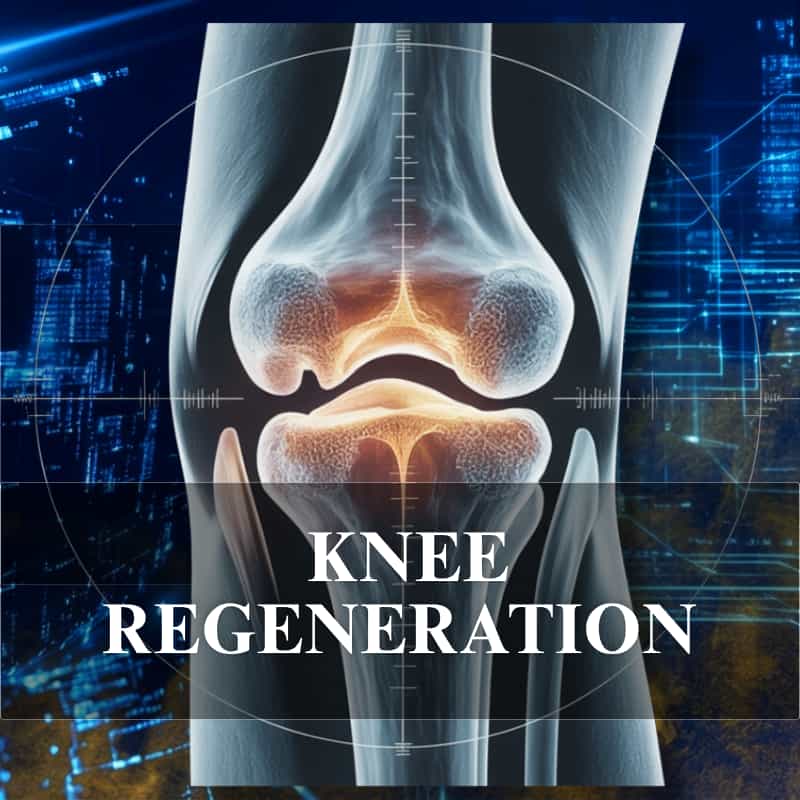
Price starting from $19,800
Knee Regenerative Medicine Package in Osaka, Japan by Cell Grand Clinic
Cell Grand Clinic - Best Stem Cell Clinic in Japan
- Stem Cell Therapy
Osaka, Japan
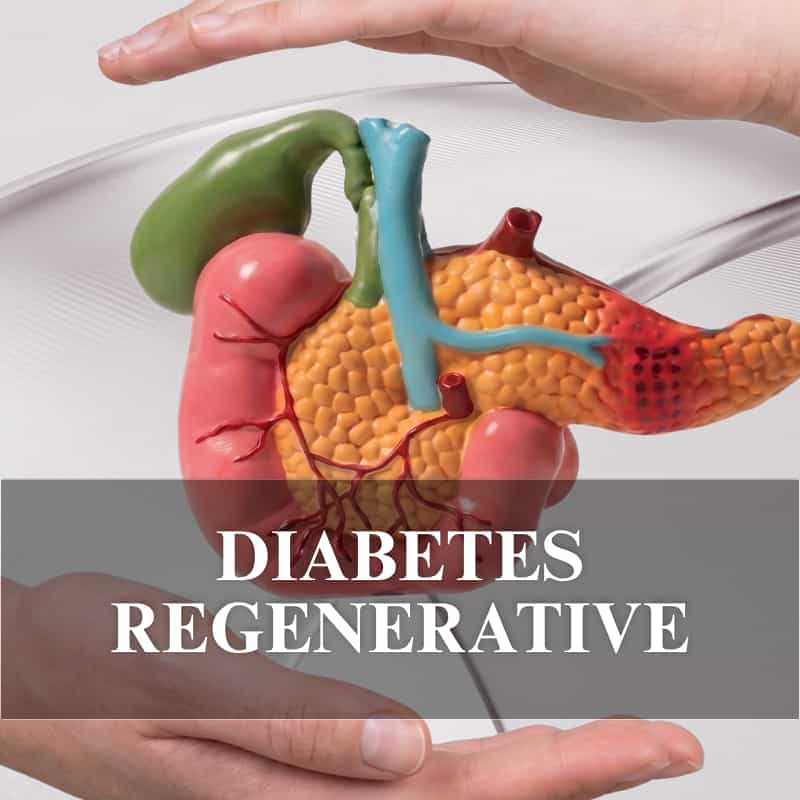
Price starting from $19,800
Diabetes Regenerative Medicine Package in Osaka, Japan by Cell Grand Clinic
Cell Grand Clinic - Best Stem Cell Clinic in Japan
- Stem Cell Therapy
Osaka, Japan

Price starting from $19,800
Stem Cell Treatment Online Consultation Package in Osaka, Japan by Cell Grand Clinic
Cell Grand Clinic - Best Stem Cell Clinic in Japan
- Stem Cell Therapy
Osaka, Japan
Price starting from $10,000
Stem Cell Therapy for Diabetes Package in Tokyo, Japan by Helene Clinic
HELENE - Stem Cell Clinic
- Stem Cell Therapy
Tokyo, Japan
Transformative Stem Cell Therapy Experiences: Dive into Procedure Insights
Discover the power of Stem Cell Therapy through compelling patient experiences. Uncover detailed insights into procedures, recovery journeys, and life-changing results.
.png)
Stem Cell Therapy for Spinal Cord Injury in Japan
- Stem Cell Treatment for Spinal Cord Injury, Stem Cell Therapy
Japan
.png)
Price starting from $10,000
Stem Cell Therapy for Stroke Rehabilitation in Japan
- Stem Cell Therapy for Stroke, Stem Cell Therapy
Japan
.png)
Price starting from $10,000
Stem Cell Therapy for Alzheimer’s Disease in Japan
- Stem Cell Treatment for Alzheimers Disease, Stem Cell Therapy
Japan

Price starting from $10,000
Stem Cell Therapy for Heart Disease in Japan
- Stem Cell Therapy for Heart Disease, Stem Cell Therapy
Japan







