
Top Clinics and Costs for NK Cell Therapy in Japan
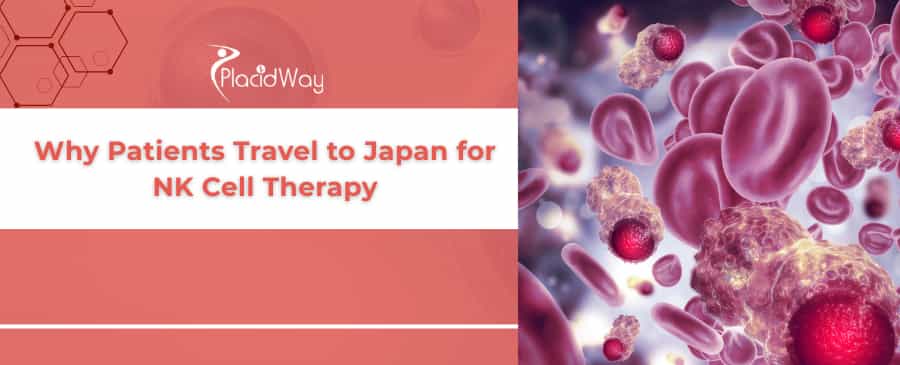
When exploring advanced and specialized immunotherapy options, many international patients research NK Cell Therapy in Japan. Natural Killer (NK) cells are a vital component of the human innate immune system, naturally responsible for identifying and addressing abnormal cells. While standard cancer treatments like chemotherapy and radiation remain the foundation of global oncology, certain international destinations have developed distinct regulatory pathways to offer cellular therapies alongside conventional care.
Japan stands out globally due to its unique legislative environment. Rather than operating in regulatory grey areas, Japanese facilities must adhere to strict government frameworks overseen by the Ministry of Health, Labour and Welfare (MHLW). This legal structure provides a monitored environment for therapies that are still considered investigational in many Western countries, drawing patients seeking complementary approaches to their health challenges.
Key Takeaways
- Japan’s Act on the Safety of Regenerative Medicine (ASRM) creates a regulated framework for cell processing and administration.
- NK cell therapy is typically used as an adjunctive (complementary) treatment alongside standard oncological care.
- The process generally involves an initial blood draw, several weeks of laboratory cultivation, and multiple intravenous infusions.
- Because it is an investigational approach, patients must pay out-of-pocket, requiring careful financial planning.
- Treatment outcomes vary significantly depending on the individual patient, their specific condition, and overall health.
How does NK cell therapy work in the body?
Natural Killer cells are white blood cells that act as first responders in the immune system. Unlike T-cells, which require prior sensitization to a specific antigen, NK cells can often identify and target stressed, infected, or malignant cells immediately. In a healthy body, they play a crucial role in immune surveillance.
However, in individuals with severe illness or compromised immune systems, the number and activity of these cells may be diminished. Autologous NK cell therapy attempts to address this by drawing a small amount of the patient's blood to isolate the remaining healthy NK cells. In a specialized laboratory, these cells are cultured over a period of weeks using specific proteins (cytokines) to multiply their numbers exponentially and enhance their activation state before being reintroduced to the patient via intravenous drip.
Why is Japan a popular destination for this specific treatment?
Before the implementation of the Act on the Safety of Regenerative Medicine (ASRM), the global landscape for cell therapy was largely fragmented. Many countries lacked specific laws, leading to unregulated offshore clinics. Japan changed this dynamic by introducing legislation designed to expedite the safe application of regenerative therapies while maintaining strict government oversight.
Under this system, medical institutions cannot simply offer cell therapy at will. They must submit detailed treatment protocols to independent certified committees for review and receive authorization from the Ministry of Health, Labour and Welfare (MHLW). Furthermore, the laboratories that culture the cells—known as Cell Processing Centers (CPCs)—must meet stringent sterilization and quality control standards. This regulated environment provides a level of quality assurance that attracts international patients.
Which conditions are often treated with NK cells in Japan?
Patients seeking this therapy often have conditions affecting the lungs, liver, stomach, colon, or breasts. It is vital to note that NK cell therapy is rarely administered as a standalone cure. Instead, Japanese oncologists typically integrate it into a comprehensive treatment plan that may include surgery, chemotherapy, or radiotherapy.
The suitability of a patient for this treatment depends on multiple factors, including their current blood counts, organ function, and the specific characteristics of their condition. Certain cancers, particularly rapidly progressing blood cancers like certain types of leukemia, may not be appropriate for standard autologous NK cell therapy. A thorough medical evaluation is always necessary to determine eligibility.
What is the estimated NK Cell Therapy cost in Japan?
Because cell therapy involves highly personalized laboratory work rather than mass-produced pharmaceuticals, the costs are substantial. Processing live cells requires specialized cleanrooms, highly trained technicians, and expensive culturing agents. Additionally, these procedures are not covered by standard international health insurance, requiring patients to fund the care privately.
When budgeting for this treatment, patients must account for several variables beyond the medical fees. A comprehensive cost estimate should include:
- Initial medical consultations and baseline blood work.
- The laboratory fees for cell extraction, cultivation, and storage.
- The clinical fees for multiple intravenous administration sessions.
- Travel logistics, including long-term accommodation, flights, and specialized medical visas.
- Medical translation services, which are often necessary for non-Japanese speakers.
How is regenerative medicine regulated in Japan?
Japan categorizes regenerative medicine based on the level of risk to the patient. Cellular therapies involving extensive manipulation or culturing of cells, such as NK cell expansion, typically fall under Class II or Class III risk categories. This classification dictates the rigor of the review process required before a facility can offer the treatment.
Facilities must demonstrate the safety of their protocols, provide evidence of informed consent procedures, and report regularly on patient outcomes and any adverse events. While this framework does not guarantee a cure or a successful outcome for every patient, it enforces an organizational structure designed to prioritize patient safety and operational transparency.
What should I expect during the treatment process?
Understanding the timeline is crucial for patients planning international travel. The journey begins with a comprehensive health assessment to ensure the patient is a viable candidate. If approved, approximately 20 to 50 milliliters of blood are drawn.
The patient then waits while the laboratory processes the blood. During this two-to-three week window, some patients return to their home country, while others choose to remain in Japan. Once the cells have reached the target volume and activation level, the patient undergoes a series of intravenous infusions. These are typically outpatient procedures lasting one to two hours each, administered over a schedule determined by the medical team.
| Treatment Phase | Estimated Timeline | Patient Activity |
|---|---|---|
| Consultation & Blood Draw | Days 1-3 | In-person clinic visit, blood tests, and extraction. |
| Cell Culturing (Laboratory) | 14-21 Days | Rest or travel; no clinical visits required. |
| Infusion Sessions | Weeks 4-6 | Multiple outpatient visits for IV drips. |
Are there risks or side effects associated with NK cell therapy?
Because the therapy relies on autologous (self-derived) cells, the risk of graft-versus-host disease (GVHD)—a serious complication seen with donor cells—is minimized. However, no medical procedure is entirely without risk. The process of reintroducing millions of activated immune cells into the bloodstream can trigger an immunological response.
Patients may experience flu-like symptoms, including temporary fever, chills, or fatigue, shortly after the infusion. Although less common with NK cells than with other immunotherapies like CAR-T, there is a theoretical risk of an overactive immune response (such as cytokine release syndrome), which emphasizes the necessity of receiving treatment in a medically supervised, properly equipped facility capable of managing complications.
Can NK cell therapy replace standard cancer treatments?
A critical aspect of patient safety in medical tourism is continuity of care. Patients should never abandon treatments recommended by their primary oncologists—such as surgical resection, targeted radiation, or systemic chemotherapy—in favor of experimental cell therapies. Standard treatments have decades of clinical data, established dosing protocols, and proven survival metrics.
Instead, many Japanese medical teams encourage coordinated care. They often communicate with a patient's home oncologist to ensure that the timing of cell infusions does not interfere with the efficacy of chemotherapy. Discontinuing standard treatment against medical advice can allow a primary condition to progress unchecked, posing severe risks to the patient's health.
How do I choose a qualified NK Cell Therapy clinic in Japan?
Selecting an appropriate medical provider in a foreign country requires diligent research. Patients should prioritize facilities that operate transparently within the Japanese legal framework. A reputable provider will readily supply their MHLW notification numbers and explain the approval status of their specific cell therapy protocols.
Additionally, it is highly advisable to seek clinics that employ multidisciplinary teams. Because immunotherapy affects the entire body, having access to specialized physicians who understand immunology, oncology, and internal medicine is crucial. Patients should also inquire about the clinic's experience with international patients, specifically regarding language support and the handling of medical records across borders.
What are the logistics of medical tourism in Japan for this treatment?
Traveling for medical care, especially when facing a serious illness, adds significant logistical complexity. Japan offers a Visa for Medical Stay, which is often required for treatments spanning several weeks or months. This visa process usually requires a guarantor, such as a registered medical coordination agency, to vouch for the patient's identity and financial stability.
Furthermore, navigating the healthcare system requires accurate communication. Medical terminology is highly specific, and even patients conversant in conversational Japanese may struggle in a clinical setting. Utilizing professional medical interpreters ensures that informed consent documents are fully understood, pre-existing conditions are accurately communicated, and post-treatment instructions are clear.
Why Choose PlacidWay for Medical Tourism in Japan?
Navigating international healthcare requires access to clear information. PlacidWay assists patients researching medical options abroad by providing practical tools and connections.
- Global Connections: Connects patients with internationally located healthcare providers and specialized medical facilities.
- Informational Resources: Provides extensive educational materials about global healthcare destinations and regulatory environments.
- Cost Comparisons: Allows users to review and compare estimated pricing structures for various treatments across different regions.
- Initial Facilitation: Facilitates the initial communication and inquiry process between patients and international clinics.
- Multilingual Support: Offers access to multilingual support teams to help coordinate initial inquiries and gather necessary treatment details.
Frequently Asked Questions
Do I need a special visa for medical treatment in Japan?
Yes, many international patients apply for a Visa for Medical Stay, which allows longer stays for medical care and can accommodate accompanying family members or caregivers depending on the treatment duration.
Can I receive chemotherapy while undergoing NK cell therapy?
NK cell therapy is often administered in conjunction with standard treatments like chemotherapy or radiation. However, the timing of infusions must be strictly coordinated by your oncology team to prevent chemotherapy from destroying the newly introduced immune cells.
Are NK cells taken from my own body or a donor?
Most NK cell therapies offered in Japanese clinics are autologous, meaning the cells are extracted from your own blood, cultured, and returned to you, which significantly lowers the risk of immune rejection.
How many infusions are typically required for a full cycle?
While protocols vary by facility and patient need, a standard course often involves four to six intravenous infusions administered over a period of several weeks.
Will my health insurance cover cell therapy in Japan?
Because this therapy is considered investigational and is performed abroad, domestic and international health insurance plans typically do not cover the procedure, meaning patients must pay out-of-pocket.
How are my cells transported and stored during the culturing process?
Cells are processed in strictly regulated Cell Processing Centers (CPCs) governed by the Ministry of Health, Labour and Welfare, using specialized cleanrooms and temperature-controlled storage to maintain viability.
Are there age limits for receiving this type of immunotherapy?
While there is no universal age limit, clinics evaluate each patient’s overall health, organ function, and immune status to determine if their body can tolerate the blood draws and the therapy itself.
What follow-up care is required after returning home?
Patients must continue standard oncological follow-ups with their local specialist, including regular blood tests and imaging scans to monitor their primary condition and assess any changes.
Do Japanese medical teams speak English?
Many facilities catering to international patients employ English-speaking staff or coordinate with specialized medical translators to ensure complex medical information is clearly understood.
How quickly can the cultured cells be administered?
After the initial blood draw, it typically takes two to three weeks for the laboratory to isolate, multiply, and activate the natural killer cells before they are ready for the first infusion.
Explore Your Healthcare Options Abroad
Gather information on treatment protocols, compare estimated costs, and connect with regulated medical providers to make an informed decision regarding your care.
Request Treatment InformationReferences
- Natural Killer Cell-Based Immunotherapy: Perspectives and Challenges – National Institutes of Health (NIH) / PubMed
- Act on the Safety of Regenerative Medicine – Ministry of Health, Labour and Welfare (MHLW), Japan
- Understanding Immunotherapy – American Cancer Society
- Definition of Natural Killer Cell – National Cancer Institute (NCI)
- Regenerative Medical Products Regulations – Pharmaceuticals and Medical Devices Agency (PMDA), Japan
- Patient Guide to Stem Cell and Regenerative Therapies – International Society for Stem Cell Research (ISSCR)

.png)


.png)

.png)


.png)
.jpg)

.png)










Share this listing