
How Stem Cell Therapy May Support Liver Repair in Tokyo

Stem Cell Therapy for Liver Cirrhosis in Japan: Reversing Damage & Restoring Function
Stem Cell Therapy in Japan helps regenerate damaged liver tissue and reduces inflammation in cirrhosis patients. While it cannot entirely reverse severe scarring, it effectively halts disease progression and can delay or prevent a liver transplant.
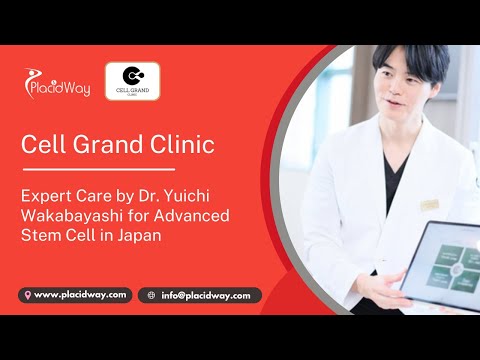
Cell Grand Clinic (Osaka) is directed by Dr. Yuichi Wakabayashi, MD, PhD, American Board of Regenerative Medicine (ABRM) board certified, with more than 3,000 autologous stem cell treatments for patients from about 20 countries. The clinic operates under 15 MHLW-notified regenerative medicine treatment plans and uses only the patient's own adipose-derived stem cells (no donor cells, no batch pooling). Osaka is about 50 minutes from Kansai International Airport.
Key Takeaways: Liver Regeneration in Japan
- Cellular Repair: Mesenchymal cells target hepatic inflammation and encourage natural tissue remodeling.
- Transplant Alternative: Early intervention can preserve organ function and potentially eliminate the need for major surgery.
- Regulatory Safety: Japanese protocols are strictly governed by the Ministry of Health, ensuring maximum clinical safety.
- Minimally Invasive: Procedures are conducted on an outpatient basis utilizing simple intravenous infusions.
- Holistic Recovery: Programs integrate cellular medicine with comprehensive metabolic and lifestyle monitoring.
How do stem cells regenerate damaged liver tissue in cirrhosis patients?
Stem cells target liver damage by releasing anti-inflammatory factors and differentiating into hepatocyte-like cells. This process stimulates the natural healing mechanisms of the body to repair fibrotic tissue and restore metabolic balance.
When administered into the bloodstream, mesenchymal stem cells migrate directly to the injured liver tissue through a sophisticated biological process known as homing. The inflamed hepatic environment emits specific chemical distress signals that these introduced cells easily recognize. Once they reach the damaged area, they begin secreting essential growth factors and cytokines that suppress the chronic immune system overreaction responsible for relentless cirrhosis progression.
Furthermore, these powerful biological agents help break down existing scar tissue by modifying the surrounding fibrotic environment. They support angiogenesis, which is the formation of new blood vessels. This critical vascular growth ensures that the remaining healthy liver cells receive the adequate oxygen and vital nutrients required for rapid cellular division and sustained natural regeneration without the interference of heavy scarring.
Over time, this biological repair mechanism dramatically improves overall liver function markers such as albumin production and bilirubin clearance. Many patients pursuing stem cell therapy in Japan report enhanced physical energy levels, visibly reduced jaundice, and a significant improvement in their overall quality of life as their organ regains its metabolic efficiency.
The liver is the only internal human organ capable of natural regeneration. As little as twenty-five percent of the original liver mass can regenerate back to its full size. Regenerative medicine simply provides the biological tools necessary to restart this stalled natural process in cirrhotic patients.
What is the average stem cell therapy cost in Japan for liver diseases?
The stem cell therapy cost in Japan for liver conditions typically ranges from $15,000 to $35,000 per comprehensive treatment cycle. This price fluctuates based on the required cell count and the specific clinical protocol utilized.
Understanding the financial investment required for regenerative medicine is crucial for international patients. The comprehensive pricing structures found in major Asian medical hubs usually encompass several vital phases of the treatment journey. Here is what is generally included in the cost:
- Initial Medical Diagnostics: Comprehensive medical evaluations including extensive blood panels, hepatic ultrasound imaging, and consultations to establish a clear baseline of your liver health.
- Cellular Cultivation Processes: The highly specialized harvesting, isolation, and expansion of mesenchymal stem cells conducted within strict, government-regulated laboratory cleanrooms.
- Clinical Administration: The actual intravenous infusion procedures meticulously monitored by board-certified regenerative medicine specialists to guarantee complete patient safety.
- Post-Treatment Monitoring: Dedicated post-procedure consultations and follow-up testing schedules designed to precisely track hepatic enzyme improvements over several months.
- Adjunct Supportive Therapies: Many packages include supplementary vitamin infusions or hyperbaric oxygen sessions formulated to enhance cellular engraftment and maximize healing.
| Global Region | Estimated Cost Range (USD) | Regulatory Status |
|---|---|---|
| United States | $25,000 - $50,000+ | Heavily restricted clinical trials |
| Western Europe | $20,000 - $40,000 | Strict EMA regulations |
| Japan | $15,000 - $35,000 | Approved accelerated pathways |
Who is an ideal candidate for liver cirrhosis stem cell treatment?
Ideal candidates are individuals in the early to moderate stages of liver cirrhosis who maintain stable overall bodily health. Patients must not possess active liver cancer or severe uncontrolled systemic infections to qualify for the procedure.
Medical professionals comprehensively evaluate every single patient to verify they can safely receive and benefit from regenerative treatments. Those diagnosed with compensated cirrhosis, where the liver still performs basic essential functions despite the presence of scarring, typically experience the most profound clinical responses. The primary objective of the therapy is to vigorously preserve this remaining biological function and actively prevent the dangerous transition into decompensated cirrhosis.
Patients actively seeking viable alternatives to highly invasive liver transplant surgeries frequently explore this regenerative route. A reputable stem cell therapy clinic in Japan will strictly require recent medical records, including detailed hepatic blood panels and elastography ultrasound results, to accurately determine if the patient retains sufficient viable liver tissue for the introduced stem cells to effectively stimulate.
It is exceptionally crucial to understand that individuals suffering from end-stage liver failure accompanied by massive fluid retention or severe hepatic encephalopathy might require immediate traditional emergency hospital interventions. The strategic goal of stem cell intervention is proactive disease management and gradual tissue regeneration rather than acute emergency medical rescue.
What happens during a typical stem cell therapy procedure in Tokyo?
The procedure involves extracting adipose tissue or bone marrow, expanding the cellular yield in a sterile laboratory, and reintroducing the cells intravenously. The entire clinical process is minimally invasive and performed on an outpatient basis.
The healing journey begins with a remarkably minor extraction procedure where specialized doctors harvest a very small sample of abdominal fat or pelvic bone marrow under localized anesthesia. This precious biological sample is promptly and securely transported to a certified laboratory. There, specialized biotechnology technicians isolate the mesenchymal stem cells and culture them over several days to achieve a massive therapeutic quantity suitable for medical intervention.
Once the cellular cultures reach the optimal numerical threshold and pass extremely strict governmental quality control viability tests, the patient returns to the medical center for the infusion phase. The highly concentrated stem cells are slowly and comfortably administered directly into the bloodstream through a standard intravenous drip. This systemic method allows the circulating cells to naturally home in on the specific inflamed hepatic tissues calling for biological repair.
Throughout the duration of the infusion, patients relax in a deeply comfortable, spa-like setting while dedicated medical staff continuously monitor their vital signs to ensure perfect safety. Reputable institutions, such as HELENE - Stem Cell Clinic in Tokyo, Japan, ensure a remarkably seamless clinical experience, and patients can typically return to their private hotel accommodations shortly after the painless session entirely concludes.
How soon can patients see improvements in their liver function tests?
Patients often begin to notice distinct clinical improvements within three to six months following their final infusion. However, internal cellular repair mechanisms and structural tissue regeneration continue to progress steadily for up to a full year.
The timeline for hepatic healing varies per individual, but clinical observations highlight a consistent pattern of systemic recovery. Patients undergoing stem cell therapy for liver cirrhosis in Japan generally experience the following progressive milestones:
- Weeks 1 to 4: An initial massive reduction in systemic biological inflammation often leads to vastly improved daily energy levels, better sleep patterns, and sharply decreased chronic fatigue.
- Months 2 to 3: Routine blood testing protocols commonly begin to reveal stabilizing levels of AST and ALT liver enzymes, indicating that active cellular damage has been effectively halted.
- Months 4 to 6: Measurable improvements in synthetic liver function, such as normalized serum albumin levels and better prothrombin blood clotting times, develop gradually as new tissue matures.
- Months 6 to 9: A visible clinical reduction in frustrating cirrhosis-related complications like ascites or minor fluid retention becomes highly noticeable as the liver becomes metabolically efficient again.
- One Year Mark: Long-term elastography imaging studies frequently demonstrate a complete halt in fibrosis progression and a potential softening of previously rigid scarred liver segments.
What makes a stem cell therapy clinic in Japan superior for treatments?
Japan enforces some of the strictest regenerative medicine laws globally, ensuring unparalleled patient safety and clinical efficacy. Clinics must absolutely pass rigorous government health inspections to cultivate and administer cellular material legally.
The landmark Act on the Safety of Regenerative Medicine mandates that every single operating stem cell therapy clinic in Japan functions under heavy, unyielding oversight from the Japanese Ministry of Health, Labour and Welfare. This robust legislative framework securely guarantees that all complex laboratory processes, ranging from initial cell harvesting to specialized expansion and delicate cryopreservation, consistently meet the highest international medical standards available today.
Furthermore, distinguished Japanese medical institutions exclusively utilize cutting-edge biotechnology equipment and pristine, hospital-grade cleanroom facilities. The nation stands proudly as a global pioneer in advanced stem cell research. This prestigious standing means international patients directly benefit from innovative protocols developed by leading scientific minds who continually refine their clinical treatments to achieve maximum cellular viability and profound therapeutic impact.
For discerning international patients actively seeking advanced stem cell treatments for liver cirrhosis in Tokyo, this impeccably regulated medical environment provides immense psychological peace of mind. Patients rest assured knowing they are receiving unadulterated, highly potent cellular treatments without facing the significant ethical dilemmas or severe physical safety risks sometimes associated with less thoroughly regulated global medical destinations.
Are there any risks associated with adult stem cell liver treatments?
Adult cellular therapy is exceptionally safe primarily because it typically utilizes the cellular biological material of the patient. The main risks involve minor temporary discomfort at the physical extraction site rather than systemic tissue rejection.
Because the advanced procedure utilizes autologous cells harvested directly from the body of the patient, the terrifying risk of immune system rejection or severe allergic reaction is virtually eliminated entirely. The human body readily recognizes the newly introduced concentrated cells as its own natural material, allowing them to seamlessly integrate and function without the absolute need for harsh, immune-suppressing medications that are always required after traditional organ transplants.
The most frequently reported clinical side effects are remarkably mild and highly temporary in nature. Patients might experience very slight dermal bruising or muscular soreness precisely where the fat tissue or bone marrow was medically extracted. Immediately following the intravenous fluid infusion, a very low-grade fever or mild physical fatigue can occasionally occur. Medical professionals view this simply as a positive indication that the stem cells are biologically active and the body is actively responding to the complex regenerative process.
Severe clinical complications are incredibly rare when the entire procedure is meticulously conducted within a fully certified, high-tier medical facility. Unwavering strict adherence to sterile laboratory cultivation practices absolutely prevents bacterial contamination, making these revolutionary regenerative therapies a highly secure, low-risk option for individuals desperately managing chronic, life-altering liver conditions.
How long should I stay for medical tourism in Japan during my treatment?
Most international patients should purposefully plan a medical stay of seven to fourteen days to thoroughly complete all necessary evaluations and infusions. This timeline provides adequate space for proper rest and vital follow-up consultations.
Properly planning your travel itinerary is vital for a stress-free medical journey. A standard structured timeline for patients engaging in medical tourism in Japan typically unfolds smoothly across a well-organized two-week period:
- Days 1 to 2: Initial arrival and dedicated consultation days involve comprehensive medical screenings, advanced bloodwork, and highly detailed preparatory discussions with your designated regenerative medicine specialist.
- Day 3: The physical tissue extraction procedure strictly requires a short morning clinic visit, immediately followed by a day or two of highly recommended light rest in your private accommodation.
- Days 4 to 10: A necessary waiting period occurs while your specific cells are meticulously cultured in the laboratory. Patients frequently use this downtime to gently explore local cultural sights at a deeply relaxed pace.
- Day 11: The actual therapeutic infusion day involves spending a few comfortable hours at the clinic for the intravenous drip and the mandatory immediate post-treatment clinical observation period.
- Days 12 to 14: Final comprehensive follow-up appointments ensure your body is responding perfectly well, rendering the entire medical journey deeply reassuring before your scheduled flight home.
Why choose PlacidWay for your stem cell liver treatment journey?
PlacidWay directly connects you with globally accredited regenerative clinics while ensuring absolute complete transparency in financial pricing and clinical protocols. We strictly prioritize your bodily safety and ultimate medical success above all else.
Navigating the complex landscape of international regenerative medicine requires a highly trustworthy and exceptionally knowledgeable partner. PlacidWay removes the intense anxiety from this vital process by providing unparalleled patient advocacy. Here is why discerning patients continually select our dedicated services:
- Rigorous Facility Vetting: We conduct incredibly stringent, continuous background checks on all partner medical facilities to absolutely ensure they hold current, verifiable government certifications for advanced regenerative medicine.
- Absolute Financial Transparency: Our dedicated team clearly provides straightforward, transparent pricing structures so you comprehensively understand exactly what the clinical procedures entail without ever facing hidden medical fees.
- Direct Specialist Access: We seamlessly facilitate direct, confidential communication between you and highly esteemed board-certified regenerative specialists to thoroughly review your complex medical history prior to any financial commitment.
- Data-Driven Decisions: Our comprehensive platform proudly offers immediate access to verified patient reviews and documented clinical success rates to effectively help you make highly informed, confident healthcare decisions.
- Medical Record Integration: We actively assist in securely acquiring, professionally translating, and rapidly transferring your localized medical records and complex diagnostic images directly to the international medical teams for accurate assessment.
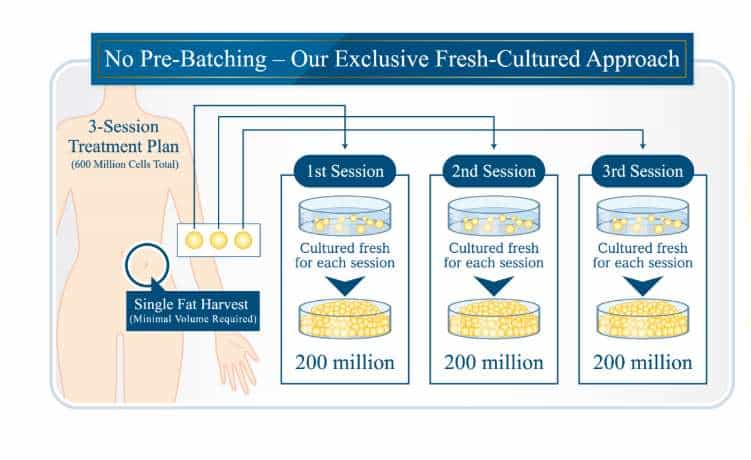
Stem Cell Gallery at Cell Grand Clinic
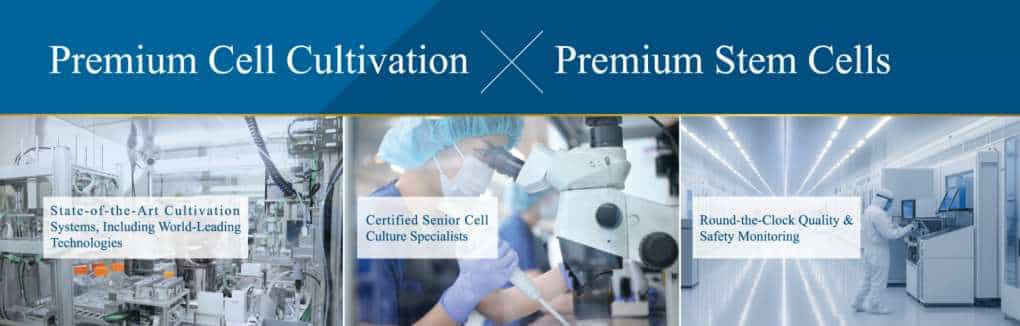
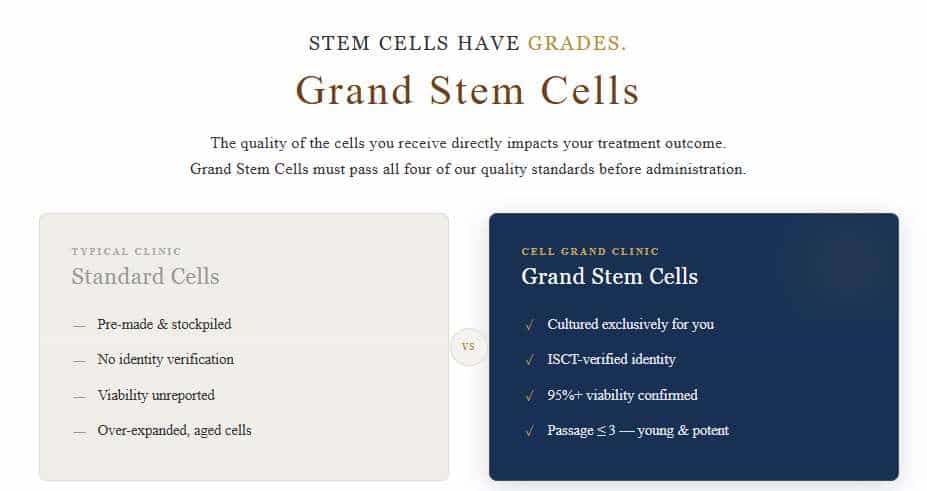

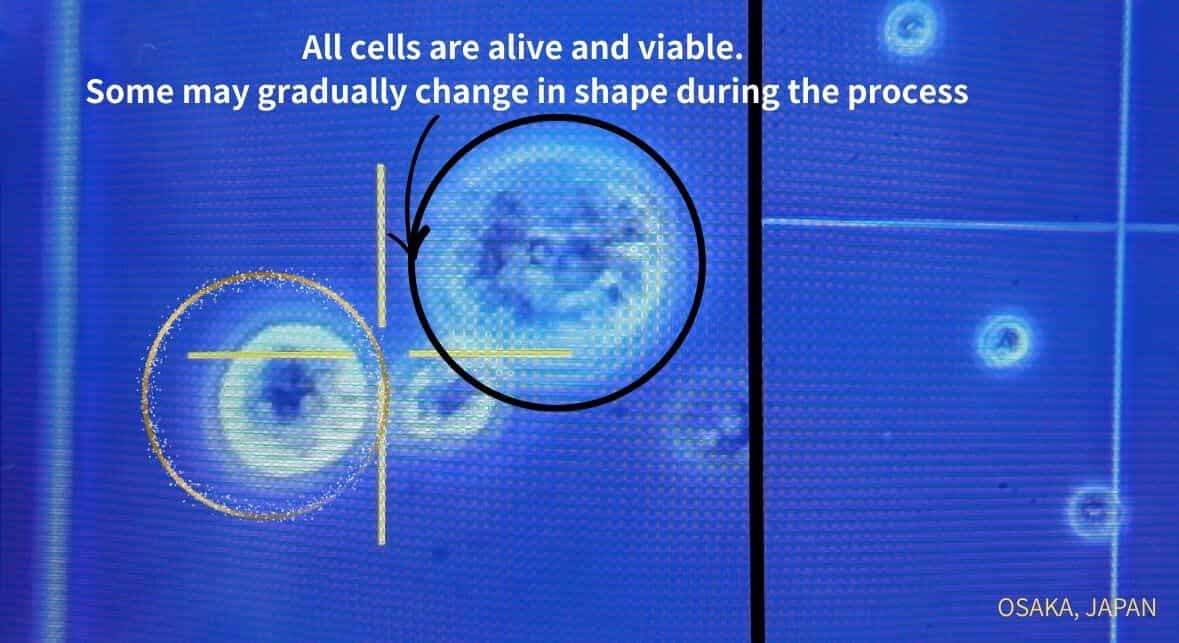
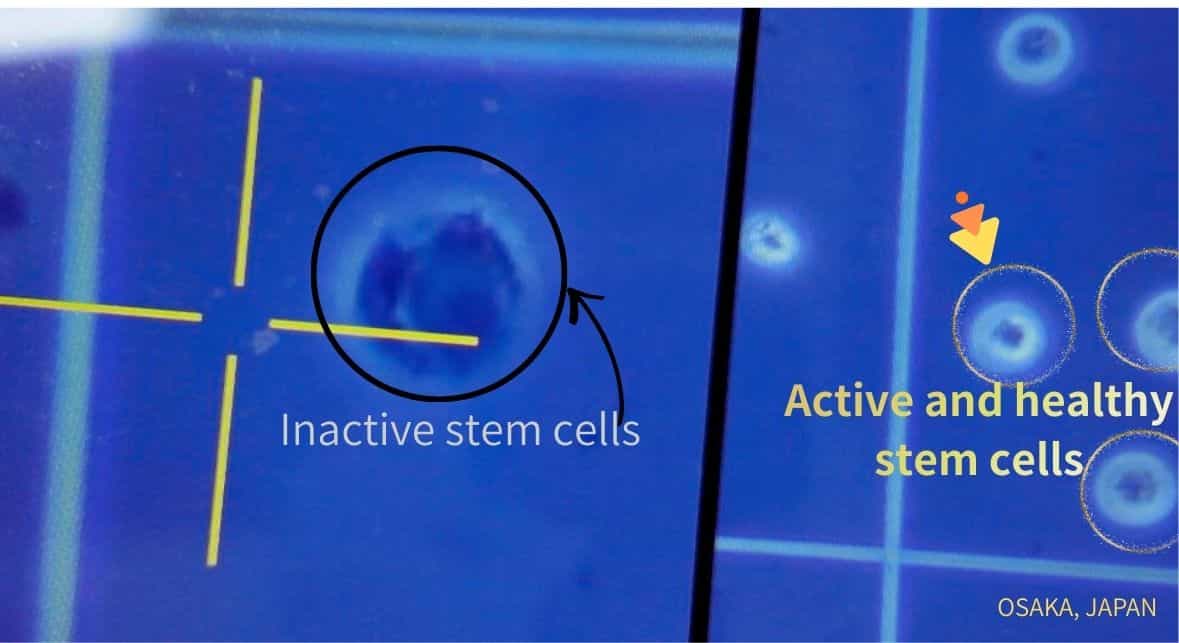
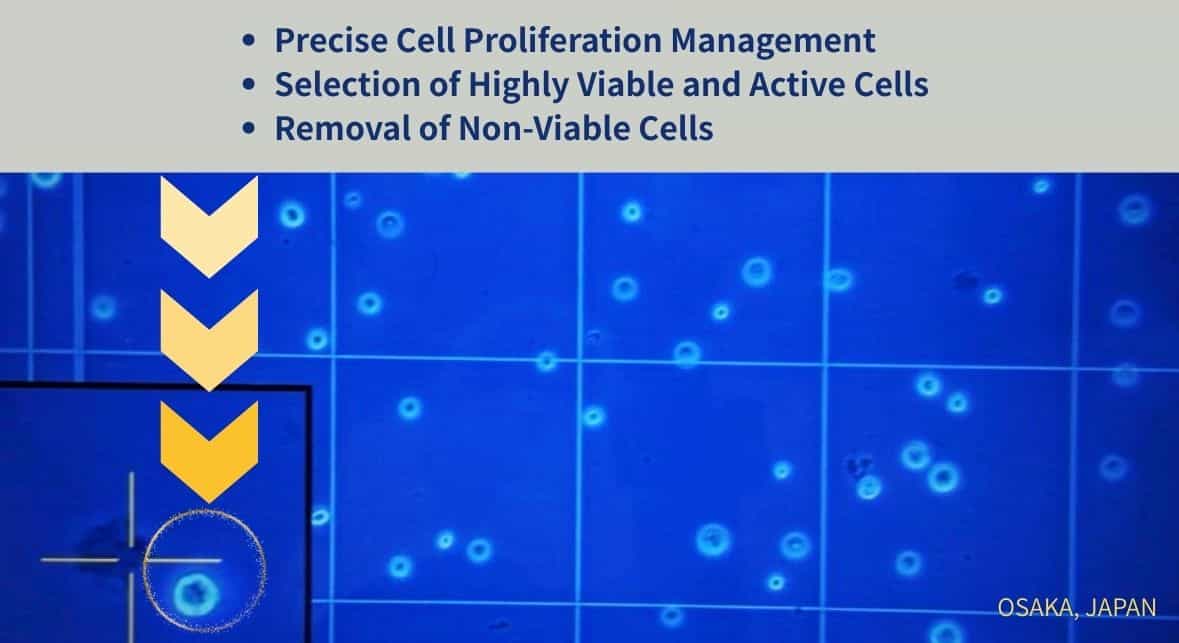
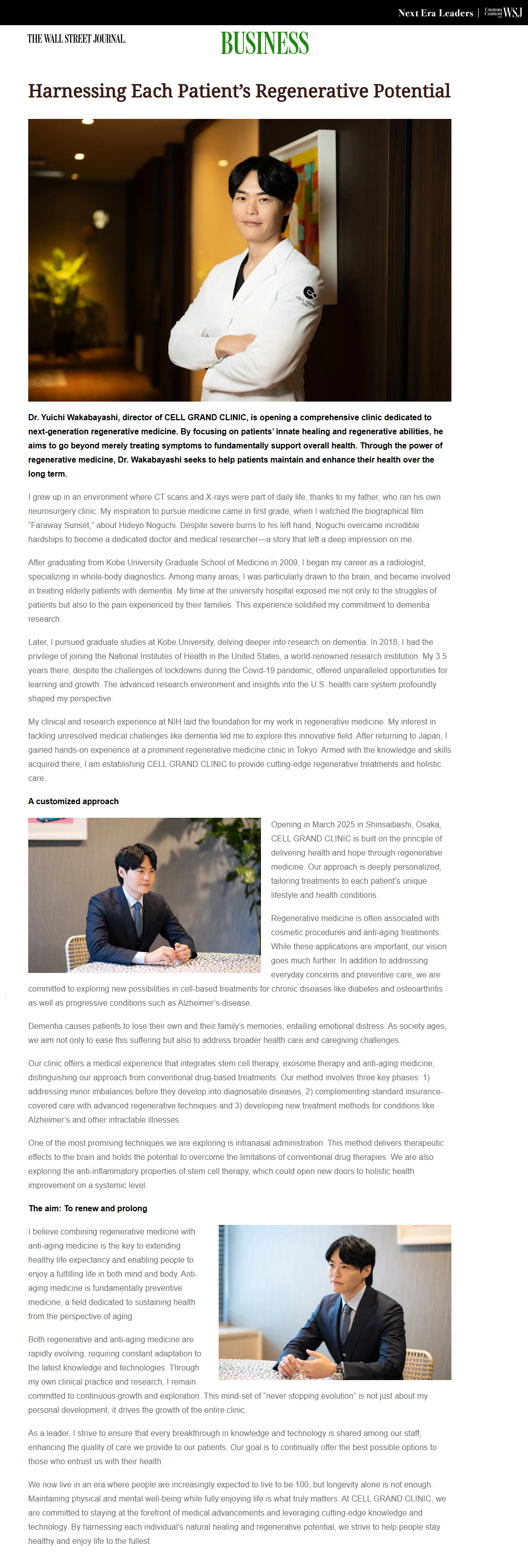
Cell Grand Clinic has earned international recognition for its leadership in regenerative medicine and commitment to advancing patient-centered care. The clinic's founder, Dr. Yuichi Wakabayashi, was featured in the Business section of The Wall Street Journal, highlighting his pioneering work and innovative vision in the field of regenerative medicine.
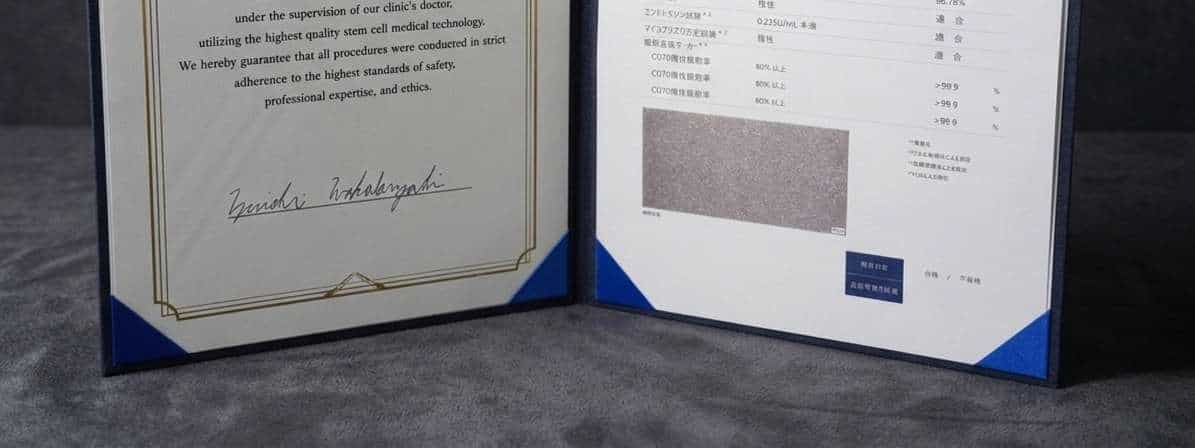
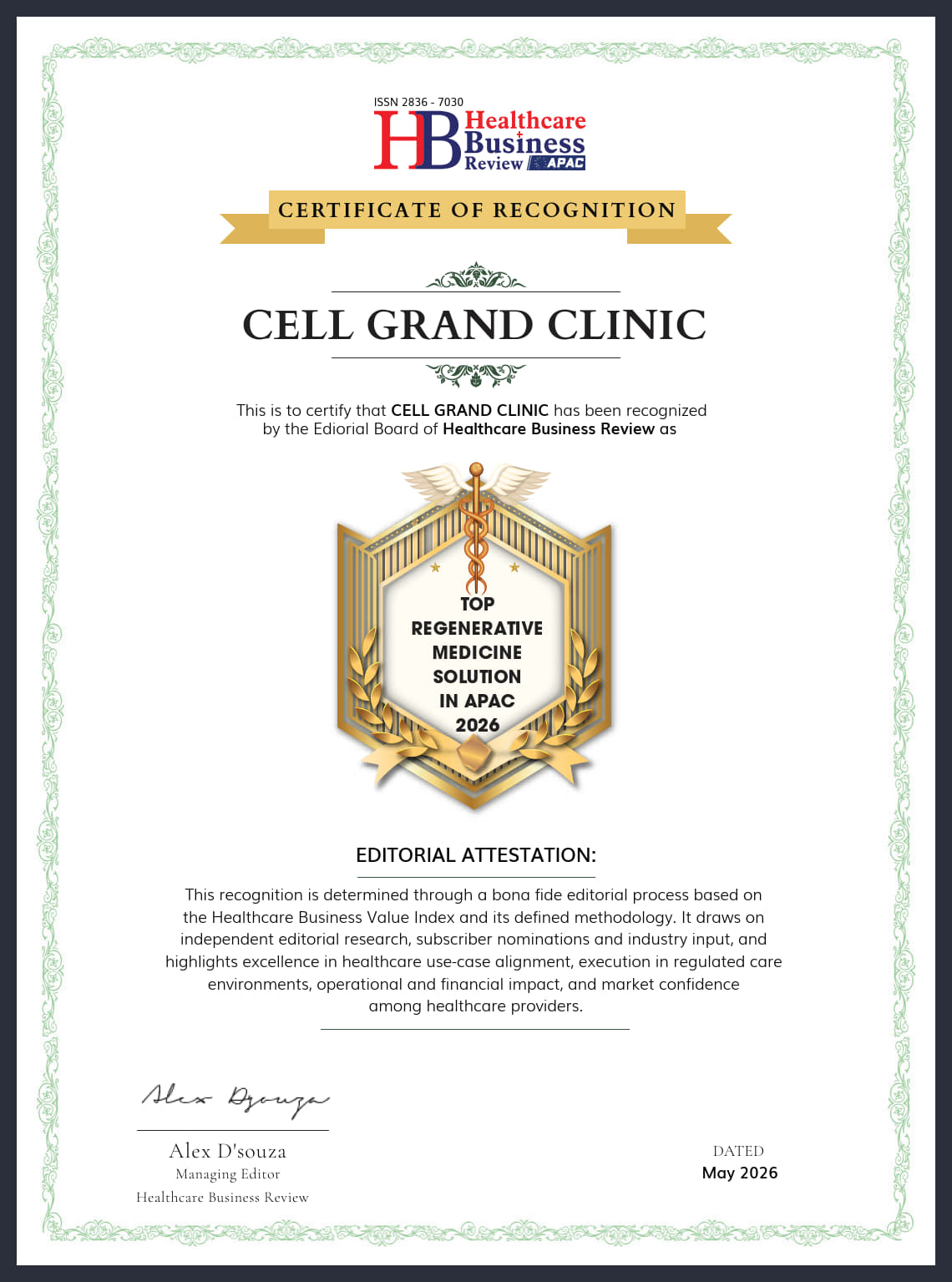
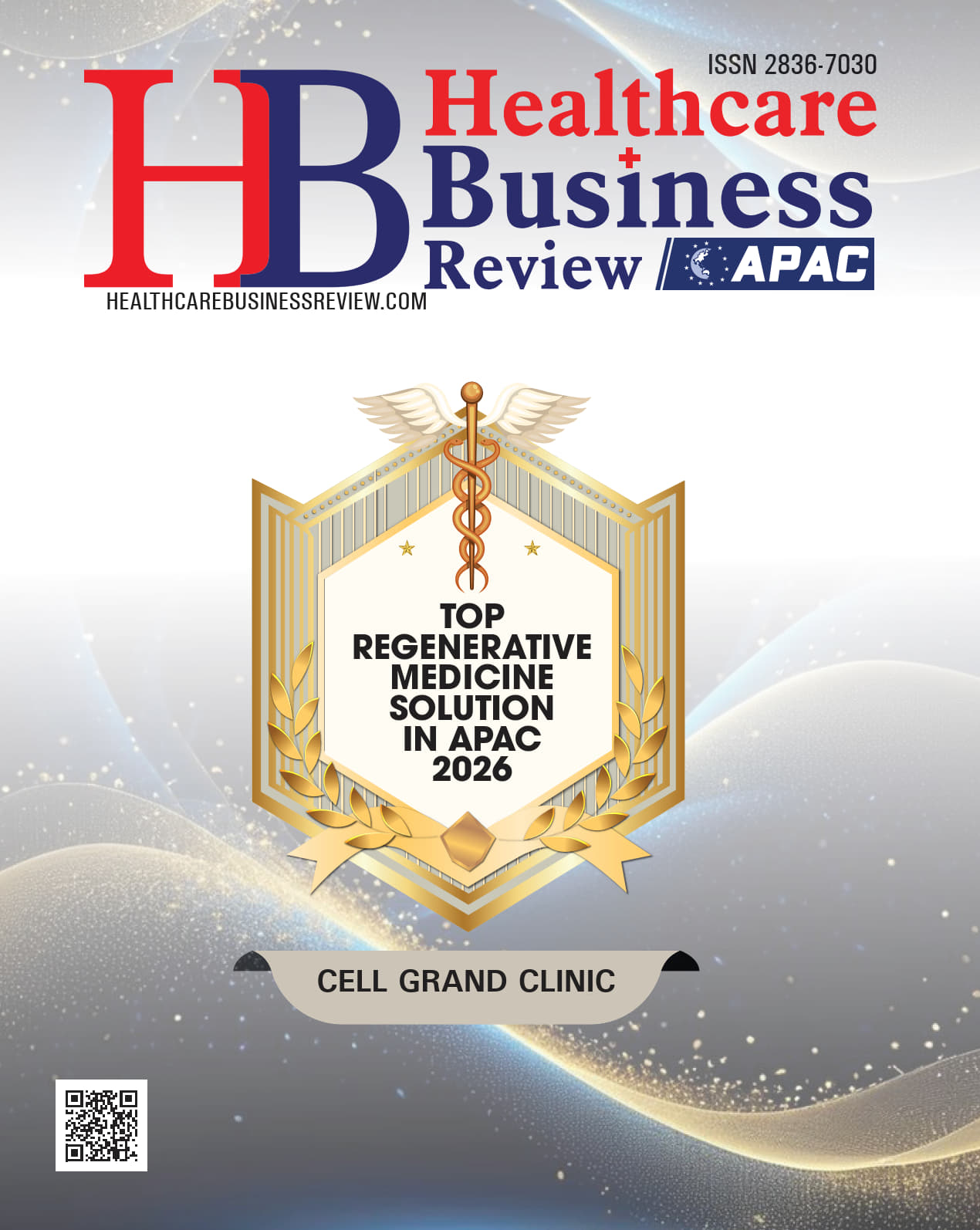
Further demonstrating its dedication to clinical excellence, the clinic's leadership holds the prestigious American Board of Regenerative Medicine Certificate, reinforcing its reputation as an Advanced Stem Cell Clinic in Japan. Adding to these achievements, Cell Grand Clinic was recognized by Healthcare Business Review APAC as a Top Regenerative Medicine Solution in APAC for 2026, reflecting its growing influence and excellence in delivering cutting-edge regenerative healthcare solutions.
Recognized by Healthcare Business Review APAC as a Top Regenerative Medicine Solution in APAC (2026).
The Wall Street Journal Feature Dr. Yuichi Wakabayashi
Peer-Reviewed Publication
Reflecting this commitment to transparency, Dr. Wakabayashi’s one-year outcome report on adipose-derived stem cell therapy for knee osteoarthritis was published in the peer-reviewed medical journal Cureus in 2026 (DOI: 10.7759/cureus.113830), adding independently verifiable clinical documentation to the clinic’s growing body of research.
Symptomatic Improvement Following Intra-articular Injection of Cultured Autologous Adipose-Derived Mesenchymal Stem Cells in Kellgren-Lawrence Grade 3 Knee Osteoarthritis: A Case Report With One-Year Follow-Up
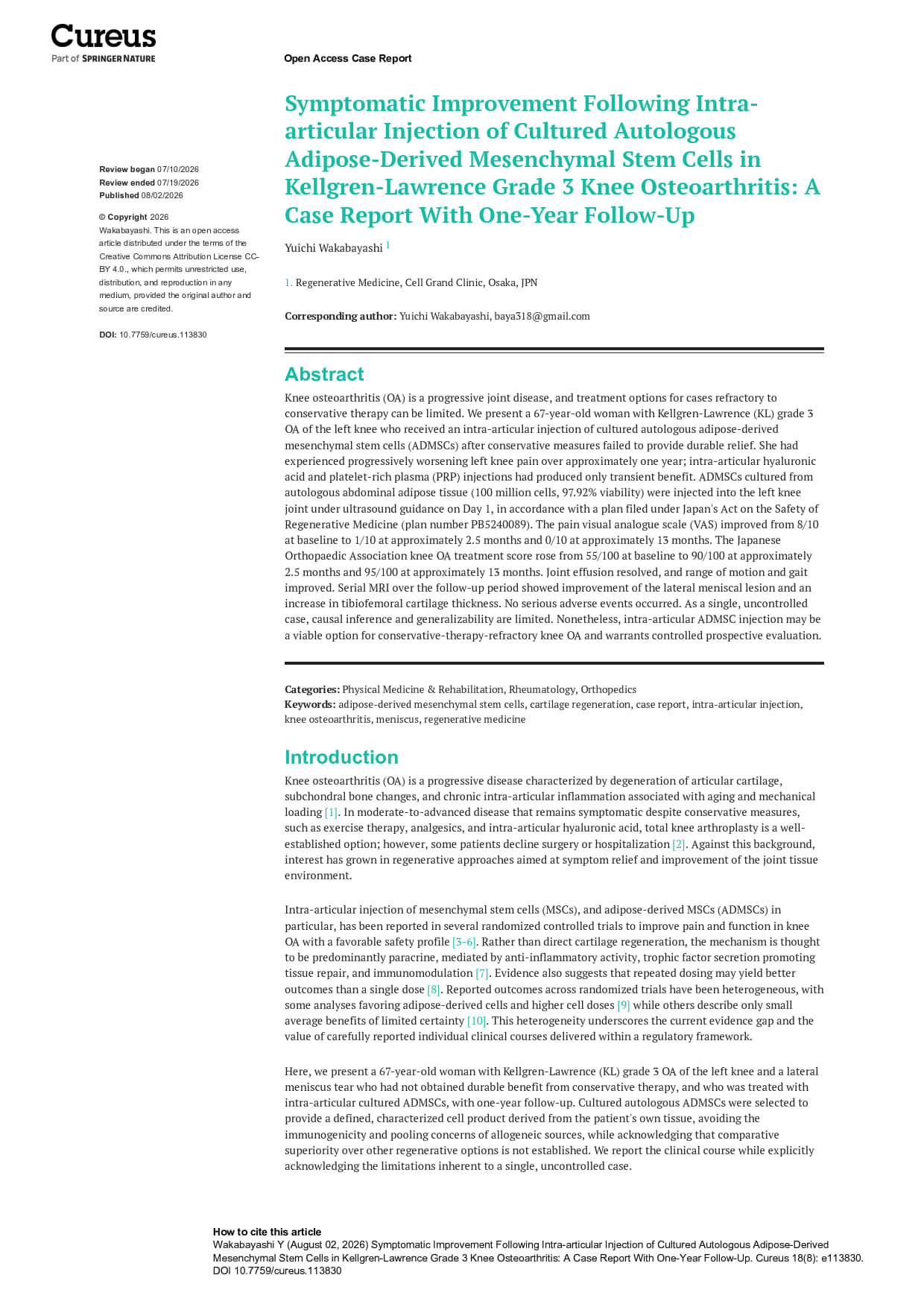 Page 1
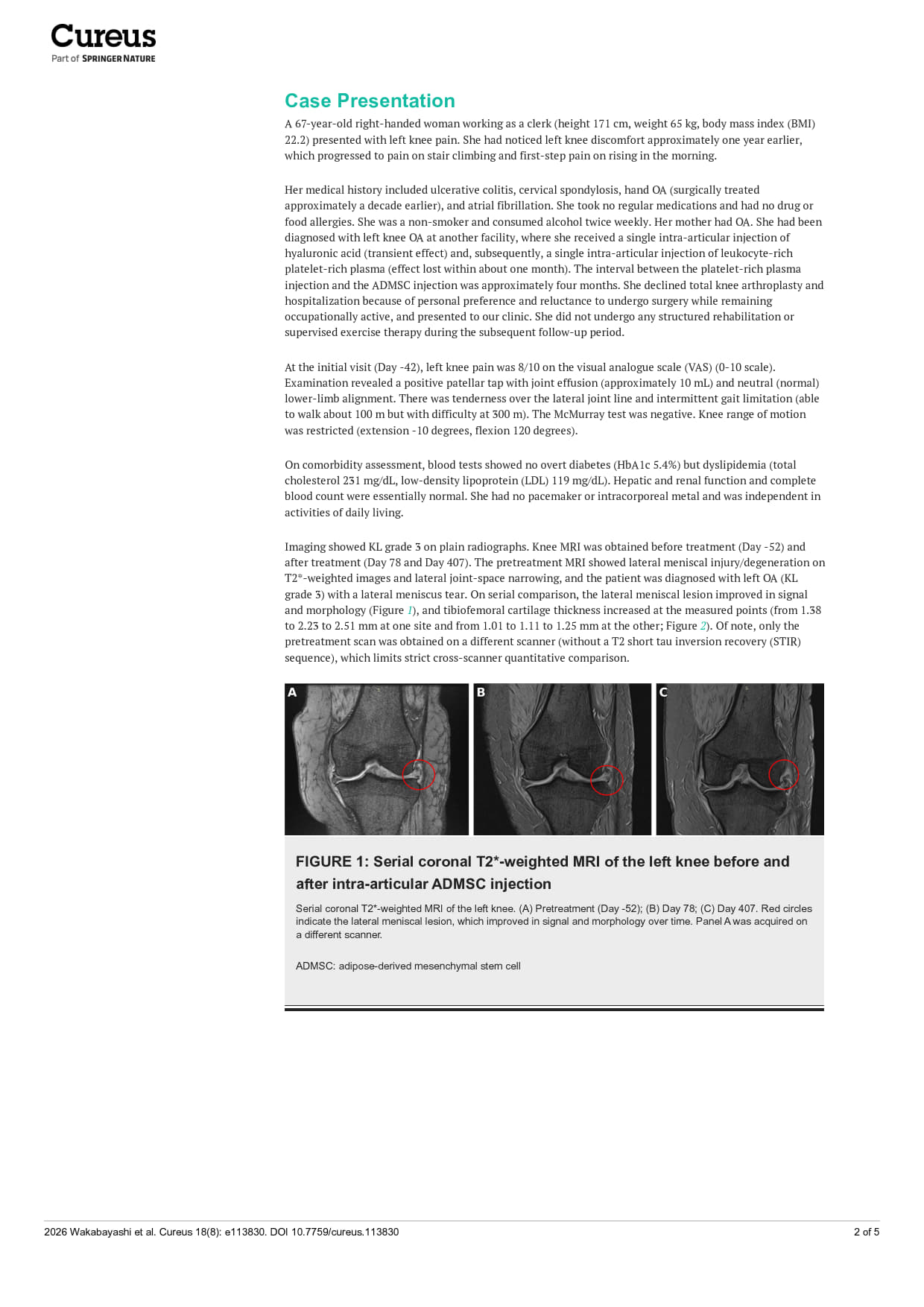 Page 2
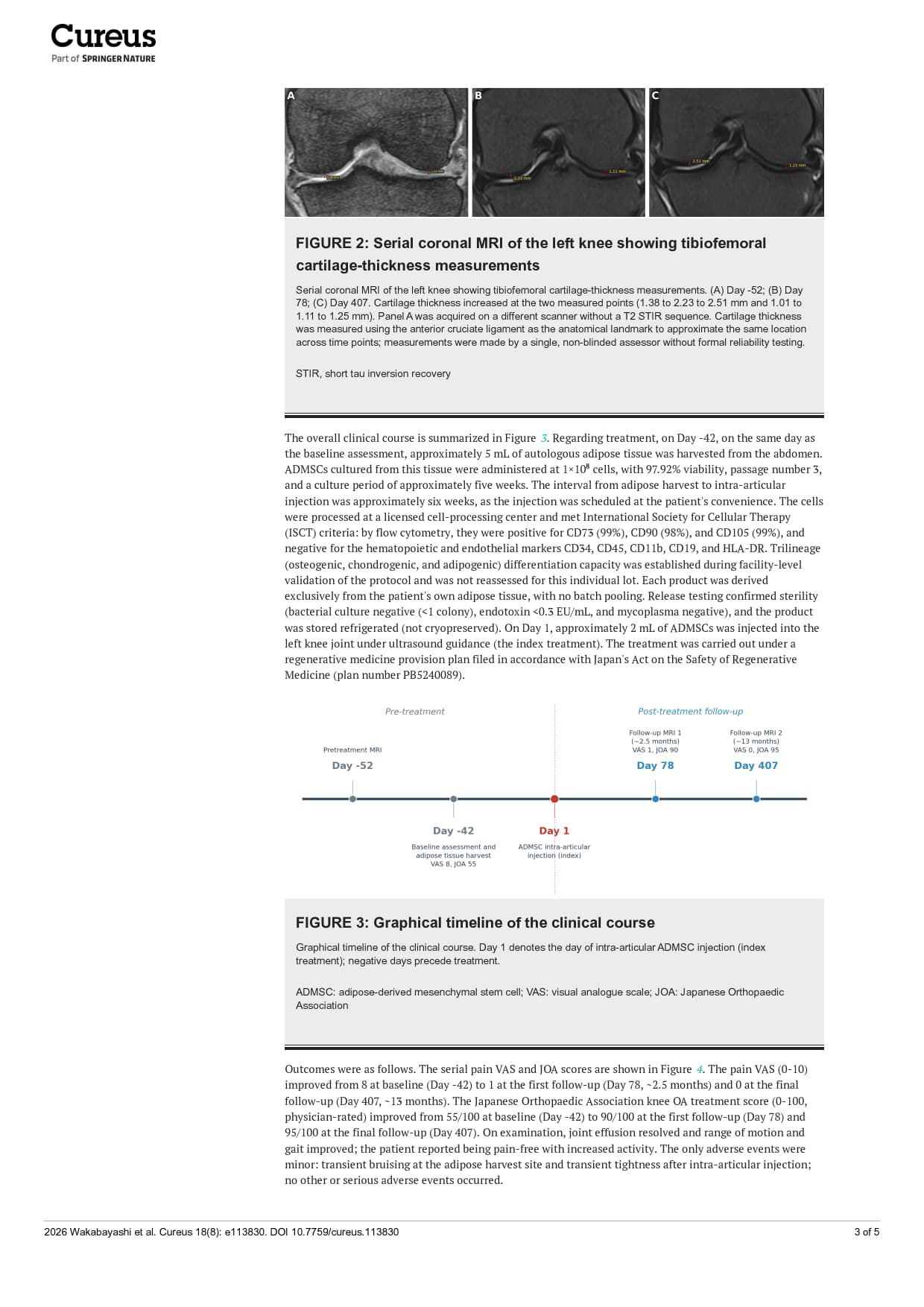 Page 3
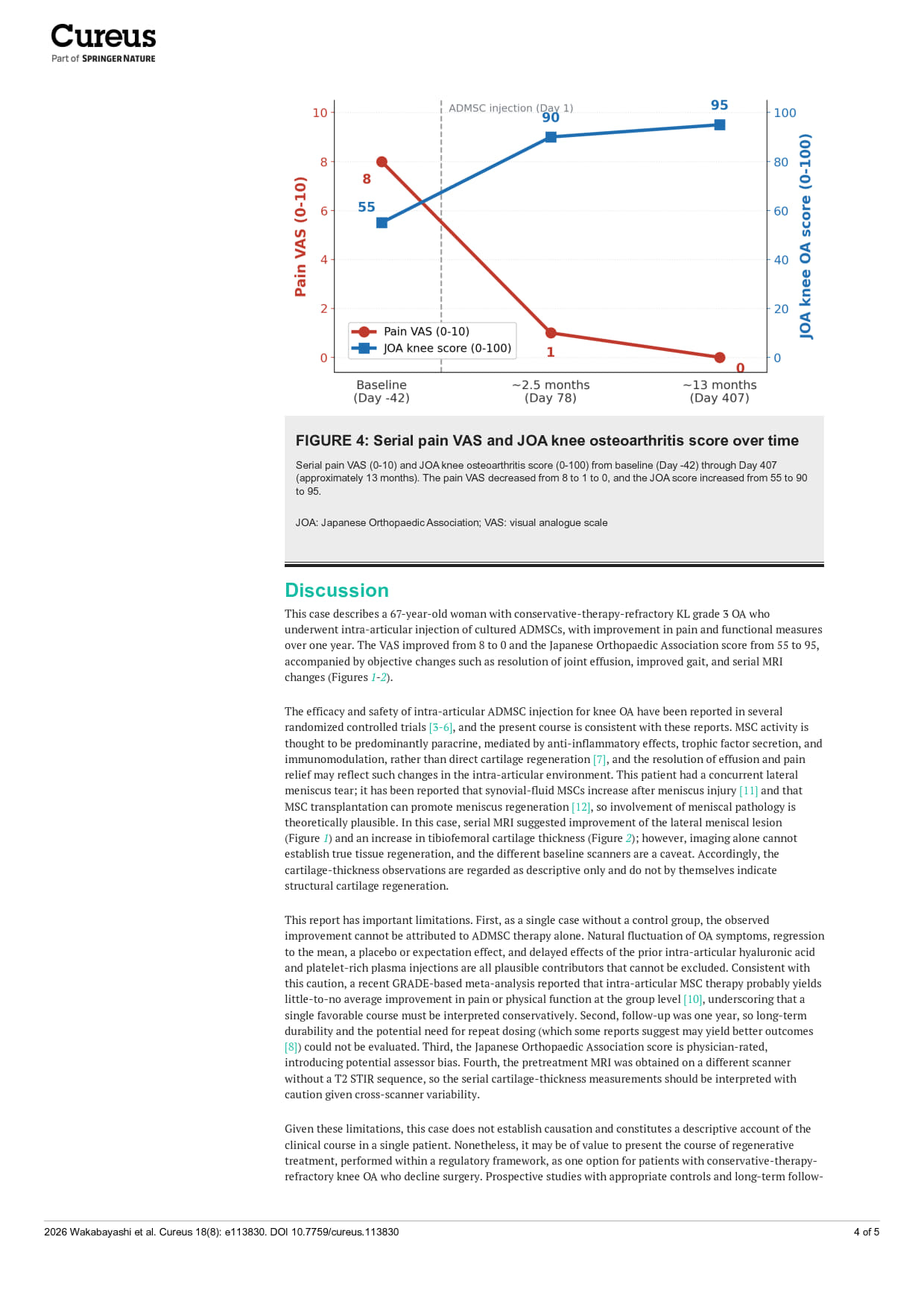 Page 4
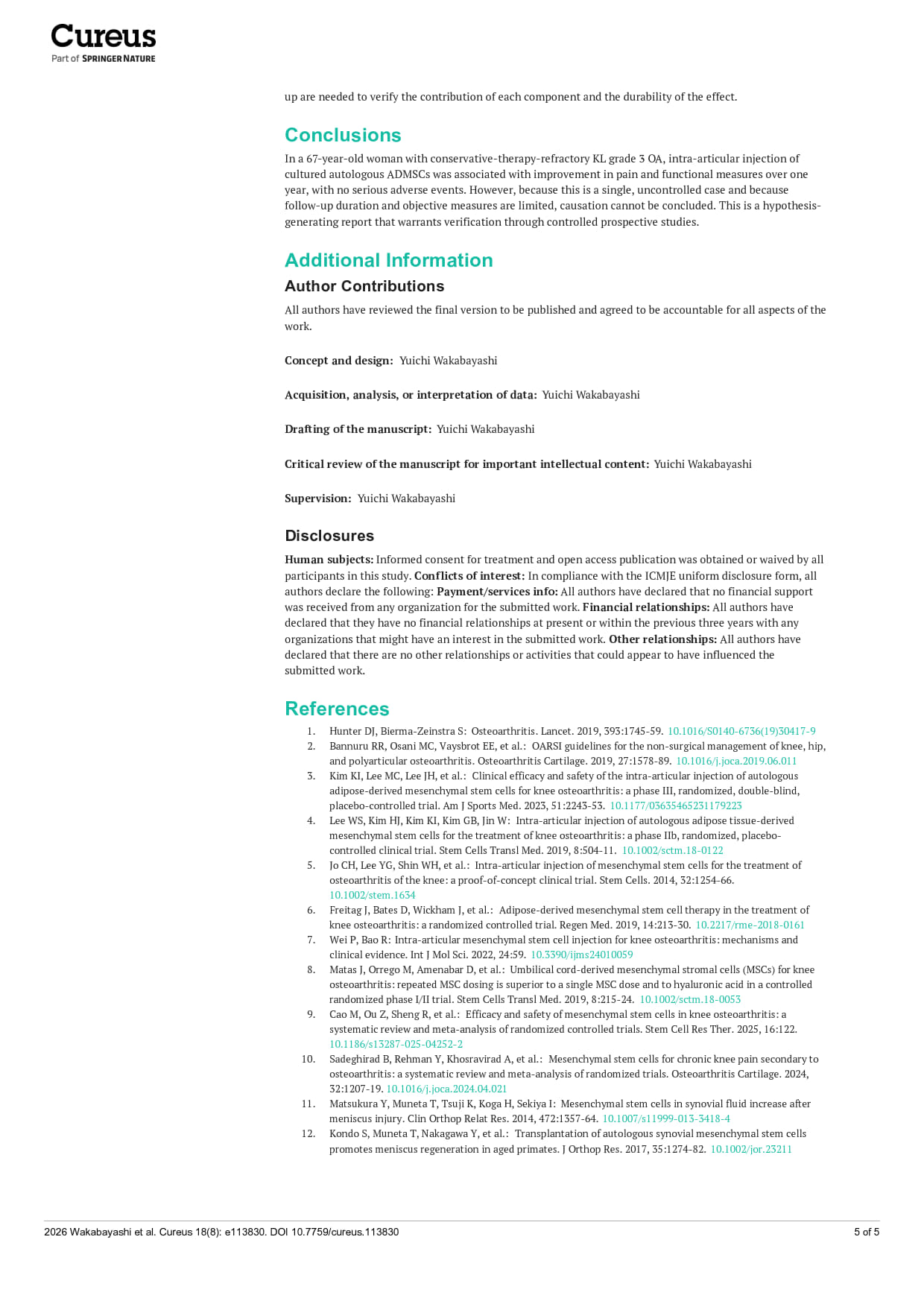 Page 5
Author: Yuichi Wakabayashi
Affiliation: Regenerative Medicine, Cell Grand Clinic, Osaka, Japan
Journal: Cureus
Year: 2026
Volume/Issue: 18(8)
Article: e113830
DOI: 10.7759/cureus.113830
Frequently Asked Questions
Is stem cell therapy legal for international patients in Tokyo?
Yes, international patients can legally receive regenerative treatments in Tokyo. The Japanese government heavily regulates these procedures under the Act on the Safety of Regenerative Medicine, ensuring that all facilities meet rigorous ethical and medical standards before treating global visitors. This precise regulation protects patients from unproven or experimental dangers.
Can stem cells cure hepatitis C induced liver cirrhosis?
While regenerative treatments cannot cure the underlying hepatitis C virus, they are highly effective at repairing the liver damage caused by the infection. Patients typically undergo antiviral treatments to clear the virus first, followed by cellular therapies to regenerate the fibrotic tissue and restore hepatic function to healthy baseline levels.
Do I need to stop taking my regular liver medications before treatment?
You should never stop prescribed medications without consulting your specialist. During your initial consultation, the medical team will review your pharmacological history. Some blood-thinning medications or strong immunosuppressants might need to be adjusted temporarily, but standard liver support supplements are usually continued safely throughout the entire clinical process.
How successful is regenerative medicine for alcoholic liver disease?
Cellular treatments show significant promise for alcoholic liver disease provided the patient has completely abstained from alcohol consumption for a sustained period. The introduced cells can aggressively target the chronic inflammation associated with alcohol toxicity, helping to rebuild the healthy hepatic cellular structure once the toxic environmental trigger is permanently removed.
What type of stem cells are best for liver regeneration?
Mesenchymal stem cells derived from either adipose tissue or bone marrow are considered the gold standard for hepatic regeneration. These specific cells possess powerful immunomodulatory properties and have a unique ability to differentiate into hepatocyte-like cells, which are the primary functional cells of the human liver responsible for metabolic clearing.
Will my domestic health insurance cover treatments in Tokyo?
Domestic health insurance plans typically do not cover elective regenerative therapies performed abroad. Patients usually pay out-of-pocket for these advanced treatments. However, many find that the comprehensive pricing in Asia is far more manageable than the out-of-pocket expenses associated with lifelong conventional care and eventual transplant surgeries in Western countries.
Are mesenchymal stem cells safe for elderly liver patients?
Age alone is not a disqualifying factor for regenerative medicine. Because the procedures use autologous cells and are minimally invasive, they are generally very safe for senior patients. A thorough pre-treatment cardiac and pulmonary evaluation ensures that the elderly patient can comfortably handle the minor extraction process without facing surgical cardiovascular risks.
How many treatment sessions are required for liver cirrhosis?
The number of required sessions depends entirely on the severity of the cirrhosis and the individual patient response. Many patients achieve significant stabilization with a single comprehensive protocol, while those with more advanced fibrosis might benefit from a secondary booster infusion scheduled six to twelve months later to maximize the ongoing regenerative momentum.
Does this cellular therapy improve portal hypertension?
Yes, reducing portal hypertension is one of the key clinical benefits of this advanced treatment. By actively breaking down rigid scar tissue and promoting the growth of new, healthy blood vessels inside the liver, the therapy steadily reduces the internal vascular resistance that causes portal hypertension, thereby decreasing the dangerous risk of variceal bleeding.
What lifestyle changes boost treatment efficacy after the procedure?
To maximize the regenerative outcome, patients must actively adopt a strict liver-friendly lifestyle. This directly includes absolute abstinence from all alcohol, maintaining a low-sodium and nutrient-dense diet, engaging in moderate daily physical exercise, and strictly avoiding unnecessary over-the-counter medications that place undue metabolic stress on the newly regenerating hepatic tissues.
Start Your Liver Regeneration Journey Today
Do not wait until a transplant is your only remaining option. PlacidWay meticulously connects you with Japan's top-rated, government-accredited regenerative medicine clinics. Get a completely free, no-obligation clinical evaluation, receive a highly personalized treatment plan from board-certified specialists, and safely unlock exclusive medical tourism packages designed specifically for your hepatic recovery.
References:
- Ministry of Health, Labour and Welfare (MHLW), Japan
- Pharmaceuticals and Medical Devices Agency (PMDA), Japan
- International Society for Cell & Gene Therapy (ISCT)
- Cureus Journal of Medical Science
- Journal of Nuclear Medicine
- International Society for Stem Cell Research (ISSCR)
- World Health Organization (WHO)





.jpg)


.png)

-(5).png)
.png)
.png)


.png)
.png)
-(10).png)









Share this listing