
Stem Cell Therapy in Japan for Immunity and Wellness
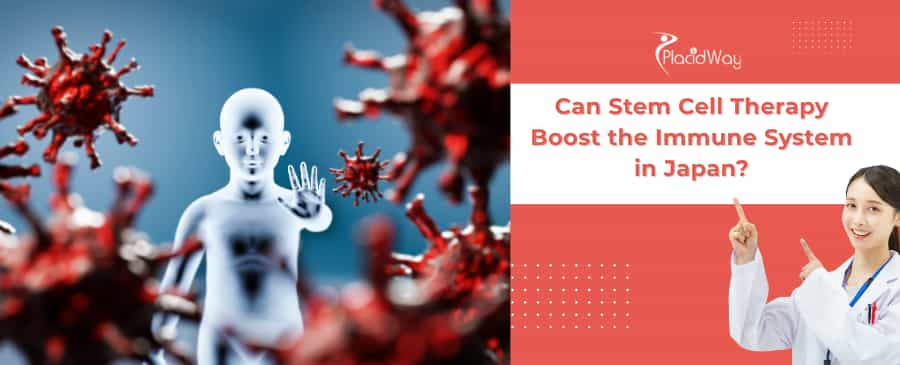
Interest in regenerative medicine is growing worldwide, and many patients are looking into stem cell therapy in Japan as a potential option for supporting their immune health. The human immune system is incredibly complex, acting as the body's defense network against illness, infection, and disease. When this system is compromised or overactive, it can lead to various health challenges.
While the popular term is "boosting" the immune system, medical professionals generally focus on "immunomodulation"—balancing the immune system so it responds appropriately to threats without attacking the body's own healthy tissues. Japan has become a notable destination for these treatments due to its strict regulatory framework designed to monitor the safety of regenerative procedures.
Key Takeaways
- Stem cells do not simply "boost" immunity; they modulate it, potentially calming overactive responses and supporting tissue repair.
- Japan regulates these procedures under the Act on the Safety of Regenerative Medicine (ASRM), focusing on patient safety.
- Mesenchymal stem cells (MSCs) are the most common type used for immunomodulatory treatments.
- Treatment outcomes vary significantly from person to person, and no reputable clinic can guarantee a cure.
- Thorough medical evaluation is required before traveling to ensure you are a suitable candidate for treatment.
How does stem cell therapy interact with the immune system?
The concept behind using stem cells for immune support revolves around their unique ability to communicate with other cells in the body. Certain types of stem cells can sense highly inflammatory environments. When they detect excessive inflammation, they release specific anti-inflammatory molecules, cytokines, and growth factors.
This process is particularly relevant for conditions where the immune system is overactive, such as in autoimmune disorders. Rather than acting like a stimulant (which could make an autoimmune condition worse), stem cells attempt to restore a state of balance or homeostasis. They may encourage the production of regulatory T-cells, which help keep the immune system in check.
However, it is vital to understand that this is an ongoing area of medical research. While clinical observations often show a reduction in inflammatory markers, the therapy is not a universally proven solution for all immune-related conditions, and individual biological responses can vary considerably.
What types of stem cells are used for immune modulation in Japan?
In Japanese clinics offering regenerative therapies for immune regulation, Mesenchymal Stem Cells (MSCs) are typically the cell type of choice. MSCs are multipotent cells capable of developing into a variety of cell types, but their main therapeutic value lies in their signaling abilities.
There are two primary categories of MSCs used in these procedures:
- Autologous cells: Harvested from the patient’s own body, usually from adipose (fat) tissue or bone marrow. Because they are your own cells, the risk of immune rejection is incredibly low.
- Allogeneic cells: Sourced from healthy, screened donors. Umbilical cord tissue is a common source because these cells are young, robust, and generally have a low risk of provoking an adverse immune response.
The choice between autologous and allogeneic cells depends on the patient's age, underlying health conditions, and the specific protocols approved at the treating facility. A qualified medical professional must assess which source is most appropriate for your specific health profile.
Are these treatments regulated and safe in Japan?
Japan is internationally recognized for having a distinct and progressive legal framework for regenerative medicine. The government established the ASRM to prevent unproven, dangerous therapies while allowing safe, monitored access to innovative treatments. Under this law, any facility providing cell therapies must have their treatment protocols reviewed by a certified independent committee and approved by the Ministry of Health, Labour and Welfare (MHLW).
However, patients must note a crucial distinction: legal approval under ASRM signifies that the treatment has met specific safety requirements, not that it is a guaranteed cure. The regulations ensure that the facilities are clean, the cell processing is handled correctly, and the risk of infection or contamination is minimized.
While the regulatory environment provides a layer of safety, all medical procedures carry inherent risks. Patients should verify that any clinic they consider is actively registered with the proper Japanese authorities and provides transparent information about potential outcomes.
What is the estimated stem cell therapy cost in Japan?
Pricing for regenerative treatments can fluctuate based on several variables. Because these therapies are generally categorized as private, out-of-pocket medical expenses, they are not typically covered by standard domestic or international health insurance plans.
| Cost Factor | Description |
|---|---|
| Cell Source | Autologous treatments require a harvesting procedure (like minor liposuction), which can increase costs compared to some donor-cell applications. |
| Cell Expansion | If cells need to be cultured in a laboratory for several weeks to reach a therapeutic quantity, laboratory fees will significantly increase the total price. |
| Number of Sessions | A single infusion will cost less than a comprehensive treatment plan requiring multiple visits over several months. |
Patients should request a detailed, itemized estimate before committing to treatment. Be aware that travel expenses, accommodations, medical visas, and required pre-treatment diagnostic testing will add to the overall financial commitment.
Who is a suitable candidate for immune-focused stem cell treatments?
Not everyone is a candidate for regenerative therapies. Ideal candidates are typically those looking for adjunctive (supportive) therapy for chronic inflammatory conditions, certain autoimmune disorders, or age-related immune decline. Suitability must always be determined on a case-by-case basis through thorough blood tests, imaging, and a review of medical history.
There are also clear contraindications. You may not be eligible for treatment if you have:
- Active cancer or a recent history of certain malignancies.
- Active, severe systemic infections.
- Severe blood disorders or bleeding risks.
- Certain advanced organ failures.
Women who are pregnant or nursing are also generally excluded from these treatments. A responsible clinic will prioritize patient safety and decline treatment if the risks outweigh the potential benefits or if the therapy is unlikely to be effective for your specific condition.
What are the potential risks and complications?
No medical procedure is entirely risk-free. When stem cells are administered intravenously—the most common method for systemic immune support—patients may experience mild side effects such as temporary fever, chills, fatigue, or localized pain and bruising if a harvesting procedure was performed.
More significant risks, while uncommon in highly regulated environments, include:
- Infection: Bacterial or viral infections can occur if protocols are breached during cell processing or administration.
- Immune reactions: Even with autologous cells, the body can occasionally react to the solution in which the cells are suspended.
- Unintended differentiation: In extremely rare cases, stem cells can develop into unwanted tissue types or contribute to the growth of existing undiagnosed tumors.
Patients should always maintain contact with their primary healthcare provider at home. If complications arise after returning from Japan, immediate local medical intervention is necessary.
How long does the treatment and recovery process take?
The timeline for stem cell therapy depends on the specific protocol. If you are receiving an autologous treatment requiring cell expansion, the initial visit will involve the tissue harvest (such as a mini-liposuction). You will then typically wait 3 to 5 weeks while the laboratory isolates and multiplies the cells before returning for the IV infusion.
If the protocol uses ready-to-administer allogeneic cells, the treatment can often be completed over just a few days, including pre-treatment consultations and post-infusion observation.
Recovery from the procedure itself is usually rapid, with many patients returning to light activities within 24 to 48 hours. However, medical professionals strongly advise avoiding strenuous exercise or long-haul flights immediately after treatment to minimize stress on the body and monitor for any delayed allergic reactions.
How do I choose a reliable stem cell therapy clinic in Japan?
Selecting the right facility is arguably the most critical step for any patient considering regenerative medicine abroad. Due to the high interest in these therapies, some facilities may use aggressive marketing tactics. It is essential to approach your decision with a cautious, well-informed mindset.
When evaluating a clinic, consider the following steps:
- Verify Credentials: Ensure the facility is formally registered to provide regenerative medicine in Japan and can present their approved protocols.
- Demand a Consultation: You should have a thorough consultation with a licensed medical doctor, not just a sales representative.
- Beware of Guarantees: Avoid clinics that promise 100% success rates, guarantee cures, or claim the procedure is completely risk-free. Authentic medical providers always discuss potential limitations and complications.
- Check Support Services: If you do not speak Japanese, confirm that the clinic provides professional medical translation services to ensure clear communication.
Why is medical tourism in Japan growing for regenerative medicine?
Japan has positioned itself as a global leader in regenerative medicine research, partly due to significant government investment following the Nobel Prize-winning discovery of induced pluripotent stem (iPS) cells by a Japanese researcher in 2012. This scientific momentum has created an environment rich in advanced medical facilities.
For international patients, combining treatment with travel offers a unique experience. Japan is known for its high standards of cleanliness, safety, and meticulous patient care. Many facilities catering to international patients offer comprehensive support, including assistance with navigating the healthcare system and providing medical interpreters.
However, prospective medical tourists must carefully plan their logistics. While Japan's medical infrastructure is excellent, patients are still responsible for ensuring they are fit for travel, understanding visa requirements (such as the Medical Stay Visa), and managing their continuity of care once they return to their home country.
What alternatives exist for supporting immune health?
Stem cell therapy is an advanced and often expensive intervention that should not replace fundamental health practices. Medical professionals generally recommend exploring established avenues for immune support before considering investigational therapies.
Standard alternatives include:
- Conventional Medical Therapies: For autoimmune conditions, immunosuppressants or biologic medications prescribed by a rheumatologist or immunologist remain the standard of care.
- Nutritional Optimization: Addressing deficiencies in vitamin D, vitamin C, zinc, and other essential nutrients can significantly impact immune function.
- Lifestyle Modifications: Adequate sleep, regular moderate exercise, and stress management play a documented, vital role in maintaining immune homeostasis.
Patients should have open conversations with their regular doctors about all available options, weighing the proven benefits of standard care against the investigational nature of stem cell treatments.
Why Choose PlacidWay for Medical Tourism in Japan?
Navigating international healthcare options can be complex. PlacidWay serves as a global medical tourism platform, assisting patients in gathering information about healthcare options abroad. Here is what PlacidWay provides:
- Extensive Directory: Access information on various clinics and hospitals offering regenerative medicine in Japan.
- Educational Resources: PlacidWay offers informative articles and guides to help patients understand different medical procedures and destinations.
- Cost Comparisons: The platform allows users to request and compare cost estimates from multiple providers to aid in financial planning.
- Multilingual Accessibility: Information is presented in multiple languages, making research accessible to a broader international audience.
- Direct Connections: Patients can use the platform to request direct consultations and information from international healthcare providers.
Frequently Asked Questions
Are the results of stem cell therapy for immune support permanent?
No, the results are rarely permanent. Stem cell therapy may offer temporary immunomodulatory effects, but patients often require follow-up evaluations and sometimes maintenance treatments depending on their condition and the clinic's protocol.
Can foreign patients legally receive stem cell therapy in Japan?
Yes. Foreign patients can legally undergo regenerative medicine treatments in Japan, provided the clinic is registered and compliant with the Act on the Safety of Regenerative Medicine (ASRM).
Do I need a special visa for medical treatments in Japan?
Many patients travel on standard tourist visas for short outpatient procedures. However, Japan also offers a specific Medical Stay Visa for patients and their companions requiring longer stays for treatment and recovery.
Is stem cell therapy covered by international health insurance?
In most cases, regenerative treatments are considered investigational and are not covered by standard health insurance. Patients should expect to pay out-of-pocket and should confirm directly with their insurance provider.
How are stem cells typically administered for immune modulation?
For systemic immune support or modulation, stem cells are most commonly administered via intravenous (IV) infusion, allowing the cells to circulate throughout the body.
Can I travel immediately after my stem cell infusion?
While the procedure is often outpatient, doctors typically advise patients to rest locally for a few days to monitor for any rare immediate adverse reactions before flying home.
Does the stem cell extraction or infusion process hurt?
Intravenous infusions usually cause only mild discomfort, similar to a standard blood draw. If cells are harvested from your own fat or bone marrow, local anesthesia is used, though mild soreness may follow.
What is the difference between immune boosting and immunomodulation?
Boosting implies turning the immune system up, which can actually worsen autoimmune conditions. Immunomodulation means regulating or balancing the immune response, helping it function more normally without overreacting.
How many treatment sessions are usually required?
The number of sessions varies widely based on individual health needs, the type of cells used, and the specific clinic's treatment plan. Some patients receive a single infusion, while others require a series over several months.
What happens if I develop a complication after returning home?
Patients must establish a relationship with a local primary care doctor or specialist before traveling. If complications arise at home, you should seek immediate care from your local medical provider, sharing all treatment records from Japan.
Compare Treatment Options
Explore your options for regenerative medicine abroad. Gather information and request details from healthcare providers to make an informed decision.
Request Treatment InformationReferences
- Regenerative Medical Products – Pharmaceuticals and Medical Devices Agency (PMDA) Japan
- Patient Guide to Stem Cell Treatments – International Society for Stem Cell Research (ISSCR)
- Mesenchymal Stem Cells and Immunomodulation – National Institutes of Health (NCBI)
- FDA Warning About Unproven Stem Cell Therapies – U.S. Food and Drug Administration
- Regulations on Regenerative Medicine in Japan – National Institutes of Health (NCBI)
- Traveler's Health: Japan – Centers for Disease Control and Prevention (CDC)























Share this listing