


Japan has emerged as a global epicentre for biomedical innovation, particularly in the fields of NK cell therapy and stem cell treatment in Japan. This surge in popularity is driven by a unique combination of advanced technological infrastructure and a progressive regulatory environment that prioritizes patient access to cutting-edge regenerative medicine. International patients are increasingly looking toward Japan for therapies that aim to harness the body’s own biological mechanisms to combat complex health conditions.
The core of these treatments involves utilizing autologous cells—cells harvested from the patient's own body—which are then processed in highly controlled environments. By focusing on regenerative therapies in Japan, patients often find more options for chronic illness management, immune system modulation, and anti-aging protocols than are currently available in many other developed nations. This comprehensive approach to cellular medicine reflects Japan's commitment to the future of personalized healthcare.
Evolution of Regenerative Medicine in Japan
The landscape of medical tourism in Japan changed dramatically with the introduction of the Act on the Safety of Regenerative Medicine (ASRM) in 2014. This legislation established a clear, rigorous pathway for the approval and administration of cellular therapies, distinguishing Japan as a leader in clinical safety and transparency. This regulatory framework ensures that every clinic offering immune cell therapy in Japan adheres to strict manufacturing and safety standards.
Over the last decade, Japanese researchers have moved rapidly from bench-side discovery to bedside application. The evolution of stem cell clinics in Japan has been characterized by a move toward highly specialized care where protocols are tailored to the specific genomic and biological profile of the individual. This history of excellence provides a layer of trust for international patients seeking treatments that are still considered experimental in other parts of the world.
Benefits of NK Cell Therapy for International Patients
Natural Killer (NK) cells are a critical component of the innate immune system, capable of identifying and destroying compromised cells without prior sensitization. NK cell therapy in Japan focuses on expanding and activating these cells outside the body to enhance their natural surveillance capabilities. For international patients, this therapy offers a non-invasive, biological approach to supporting the immune system during various health challenges.
One of the primary benefits is the reduction in risk associated with rejection, as the treatment typically uses the patient's own cells. Furthermore, affordable immune therapy in Japan allows patients to access high-grade cell processing technology at a fraction of the cost found in boutique clinics in Europe or the US. This accessibility, combined with the precision of Japanese medical standards, makes it a compelling choice for global health travelers.
Affordable NK Cell Therapy and Stem Cell Treatment Cost in Japan
Understanding the financial commitment is essential for anyone considering regenerative medicine in Japan. While Japan is known for its high standard of living, its medical sector remains surprisingly competitive in pricing due to efficient systems and a high volume of local procedures. The cost of stem cell treatment in Japan generally includes the laboratory processing, the clinical administration, and initial follow-up consultations.
While the initial price tag may seem significant, it often represents a comprehensive package that covers the use of certified Cell Processing Centers (CPC). Compared to the United States, where similar unproven therapies can cost upwards of $50,000 without the same level of regulatory oversight, affordable NK cell therapy in Japan provides a balance of price and rigorous safety compliance.
| Procedure Name | Average Cost in Japan | Cost in USA/UK |
|---|---|---|
| NK Cell Therapy (1 Cycle) | $12,000 - $18,000 | $25,000 - $40,000 |
| Mesenchymal Stem Cell (MSC) Injection | $10,000 - $15,000 | $20,000 - $35,000 |
| Combination Regenerative Protocol | $22,000 - $35,000 | $45,000 - $70,000 |
Mechanism of Action: How Stem Cell Treatment Works
The science behind stem cell treatment in Japan revolves around the regenerative potential of Mesenchymal Stem Cells (MSCs). These cells possess a unique ability to differentiate into various cell types, such as bone, cartilage, and muscle, but more importantly, they act as biological "homing" devices. When introduced into the body, they typically migrate to areas of inflammation or injury to release cytokines and growth factors that facilitate tissue repair.
Patients seeking advanced stem cell therapy in Japan benefit from protocols that maximize these "cell-signaling" properties. Instead of simply replacing old cells, the therapy works to modulate the immune system and create a microenvironment conducive to natural healing. This "paracrine effect" is what makes stem cells particularly effective for systemic issues like autoimmune conditions or chronic degenerative disorders.
Advanced NK Cell Therapy Clinics in Japan
When searching for the best NK cell therapy clinics in Japan, patients will find facilities that look more like high-tech laboratories than traditional hospitals. These clinics are often affiliated with prestigious universities and research institutions, ensuring they remain at the cutting edge of cellular science. The integration of diagnostic imaging and precise administration techniques ensures that cells are delivered exactly where they are needed.
Most regenerative clinics in Tokyo and Osaka prioritize a holistic patient experience, offering multilingual support and tailored nutritional guidance to complement the cellular work. The infrastructure is designed to facilitate a smooth journey for those traveling from overseas, with administrative staff who are well-versed in the logistical requirements of international medical tourists. This level of professionalism is a hallmark of the Japanese healthcare system.
Case Summary: Chronic Fatigue & Immunity
John, a 52-year-old from Australia, visited Japan for NK cell therapy to address persistent fatigue. Following three cycles of activated NK cell infusions, he reported a significant improvement in energy levels and a decrease in the frequency of seasonal illnesses over a six-month period.
Safety Protocols for Regenerative Therapies in Japan
Safety is the cornerstone of medical tourism in Japan. Every step of the cellular preparation process is monitored by the Pharmaceuticals and Medical Devices Agency (PMDA). This ensures that cells are free from contamination and that the laboratory environment meets the highest international standards of sterility (ISO Grade 5 or better). For patients, this means the risk of procedural infection is kept to an absolute minimum.
Furthermore, stem cell safety in Japan involves rigorous pre-screening of all patients. Before any treatment begins, doctors typically conduct extensive blood work and imaging to ensure the patient is a suitable candidate. This meticulous attention to detail helps prevent complications and ensures that the therapy is aligned with the patient's overall health status, which is vital when dealing with complex biological agents.
Regenerative treatments are generally not recommended for individuals with active systemic infections, certain types of uncontrolled cancer, or pregnant women. Always disclose your full medical history during the initial consultation.
Comparing Autologous and Allogeneic Stem Cell Options
A major decision in stem cell therapy in Japan is whether to use autologous (your own) or allogeneic (donor) cells. Most clinics in Japan favor autologous cells—derived from the patient's own fat (adipose) or bone marrow—because they eliminate the risk of Graft-versus-Host Disease (GvHD). This approach is generally considered the "gold standard" for safety in regenerative medicine today.
However, allogeneic stem cell treatment in Japan is also available for specific conditions, utilizing cells sourced from umbilical cord blood or placenta under strict ethical and biological screening. These donor cells are often chosen for their high proliferative capacity and "young" biological age. Your specialist will help you weigh the benefits of each, focusing on which type of cell is most likely to meet your specific therapeutic goals.
Patient Eligibility for Immune Cell Therapy in Japan
Not every patient is a candidate for immune cell therapy in Japan. Eligibility is typically determined by the stage of the patient's condition, their overall immune profile, and their previous treatment history. Doctors look for markers that indicate the patient's immune system is capable of responding to the activation and expansion of Natural Killer cells or other lymphocytes.
For those seeking regenerative treatment for chronic conditions, the process begins with a comprehensive review of medical records. If the patient is too weak or has certain contraindications, the medical team may recommend preparatory treatments to stabilize their health before proceeding with cellular therapy. This conservative and responsible approach is why patient success in Japan remains high compared to less regulated regions.
Case Summary: Joint Regeneration
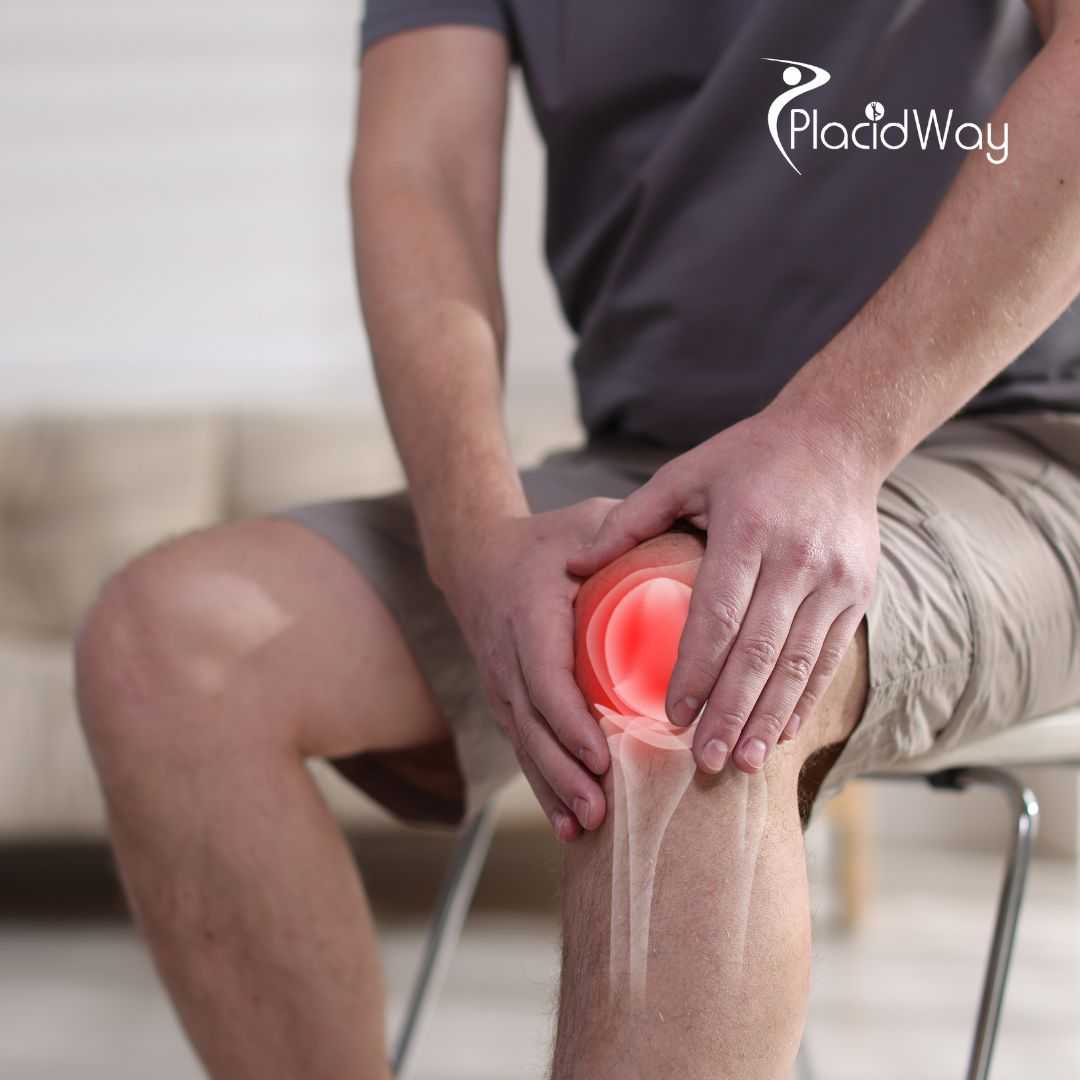
Maria, a 64-year-old from Spain with Grade 3 osteoarthritis in her knees, underwent adipose-derived stem cell therapy in Osaka. Within four months, she reported a 50% reduction in pain scores and was able to return to walking her dog daily without the use of NSAIDs.
Medical Tourism in Japan for Regenerative Procedures
Japan offers more than just world-class medicine; it provides a healing environment that is culturally rich and logistically efficient. Medical tourism in Japan is supported by a robust infrastructure, including high-speed trains (Shinkansen) that make traveling between clinical centers in different cities seamless. Patients can expect punctuality, cleanliness, and a level of service known as "Omotenashi," which means wholehearted hospitality.
Many patients choose to incorporate their NK cell therapy journey in Japan with a restful recovery period in some of Japan's serene locations. Whether it's the quiet temples of Kyoto or the modern comforts of Tokyo, the environment plays a significant role in the overall well-being of the patient. The availability of healthy, nutrient-dense cuisine also supports the body's regenerative processes during the treatment window.
Success Rates and Expectations for NK Cell Therapy
It is crucial to maintain realistic expectations when undergoing NK cell therapy in Japan. While these therapies represent the frontier of medicine, they are not "miracle cures." Success is generally defined as an improvement in quality of life, a reduction in markers of inflammation, or a stabilization of a condition that was previously deteriorating. Patients should discuss specific metrics of success with their physician before starting.
The efficacy of stem cell treatment can vary based on age, the severity of the disease, and lifestyle factors like smoking or diet. Most Japanese clinics provide data from their own internal registries to give patients a transparent view of typical outcomes. This data-driven approach helps patients make informed decisions about whether the investment in regenerative therapy in Japan is the right path for their specific health journey.
Post-Treatment Care and Long-Term Follow-Up
The journey doesn't end when the cells are infused. Post-treatment care in Japan is a vital component of the regenerative process. Patients are usually monitored for a few days to ensure no immediate adverse reactions, such as fever or injection site soreness, occur. After returning home, a structured follow-up schedule is established to track progress over several months.
Effective follow-up for stem cell patients often involves remote consultations via telemedicine. Your Japanese medical team will coordinate with your local doctors to ensure that any necessary blood work or imaging is completed and reviewed. This continuity of care is essential for optimizing the long-term benefits of NK cell therapy and stem cell treatment in Japan, ensuring that the patient feels supported throughout their recovery.
Case Summary: Autoimmune Modulation
Robert from Canada suffered from a chronic autoimmune skin condition. After receiving a combination of MSCs and immune-modulating NK cell therapy in Tokyo, he experienced a "reset" of his immune response, leading to a 70% clearance of skin lesions within three months.
Regulatory Landscape of Regenerative Medicine in Japan
The Japanese regulatory system for stem cells is often cited as a model for other nations. By separating regenerative products from traditional pharmaceuticals, Japan has created a "fast-track" for innovation without sacrificing patient safety. This is overseen by the Ministry of Health, Labour and Welfare (MHLW), which requires clinics to submit detailed reports on every patient treated with cell-based therapies.
For international patients, this oversight provides a layer of authoritative trust in Japan's medical system. You can verify that a clinic is authorized to provide these therapies by checking their registration under the ASRM. This transparency ensures that you are receiving treatment at a facility that has been inspected and approved for the specific cell types and procedures they offer, a level of security that is rare in global medical tourism.
Case Summary: Anti-Aging & Vitality
Yuki, a 58-year-old international executive, sought stem cell therapy for general wellness and anti-aging. Following systemic MSC infusion, she reported improved sleep patterns, cognitive clarity, and enhanced physical stamina, which she maintained through annual follow-up visits.
How PlacidWay Assists Your NK Cell Therapy Journey in Japan
- Connecting you with authorized regenerative medicine clinics in Japan that meet strict regulatory standards.
- Providing transparent information regarding NK cell therapy costs and treatment protocols.
- Facilitating communication between you and Japanese medical specialists for initial case reviews.
- Assisting with the logistical understanding of medical visas and clinical appointments.
- Offering a centralized platform to compare different stem cell treatment options in Japan based on patient reviews and clinical expertise.
- Helping you navigate the complexities of international medical travel with expert guidance.
Frequently Asked Questions
Is NK cell therapy in Japan safe for international patients?
Yes, regenerative therapies in Japan are governed by strict safety protocols under the Act on the Safety of Regenerative Medicine (ASRM) to ensure high standards of quality and patient safety.
How long does a stem cell treatment session take in Japan?
The procedure itself typically takes between 1 to 3 hours, but patients should plan for a total stay of 7 to 10 days for screening and initial recovery monitoring.
Do I need a special visa for medical treatment in Japan?
Many international patients require a Medical Stay Visa, which allows for multiple entries and longer stays for treatment and recovery, depending on their nationality.
What is the cost difference for NK cell therapy in Japan vs USA?
Patients typically find that regenerative therapies in Japan are 30% to 50% more affordable than similar experimental or private treatments in the United States.
Are the results of stem cell therapy permanent?
Results vary significantly between individuals; while some experience long-term relief from chronic conditions, others may require periodic maintenance sessions as advised by their specialist.
Will there be an English-speaking staff at Japanese clinics?
Most international-facing clinics in Japan provide medical coordinators or professional translation services to ensure clear communication between the patient and the medical team.
How are NK cells collected for the therapy?
NK cells are typically harvested through a simple blood draw (apheresis), after which they are cultivated and activated in a specialized laboratory before being re-infused.
Can stem cell treatment cure chronic autoimmune diseases?
While stem cell therapy is used to manage symptoms and modulate the immune system, it is generally considered a supportive treatment rather than a definitive cure.
What is the recovery time after a regenerative procedure?
Most patients can return to light activities within 24 to 48 hours, though strenuous physical exertion is usually discouraged for at least one to two weeks post-treatment.
How do I follow up with my doctor after returning home?
Clinics often offer telemedicine consultations or provide detailed medical reports that you can share with your primary care physician in your home country for ongoing monitoring.
Medical Disclaimer: This article is for informational purposes only and is not medical advice. Always consult a qualified healthcare provider before any medical decisions. Results may vary. Read Full Disclaimer here.
References
- Pharmaceuticals and Medical Devices Agency (PMDA) Japan. Safety and Quality Standards for Cellular Products. https://www.pmda.go.jp/english/index.html
- Nature Portfolio. The Rise of Regenerative Medicine in Japan. https://www.nature.com/articles/d42473-024-00413-8
- National Institutes of Health (NIH). NK Cell-Based Immunotherapy. https://pubmed.ncbi.nlm.nih.gov/41503909/
- Wikipedia. Regenerative Medicine in Japan. https://en.wikipedia.org/wiki/Regenerative_medicine














Share this listing